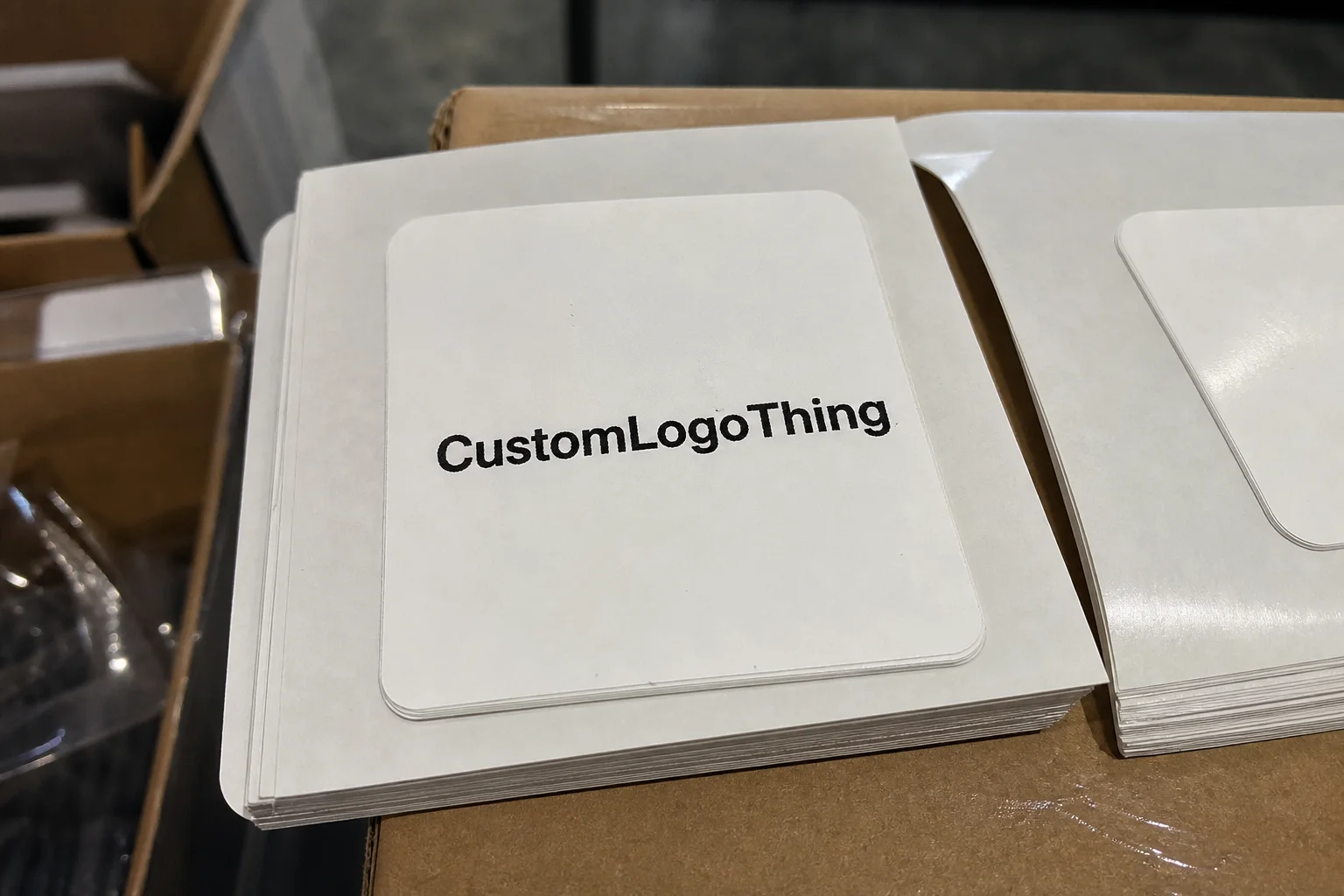
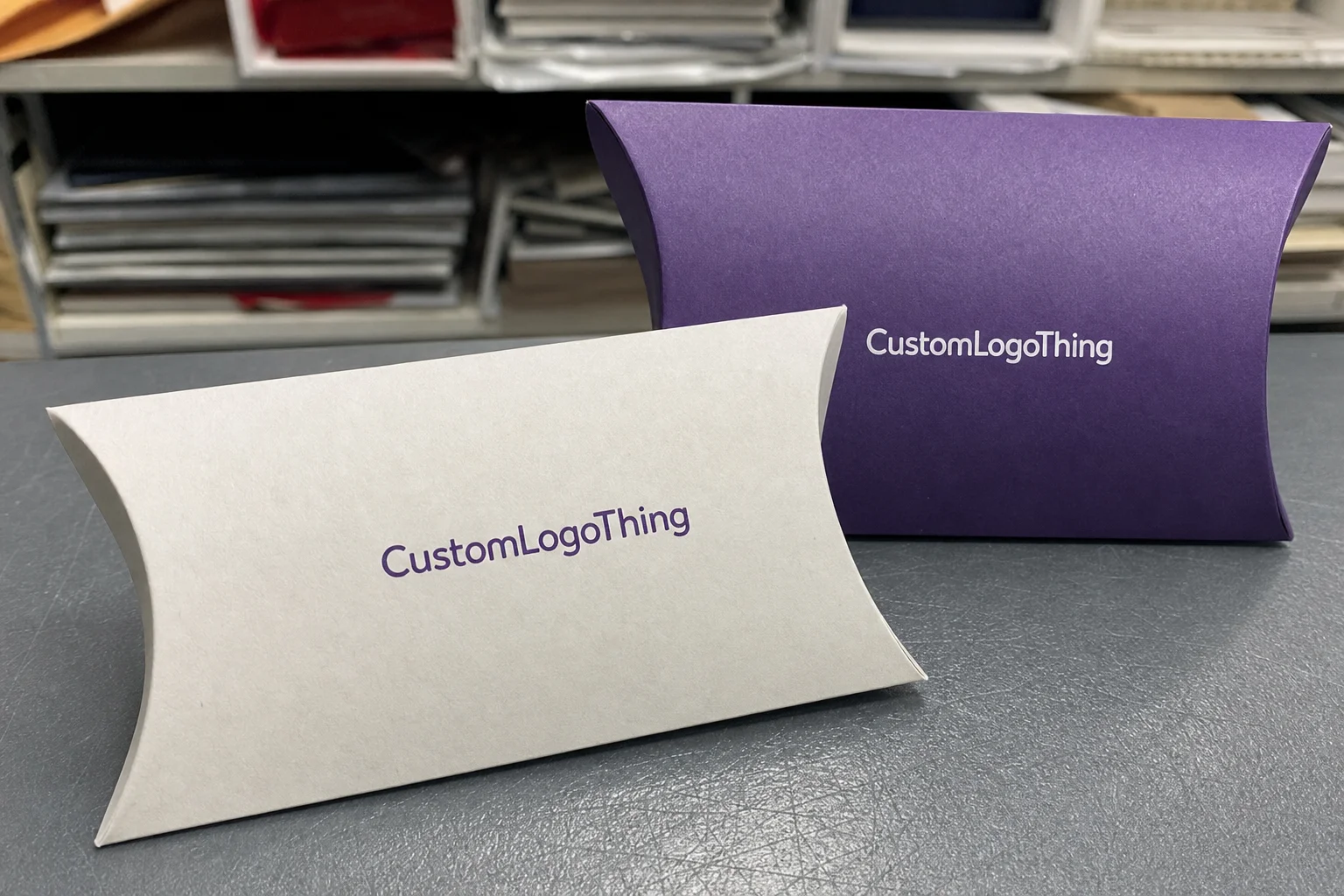
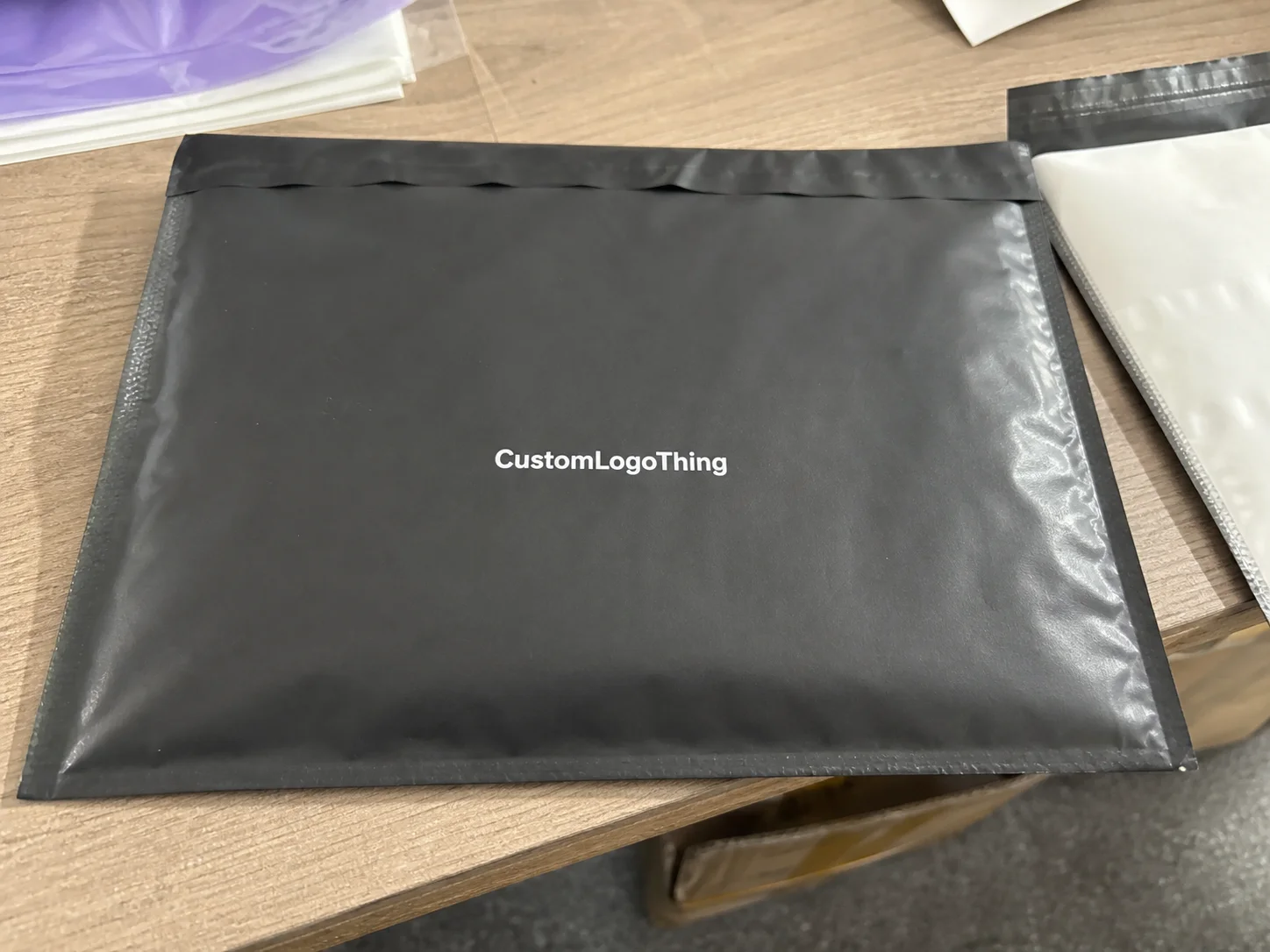
A custom printed box is often cheaper than a blank box plus labels once you account for labor, rework, and the extra handling step that rarely appears on the first quote. A label roll looks inexpensive until you add application time, misalignment, and occasional rejects.
The real question is whether the package helps the line move cleanly, protects the product, and presents the brand without adding manual work. That depends on structure, print method, quantity, and how much abuse the box has to survive before the customer opens it.
Why printed packaging can beat a label job
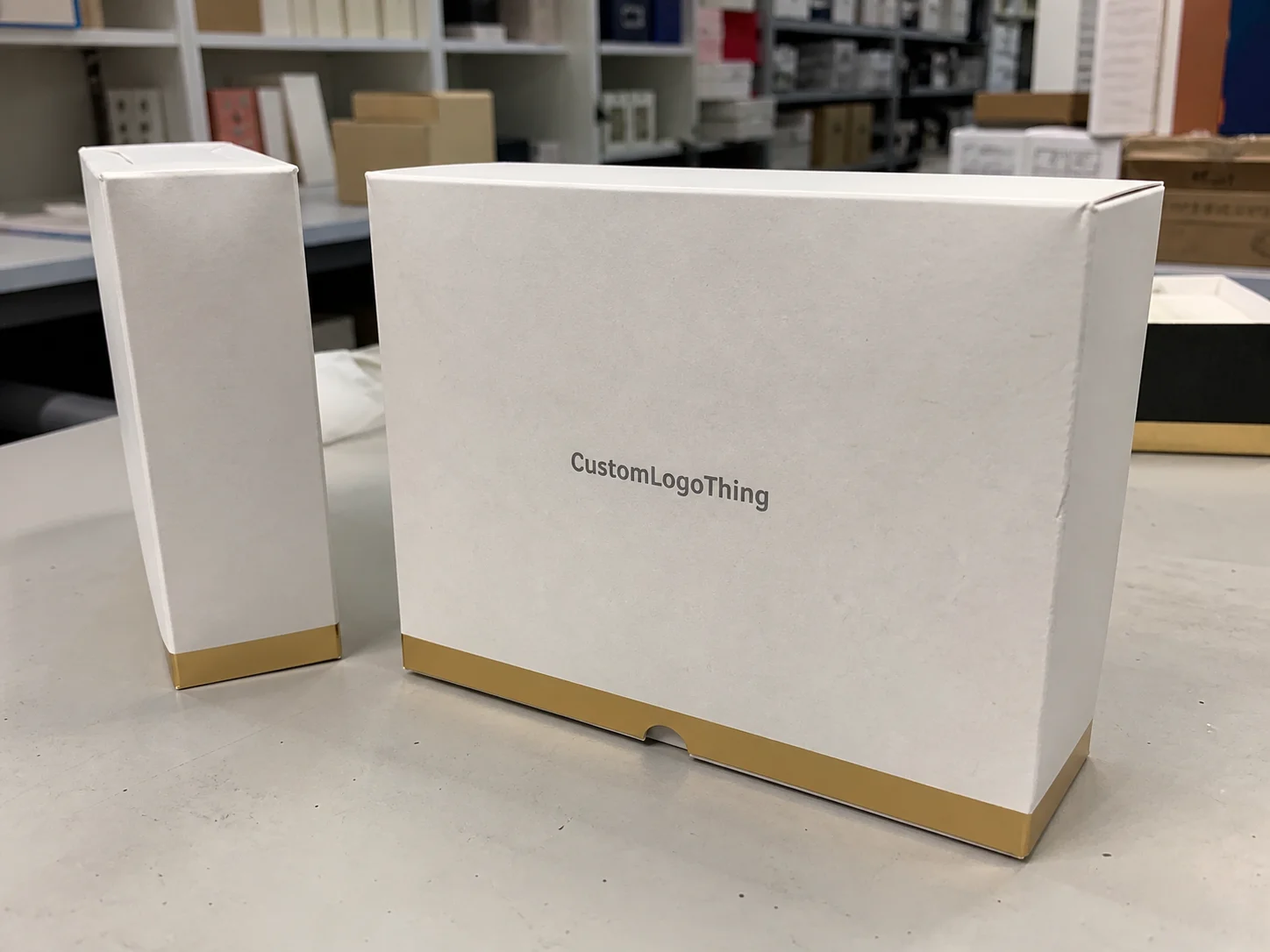
Blank stock with a label is attractive because the quote is easy to read, but it hides labor. Someone still has to apply the label, check placement, and deal with wrinkles, shifts, or peeling. At low volume, that may be acceptable. As volume grows, the extra touchpoint starts reducing margin.
A printed carton removes that step and improves consistency. The same mark lands in the same place every time, which reduces error during packing. For ecommerce, cosmetics, electronics accessories, and subscription kits, that matters more than many buyers expect.
Packaging also works before the customer touches the product. Retail shelves are crowded, and so is the unboxing moment. If the box looks generic, the product starts weaker. If the graphics, color, and structure work together, the package feels intentional instead of improvised.
The cheapest packaging is not the lowest unit price. It is the one that keeps labor, damage, and rework under control after the order ships.
There is one caveat: a printed box only beats a label job when the spec is stable. If artwork changes constantly, sizes vary, or the run is too small to absorb setup cost, labels can still make sense.
What a custom printed box actually includes
A custom printed box is a bundle of choices, not a single purchase. The quote reflects board stock, structure, print method, finish, insert design, and assembly requirements. Change one of those and the price shifts. Change several and you may move into a different production process.
“Custom” means different things depending on the supplier. For some buyers, it is a standard mailer with a one-color logo. For others, it is full-surface graphics, specialty coating, foil stamping, or a box built to fit one SKU exactly. Two boxes can look similar in a mockup and still price very differently because one uses a simple corrugated build and the other requires a folding carton with tighter print tolerances.
The product spec matters more than the artwork. Finished dimensions, product weight, shipping method, and stack behavior determine the structure. A lightweight cosmetic item does not need the same board grade as a glass accessory or a heavy electronics part. If those basics are vague, the rest of the project gets expensive quickly.
The usual components are straightforward:
- Board stock: SBS, CCNB, kraft, or corrugated depending on appearance and strength needs.
- Structure: mailer box, folding carton, tuck-end carton, rigid box, or shipper.
- Print method: digital, offset, flexo, or screen, chosen by quantity and graphic complexity.
- Finish: matte, gloss, soft-touch, aqueous coating, or uncoated stock.
- Internal support: inserts, partitions, trays, or foam when the product needs restraint.
Some printing methods fit certain box types better than others. Flexo is common on corrugated and efficient for simpler graphics. Offset gives finer detail and better color control on folding cartons and premium packaging. Digital print works for short runs and variable artwork, but the economics change quickly once volume grows.
If you are comparing box styles, start with the structure before you get lost in color proofs. A buildable layout matters more than a pretty render. For a broad starting point, browse Custom Packaging Products and compare the physical format first.
How the production process and lead time work
The production path is predictable: quote request, dieline confirmation, artwork prep, proofing, production, finishing, packing, and shipping. The timeline depends on whether the structure is standard or custom, whether the artwork is ready, and whether the finish adds another pass.
For repeat runs with the same spec, lead time may fall around 10 to 15 business days after proof approval. New structures, specialty finishes, heavier board, or complex print coverage often stretch to 15 to 25 business days. Rush service is possible, but it usually means priority scheduling or less flexibility on finishing.
The slowdowns are usually the same:
- Missing dimensions force a structural recheck.
- Low-resolution artwork needs cleanup.
- Late changes reopen proofing.
- A revised finish can require a new schedule slot.
- Wrong ship-to details create avoidable freight delays.
If you want a shorter turnaround, send finalized measurements, finished artwork, quantity, and one internal approver. Packaging teams lose time when several people edit the brief at once. Clean inputs move faster than optimism.
Quality control matters during production. Good suppliers check board caliper, print registration, color tolerance, glue flap adhesion, cut accuracy, and whether folds line up cleanly at the score. For shipping cartons, compression and drop behavior matter if the product is fragile or the route is rough.
If sustainability claims matter, verify them against the actual paper trail. The Forest Stewardship Council is useful for fiber certification questions, and the EPA sustainable materials guidance is a practical reference for broader material decisions. For shipping performance, ISTA remains the relevant benchmark if the box has to survive distribution testing.
Specs that drive cost and unit pricing
Unit price is mostly setup cost spread across quantity, then adjusted by material, decoration, and labor. The more complicated the box, the more places cost can accumulate: prepress, plate making, press time, coating, finishing, and manual handling.
The main drivers are easy to identify:
- Material grade: stronger board and thicker corrugated stock cost more, but can reduce damage and returns.
- Print coverage: full-bleed graphics cost more than a single logo panel or limited branding.
- Color count: more colors usually mean more setup, more press time, and more room for mismatch.
- Finish: matte, gloss, soft-touch, UV coating, and foil each add a different type of cost.
- Insert complexity: a simple die-cut insert is cheaper than layered compartments or molded support.
- Order quantity: larger runs usually bring the unit price down by spreading setup cost.
For rough planning, low-volume printed boxes can land around $0.80 to $2.50 per unit depending on size, board, and finish. Medium runs often fall closer to $0.35 to $0.90. Larger runs can drop lower, especially with standard structure and restrained graphics. Those are planning ranges, not promises.
MOQ changes the economics quickly. A 500-piece order may suit a launch or test run, but the per-unit price will usually be high. A 5,000-piece order spreads setup and tooling more efficiently and often improves landed cost. The tradeoff is inventory risk. If sell-through is uncertain, a lower MOQ can be the safer move even if the unit price looks worse.
| Option | Typical Use | Relative Unit Cost | Notes |
|---|---|---|---|
| Blank box + label | Short tests, very low volume | Low to medium | Lower upfront cost, but label placement and labor add hidden cost |
| One-color printed carton | Simple branded packaging | Medium | Useful balance of cost, speed, and presentation |
| Full-color custom printed box | Retail packaging, premium ecommerce, gifting | Medium to high | Stronger shelf impact, higher prepress and press cost |
| Rigid box with specialty finish | Luxury goods, presentation kits | High | High perceived value, but freight and storage can rise quickly |
Freight belongs in the same conversation. A heavier board, oversized footprint, or rigid structure can increase cube and shipping cost. That is why landed cost matters more than factory price. A cheap quote that bloats storage or freight is not a win.
White ink on kraft can look excellent, but coverage, opacity, and consistency depend on the press and substrate. Metallics and foil also need restraint. They read as premium when used well and as noise when overused. Extra decoration should earn its place.
Step-by-step: from dieline to approved proof
The cleanest way to Order a Custom printed box is to treat it as a spec job, not a design experiment. Start with the product itself. Measure the packed dimensions, weight, and orientation. Decide how the item will sit inside the box and how much movement is acceptable. Then choose the structure that matches the use case.
Dieline review
Once the structure is chosen, the dieline comes next. This is where folds, scores, cut lines, bleed, and safe zones are checked. A layout that ignores the dieline will usually fail somewhere: text too close to a fold, artwork chopped by a flap, or a barcode placed where a seam interrupts it.
Proof approval
The proof is not just a logo check. Review copy, panel order, color expectations, barcode placement, warning text, and finish callouts. If there are claims on the box, verify them before production starts. A screen proof can hide small text errors and color shifts that only show up once ink hits stock.
Experienced buyers often ask for a physical sample or hard proof when the order is important. A screen mockup is useful, but it does not tell you how the board feels, whether the closure holds, or how the print behaves on the chosen stock.
Pre-production checklist
Before the run begins, confirm quantity, ship-to address, carton count, packing method, and who has final approval authority. If the box needs to fit a specific insert, packing tray, or inner product arrangement, test the physical stack-up before ordering full volume. Paper specs are useful. A real assembled sample tells you more.
Common mistakes that waste money
The expensive mistakes are usually the boring ones: wrong dimensions, bad files, late edits, and decorative finishes that do not improve the product experience. Packaging fails more often from poor planning than from dramatic design errors.
Guessing dimensions is the first trap. A few millimeters off can create a loose fit, a crushed corner, or a need for a different insert. If the box is too large, you waste board and freight. Too small, and assembly becomes annoying or impossible. Measure the actual packed product, not the idealized version.
Artwork mistakes come next. Missing fonts, low-resolution images, unconverted color profiles, and text too close to the fold all create delays. The printer can fix some files. They should not have to rescue the entire project.
Changing the spec after approval is another expensive habit. Moving from matte to soft-touch, or from a single-color panel to full coverage, can force reproofing and scheduling changes. If the brief is unstable, the quote will be unstable too.
Overdesign is also common. A premium finish can be justified, but not every product needs foil, spot UV, or a complex insert system. If those features do not improve opening, protection, or sell-through, they are just cost. Packaging should carry the product, not compete with it.
The last mistake is underplanning lead time. Rushed approvals create shortcuts, and shortcuts show up later as defects or delays. If the launch date is fixed, build some breathing room into artwork sign-off and sample review.
Expert tips for cleaner artwork and stronger margins
Design for print first. Files that look sharp on a monitor can still fail on board stock if they depend on tiny type, thin rules, or crowded panels. Use vector logos, controlled color counts, and a clear hierarchy. If the box is retail-facing, let the front panel do the selling and keep the side panels focused on support information.
Choose finish based on handling, not habit. Matte hides fingerprints better and usually reads as more restrained. Gloss can make color feel louder and works well for energetic branding. Soft-touch feels premium, but it can scuff differently depending on freight, stacking, and carton movement. Uncoated stock is useful when a natural look matters.
Think in landed cost. Compare freight, packing labor, storage, damage rates, and assembly time along with the box price. A slightly higher unit price can still save money if the printed carton speeds fulfillment or lowers return rates.
Use one reusable spec sheet. List dimensions, board, finish, print coverage, quantity, ship-to details, and any compliance language. Once that document exists, future quoting is faster and the comparisons are cleaner. It also prevents the “same box, different brief” problem that creates waste in packaging procurement.
If sustainability claims are part of the brand story, keep the paperwork aligned with the source material. Certified fiber claims should match purchasing records. Recycled-content claims should match the actual spec.
Next steps: request quotes, compare samples, lock specs
Before requesting quotes, gather the essentials: product dimensions, product weight, target quantity, artwork files, finish preference, and shipment timing. A detailed brief gets a better answer. Half-finished inputs produce half-useful pricing.
Ask each vendor for a written spec summary and, where possible, a sample or proof that matches the proposed build. Do not compare quotes that use different structures as if they are interchangeable. A corrugated mailer is not the same thing as a folding carton, and a rigid box is a different cost class again.
Then compare the full package, not just the unit price. Material grade, MOQ, proofing policy, lead time, shipping method, and freight all belong in the decision. A low number with a weak timeline is not a bargain.
Lock the final spec before placing the order. That one step makes the next run faster, cleaner, and easier to repeat. It also protects margin when you need the same printed packaging again for a rebrand, seasonal release, or product expansion.
FAQ
How much does a custom printed box cost per unit?
Price depends mostly on size, board thickness, print coverage, finish, and quantity. Small runs usually cost more per box because setup is spread across fewer pieces. Larger runs usually bring the unit price down. Ask for landed cost, not just factory pricing, so freight and packing do not distort the comparison.
What is the usual turnaround for a custom printed box order?
Simple repeat orders are faster because the dieline and setup are already approved. New structures, specialty finishes, and artwork revisions add time during proofing and production. If the schedule matters, finalize dimensions, artwork, and quantity before requesting the quote.
What file format should I send for custom printed box artwork?
Vector files are best for logos and line art because they scale cleanly and keep edges sharp. Send artwork with bleed, safe zones, and outlined fonts so the printer can place it on the dieline without guesswork. Raster files can work, but small text and thin detail may need extra prep.
How do I choose the right material and finish for a custom printed box?
Match the material to product weight and shipping risk first, then choose finish based on brand look and scuff resistance. Matte and soft-touch feel more premium, while gloss can make colors stand out more strongly. If the box will be handled a lot, durability matters more than decorative effects.
Can I order a small MOQ for a custom printed box?
Yes, but smaller MOQ usually means a higher unit price because setup costs are spread across fewer boxes. Small runs make sense for launches, tests, and seasonal items with uncertain demand. If cost is critical, compare the low-MOQ quote against a larger run to see where the price break starts.