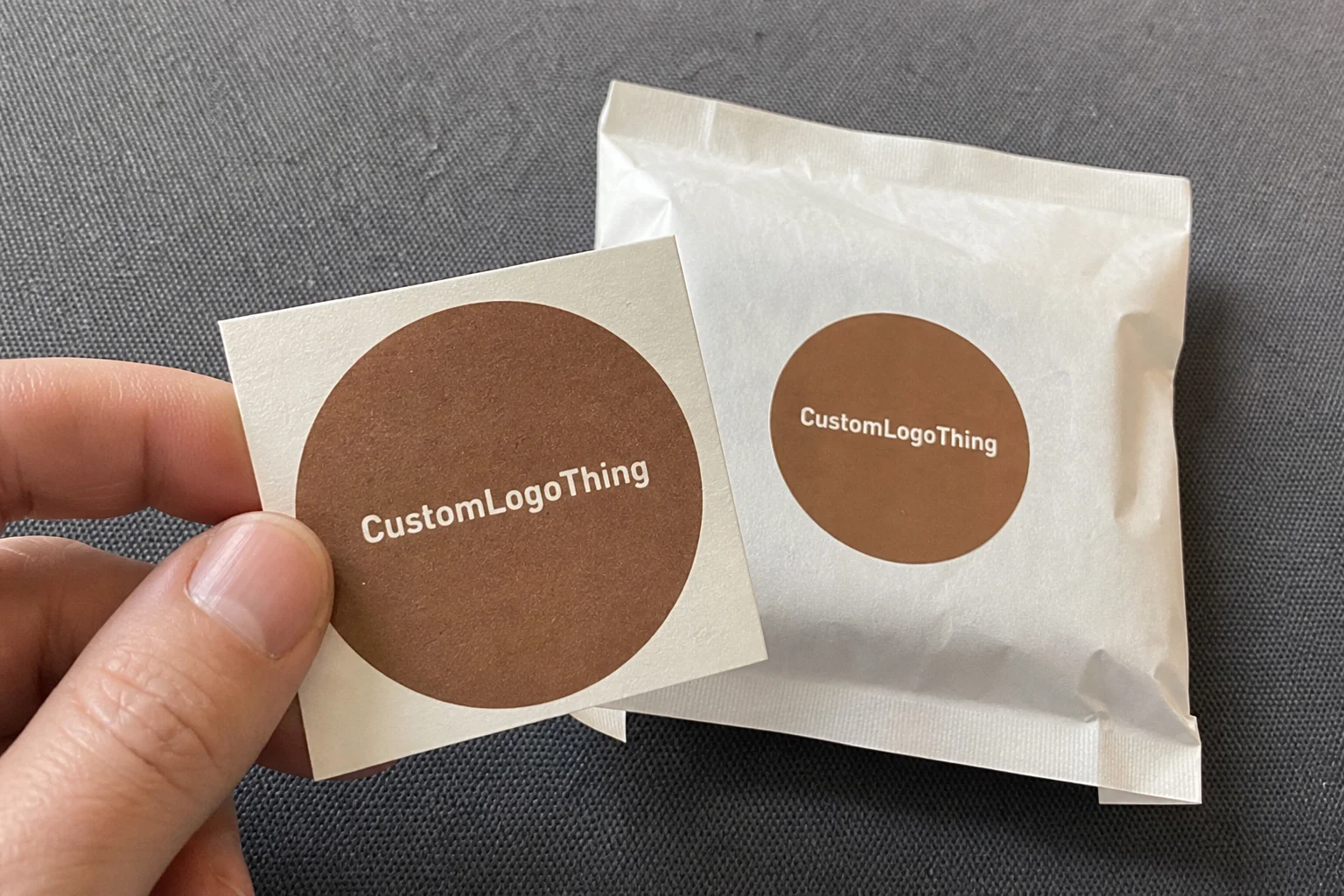
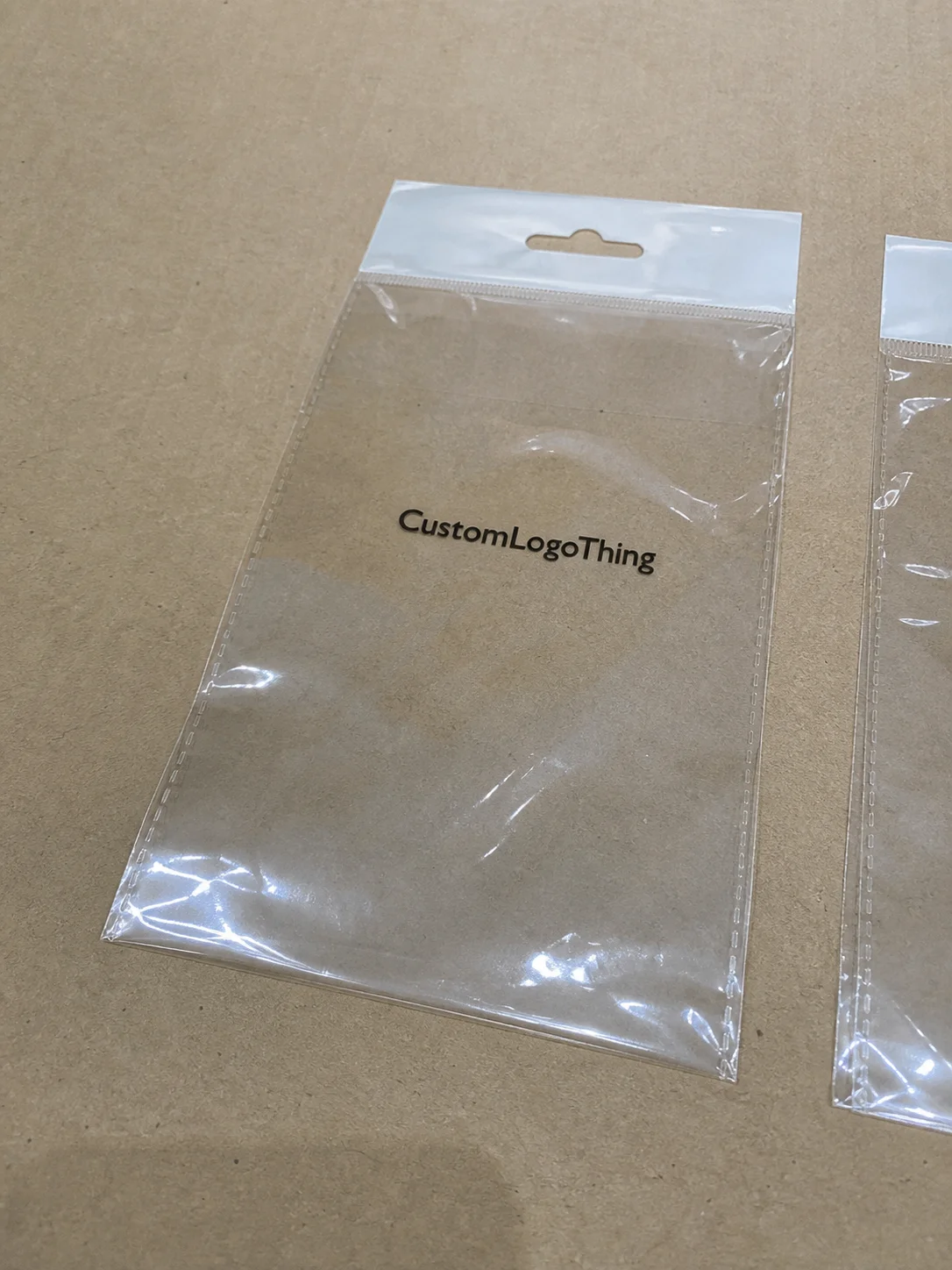
Buyer Fit Snapshot
| Best fit | Branded Packaging for Artisan Products projects where brand print, material claims, artwork control, MOQ, and repeat-order consistency need to be specified before quoting. |
|---|---|
| Quote inputs | Share finished size, material target, print colors, finish, packing count, annual reorder estimate, ship-to region, and any compliance wording. |
| Proofing check | Approve dieline scale, logo placement, barcode or warning zones, color tolerance, closure strength, and carton packing before bulk production. |
| Main risk | Vague material claims, crowded artwork, missing packing details, or unclear freight terms can make a low unit price expensive after revisions. |
Fast answer: Branded Packaging for Artisan Products: Quote Scope, Sample Proof, MOQ, and Lead Time should be specified like a repeatable production item. The safest quote records material, print method, finish, artwork proof, packing count, and reorder notes in one written spec.
Production checks before approval
Compare the actual filled-product size with the drawing, then confirm tolerance on folds, seals, hang holes, label areas, and retail display edges. Reserve space for logos, QR codes, warning copy, and material claims before decorative graphics fill the panel.
Quote comparison points
Review material grade, print process, finish, sampling route, tooling charges, carton quantity, and freight assumptions side by side. A quote is only useful when the supplier can repeat the same color, closure quality, and packing count on the next order.
Generic mailers can quietly eat your margin. I’ve seen candle brands in Los Angeles, soap makers in Portland, and small-batch snack companies in Austin pay for beautiful ingredients and then ship them in a plain brown box that made the whole thing feel like a warehouse special. Brutal, but true.
That is why Branded Packaging for Artisan products matters. It is not decoration for decoration’s sake. It is the first physical proof that your product is worth the price you charged, whether that price is $18 for a candle or $42 for a gift set. And yes, people judge that fast. Faster than they’ll admit.
When I say branded Packaging for Artisan products, I mean the full system: custom boxes, wraps, labels, inserts, tissue, tape, sleeves, and protective materials all working together to tell the same story. I’ve stood on factory floors in Shenzhen and Dongguan watching a 350gsm SBS carton go from flat sheet to finished retail packaging, and the difference between “looks nice” and “sells at retail” is usually a 2 mm fit adjustment, a better ink density target, or a smarter insert made from 1.5 mm grayboard. Not glamorous. Very profitable.
Also, if you’ve never tried explaining “just a tiny adjustment” to a factory that has already loaded the die line, you haven’t truly suffered. Yet.
Artisan brands live and die on perceived value, authenticity, and shelf appeal. A mass-market item can hide behind volume and repetition. Handmade goods cannot. A ceramic mug, a loaf of specialty soap, or a small-batch hot sauce needs package branding that says “crafted carefully” before the customer opens the box. That is the job of branded Packaging for Artisan products. It protects the product, yes, but it also protects the pricing. A $24 mug in a flimsy mailer looks like a gamble. The same mug in a Custom Folding Carton with a molded pulp insert looks like a purchase.
Here’s what most people get wrong: they think packaging is just a pretty shell. It is not. Good branded packaging for artisan products communicates origin, care, and quality in about three seconds. If the box feels flimsy, the labels peel, or the print looks off-register by even 1.5 mm, the customer senses compromise. And once that happens, your margin starts doing little backward flips. Not the fun kind.
I’ve seen a $0.09 savings on a label cost a brand a $9 wholesale order because the color looked muddy under shop lighting in Chicago. That kind of thing happens more often than people want to believe.
For small-batch makers, food brands, candles, skincare, ceramics, and gifts, the right branded packaging for artisan products can do something plain packaging never will: it can make a customer feel like they are buying from a studio, not a storage unit. That feeling is worth real money. I’ve watched clients raise price points by 8% to 15% after tightening up their packaging system, and the packaging cost increase was often lower than the extra revenue gained per unit. In one case, moving from a $0.31 kraft mailer to a $0.58 printed mailer and $0.06 insert card let a tea brand increase average order value by $6.40.
Branded Packaging for Artisan Products: What It Really Means
Branded packaging for artisan products is the physical layer of your brand identity. It includes the structure, the print, the materials, and the small details people touch first. Think custom printed boxes, kraft sleeves, foil-stamped seals, compostable mailers, molded inserts, and branded tissue. The mix depends on whether you sell at markets in Brooklyn, boutiques in Nashville, online, or through wholesale in Toronto and Seattle.
The reason it matters so much for artisan goods is simple: your product is not competing on scale. It is competing on story, craftsmanship, and trust. A handmade lavender soap in a generic poly mailer feels like a commodity. The same soap in a rigid box with a clean label, scent note card, and a neat paper insert feels curated. That is branded packaging for artisan products doing its job. It changes the emotional read before the customer even opens the lid.
I remember visiting a honey producer outside Guangzhou who was spending $0.22 per jar on a label but shipping in plain cartons because “the honey is the brand.” Nice idea. Wrong in practice. Once we switched to a kraft mailer with a one-color flexo print and a stamped neck seal, their retail orders started looking consistent, and the boutique buyers stopped asking for samples in bulk trays. Presentation changed the conversation. The final carton cost was $0.48 per unit at 5,000 pieces, and the buyer response made that look cheap.
Decoration is not the same as strategy. A box can be covered in foil and still fail if it crushes in transit, weighs too much, or confuses the customer. Branded packaging for artisan products should support three things: quality perception, product protection, and repeatable production. If one of those is missing, you are paying for theater. Theater with a freight bill.
“The nicest box in the world is useless if it arrives split at the corner.” That came from a client in Oregon after we lost 6% of a candle shipment to crushed edges. She was right. Pretty packaging that fails in transit is just expensive trash, especially when the box is made from 300gsm paperboard that should have been spec’d at 350gsm C1S artboard for a heavier jar.
For brands that want to grow, branded packaging for artisan products also gives you a cleaner path into wholesale. Buyers at gift shops and specialty food stores care about shelf impact, barcode placement, and how the unit sits next to competitors. Good retail packaging sells the product before your pitch deck does. In New York City and London, I’ve watched buyers judge an entire line in under 20 seconds based on box structure and print finish.
How Branded Packaging for Artisan Products Works
The packaging stack usually starts with the outer shipper, then the presentation layer, then the product protection layer. For e-commerce, that might mean a corrugated mailer with a printed interior, a folding carton for the product, and an insert that stops movement. For boutique retail, it could be a rigid box, a belly band, and a label system that ties the whole assortment together. That is the practical side of branded packaging for artisan products. The outer shipper may be a 32 ECT corrugated mailer, while the inner box might be a 350gsm C1S artboard sleeve.
Artwork and dielines are where many projects wobble. A dieline is the flat template of the box, and if your designer ignores glue flaps, fold lines, or bleed allowances, the final print will not match the mockup. I’ve had brand owners hand me a gorgeous PDF that looked perfect on screen and impossible on paper. Screens lie. Cardboard does not.
I still get a tiny twitch in my eye when someone says, “Can you just print the mockup?” No. No, I cannot. That is not how cartons work. A 1 mm bleed mistake can mean a cut line slices through a logo on the front panel.
Material choice translates your brand tone into touch. Kraft says earthy and handmade. SBS paperboard reads clean and bright. Rigid chipboard feels premium and giftable. Corrugated shouts “ship me safely.” The substrate you choose changes the story, which is why branded packaging for artisan products is really a material decision as much as a design decision. Packaging design without substrate discipline is just expensive graphics. If a honey jar weighs 340 g, the insert and carton need to be chosen for that exact load, not a mood board.
Common components in a strong system include custom printed boxes, sleeves, labels, tissue, inserts, branded tape, and sometimes a small printed card explaining ingredients, sourcing, or care instructions. A candle brand I worked with added a 70 x 100 mm insert card with burn instructions and a fragrance chart. Cost: $0.06 per unit at 10,000 pieces from a supplier in Guangzhou. Their return rate dropped because people stopped over-burning the candle on day one. Cheap fix. Real impact. That card was printed on 250gsm uncoated stock with black ink only, and it still looked intentional.
The production workflow usually runs like this: concept, dieline, artwork proof, sample, revision, approval, print run, finishing, packing, and freight. If you are working with overseas suppliers, add one more step for shipping coordination from Shenzhen, Ningbo, or Xiamen. If you are working domestically, add more budget because convenience is rarely free. I am not being dramatic. I’ve seen local quote differences of $1,800 on the same job simply because one supplier had better plate scheduling and one had a more expensive bindery slot in California.
Print methods that actually matter
Digital printing is best for shorter runs and faster mockups. Offset printing wins on larger quantities and richer color consistency. Flexo is common for corrugated and tape, especially when you want simple logos and repeated patterns. Foil stamping, embossing, debossing, matte lamination, and gloss coatings each add a different feel to branded packaging for artisan products. The trick is not to use all of them because someone on your team liked “luxury vibes” in a meeting. Three finishes on a soap box is how you end up paying luxury prices for mid-tier results.
Foil stamping can be worth it on a premium chocolate box or a limited candle line, especially if the margin supports it. On a $12 soap bar, it may be overkill unless the product sells in gift sets. Matte soft-touch lamination feels elegant, but it also adds cost and can scuff if the carton is handled a lot. That is the tradeoff nobody mentions in mood boards. A soft-touch foldable carton can add $0.11 to $0.18 per unit, depending on quantity and region.
Size accuracy matters more than people think. If the product can move 8 mm in the box, you are asking for damaged corners, dented jars, and unhappy customers. I always push clients to prototype with the actual product, not just dimensions on a spreadsheet. A 3 mm change in insert depth can save a $4 replacement shipment later. That is why branded packaging for artisan products should be engineered, not just imagined. I’d rather spend 20 minutes checking caliper measurements than reprint 2,000 cartons.
Key Factors: Cost, Materials, and Branding Decisions
Pricing for branded packaging for artisan products is not one number. It is a stack of costs. You have unit cost, setup, tooling, plates, samples, shipping, storage, and often a small amount of waste allowance. If someone gives you a quote without breaking those out, ask again. Otherwise you are comparing apples to mystery boxes. A real quote should tell you whether $0.15 per unit for 5,000 pieces includes print, coating, and carton assembly, or just the blank board.
Smaller runs almost always cost more per unit. A 1,000-piece label run may come in at $0.14 per label, while a 10,000-piece run drops to $0.05. The setup work did not disappear; it just got spread over more units. Same logic for branded packaging for artisan products. I’ve quoted rigid boxes at $2.80 each for 500 pieces and $1.65 each for 3,000 pieces using the same structure from a factory in Dongguan. Volume matters. Magic does not.
Material selection drives both appearance and cost. Kraft paperboard feels artisanal and usually keeps costs manageable. SBS paperboard gives you a smoother print surface and more consistent color. Corrugated is the workhorse for shipping. Rigid chipboard is the premium option for gifts and high-margin sets. Compostable alternatives can be useful, but they are not automatically better if they compromise strength or raise freight charges. Eco-friendly packaging still has to survive the trip, whether it is moving from Ho Chi Minh City to Sydney or from Ohio to Denver.
Branding decisions can swing the budget quickly. One-color print is cheaper than full color. A simple label is cheaper than a custom insert. A window cutout adds appeal, but it also adds tooling and can weaken a carton if not designed carefully. I’ve seen a brand jump from a $0.40 label to a $2.20 box because they added structure, foil, embossing, and a custom tray. It was still the right move because their average order value was $38. If your margin is tight, the math has to be honest. If you are making $6.50 gross profit per item, a $0.30 packaging change is a real decision, not a rounding error.
| Packaging Option | Typical Unit Cost | Best For | Main Tradeoff |
|---|---|---|---|
| Printed label only | $0.05–$0.18 | Jars, bottles, simple artisan goods | Lowest visual impact |
| Folding carton | $0.28–$0.90 | Soap, candles, skincare, small gifts | Needs accurate dieline and proofing |
| Corrugated mailer | $0.65–$2.10 | E-commerce shipping | More freight volume than a flat carton |
| Rigid box | $1.50–$4.50 | Premium sets and gifting | Higher cost and heavier shipping weight |
Shipping weight is a sneaky cost. A beautiful box that weighs 80 grams more may not sound like much, but across 5,000 units that adds up in freight and fulfillment labor. I’ve watched a brand add a rigid box and then discover their shipping class changed enough to affect margin by $0.34 per order. That is not a rounding error. That is dinner for a month. On a 3,000-unit run out of Shenzhen, that small weight jump can add hundreds of dollars before the boxes even reach your warehouse.
If you want to keep budgets sane, separate decoration from structure. For example, a plain corrugated mailer with a custom label and insert might protect the product just fine. Then you can reserve foil stamping or embossing for a gift edition. That is a smarter use of branded packaging for artisan products than forcing premium finishes onto every SKU. Not every item needs to dress for prom. A $0.09 paper seal can do more brand work than a $0.60 foil hit when the product itself is already strong.
For reference material on packaging practices and sustainability, I often point clients to the Packaging Consortium and the EPA’s guidance on waste reduction at epa.gov/recycle. Both are useful when you are deciding whether to choose corrugated, paperboard, or a mixed-material solution. If you need chain-of-custody paper standards, FSC can help with that too.
Process and Timeline for Branded Packaging for Artisan Products
The process starts with dimensions, not graphics. I tell clients to measure the product three times: width, depth, height, plus weight if it ships. Then we define the packaging format, because a box for a ceramic bowl is not the same as a box for a soy candle or a set of lip balms. That first decision determines everything else in branded packaging for artisan products. A 90 mm jar needs a different insert than a 60 mm bottle, even if they are both “small and round.”
After that comes design and proofing. A good packaging supplier should send a dieline, a production proof, and if the job is complex, a physical sample. Sampling often takes 7 to 14 business days from proof approval. Revisions can add another 3 to 5 days if your team is quick. If six people need to “just take one more look,” well, congratulations, you have invented delay. I’ve had a two-day approval stretch into nine because someone wanted the logo 8% larger after the proof was already signed.
Production timing depends on complexity. Simple label jobs might finish in 8 to 12 business days. Folding cartons can take 12 to 18 business days. Rigid boxes, special coatings, and custom inserts may stretch into 20 to 30 business days. Overseas production can be more economical, but freight timing and port congestion can shift the schedule by 1 to 3 weeks. Domestic production is faster to manage, but not always cheaper. That is the tradeoff. In practice, I usually tell brands in New York or Toronto to assume 4 to 6 weeks total if they want anything beyond a basic label.
For a small-batch artisan product, I usually plan this way: 2 to 3 weeks for sampling and approvals, then 3 to 6 weeks for production depending on finish complexity, then freight on top. If you need branded packaging for a market launch, do not leave packaging until the week before. I’ve had clients try that. They paid rush fees, lost sample approval time, and still ended up using an interim mailer. Expensive lesson. Rush air freight from China to the U.S. West Coast can add $0.18 to $0.42 per unit on a modest carton job, and that stings fast.
Common bottlenecks are almost always human, not technical. Missing artwork files. Late changes to ingredients or legal copy. A designer who used RGB instead of CMYK. A founder who loved the prototype and then asked for the logo to be 15% bigger after approval. Branded packaging for artisan products moves fast only when decisions move fast. The factory in Shenzhen can print 20,000 cartons in a week. Your team still has to approve the spot varnish color on time.
Overseas versus domestic production
Overseas suppliers often give better unit economics on medium and large runs, especially for custom printed boxes and inserts. Domestic suppliers can be easier for urgent timelines, shorter communication loops, and lower freight uncertainty. I’ve sourced both. On one tea project, Shenzhen saved the client $0.31 per box, but air freight erased part of that savings. On another, a domestic corrugated supplier in Ohio delivered in 9 days and saved a holiday launch. So yes, it depends. Annoying, but true.
If your launch date is in November, a supplier in California may be worth the extra $0.12 per unit just to avoid a port delay.
Step-by-Step Guide to Building Branded Packaging for Artisan Products
Step 1: define the customer experience you want. Are you trying to feel rustic, premium, playful, or clinical? A honey brand and a skincare brand might both use kraft, but the unboxing mood should be different. That mood matters in branded packaging for artisan products because it sets expectation before use. A clean uncoated finish and a stamped logo can feel more intentional than a busy full-color print on 300gsm paperboard.
Step 2: measure the product and choose the format before the graphics. This sounds obvious, which is exactly why people skip it. I once reviewed a line of ceramic bowls that were designed for a carton 6 mm too short. The packaging looked beautiful in the mockup and terrible in real life. Fixing the structure first saves money later. If the product ships at 420 g, do not spec a carton built for 250 g and hope for the best.
Step 3: write a proper packaging brief. Include logo files, brand colors, sustainability goals, target budget, quantity, product weight, and legal text. Add your preferred package branding references too. A brief with 10 clear bullets beats a 25-slide deck that says “elevated” four times and nothing else. Give the supplier the exact finish too: matte aqueous coating, spot UV, or no coating at all.
Step 4: request samples or prototype mockups. Test fit, print quality, fold strength, closure behavior, and shipping durability. If the box is for e-commerce, drop test it from 76 cm on corners and edges. That is not theoretical. It follows the logic of standard transit testing practices, including the kind of thinking you see in ISTA protocols at ista.org. You do not need to become a lab technician, but you do need to know the box can survive a conveyor belt in Dallas, a delivery van in Manchester, or a back room in Melbourne.
Step 5: approve final artwork only after checking barcode placement, handling icons, ingredient lists, recycling marks, and any warning copy. A beautiful box with the barcode hidden under a flap is just a pretty mistake. I’ve seen it happen on a bath salts line. The retail buyer laughed. Then we reprinted 2,000 units. Nobody wants that invoice. Barcodes should sit on a flat panel with enough quiet space around them—usually at least 3 mm from any edge or fold.
Step 6: order a pilot run, read customer feedback, then scale in stages. That is how branded packaging for artisan products should grow. Start with a small test batch of 250 to 1,000 units if you can. Review breakage, unboxing reactions, and storage performance. Then adjust. The brands that scale cleanly are the ones that do not try to act like they already own a warehouse the size of a football field. A 500-unit pilot in Portland tells you more than a 5,000-unit guess in a spreadsheet.
If you want a place to compare formats and materials, our Custom Packaging Products page is a useful starting point. And if you want to see how a few different clients handled launch pressure, the Case Studies section shows how packaging decisions affect sell-through, damage rates, and repeat orders. Those examples include folding cartons, mailers, and sleeves made in both the U.S. and southern China.
One practical tip: build your packaging system so it can work across several SKUs. A food brand with 12 jam flavors does not need 12 unrelated box designs. One template with variable labels or sleeves is usually smarter. That keeps branded packaging for artisan products efficient, repeatable, and less annoying to reorder. A 4-color master box with a 38 x 52 mm flavor label can save you from paying for 12 separate carton tools.
Common Mistakes with Branded Packaging for Artisan Products
Mistake 1: choosing packaging that looks premium but fails in transit. I’ve seen rigid lids pop open because the tolerances were too loose by 1.5 mm. Gorgeous on a shelf. Useless in a parcel. A premium lid style without a snug 0.5 mm tuck can become a very expensive problem in the first week of shipping.
Mistake 2: overdesigning the box. Too many textures, too much ink, and four finishes on a small artisanal candle box can bury the handmade story. Branded packaging for artisan products should amplify the product, not fight it. A clean paperboard box with one foil detail can feel more expensive than a noisy layout with every trick in the book. I’d rather see one precise emboss and a well-chosen uncoated stock than three decorative effects competing for attention.
Mistake 3: ignoring size accuracy. Oversized packaging wastes material and increases movement. Under-sized packaging crushes the product. A 4 mm error in internal dimensions can ruin a batch of jars. That is why sampling matters. If your jar is 72 mm across, the cavity should be built around the actual caliper measurement, not the vendor listing photo.
Mistake 4: ordering too many units before testing customer response and freight cost. A founder once told me they wanted 20,000 boxes because “bulk is always cheaper.” Sure, per unit. But if the design changes after market feedback, that cheap box becomes a very expensive storage problem. Branded packaging for artisan products should be validated before mass commitment. A 1,000-unit pilot in Atlanta is a lot safer than a warehouse full of old artwork.
Mistake 5: forgetting compliance. Food packaging needs ingredient labels and often allergen or lot code fields. Cosmetics need careful wording. Recyclability symbols and FSC claims need to be accurate, not decorative. If you want responsible sourcing, fsc.org is a good place to verify chain-of-custody standards and paper sourcing basics. If the carton is paperboard but the insert is plastic, do not call it “fully recyclable” unless that claim actually holds up.
Mistake 6: treating packaging as a last-minute expense. It is not a spare tire. It is part of product margin. If your branded packaging for artisan products is planned late, you usually pay more for rush sampling, expensive freight, and bad compromises on finish or structure. I’ve watched a $0.24 box become a $0.61 box because everyone waited until the month before launch.
Honestly, this is where many artisans get squeezed. They spend $7 on ingredients, $3 on labor, $1.20 on shipping materials, and then wonder why a $0.30 packaging upgrade feels scary. But if that upgrade helps you sell at a higher price point or cut damage rates by 20%, it often pays for itself. Math. Such a boring little hero.
A $0.30 change on a 4,000-unit run is $1,200, and that number gets a lot less scary when it prevents one damaged case every 40 orders.
Expert Tips to Improve Branded Packaging for Artisan Products
Start with one signature packaging element people remember. A belly band. A seal sticker. A custom insert with a short brand story. Pick one thing and make it excellent. That is often stronger than adding five average details to branded packaging for artisan products. Customers remember one tactile moment more than they remember a crowded surface. A single 45 mm round seal in matte black can do more than a dozen decorative flourishes.
Use restrained branding for artisan goods. A calmer design often feels more expensive than loud graphics. I know that sounds backwards to people who equate “more visible” with “better,” but I’ve watched minimalist retail packaging outperform busy packaging in boutiques because the shelf looked cleaner and the product looked more intentional. Less shouting. More selling. In a Portland gift shop, a simple cream box with one blind deboss sold better than a five-color carton two shelves over.
Test two versions of the same concept: one designed for shipping and one for display. Sometimes the best solution is not one box doing everything. It might be a sturdy corrugated shipper with a beautiful inner sleeve for retail or gifting. Branded packaging for artisan products works best when each layer has a job. A mailer should survive the courier. The inner carton should sell the story. The insert should explain care or ingredients in under 80 words.
Negotiate smarter with suppliers. Ask whether a smaller sheet size can reduce waste. Ask if another substrate can deliver a similar look for less. Ask if tooling can be shared across SKUs. I’ve shaved $0.11 to $0.19 off unit costs by changing the carton layout and moving from matte lamination to aqueous coating. That is not glamorous. It is useful. One supplier in Shenzhen also cut 6% waste by nesting the dieline differently, which saved more than any “premium upgrade” ever would.
Build a packaging system that can scale across product lines. If each new scent, flavor, or colorway requires a brand-new structure, your costs will climb and your team will hate reorder season. A scalable package branding system keeps the brand consistent while leaving room for variation. That is how you make branded packaging for artisan products manageable instead of chaotic. One master carton, one label family, one insert template—that is the kind of boring setup that makes growth easier.
Before you place an order, vet suppliers with a few blunt questions:
- What is the exact unit price at 1,000, 3,000, and 5,000 pieces?
- What setup, plate, and tooling fees are extra?
- Can you provide a physical sample before full production?
- What is the tolerance on dimensions and color?
- How do you check glue strength and fold quality?
Then inspect the finished goods with a simple checklist. Look at print registration. Run your finger across the fold lines. Check corner crush resistance. Verify color consistency across a 10-piece sample. If you are buying custom printed boxes, those five minutes can save you a very annoying week. I’ve done this in person more times than I can count, from factories in Guangzhou to small converter shops in New Jersey, and it still catches problems. A slightly warped flap or a weak glue line is easier to fix before 5,000 units are on a pallet.
Next Steps: Turn Branded Packaging for Artisan Products into a Plan
If you want branded packaging for artisan products to actually improve sales and not just look cute on a mood board, start with an audit. What are you using now? Where are the damage points? Where does the unboxing feel flat? Write that down with numbers: current unit cost, current breakage rate, current reorder quantity, and current lead time. If your current packaging costs $0.42 per unit and your breakage rate is 3.2%, you already have a baseline worth improving.
Then define your budget in real terms. Not “as little as possible.” That is not a budget. A useful budget separates structure, print, finish, and freight. It also sets a ceiling, so you do not accidentally approve a $3.10 box for a product that can only absorb $0.85 of packaging cost. I’ve seen that mistake more than once, and the founder usually says the same thing: “But it looked premium.” Yes. So does a yacht. Still not useful if you sell jam. If your target margin is 62%, the packaging has to fit the formula, not your Pinterest board.
Create a one-page packaging brief before you contact suppliers. Include dimensions, weights, images, quantities, artwork status, sustainability goals, and legal requirements. Then request quotes from at least two suppliers and compare them on the same assumptions. Ask for samples. Ask for a lead-time breakdown. Ask whether the quote includes freight or just production. That comparison will tell you a lot about how each supplier handles branded packaging for artisan products. A factory in Shenzhen may quote $0.15 per unit for 5,000 pieces, while a domestic plant in Texas may quote $0.31 with a 9-day turnaround. Both can be right.
Prioritize improvements in this order: product protection first, branding impact second, premium finishes third. That sequence keeps the economics healthy. A box that protects poorly is a liability. A box that protects well and looks decent can usually grow with your brand. A box that protects, sells, and fits your margins is the sweet spot. That is the real goal of branded packaging for artisan products. No drama. Just packaging that does the job and leaves room for profit.
The actionable takeaway is simple: measure the product, prototype the structure, and price the full packaging stack before you approve artwork. If the box does not protect the item, fit the margin, and communicate the brand in the first glance, it is not ready. Fix the structure first. The pretty stuff can wait a day or two.
FAQs
How much does branded packaging for artisan products usually cost?
It depends on material, print method, quantity, and finishing. Simple labels might run $0.05 to $0.18 each, while custom boxes can range from $0.28 to $4.50 depending on structure. Smaller runs usually cost more per piece because setup and tooling get spread across fewer units. I always tell clients to separate decoration costs from structural costs before they ask for quotes on branded packaging for artisan products. For example, a 5,000-piece folding carton in 350gsm C1S artboard might land around $0.15 per unit, while the same carton at 1,000 pieces may be closer to $0.34.
What is the best packaging type for artisan products sold online?
Corrugated mailers and folding cartons are usually the safest bets because they balance protection, branding space, and shipping efficiency. If the product shifts during transit, add an insert or fit guide. The best format depends on fragility, weight, and how much the unboxing experience matters to your brand. For e-commerce, branded packaging for artisan products has to survive the carrier first and impress the customer second. A 32 ECT mailer with a 1.5 mm pulp insert often outperforms a pretty but loose carton.
How long does custom branded packaging take to produce?
Sampling often takes about 7 to 14 business days from proof approval, sometimes longer if you need revisions. Production can take 8 to 30 business days depending on complexity, quantity, and finishing. Freight can add extra time, especially for overseas orders. That is why branded packaging for artisan products should be planned well before launch dates, not the week before. A simple label run in Chicago may finish in 8 business days, while a rigid box job in Shenzhen can take 20 to 30 business days plus transit.
What should I include in a packaging brief for artisan products?
Include product dimensions, weight, quantity, logo files, brand colors, target budget, sustainability goals, and required legal text. Add product photos and examples of packaging styles you like. A clear brief reduces revision rounds and keeps your branded packaging for artisan products quote comparable across suppliers. If you can, include exact material specs like 350gsm C1S artboard, matte aqueous coating, or 1.5 mm chipboard so the factories are quoting the same thing.
Can branded packaging for artisan products help justify higher prices?
Yes, if it makes the product feel thoughtful, protected, and premium from the first touchpoint. Customers use packaging as part of their value judgment, especially for handmade goods. When the box, label, and insert all support the same story, branded packaging for artisan products can help make a higher price feel reasonable instead of random. I’ve seen a well-executed package let a soap brand move from $9.50 to $11.00 without losing volume in boutique channels.