Buyer Fit Snapshot
| Best fit | Custom Folding Carton Packaging projects where brand print, material claims, artwork control, MOQ, and repeat-order consistency need to be specified before quoting. |
|---|---|
| Quote inputs | Share finished size, material target, print colors, finish, packing count, annual reorder estimate, ship-to region, and any compliance wording. |
| Proofing check | Approve dieline scale, logo placement, barcode or warning zones, color tolerance, closure strength, and carton packing before bulk production. |
| Main risk | Vague material claims, crowded artwork, missing packing details, or unclear freight terms can make a low unit price expensive after revisions. |
Fast answer: Custom Folding Carton Packaging: Board, Finish, Dieline, and Unit Cost should be specified like a repeatable production item. The safest quote records material, print method, finish, artwork proof, packing count, and reorder notes in one written spec.
Production checks before approval
Compare the actual filled-product size with the drawing, then confirm tolerance on folds, seals, hang holes, label areas, and retail display edges. Reserve space for logos, QR codes, warning copy, and material claims before decorative graphics fill the panel.
Quote comparison points
Review material grade, print process, finish, sampling route, tooling charges, carton quantity, and freight assumptions side by side. A quote is only useful when the supplier can repeat the same color, closure quality, and packing count on the next order.
Two cartons can sit side by side on a shelf, look nearly identical, and still behave like two very different animals once they hit a filling line. I’ve watched Custom Folding Carton Packaging fly through a 120-pack-per-minute line in a plant outside Charlotte, North Carolina, then watched a visually similar carton keep hanging up at the score line because the board caliper was off by a few points and the grain direction fought the fold. That tiny miss can mean the gap between a tidy, efficient run and a stack of rejects at the end of a 10-hour shift. And yes, I have stood there holding one of those rejects and muttered a few things I can’t print here.
That’s why I like talking about Custom Folding Carton Packaging from the floor up, not just from a design screen. The graphics matter, sure, but so do the board grade, the score depth, the glue pattern, and the way the carton gets packed flat and shipped to the customer from places like Dongguan, China, or Guadalajara, Mexico. If you sell cosmetics, supplements, food, electronics, or retail accessories, custom folding carton packaging often does a lot of heavy lifting for shelf appeal, brand presentation, and practical shipping efficiency all at once. It has to look good, yes. It also has to survive reality. Tragic, I know.
At Custom Logo Things, and in plenty of supplier meetings I’ve sat through over the years in Los Angeles, Chicago, and Shenzhen, the best results always came from teams that treated custom folding carton packaging as a production system, not just a printed shell. You need packaging design, structural thinking, and a real plan for how the cartons will run on the line. Get those pieces working together and the carton becomes an asset instead of an afterthought. Miss one piece, and the whole thing turns into a very expensive lesson.
Custom Folding Carton Packaging: What It Is and Why It Matters
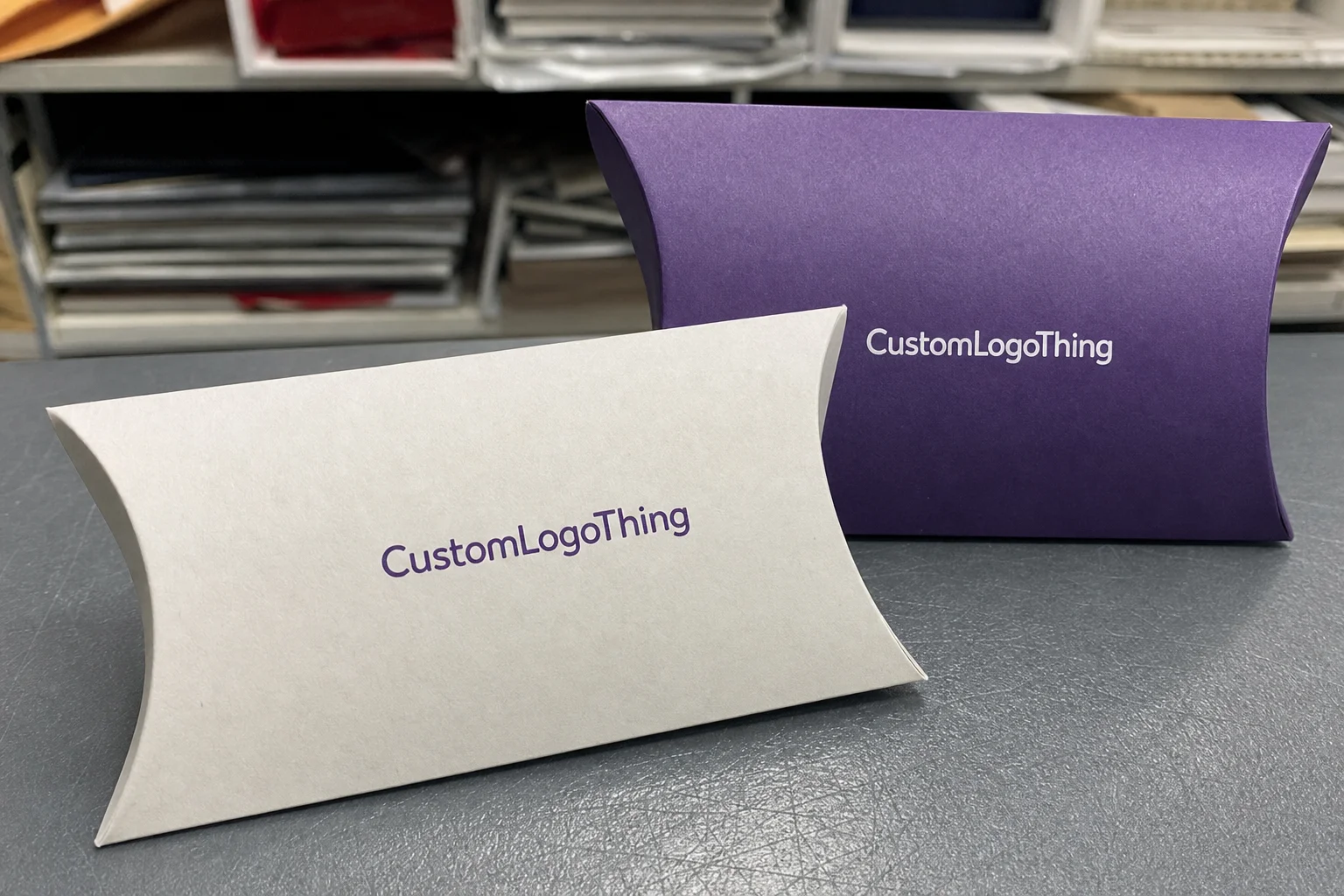
Custom folding carton packaging is a printed paperboard package that ships flat and folds into a precise structure around a product. In practical terms, it’s the familiar carton you see on a retail shelf for a lipstick, a box of tea, a nutraceutical bottle, a USB charger, or a small personal care item. It is usually made from paperboard such as SBS, CCNB, or kraft, then printed, cut, creased, and glued so it can be erected quickly at the packing stage. A common spec is 350gsm C1S artboard for lightweight retail goods, while heavier items may call for 18-pt or 20-pt board depending on the carton size and the weight of the filled product.
What makes custom folding carton packaging so useful is the balance it gives you. You get a strong branding surface, decent protection for lightweight to medium-weight products, and much better shipping efficiency than a pre-formed rigid box. Flat-packed cartons take up far less space in storage, which matters if you’re bringing in 30,000 or 80,000 units at a time and don’t want to dedicate half a warehouse bay to empty packaging. I’ve walked into warehouses in Illinois and New Jersey where cartons were stacked so high they looked like paperboard skyscrapers. Not ideal.
I’ve seen small brands make a major leap simply by moving from plain stock boxes to custom folding carton packaging with the right board and finish. One cosmetics client I worked with in a plant near Indianapolis had a matte, soft-touch carton that looked more expensive than the product inside, and the change helped them hold their shelf position at a regional chain because the line of cartons simply looked more intentional than the competition’s plain white boxes. That’s the power of branded packaging done with care. It’s not magic. It’s just smart execution.
It also helps to place custom folding carton packaging in context. Corrugated boxes are built for shipping strength and stacking. Rigid boxes are thicker, heavier, and used for premium presentation or gift-style product packaging. Paper sleeves are lighter and often wrap around another container. Folding cartons sit right in the middle: they are ideal when you want strong retail packaging, print quality, and efficient manufacturing without the bulk of a rigid set-up. For example, a 200ml facial serum in a 16-pt SBS carton can look premium on shelf and still ship flat at a freight rate far lower than a set-up rigid box.
Honestly, people sometimes underestimate how much the carton itself contributes to package branding. A well-built carton gives you room for product storytelling, legal copy, barcode placement, ingredient panels, and a polished shelf face, all on one piece of folded board. That combination is why custom folding carton packaging is still one of the most practical formats in the packaging industry. It’s the packaging equivalent of wearing a good blazer and having your paperwork in order.
“The best carton is the one that looks good, folds right, and runs without drama.” That’s a line I heard from a plant manager in Ohio, and it stuck with me because it sums up the real job of custom folding carton packaging.
There’s also a sustainability angle worth mentioning. Many folding cartons are recyclable depending on coatings, inks, and local rules, and the material can often be sourced with FSC-certified paperboard from responsible forestry programs. If sustainability claims matter to your customer base, it’s smart to verify supply chain details and certificates rather than assuming every paperboard is the same. For reference, I often point clients to the Forest Stewardship Council when they’re reviewing sourcing standards. I’ve seen FSC documentation requested specifically by buyers in Toronto and Berlin, and the paper trail matters just as much as the print finish.
How Custom Folding Carton Packaging Works From Design to Line
Custom folding carton packaging starts long before ink touches board. The first real step is the dieline, which is the technical outline showing panel sizes, score lines, glue areas, tuck flaps, and cut paths. A good dieline is not just a drawing; it is the map that determines whether the carton folds cleanly, stacks properly, and protects the product after it leaves the press. For a 4-panel tuck-end carton, a difference of just 1.5 mm on a flap can be the difference between a clean closure and a constant production nuisance.
From there, material selection comes in. A 16-pt SBS carton may be perfect for a prestige lip balm, while a thicker 18-pt or 20-pt stock could suit a supplement bottle with more weight. In one supplier negotiation I sat in on in Shenzhen, a brand wanted to save money by stepping down board caliper, but once we tested the package on the pack-out table, the corners bowed and the top flap opened under pressure. That brand ended up paying more for rework than it would have spent on the proper board in the first place. Custom folding carton packaging rewards the buyer who respects the physics. Paperboard is not impressed by optimism.
After the structure is finalized, prepress checks the artwork, trapping, image resolution, and color setup. Then comes printing, which is often offset lithography for larger runs and digital printing for shorter quantities or faster turnarounds. A 5,000-piece order in Qingdao, China, may go offset to keep the unit cost down, while a 500-piece launch in Chicago might be digital because the customer wants to test the market before committing to plates. Some cartons also get coatings or laminations, then go through foil stamping, embossing, debossing, spot UV, or window patching depending on the design.
Once printed sheets are ready, they move into die cutting and creasing. This step matters more than many buyers realize. The score must be deep enough to fold cleanly but not so deep that it cracks the printed face or breaks the board fibers. On a good day, a carton folds like it was meant to; on a bad day, a weak score line can cause panel splitting, poor glue adhesion, or ugly white cracking on the corners. That is why custom folding carton packaging needs tight process control. In factories in Dongguan and Ho Chi Minh City, I’ve seen operators reject an entire pallet because the crease line was off by less than 0.3 mm. They were right to do it.
After die cutting, the cartons are glued, counted, packed flat, and shipped to the customer. On the receiving end, they get erected manually or on equipment, then filled by hand or through an automated line. Many plants test cartons on actual production equipment or on a simulated packing station before final approval. If a carton is going into a form-fill-seal line, a cartoning machine, or even a simple hand-pack operation, you want to know how it behaves under real conditions, not just how it looks under studio lights. I’ve watched a carton run beautifully at 30 units per minute on a bench test and then fall apart at 90 units per minute on the real line. Speed exposes lies.
Typical production flow
- Structure and dieline creation based on product dimensions and packing method.
- Artwork setup and prepress with bleeds, safe zones, barcodes, and compliance text.
- Printing using offset or digital methods, depending on run length and finish needs.
- Coating or lamination to protect the print and shape the look and feel.
- Die cutting and creasing to form the carton panels and folds.
- Gluing and finishing for tuck end, auto-lock, sleeve, or specialty structures.
- Packing flat and shipping to keep freight costs under control.
On a normal job, I’d expect a straightforward custom folding carton packaging project to move through structure approval, artwork approval, proofing, production, and shipping in somewhere around 12 to 15 business days after final proof approval, depending on quantity and finishes. Add foil, embossing, or a complex insert, and that window can stretch to 18 to 25 business days. Delays usually happen when artwork keeps changing after the dieline is already approved, or when someone spots a compliance issue late in the process. That late-stage “small” change? It is never small.
If you want a broader look at the packaging supply chain, the Institute of Packaging Professionals has useful technical material that helps buyers understand how printing, converting, and logistics fit together. I’ve pointed teams in Atlanta and Vancouver there when they needed a reality check before locking a production schedule.
Key Factors That Shape Custom Folding Carton Packaging
The real cost and performance of custom folding carton packaging comes down to a handful of decisions made early. Board stock is usually the first one. SBS, or solid bleached sulfate, gives you a smooth white surface that prints beautifully, which is why it’s so common for cosmetics and premium retail packaging. CCNB, or clay-coated news back, can lower cost and works well for many consumer products. Kraft board gives a more natural look and is often chosen for a cleaner, earthy brand feel. A beauty carton produced in 350gsm C1S artboard in Guangzhou may give you a crisp front face for color work, while a kraft version can suit a more natural supplement brand in Portland.
Thickness and stiffness matter too. A carton that is too flimsy may collapse at the corners or scuff during transport. A carton that is too stiff may crack on the score line or struggle to form on automatic equipment. I’ve seen brands overbuild cartons because they assumed thicker board always meant better quality, and that’s not how it works. With custom folding carton packaging, the right board is the one that matches the product weight, the filling process, and the retail environment. Not the one that sounds impressive in a meeting.
Structural design can change everything. A straight tuck end is common and efficient. A reverse tuck end can behave differently on the line and may be easier for specific product formats. Auto-lock bottoms add strength for heavier items, and custom die-cut structures can include display features, inserts, or hanger holes. If the carton needs tamper evidence, window patching, or a tray insert, those features need to be built into the structure from the start rather than added later. For example, a supplement bottle shipped with a 1.2 mm PET insert has a very different fit requirement than a lipstick carton with a simple tuck flap.
Finishing is where a lot of branding choices show up. Aqueous coating is a practical protective layer and can give a nice satin finish. Gloss lamination adds shine and scuff resistance. Soft-touch lamination creates a velvety feel, which clients often use for premium beauty packaging. Foil stamping and embossing can elevate the shelf presence, but they also add cost and setup time. In custom folding carton packaging, one strong finish often does more for brand perception than piling on three or four effects that compete with each other. I’ve seen a $0.09-per-unit finish choice make a carton look like it belonged beside products twice the price.
There are also operational and compliance factors. If the carton carries nutrition facts, ingredient statements, or regulated claims, the panel layout has to fit those requirements cleanly. Barcode placement must be legible and scanned consistently. If cartons are shipped palletized, the nesting pattern and case count affect freight efficiency, and freight efficiency can move your landed cost more than a small print change ever will. A palletized case pack in a warehouse in Dallas can save more money over six months than shaving a few cents off the print quote.
Common cost drivers
| Factor | Typical Effect on Cost | Practical Example |
|---|---|---|
| Board stock | Moderate | 16-pt SBS often costs more than basic CCNB, but prints sharper for premium retail packaging. |
| Print colors | Moderate to high | 4-color process is standard; adding spot colors can increase setup and ink usage. |
| Foil or embossing | High | Foil stamping adds tooling and press time, especially for large coverage areas. |
| Carton complexity | High | Auto-lock bottoms, inserts, or custom windows require more converting steps. |
| Order volume | Lower unit cost at higher runs | 5,000 units may price much higher per piece than 25,000 units because fixed setup costs spread out. |
For a rough sense of pricing, I’ve seen custom folding carton packaging land around $0.15 to $0.36 per unit for 5,000 pieces for a basic 4-color carton on SBS board, depending on size, finish, and regional production costs. At 10,000 pieces, the same carton may drop to roughly $0.11 to $0.28 per unit if the structure stays simple and the production is in a lower-cost region like Guangdong or central Mexico. Add soft-touch lamination, foil, or a custom insert, and that number can move quickly. At 25,000 pieces, the unit cost can fall significantly because tooling and setup are spread across a much larger run. That’s why comparing quotes without matching exact specs is a trap. I’ve watched people compare apples to pineapples and then act surprised when the budget explodes.
One more practical point: packaging design choices affect sustainability and handling too. If you use unnecessary coatings or oversized dimensions, you may increase material use and shipping volume. If sustainability is part of your brand promise, think about FSC-certified boards, right-sized cartons, and coatings that don’t complicate recyclability more than needed. The U.S. EPA has useful information on recycling and waste reduction at epa.gov/recycle. I’ve seen a 2 mm reduction in carton height cut pallet count enough to save a mid-sized brand about $1,800 a month in freight from Newark to Phoenix.
What Makes Custom Folding Carton Packaging Work on the Line?
What makes custom folding carton packaging work is not the pretty mockup. It’s the part where the carton behaves on real equipment without turning the shift into a circus. Line speed, fold memory, glue adhesion, and board direction all matter. A carton that looks perfect in a PDF can still fail if the tuck flap springs back, the glue area is too small, or the score line cracks under pressure. I’ve seen a beautiful package create a very ugly morning on a packing floor because someone forgot that paperboard has opinions.
First, the carton has to open consistently. If it needs to be erected by hand, the opening motion should be intuitive and quick. If it’s going through a cartoning machine, the carton must pop open, hold shape, and accept the product without snagging. A folded carton with poor memory can slow the whole pack line down. That matters. A line running at 60 units per minute that starts dropping to 45 units per minute because of carton issues can eat up labor and production time fast. Custom folding carton packaging only works when the structure matches the actual handling method.
Second, glue performance has to be reliable. Too little glue and the seam opens. Too much glue and you get squeeze-out, dirt pickup, or mess on the print surface. I’ve stood in plants where operators had to stop every few minutes to wipe glue off the belts because the flap design left no real margin for machine variation. The fix was not “try harder.” The fix was changing the flap width and glue zone. Small design decisions. Big difference.
Third, the carton must survive the route from converter to filler to retailer. That means flat-pack shipping, case count, pallet pattern, and storage conditions all matter. Humidity can change how board behaves. A carton that folds nicely in a dry plant may feel different in a humid warehouse in Florida or Singapore. If your custom folding carton packaging will sit in storage before use, ask how temperature and humidity may affect the board and coatings. It is boring until it ruins a run.
Fourth, there needs to be a basic fit test. Put the actual product into the prototype. Close the flaps. Shake the carton gently. Try it with the insert, leaflet, or accessory inside. Then test it again at the intended pack speed. A hand-folded mockup is useful, but it does not replace line testing. I’ve had a carton that passed the table test and failed the machine test in under ten minutes. Guess which one mattered?
Finally, communication has to be clear between design, procurement, and production. If the printer is assuming one board grade and the brand team is expecting another, you get chaos. If the dieline changes after the artwork is approved, you get chaos with invoices attached. The best custom folding carton packaging projects are the ones where everyone knows the specs, the tolerances, and the launch date before anyone starts cutting tools.
Practical line-readiness checks
- Confirm carton opening behavior on the actual line or a close simulation.
- Check glue flap width and adhesive coverage.
- Verify grain direction and score quality.
- Test fit with the finished product, inserts, and closures.
- Review storage, humidity, and pallet handling conditions.
- Run a speed test before full approval.
If you want fewer surprises, treat custom folding carton packaging like a production tool, not a decoration. That mindset saves time, reduces waste, and keeps the packing floor from making passive-aggressive noises at your expense.
Step-by-Step Guide to Ordering Custom Folding Carton Packaging
The cleanest way to order custom folding carton packaging is to start with the product, not the print file. Measure the product’s length, width, and height, then add any clearance needed for inserts, closure tabs, or easy packing. If the product has a pump, cap, charger cord, blister tray, or internal pouch, those details matter because the carton has to fit the real assembled item, not just the bare bottle or device. A shampoo bottle with a 28 mm pump neck and a separate instruction leaflet needs a very different internal cavity than a flat cartridge refill.
Next, choose the carton style. A straight tuck end works well for many lightweight retail products. A reverse tuck end can be cost-effective and easy to erect. An auto-lock bottom is useful when the carton needs extra base support. Sleeves are good when you want to wrap an existing container without fully boxing it in. For unusual products, a custom die-cut structure might be the best route, especially if you need window openings, hanger tabs, or multi-panel storytelling. That choice is a big part of successful custom folding carton packaging. I’ve seen a soap brand in Seattle save 14 seconds per case on pack-out simply by switching from a complicated two-piece setup to a clean straight tuck design.
After that, move to artwork. This is where a lot of projects slow down. Bleeds need to extend beyond the trim. Safe zones need to protect text from the cut line. Barcodes should be placed where they can be scanned without distortion. If you have regulatory copy, ingredient panels, or claims, the legal content must be readable and properly sized. I’ve watched a whole week disappear because a brand tried to squeeze three extra lines of copy onto a panel that only had room for two, and the result was a cramped, low-contrast carton that looked cheap on shelf. Nobody likes that email.
Then ask for a prototype or pre-production sample. I can’t stress this enough. A sample lets you check fold accuracy, product fit, opening behavior, and how the carton looks under real light. If you’re using custom folding carton packaging for a new SKU, a prototype can save you from a costly reprint. It’s much easier to fix a 1/16-inch clearance issue on a sample than after 40,000 cartons have been printed and glued. One brand I worked with in Texas caught a top-flap interference issue on a sample and avoided a $7,200 reprint bill. That sample paid for itself before lunch.
A practical ordering sequence
- Measure the product and identify any inserts or accessories.
- Select the carton style and board grade.
- Prepare artwork and submit the dieline for layout.
- Review digital proofs and request a structural sample if needed.
- Approve print, finish, and production specs together.
- Confirm quantity, schedule, and shipping details before the run begins.
When you compare suppliers for custom folding carton packaging, ask whether the quote includes prepress, tooling, coating, gluing, and freight. A lower quote can look attractive until you realize the price excludes die creation or uses a thinner board than your product really needs. I’ve sat in client meetings where one bid was $0.06 lower per unit, but the “cheaper” carton had a worse finish, no structural sample, and a longer delivery window. That’s not a fair comparison. It’s just a cheaper headache wearing a nice suit.
If you’re already browsing product options, the Custom Packaging Products page is a useful place to review carton formats, inserts, and related packaging formats that may fit your line better than a one-size-fits-all approach. I’ve sent brands there when they needed to compare a sleeve, a tuck carton, and a display-ready insert without guessing.
Common Mistakes in Custom Folding Carton Packaging
The biggest mistake I see with custom folding carton packaging is designing for shelf appeal alone. A beautiful carton that jams on the filling line is still a problem carton. I’ve watched a brand approve a gorgeous matte-black package with tight tolerances, only to discover that the glue flap was too narrow for consistent adhesion on their hand-pack line in Ohio. The result was a pile of reopened seams and a frustrated crew at the end of the shift. I still remember the look on the operator’s face. Pure disbelief.
Another common issue is choosing the wrong paperboard. Too thin, and the carton crushes or scuffs. Too thick, and it may not fold cleanly or may interfere with automatic erecting equipment. Board choice should match product weight, transit conditions, and the expected display life. For custom folding carton packaging, “stronger” is not always better; “correctly matched” is better. A 14-pt board might be fine for a light cosmetic bar, but it is a bad call for a 500 ml supplement bottle shipping from a warehouse in Atlanta to retail stores in Denver.
Artwork mistakes are just as costly. Crowded panels make the design hard to read. Poor barcode placement causes scanning issues at retail. Fine white text over dark backgrounds can disappear in print if the contrast and point size are not handled carefully. Regulatory text, especially on supplements and food products, needs breathing room. I’ve seen rushed art turn a premium package into a cluttered one because the layout team tried to cram everything into one face panel. One job in New Jersey needed a 6-point minimum on regulatory copy, but the designer had tucked it into 4.5-point text. That carton never should have been approved.
Timing mistakes can sting too. Last-minute structural changes often trigger a chain reaction: new dieline, new proof, new sample, and possibly new tooling. If you skip sampling, you’re gambling on line performance. If you approve a proof without checking fold direction or tuck behavior, you may not catch the issue until the cartons arrive at your facility. With custom folding carton packaging, a day spent reviewing details often saves a week of rework. I’ve seen a one-line note on a dieline prevent a full 9-day delay. Small detail. Big outcome.
Then there’s the quoting trap. Comparing price without matching specs is one of the fastest ways to make a bad decision. One quote may include 18-pt SBS, aqueous coating, and printed inserts, while another uses lighter board and no finishing. Those are not the same product. If you want a fair comparison, match the carton dimensions, board stock, print coverage, finish, and quantity before you judge the unit cost. A $0.14-per-unit quote and a $0.21-per-unit quote can actually be the same total spend once freight, inserts, and tooling are added.
I’ll say this plainly: a lot of budget problems in custom folding carton packaging come from incomplete communication, not from the printer being expensive. The cleaner your spec, the fewer surprises you’ll see. And fewer surprises are nice. I’m not asking for miracles. Just fewer fire drills.
Expert Tips for Better Performance and Lower Total Cost
My best advice is to design the product package around the actual production path. Start with how the item will be filled, packed, stored, and displayed, then shape the carton around those realities. That’s how custom folding carton packaging stays practical instead of becoming a fancy obstacle. If the packer needs a carton that opens wide and folds quickly by hand, say so early. If the product is going through a semi-automatic cartoner in a facility in Monterrey or Milwaukee, the structural details need to reflect that machine behavior.
Simplify where you can. One strong finish detail, like a foil logo or a soft-touch coating, often does more for branded packaging than three different premium effects fighting for attention. I’ve seen brands spend money on foil, embossing, and spot UV all at once, only to end up with a package that looked busy rather than polished. A cleaner look can feel more premium because the hierarchy is easier to read. Fancy is not the same as effective.
Standardizing carton sizes across related SKUs is another smart move. If your line has three flavors, four scents, or a family of accessory products, you may be able to build around one common footprint and vary the artwork. That reduces tooling complexity and can simplify inventory planning. In many cases, custom folding carton packaging becomes less expensive over time when the structure is reused intelligently across product lines. A company with eight SKUs in one size family can often shave 10% to 18% off its artwork and tooling workload just by keeping one platform and swapping graphics.
From the factory floor, a few small checks save real headaches. Confirm grain direction before sign-off so the carton folds with the board fibers rather than against them. Verify glue area coverage, especially on small flaps or narrow tabs. Ask for a line-test sample on real equipment, not just a hand-folded mockup, because machine behavior and hand behavior can differ in ways that matter. I’ve had a carton that looked perfect on a sample table but only started misfeeding once it hit the actual packing speed. That’s the sort of thing that ages you a little.
Collaboration matters too. The best custom folding carton packaging projects I’ve seen had the brand team, the designer, the printer, and the converter talking early, before plates or dies were ordered. That is when structural issues are cheapest to fix. Once tooling is in motion, every change gets more expensive and slower to implement. A $150 dieline revision in the planning phase can become a $1,200 delay if it shows up after plates are made.
For packaging teams who want to track quality and consistency, I also like checking standards references from ISTA when the cartons need distribution testing or shipping validation. Not every project needs formal transit testing, but for fragile product packaging or long-distance retail packaging, it can be a sensible step. I’ve seen beauty brands shipping from Mexico to California cut damages by 22% after a simple transit test and a board upgrade.
In my experience, the smartest buyers of custom folding carton packaging think in total cost, not just unit price. They look at waste, line speed, freight density, damage rates, and the shelf impact together. That’s the real budget picture. A carton at $0.19 that runs cleanly is often cheaper than a carton at $0.12 that creates 3% waste and slows the line for 20 minutes every shift.
Next Steps for Planning Custom Folding Carton Packaging
If you’re getting ready to source custom folding carton packaging, start with a simple action list. Measure the product. Decide the carton style. Gather the artwork files. List the must-have features, such as inserts, windows, tamper evidence, or a special finish. That gives you a usable starting point instead of a vague packaging request that gets answered with vague quotes. A clean request can save days of back-and-forth with suppliers in Shanghai, Ho Chi Minh City, or Ohio.
Then build a spec sheet. Include dimensions, board preference, finish, quantity, target budget, and timeline. If you have line constraints, write those down too. For example, if the carton must be compatible with a hand-pack station or a cartoning machine, that detail changes how the structure should be engineered. Good custom folding carton packaging decisions are much easier when the pack process is part of the brief. I like seeing specs that spell out “350gsm C1S artboard, matte aqueous coating, 10,000 pieces, shipment to Dallas, final proof approval by Friday.” That beats “need box soon” by a mile.
Ask for a structural sample or prototype before you commit to a full run, especially for a new product or anything with a tight fit. Test it with the actual item, including closures, inserts, and any clearance needed for easy assembly. That one step can save you from a costly mismatch between the design file and the real carton. I’ve seen a $0.03-per-unit sample prevent a $4,800 production mistake. Cheap insurance. Rare in packaging. Beautiful when it happens.
Before final approval, use a checklist. Confirm dieline accuracy, compliance copy, barcode placement, fold direction, finish choice, and shipping method. Check whether the cartons will be shipped flat in master cases or palletized in another format. Those details affect freight and receiving just as much as the print specs do. A carton packed 250 units per case versus 500 units per case can change pallet count enough to alter freight from Newark to Los Angeles by hundreds of dollars.
My honest opinion? Custom folding carton packaging works best when design, cost, and production planning are decided together rather than one at a time. Handle it that way and you get cartons that look good, run cleanly, and support the product instead of causing extra work. That’s the kind of packaging I always wanted to see leaving the plant. No drama. No mystery. Just cartons that do their job.
And if you’re building a new product line or refreshing an existing one, keep the conversation practical. Ask what the carton needs to do on the shelf, in transit, and at the packing table. That mindset leads to better custom folding carton packaging, better branding, and fewer surprises when production day arrives. If your supplier can’t answer with actual specs, costs, and dates, keep asking until they do. Packaging gets a lot clearer once everyone stops guessing.
Frequently Asked Questions
What is custom folding carton packaging used for?
It is commonly used for retail products that need strong shelf appeal and a printed branded exterior. Typical applications include cosmetics, supplements, food items, small electronics, and personal care products. A 16-pt SBS carton printed in four-color process is a common choice for beauty SKUs, while a kraft carton may suit a natural product line better.
How much does custom folding carton packaging usually cost?
Cost depends on board type, print complexity, finishes, carton size, quantity, and tooling requirements. For example, a basic 4-color carton at 5,000 pieces may run around $0.15 to $0.36 per unit, while 25,000 pieces can bring the price down significantly. Higher volumes usually reduce unit cost, while specialty coatings, foil, embossing, and custom structures increase pricing.
How long does the custom folding carton packaging process take?
Timeline usually includes structure setup, artwork approval, prepress, production, finishing, and shipping. For a straightforward job, production is often 12 to 15 business days from proof approval, with more complex cartons taking 18 to 25 business days. Delays most often happen during artwork revisions, sample approval, or if the carton needs structural changes after testing.
What board stock is best for folding cartons?
The best stock depends on product weight, print needs, and display goals. SBS is popular for premium print quality, while kraft and CCNB are often chosen for different cost or sustainability priorities. Many retail cartons use 16-pt, 18-pt, or 350gsm C1S artboard, depending on the product and the required stiffness.
How do I make sure my folding carton will fit my product?
Start with accurate product measurements, including inserts, closures, and any clearance needed for easy packing. Request a prototype or structural sample and test it on the actual filling or packing method before full production. If the product includes a pump, tray, or accessory, include those dimensions too, because they change the final fit more than people expect.