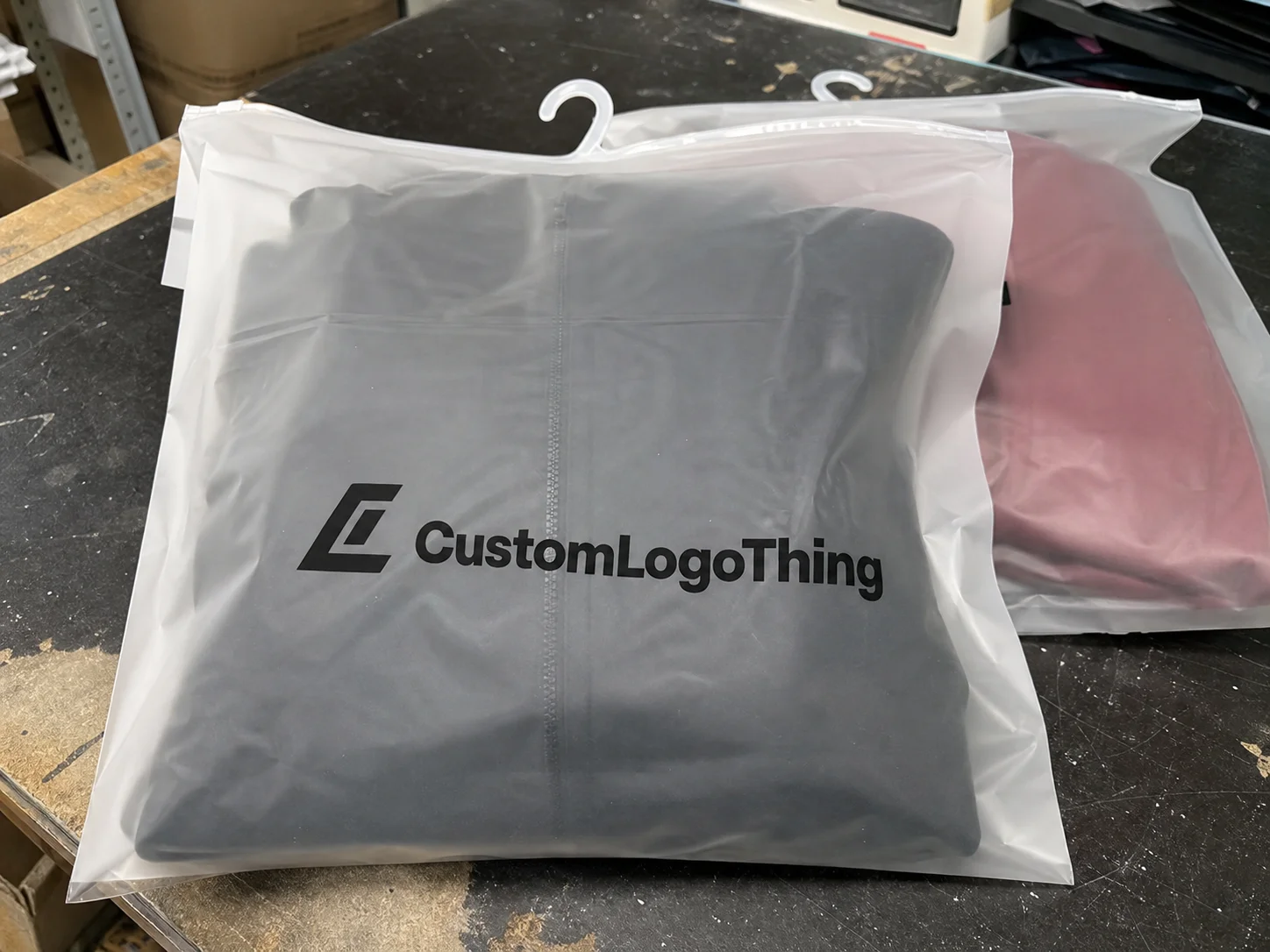
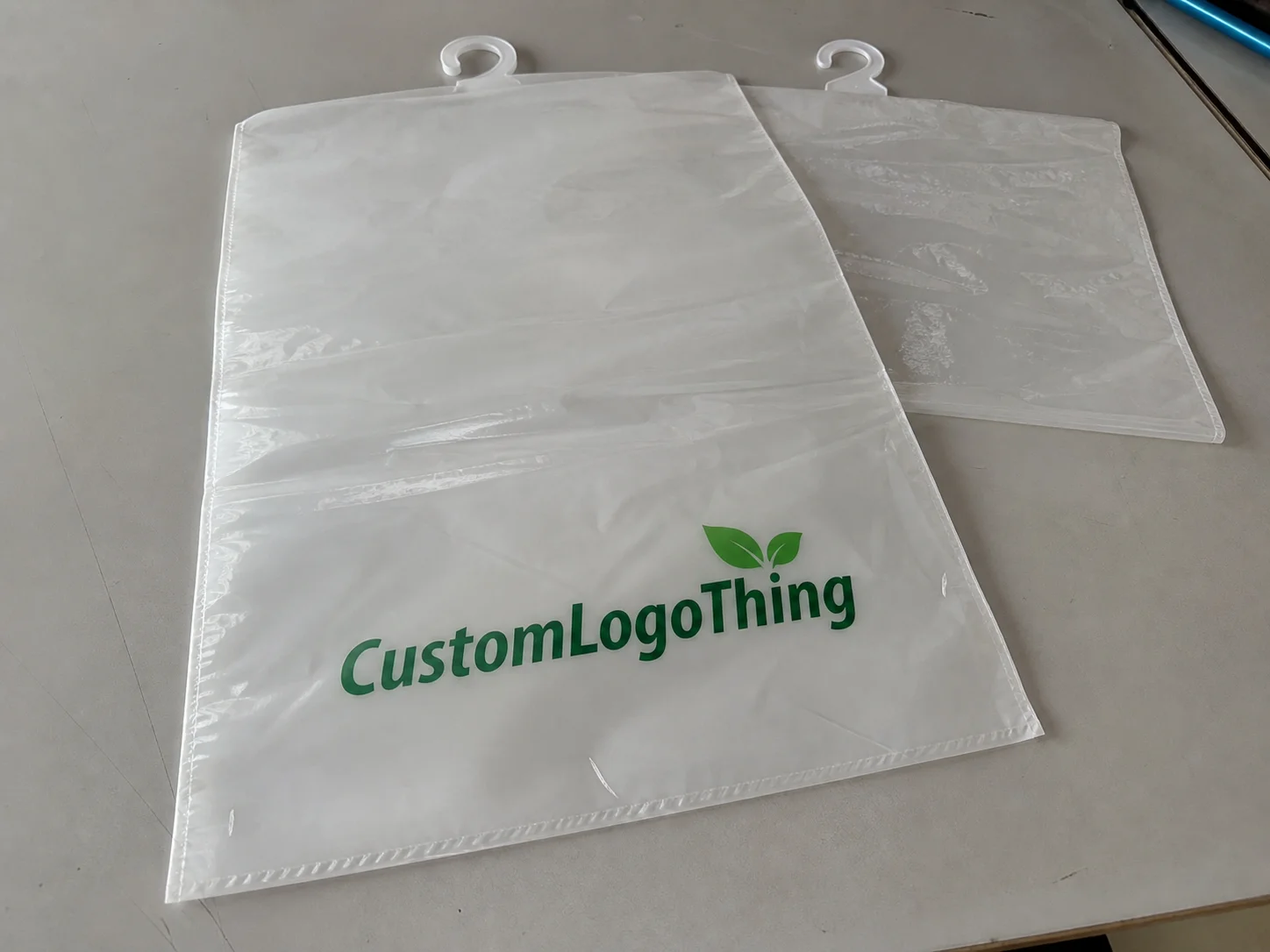
Buyer Fit Snapshot
| Best fit | Branded Packaging for Beauty Brands projects where brand print, material claims, artwork control, MOQ, and repeat-order consistency need to be specified before quoting. |
|---|---|
| Quote inputs | Share finished size, material target, print colors, finish, packing count, annual reorder estimate, ship-to region, and any compliance wording. |
| Proofing check | Approve dieline scale, logo placement, barcode or warning zones, color tolerance, closure strength, and carton packing before bulk production. |
| Main risk | Vague material claims, crowded artwork, missing packing details, or unclear freight terms can make a low unit price expensive after revisions. |
Fast answer: Branded Packaging for Beauty Brands: Material, Print, Proofing, and Reorder Risk should be specified like a repeatable production item. The safest quote records material, print method, finish, artwork proof, packing count, and reorder notes in one written spec.
Production checks before approval
Compare the actual filled-product size with the drawing, then confirm tolerance on folds, seals, hang holes, label areas, and retail display edges. Reserve space for logos, QR codes, warning copy, and material claims before decorative graphics fill the panel.
Quote comparison points
Review material grade, print process, finish, sampling route, tooling charges, carton quantity, and freight assumptions side by side. A quote is only useful when the supplier can repeat the same color, closure quality, and packing count on the next order.
When I first started walking packaging floors in Dongguan and Shenzhen, I noticed something that still surprises founders: branded Packaging for Beauty brands often gets judged before the formula is ever opened. A carton with the wrong finish can make a $42 serum feel generic, while a carefully built box can make a $24 cream look like it belongs on a prestige shelf next to products twice the price. That first impression is not a nice-to-have. It is the sale before the sale, and it happens in about three seconds on a shelf in Seoul, Los Angeles, or Manchester.
Custom Logo Things works with brands that need packaging to do more than hold a product. It has to sell the story, survive shipping from Ningbo or Guangzhou, photograph well, and still make financial sense. Honestly, that last part is where I see the most confusion. Founders often assume branded Packaging for Beauty brands is just about a logo on a box. It is much bigger than that. It is the full system of visual cues, tactile signals, and structural decisions that make a product recognizable in a crowded category, whether you are running 1,000 units or 50,000.
I remember standing in a factory in Dongguan while a brand team argued over whether a carton should be one shade warmer or cooler under fluorescent lights. Tiny debate. Big consequences. I’ve also watched a serum line double its reorder rate after simplifying its package branding and improving shelf contrast. Same formula quality. Very different packaging outcomes. The difference was not luck. It was packaging design discipline, a cleaner two-color print spec, and a matte aqueous coating instead of a muddy gloss finish.
What Branded Packaging for Beauty Brands Really Means
Branded Packaging for Beauty brands is not just decoration. It is a coordinated system that tells buyers, “This product belongs to a specific brand, at a specific price point, for a specific person.” That message comes through color, typography, material choice, finishing, shape, and even the way a lid closes. I’ve watched a plain white carton feel clinical on one product and premium on another simply because the structure, coating, and print density were handled differently on 350gsm C1S artboard with a 1.5 mm greyboard insert.
In beauty, packaging often gets noticed before the formula does. That is especially true in retail packaging, where a customer may scan a shelf for less than three seconds. Point-of-sale research repeatedly shows that shoppers make fast visual judgments, and beauty is one of the most aesthetics-driven categories in retail. Branded Packaging for Beauty brands turns those fast judgments into trust, especially when the shelf tag says $58 and the box looks like it belongs there.
There is a useful way to think about it. Plain protective packaging says, “Here is your product.” Branded Packaging for Beauty brands says, “Here is what this product means, who it is for, and why it is worth your money.” That difference matters in e-commerce too, because a package arrives before the customer can smell, swatch, or test anything. If the outer mailer arrives dented from a 14-day ocean shipment or a rushed domestic fulfillment run, the brand loses points before the cap is even twisted open.
Branding goes far beyond a logo. It includes:
- Color systems that create instant recognition
- Typography that signals luxury, clinical accuracy, or youthfulness
- Finishes such as foil stamping, embossing, debossing, or soft-touch lamination
- Unboxing sequence that controls reveal and anticipation
- Inserts and dividers that protect the product and explain usage
- Structural shape that makes the package memorable on shelf or camera
At a supplier meeting in Shenzhen, I once watched a brand team debate a 0.3 mm difference in carton thickness like it was trivial. It wasn’t. That small change altered how the carton stood upright, how the lid closed, and how the gold foil reflected under store lighting. In branded packaging for beauty brands, details that sound tiny on paper often decide whether the package feels polished or accidental. A box that uses 400gsm SBS board with a 2 mm shoulder can feel entirely different from one built on flimsy 300gsm stock, even if the artwork is identical.
Here’s the part most people get wrong: premium does not automatically mean overloaded. Some of the best branded packaging for beauty brands I’ve seen used one strong idea and executed it well. A matte black rigid box with a single silver logo can feel more expensive than a carton packed with every possible finish. Restraint often reads as confidence, especially when the logo is hot-stamped in 1-color silver foil and the inside stays uncoated for contrast.
For brands building long-term equity, branded packaging for beauty brands also supports social sharing. Beauty buyers love to photograph lids, sleeves, mirrors, inserts, and ribbon pulls. That content becomes unpaid distribution. A package that looks compelling in hand and on camera can outperform a package with a better margin but no visual story. And yes, I’ve seen that trade-off show up in real reorder discussions after one influencer sent 18 stories and 4 TikToks from a single unboxing.
How Branded Packaging for Beauty Brands Works
The packaging journey usually starts with the product itself, not the artwork. A cream jar, dropper bottle, palette, or tube has physical demands that shape the rest of the build. Branded packaging for beauty brands has to fit the product, protect it, and support the brand’s price position. That is why I always ask founders to bring a filled sample early. Empty-container assumptions are where expensive mistakes begin, especially when a 30 mL glass bottle turns out to be 3 mm wider than the spec sheet says.
The process usually moves through six stages: brand strategy, dieline development, material selection, printing, finishing, and assembly. Each stage affects the next. If the brand wants custom printed boxes with a deep emboss and foil, the structure may need thicker board and tighter tolerances. If the product is fragile, the insert may need to be molded pulp in Shenzhen or EVA foam in Guangzhou rather than a simple paperboard cradle. Package branding and physical performance have to be planned together, or the line will eat your budget alive.
There is also a customer journey to think about. Branded packaging for beauty brands works differently at each touchpoint:
- Discovery — the shopper notices the package in store or online
- Purchase — the package supports perceived value at checkout
- Unboxing — the structure creates anticipation and trust
- Usage — the package communicates dosage, application, and care
- Storage — the package may sit on a vanity, shelf, or bathroom counter
- Re-order — the package helps the customer remember the brand
That journey changes by channel. Retail packaging needs shelf impact and barcode placement. E-commerce packaging needs shipping durability first, ideally built to pass a 30-inch drop test or at least survive parcel handling in the U.S. and EU. Influencer seeding often needs a stronger “wow” moment because the package may be filmed before the product is even used. Subscription boxes need consistency and cost control. Branded packaging for beauty brands has to flex across all four without losing the core identity.
Structural packaging and decorative packaging work best as partners. One protects the product, the other persuades the shopper. I’ve seen brands overspend on decorative print while forgetting the product rattles inside. I’ve also seen the opposite: technically solid packaging that looked so plain it disappeared beside competitors. Good branded packaging for beauty brands balances both sides, and that usually means specifying a 0.8 mm tighter insert slot or switching to a locking tab instead of assuming tape will save the day.
Custom Packaging Products can help brands compare cartons, rigid boxes, mailers, sleeves, and inserts before committing to one format. And if you want to see how packaging decisions play out in practice, the examples on our Case Studies page are a useful reality check. I’ve seen a $0.15-per-unit carton at 5,000 pieces outperform a $1.20 rigid box simply because the structure fit the bottle better and the print contrast was sharper.
Key Factors That Shape Branded Packaging for Beauty Brands
Material choice is one of the fastest ways to change both cost and perception. Paperboard is common for cartons and sleeves because it prints cleanly and scales well. Corrugated board protects shipping units. Rigid boxes create a premium feel but increase cost. Glass feels high-end for serums and creams, yet it raises freight weight and breakage risk. Plastic can be practical and lightweight, though some buyers now scrutinize it more closely. Metal works well for compacts and tins, but tooling and decoration costs vary widely across suppliers in Guangdong, Dongguan, and Yiwu.
For sustainable packaging, the trade-offs are real. Recyclable paperboard can be a strong fit, but only if coatings and inserts do not complicate disposal. Refillable systems sound attractive, and in some categories they are. Still, refillable packaging is not always the cheapest route, especially once you add secondary components, compatibility testing, and consumer education. I usually tell clients to compare environmental claims against actual manufacturing and return behavior, not just marketing aspiration. The EPA’s sustainable materials management guidance is a solid reference point for that conversation, especially if you are deciding between FSC paperboard, recycled greyboard, and molded pulp.
Cost drivers are easier to understand once you see them side by side. Here is a simple comparison I’ve used in client meetings when packaging budgets start to drift.
| Packaging Option | Typical Unit Cost | Strengths | Trade-offs |
|---|---|---|---|
| Printed folding carton | $0.18-$0.42 at 5,000 pieces | Efficient, lightweight, strong printability | Less premium feel than rigid formats |
| Rigid gift box | $0.85-$2.40 at 3,000 pieces | Luxury perception, strong unboxing value | Higher freight and assembly cost |
| Mailer with insert | $0.60-$1.50 at 5,000 pieces | Good for e-commerce protection | Needs careful dimensional planning |
| Custom insert system | $0.12-$0.75 depending on material | Improves product security and presentation | Can add tooling and setup time |
Those numbers are directional, not universal. Quantity, paper stock, board thickness, color count, and finish complexity can move pricing quickly. A 2,500-piece run of custom printed boxes with foil and embossing will not price like a 20,000-piece two-color carton. Honestly, I think many brands underestimate how much the finishing stack affects both cost and lead time. A $0.15-per-unit box at 5,000 pieces can become $0.38 per unit once you add soft-touch, foil, and a custom insert.
Brand positioning matters just as much as materials. Luxury skincare may call for heavier board, minimal copy, and soft-touch lamination. Indie beauty brands often want expressive color and a more direct personality. Clean beauty lines usually lean toward restrained palettes and sustainable cues. Dermocosmetic brands tend to emphasize clinical clarity, ingredient hierarchy, and functional labeling. Mass-market product packaging needs speed, consistency, and broad shelf visibility. Branded packaging for beauty brands should reflect that positioning instead of fighting it, whether the line is sold in Paris, Toronto, or across a few corners of Brooklyn.
Functionality is the quiet killer of good design. If the product leaks, arrives crushed, or lacks room for required labeling, the beautiful box has failed. I’ve seen a client spend $9,000 on premium cartons and then discover the dropper bottle leaked during transport because the insert allowed movement inside the pack. The fix was not a fancier print treatment. It was a tighter insert spec, a 1.2 mm EVA tray, and a better closure with a 4-point lock.
Color psychology and typography matter more than people think. Warm neutrals can suggest softness and skin comfort. Clean whites and blues often imply clinical accuracy. Deep blacks, metallics, and high-contrast type can signal prestige. Tactile finishes matter too. A soft-touch surface invites holding. A rough uncoated stock can feel eco-conscious. A gloss varnish can make a product pop under fluorescent retail lighting. Branded packaging for beauty brands uses all of these cues, consciously or not, and the difference shows up in a single glance at shelf height.
For standards and testing, I always recommend asking whether the pack needs ISTA shipping validation or specific carton performance testing. The International Safe Transit Association outlines useful protocols for shipping and distribution testing at ista.org. If a beauty brand is selling fragile glass or premium sets, that conversation should happen early, not after a wave of damaged returns from a warehouse in Ohio or a fulfillment center outside Dallas.
Step-by-Step Process for Creating Branded Packaging for Beauty Brands
Step 1: Define the brand story, target customer, and price point. Before anyone opens Illustrator, the team should agree on what the product stands for. A $28 acne serum, a $68 retinol cream, and a $140 fragrance oil cannot share the same packaging logic. Branded packaging for beauty brands starts with positioning, because design without positioning is just decoration. I usually ask for the retail channel, expected margin, and target shelf location before I talk about colors.
Step 2: Audit the product’s physical needs. Measure the bottle, jar, tube, or palette with the product filled. Check leakage risk, sealing method, temperature sensitivity, and regulatory copy. Include barcode size, ingredient panel space, warning text, and country-of-origin requirements. I’ve watched brands redesign late because they forgot there was no space left for mandatory copy. That is a painful and avoidable delay, especially when the carton already has a 55 mm-wide logo lockup and a claims block in four languages.
Step 3: Develop the structure and dieline. This is where packaging design becomes real. A dieline defines folds, seams, flaps, and locking tabs. Test the fit with real samples, not mock assumptions. One of the most practical lessons I learned on a factory floor in Guangdong was that a 1 mm tolerance mistake can turn a premium experience into a production headache. The box may still close. It just won’t close well, and it will definitely not close well 20,000 times in a row.
Step 4: Select the print method and finish stack. Offset printing works well for high-volume custom printed boxes. Digital printing can support smaller runs and fast revisions. Flexographic printing is common on corrugated packaging. Then come finishes: foil, embossing, debossing, spot UV, matte varnish, gloss varnish, soft-touch lamination. Pick the few that reinforce the brand. Do not pile on every option just because it is available. A clean 2-color offset job on 350gsm C1S artboard can look far better than a crowded 6-color design trying to prove it has taste.
Step 5: Review prototypes. Physical samples tell the truth. Check shelf presence, closure strength, color accuracy, and how the package photographs under daylight and LED store lighting. One client in a buyer meeting told me, “It looked expensive on screen, but in hand it felt like a subscription insert.” That was not a design compliment. It was a warning. The prototype saved the launch, and the final version moved to a rigid box with a 1.5 mm board wrap and a tighter lid fit.
Step 6: Place the order and align inventory. This part is operational, but it decides whether your launch is calm or chaotic. Confirm lead times, packaging quantities, warehousing space, and replenishment triggers. Branded packaging for beauty brands should arrive before product fills if possible, not after a rushed bottling window. A two-week mismatch can become a missed retail date, especially if your fulfillment partner in Los Angeles needs the cartons by Monday and the freight from Asia lands on Thursday.
Here is a practical sequence many teams can follow:
- Brand strategy brief
- Product measurement and compliance review
- Structure selection and dieline creation
- Material and finish sampling
- Prototype testing with filled product
- Artwork approval and pre-press
- Production and quality control
- Shipping, receiving, and launch staging
That may sound linear, but in reality there are loops. A dieline change can force an artwork edit. A finish change can alter the timeline. A new claims statement can shift layout space. Packaging for beauty brands is a moving target until it is locked, and it usually takes two to three rounds of markups before everyone stops pretending the first draft was “almost there.”
Timeline, Sampling, and Production Realities
Most packaging timelines break into concept development, sampling, revisions, pre-press, production, quality control, and shipping. For simpler cartons, the process can move quickly once the artwork is final. For custom packaging with rigid structures, specialty coatings, or complex inserts, the clock stretches. That’s not bureaucracy. It’s manufacturing reality. A typical carton project in Guangdong or Zhejiang may take 12-15 business days from proof approval to production completion, while a rigid box with foil and embossing often needs 20-30 business days.
Where do delays usually happen? In my experience, the top four are artwork approval, finish changes, supply shortages, and structural revisions after sample review. Artwork delays are especially common because beauty teams often have multiple stakeholders. Marketing wants elegance, operations wants durability, compliance wants copy space, and founders want the package to feel bigger without increasing the budget. Those goals can coexist, but only with disciplined decisions and a hard approval date, preferably not the night before a printer files the plates.
Custom Packaging for Beauty brands benefits from a buffer between prototype approval and full production. I usually advise clients to leave extra time for one more sample round than they think they need. That buffer has saved more launches than I can count. It is much cheaper to spend four extra days on a prototype than to fix 20,000 printed cartons after a spelling error or barcode issue. One wrong digit in a batch code can delay a warehouse release in Singapore or Sydney by a full week.
Fast timelines usually require simpler choices. Fewer special finishes. Fewer revisions. Standard board sizes. Tighter approval cycles. If a founder tells me they need branded packaging for beauty brands in under three weeks, I immediately start simplifying the spec. That doesn’t mean the packaging will look cheap. It means the design must be more selective. A clean tuck-end carton, one foil hit, and a single custom insert can still feel premium if the typography is disciplined and the print density is controlled.
Launch calendars should include more than production. Influencer send-outs, retail ship dates, photo shoots, seasonal campaigns, and replenishment windows all depend on the packaging arriving when promised. I’ve seen brands with strong demand lose momentum because the boxes arrived after the PR window. That is not a product problem. It is a planning problem, usually a freight booking problem from Shenzhen or a confirmation problem with a warehouse in California.
One of the more useful production checks is to confirm whether the supplier follows documented quality inspection steps and what tolerance range they work within. If a vendor cannot tell you how they verify print registration, carton dimensions, or insert fit, keep asking. Branded packaging for beauty brands is too visible to leave to guesswork. Ask for AQL levels, sample retention, and whether they measure critical dimensions on every lot.
For packaging testing, the ISTA framework is worth a look, especially if your product will ship through parcel networks. You can review testing guidance and distribution standards at ista.org. That reference is especially helpful for beauty brands selling glass, palettes, or fragile kits that need to survive a 36-inch parcel drop and still open without shattered corners.
Common Mistakes Beauty Brands Make With Branded Packaging
The most common mistake is overdesigning. Too many finishes, too many fonts, too many claims, too many colors. The result is packaging that looks busy instead of premium. I’ve seen founders spend months chasing “luxury” and end up with a package that reads like a trade-show sample. Branded packaging for beauty brands should guide the eye, not fight it, and a simple PMS 7541 background with one black logo can often do more than a rainbow of effects.
Another frequent problem is choosing aesthetics before function. A beautiful rigid box that crushes in transit is not a premium solution. A gorgeous jar with a lid that loosens during shipping is a returns problem waiting to happen. Cosmetic packaging has to survive reality. The more fragile the product, the more disciplined the structure has to be, especially if the route includes warehouse handling in New Jersey or a 1,200-mile truck leg across the Midwest.
People also underestimate upgrades. Embossing, foil stamping, soft-touch coating, metalized ink, custom inserts, and specialty closures all increase cost. Sometimes only by cents. Sometimes by dollars. That difference matters when you are scaling from 3,000 units to 30,000. I’ve had direct pricing conversations where a brand added three “small” enhancements and moved from a comfortable margin to a painful one, without realizing it until the final quote landed. A $0.22 carton can become a $0.61 carton fast if you add a custom window, foil logo, and molded insert.
E-commerce is another trap. The package may look good on a shelf, but if it rattles, dents, or opens in transit, repeat orders suffer. Subscription customers are especially unforgiving because they compare one delivery to the next. Branded packaging for beauty brands in e-commerce must be tested for drop resistance, compression, and corner damage. The consumer experience starts with the box arriving intact, not with the marketing deck.
Regulatory and barcode requirements are often ignored until late. That is dangerous. Ingredient declarations, net weight, warning copy, country-of-origin text, and scan-ready barcodes need space. Leave them out too long, and the packaging team ends up shrinking the brand message to make compliance fit. That trade-off is avoidable, especially if the dieline is reviewed before artwork is finalized and the barcode reserve space is measured at 100% scale.
Skipping prototype testing is the final big mistake. On a factory visit in Dongguan, I once saw a brand approve a gorgeous sleeve system without filling the bottle first. The filled product was 6.5 mm taller than the mock-up. The sleeve jammed. Production had to stop. That kind of issue feels small until it hits a line running 8,000 units per day and you are paying labor for idle machines.
“The box looked beautiful, but the product didn’t move through the line cleanly. We learned the hard way that visual appeal and production fit are not the same thing.”
That quote came from a brand manager after a late-stage packaging correction. I still think about it because it captures the central truth of branded Packaging for Beauty Brands: if the pack does not work in the factory, it will not work in the market.
Expert Tips for Better Branded Packaging for Beauty Brands
Use one or two high-impact details instead of five average ones. A great paper stock, a sharp typographic system, and a single finish treatment often outperform a cluttered premium stack. Branded packaging for beauty brands does not need to shout to be noticed. It needs to be remembered, and that usually happens with a 400gsm board, a clean foil line, and a package that closes the way it should.
Build a packaging system that scales across SKUs. If the line grows from one serum to six products, the brand should still look like itself. That means setting rules for typography hierarchy, color families, finish usage, and carton proportions. Consistency is not boring when it is done well. It creates recognition, and recognition lowers the cost of persuasion. It also makes reorder conversations easier because your supplier in Shenzhen is not rebuilding the logic every six weeks.
Focus on the touchpoints customers remember most: opening, product reveal, and storage. These are the moments when product packaging earns emotional value. A box that opens with a clean, controlled pull. A reveal that feels intentional. A container that looks good on a vanity. Those moments matter because beauty is a ritual category. People interact with these products repeatedly, not just once, often twice a day for months.
Use a scorecard before final approval. I like simple four-part comparisons:
- Cost — unit price, setup fees, freight, and assembly
- Protection — fit, drop resistance, closure strength, transit durability
- Sustainability — material choice, recyclability, refill strategy, source certification
- Brand impact — shelf presence, tactile feel, photo quality, perceived value
Ask for physical samples early. Screen renderings can flatter weak structure and hide tolerances. In hand, the truth comes out fast. I’ve seen packaging look elegant on a laptop and feel flimsy in the room. I’ve also seen a plain sample become the winning option because the tactile stock and closure felt more premium than the competitor’s overworked design. A sample approved in 12 business days is cheaper than a reprint forced by a warped lid in production week.
Design for content creation. Beauty buyers photograph and film packaging constantly. That means the logo placement, side panel copy, inner flap message, and insert reveal all matter. Branded packaging for beauty brands should create at least one moment worth sharing. If the package never gives someone a reason to point a phone at it, you are missing free marketing, and free marketing is rare enough to respect.
One more practical point: compare suppliers by more than quote price. Ask about proofing method, QC process, carton compression standards, and lead-time reliability. A slightly higher quote can be worth it if the supplier catches errors earlier and ships on schedule. That is especially true for branded packaging for beauty brands with tight launch dates. I’d rather pay a plant in Guangzhou $0.03 more per unit than lose a retail window in New York because someone missed a dieline revision.
According to the Fibre Box Association and related industry references, material selection and structural efficiency have a direct effect on shipping performance and environmental impact. If your brand uses corrugated shippers or secondary cartons, it is worth reading industry guidance from a source like the Forest Stewardship Council when sourcing paper-based materials responsibly. FSC-certified board from Vietnam or South China can be a smart fit when buyers ask hard questions about sourcing.
Honestly, I think the best branded packaging for beauty brands feels inevitable. Nothing seems accidental. Nothing feels forced. The structure fits the product. The print supports the price. The finish earns its place. That balance is hard to achieve, but it is absolutely achievable with the right brief, the right supplier conversations, and a willingness to kill one bad idea before it eats the entire budget.
FAQ
How much does branded packaging for beauty brands usually cost?
Pricing depends on material, print method, quantity, and finishing choices. A simple folding carton might run around $0.18 to $0.42 per unit at 5,000 pieces, while a rigid box can climb above $1.00 per unit depending on board thickness and decoration. The smartest comparison is not unit price alone. It is unit cost versus perceived value, breakage savings, and customer retention. For example, a $0.15-per-unit carton at 10,000 pieces may become $0.27 once you add foil, embossing, and a custom insert.
What is the best packaging format for branded packaging for beauty brands?
The best format depends on the product and the channel. Retail products need shelf visibility, e-commerce products need shipping protection, and gift sets often need a stronger unboxing experience. Serums, creams, palettes, and subscription items each call for different structural choices. There is no universal winner. A 30 mL serum in a glass bottle may do well in a tuck-end carton, while a holiday set in New York or Paris may need a rigid lift-off box with a molded insert.
How long does the branded packaging process take for beauty brands?
Timing varies with complexity, sample revisions, and production capacity. Standard cartons and mailers can move faster than rigid boxes with specialty finishes. Custom printed boxes usually need extra time for proofing, testing, and pre-press approval. If the launch date is fixed, build in buffer time before final production. A typical carton run in Dongguan takes 12-15 business days from proof approval, while a more complex rigid box project may take 20-30 business days before shipping.
How can beauty brands make packaging feel premium without raising costs too much?
Use one standout element, not six. Strong typography, a refined color palette, or a single finish such as spot UV or soft-touch lamination can elevate the pack without pushing the budget too far. Clean structure design often does more for premium perception than extra decoration. A 350gsm C1S artboard carton with one foil logo and a crisp matte varnish can outperform a crowded design with three metallic effects and a messy insert.
What should beauty brands test before approving branded packaging?
Test fit, closure strength, shipping durability, copy legibility, and barcode placement. Also check how the package looks under retail lighting and on camera for social content. Branded packaging for beauty brands should support both branding and compliance before it goes into production. I’d also check filled-product fit, because a bottle that’s 4 mm taller than the sample can turn a perfect sleeve into scrap fast.
Branded packaging for beauty brands is one of the few places where design, operations, logistics, and marketing all collide in the same object. That is why it matters so much. A package can protect a product, signal quality, and create repeatable brand memory all at once. When it is done well, it lifts the entire business. When it is done poorly, the costs show up everywhere: damaged units, weak shelf appeal, lower conversion, and messy reorders. If you want branded packaging for beauty brands That Actually Works, treat it like a business decision first and a visual decision second, then build it with exact specs, realistic timelines, and suppliers who know the difference between a pretty mock-up and a production-ready box.