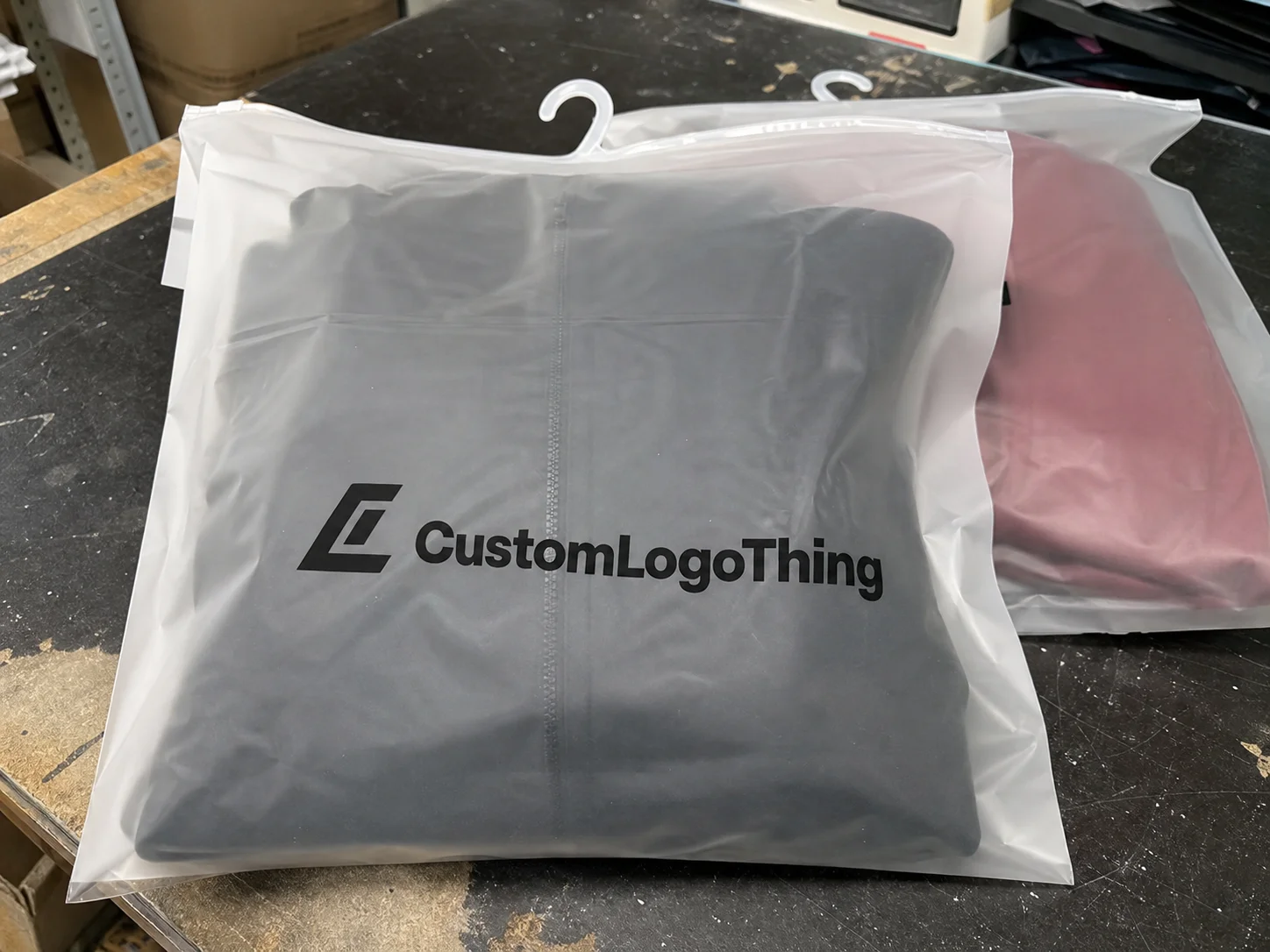
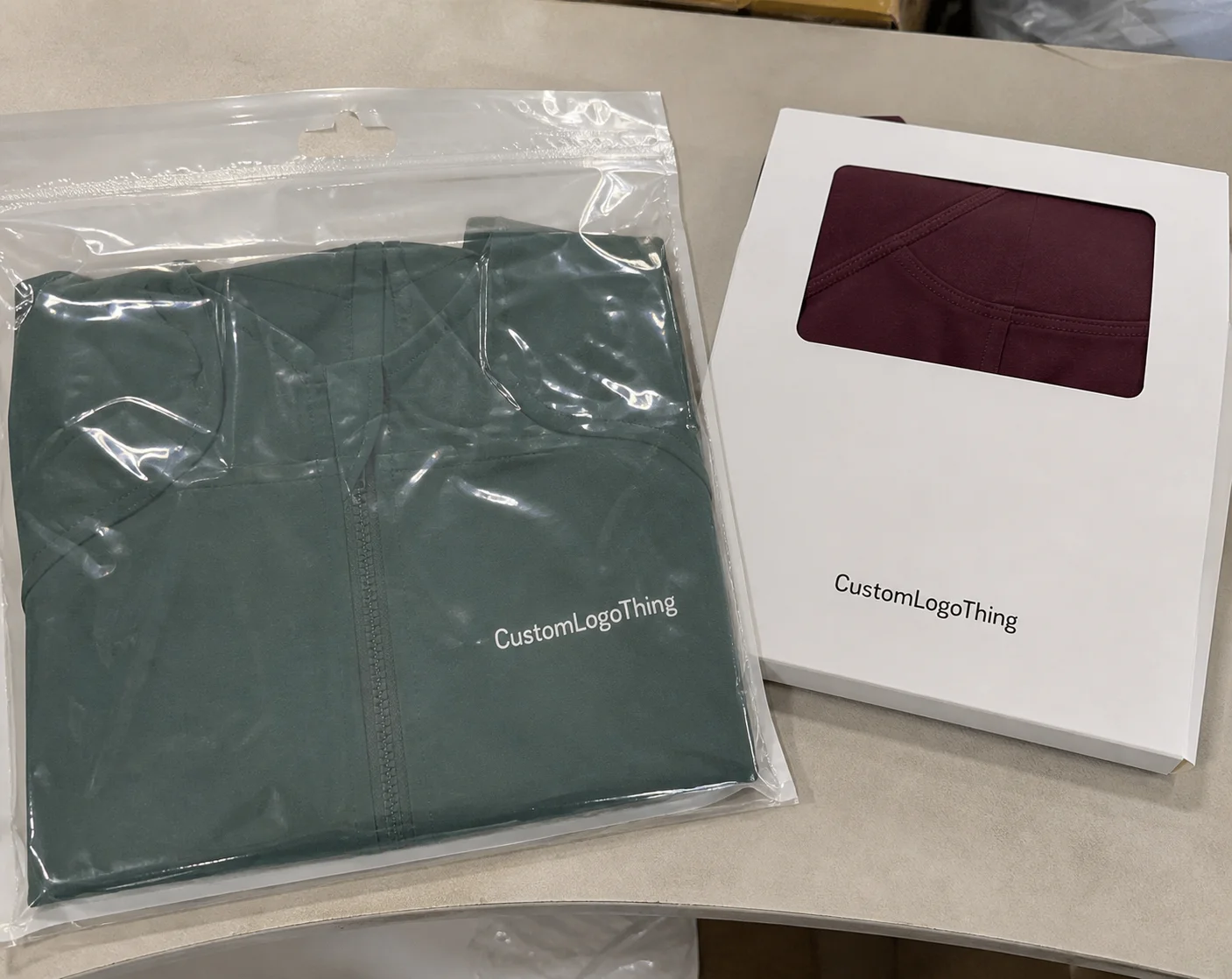
Buyer Fit Snapshot
| Best fit | custom packaging for beauty products wholesale for packaging buyers comparing material specs, print proof, MOQ, unit cost, freight, and repeat-order risk where brand print, material, artwork control, and repeat-order consistency matter. |
|---|---|
| Quote inputs | Share finished size, material target, print colors, finish, packing count, annual reorder estimate, and delivery region. |
| Proofing check | Approve dieline scale, logo placement, barcode or warning zones, color tolerance, and any recyclable or compostable wording before bulk production. |
| Main risk | Vague material claims, crowded artwork, or missing packing details can create delays even when the unit price looks attractive. |
Fast answer: Custom Packaging for Beauty Products Wholesale: MOQ, Samples, Lead Time, and Quote Checks should be specified like a repeatable production item. The safest quote includes material, print method, finish, artwork proof, carton packing, and reorder notes in one written spec.
What to confirm before approving the packaging proof
Check the product dimensions against the actual filled item, not only the sales mockup. Ask for tolerance on folds, seals, hang holes, label areas, and retail display edges. If the package carries a logo, QR code, warning copy, or legal claim, reserve that space before decorative graphics fill the panel.
How to compare quotes without losing quality
Compare board or film grade, print process, finish, sampling route, tooling charges, carton quantity, and freight assumptions side by side. A lower quote is only useful if the supplier can repeat the same color, closure quality, and packing count on the next order.
I once watched a skincare founder burn through $14,700 in returns in one quarter because her “pretty” box was built on 300gsm CCNB with no insert support for a 50ml glass dropper. I still remember opening those damaged returns on a folding table and thinking, this carton looked great in the boardroom and failed spectacularly in real life. We switched to custom Packaging for Beauty products wholesale using 400gsm SBS, added a die-cut card insert with a 1.5mm neck lock, and her breakage rate dropped from 4.8% to 0.9% in two production cycles. That wasn’t branding theater. That was recovered margin.
If you’re sourcing custom Packaging for Beauty products wholesale, you’re buying a commercial system, not a mood board. I’m gonna break down what to buy, what it typically costs, where teams overpay, and how to avoid factory-floor mistakes I’ve seen in Shenzhen, Dongguan, and one painfully long vendor meeting in Los Angeles where someone approved foil before locking dimensions (yes, really). Don’t do that.
Custom Packaging for Beauty Products Wholesale: Why It Drives Margin, Not Just Looks
Most beauty brands start with visuals. Fair. Shelf impact matters. But the first reason to invest in custom packaging for beauty products wholesale is profit protection. Leakage, dents, cap damage, relabeling labor, and replacement shipping often cost more than upgrading structure and print specs by $0.06–$0.18 per unit.
Real example: a body oil brand I worked with used generic folding cartons at $0.21 each for 10,000 units. Sounds cheap. Returns plus customer service handling averaged $1.12 per damaged order. We moved to custom printed boxes with crash-lock bottoms and a simple corrugated E-flute shipper insert. Unit cost rose to $0.33. Damage claims dropped 72%. Net savings in 90 days: just over $9,000.
Wholesale buyers care about consistency more than founders expect. They don’t want batch one with warm magenta and batch two with a cooler cast because Pantone wasn’t locked. They don’t want dielines drifting 2mm so jars wobble on shelf displays. They definitely don’t want carton compression failures because board caliper changed from 0.52mm to 0.44mm without notice.
Consistency keeps purchase orders coming.
Why different beauty products need different structures
- Glass serum bottles (30–50ml): usually need snug inserts, neck support, and tighter tolerances (often ±1mm on insert windows).
- Squeezable tubes: often fit well with straight tuck-end cartons; less internal support needed if the cap side is stabilized.
- Pressed powder palettes: demand rub-resistant finishes; scuffing on matte black is brutal if coating specs are vague.
- Cream jars (50g/100g): need anti-rattle inserts for e-commerce and shelf-tray compatibility for retail programs.
Here’s where teams get tripped up: they treat all SKUs like one packaging problem. Nope. A 120g glass jar and a 20g lip balm are different engineering projects with different stack pressure, drop risk, and display priorities. I’ve had clients insist they’re “basically the same,” then call two weeks later after transit testing says otherwise. Packaging humbles everyone, eventually.
“We thought branded packaging was just aesthetics. After switching structures, we stopped paying for avoidable damage and started reordering faster.” — Procurement manager, mid-size haircare brand, 8-SKU line
For buyers evaluating custom packaging for beauty products wholesale, the value proposition is practical: fewer returns, cleaner retail presentation, better unboxing, and stronger repeat orders from distributors who trust your consistency.
Custom Packaging for Beauty Products Wholesale: Formats That Actually Move Product
The format should match your channel and sales velocity. I’ve seen brands overspend on rigid Boxes for Subscription refills and underspend on folding cartons for premium serums placed next to prestige competitors. Wrong format means lost margin or lost conversion. Sometimes both.
Core formats and where they work
- Folding cartons: strongest all-around option for cost and scale. Great for skincare, makeup, and daily-use haircare.
- Rigid boxes: premium feel for gift sets, PR kits, and high-ticket launches. Higher MOQ, higher freight burden.
- Mailer kits: practical for DTC bundles and influencer seeding where transit abuse is real.
- Labels and sleeves: lower barrier for pilot runs, travel-size lines, and fast formulation refreshes.
- Insert cards: compliance notes, routines, QR onboarding; low cost, strong perceived value.
For custom packaging for beauty products wholesale, folding cartons in 350gsm C1S or 400gsm SBS usually deliver the best cost-to-performance ratio. If your product lives in prestige retail, a soft-touch lamination plus spot UV can improve visual hierarchy quickly. If you’re in high-volume DTC, prioritize crush resistance and pack speed before decorative finishes, even if marketing is kinda obsessed with foil.
Structure details buyers ignore until it hurts
Crash-lock bottom vs straight tuck. This single decision can change assembly labor by 20–30% in fulfillment operations handling 3,000+ packs per day. I toured a co-packer in New Jersey where operators were losing 1.7 seconds per unit with awkward tuck assemblies. By week three, they were in overtime.
Glue points matter too. One extra seam in the wrong place can trigger tear failures. Not dramatic in a sample review. Very dramatic at 20,000 units.
Material tradeoffs in plain English
- SBS: clean white surface, excellent print fidelity, strong choice for premium product packaging.
- CCNB: lower cost, acceptable for budget lines, weaker tactile feel for high-end cosmetics.
- Kraft: tactile, natural aesthetic; color shifts are common unless white ink layers are managed intentionally.
- Corrugated E-flute: shipping protection, useful for outer kits and fragile assemblies.
- Rigid board (1.5mm–2.5mm): premium look, premium freight, premium storage footprint. Use selectively.
Print and finish combinations affect conversion more than teams admit. Matte can look expensive but may scuff unless you specify anti-scratch varnish. Gloss can amplify color but can cheapen premium skincare if overused. Foil looks great until someone covers half the panel and adds $0.11 per unit with no measurable lift. Use foil as an accent, not wallpaper.
Also, leave room for compliance: ingredient blocks, barcode quiet zones, batch code windows, and multilingual copy need planned panel real estate. If not, someone shrinks type to 4pt and legal spirals. I’ve seen that email thread. Nobody slept well.
At this stage, teams usually benefit from reviewing available structures in Custom Packaging Products and mapping each SKU to channel-specific packaging design requirements.
Specifications Buyers Should Lock Before Requesting a Quote
If you want accurate pricing for custom packaging for beauty products wholesale in one round, lock your specs first. Actually lock them, not “about 120 by 40 by 40.” I’ve watched quote deltas jump 18% because final dimensions changed after tooling prep.
Quote inputs you must provide
- Exact box dimensions (L × W × H in mm)
- Product net weight and filled weight
- Fill volume (30ml, 50ml, etc.)
- Shipping mode (parcel, pallet, ocean LCL/FCL)
- Target market compliance needs (US, EU, GCC, etc.)
Tolerances decide fit. A 1–2mm miss can make a serum bottle rattle, chip, or crack in last-mile delivery. For inserts, I typically target ±0.5mm to ±1mm in critical hold areas, depending on bottle shoulder geometry and closure height.
Artwork and color control
Send vector files (AI, PDF/X), include 3mm bleed, safe zones, and locked Pantone references for brand colors. If your hero shade is PMS 7716 C, don’t approve “close enough” CMYK on a rushed proof and then dispute the production run. Color control should run from proof through mass production.
For teams newer to custom packaging for beauty products wholesale, this is the minimum proof ladder I recommend:
- Digital mockup for layout sanity check
- White sample for structural fit
- Pre-production printed sample for color and finish
- Golden sample signed before full run
Testing standards worth using
Don’t skip testing because “it’s just a carton.” Use drop and transit protocols aligned with your channel. For e-commerce parcel distribution, reference ISTA guidance and define pass/fail criteria before production. If sustainability claims are printed on pack, verify certification chain through FSC databases and supplier documentation.
Practical tests to request:
- Drop test sequence (height based on packed weight)
- Compression performance in master cartons
- Rub resistance on dark matte panels
- Humidity exposure checks for coastal shipping lanes
Cost-saving tip: standard board sizes and shared knife molds can reduce upfront tooling by roughly $120–$400 per SKU in many factories, especially if your dimensions fit existing die libraries. This varies by region and supplier capability, so ask directly instead of assuming.
Pricing, MOQs, and Cost Drivers in Custom Packaging for Beauty Products Wholesale
Let’s talk numbers. Real buyers need realistic ranges for custom packaging for beauty products wholesale to build landed-cost models and protect margin.
Cost has fixed and variable components. Fixed: tooling, plates, setup. Variable: board, print passes, finishing, hand assembly, and freight. Unit price drops as volume absorbs setup cost, but only if specs stay stable.
| Format | Typical MOQ | 1,000 Units | 5,000 Units | 20,000 Units | Notes |
|---|---|---|---|---|---|
| Folding carton (350gsm SBS, CMYK) | 1,000–2,000 | $0.42–$0.58 | $0.18–$0.31 | $0.11–$0.19 | Most common for custom printed boxes |
| Folding carton + insert | 2,000–3,000 | $0.56–$0.78 | $0.29–$0.44 | $0.19–$0.31 | Better for glass and premium pumps |
| Rigid setup box (2mm board) | 3,000–5,000 | $1.60–$2.80 | $0.92–$1.75 | $0.58–$1.12 | Gift sets, PR kits, high-end retail packaging |
| Custom labels (BOPP) | 500–1,000 | $0.09–$0.20 | $0.03–$0.08 | $0.01–$0.04 | Low MOQ, fast revisions |
These ranges are common in current Asia + US hybrid sourcing models and exclude duties, warehousing, and final-mile delivery. Exact pricing depends on structure, finish stack, board availability, and seasonality in freight lanes.
Hidden costs that wreck your model
- Oversized master cartons: you pay to ship air and increase crush risk.
- Over-engineered inserts: impressive in meetings, slow on pack-out lines.
- Heavy foil coverage: extra pass, extra cost, often no conversion lift.
- Late compliance edits: relayout and reproof fees add up fast.
I negotiated with a Ningbo supplier on a 6-SKU makeup line where the client wanted foil on every side panel. I pushed back, limited foil to logo plus top flap, and saved $0.07 per unit at 15,000 units. That’s $1,050 saved in one run for an effect most customers barely noticed once product was shrink-wrapped.
How to negotiate like an adult
Lock specifications first. Then negotiate payment terms and freight split. Too many buyers fight over cents while still changing dimensions and finish sequence. Suppliers price that uncertainty in. You pay for the chaos either way.
For custom packaging for beauty products wholesale, ask for tiered pricing at 1k/3k/5k/10k/20k, with tooling and freight broken out separately. Ask what shifts if you move from EXW to FOB. Ask lead-time impact for each finish. Ask whether combining SKUs on shared board stock improves yield. That’s where meaningful savings usually hide.
If you need broader volume support, review structure and order-planning options under Wholesale Programs before locking annual forecasts.
Process and Timeline: From Dieline to Delivered Cartons
The production path for custom packaging for beauty products wholesale should be boringly clear. Confusion causes delays. Delays hurt launches. Here’s the sequence I use with clients.
Step-by-step flow
- Discovery brief (1–2 business days): product specs, channel, target cost, compliance.
- Structural engineering (2–4 days): dieline development, insert logic, board recommendation.
- Artwork check (1–3 days): prepress validation, bleed, color profile, barcode zones.
- Sampling (4–8 days): white sample then printed pre-production sample.
- Approval gate (1 day): final signoff on golden sample.
- Mass production (10–18 days): printing, finishing, die-cutting, gluing, packing.
- QC + dispatch (2–5 days): AQL checks, palletization, loading, export docs.
Typical total: 20–35 business days before transit, depending on complexity. Air freight often adds 3–8 days door-to-door; ocean often adds 20–40 days, depending on lane, season, and port congestion.
Decision gates that prevent expensive mistakes
- Before tooling: final dimensions and structure locked
- Before print: color references and compliance panels approved
- Before shipment: QC report accepted, packing list confirmed
I once had a client change INCI panel copy after plates were made. That “small text update” cost $680 in plate revisions and four lost days. Completely avoidable.
QC checkpoints you should require
Inline color checks against approved standards. Adhesive integrity tests on glued seams. Dimensional inspections at start, middle, and end of run. AQL-based final inspection (commonly 2.5 major / 4.0 minor, adjusted for risk tolerance). For glass-heavy SKUs, run random pack-and-drop verification with filled product, not empty dummies.
For custom packaging for beauty products wholesale, speed matters, but controlled speed matters more. You can compress timeline risk by running artwork prep in parallel with structural sampling, pre-booking board stock, and placing blanket POs tied to forecasted monthly releases.
Why Choose Custom Logo Things for Wholesale Beauty Packaging
Custom Logo Things is built for buyers who need clarity, not theater. You get manufacturer-level execution with straight answers on cost, MOQ, and timing for custom packaging for beauty products wholesale.
I respect teams that state constraints early. If your target is $0.24 landed for carton plus insert, we’ll tell you what combination can hit it and what can’t. If rigid is overkill for your channel, we’ll say it. If your finish stack creates delay risk, we flag it before production. That candor is rarer than it should be.
Operational strengths that matter at scale
- Stable supplier network with repeatable board sourcing
- Consistent color management across reorders
- Structured sampling and approval flow to reduce disputes
- Category experience in skincare, makeup, haircare, and body care
Factory-floor reality check: every finishing line has constraints. I’ve stood beside a coating line in Dongguan where anti-scratch matte added two extra days because queue timing wasn’t planned. Good partners tell you early. Bad partners promise miracles, then send apology emails.
Commercially, the win is practical MOQs, tiered visibility, and plain-language communication. If there’s a risk, you hear it while there’s still time to fix it.
“We switched three hero SKUs and got cleaner color consistency across two reorder cycles. That alone improved retailer confidence.” — Beauty operations lead, regional chain rollout
Whether you need branded packaging for one launch or a rolling multi-SKU procurement plan, Custom Logo Things keeps the process tight, documented, and accountable.
Next Steps to Order Custom Packaging for Beauty Products Wholesale
If you’re ready to buy custom packaging for beauty products wholesale, use this checklist to avoid predictable back-and-forth.
7-step buyer checklist
- Measure exact product dimensions and filled weight
- Set quantity forecast (monthly and total run)
- Define target unit price and landed-cost ceiling
- Choose format (carton, rigid, label, kit, insert combo)
- Confirm artwork status (ready, partial, or pending)
- List compliance requirements by market
- Lock launch date and warehouse receipt deadline
What to submit in your first inquiry
Send SKU list, dimensions in mm, quantity tiers, material preference, finish preferences, shipping destination, and desired incoterm. Attach existing dielines if available. Do this once, correctly, and you can usually get a usable quote in one cycle instead of three.
Pilot strategy that limits risk
Start with one hero SKU. Run 2,000–5,000 units. Track damage rate, pack-out speed, and sell-through response for 4–6 weeks. Then scale the structure and print system to adjacent SKUs. This approach keeps cash flexible while you validate performance.
Reorder math you can use
If you burn 1,200 units/week and your replenishment cycle is 8 weeks (production + transit + receiving), baseline reorder point is 9,600 units. Add a 15% buffer for demand swings and delay risk: reorder around 11,040 units. Then round to your best pricing tier.
Simple timeline planner
- Week 0: spec lock + quote approval
- Week 1: white sample approval
- Week 2: printed sample approval
- Week 3–5: production
- Week 6+: freight and receiving (mode dependent)
Final move: request a dieline template, a sample plan, and a tiered quote sheet in one package. That gives procurement, design, and ops a single source of truth and makes approvals faster.
What Should You Prioritize First in Custom Packaging for Beauty Products Wholesale?
Prioritize structure fit, transit protection, and compliance layout before decorative finishes. In sequence: lock exact dimensions, choose board grade (for example, SBS vs CCNB), validate insert geometry with a white sample, confirm barcode and legal zones, then finalize visual effects. Teams that follow this order in custom packaging for beauty products wholesale usually cut rework, shorten approvals, and protect margin faster.
Bottom line: custom packaging for beauty products wholesale works when specs are disciplined, pricing is transparent, and timelines are managed like operations, not wishful thinking. Actionable takeaway: lock three things before requesting production slots—final dimensions, compliance copy, and test criteria. If those are stable, almost everything downstream gets easier, cheaper, and more predictable.
FAQs
What is the MOQ for custom packaging for beauty products wholesale?
MOQ depends on format. Labels may start around 500–1,000 units, folding cartons often land at 1,000–3,000 units, and rigid boxes usually start around 3,000–5,000+. Standard board stocks and existing dielines can reduce MOQ pressure. Mixed-SKU planning can also help meet factory minimums without overcommitting one SKU.
How much does custom packaging for beauty products wholesale cost per unit?
Unit cost is driven by structure, board grade, print colors, finishing layers, insert complexity, and order volume. A basic folding carton may run $0.18–$0.31 at 5,000 units, while premium rigid formats often exceed $0.90 at similar tiers. For realistic planning, calculate landed cost: packaging unit + master cartons + freight + duties + receiving losses.
How long does custom packaging for beauty products wholesale take from quote to delivery?
A practical range is 20–35 business days for prepress through production, plus transit time by freight mode. Artwork delays and midstream spec changes are the biggest timeline risks. Pre-approved dielines and early freight booking can materially shorten total turnaround.
Which materials are best for wholesale beauty packaging that ships safely?
SBS with engineered inserts is a common balance of presentation and protection. For heavier glass SKUs, add corrugated support or reinforced insert geometry to limit movement and breakage. Retail shelf programs and e-commerce parcel shipments usually should not share identical specs.
Can I get samples before placing a full wholesale packaging order?
Yes, and you should. Start with a white sample for fit, then approve a printed pre-production sample for color and finish. Test with filled products under realistic handling conditions. A signed golden sample remains your strongest protection against quality disputes during mass production.