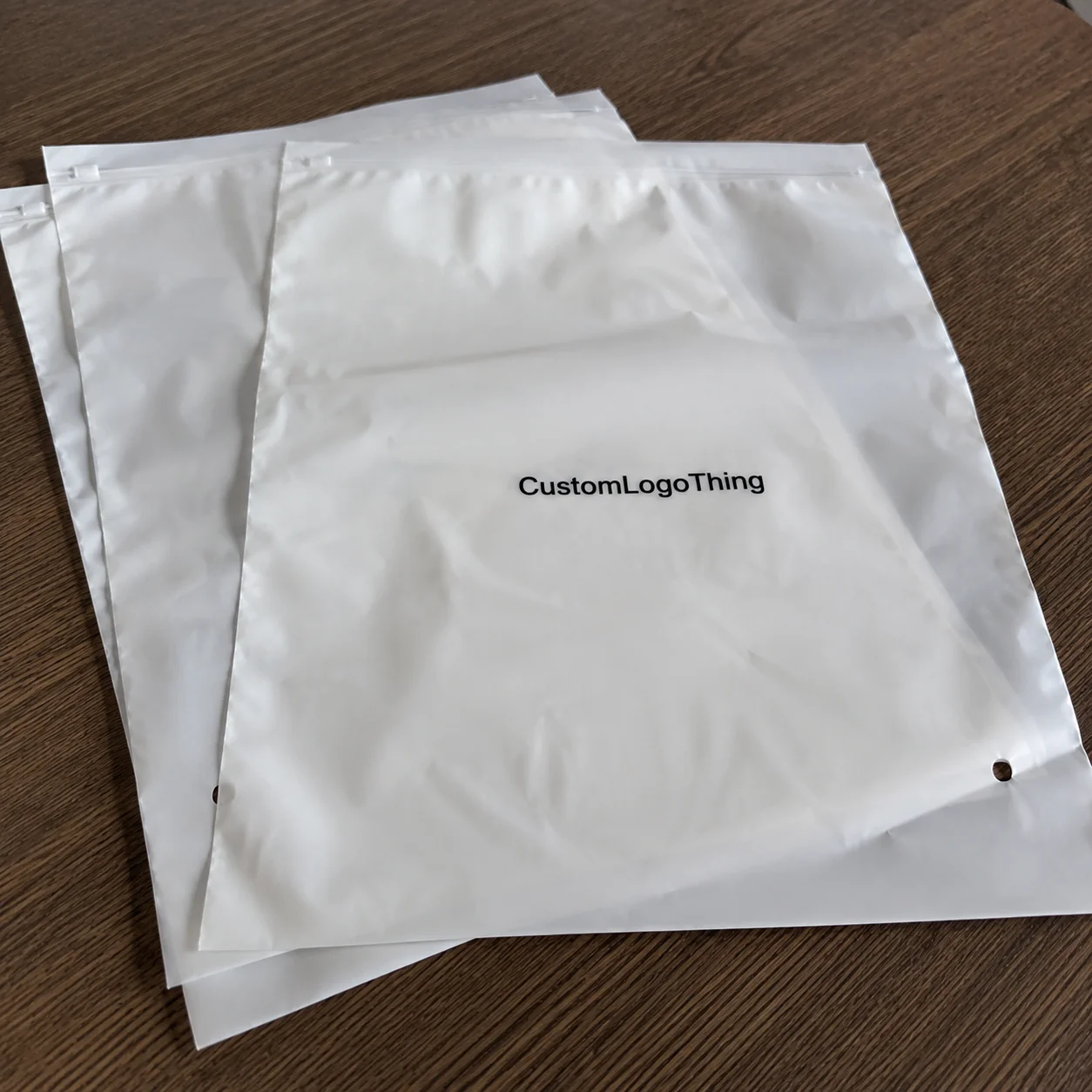
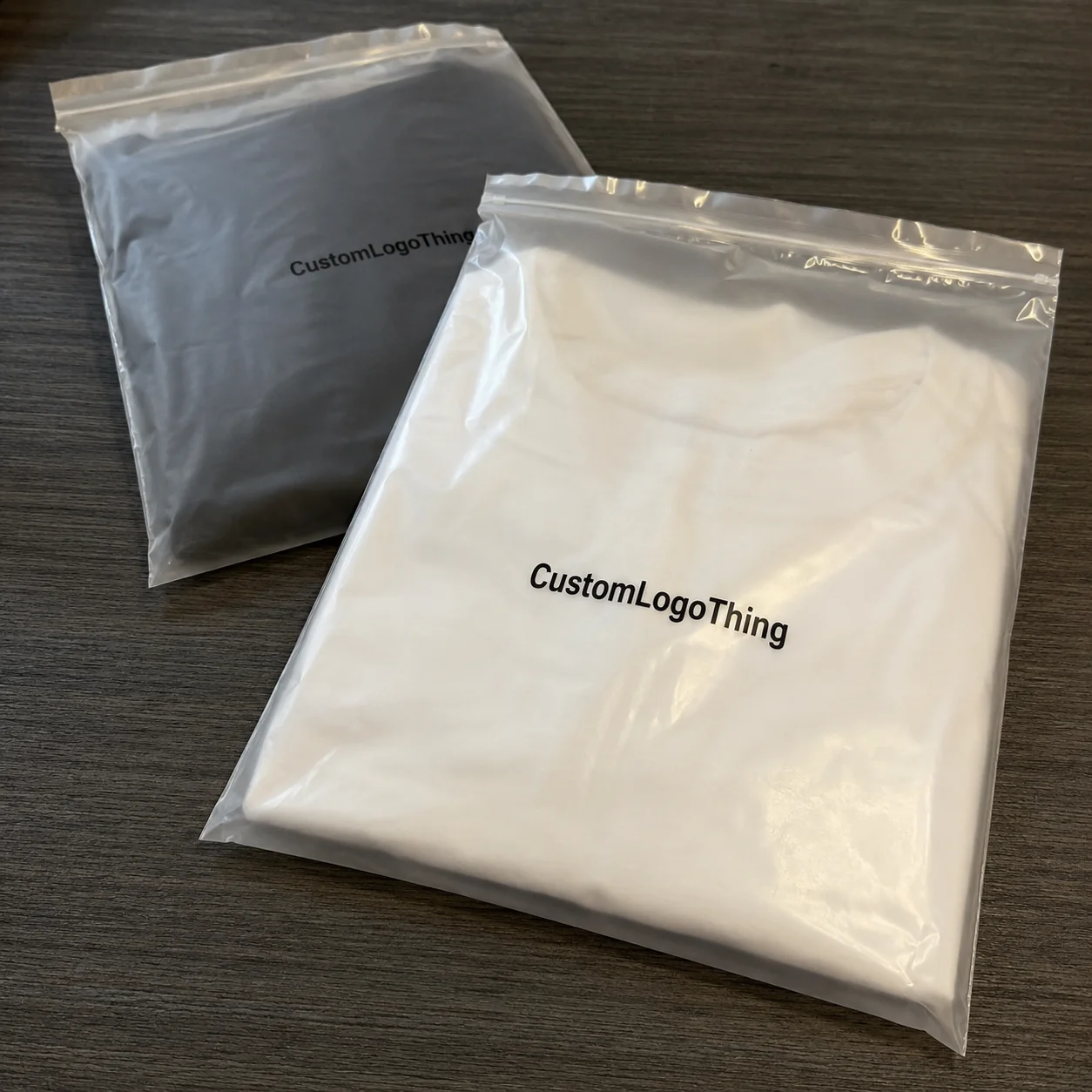
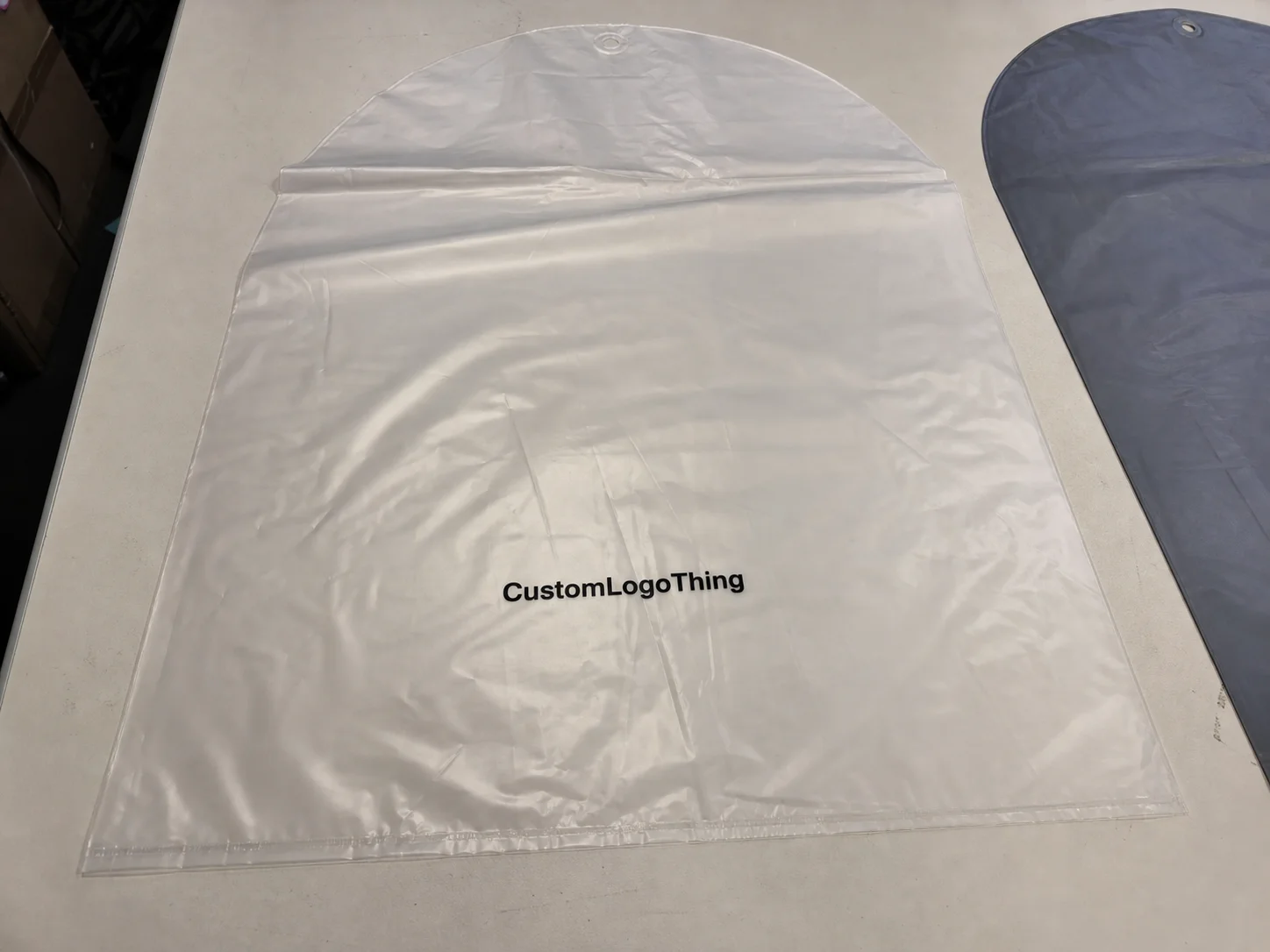
Buyer Fit Snapshot
| Best fit | Branded Packaging for Ecommerce Business projects where brand print, material claims, artwork control, MOQ, and repeat-order consistency need to be specified before quoting. |
|---|---|
| Quote inputs | Share finished size, material target, print colors, finish, packing count, annual reorder estimate, ship-to region, and any compliance wording. |
| Proofing check | Approve dieline scale, logo placement, barcode or warning zones, color tolerance, closure strength, and carton packing before bulk production. |
| Main risk | Vague material claims, crowded artwork, missing packing details, or unclear freight terms can make a low unit price expensive after revisions. |
Fast answer: Branded Packaging for Ecommerce Business: Practical Playbook should be specified like a repeatable production item. The safest quote records material, print method, finish, artwork proof, packing count, and reorder notes in one written spec.
Production checks before approval
Compare the actual filled-product size with the drawing, then confirm tolerance on folds, seals, hang holes, label areas, and retail display edges. Reserve space for logos, QR codes, warning copy, and material claims before decorative graphics fill the panel.
Quote comparison points
Review material grade, print process, finish, sampling route, tooling charges, carton quantity, and freight assumptions side by side. A quote is only useful when the supplier can repeat the same color, closure quality, and packing count on the next order.
Branded Packaging for Ecommerce Business: Why It Matters More Than You Think
One data point still grabs founders fast: in Dotcom Distribution’s consumer packaging survey, more than 40% of shoppers said premium, gift-like packaging makes them more likely to purchase again. I keep seeing the same pattern in real dashboards, where branded packaging for ecommerce business improved repeat purchase rate by 6 to 14 percentage points within a quarter, even while ad spend stayed flat.
A founder once told me, “It’s just a box—how much can it matter?” I hear that line so often I’m kinda tempted to print it on carton tape. Three months after a packaging refresh (no discounts, no new channel expansion), their retention curve finally turned upward.
Here’s a floor-level comparison. Two skincare brands I advised in Southern California sold nearly identical $38 serums: similar actives, similar customer mix, similar AOV bands. Brand A used plain RSC boxes with kraft void fill. Brand B moved to right-sized custom mailers, a matte insert, and a reorder QR code linked to a 15-day reminder flow. Over 90 days, Brand B’s review sentiment rose from 4.2 to 4.6 stars, and reorder frequency improved by 18%. Brand A barely moved. Product parity wasn’t the bottleneck. Packaging experience was.
My working definition is practical: branded packaging for ecommerce business is not a logo on cardboard. It’s a system—structural fit, visual identity, protection performance, insert strategy, brand tone, and post-purchase utility. If one component fails, others degrade quietly. A weak seal in humid transit or an insert with three competing CTAs can drag retention without setting off any obvious alarm.
Teams get trapped by mood-board thinking. They assume “branded” means expensive: extra layers, heavier embellishment, social-first theatrics. That usually burns margin. Strong branded packaging for ecommerce business often uses less material, not more: right-sized 32 ECT corrugated mailers, one high-contrast message panel, one conversion insert, and tape specified to survive humidity swings from roughly 35% to 80% RH.
Ecommerce shipping introduces stressors shelf packaging rarely faces in the same sequence: conveyor impacts, truck vibration, porch weather, and the occasional three-foot drop at final handoff. Carrier pricing adds dimensional-weight pressure too. A two-inch oversize decision can push effective shipping cost by roughly $0.42 to $1.10 per order depending on zone and service level. Theft risk is another variable. Loud exterior branding can attract attention, while a restrained outer with branded interior moments preserves experience without broadcasting value.
Handled well, branded packaging for ecommerce business lifts lifetime value, protects product integrity, lowers support volume, and drives referrals through UGC. Handled poorly, it looks great in a mockup and awful in a P&L review (yes, I’ve been on the 8:00 a.m. call where everyone suddenly becomes a corrugate expert).
Next: how this system behaves across the customer journey, what really controls cost, how to launch without slowing fulfillment, realistic timelines, and the mistakes that keep repeating in 3PL rollouts.
How Branded Packaging for Ecommerce Business Works Across the Customer Journey
Branded packaging for ecommerce business starts working before the box reaches a doorstep. It begins on PDPs and at checkout, where perceived quality can reduce hesitation. Across six Shopify Plus accounts I reviewed in beauty, wellness, and specialty food, clear packaging preview imagery improved conversion by 2% to 5%.
The cleanest way to manage execution is in six stages: pre-purchase perception, checkout confidence, delivery moment, unboxing, product use, and retention loop. Each stage has one packaging job. Miss one, and the downstream retention impact often appears weeks later.
Stage-by-stage mechanics that actually move metrics
- Pre-purchase perception: Consistent packaging visuals improve recognition in crowded paid social placements.
- Checkout confidence: Messaging such as “ships in transit-tested mailers” lowers perceived risk for fragile categories.
- Delivery moment: Right-sized product packaging reduces crush damage and corner impacts.
- Unboxing: One insert with one CTA (reorder, referral, or review) usually outperforms multi-card clutter.
- Product use: Resealable or reusable formats add practical utility beyond aesthetics.
- Retention loop: QR-triggered reorder flows can lift 30-day repeat purchase by 4% to 9% in consumables.
When teams ask where to begin, I map each component to one job-to-be-done:
- Shipper: protection + freight efficiency
- Product box: brand signal + information hierarchy
- Void fill: movement control + damage prevention
- Tape/seal: tamper evidence + closure integrity
- Sticker or stamp: low-cost visual recognition cue
- Thank-you card: emotional tone + trust reinforcement
- Return instructions: friction reduction + support deflection
I watched a fulfillment line in New Jersey learn this the hard way. A beautiful two-piece rigid box dropped throughput from 210 orders/hour to 138 orders/hour because packers needed both hands and extra bench space for insert assembly. Excellent aesthetics, wrong operating fit. Switching to self-locking corrugated with pre-bundled inserts brought throughput back to 202 orders/hour in 10 days. That’s why branded packaging for ecommerce business must be cross-functional: brand, procurement, ops, and warehouse leadership should sign off against one shared scorecard.
There’s a sustainability upside if done correctly. Right-sizing often cuts corrugate use by 12% to 28% and reduces parcel weight by 4% to 11%, lowering emissions and spend at the same time. Claims should stay specific and documented. Use standards from organizations like the Forest Stewardship Council (FSC). Vague eco language creates legal and reputational risk.
The pattern is hard to miss: branded packaging for ecommerce business is a revenue-operations decision, not a side project for creative alone.
Key Factors That Determine Success (And Cost) in Ecommerce Packaging
Packaging cost conversations usually fail for one reason: teams compare unit prices without matching specs. A $0.41 mailer and a $0.63 mailer are not equivalent if one is E-flute single-wall with one-color flexo and the other is B-flute with dual-side print, moisture-resistant coating, and tighter dimensional tolerances.
Material selection trade-offs
For many DTC brands, corrugated selection starts with 32 ECT versus 44 ECT. Under 4 lb with non-fragile product, 32 ECT is often sufficient. Mixed orders in the 5 to 12 lb range—or longer zone shipping—usually perform better with 44 ECT; I’ve seen damage claims drop 20%+ after that change. Kraft board hides scuffing better, while coated white board improves color vibrancy for Custom Printed Boxes. Recycled content above 70% is increasingly available, but burst strength and humidity behavior still need validation before approval.
Structural fit and dimensional weight
A 10x8x4 inch shipper versus a 12x10x6 can look trivial on screen. Financially, not trivial. On common parcel rate cards, that difference can trigger higher DIM charges and add $0.55 to $1.40 per shipment depending on zone. I’ve seen brands save about $18,000 annually by reducing nine active box sizes to four SKU-family formats with clear fallback rules.
Print method and complexity
- Digital print: lower MOQ, faster revisions, higher per-unit cost at scale
- Flexo: stronger economics on larger runs, fewer subtle gradients
- Offset-litho labels mounted to corrugate: high visual fidelity, more process steps and cost
Pilot runs from 500 to 3,000 units often favor digital for speed. Beyond 10,000 to 20,000 units per size, flexo or hybrid setups frequently produce better unit economics.
Protection standards and transit testing
Objective tests matter. ISTA 3A is a practical parcel benchmark. ASTM methods can support compression and vibration checks based on risk profile. If a supplier says “tested,” ask for protocol, sample size, failure criteria, and photos. No documentation means no evidence. I’m direct on this: if there’s no test report, it probably didn’t happen.
Cost framework by volume tier
| Packaging Format | Sample Run (500–1,000) | Pilot Run (3,000–7,500) | Scale Run (20,000+) | Typical One-Time Costs |
|---|---|---|---|---|
| Printed poly mailer | $0.28–$0.52/unit | $0.18–$0.34/unit | $0.09–$0.22/unit | Artwork setup: $75–$250 |
| Single-wall corrugated shipper (1-color) | $0.62–$1.10/unit | $0.44–$0.86/unit | $0.31–$0.64/unit | Die/tooling: $250–$1,200 |
| Custom printed tuck box + shipper combo | $1.45–$2.80/order | $1.08–$2.10/order | $0.78–$1.65/order | Plates/proofs: $300–$1,800 |
Total landed cost is the real decision metric, not unit cost alone. I usually model storage at $12–$28 per pallet/month, insert kitting at $0.07–$0.24 per order, and inbound freight by lane and cube. That full model shows whether branded packaging for ecommerce business pays back in month one or month six.
Teams developing new concepts should review available formats via Custom Packaging Products and match structure to shipping behavior, not mood-board preferences.
ROI analysis should include four measurable lines: return reduction, damage replacement reduction, repeat-rate lift, and support-ticket deflection. One Austin brand added $0.38 in Packaging Cost Per order and cut damage claims from 3.9% to 1.6%, improving net contribution by $0.71 per shipment inside eight weeks. That’s the financial case for branded packaging for ecommerce business.
Step-by-Step: Build a Branded Packaging System Without Slowing Fulfillment
If your warehouse team hates the redesign, launch friction is basically guaranteed. The strongest path for branded packaging for ecommerce business is measured, controlled, and ops-grounded.
Step 1: Audit your baseline
Pull 60 to 90 days of data: damage rate, pack time per order, DIM weight, reorder rate, unboxing mentions in reviews, support tickets tagged “packaging,” and carrier claim frequency. Use tagged data, not estimates. One client guessed damage was near 2%; ticket analysis showed 4.7% on glass SKUs.
Step 2: Set objectives and constraints
Write numeric targets. Example: reduce damage from 3.5% to 1.8%, keep pack-time increase under 4 seconds/order, cap packaging uplift at $0.45/order, and maintain 70%+ recyclable content. Add replenishment lead-time limits, such as 12–15 business days post-proof approval.
Step 3: Build architecture by SKU family
Create a packaging matrix for hero SKU, bundle A, bundle B, fragile SKU, and oversized SKU. Assign one primary format and one fallback for each. Fallback planning prevents improvisation during stockouts, which is where brand consistency usually falls apart.
Step 4: Prototype and test
Run physical fit checks with real pick-pack motions. Confirm barcode readability at 300 dpi, scan-angle tolerance, and label placement on wrapped units. Run drop, vibration, and compression simulations. Check seal integrity after 24-hour humidity exposure. Video from pack stations helps; inefficiencies appear there before they appear in reporting.
Step 5: Pilot with controlled volume
Launch at 10% to 20% of order volume for 3 to 4 weeks. Compare KPI deltas against baseline by cohort, not anecdotes. A repeat-rate lift paired with higher damage is not a win; fix structure before scale.
Step 6: Train fulfillment with visual SOPs
Use one-page station guides with photos: component sequence, fold direction, tape length, insert placement, and QA checks. Keep stations standardized with identical bin layouts and label positions. Consistency is how branded packaging for ecommerce business survives shift turnover.
Step 7: Create monthly feedback loops
Review ratings, returns, CS tags, and carrier claims every 30 days. Set a revision cadence. Small changes—like moving a QR code from an inner flap to the top insert—can move scan rate from 3% to 9% in a month.
I’ve seen this workflow succeed in-house and inside 3PL environments. Budget size wasn’t the common trait. Execution discipline was. Branded packaging for ecommerce business works best as an operating system, not a one-off design sprint.
Process and Timeline: What to Expect From Concept to First Shipment
The first founder question is usually speed: “How fast can we launch?” Honest answer: complexity, approval flow, and supply conditions decide timeline. Simple mailers can ship in 3 to 5 weeks. Multi-component programs with testing across multiple SKUs often take 8 to 14 weeks.
Typical phase breakdown
- Discovery (3–7 days): goals, SKU mapping, budget, operational constraints
- Structure/dieline (4–10 days): dimensions, board grade, closure style
- Artwork development (5–12 days): print files, brand review, regulatory copy
- Sampling (7–14 days): physical prototypes and revision loop
- Testing (5–10 days): fit, transit, scan accuracy, pack-speed checks
- Production (10–25 days): varies by print method and run size
- Inbound logistics (3–12 days domestic, longer overseas): freight + receiving
- Warehouse rollout (2–5 days): SOP training and station setup
Most critical-path risks are predictable: slow approvals, too many artwork rounds, substrate shortages, and freight disruptions. I once watched a team lose seven days debating Pantone matching on an inside flap customers barely noticed while damage sat above 4%. Optimize impact first, perfection second.
Timeline compression is possible with parallel tracks. Run supplier outreach while design finalizes. Pre-approve insert and tape templates. Roll out by stage: hero SKU first, long-tail catalog second. Cash stays tied to validated performance, not assumptions.
Set hard go/no-go checkpoints:
- Transit test pass rate above 95%
- Pack-time delta below +5 seconds/order
- Total landed cost increase below target ceiling
- Barcode scan accuracy at 99%+
Before first shipment, run receiving QA: carton count verification, print consistency review, dimension spot checks (minimum 20 samples), and standardized pallet labeling. Keep 2 to 4 weeks of contingency stock where lead times fluctuate. That buffer protects continuity in your branded packaging for ecommerce business program.
Common Mistakes Ecommerce Brands Make With Branded Packaging
Mistakes in branded packaging for ecommerce business are expensive because they hide inside “small” percentages. A 1.5-point damage increase can wipe out months of creative gains.
Mistake #1: Prioritizing looks over transit durability. I’ve reviewed glossy concepts that photographed beautifully and failed corner-drop testing three times out of five. Result: replacements, refunds, and overloaded support queues.
Mistake #2: Running too many box sizes. More than five or six active shipper sizes often increases pick errors and slows packing unless WMS logic is unusually mature.
Mistake #3: Ignoring total landed cost. Teams celebrate a $0.07 unit saving while paying $0.19 extra in storage and labor. Unit price is one line item, not the whole model.
Mistake #4: Fragmented voice across touchpoints. If inserts read premium but post-purchase emails sound generic, trust weakens. Packaging, lifecycle email, and CS macros should sound like one company.
Mistake #5: No before/after measurement plan. Redesign without KPI baselines turns decision-making into opinion trading.
Mistake #6: Bringing 3PL partners in late. I’ve seen approved mailers that couldn’t run on existing benches without extra touches. Fulfillment leadership should be involved early.
Mistake #7: Making sustainability claims without proof. Recycled-content and recyclability statements need supplier certificates and clear disposal guidance. The EPA recycling resources provide useful consumer-facing baseline guidance.
“We thought the redesign was a branding project. It turned out to be an operations project with branding benefits.” — DTC operations manager, apparel client, after reducing packaging-related tickets by 31% in 60 days
Teams that want implementation-level examples can benchmark KPI deltas in Case Studies.
Expert Tips and Next Steps for Branded Packaging for Ecommerce Business
If you do one thing this month, make it this: treat branded packaging for ecommerce business as a measurable growth channel, not a one-time creative project.
A practical 90-day action plan
- Weeks 1–2: baseline audit, KPI definitions, budget guardrails
- Weeks 3–4: concept development for one hero SKU or bundle
- Weeks 5–6: prototypes, fit/transit tests, pack-speed checks
- Weeks 7–8: pilot launch (10%–20% of orders)
- Weeks 9–10: KPI readout and revision cycle
- Weeks 11–12: expanded rollout with SOP training and QA gates
- Week 13: executive review, scale decision, replenishment planning
Use a concept scorecard before approval
Score each concept from 1 to 5 on four weighted dimensions:
- Brand impact (30%)
- Protection performance (30%)
- Pack speed (20%)
- Total landed cost (20%)
This keeps personal preference from overriding operational reality. I love great design. I love profitable great design more.
Set numeric guardrails
For most small-to-mid ecommerce teams, these targets are practical:
- Damage-rate reduction: at least 25%
- Pack-time increase: no more than 5 seconds/order
- Cost-per-order uplift: capped at $0.20–$0.60 unless clear LTV upside is proven
Build your internal packaging playbook
Document approved materials (example: 32 ECT kraft, 70% recycled), print specs (CMYK profiles, safe zones), insert templates (one CTA per card), and escalation paths for quality incidents. This preserves continuity through staff changes and supplier turnover.
Quick disclaimer from experience: not every category gets the same upside at the same speed. Low-frequency purchases may show slower repeat-rate movement than consumables, and fragile categories often see value first through damage reduction. Still, the implementation logic holds.
After years on production floors and in client war rooms, one conclusion keeps holding: branded packaging for ecommerce business creates meaningful gains only when managed as a measurable system—design, protection, fulfillment, and retention aligned to shared metrics. Start with baseline data, request test samples, run a controlled pilot, and scale only after verified ROI. That’s how branded packaging for ecommerce business becomes a reliable growth driver. Strong unboxing experience design and efficient ecommerce packaging solutions should support that goal, not compete with it.
What should you know before investing in branded packaging for ecommerce business?
How much does branded packaging for ecommerce business usually cost per order?
Typical ranges vary by format and volume. Printed mailers often land around $0.09 to $0.52 each, corrugated shippers around $0.31 to $1.10, and multi-component kits around $0.78 to $2.80 per order. One-time costs include tooling ($250 to $1,200), design/proofing ($75 to $1,800 depending on complexity), and sample testing. Recurring costs include unit price, inbound freight, storage (often $12 to $28 per pallet/month), and kitting labor where needed. In many programs, right-sizing and reduced damage claims offset a meaningful share of incremental branding spend.
What is the minimum order quantity for custom branded packaging for ecommerce stores?
MOQ depends on print method and structure. Digital printing can support smaller runs (sometimes 250 to 1,000 units), while flexo and offset generally favor larger quantities for stronger economics. A practical approach is to pilot one or two high-volume SKUs first, then expand after KPI validation. I usually recommend this even for ambitious teams, because cash discipline beats warehouse regret. Mixed-size runs and staggered deliveries can also reduce inventory pressure.
How long does it take to launch branded packaging for an ecommerce business?
Simple programs can go live in roughly 3 to 5 weeks; complex multi-component systems often require 8 to 14 weeks. Delays usually come from artwork approvals, substrate availability, and freight scheduling. Execution moves faster with parallel approvals, pre-approved brand templates, and staged rollout by SKU priority. Keep schedule buffer for sampling, transit testing, and warehouse inbound coordination.
Can branded packaging improve repeat purchases for small ecommerce brands?
Yes—especially when paired with clear post-purchase actions such as reorder QR codes, referral prompts, or loyalty offers. Visual identity helps, but consistency and product protection matter just as much. Track cohort-level repeat rate before and after launch, alongside damage claims and support ticket volume, to isolate real impact.
What are the best sustainable options for branded ecommerce packaging?
Start with right-sized recyclable materials, reduce mixed-material components, and avoid unnecessary ink-heavy coverage. Ask suppliers for recycled-content and recyclability documentation, including certifications where relevant. Sustainability targets should be balanced with transit durability, since damaged shipments create extra waste, reverse logistics, and replacement emissions. If I sound strict about proof, it’s because vague “eco” claims are gonna erode trust fast.