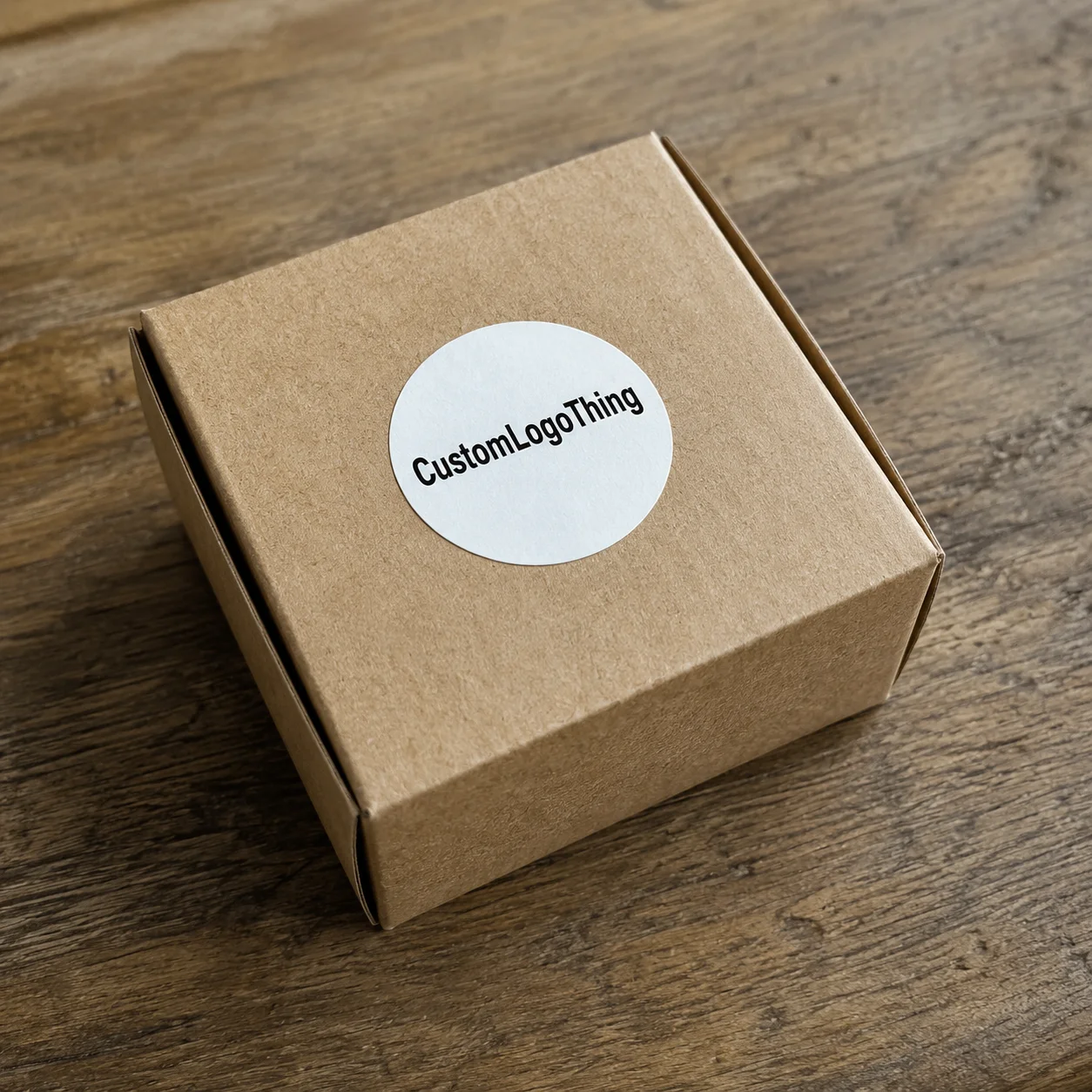
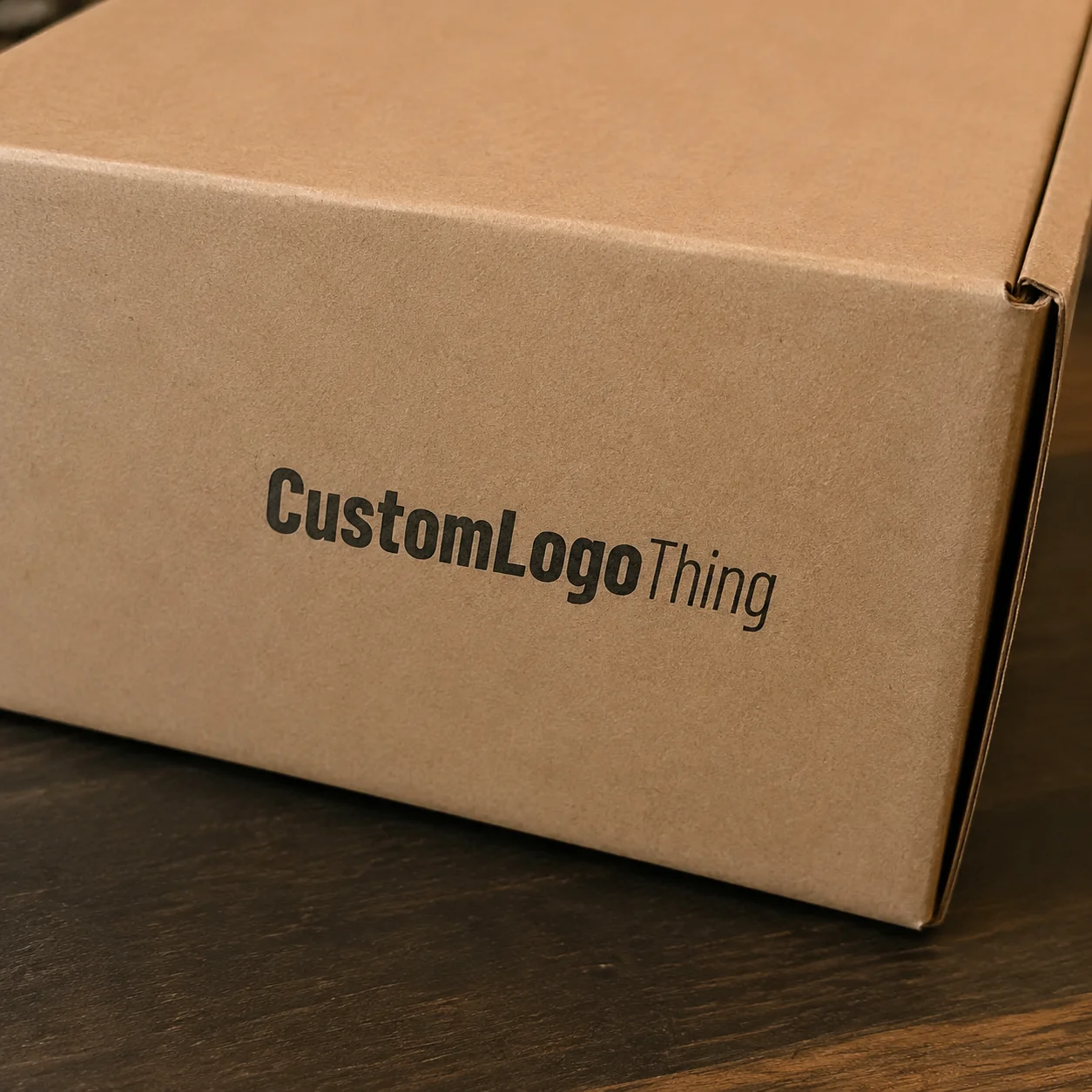
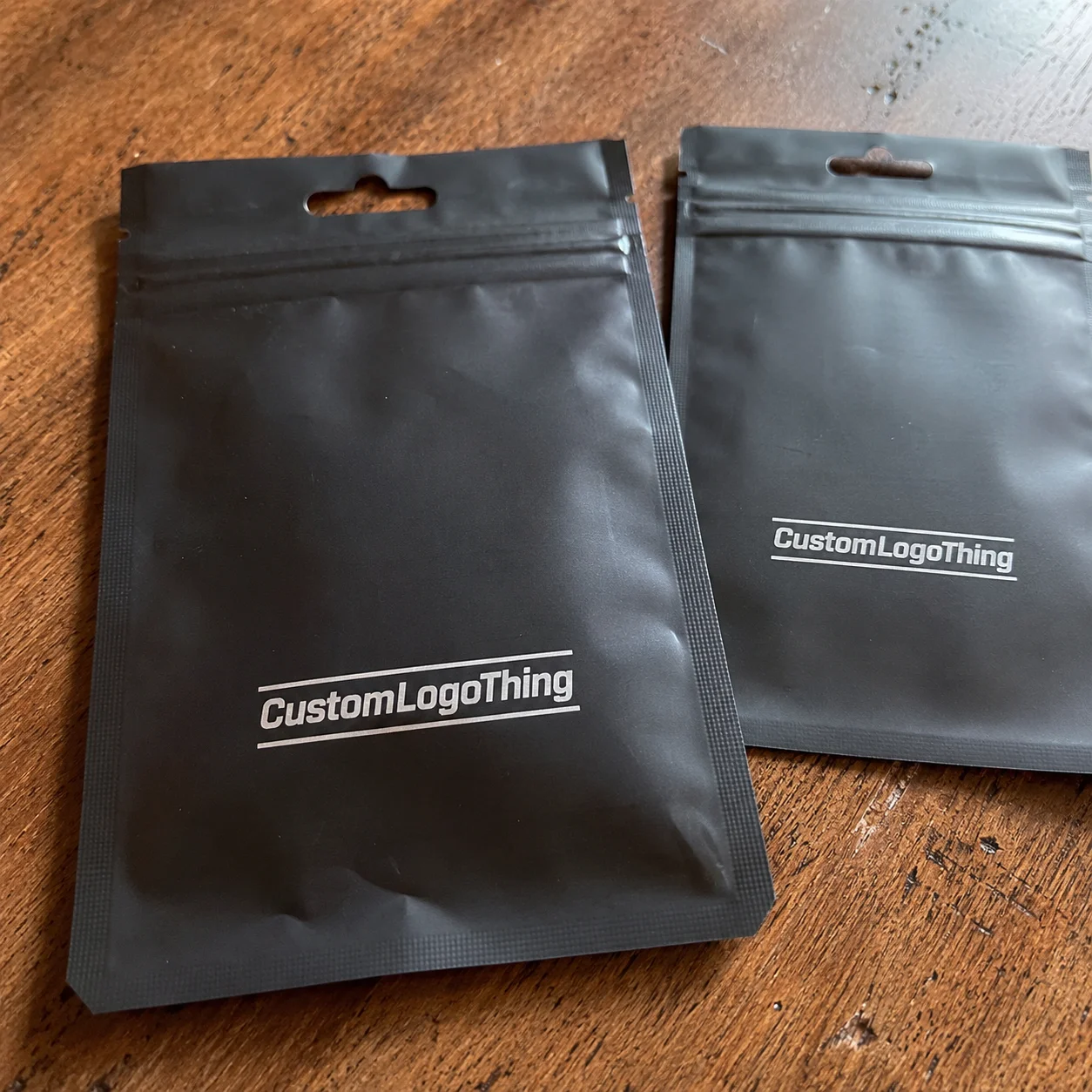
Buyer Fit Snapshot
| Best fit | branded packaging for product differentiation for packaging buyers comparing material specs, print proof, MOQ, unit cost, freight, and repeat-order risk where brand print, material, artwork control, and repeat-order consistency matter. |
|---|---|
| Quote inputs | Share finished size, material target, print colors, finish, packing count, annual reorder estimate, and delivery region. |
| Proofing check | Approve dieline scale, logo placement, barcode or warning zones, color tolerance, and any recyclable or compostable wording before bulk production. |
| Main risk | Vague material claims, crowded artwork, or missing packing details can create delays even when the unit price looks attractive. |
Fast answer: Branded Packaging for Product Differentiation: Dieline, Finish, Proof, and Buyer Review should be specified like a repeatable production item. The safest quote includes material, print method, finish, artwork proof, carton packing, and reorder notes in one written spec.
What to confirm before approving the packaging proof
Check the product dimensions against the actual filled item, not only the sales mockup. Ask for tolerance on folds, seals, hang holes, label areas, and retail display edges. If the package carries a logo, QR code, warning copy, or legal claim, reserve that space before decorative graphics fill the panel.
How to compare quotes without losing quality
Compare board or film grade, print process, finish, sampling route, tooling charges, carton quantity, and freight assumptions side by side. A lower quote is only useful if the supplier can repeat the same color, closure quality, and packing count on the next order.
Shoppers decide whether a product feels "premium" or "cheap" in roughly 3 to 7 seconds, usually while standing 6 to 8 feet from the shelf or scanning a 150-pixel thumbnail on a phone. Most of them do it before they read a single feature line. I have watched this happen in Chicago aisle tests at a Target reset and in PDP scroll recordings across 1,200 ecommerce sessions. That speed is why branded Packaging for Product differentiation now shows up in boardroom decks instead of mood boards. If your box, pouch, or mailer fails the first visual and tactile check, your ad dollars work overtime, margins tighten, and packaging quietly turns into a profit leak. Nobody likes that surprise. I sure don't.
My perspective comes from years spent in converter plants, retailer reset meetings, and supplier calls at 11:30 p.m. while bouncing between Shenzhen, Dongguan, and Los Angeles. Teams still underestimate the commercial force of Branded Packaging for Product differentiation. I do not. The strongest operators treat packaging design like a conversion system: brand recognition, shelf appeal, unboxing experience, and execution discipline all pulling in the same direction. That sounds neat on paper. It is messier in real life, because real life includes bad proof rounds, rushed approvals, and someone from legal suddenly "having thoughts" at 4:45 p.m.
Branded Packaging for Product Differentiation: What It Really Means
Most briefs go off the rails in the first 10 minutes. Someone says, "Make the logo bigger," and the room nods like we just solved strategy. We did not. branded Packaging for Product differentiation is a layered signal stack: color architecture, type system, structure, material feel, insert sequence, and message hierarchy. Miss one layer by 20%, and shoppers feel friction even if they cannot explain why. That is the annoying part. Customers rarely tell you, "The type hierarchy was off." They just buy the other brand at $29.99 and keep moving.
Product differentiation sounds abstract until you are standing in a shelf set with nine lookalikes at $24.99. A buyer needs one clear reason to pick your SKU. During a retailer line review in Bentonville, I watched two vitamin brands compete side by side: same count (60 capsules), same active dose (500 mg), same promo tag. The brand with clearer package branding and stronger cap-label contrast won by 18% over six weeks. That is branded packaging for product differentiation in plain numbers, not branding poetry.
Generic packaging protects goods. Strategic branded packaging sells goods. A plain kraft shipper with a one-color label can keep breakage under 2.5%, and that is respectable. It rarely lifts recall, click-through, or repeat purchase on its own. A coordinated system of Custom Printed Boxes, consistent iconography, and a memorable opening flow can raise repurchase rates by 9% to 22%, depending on category velocity and purchase cycle. I have seen that pattern in beauty, supplements, and premium pet food from Suzhou to Orange County. The product was not magically better. The presentation finally stopped arguing with the price.
Buyers notice differentiation in practical details fast: a dominant color block visible at six feet, a logo lockup readable at a 120-pixel thumbnail, a type scale that separates headline from variant by at least a 2.2x ratio, and inserts that guide setup in under 45 seconds. Tactile decisions matter too. A 350gsm C1S artboard with soft-touch lamination feels materially different from a thin 300gsm SBS with gloss aqueous. Shoppers read that quality signal whether or not they know substrate names. They do not need to know the jargon. Their hands and eyes already did the math.
I repeat this in almost every kickoff: packaging is price communication. If your product sells at $34 but the pack cues "$19," your conversion math collapses. branded packaging for product differentiation aligns perceived value with your actual price tier, so the buyer's brain does not fight your margin target. Honestly, that is half the job. The other half is refusing to let five people with strong opinions turn the pack into a committee poster.
Why Does Branded Packaging for Product Differentiation Matter?
The short answer: because buyers make lazy, fast judgments and your packaging has to win that fight. branded packaging for product differentiation matters because it changes the first impression, the trust signal, and the price you can credibly ask for. If the pack looks generic, the product gets treated like a commodity. If it looks deliberate, the product feels worth a second look.
I have seen that play out in a warehouse club test where two nearly identical items sat side by side. One had stronger color blocking, better contrast, and cleaner copy hierarchy. The other had a technically fine product but a forgettable face. Guess which one moved faster. The brand with stronger branded packaging for product differentiation did not just sell more units; it got fewer "is this the right one?" questions from floor staff and fewer customer hesitations at the shelf.
The reason is simple. Packaging is not decoration. It is a sales tool, a trust tool, and a logistics tool all at once. When those jobs are aligned, branded packaging for product differentiation helps customers recognize the SKU, understand the value proposition, and feel good about the purchase before they ever open the box. That is a lot of work for a carton. But then again, cartons do not complain.
How Branded Packaging for Product Differentiation Works in Buyer Psychology
Real buyer journeys are fast and messy. Glance, category recognition, quality guess, confidence check. In about 2 to 4 seconds, people ask themselves: Do I recognize this? Does it look credible? Will I regret this purchase? Effective branded packaging for product differentiation answers those questions before customers form the sentence in their head. The pack has to do the talking before doubt shows up, especially in categories like vitamins, skincare, and snack bars where the shelf contains 40 nearly identical options.
Cognitive shortcuts run the show. People reduce risk by leaning on familiar assets: color blocks, logo shapes, repeated motifs. In a DTC electronics test I observed, we cut front-panel claims from 11 to 4 and enlarged the primary badge by 35%. Add-to-cart moved from 2.9% to 3.6% over 28 days with stable traffic. Specs never changed. Cue structure got easier to scan, so branded packaging for product differentiation did its job. No fancy explanation required. The customer just felt less like they were taking a guess.
Sensory branding is often underestimated. Texture, opening force, closure sound, and package weight all shape perceived value. I stood on a factory floor in Dongguan during a closure trial where we measured opening force across 80 mailer samples. The 1.8 to 2.1 kgf range felt "secure but not annoying" in panel feedback. The 1.1 kgf version felt flimsy. That small mechanical delta shifted unboxing ratings by 0.7 points on a 5-point scale. That is branded packaging for product differentiation at a sensory level, and yes, the panel argued about it for 40 minutes like it was a constitutional issue.
Shelf behavior and ecommerce behavior share the same DNA. In-store stop power depends on contrast and block recognition at distance. Online stop power depends on thumbnail legibility between 120 and 200 pixels. Same principle, different frame. Strong branded packaging and retail packaging systems are built for both, not one. I always check readability at three distances: two feet, four feet, and mobile thumbnail. If it dies at any one of those, the design needs work, period.
Then the compounding effect kicks in. Better first impression drives trial. Better opening flow drives social posting. Better post-purchase confidence drives repeat orders. One subscription tea project saw a 31% lift in customer photo posts after we upgraded insert flow and pouch graphics, while retention improved 8.4 points over one quarter. branded packaging for product differentiation compounds value across the funnel when execution is tight. And when it is not tight, you feel it immediately in returns, complaints, and the sort of customer review that makes your team stare at the ceiling.
A practical framework keeps teams honest:
- Distinctive Asset: recognizable color, shape, logo pattern (measured through aided recall).
- Emotional Cue: texture, reveal moment, language tone (measured through satisfaction scores).
- Trust Signal: certifications, clear instructions, tamper cues (measured through returns and support rates).
- Conversion Lift: add-to-cart, shelf take rate, repeat purchase (measured weekly and quarterly).
Get those four aligned and branded packaging for product differentiation stops sounding like marketing theater. It becomes a measurable growth system. A very unglamorous one, too. Which is fine. Revenue does not care whether the spreadsheet looked elegant.
Key Factors That Make Packaging Distinctive (Without Confusing Buyers)
Identity clarity starts with hierarchy discipline. Test logo visibility at six feet in store and at 150 pixels online. If your mark dies below 18 pixels in height, redesign the lockup. In branded packaging for product differentiation, clarity beats decoration every single time. A beverage client moved from three competing badges to one primary mark plus one secondary benefit callout; shelf recognition rose 22% in intercept interviews. That is what happens when you stop trying to tell six stories at once.
Structural Differentiation That Adds Utility
Structure creates memory. Custom dielines, thumb notches, tear strips, and insert geometry can make opening cleaner and faster. A skincare brand I worked with cut average unboxing time from 52 seconds to 29 seconds by revising tray architecture and switching to a dual-tab opening. That usability win generated stronger word-of-mouth than extra foil ever did. It also strengthened branded packaging for product differentiation because customers tagged the brand as "thoughtful," not "fussy." I will take thoughtful over fussy any day. Fussy tends to end in tears and rushed reprints.
Material Strategy and Claim Integrity
Material choices are trade-offs. A rigid 1200gsm chipboard setup box signals premium but can raise inbound freight by 14% to 26% versus foldable cartons. A lighter 400gsm corrugated mailer may cut cost and emissions while still protecting product. If sustainability is part of your promise, validate claims against recognized frameworks and clear sourcing standards like FSC certification guidance. Weak green messaging gets exposed fast in branded packaging for product differentiation programs. Customers are not dumb. They can smell vague eco language from a mile away, especially if the box still ships from a warehouse in Chicago with 12% damage on the lane.
Audience, Channel, and Compliance Fit
A retail peg-hook pack and a DTC shipper should share brand codes, not identical execution. Channels carry different constraints: barcode quiet zones, legal copy blocks, multilingual requirements, and cube-efficiency targets on lines running 28 to 45 units per minute. Strong branded packaging for product differentiation works with those constraints instead of pretending they do not exist. I have seen projects lose five weeks because legal copy got forced into unreadable 4pt text and needed a full rebuild. That is not strategy. That is self-inflicted pain with extra meetings.
Lock your KPI dashboard before finalizing artwork. Start with conversion rate, reorder rate, damage return rate, unboxing satisfaction score, and review-text sentiment trend. If the redesign does not move at least two of those five within 60 to 90 days, you probably changed visuals without improving the commercial system behind branded packaging for product differentiation. Pretty is not enough. Pretty and measurable is the target.
Cost, Pricing, and ROI: What Differentiated Packaging Actually Costs
Packaging budget debates get emotional because teams compare apples to forklifts. A useful cost model splits work into seven buckets: concept/design, tooling, print setup, substrate, finishing, assembly, and freight. In one mid-volume project (25,000 units), design plus prepress cost $6,800, tooling cost $1,900, and per-unit production landed at $0.64 with matte lamination and one-color interior print. Structured numbers made branded packaging for product differentiation manageable instead of mysterious. Funny how that works. Once the feelings are converted into numbers, everyone suddenly becomes calmer.
MOQ changes unit economics quickly. At 5,000 units, a carton may land around $0.92 each. At 25,000 units, that same spec can drop to $0.58. At 100,000 units, it may hit $0.41 if setup and procurement stay stable. I have negotiated these tiers on late supplier calls with plants in Shenzhen and Xiamen where a three-cent board adjustment saved $9,000 annually without weakening crush strength. Teams that model volume bands early fund branded packaging for product differentiation with facts, not hope. Hope is for weekend plans. Not packaging P&Ls.
| Packaging Tier | Typical Specs | MOQ | Estimated Unit Cost | Lead Time From Proof Approval | Best Use Case |
|---|---|---|---|---|---|
| Pilot | 300gsm SBS, digital print, no specialty finish | 1,000-3,000 | $0.78-$1.20 | 10-14 business days | New SKU validation and channel test |
| Growth Standard | 350gsm C1S, matte aqueous, custom insert | 5,000-25,000 | $0.48-$0.85 | 12-18 business days | Mainline DTC and retail packaging rollout |
| Flagship Presentation | 1200gsm rigid box, soft-touch lamination, foil accent | 10,000-50,000 | $1.40-$2.90 | 18-28 business days | Premium launches, gifting, high AOV products |
Can improved packaging support a higher shelf price? Often, yes. Not always. In premium personal care, I have seen pricing move from $22 to $26 after redesign while unit velocity held for 12 weeks because presentation finally matched product quality. In value-sensitive categories, the bigger win is margin protection: stable pricing with 3 to 5 points less promo dependency. Either way, branded packaging for product differentiation strengthens pricing power through perceived credibility. Buyers forgive a lot when the pack looks like someone cared.
Hidden costs and hidden savings both matter. Better structure can cut transit damage from 4.2% to 1.6%. Cleaner inserts can reduce support tickets by 12% when setup confusion drops. Pack-out speed matters too; remove two seconds per unit at 40,000 monthly orders and labor savings get real fast. I have seen operational gains offset 30% to 70% of added package cost in year one. That is why branded packaging for product differentiation should be evaluated as system economics, not vanity spend.
A grounded ROI formula helps teams stay rational:
ROI = (Incremental gross margin + retention gain + damage reduction savings + support cost savings) - added packaging investment.
Build both a 90-day view and a 12-month view. If payback stretches past 18 months, simplify specs or phase rollout. Disciplined modeling gives branded packaging for product differentiation real credibility in CFO conversations. And yes, CFOs usually appreciate fewer adjectives and more math.
Step-by-Step Process and Timeline to Launch Differentiated Packaging
Great concepts fail all the time from weak process control, not weak creativity. A dependable launch flow for branded packaging for product differentiation usually runs 8 to 16 weeks, depending on complexity and supplier location. Sequence matters because each phase blocks expensive surprises later. The fixes are rarely glamorous. The invoices, however, always arrive on time.
Step 1: Briefing and Competitive Audit (Week 1-2)
Start with a structured brief: target buyer, shelf context, channel split, price tier, legal constraints, and current damage baseline. Pull 6 to 12 competitor packs and score recognition, readability, and structural usability. In a recent workshop, we used a 100-point matrix and learned our client matched category norms at 72 points but lagged on two areas only: front-face hierarchy and opening clarity. That focus directed investment precisely in branded packaging for product differentiation. Not vaguely. Precisely. Which is what a good brief should do.
Step 2: Concept Routes and Message Hierarchy (Week 2-4)
Develop 2 to 4 concept routes with mood boards, rough dielines, and hierarchy options. Keep front-face claims to the three most persuasive messages. Cross five claims and scanning speed usually drops. Test each route at three scales: full-size printout, shelf-distance photo, and mobile thumbnail. This phase defines how branded packaging for product differentiation performs in real buying contexts, not just on a designer's monitor. Designers love the monitor. Customers do not shop inside one.
Step 3: Prototype and Validation Cycle (Week 4-8)
Prototype hard and early. Run fit tests, drop tests, scuff tests, and opening tests before art lock. For transit resilience, align methods with ISTA transport testing protocols or equivalent internal standards. During a cosmetics project reviewed in our Shenzhen facility, first prototypes failed corner compression at 24 kg; revised flute and insert geometry passed at 31 kg. One structural fix protected product and brand promise inside branded packaging for product differentiation. That is the kind of boring win that saves a launch from turning into a customer service fire drill.
Step 4: Prepress, Production Alignment, and Risk Buffers (Week 7-12)
Prepress is where schedules quietly break. Usual culprits: dieline revisions, bleed errors, color drift on uncoated stocks, and barcode quiet-zone violations. Build at least a seven-business-day contingency buffer. Confirm quality thresholds in writing: Delta E target, adhesion standards, acceptable scuff range, and glue-line tolerance. Tight governance turns branded packaging for product differentiation into repeatable output instead of one lucky run. If you skip this part, the factory will absolutely remind you who is in charge.
Step 5: Pilot by SKU or Channel, Then Scale (Week 12-16)
Run a pilot before full deployment. Choose one SKU or one channel, then compare against baseline for 4 to 8 weeks. Track conversion, return damage, unboxing sentiment, and support tickets. I prefer pilots with at least 2,000 units per variant; tiny runs create noisy data and loud opinions. Once lift is confirmed, scale through your Custom Packaging Products roadmap and capture learnings in internal playbooks. That is how branded packaging for product differentiation becomes organizational muscle instead of a one-off stunt.
Timeline reality check: simple carton refreshes can launch in 6 to 10 weeks. Structural overhauls with new tooling and specialty finishes often need 14 to 20 weeks. Supplier holidays in Guangdong, freight disruptions through Long Beach, and slow approvals can add another 2 to 4 weeks. Team cadence and vendor maturity decide the final timeline, so build buffer from day one for branded packaging for product differentiation. If someone tells you the schedule is "basically done" before proofs, they are being optimistic in a very expensive way.
Common Mistakes That Undermine Product Differentiation
Designing for internal taste instead of buyer behavior is the fastest way to waste budget. I have sat through meetings where nine stakeholders argued over teal shades for two hours while variant names stayed unreadable at four feet. If shoppers cannot decode your pack in two seconds, internal consensus is noise. Strong branded packaging for product differentiation puts decision-distance clarity ahead of committee preferences. That is not harsh. That is the job.
Visual overload kills performance. Too many badges, too much copy, no hierarchy. One snack brand audit found 14 front-panel elements competing on a 5-by-7-inch face. We cut to seven elements, raised primary logo contrast by 28%, and improved shelf pickup by 15% in a controlled store test. Cleaner systems usually win in branded packaging for product differentiation. Shocking, I know. Apparently customers do not enjoy reading a billboard in the cereal aisle.
Ignoring physical experience is expensive. Hard-to-open closures, oversized void space, and weak corner structure frustrate customers and increase damage. A home-goods account I supported hit 5.1% damage returns during peak season because inserts shifted in transit between a factory in Suzhou and a warehouse in Ohio. Revised lock tabs and upgraded board grade brought returns down to 1.9% within nine weeks. That operational repair built trust faster than any new tagline and improved branded packaging for product differentiation directly. The pack stopped fighting the product, which is a nice place to start.
Copycat design feels safe internally and forgettable externally. Brands mimic category leaders so closely that shoppers confuse them or scroll past. I recommend side-by-side audits against the top five competitors plus at least three adjacent categories, then map a distinctiveness score. Practical examples in these Case Studies show how targeted changes beat imitation. Original cues are the backbone of durable branded packaging for product differentiation. Safe design is often just invisible design with more meetings attached.
Skipping tests and celebrating subjective praise is another common trap. "The team loves it" is not a KPI. You need baselines, variants, and clean measurement windows. Sustainability theater lands in the same bucket: broad claims with no disposal clarity or material proof. Use accepted resources like packaging industry standards resources and publish local recyclability instructions plainly. Credibility is non-negotiable in branded packaging for product differentiation. If the claim sounds vague, customers assume it is vague.
"We thought we needed expensive finishes. We actually needed clearer hierarchy and a stronger opening flow. That shift improved conversion in 6 weeks." - DTC founder, CPG client interview, 3-SKU pilot
Expert Tips and Actionable Next Steps for Your Packaging Roadmap
If you want momentum in the next 90 days, run a rapid audit. List your top five competitors, then score your front face, side panel, and unboxing flow against them on a 1-to-10 rubric. Pull in one reviewer from sales or support; those teams see friction patterns designers miss. This quick exercise exposes where branded packaging for product differentiation is strong and where it leaks value. I like this exercise because it cuts through brand fog fast. Nobody can hide behind adjectives for long.
Prioritize One High-Impact Change Per Quarter
Trying to redesign everything at once usually freezes execution. Choose one high-impact change each quarter: color block architecture in Q1, insert messaging in Q2, structural durability in Q3. Teams that sequence work this way ship 2 to 3 times faster and learn more per dollar in my experience. Incremental execution keeps branded packaging for product differentiation tied to outcomes instead of endless revision loops. And it keeps your factory partner from quietly hating your project.
Build a Lightweight Test Matrix
Create A/B variants around variables that move behavior most: primary color panel, opening sequence, and first-insert headline. Keep other variables fixed. Run each variant with at least 1,500 to 2,000 units per cell for a cleaner directional signal. Track conversion rate, average order value, and repeat rate over 30 to 60 days. That method turns branded packaging for product differentiation into a testable growth practice. You do not need a giant lab. You need clean comparisons and enough patience to let the data speak.
Use a Practical Packaging Scorecard
Your scorecard can stay simple and still drive good decisions. I recommend eight metrics:
- Brand recognition score (aided and unaided).
- Front-face readability at 4 feet and mobile thumbnail.
- Damage return rate (goal often below 2.0% in parcel-heavy categories).
- Unboxing satisfaction score (5-point scale).
- Support contact rate per 1,000 orders.
- Conversion rate by channel.
- Repeat purchase rate at 30/60/90 days.
- Gross margin contribution after packaging cost.
Review monthly and tie decisions to evidence. That discipline keeps branded packaging for product differentiation anchored to business performance. If the scorecard gets ignored, you are back to guessing, and guessing is a terrible operating model.
Set a Real 90-Day Execution Plan
Assign owners and deadlines immediately. Example cadence: Day 1-14 audit and brief; Day 15-35 concept routes; Day 36-55 prototypes; Day 56-70 production prep; Day 71-90 pilot launch and measurement. Add budget checkpoints at Day 20 and Day 60 to avoid surprise overruns. In one negotiation last fall, a client saved $0.06 per unit by locking board substitutions before final PO, which protected both margin and quality in branded packaging for product differentiation. That kind of detail feels small until you multiply it by volume and realize it paid for the whole round of sampling.
Document what should not change, too. If your carton dimensions already optimize pallet cube at 92% utilization, keep them. If barcode scans pass at 99.5%, guard that zone. Progress is not random reinvention. It is targeted improvement with guardrails, and that mindset makes branded packaging for product differentiation scalable across SKUs. I have seen too many teams break a good system because they wanted a prettier picture. Pretty is not the enemy. Reckless is.
I will close with this: treat packaging as a living system, not a one-time project. Buyer expectations move. Channel constraints move. Freight realities definitely move. The brands that keep winning review performance quarterly, test with discipline, and refine without ego. That cycle is the real force behind branded packaging for product differentiation, and it remains one of the clearest paths to stronger conversion, healthier margins, and longer customer loyalty. It is also a lot less glamorous than people expect, which is probably why it works.
FAQ
How is branded packaging different from regular custom packaging?
Regular custom packaging may change appearance and stop there. branded packaging for product differentiation uses consistent brand assets, hierarchy rules, and sensory cues to build recognition and preference across channels. The difference shows up in measurable outcomes: recall scores, conversion lift, repeat purchase rate, and price acceptance across at least one 30- to 90-day cycle. If the pack only looks "custom" but does not help people choose, it is decoration with a purchase order.
What budget should I plan for branded packaging for product differentiation?
Plan in three buckets: concept/design, prototype/testing, and production. A practical starter range for many mid-size brands is $4,000 to $12,000 for development, plus unit costs around $0.48 to $1.20 depending on specs and MOQ. For a 5,000-piece run on a 350gsm C1S folding carton, I have seen prices at $0.15 to $0.28 per unit in South China before freight and duties. Evaluate with ROI logic, not unit cost alone: model margin lift, retention gains, damage reduction, and support savings to assess branded packaging for product differentiation realistically. Cheap packaging that creates problems is not cheap. It is just postponed pain.
How long does a branded packaging project usually take from brief to launch?
Typical flow includes discovery, concept routes, prototype rounds, prepress/production setup, and pilot rollout. Straightforward carton refreshes can launch in 6 to 10 weeks; structural redesigns usually need 14 to 20 weeks. If proof approval happens on a Tuesday, a standard export run from Shenzhen or Dongguan often lands in 12 to 15 business days for production, plus 7 to 18 days for ocean freight depending on destination. Build buffer for sampling and approvals, since those two steps account for a large share of delay risk in branded packaging for product differentiation programs. Every team thinks their approval cycle is "pretty fast" until the proofs arrive and everyone suddenly remembers they have opinions.
Can small brands use branded packaging for product differentiation without huge MOQs?
Yes. Start with limited SKUs, digital print runs, and modular components sharing the same base structure. Put early focus on high-visibility upgrades: color system, logo hierarchy, and opening experience. I have seen early-stage teams at 1,500 to 3,000 units create meaningful branded packaging for product differentiation before investing in premium finishes. Small budgets do not block smart packaging. Poor priorities do.
Which metrics prove that branded packaging is improving product differentiation?
Track conversion rate, repeat purchase, average order value, damage return rate, and customer sentiment. Compare against a clear baseline or controlled variant so the packaging effect is isolated from pricing or ad-spend shifts. If at least 2 to 3 core metrics improve over a 60- to 90-day window, your branded packaging for product differentiation strategy is likely working. If nothing moves, do not blame the data first. Check the pack.
Takeaway: Pick one SKU, one channel, and one measurable problem to solve this quarter. Audit the pack at shelf distance and on a phone, simplify the front face, then test the result against a baseline before you spend more on finishes. That is the fastest path to better branded packaging for product differentiation without turning the project into a vanity exercise.