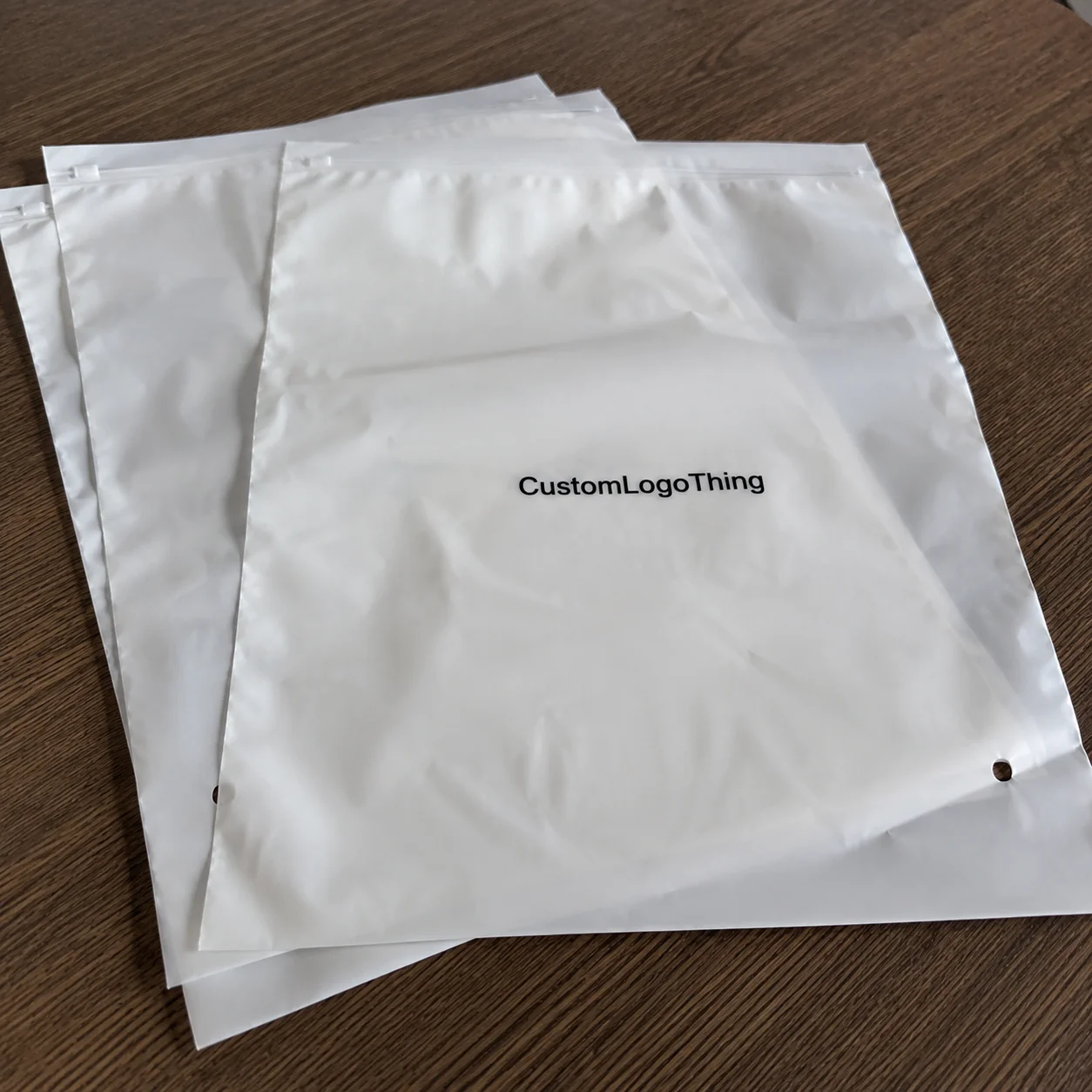
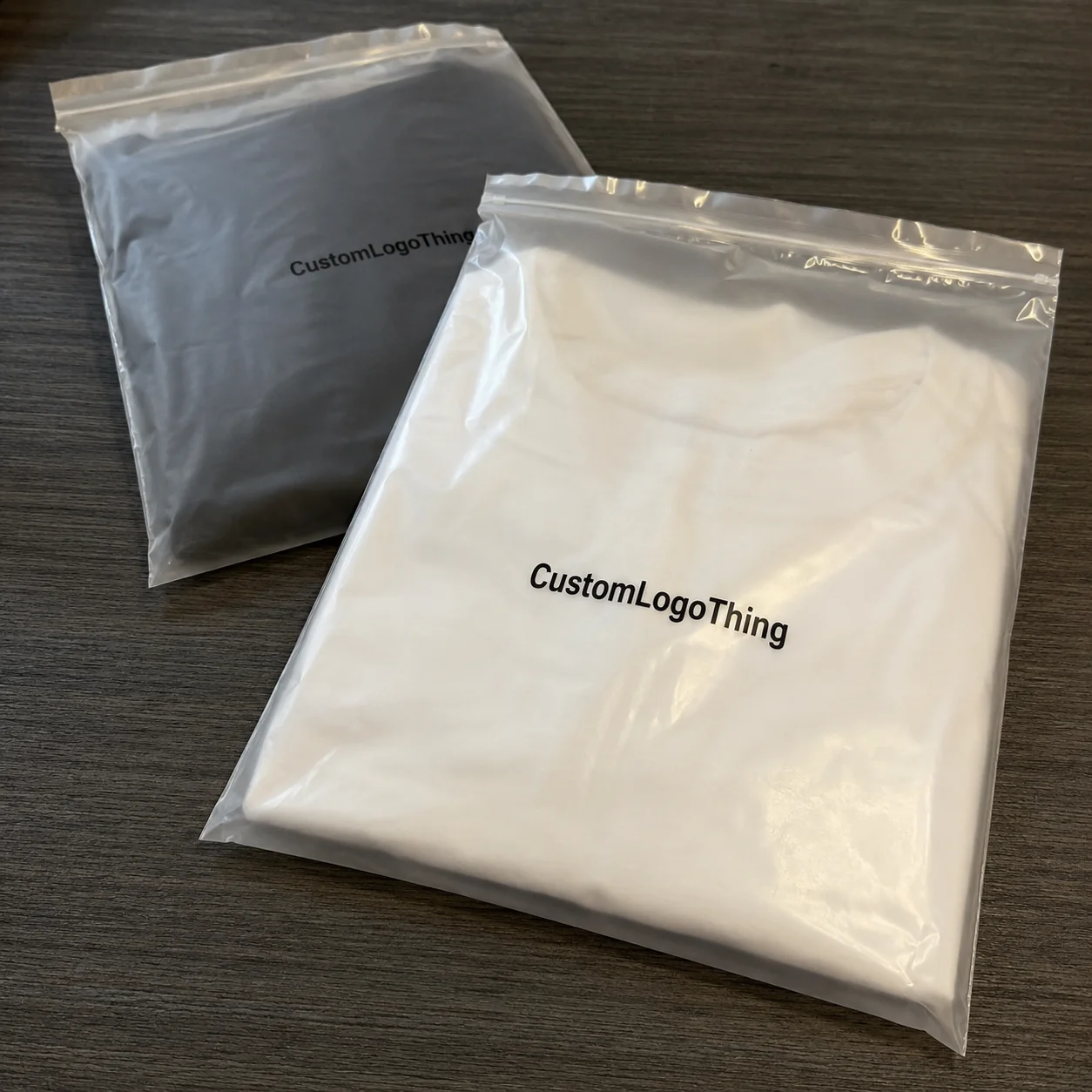
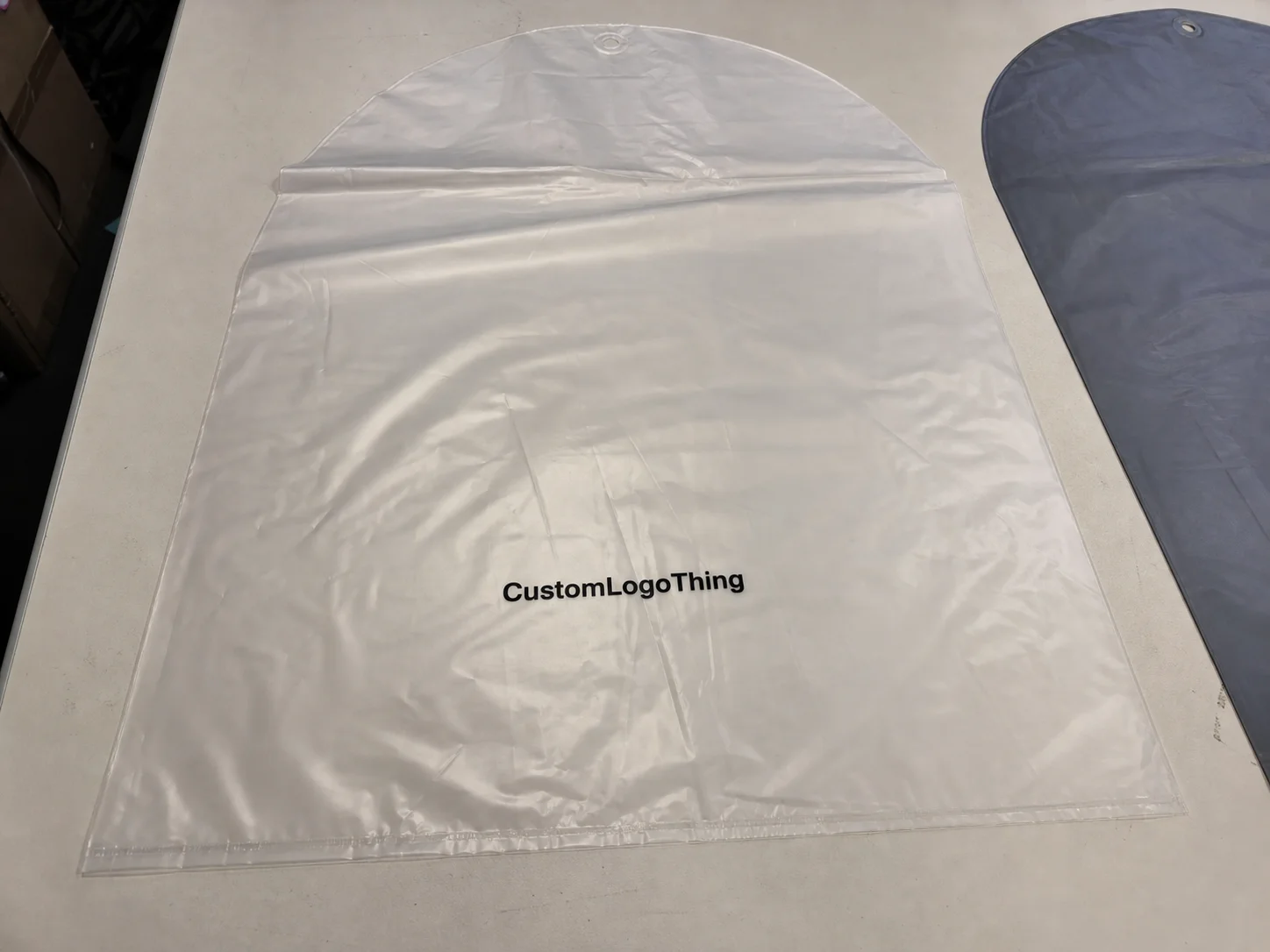
Buyer Fit Snapshot
| Best fit | Branded Packaging Selection Option projects where brand print, material claims, artwork control, MOQ, and repeat-order consistency need to be specified before quoting. |
|---|---|
| Quote inputs | Share finished size, material target, print colors, finish, packing count, annual reorder estimate, ship-to region, and any compliance wording. |
| Proofing check | Approve dieline scale, logo placement, barcode or warning zones, color tolerance, closure strength, and carton packing before bulk production. |
| Main risk | Vague material claims, crowded artwork, missing packing details, or unclear freight terms can make a low unit price expensive after revisions. |
Fast answer: Branded Packaging Selection Option: Material, Print, Proofing, and Reorder Risk should be specified like a repeatable production item. The safest quote records material, print method, finish, artwork proof, packing count, and reorder notes in one written spec.
Production checks before approval
Compare the actual filled-product size with the drawing, then confirm tolerance on folds, seals, hang holes, label areas, and retail display edges. Reserve space for logos, QR codes, warning copy, and material claims before decorative graphics fill the panel.
Quote comparison points
Review material grade, print process, finish, sampling route, tooling charges, carton quantity, and freight assumptions side by side. A quote is only useful when the supplier can repeat the same color, closure quality, and packing count on the next order.
Branded Packaging How to Choose is one of those questions that sounds simple right up until you’re in a supplier meeting with three samples, two freight quotes, and a launch date glaring at you like it owns the place. I remember reviewing one skincare carton that used 300gsm folding board and made the line feel crisp, clean, and properly premium. The next week, a glossy box collapsed under a heavier product because nobody had checked the board strength. Frustrating? Very. Useful? Also very. The first physical touchpoint matters more than most founders expect, and it tends to expose every shortcut you thought nobody would notice. In one sampling run I saw in Shanghai, a brand moved from 300gsm C1S artboard to 350gsm after the bottle weight hit 190g, and the compression difference was obvious within minutes.
At Custom Logo Things, I’d describe branded packaging how to choose as a business decision dressed up as a design decision. You are not just picking a box. You are balancing product protection, print quality, unboxing experience, shelf appeal, storage space, and the less glamorous reality called budget. Honestly, the brands that do this well think like packaging buyers first and art directors second, which is less shiny but a lot less painful. A folded carton quoted at $0.23 per unit for 10,000 pieces in Dongguan can still be the wrong move if it creates extra labor in a Brooklyn fulfillment center at $22 an hour. That math catches people off guard all the time.
This guide breaks branded packaging how to choose into practical pieces: materials, formats, finishes, cost structure, timelines, and the trade-offs that actually show up on the factory floor. I’ll keep it plain, specific, and grounded in the stuff that matters. If you want a starting point for formats and configurations, our Custom Packaging Products page is a good place to compare options. For brands ordering from China, many prototypes move from proof approval to production in 12 to 15 business days, while sea freight to Los Angeles can add 18 to 28 days depending on port congestion and carrier space. That part can get kinda annoying, but it’s predictable if you plan for it.
Branded Packaging How to Choose: Why the First Box Matters
The first box does more than hold a product. It tells the customer what kind of company you are within seconds. I’ve watched shoppers pick up two nearly identical candles at a pop-up market, then choose the one in a heavier matte-finish carton because it “felt more expensive.” That reaction happened before they even smelled the product. That is branded packaging how to choose in real life: perception happens fast, and usually before the customer opens anything. Humans are weird like that. We say we buy with logic, then our hands reach for the heavier box. In a 2023 retail study cited by packaging buyers in Chicago, premium-feel packaging lifted willingness to pay by 11% on average for beauty and gift items under $40.
Here’s the plain-language definition I use in client meetings. Branded packaging is the full system of materials, print, structure, inserts, and finishing details that carry your identity from shipment to shelf to unboxing. It can include custom printed boxes, rigid boxes, mailer boxes, folding cartons, paper sleeves, tissue, labels, and molded inserts. The package branding should feel intentional, not patched together from five unrelated decisions. If it feels cobbled together, customers notice even if they cannot explain why. A sleeve made from 157gsm art paper wrapped around a 1.5mm greyboard tray reads very differently from a plain 400gsm SBS tuck-end carton, even before the logo is seen.
Why does branded packaging how to choose matter so much? Because the same package has to do multiple jobs. It must protect the product in transit, present the brand well on a shelf or doorstep, and fit your picking and packing process without slowing the line. A package that looks gorgeous but arrives crushed is a failed package. A box that protects well but feels generic may cost you repeat orders. The right answer sits in the middle, which is irritating if you were hoping for a single magical fix and, frankly, a lot more useful. For a fragile glass jar shipped from Newark to Denver, a 32 ECT corrugated mailer and paper insert may be a smarter choice than a rigid box that adds $1.12 per unit with no shipping benefit.
From a buyer’s perspective, branded packaging how to choose is really a three-way trade-off: what the customer sees, what operations can handle, and what the margin can survive.
Honestly, I think many teams overweight aesthetics because design is easier to discuss than corrugated burst strength or Minimum Order Quantity. Yet those unglamorous details usually decide whether the packaging works. A beautiful carton that requires hand assembly at 40 seconds per unit can become a labor problem very quickly. A simpler format with the right structure often wins, and yes, that can feel slightly disappointing after a great creative review. Still better than paying people to fold boxes all afternoon. In a fulfillment center outside Dallas, a 15-second difference per unit across 25,000 orders a month can translate into more than 100 labor hours saved.
How Branded Packaging Works From Concept to Carton
Branded packaging how to choose gets easier when you understand the workflow. It rarely begins with artwork. It begins with questions: What is the product? How is it sold? Will it ship individually, in bundles, or on pallets? Does it live on retail shelves, in subscription boxes, or in mailers stacked in a fulfillment center? Those answers determine the structure before anyone argues about Pantone colors, which is good because Pantone arguments can eat an entire afternoon with very little to show for it. A 120ml glass serum bottle sold in Seoul through retail needs a different structure than the same bottle shipping in an e-commerce kit from Houston to Phoenix.
The usual process starts with a brief. That brief should include product dimensions, weight, fragility, fill rate, channel, and launch timing. A carton for a 120ml glass bottle is not the same as a carton for a 2kg countertop device. The wall thickness, insert style, and closure method will change. In one supplier negotiation I sat through in Shenzhen, a brand insisted on a smaller box for visual reasons, then discovered the product needed a 3mm foam insert plus a double-wall outer shipper. The “smaller” box became more expensive, not less. That is the sort of plot twist nobody puts on a mood board. The finished structure came in 8mm larger than planned and still cost $0.09 more per unit because of the insert.
After the brief comes the dieline. This is the structural blueprint. It tells the printer and converter where folds, cuts, glue tabs, and windows sit. Then comes the artwork fit. Graphic design has to respect the structure, not fight it. If you’ve ever seen a logo split awkwardly across a fold line, you know what happens when packaging design gets approved without checking the dieline carefully. It is a tiny tragedy, but a very preventable one. A Hong Kong converter can usually turn around a revised dieline in 24 to 48 hours, but that only helps if the brand gives precise measurements the first time.
Production steps and timeline expectations
A realistic branded packaging how to choose timeline usually includes concept review, structural sampling, artwork proofing, material approval, production, and freight. For custom printed boxes, I normally advise clients to allow 12 to 20 business days after proof approval for production, then additional transit time depending on origin and destination. Rush work is possible, but it often adds cost and shrinks your room for error. The calendar, as usual, does not care about your launch excitement. If you are sourcing from Guangzhou to Rotterdam by ocean, add roughly 22 to 35 days on the water, plus customs and inland delivery.
The workflow usually looks like this:
- Define product dimensions, quantity, and shipping method.
- Choose the packaging format and material.
- Request dielines and structural samples.
- Approve print-ready artwork and finishes.
- Review a physical proof or prototype.
- Run production and inspect the first cartons.
That sounds orderly. It rarely feels orderly. Design changes arrive late. Sales teams want a launch date moved up by ten days. Procurement wants a lower quote. Everyone has a reason. The packaging team becomes the referee, the translator, and somehow the person expected to smile through it all. I once watched a cosmetic launch in Atlanta get pulled forward by 14 days, only to discover the box insert needed another foam density test in Ningbo before the product could survive parcel handling.
For brands comparing broader supplier capabilities, our Case Studies page shows how packaging decisions play out across product categories and channels. Seeing how other teams solved the same problems often makes branded packaging how to choose much clearer. A case study from a London-based gift brand, for example, can be more useful than a generic quote because it shows how one format performed at 2,000 units, 8,000 units, and 20,000 units.
One more operational point: branded packaging how to choose is channel-specific. Retail packaging often needs stronger visual hierarchy and hang-tab or shelf-ready structure. E-commerce packaging cares more about compression resistance, corner crush, and the unboxing sequence. Subscription packaging sits somewhere between the two, usually with more emphasis on layered reveal and lower box weight. Same brand. Different demands. Same logo, totally different headache. A 24-pack subscription box out of Nashville may need a 44 ECT corrugated outer, while a retail sleeve in Madrid might be fine with 350gsm C1S artboard.
| Packaging format | Typical use | Approximate unit cost | Lead time after proof | Main strength |
|---|---|---|---|---|
| Mailer box | E-commerce, subscriptions | $0.72 to $1.85/unit at 5,000 pieces | 12 to 18 business days | Good shipping protection and unboxing appeal |
| Folding carton | Retail, light products | $0.18 to $0.62/unit at 10,000 pieces | 10 to 16 business days | Efficient, lightweight, retail-friendly |
| Rigid box | Luxury, gifting | $1.40 to $4.80/unit at 3,000 pieces | 15 to 25 business days | Premium feel and strong presentation |
| Corrugated shipper | Transit-heavy products | $0.65 to $2.10/unit at 5,000 pieces | 10 to 15 business days | Protection during shipping |
Key Factors in Branded Packaging How to Choose Wisely
Branded packaging how to choose starts with brand fit, but it should not end there. A package can look on-brand and still be wrong if it breaks in transit, costs too much to pack, or forces you into an awkward reprint cycle. I’ve seen premium skincare brands choose soft-touch lamination and foil because it matched their visual language, then regret it when fingerprints and scuffing became obvious after two freight legs. Pretty is not enough. Pretty that arrives scratched is just expensive regret in a nice outfit. In one Toronto lab test, soft-touch lamination showed visible scuffing after 25 abrasion cycles, while matte aqueous coating held up to 40 cycles with less surface damage.
Brand fit means color, texture, weight, structure, and finish all support the product story. A minimalist DTC wellness brand may use a white FSC-certified folding carton with one-color black print and an embossed logo. A fragrance brand may choose a rigid box with magnetic closure and a satin insert. A kids’ snack brand might lean toward bright litho-laminated corrugated packaging that reads quickly on shelf. Same principle, very different execution. That difference matters because the packaging is often doing the talking before your salesperson ever does. A box in Paris printed on 350gsm C1S artboard with a single blind emboss can feel quieter and more premium than a box covered in six inks and three foils.
Product protection comes next. The heavier or more fragile the item, the more you need to think about board grade, insert material, and drop performance. For shipping-related packaging, I always ask whether the design has been tested to a standard like ISTA or at least reviewed against transport reality. The International Safe Transit Association provides useful context on package testing, and their resources are worth a read: ISTA. A nice-looking box is not a test result, no matter how convincingly someone waves a rendering around. If your package is going into Amazon FBA, a 4-inch drop test from six faces is a far better signal than a pretty mockup on a studio table.
Cost and pricing get misunderstood all the time. Unit price is only one piece. You also have tooling, setup, plates, coatings, inserts, overages, freight, and sometimes storage charges. A $0.28 carton can easily become a $0.61 landed package once you add a custom insert and ocean freight allocation. Branded packaging how to choose intelligently means comparing total landed cost, not just the quote headline. Otherwise you end up congratulating yourself on a bargain that was never actually a bargain. A quote from Yiwu at $0.19 per unit may lose to a $0.24 quote from Ho Chi Minh City if the first option carries a $180 plate fee and 14 extra days of port delay.
Sustainability matters, but claims need discipline. Recyclable in one city may not mean recyclable everywhere. FSC certification helps verify responsible fiber sourcing, and you can read more about it at FSC. Still, certification is not a substitute for practical disposal behavior. If your end customer has no access to the right collection stream, the sustainability story gets weaker fast. I wish that were less messy, but packaging is very good at making simple claims complicated. In Berlin, paper-based mailers may be accepted in curbside recycling; in parts of the U.S., the same laminated structure may be rejected because of mixed-material construction.
Operational fit is the factor too many creative teams ignore. Can your fulfillment staff assemble the box in under 20 seconds? Does the package fit your case pack? Will it stack properly on a Euro pallet or in a shipper carton? I once visited a contract packer in Pennsylvania where the line slowed because a rigid insert required manual alignment on every unit. Beautiful package. Expensive bottleneck. That mistake alone added days to the monthly output, and the team was not exactly thrilled about it. If assembly time drops from 22 seconds to 12 seconds across 30,000 units, the labor savings can be material enough to pay for better board stock.
Here’s a practical way to frame branded Packaging How to Choose:
- Choose for the product if protection and fit are the biggest risks.
- Choose for the channel if retail presentation or e-commerce transit is the priority.
- Choose for the margin if volume is high and packaging cost hits gross profit immediately.
- Choose for the brand if repeat purchase depends on perception and unboxing.
There is no universal best option. Anyone selling you one is probably selling something with a higher margin than honesty. A rigid box made in Shenzhen for $2.10 per unit can be perfect for a $95 gift set, and absurd for a $12 supplement bottle.
A short client anecdote: a cosmetics founder once brought me three samples, all white boxes, all “premium.” One had gloss AQ coating, one had soft-touch lamination, and one was uncoated with embossing. Under office lighting, the gloss version looked bright but a little cheaper. The soft-touch sample felt luxurious but showed scuffs after one day in a tote bag. The uncoated embossed version won because it felt clean, photographed well, and cost $0.11 less per unit at 8,000 pieces. That’s branded packaging how to choose by evidence, not instinct. Also, it spared everyone from having to pretend the scuffed version was “characterful.” The supplier out of Qingdao had quoted a 15-business-day turnaround, and the winning sample arrived on day 9 after proof approval.
If you are evaluating product packaging across more than one channel, the smartest move is often to create a core structure and vary the outer graphics or sleeve. That keeps package branding consistent while giving you flexibility. I’ve seen this save brands from redesigning the whole system every time they launch a new scent, flavor, or size, which is the kind of boring efficiency that quietly keeps the business alive. A shared inner tray produced in Suzhou and a changeable printed sleeve can cut new-SKU development time from three weeks to one.
Step-by-Step: Branded Packaging How to Choose the Right Specs
Branded packaging how to choose becomes manageable once you break it into specs. The trick is to remove emotion long enough to answer a few practical questions. What exactly is the product? How heavy is it? How far will it travel? What does the customer need to feel when they open it? Once those are clear, the rest becomes comparison work instead of pure opinion wrestling. A 1kg glass appliance shipped from Monterrey needs a different spec than a 90g cosmetics compact sent by parcel from Phoenix.
Step 1: Define the product and use case
Start with the product itself. Measure it in millimeters, not “about this big.” Include height, width, depth, and weight. Add the shipping method. A 240g candle shipped locally in a branded mailer box is a different problem from the same candle sent cross-country in a master carton. Branded packaging how to choose works best when the physical facts are on the table first. For accuracy, note the exact outer dimensions, such as 82mm x 82mm x 95mm, because a 3mm mismatch can force a full dieline change.
Also define the customer moment. Is the box meant to land on a retail shelf, arrive in a mailer, or serve as a gift? The unboxing moment matters because it changes how many touchpoints the package needs. Tissue, inserts, card slots, and inner printing all behave differently depending on that moment. I still remember a founder telling me, “It just needs to feel nice,” and then discovering that “nice” meant six different things to six different teams. Packaging has a way of becoming philosophical very quickly. A gift box in Chicago may need a ribbon pull and a 1.5mm tray; a subscription shipper in Austin may need only a folded insert and one-color inside print.
Step 2: Set your budget ceiling and your priority
You cannot optimize everything. If your ceiling is $0.45 per unit, you are probably not ordering a rigid box with foil stamping, magnet closure, and a custom foam insert. Branded packaging how to choose means deciding what matters most: durability, speed, premium feel, or sustainability. Pick two as your primary goals. Maybe three if you are lucky. Four is where everyone starts lying to themselves a little. A brand in Portland once asked for recyclable materials, gold foil, and a $0.32 landed cost at 6,000 units; the final realistic quote landed at $0.78.
I’ve been in meetings where everyone wanted premium finishes, eco credentials, and a sub-$0.30 landed cost. That combination is usually fantasy unless volumes are very high and the format is simple. Better to say, “We will prioritize recyclable material and good print fidelity, but keep embellishment limited.” That honesty saves weeks. It also saves the packaging team from needing to politely translate wishful thinking into arithmetic. A single matte aqueous coating on a 350gsm board can deliver more than three competing finishes if the art direction is disciplined.
Step 3: Compare formats before choosing a finish
Do not start with foil. Start with format. The major options include mailer boxes, folding cartons, rigid boxes, sleeves, and inserts. Each has a different cost structure and performance profile. For example, folding cartons are efficient and retail-friendly, but they do not replace corrugated strength when product weight rises. Mailers are more shipping-friendly but can feel overbuilt for a lightweight item. Branded packaging how to choose is much easier when the structure is chosen before the decoration. A 12oz candle in a 42 ECT mailer from Vietnam may be stronger and cheaper than a decorative rigid box that adds both weight and freight cost.
Here’s a quick view of how the formats compare:
| Format | Best for | Print options | Typical downside |
|---|---|---|---|
| Mailer box | E-commerce, DTC launches | CMYK, spot color, inside print | Can cost more than simple cartons |
| Folding carton | Retail shelves, lightweight items | Offset, digital, coatings | Less protective without an outer shipper |
| Rigid box | Luxury, corporate gifts | Wrap paper, foil, embossing | Higher labor and freight cost |
| Sleeve + tray | Gifting, layered presentation | Print-heavy, high visual impact | More components to manage |
Step 4: Request samples and prototypes
Never approve branded packaging from a PDF alone if the product is anything more complex than a flat pouch. I want a physical sample on the table. Even a plain white prototype reveals a lot: whether the product fits, whether the lid closes properly, whether the insert is too tight, and whether the package feels flimsy or overbuilt. In one supplier review, a perfume box that looked perfect on screen turned out to pinch the bottle neck by 2mm. That tiny gap would have caused recurring damage. Two millimeters. That’s the sort of measurement that can ruin a whole week and make everyone suspicious of their own eyesight. A prototype produced in Dongguan and reviewed in New York can save a reprint that would have cost $2,400 and 11 wasted days.
Ask for at least one structural sample and one printed proof if your budget allows. If you are buying custom printed boxes at volume, the cost of a sample run is cheaper than one failed production lot. It also gives you a chance to test shelf impact and social-media friendliness. Yes, people do photograph boxes. A lot. Sometimes the packaging gets more attention than the product, which is either a compliment or a warning depending on your sales team’s mood. A simple sample order might cost $40 to $125, while correcting a production error can run into the thousands.
Step 5: Review the dieline and lock the artwork
Artwork approval is where many projects drift. The brand team wants one more sentence. The sales team wants a barcode moved. Legal wants claims rewritten. Meanwhile, the dieline is already tight. Branded packaging how to choose successfully means treating the dieline as a production document, not a suggestion. Check folds, bleeds, safe zones, glue areas, and barcode contrast. If the barcode scans at 95% contrast instead of 100%, your warehouse may still accept it, but your future self may not thank you. A 3mm bleed and 5mm safe zone are standard on many print jobs, and ignoring them often leads to avoidable trim issues.
Specific print and finish choices matter here too. A 350gsm SBS board with aqueous coating may work beautifully for a cosmetics carton, while a 1.5mm greyboard wrapped in 157gsm art paper might suit a premium accessory set. For a shipping-heavy corrugated box, E-flute or B-flute may be the better route depending on the product weight. Details like these are where branded packaging how to choose stops being abstract and starts being operational. It is less glamorous, sure, but it’s also where the money gets saved or lost. If the final package has to survive a 36-inch drop, the board spec matters more than whether the foil is champagne or silver.
Common Mistakes When Choosing Branded Packaging
Branded packaging how to choose gets harder when teams skip the obvious checks. The most common mistake I see is choosing based on looks alone. A package can photograph well and still fail a drop test, buckle on a pallet, or slow down fulfillment because the insert requires too much handwork. I’ve watched teams spend hours on foil color and ignore the fact that the box is 8mm too tall for the case pack. Then everyone acts surprised when the warehouse says, “We can’t fit that.” The warehouse, as usual, was right. A 608mm case pack that looked fine in a deck can become unusable if the final outer carton lands at 612mm.
Another mistake is underestimating the real cost. Packaging buyers often focus on the carton quote and forget the rest. Inserts, coatings, hot foil tooling, master cartons, freight, and overage can change the math dramatically. A unit quote of $0.24 can climb past $0.50 once the whole system is included. Branded packaging how to choose wisely means asking for full landed cost, not just factory price. I repeat that because it gets ignored constantly. If tooling is $220 and the order is only 2,000 units, that fee alone adds $0.11 per box before anything ships.
Ordering too late is a classic error. Sampling can take a week. Artwork revisions can take three more days. Production might need 10 to 20 business days depending on material availability and order size. Freight can add another stretch. If your launch date is fixed, the packaging calendar should move first, not last. I’ve seen a beauty brand delay a launch by two weeks because packaging arrived after the inventory was already in the warehouse. That cost more than the packaging ever saved, which is a deeply irritating kind of math. A supplier in Xiamen may promise 12 business days, but a single late proof can push everything into the next production slot.
Most packaging regrets come from speed, not taste. People rush the spec, rush the proof, and then pay for the mistake in expediting fees or rework.
Overcomplicating design is another trap. Too many finishes can make the package expensive, hard to produce, and visually noisy. One foil stamp, one emboss, and one window can be elegant. Five effects can feel like a sales brochure. If you want premium, restraint often reads better than decoration. That’s a packaging design lesson I keep seeing prove itself on press checks. And yes, it is usually the simplest-looking box that required the most careful thinking. A one-color black imprint on natural kraft often costs less and photographs better than a three-foil design produced in two factories.
Sustainability claims need careful handling too. “Eco-friendly” means very little without specifics. Recycled content? FSC-certified fiber? Recyclable in curbside programs? Compostable under industrial conditions only? If you are selling to an informed buyer, vague claims can backfire. The EPA has useful references on waste and recycling behavior, and it’s worth grounding your claims in actual disposal pathways: EPA recycling resources. A carton in California that carries a mixed-material window may be technically recyclable in some locations and rejected in others, which makes the wording matter a great deal.
Finally, some brands forget the internal workflow. If the package looks great but takes 18 seconds to assemble and needs two pieces of tape, it may be wrong for your operation. Branded packaging how to choose should include fulfillment realities from day one. The warehouse team knows things the design deck does not, and ignoring them is a good way to create a very pretty bottleneck. I once watched a team in New Jersey lose 90 minutes per shift because a fold-lock insert was just hard enough to slow every hand-pack station.
Expert Tips to Improve Branded Packaging Decisions
Branded packaging how to choose gets sharper when you use a scorecard. I like to score each option from 1 to 5 on four dimensions: cost, protection, brand fit, and speed to launch. If sustainability matters, add a fifth column. This turns a subjective discussion into something more measurable. It does not remove judgment, but it makes the trade-offs visible. And in packaging, visible trade-offs are half the battle. A team in Amsterdam once used a weighted scorecard and discovered the “sexiest” option only won on brand fit, not on cost or lead time.
Ask suppliers for apples-to-apples comparisons. Same dimensions. Same print count. Same insert material. Same freight assumptions. Without that, one quote can look cheaper simply because the supplier excluded a die charge, used a lighter board, or assumed a lower standard of finish. I’ve sat in procurement meetings where two quotes differed by 30% and the real reason was missing scope, not better pricing. Branded packaging how to choose is much easier when the comparison is clean. Messy comparisons are where bad decisions breed. A supplier in Guangzhou quoting 10,000 units at $0.29 each should be compared against another quoting the same board, same coating, same palletization, and same destination port.
Test across scenarios, not just on a table. Put the package through shelf display, transit, and unboxing. Shake it. Stack it. Drop it from a realistic handling height if product value justifies the test. If the product is high-value or fragile, look at ISTA guidance and consider formal transport testing. That kind of discipline saves cash later, even if it makes everyone slightly less cheerful in the moment. A 1.2-meter drop test on a 4kg product in Melbourne can reveal whether the insert is doing real work or just taking up space.
One useful trick is to design the artwork modularly. Keep your core identity fixed, but leave room for seasonal sleeves, QR codes, regional compliance text, or product-line changes. That way, package branding stays consistent while your updates stay cheap. If every product variant requires a whole new box, the long-term cost gets ugly fast. I’ve seen teams try to manage that with spreadsheets and optimism. Both have limits. A modular sleeve produced in Taipei can be changed for a holiday launch in under 10 days if the base tray stays the same.
Another tip: do not chase premium cues that your audience does not notice. A luxury fragrance buyer may care about a rigid box with a textured wrap and foil logo. A busy parent buying vitamins online may care more about whether the bottle arrived intact and whether the box opened cleanly. Branded packaging how to choose is audience-specific. What feels premium to one buyer can feel wasteful to another. Same surface treatment, different reaction. A $1.80 luxury box may impress in Milan and look like overkill in a discount subscription market in Texas.
When I consult with brands, I often suggest a “good-better-best” structure. Good is functional and on-budget. Better adds stronger brand expression. Best adds premium finishes or a stronger unboxing sequence. That framework helps teams decide where the value really sits instead of arguing in circles about taste. It also gives people permission to admit that sometimes “good” is the smartest choice, which is a refreshing change from performative perfection. A good option at $0.34 per unit in a 5,000-piece run can outperform a best option that costs three times as much and delays launch by 11 days.
If you want to see how packaging choices align with real use cases, our Case Studies page shows how brands have balanced print, performance, and cost in practical terms. There is a reason experienced buyers keep references handy. Packaging is a comparison sport, and the winners usually did their homework. A brand in Manchester saved 17% on landed cost simply by changing the insert from EVA foam to molded pulp sourced through a vendor in Guangdong.
Next Steps After You Decide: Sample, Compare, and Order
Once you’ve narrowed the field, branded packaging how to choose becomes a straightforward execution task. Build a checklist with the exact dimensions, material, print method, finish, quantity, budget ceiling, and launch date. If those six items are locked, suppliers can usually quote accurately and quickly. A spec sheet that says “premium white box” is not enough; a spec sheet that says “350gsm C1S artboard, matte aqueous, 4-color CMYK, 10,000 units, needed by March 18” gets useful answers fast.
Request two or three quotes using the same specification sheet. Do not change the specs between vendors unless you want noise in the pricing. Compare total landed cost, not just the unit price. If one supplier offers $0.31/unit but another offers $0.38/unit with better freight terms and lower waste, the cheaper quote may not actually be cheaper. I know that sounds obvious, but obvious things have a habit of disappearing in procurement conversations. A quote from Ningbo with a 16-day lead time and $420 sea freight can beat a Shenzhen quote with a lower unit price and a higher palletization charge.
Order a sample or prototype and test it with the real product. That means the actual bottle, jar, pouch, or device. Not a dummy. I’ve seen fit issues disappear on paper and reappear instantly when the product weight changed by 60 grams. Real-world testing matters because packaging tolerances are never as forgiving as a mockup suggests. Paper is polite. Physics is not. If a 460g jar drops into a tray with 1mm of spare room, that room disappears as soon as the carton vibrates on a truck from Chicago to Kansas City.
Inspect the first production run closely. Check registration, color consistency, glue lines, fold accuracy, and print quality. Confirm that the packaging arrives flat or assembled as specified. If anything is off, document it before the next order. The first run teaches you more than the spec sheet ever will, and sometimes more than you wanted to know. A 2% print shift on a 12,000-unit order may look minor until the brand colors no longer match the website palette.
Branded packaging how to choose is not a one-and-done decision. It is a repeatable process that gets smarter with every order. The brands that scale well create a record of what worked: board grade, finish, carrier performance, damage rate, packing speed, and customer response. That record becomes a competitive advantage. A team in Amsterdam that tracked damage rates by carrier and carton style cut replacement claims from 4.1% to 1.3% in two quarters.
My final opinion? Start with function, then add brand story, then add finish only where it earns its keep. That sequence protects margin and reduces surprises. If you keep asking branded packaging how to choose in that order, you’ll make better decisions than most teams do on instinct alone. And you’ll probably spend fewer afternoons staring at boxes and wondering why the “simple” choice never is. The brands that get this right are usually the ones willing to ask for a second sample, a real freight quote, and a plain answer about what the package actually needs to do. Write that into your selection process, and the rest gets a lot less messy.
How do I choose branded packaging for a small business?
Start with product size, shipping method, and your target customer experience. Pick one format that fits your budget and is easy to reorder before adding premium finishes. I’d also keep the design simple at first so you can learn what customers actually respond to instead of guessing. A small brand in Portland might begin with a 300gsm folding carton at $0.19 per unit for 5,000 pieces rather than jumping straight to a $1.50 rigid box.
What should I compare first when branded packaging how to choose comes down to cost?
Compare total landed cost, not just unit price. Include printing, inserts, freight, setup fees, and minimum order requirements. A quote of $0.22 per unit from Guangzhou can be more expensive than $0.29 per unit from Mexico City if the first option adds $310 in shipping and longer transit time.
How long does branded packaging usually take to produce?
Timeline depends on sampling, artwork approval, material availability, and order size. Build in time for proofing and shipping so packaging arrives before launch or restock. If a supplier promises lightning speed with no trade-offs, I’d ask a few more questions. For many custom boxes, production typically runs 12 to 15 business days from proof approval, with another 5 to 30 days for freight depending on route.
Which branded packaging is best for e-commerce products?
Choose packaging that protects during transit and still looks polished on arrival. Mailer boxes, inserts, and strong corrugated structures are common for shipping-heavy brands. For heavier items, 32 ECT or 44 ECT corrugated board and a paper pulp or molded insert often perform better than a decorative sleeve alone.
How do I know if my branded packaging is sustainable enough?
Check whether the material is recyclable, certified, or reusable in your actual market. Avoid broad claims unless you can verify the material composition and disposal pathway. If your box is made in Suzhou from FSC-certified fiber and uses water-based ink, say exactly that rather than relying on vague green language.