Custom Tin Box Packaging That Sells: Specs and Pricing
A custom tin box changes perception before the lid opens. Weight does part of the work. The sound of a tight closure does another part. Reuse does the rest. For the right product, those signals move the package out of the disposable category and into something that feels worth keeping, which is often enough to raise perceived value faster than extra ink coverage or a larger carton.
That matters because packaging is rarely judged on graphics alone. Buyers feel it, tap it, stack it, and notice whether it dents, shifts, or opens too easily. A well-specified tin earns trust in a way that flexible packaging usually cannot. The tradeoff is cost and lead time, so the decision should be made with production realities in mind rather than with design mockups alone.
What a custom tin box is and where it pays off
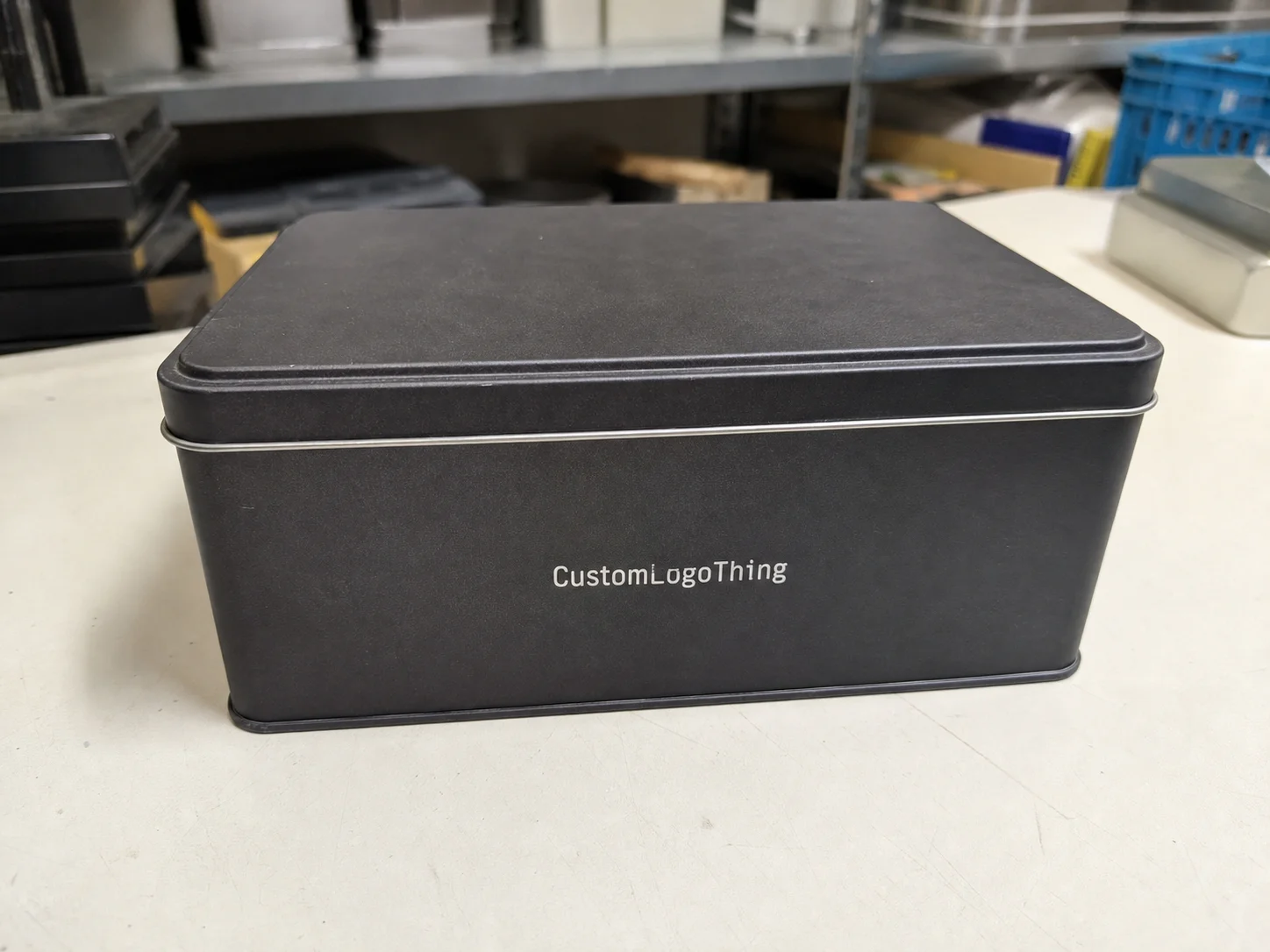
A custom tin box is a rigid metal package built around your product size, closure style, decoration method, and handling needs. Brands tend to choose it for tea, mints, candles, cosmetics, collectible sets, promotional kits, and seasonal gift bundles, but the format is broader than those familiar categories. Any product that benefits from protection, shelf presence, and repeat use can justify the structure.
The reuse factor is not a bonus feature. It is part of the business case. A tin that survives the first purchase often becomes a pantry container, desk organizer, or keepsake box. That extends brand exposure long after a pouch or carton has been discarded. For premium product packaging, that second life can be more valuable than the first impression.
Compared with flexible formats, tins usually cost more per unit and take up more shipping space. A pouch is lighter, cheaper, and easier to pack. A tin is sturdier, more tactile, and less likely to arrive crushed. The decision is not simply about unit price. It is about what the package has to do once it leaves the warehouse. If the product is price-sensitive and moves in high volume, a softer format may still make sense. If the product is margin-rich, gift-oriented, or exposed on shelf, the rigid metal box often earns its place.
For teams comparing structures, it helps to review the broader set of Custom Packaging Products before locking in a single format. A tin is a strong choice, but not an automatic one. It works best when the product, channel, and brand story all point in the same direction.
“Most packaging mistakes start with an assumption that the outside size tells the full story. It does not. Internal clearance, lid tension, and finish choice matter just as much as the graphics.”
There is also a sustainability angle that deserves a sober explanation. The tin itself is reusable, and the shipper, sleeve, or carton around it can be specified with recycled content or FSC-certified fiber. That does not make every tin sustainable by default. It does mean the full package can be designed with a better end-of-life story than many single-use formats. The Forest Stewardship Council explains certified fiber sourcing at fsc.org.
Production process and lead time
Good production starts with a clean brief. Before artwork is discussed, the supplier needs finished dimensions, product weight, fill method, closure type, decoration method, and any special handling requirements. If those details are loose, the project usually slows later, often after the visual direction has already been approved.
The usual sequence is simple: dimension review, structural check, proofing, sample approval, production, packing, and freight. Delays usually show up when one step is skipped or compressed. A common mistake is approving art before the actual cavity size, lid clearance, or insert thickness has been confirmed. That is how a package that looks perfect on screen becomes a fit problem on the line.
Lead time expands for predictable reasons. New tooling adds time. Complex embossing adds time. Multiple print colors, unusual shapes, food-contact coatings, and custom inserts can all add setup and approval rounds. A plain printed tin with final artwork may move relatively quickly. A shaped premium tin with a molded insert rarely does. Buyers who plan seasonal launches should assume the slower path unless the spec is intentionally simple.
There is a real difference between a digital proof and a physical sample. A proof checks layout, bleed, type size, and general color intent. A sample checks what the screen cannot show, including lid tension, edge finish, coating feel, gloss level, and insert fit. If the package will be displayed in retail or given as a gift, the sample is usually worth the extra schedule pressure.
Shipping validation deserves attention too. Ask what test method the supplier uses and whether the package has been checked for compression, drop resistance, and vibration. ISTA procedures and ASTM packaging tests are common reference points. The goal is not paperwork for its own sake. The goal is to see whether the tin can survive actual handling rather than only looking good on a bench. ISTA’s overview is here: ista.org.
Late artwork changes are the most avoidable source of delay. Even a small edit to barcode placement, copy, or logo size can force a fresh proof or a new print setup. On paper that sounds minor. On a production schedule, it usually is not. Once the line is booked, changes become expensive very quickly.
Cost, MOQ, and quote variables
Pricing usually breaks into two buckets: setup cost and recurring unit cost. Setup covers tooling, artwork preparation, print plates or digital setup, and any special finishing. Unit cost is the price per piece once production is running. When buyers see two quotes that look far apart, the answer is often in the setup line rather than the unit line.
MOQ, or minimum order quantity, depends on size, complexity, and decoration method. A plain round tin may carry a lower MOQ than a custom-shaped box with embossing, internal trays, or multi-part assemblies. The more custom the structure, the higher the MOQ tends to climb. That is not a sales trick. It is a reflection of setup time, scrap, and line efficiency.
A practical ballpark helps with planning. Simple printed tins at decent volume can land in the low single-digit range per unit, while premium tins with embossing, inserts, and specialty coatings often move into the mid single digits or higher before freight. Small runs and unusual shapes can cost more again. These are planning ranges, not fixed price sheets, because finish, size, and quantity can change the outcome quickly.
Several features move price faster than most buyers expect:
- Larger dimensions and heavier gauge metal
- Matte, soft-touch, or specialty coated finishes
- Spot gloss, embossing, or debossing
- Complex inserts or nested inner components
- Protective shipper packaging for fragile retail runs
- Food-safe or moisture-resistant interior coatings
Comparison should happen on landed cost, not factory cost alone. Freight, cartons, warehousing, customs, and inland delivery can change the final number more than buyers expect. A quote that looks competitive at the factory gate may stop being competitive once it reaches the distribution center. That is especially true for large tins, which occupy more cubic volume than flexible packaging.
| Option | Typical setup impact | Typical unit impact | Best fit |
|---|---|---|---|
| Plain tin with printed label | Low | Lower | Simple SKUs, price-led retail packaging |
| Full-color printed tin | Moderate | Moderate | Branded packaging with stronger shelf impact |
| Embossed custom tin box with insert | Higher | Higher | Gifts, premium sets, collectibles |
| Special coating, liner, and gift carton | Higher | Highest | Food, cosmetics, and long-storage products |
For a launch that also includes folding cartons or sleeves, line up those quotes beside the tin quote. That makes it easier to see whether the metal box is truly the premium option or simply the most visible one on paper. It also prevents the common mistake of comparing an all-in package to a tin-only price.
Step-by-step spec checklist before you order
The product itself should drive the structure. A tin for loose tea needs different internal support from one carrying lip balm, hardware, or candles. Start with a simple question: what problem is the package solving? Protection, shelf impact, tamper resistance, dose control, gift appeal, or a mix of those functions?
Then define the dimensions with precision. Outside size is not enough. You need the internal cavity, lid depth, clearance around the product, and insert thickness if an insert is used. A two-millimeter error can matter when the product rattles, tips, or creates pressure under the lid. Small gaps become obvious once the box is in real use.
Next, choose the closure style. Hinged, slip lid, snap lid, and nested lid each feel different in the hand and behave differently in transit. A closure that feels premium may still be a poor fit if the product needs repeated opening, if retention needs to be firm, or if the contents should not move during shipping.
Artwork deserves the same discipline. Confirm the dieline, bleed, safe area, seam placement, and any restrictions around curves, hinges, or locking edges before approval. Metal wraps behave differently than paperboard. A layout that looks centered on a flat screen can shift once wrapped around a real form. That is a structural detail, not just a visual one.
A practical proofing sequence should look like this:
- Brief and structural confirmation
- Artwork review against the approved dieline
- Sample review for fit, finish, and closure behavior
- Final production sign-off
That sequence is slower than a rushed yes, but far cheaper than a production mistake. The most expensive edit is always the one made after the line has started.
If the package needs a sleeve, tray, or carton, check compatibility early. For brands that want a cleaner sourcing story, a paper-based sleeve from Custom Packaging Products can work alongside the tin without adding unnecessary complexity. Sometimes that is more effective than trying to make the metal surface carry every message.
Common mistakes that cause delays or rework
The first mistake is buying by outside dimension only. Internal clearance decides whether the product fits cleanly, rattles, or crushes the insert. Outside size may satisfy the procurement sheet, but it will not save a run if the product shifts in transit.
The second mistake is approving color from a screen. Digital mockups are useful for layout, but they are not a substitute for a physical sample. Metal reflects light differently than paper. That changes perceived saturation, contrast, and finish. A logo that looks fine on a monitor can feel too dark, too flat, or too busy once printed on a tin surface.
The third mistake is skipping transit testing. A package can look perfect in a studio and still fail in shipping. That is why some teams reference ISTA or ASTM tests before launch. Drop, vibration, and stack pressure reveal weaknesses that the eye does not catch. If a closure opens too easily or the gauge is too light, damage shows up quickly.
Late artwork changes create more rework than most teams expect. A small change to copy, barcode placement, or logo sizing can trigger a fresh proof, a new plate, or a reset of print setup. That may sound manageable in a meeting. In production, it usually is not.
There is also a less obvious mistake: assuming the custom tin box will solve every packaging issue by itself. It will not. If the product is oily, moisture-sensitive, fragile, or intended for long storage, you still need to think about coating, insert choice, seal quality, and the outer shipper. The tin is one layer of the system, not the whole system.
“A tin that looks premium but dents in transit is worse than a plain pack that arrives clean. Retail buyers notice damage before they notice decoration.”
Expert tips for inserts, finishes, and durability
Choose the finish for handling, not only for style. Matte tends to hide scuffs better. Gloss can make color feel stronger and more vivid. Soft-touch can read as premium, but it needs a careful durability review because some coatings show wear sooner than buyers expect. If the box will be handled often, scratch resistance matters more than showroom appearance.
Inserts should match movement inside the box. Foam works when you need high retention and a more protective feel. Paperboard is often better when the item is light and sustainability messaging matters. Molded trays stabilize unusual shapes. Simple dividers are enough for small sets where the contents are not fragile. The right choice depends on how much the product moves during transport, not just how it looks in a sample photo.
Ask about interior coatings if the fill is moisture-sensitive, oily, acidic, or intended for long storage. The inside surface matters as much as the outside decoration. A food-safe liner or corrosion-resistant coating may be necessary for certain uses, especially when shelf life or product chemistry is a factor. This is also where buyer diligence matters most: compliance claims should be backed by documentation, not just verbal assurance.
Material thickness affects the feel in hand and the failure mode in transit. Lighter stock can be fine for promotional items or short shelf life products. Heavier stock gives the box more rigidity and usually a better closing feel, but it also increases cost and shipping weight. There is no universal best choice. The right gauge is the one that protects the fill without overspending on metal that the product does not need.
For sustainability, the tin itself is reusable, and the outer paper components can be sourced responsibly. If the program includes printed cartons or sleeves, ask about FSC-certified fiber or recycled content. If end-of-life messaging is part of the package story, EPA recycling resources can help align claims with actual material pathways rather than vague environmental language. See epa.gov/recycle for general recycling guidance.
Reusability is the quiet advantage here. A custom tin box that ends up on a desk or in a pantry keeps the brand present without another paid impression. That does not justify every premium feature, but it does justify thinking beyond the first use. In premium packaging, that second life is often what turns the package into a keeper.
Next steps for a retail-ready tin box order
Start with a one-page spec sheet. Include finished dimensions, quantity, decoration method, closure style, insert requirements, target date, and delivery location. This sounds basic because it is, but it removes ambiguity from quoting and helps suppliers compare the job properly.
Then request side-by-side quotes that separate tooling, unit cost, packaging, and freight. That is the only way to compare apples to apples. A quote with a lower unit price may still be the more expensive option once setup and transport are included. The factory number is only one part of landed cost.
For any launch that matters, approve a physical sample before the full run. It is the fastest way to catch fit issues, finish mismatch, or closure problems before they become expensive. If the product is seasonal, a gift set, or a first-time retail test, the sample acts as a safeguard against avoidable waste.
Plan backward from the actual launch date. Leave room for proofing, production, transit, and final quality checks. Then brief the supplier with the exact use case. A custom tin box for tea does not need the same priorities as one for cosmetics or collectibles. Buyers blur those needs more often than they should, and the result is usually a package that overpays for the wrong feature.
The strongest outcome comes from treating the tin as part of the full packaging system, not a decorative shell. When dimensions, coating, inserts, freight, and artwork all line up, the box does more than hold the product. It protects the contents, supports the brand, and helps the item feel worth the price. That is the practical value of a well-specified custom tin box.
What should I include in a custom tin box quote request?
Include finished dimensions, internal cavity needs, product weight, quantity, decoration method, finish, insert or closure requirements, delivery location, and your target date. The more complete the brief, the easier it is to price accurately and avoid late revisions.
How long does a custom tin box production timeline usually take?
A simple order can move quickly if artwork is final and no new tooling is needed. Samples, approvals, and special finishes are the main reasons schedules expand. Shipping, customs, and seasonal factory load can add time after production is complete. For planning, a straightforward project may run in a few weeks after approval, while a complex premium program can take much longer.
What drives custom tin box pricing the most?
MOQ, tooling, and decoration complexity usually drive the first big jump. Size, metal gauge, inserts, embossing, and specialty coatings affect the unit price. Packaging and freight can change the final landed cost more than the factory quote alone. If the order is small, the setup cost can dominate the math.
Can a custom tin box be made food-safe or moisture-resistant?
Yes, but the right internal coating or liner must be specified up front. Ask for compliance documentation and test the package against the product chemistry and storage conditions. If moisture is a concern, the closure and seal matter as much as the metal.
What artwork prep is best for a custom tin box design?
Use the approved dieline, vector logos, and confirmed color references. Account for seams, hinges, curves, and safe areas before finalizing the layout. A physical proof is the best check when print fidelity or color accuracy matters.