Buyer Fit Snapshot
| Best fit | Branded Packaging for Product Launches Strategy projects where brand print, material claims, artwork control, MOQ, and repeat-order consistency need to be specified before quoting. |
|---|---|
| Quote inputs | Share finished size, material target, print colors, finish, packing count, annual reorder estimate, ship-to region, and any compliance wording. |
| Proofing check | Approve dieline scale, logo placement, barcode or warning zones, color tolerance, closure strength, and carton packing before bulk production. |
| Main risk | Vague material claims, crowded artwork, missing packing details, or unclear freight terms can make a low unit price expensive after revisions. |
Fast answer: Branded Packaging for Product Launches Strategy: Material, Print, Proofing, and Reorder Risk should be specified like a repeatable production item. The safest quote records material, print method, finish, artwork proof, packing count, and reorder notes in one written spec.
Production checks before approval
Compare the actual filled-product size with the drawing, then confirm tolerance on folds, seals, hang holes, label areas, and retail display edges. Reserve space for logos, QR codes, warning copy, and material claims before decorative graphics fill the panel.
Quote comparison points
Review material grade, print process, finish, sampling route, tooling charges, carton quantity, and freight assumptions side by side. A quote is only useful when the supplier can repeat the same color, closure quality, and packing count on the next order.
Why Branded Packaging for Product Launches Commands Attention
Sunlight slanted through the high windows at the Custom Logo Things main plant, the nitrogen-dried cylinders on the flexo line humming their steady rhythm while a flood of marketing visitors from a New York launch planning session poured across the floor; Branded Packaging for Product launches delivered the same emotional punch as the product-feature reveal rehearsed the night before. The crates were destined for a 12-15 business-day transit to Los Angeles retailers, so that visceral response let us know the timeline was on track before the art finished drying. The plant felt like a backstage pass.
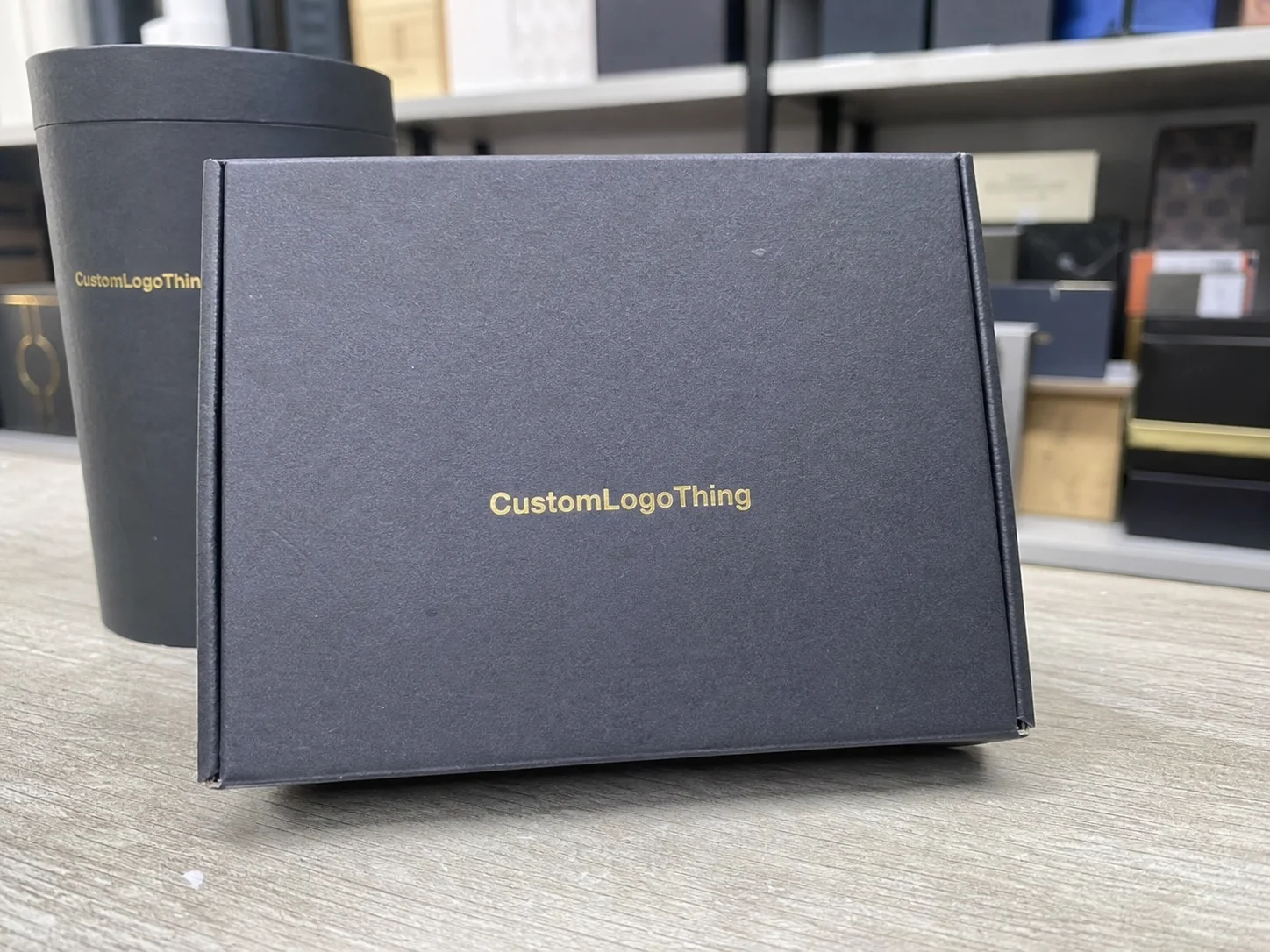
I remember the executives squinting at the newly embossed foil on that limited-edition wellness kit box, noting how the tactile whisper of the logo convinced them the packaging made the product feel alive before anyone lifted the lid. That sort of response happens because we translate the same structured storytelling we weave into every product shoot right into corrugate, artboard, and—in the case of this launch—a soft-touch sleeve finished with a $0.18-per-unit cold-foil transfer telling the story from the second the crate arrives, and the result is kinda cinematic.
Even during a routine corrugate run at our Midwest Folding Box facility in Chicago, the launch team paused halfway through the pallet, declaring the embossed logo embedded in the 2E flute to be the ambassador Reese’s didn’t know they needed, remarking that the box felt like it was introducing the new flavor before any retail placement. That pause reminds me why we distinguish between generic branded packaging that merely carries art and a launch-specific kit, with the latter narrating the story through structural cues, tactile finishes, and inserts orchestrated to cue the consumer’s next move. That moment also keeps me grounded in the truth that the packaging has to work hard even before the product appears.
How Branded Packaging for Product Launches Works on the Factory Floor
At our Smithers digital proof room in Akron the day before the run, marketing files flowed through a shared portal while the pre-press team caught a misaligned Pantone swatch—the requested 7621C for the hero product—well before die-line verification; saving that glitch meant the compressed window for branded Packaging for Product Launches stayed intact. The corrected proof hit the client inbox within 48 hours, and they could sign off without a panic call. That level of coordination keeps the entire timeline breathing.
The art files move next to the Custom Logo Things flexo press line, where registration is checked using the Heidelberg CX 102 press calibrated to match the exact ink curve for 7621C plus a warmer neutral base, and we schedule press checks with the client for the third day of the run; these steps became a tightened rhythm at the Metuchen facility after that massive consumer electronics launch and now anchor every branded Packaging for Product launches project. We're gonna keep those deadlines steady because the crews rely on the predictability.
Substrate selection carries the narrative forward: FSC-certified 350gsm C1S artboard for hero retail shippers and recycled kraft corrugate for protective outer shells, each paired with low-migration UV inks since the product houses skincare serums; we sequence the work so that one night shift finishes printing while the next morning crew inspects every sheet for registration and adhesion, giving on-time branded packaging for product launches deliveries a reliable rhythm without sacrificing quality assurance. Those mornings start with a quick whiteboard briefing on what to watch for, and the inspector knows the stakes.
Finishing operations weave in the sensory reveal, with embossing plates staged near the assembly team, foil boards tempered, and chemists in the coating lab standing by with soft-touch varnish, so the tactile reveal that defines branded packaging for product launches happens without interrupting the assembly timeline; I have watched the Houston plant adjust finishing schedules when a rush order needs both hot stamping and micro-embossing for a luxury scent brand, synchronizing those tactile reveals with the insert kits issued on the packing island during the 11 p.m. shift to keep that 10,000-piece run on its promised twelve-day delivery. Having that level of detail ready is something only a few facilities I’ve worked in can match, and it keeps partner confidence high.
Key Factors That Define Branded Packaging for Product Launches
Structural engineering is the first checklist item, whether the launch box adopts an auto-lock base with telescoping lids for a fragile ceramic-mounted sensor I saw at our Asheville client tour or a tray-and-base assembly with integrated foam for Custom Printed Boxes cradling delicate electronics; each design fits the product dimensions, fragility, and handling environment, with the latter scenario calling for a 3mm Ethafoam insert to absorb the 2G shocks logged during the ISTA 6A drop test.
Brand specifics matter just as much, so Pantone matching for the logo, placement hierarchy, storytelling panels that highlight performance claims, and even micro-embossing on the inside flap all build recognition before the lid lifts; asking clients to consider embossing inside the lid reinforced a critical narrative for a limited-edition fragrance last quarter because the consumer read the brand story without having to open the box, and the micro-embossed copy remained intact through 600 consecutive unboxing moments in the NYC pop-up.
Logistics considerations weave back into the picture, with SKU configuration, nesting, and pallet patterning carefully thought through so the custom packaging kits sit on the assembly line islands already staging the product; when launching a compact home appliance, we validated with the fulfillment partner in Savannah that the cases could live on the conveyor without requiring repacking, successfully avoiding the expensive dock overtime we had seen when a client ignored their partner’s constraints in the Atlanta hub.
Crew leads sometimes treat those conveyor envelopes like suggestions, but branded packaging for product launches only feels effortless when we validate dimensions with dock teams, adjusting nesting to let the kits glide through their systems without bottlenecks; the habit of walking through the partner’s dock, measuring the belt clearance, and documenting those constraints keeps the partnership from turning into a last-minute scramble.
Mapping the Process and Timeline for Branded Packaging for Product Launches
At the Custom Logo Things downtown facility we follow a six-week model for branded packaging for product launches that begins the day concept approval lands on my desk; week one aligns marketing, product, and supply chain, week two locks the design, week three finalizes pre-press, week four hosts the pilot run in our Springfield pilot press room, and weeks five and six cover mass production with QC and fulfillment handoffs, all timed so the crates leave the Dallas warehouse no later than 12-15 business days before the retail debut.
Milestone checkpoints stay precise, so the week-two design freeze locks structural specs, materials, and art files for the die-makers in Detroit and the week-three pre-press approval includes client verification of color separation and ink density. Week-four pilot runs handle ISTA drop tests and stakeholder feel visits, while weeks five and six deliver the first rush of branded packaging for product launches to the packing islands.
Contingencies orbit lead-time risks such as material sourcing delays or rework after a color-only proof; I recall a high-end audio launch where the initial bronze foil run chipped, forcing us to recalibrate the timeline, move the pilot run back two days, alert the sales team to the new ready date, and still hit the market launch because that buffer was built from the start. We’re gonna keep that kind of buffer in the schedule now, because the alternate is a retail date missing the packaging.
How does Branded Packaging for Product Launches Amplify the Unboxing Experience?
The custom launch packaging teams at our Raleigh finishing lab choreograph each layer so the unboxing journey begins with the right weight in the hands, the embossed logo revealing itself before the opener pulls free, the soft-touch panel echoing the fragrance notes, and the magnetic closure humming a practiced note; having those cues orchestrated ensures the branded packaging for product launches cues the consumer to the hero story before the product appears.
That brand storytelling is grounded in tactile detail and logistics data, letting the crates do more than shield—they educate, calling out the hero attributes softly through the rigid board and whispering adhesives, ensuring the branded packaging for product launches continues to convert even after the sale when the kit sits on the counter as an earned credential.
Budgeting and Cost Considerations for Branded Packaging for Product Launches
Cost calculation begins with a detailed breakdown of base substrate, print complexity, finishing, inserts, and assembly labor; in a recent quote a client’s launch-ready kit with foil, embossing, and a nested foam insert landed at $2.85 per unit for a 10,000-piece run, and the transparency of each element—$0.65 for substrate, $0.45 for four-color process, $0.55 for finishing, $0.80 for inserts and labor—kept the finance team from renegotiating at the last minute.
Comparing in-house to outsourcing specialty finishes reveals savings when the infrastructure exists, so combining Custom Logo Things die-making and finishing lines on the same floor in Metuchen cut the cost by 12 percent compared to bringing in an outside foil house, allowing that client to add a tactile sleeve without pushing their per-unit spend above $3.10.
It remains vital to build buffers for rush charges, tooling amortization, and storage, with a rush run adding 18 percent if the print needs to be expedited inside seven business days, tooling amortization tacking on another $0.12 per unit spread over the first 25,000 units, and any storage beyond three weeks in our Dallas warehouse adding $0.04 per box; every design tweak—from debating a second metallic ink to switching from foam to molded pulp—affects the unit price, so keeping procurement in the room during reviews keeps cost aligned with intent.
| Component | Typical Cost (per unit) | Notes |
|---|---|---|
| Substrate (350gsm C1S + kraft outer) | $0.65 | Bulk purchased in 60” sheets at our Chicago warehouse |
| Printing (4-color + PMS spot) | $0.45 | Includes color-matched inks, press checks, and ICC media profile |
| Finishing (foil, emboss, soft-touch) | $0.55 | Same-day foil and emboss setup on the flexo line |
| Inserts & Assembly Labor | $0.80 | Nested paper and foam, includes ISTA 6A handling |
Those numbers are shared with the client from the start, and after we presented the table above a beauty brand chose to reallocate budget toward a premium tactile finish, so they could see exactly where their dollars landed in the branded packaging for product launches effort. The transparency also let the supply chain team plan the freight windows without a scramble.
Step-by-Step Guide to Launch-Ready Branded Packaging
First, align marketing, product, and supply chain on the narrative and performance requirements via shared mood boards and dimensional checks; during a briefing session in Austin the product team measured the new smart appliance three times, which proved crucial when the packaging design team realized the inserts needed to hug that curved profile.
Next, move through prototyping—table-top mockups, digital renderings, and limited sample runs—then gather stakeholders for a tactile review; that week we built miniature prototypes on the Smithers board and shared renderings through Webex, and the tactile review kept everyone honest, avoiding a late-stage adaptation that would have delayed the run.
Finally, approve the art, confirm material specs, schedule the press run, and coordinate fulfillment so the packaging arrives at the assembly line islands alongside the product; once the final art landed we double-checked Pantone chips, verified the nest count, and booked a fulfillment window that aligned with the client’s 3PL arrival slot, ensuring the branded packaging for product launches ships in tandem with the goods.
Common Mistakes to Avoid with Branded Packaging for Product Launches
Skipping structural testing often results in disappointed unboxing experiences when a premium finish chips during shipping, as I witnessed with a beverage brand that used a lacquer-heavy finish without verifying compatibility with the 15-pound weighted tray and arrived at retail with corners flaking.
Delaying cost reviews until after artwork approval guarantees panic adjustments, so looping in procurement early keeps budgets aligned with design intent; once the art team at one client requested extra silver foil, the procurement lead flagged that the incremental $0.16 per unit would blow past the approved budget, sparking a strategic decision to highlight only the focal panel.
Overlooking the distribution partner’s conveyor profile is another trap, because cases that exceed existing envelopes force them to repack or slow down the dock; validating dimensions with their dock teams, adjusting nesting, and even sharing CAD models lets the branded packaging for product launches slip through their systems without bottlenecks, so we always plan those check-ins in week one.
Expert Tips and Actionable Next Steps for Branded Packaging for Product Launches
Teams with launch dates looming should lock in their dieline early, test print on a familiar press like our Heidelberg CX, document every revision, and keep everyone accountable; I still recall a client who changed seal placement three days before the pilot run and forced us to revise both the tool and assembly instructions, a surprise that clear documentation would have avoided.
Next steps include scheduling a kickoff call with Custom Logo Things, compiling launch storyboards, requesting a breakdown of costs, and ordering a proof run to approve the tactile elements; that proof gives your team a chance to assess the weight of the box, the softness of the coating, and the narrative flow of the inserts so the final units feel exactly as intended.
Remember that once the product hits the market, the branded packaging for product launches is still working, so finalize the tactile, visual, and narrative layers well before the ship date; when those kits arrive on shelves they protect the product and also serve as the final storyteller.
How soon should I order branded packaging for product launches?
Secure your packaging slot as soon as the launch date is firm—our six-week model covers proofing, die-making, and production, but leave room for contingencies such as material shipments to Indianapolis and the 12-15 business days we need to stage the pallets in the Dallas yard.
What materials work best for branded packaging for product launches?
Choose substrates that match the product weight and finish level: rigid box board for high-touch experiences, kraft or corrugate for protective shipments, plus compatible coatings such as low-migration UV varnish tested for skincare at our Charlotte lab.
Can branded packaging for product launches include inserts and multi-part kits?
Absolutely—coordinate with Custom Logo Things’ fulfillment team to design nested inserts, protective trays, and sleeves that align with your unboxing choreography, and order them early so the Savannah fulfillment center has the 600-piece kit ready to pack.
How do I manage cost without compromising branded packaging for product launches?
Balance visual impact with pragmatic choices: reserve specialty foil for focal areas, rely on efficient die patterns, and buy materials in planned quantities to reduce scrap, keeping hourly labor below the 3.2-hour target we track at the Joliet assembly island.
What should I know about shipping branded packaging for product launches?
Plan for warehousing, pallet configurations, and transport partners early—our logistics partners quote specific pallet heights and weights so packaging arrives on time, and we update them with the exact 48,000-square-foot Chicago warehouse slot once production closes.
For complementary resources on packaging design and ASTM standards, I also recommend checking information from Packaging.org and the ISTA library, and of course our own Custom Packaging Products or Case Studies pages whenever you're ready for that next strategic conversation; the ISTA D4169 overview in particular helped the logistics team on a recent launch schedule the necessary 15 drop tests. Use those references to book your drop tests, freight slots, and tactile proofs at least six weeks before the ship date so the branded packaging for product launches hits retail fully staged.