Buyer Fit Snapshot
| Best fit | Branded Packaging Supplier projects where brand print, material claims, artwork control, MOQ, and repeat-order consistency need to be specified before quoting. |
|---|---|
| Quote inputs | Share finished size, material target, print colors, finish, packing count, annual reorder estimate, ship-to region, and any compliance wording. |
| Proofing check | Approve dieline scale, logo placement, barcode or warning zones, color tolerance, closure strength, and carton packing before bulk production. |
| Main risk | Vague material claims, crowded artwork, missing packing details, or unclear freight terms can make a low unit price expensive after revisions. |
Fast answer: Branded Packaging Supplier: Quote Scope should be specified like a repeatable production item. The safest quote records material, print method, finish, artwork proof, packing count, and reorder notes in one written spec.
Production checks before approval
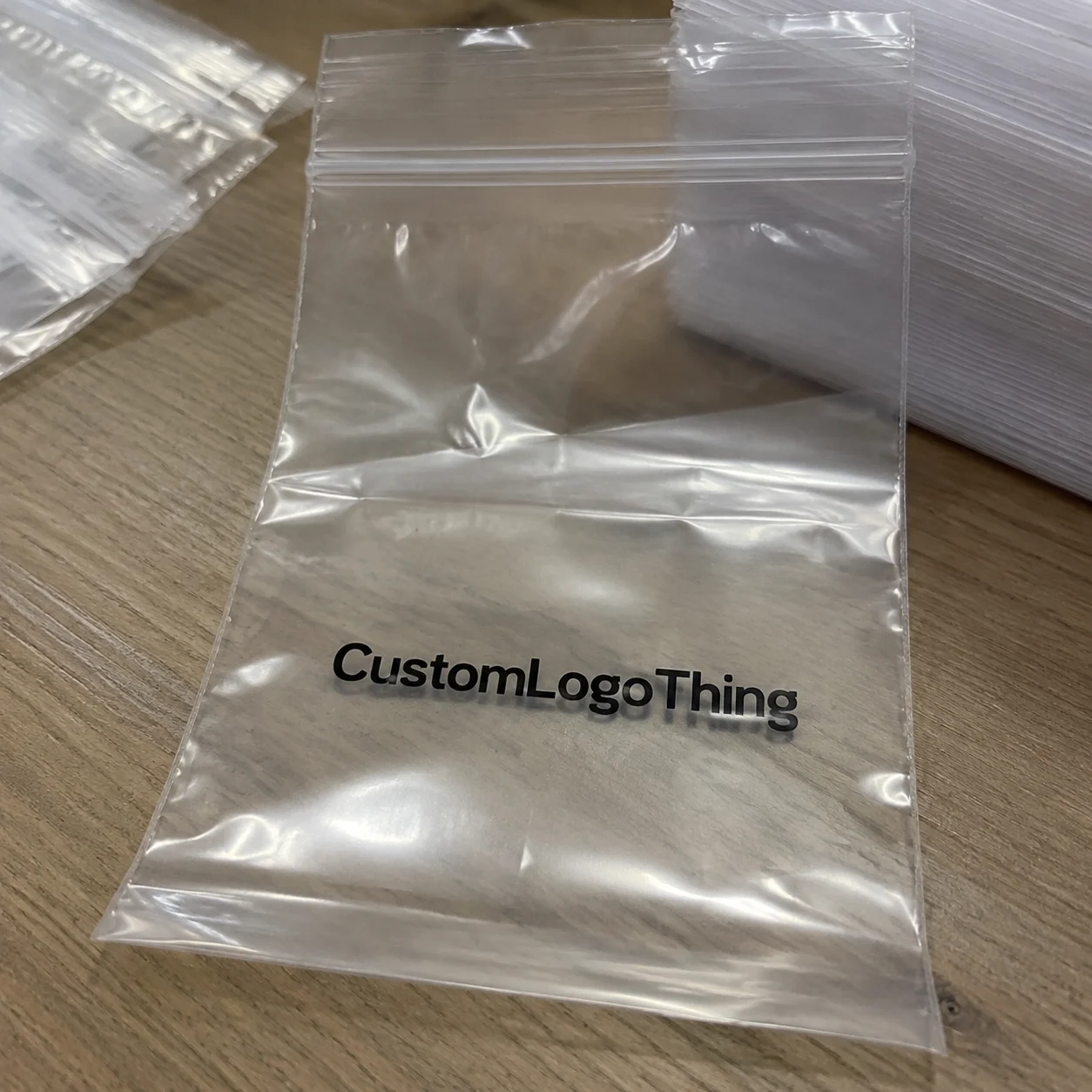
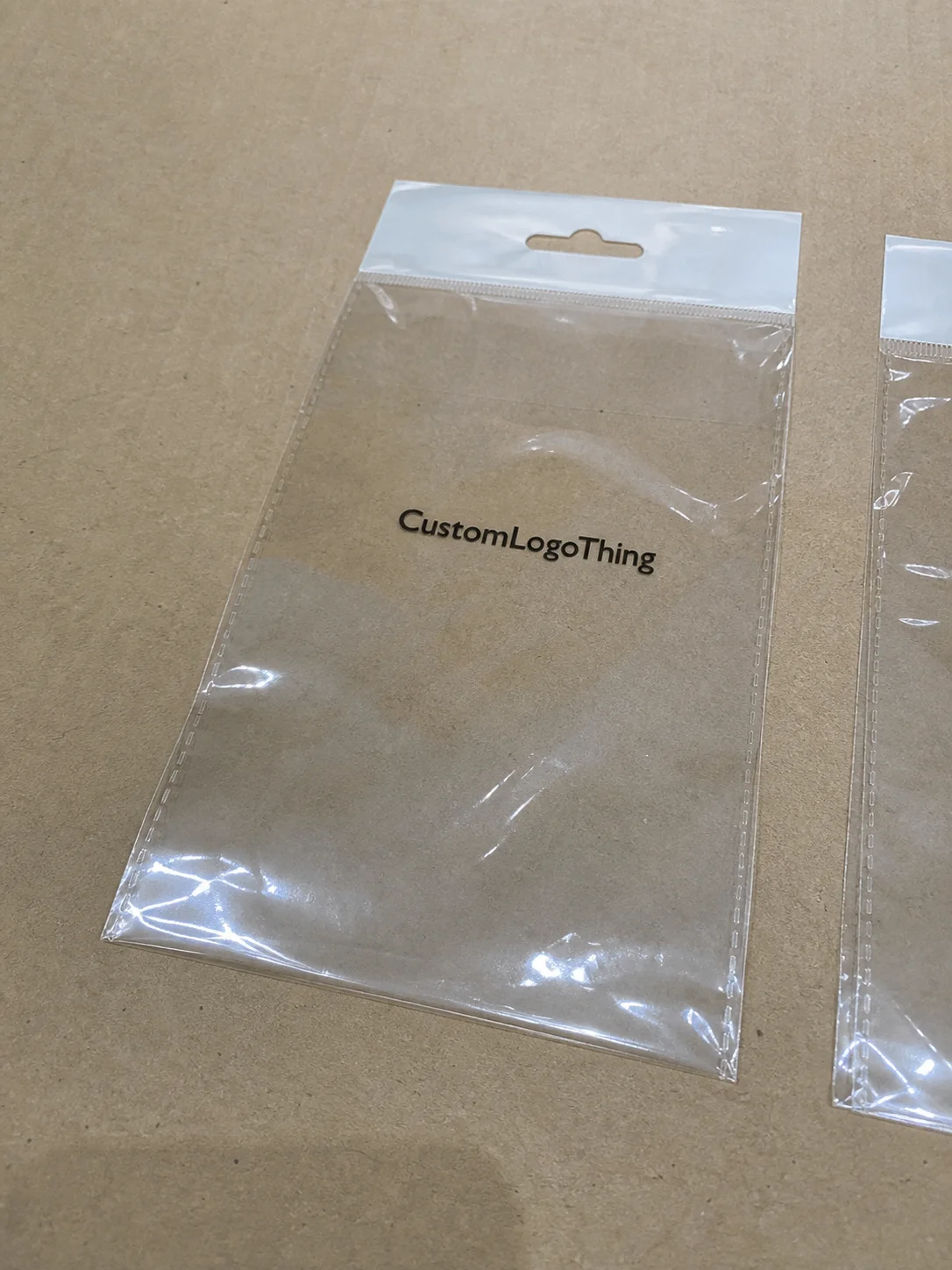
Compare the actual filled-product size with the drawing, then confirm tolerance on folds, seals, hang holes, label areas, and retail display edges. Reserve space for logos, QR codes, warning copy, and material claims before decorative graphics fill the panel.
Quote comparison points
Review material grade, print process, finish, sampling route, tooling charges, carton quantity, and freight assumptions side by side. A quote is only useful when the supplier can repeat the same color, closure quality, and packing count on the next order.
What Is a Branded Packaging Supplier and Why Does It Matter?
I still remember the first time I walked into a client's warehouse in Long Beach and saw their products sitting in plain brown boxes. Beautiful skincare formulations, genuinely impressive formulations, but the moment you picked up that box, you felt the disconnect. The brand screamed luxury on their website, but their product packaging told an entirely different story. That experience cemented something I've believed for over two decades: your branded packaging supplier isn't just a vendor. They're a partner in shaping how the world perceives your business.
A branded packaging supplier is a manufacturer or converter that produces Custom Packaging Materials bearing your company's logo, design specifications, and brand identity elements. Unlike generic packaging distributors who sell stock items, these suppliers work with you to create bespoke solutions that align with your brand guidelines, marketing objectives, and practical requirements.
The impact of this decision extends far beyond aesthetics. In my experience working with e-commerce startups and established CPG companies alike, I've seen exceptional retail packaging drive measurable improvements in customer retention. When someone's unboxing experience matches the anticipation built by your marketing, you create what I call a "brand coherence moment." That alignment between promise and delivery builds trust in ways that repeat purchases are made.
Honestly, I think most business owners underestimate this stuff until it bites them. (Speaking from experience here—I've made that mistake myself in my early years.) Consider this: research from packaging psychology studies consistently shows that consumers form first-impression judgments within 90 seconds, and up to 70% of those decisions are based on color alone. Your package branding choices literally shape whether someone feels confident handing over their credit card or second-guessing their purchase. A reliable branded packaging supplier helps you avoid that scenario entirely.
For businesses scaling their operations, finding the right supplier also means establishing供应链稳定性. I've watched companies lose momentum because their packaging supplier couldn't scale during holiday peaks or material shortages. Your supplier relationship directly affects your ability to deliver on time, maintain quality standards, and ultimately keep your customers satisfied.
How a Branded Packaging Supplier Works With You
When I started in this industry at a flexographic printing plant in Southern California, the workflow was straightforward but required attention at every stage. Understanding this process helps you set realistic expectations and communicate more effectively with potential suppliers.
The journey typically begins with an initial consultation where the supplier's team asks detailed questions about your product dimensions, shipping requirements, display needs, and brand guidelines. I've found the best suppliers treat this discovery phase like a detective investigation. At Custom Logo Things, for instance, we dive deep into questions like whether your products require specific shelf configurations or if you're shipping fragile items that need enhanced protective features. These details determine everything from board thickness to glue placement.
Following discovery, you move into design collaboration and artwork preparation. This is where your packaging design concepts transform into production-ready files. The supplier's prepress team reviews your artwork for proper bleed settings, color mode requirements (CMYK vs. Pantone), and resolution standards. I always advise clients to resist the temptation to rush this phase. I once had a client insist on skipping font embedding checks because they were anxious to hit a product launch deadline. We discovered the font licensing issue three days before production was scheduled to start. It cost them an emergency rush fee and a week of delays. (I still facepalm when I think about that one.)
After artwork approval comes sample development. This stage varies dramatically in rigor depending on the supplier. Some offer digital proofs via PDF; others build physical prototypes using sample-grade materials. In my opinion, for any custom printed boxes or structural packaging components, physical samples are non-negotiable. You need to see how your design translates onto actual substrates. Does the foil stamp catch light the way you envisioned? Does the soft-touch lamination feel premium or plasticky? These tactile qualities can't be communicated through digital files.
Production, quality control, and delivery complete the workflow. During manufacturing, reputable suppliers implement quality checks at each stage: color matching against your approved sample, structural integrity testing for boxes, and final inspection before palatalizing for shipment. I always ask potential suppliers about their defect rates. The answer tells you volumes about their operational discipline.
Key Factors to Evaluate in a Branded Packaging Supplier
Not all suppliers are created equal, and I've seen the consequences of poor selection decisions play out in warehouse loading docks across the country. Here's what I examine when evaluating a potential branded packaging supplier partnership.
Material Quality and Sustainability Options
Material specifications matter more than most buyers realize initially. When you're evaluating suppliers, ask for detailed material breakdowns including fiber sources, coating types, and recycling compatibility. I've toured facilities where recycled board content varied by 15% between batches because suppliers sourced from multiple paper mills with different specifications. For product packaging consistency, you need tight tolerances.
Sustainability credentials have become table stakes for many brands these days. Look beyond marketing claims about "eco-friendly" and ask specific questions. Does the supplier carry FSC certification from the Forest Stewardship Council? Can they provide third-party verified recycled content percentages? For one client in the natural foods space, we spent considerable time finding a supplier who could deliver compostable mailers meeting ASTM D6400 standards. The supplier didn't advertise this capability prominently, but they had it available for clients who asked the right questions. (Turns out the quiet ones often have the best hidden features.)
Production Capabilities and Minimum Order Quantities
Understanding what a supplier can actually produce versus what they broker from other facilities is crucial. Ask about their equipment: number of printing stations, maximum sheet size, finishing capabilities like embossing, debossing, foil stamping, and UV coating. I've encountered suppliers who described themselves as "full-service" but actually outsourced specialty finishing to a third party, adding 10-14 days to production timelines. Nothing like discovering your "premium" packaging spent a week at some random finishing house you never heard of.
Minimum order quantities (MOQs) significantly impact your business case. A supplier quoting $0.18 per unit for 50,000 mailers sounds competitive until you realize your actual need is 5,000 units for a product launch test. Some suppliers, like Custom Logo Things, offer flexible MOQ structures with volume pricing tiers that accommodate smaller initial orders. Others strictly enforce high minimums. Factor this into your evaluation early. (And please, please don't commit to 50,000 units just because the price looks good. I've seen this mistake destroy launch budgets.)
Communication Responsiveness and Project Management
In two decades of factory floor experience, I've concluded that communication quality often matters more than technical capability. I've seen beautifully printed packaging arrive weeks late because the supplier's project manager never mentioned a material shortage or equipment breakdown. The supplier had the technical expertise; they simply lacked adequate communication protocols.
Ask prospective suppliers about their project management structure. Will you have a dedicated account representative or a rotating contact? What's their typical response time for email inquiries? How do they handle rush requests or specification changes mid-production? I've found that suppliers who invest in project management software and provide clients with real-time order tracking portals consistently outperform those relying on personal diligence alone.
Certifications, Portfolio, and Client Testimonials
Request documented proof of relevant certifications: ISO 9001 for quality management systems, GMI certification for print color accuracy, ISTA certification for transit testing protocols. These aren't just bureaucratic credentials; they indicate systematic processes that reduce errors and ensure consistency.
Review the supplier's portfolio with a critical eye. Look for examples in your specific product category or similar industries. A supplier producing excellent cosmetics boxes might struggle with heavy-duty industrial packaging. Ask for client references and actually contact them. I always ask references: "Was there ever a quality issue? How was it resolved? Would you work with them again?" The answers reveal character that portfolios cannot.
| Evaluation Factor | Questions to Ask | Red Flags |
|---|---|---|
| Material Quality | What are exact specifications? Can you provide fiber analysis? | Vague material descriptions, no third-party testing |
| Sustainability | FSC certified? What recycled percentages can you verify? | Unverifiable "eco-friendly" claims without documentation |
| Production Range | What equipment is in-house? What do you outsource? | Heavy outsourcing with limited in-house capabilities |
| MOQ Flexibility | What are pricing tiers for lower volumes? | Rigid high minimums with no volume discount structure |
| Communication | Who manages accounts? What's response time guarantee? | Rotating contacts, no formal escalation process |
How to Choose a Branded Packaging Supplier: A Step-by-Step Approach
Choosing a branded packaging supplier requires methodical evaluation, not impulse decisions based on impressive trade show booths or aggressive pricing. I've guided dozens of companies through this process, and the results consistently improve when organizations follow a structured approach.
Step 1: Define Your Packaging Requirements and Budget
Before contacting anyone, document everything. What are your product dimensions and weight? What shipping conditions will your packaging face? Do you need unit-level packaging, case pack configurations, or both? What's your annual volume projection, and how does that break down across product lines or seasonal peaks?
Budget parameters matter equally. I advise clients to think in total landed cost terms, not just unit price. A supplier quoting $0.12 per unit sounds attractive until you factor in $2,400 in shipping for a cross-country delivery, plus potential damage claims from inadequate protective design. I've developed rough cost modeling templates that help clients see the full picture, and I recommend you request something similar from suppliers you're evaluating. (Honestly, most suppliers should have these ready to go. If they don't, that's already a red flag in my book.)
Step 2: Research and Create a Shortlist of Candidates
Start with industry directories, trade show attendance, and peer recommendations. The Packaging Machinery Manufacturers Institute (PMMI) maintains member directories that include converters and suppliers. Google searches yield results, but verify claims independently. I've found supplier directories like Thomasnet useful for initial discovery, though thorough vetting remains essential.
Create a shortlist of 4-6 suppliers who appear to match your requirements. Cast too narrow a net, and you risk accepting subpar terms due to limited options. Cast too wide, and evaluation becomes unwieldy.
Step 3: Evaluate Supplier Credentials and Experience
For each candidate, conduct detailed due diligence using the evaluation factors outlined in the previous section. Request capability presentations that include specific equipment models, facility locations, and case studies of similar projects. I always recommend visiting facilities when possible. You learn things walking a production floor that no sales deck can communicate. Plus, seeing the actual machinery and meeting the people who'll be handling your project makes a huge difference in building confidence.
Verify claims through documentation and reference calls. A supplier claiming "15 years of experience" should be able to document client relationships from that period. Ask specific questions about challenges they've navigated: material shortages, equipment breakdowns, specification changes mid-production. Their answers reveal operational resilience.
Step 4: Request and Review Physical Samples
I've never understood buyers who make purchasing decisions based solely on digital portfolios and pricing sheets. Packaging is a physical product, and your assessment must include physical evaluation. Request samples of completed projects, ideally in your target product category. Examine print registration, color consistency, structural integrity, and finishing quality.
For custom projects, commission prototype samples even if they carry a nominal cost. Yes, it extends your evaluation timeline by 1-2 weeks, but I've seen this step prevent expensive mistakes. One client avoided a $45,000 production run because the sample revealed that their logo's fine line work disappeared in the frosted window area. The digital proofs looked fine; the physical sample told a different story. (That $800 we spent on prototypes saved them from a nightmare scenario. Math works out pretty clearly when you think about it.)
Step 5: Negotiate Terms and Establish Clear Timelines
Once you've selected a preferred supplier, negotiate a comprehensive agreement that protects both parties. Beyond unit pricing, address payment terms, quality acceptance criteria, defect allowances, intellectual property protections, and termination provisions.
I always recommend establishing explicit timeline commitments in writing. Production schedules, proof approval windows, shipping dates, and delivery windows should all be documented with clear accountability. I've learned through experience that "good faith" agreements without specific parameters invite misunderstandings. Build in realistic buffer times for your first few orders while you calibrate the supplier's operational style with your requirements.
Understanding Branded Packaging Costs and Production Timelines
One of the most common sources of frustration I see in client relationships involves misaligned expectations around costs and timelines. Transparency upfront prevents unpleasant surprises later. Here's what drives pricing and scheduling in this industry.
Factors That Influence Pricing
Material selection forms the foundation of your cost structure. Virgin SBS (solid bleached sulfate) board costs significantly more than recycled clay-coated news (CCNB), but delivers superior print surface and structural rigidity. For branded packaging applications where visual presentation matters intensely, the material upgrade often pays for itself through reduced defects and improved shelf presence.
Print complexity drives both cost and complexity exponentially. A simple one-color logo print on a natural Kraft background costs considerably less than a four-color process photograph plus three spot colors plus a registered foil stamp. Each additional color requires another printing station setup, additional ink, and registration time. Complexity also affects waste rates; the more intricate your design, the higher the spoilage percentage during color matching.
Volume remains the most significant variable in unit economics. A basic rule of thumb I've used for years: doubling order volume typically reduces unit price by 12-18%, depending on the product category and current capacity utilization at the supplier. This is why understanding the supplier's volume pricing tiers matters so much. Sometimes splitting your order across multiple suppliers at lower volumes costs more overall than consolidating at higher minimums.
Typical Minimum Order Requirements and Cost Breaks
MOQ structures vary widely across suppliers and product categories. Standard corrugated shippers commonly have MOQs of 500-1,000 units. Folding Carton Packaging for cosmetics or pharmaceuticals often requires 2,500-5,000 units due to setup costs. Specialty items with custom tooling or unusual dimensions might require 10,000+ unit commitments.
However, flexibility exists if you ask. Some suppliers offer "made to order" programs for premium pricing that accommodate 250-500 unit runs. Custom Logo Things maintains this capability for clients conducting product launches or testing new markets. The trade-off is higher per-unit cost, typically 40-60% premium over standard production pricing. For validation purposes, that premium often proves worthwhile.
| Order Volume | Typical Unit Cost Range | Setup Considerations |
|---|---|---|
| 250-500 units | $1.50 - $3.50 | Minimal setup, premium pricing, longer lead times |
| 1,000-2,500 units | $0.85 - $1.75 | Standard setup, moderate pricing |
| 5,000-10,000 units | $0.45 - $0.95 | Efficient production runs, best value pricing |
| 25,000+ units | $0.22 - $0.55 | Dedicated production blocks, maximum efficiency |
Standard Production Timelines and Rush Options
Standard production for custom retail packaging typically ranges from 15-30 business days from approved artwork, depending on complexity and the supplier's current workload. Folding cartons with standard finishes might require 18-22 days. Rigid setup boxes with specialty finishing could stretch to 28-35 days.
Rush production services exist but carry significant premiums. I've seen rush fees ranging from 25% for 7-10 day expediting to 75% for same-week production. Beyond cost, rush options depend heavily on the supplier's current capacity and scheduling flexibility. A facility running near full capacity may not offer rush options regardless of your willingness to pay. (And let me tell you, discovering you can't pay your way out of a deadline crisis is not a fun moment.)
Shipping, Duties, and Buffer Time Considerations
Domestic shipping via ground freight typically costs $0.08-0.15 per pound depending on distance and fuel surcharges. Ocean freight from Asian manufacturing facilities may show lower per-unit costs but accumulate significant expenses: container shipping rates vary from $2,000-8,000 per 40-foot container, plus customs duties, drayage, and inland transportation.
For international sourcing decisions, I strongly recommend calculating total landed cost including all logistics, duties (typically 6-8% for packaging materials under HTS codes), quality control visits, and the opportunity cost of extended lead times. I've seen clients chase apparent savings of 30% on unit pricing only to discover their actual landed cost advantage was 8% when accounting for all factors. The discrepancy always surprises people, but it shouldn't—there's no free lunch in supply chain management.
Always build buffer time into your planning. Industry practice suggests adding 15-20% buffer beyond quoted production timelines to account for material delays, equipment downtime, weather disruptions, and carrier capacity constraints. For time-sensitive launches, I've advised clients to identify backup domestic suppliers even when primary sourcing involves lower-cost international options.
Common Mistakes When Working With Branded Packaging Suppliers
Through years of consulting and factory floor experience, I've catalogued the mistakes that most commonly derail packaging projects. Avoiding these pitfalls won't guarantee success, but it significantly improves your probability of a smooth engagement.
Prioritizing Price Over Quality and Consistency
The lowest bid rarely represents the best value. I've watched clients chase savings of $0.03 per unit only to receive shipments with color inconsistencies that damaged their brand reputation. A supplier quoting significantly below market rates is either cutting corners on materials, inflating volumes in their calculations, or operating with such thin margins that service quality suffers. When something goes wrong on a low-margin job, you often lack leverage to demand corrective action.
Skipping the Sample Approval Stage
Rushing from digital proof to production because of timeline pressure is one of the most costly mistakes I observe. Digital proofs serve as preliminary guidance, not final approval documents. Color matching between screen display and printed output varies significantly. Structural prototypes reveal handling characteristics that CAD drawings cannot communicate. The sample approval stage exists to catch problems before they multiply across thousands of units.
Unclear Specifications Leading to Misaligned Expectations
Vague briefs produce vague results. When I receive an inquiry asking for "nice packaging for our soap products," I know we're headed for trouble. Packaging design requires specificity: exact dimensions, target weight limits, stacking requirements, display context (retail shelf versus e-commerce shipping), environmental conditions, and compliance requirements.
Develop detailed specification sheets that leave no room for interpretation. Specify Pantone color codes rather than verbal descriptions like "forest green." Define material weights with decimal precision. Document special requirements like FDA compliance for food contact or child-resistant features for certain products. (I've seen "FDA approved" mean three different things to three different people on the same project team. Don't be that company.)
Underestimating Lead Times and Communication Gaps
The packaging industry operates on lead times that surprise newcomers. From design finalization through production scheduling, material procurement, printing, finishing, and shipping, the cumulative timeline can easily extend to 8-12 weeks for complex custom projects. Brands expecting 2-3 week turnaround often find themselves in crisis mode.
Communication gaps compound these challenges. When clients assume silence means progress, missed deadlines become crises. Establish clear communication protocols: regular status updates, immediate escalation for issues, and explicit checkpoints where both parties must confirm understanding.
Expert Tips for a Successful Branded Packaging Partnership
Beyond avoiding common mistakes, what practices distinguish excellent packaging partnerships from adequate ones? Here are insights I've gathered through decades of navigating supplier relationships.
Build Relationships Beyond Transactional Contacts
The suppliers who've saved my projects repeatedly are those where I knew the account manager by first name and understood their production team's challenges. When you're more than an account number, you access better service during capacity constraints, faster response to urgent requests, and more candid communication when issues arise.
Invest time in relationship building: occasional check-in calls outside active projects, appreciation gestures during holidays, and genuine interest in their business challenges. I've found that suppliers who feel genuinely valued reciprocate with proactive problem-solving rather than reactive damage control.
Document Everything in Writing, Including Revision Processes
Email confirmations for verbal discussions prevent future disputes. When a supplier's representative promises something during a phone call, follow up with a summary email: "Per our conversation today, you confirmed that rush production would be available for next week's order at the quoted 25% premium. Please reply confirming this understanding."
Establish written protocols for revision requests: what triggers a formal change order, how revisions affect pricing and timelines, and who has authorization to approve modifications. I've seen projects spiral when scope creep occurred through informal email requests that different team members interpreted differently. (And trust me, arguing about what "understood" means after the fact is nobody's idea of a good time.)
Plan Ahead for Seasonal Peaks and Product Launches
The weeks before major retail holidays (Q4 in particular) create supply chain strain across the industry. Supplier capacity fills early, material costs increase, and lead times extend. If your product launches or promotional periods fall during these windows, initiate planning 4-6 months earlier than your standard timeline.
Consider establishing blanket orders with call-off schedules for predictable volume patterns. This commitment gives suppliers scheduling certainty and often secures more favorable pricing while ensuring you don't face availability crises when you need inventory most.
Invest in Prototyping to Catch Issues Before Full Production
Prototyping costs feel like an unnecessary expense until you compare them against production errors. For significant packaging redesigns or new product introductions, I always recommend 3D modeling and physical prototyping even if it adds 2-3 weeks to your timeline and $500-2,000 to your budget.
Digital rendering technology has improved dramatically, but nothing replaces physical testing. How does your packaging perform when dropped from various angles? Does the closure mechanism survive repeated opening and closing? Does the graphics panel align properly with the structural design? Prototypes answer these questions definitively.
Your Next Steps: Finding and Engaging the Right Branded Packaging Supplier
This branded packaging supplier guide has covered considerable ground, but the real work begins with implementation. Here's how to translate this guidance into action.
Start by listing your top three non-negotiable requirements. Is it domestic production for faster lead times? FSC-certified materials for sustainability commitments? Low 500-unit MOQs for market testing? Whatever your priorities, documenting them clearly focuses your evaluation and prevents decision paralysis from overwhelming options.
Request samples from at least three suppliers before deciding. Direct comparison reveals differences that portfolios and price sheets cannot communicate. Evaluate not just the samples themselves but the supplier's responsiveness, professionalism, and willingness to invest in your evaluation process.
Use the supplier evaluation checklist from this guide. Score each candidate systematically across your identified priorities. The visual clarity of a documented comparison often reveals which option aligns best with your strategic needs.
Initiate conversations early to align on realistic timelines. Whether you're ready to place orders or still in exploration mode, reaching out now builds relationships that prove valuable when urgent needs arise. Suppliers remember clients who engaged them during calm periods versus those who called only during crises.
If you're exploring packaging options for your business, Custom Packaging Products offers a starting point for understanding what's possible. We've helped companies across industries transform their packaging from functional afterthoughts into brand-building assets.
The right branded packaging supplier partnership takes time to develop but delivers compounding returns. Consistent quality builds customer confidence. Reliable supply chains enable business growth. Collaborative design relationships produce packaging that genuinely represents your brand's promise. I've seen these partnerships transform how businesses present themselves to the world, and I encourage you to pursue that potential with the same seriousness you'd apply to any strategic business decision.
Frequently Asked Questions
What exactly does a branded packaging supplier do?
A branded packaging supplier manufactures and delivers Custom Packaging Materials featuring your brand's design, logo, and specifications. They handle everything from material sourcing and printing to finishing and quality inspection before shipment. Beyond simple manufacturing, the best suppliers collaborate on design optimization, material selection, and structural engineering to maximize both protection and brand presentation.
How long does it typically take to receive branded packaging?
Standard production typically ranges from 3 to 6 weeks depending on complexity and supplier workload. Folding cartons with standard printing may require 15-20 business days, while rigid boxes with specialty finishes can extend to 28-35 days. Rush orders may be available for a premium, but building in buffer time is always recommended. International sourcing adds 4-8 weeks for ocean transit and customs clearance.
What are typical minimum order quantities for custom branded packaging?
MOQs vary widely by supplier and product type, ranging from 250 units for simpler items like mailers or poly bags to 1,000+ for premium rigid boxes or specialty materials. Folding cartons typically require 2,500-5,000 unit minimums due to setup costs. Some suppliers offer lower quantities at higher unit costs for businesses testing new packaging designs, which I recommend for market validation before major commitments.
How much should I budget for branded packaging from a supplier?
Pricing depends on material choice, print complexity, order volume, and finishing options like embossing or foil stamping. As general benchmarks, standard folding cartons might range from $0.35-0.85 per unit at moderate volumes, while rigid setup boxes with premium finishes could cost $1.50-4.00 per unit. Request itemized quotes from multiple suppliers to compare costs accurately, and always clarify whether pricing includes artwork preparation, sample development, and shipping.
What makes a good branded packaging supplier stand out?
Consistent quality across orders, proactive communication, and flexibility when issues arise distinguishes excellent suppliers. They should offer sample approvals, clear documentation practices, and reasonable lead times. Look for suppliers who ask detailed questions about your products and usage context rather than simply accepting orders. The International Safe Transit Association (ISTA) provides certification standards that indicate suppliers serious about package performance testing.
How do sustainability certifications affect supplier selection?
Certifications like FSC (Forest Stewardship Council) certification from the FSC website indicate verified sustainable sourcing practices. If environmental compliance matters to your brand, verify specific certifications rather than accepting vague claims about eco-friendliness. Document your sustainability requirements explicitly in specifications to ensure alignment throughout production.