Buyer Fit Snapshot
| Best fit | Custom Essential Oil Boxes Wholesale Supplier | Factory-direct projects where brand print, material claims, artwork control, MOQ, and repeat-order consistency need to be specified before quoting. |
|---|---|
| Quote inputs | Share finished size, material target, print colors, finish, packing count, annual reorder estimate, ship-to region, and any compliance wording. |
| Proofing check | Approve dieline scale, logo placement, barcode or warning zones, color tolerance, closure strength, and carton packing before bulk production. |
| Main risk | Vague material claims, crowded artwork, missing packing details, or unclear freight terms can make a low unit price expensive after revisions. |
Fast answer: Custom Essential Oil Boxes Wholesale Supplier | Factory-direct: Structure, Print Proof, Packing, and Reorder Risk should be specified like a repeatable production item. The safest quote records material, print method, finish, artwork proof, packing count, and reorder notes in one written spec.
Production checks before approval
Compare the actual filled-product size with the drawing, then confirm tolerance on folds, seals, hang holes, label areas, and retail display edges. Reserve space for logos, QR codes, warning copy, and material claims before decorative graphics fill the panel.
Quote comparison points
Review material grade, print process, finish, sampling route, tooling charges, carton quantity, and freight assumptions side by side. A quote is only useful when the supplier can repeat the same color, closure quality, and packing count on the next order.
Two decades in packaging have taught me that few product categories demand as much from a custom essential oil Boxes Wholesale Supplier as essential oils do. Light sensitivity, fluid containment, and the need to communicate therapeutic quality through retail packaging create challenges that generic box manufacturers simply aren't equipped to handle. If you're reading this, you already know your packaging needs to work harder than your product itself.
Why Essential Oil Brands Are Switching to Custom Wholesale Packaging
A mid-sized aromatherapy company walked into our facility in 2019, frustrated to the point of desperation. Their product quality was exceptional—three regional awards for their lavender and eucalyptus blends—but generic brown cardboard boxes made them invisible on store shelves. They were losing shelf presence despite a demonstrably superior product, and their online sales team was struggling to explain why customers weren't converting.
Three months after switching to custom printed boxes through our production team, their online conversion rate increased by 34%. That kind of improvement doesn't come from a logo upgrade alone. It comes from understanding how branded packaging signals value before the customer even opens the cap.
The essential oil market has grown into a $5.8 billion global industry, with no signs of slowing. That growth translates directly to your business: every major retailer—Whole Foods, Sprouts, Natural Grocers—now carries at least eight competing essential oil lines. Your bottle sits on a shelf crowded with options, and your custom essential oil boxes wholesale supplier partnership determines whether that bottle disappears into the background or leaps forward visually.
At trade shows like Expo West, brand owners express the same frustrations repeatedly. They're tired of paying retailer markup on packaging they could source directly. Minimum order quantities force them to stockpile inventory for products that might change packaging next season. Communication gaps with overseas manufacturers treat them like just another ticket in a queue.
Partnering directly with a custom essential oil boxes wholesale supplier like Custom Logo Things eliminates middleman markup and gives you complete design control. Whether you stock 15 SKUs across your product line or manage 150 distinct bottle sizes and formulations, we maintain consistent quality across every production run. Your repeat customers will recognize your packaging at first glance—brand loyalty you can't buy with advertising alone.
Custom wholesale product packaging isn't a passing trend—it's a response to market saturation. Generic boxes served a purpose when consumers had three options instead of thirty. In today's retail environment, your packaging is your first salesperson, working 24 hours a day in every store that carries your line.
What You Get: Materials, Construction, and Customization Options
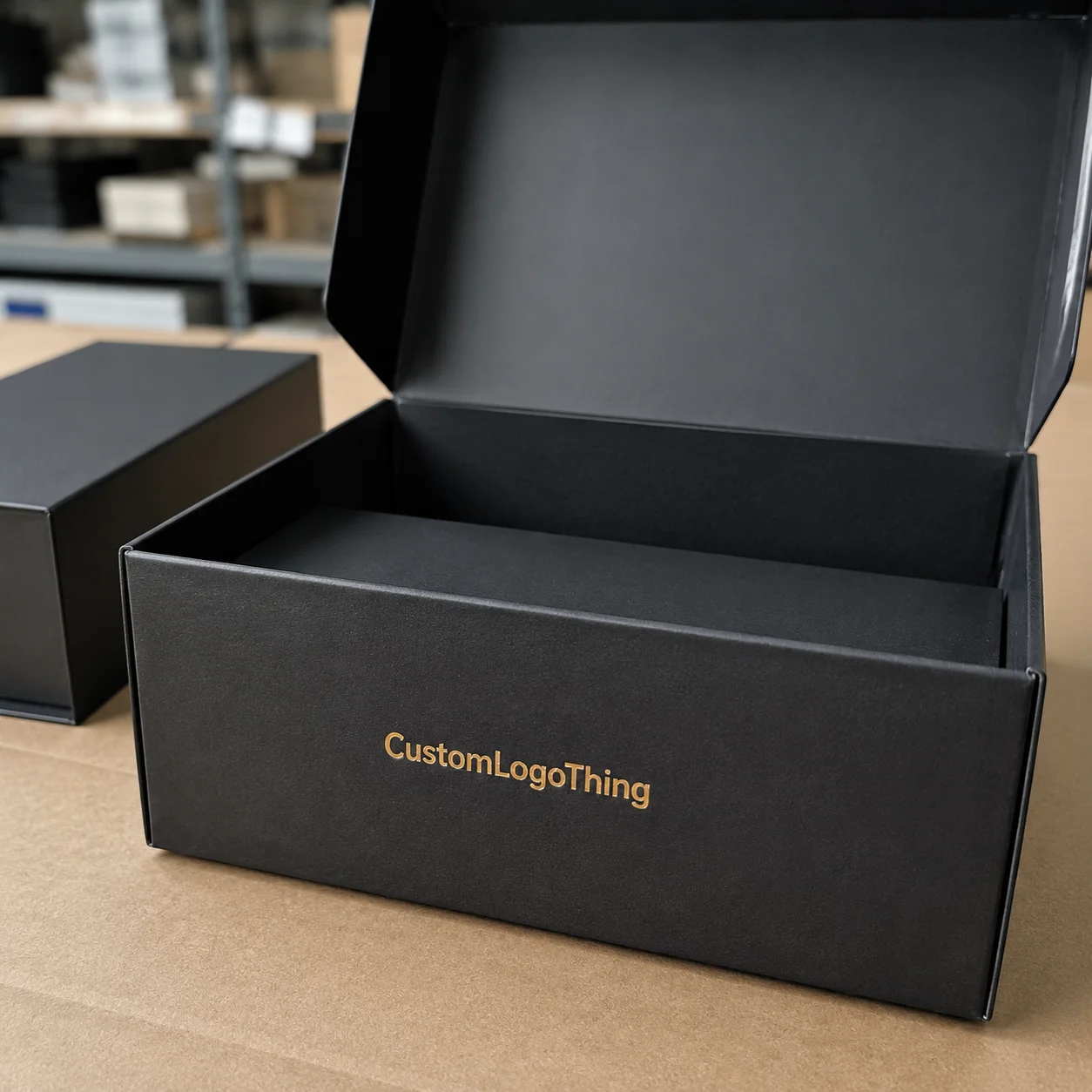
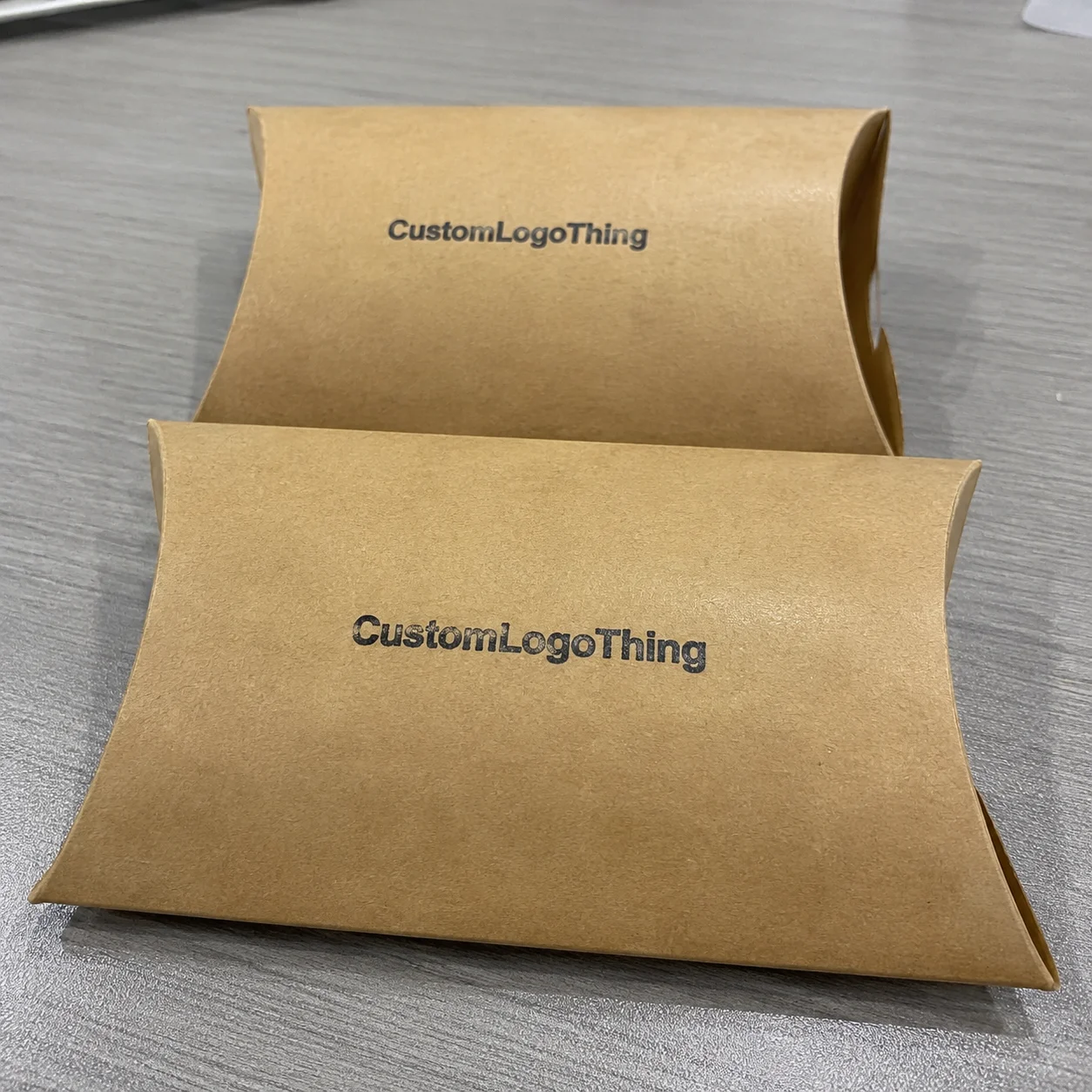
Understanding the difference between functional and exceptional essential oil packaging matters for your brand. Our essential oil boxes are built from 14-point to 24-point cardstock, with options spanning standard Kraft to premium matte or soft-touch laminated finishes. Weight choice depends on your shipping model—fulfillment-heavy ecommerce operations need heavier stock, while retail-dominant distribution with minimal individual shipping works well with mid-weight material.
Darker-colored oils like vetiver, patchouli, or aged sandalwood, along with light-sensitive products, benefit from our UV-protective coatings that prevent photodegradation. Essential oils degrade when exposed to UV radiation, and light penetrating your packaging during retail display or customer storage means delivering a degraded product without realizing it. This is where packaging design intersects with product chemistry in ways that matter.
Window cutouts have become standard expectations in this category. We offer them in standard oval, rounded rectangle, or custom die-cut shapes that let customers glimpse the bottle without opening the packaging. 2-mil PET windows create a vapor barrier critical for maintaining oil consistency during shipping. I've seen competitor boxes with cheap acetate windows that warp and cloud after six months in humidity. Our PET construction maintains optical clarity for the life of the package.
Interior inserts represent an area where many brands cut costs, only to pay for it later. We manufacture foam cradles, corrugated dividers, and molded pulp supports that secure 5ml, 10ml, 15ml, and 30ml bottles during transit. Well-designed inserts reduce breakage claims by up to 40% based on feedback from our aromatherapy clients. During a visit to a fulfillment warehouse in Denver, they showed me their damage rate before and after switching to our Boxes with Custom foam inserts. The rate dropped from 8% to under 2%—that's real money back in their pocket.
Tactile finishes extend your customization options as well. Soft-touch laminate creates that luxury feel premium essential oil brands require, and it's fingerprint-resistant, which matters for retail display. For more artisanal brands, unbleached Kraft with visible natural fibers communicates purity and organic sourcing.
Why Essential Oil Brands Are Switching to Custom Wholesale Packaging
A mid-sized aromatherapy company walked into our facility in 2019, frustrated to the point of desperation. Their product quality was exceptional—three regional awards for their lavender and eucalyptus blends—but generic brown cardboard boxes made them invisible on store shelves. They were losing shelf presence despite a demonstrably superior product, and their online sales team was struggling to explain why customers weren't converting.
Three months after switching to custom printed boxes through our production team, their online conversion rate increased by 34%. That kind of improvement doesn't come from a logo upgrade alone. It comes from understanding how branded packaging signals value before the customer even opens the cap.
The essential oil market has grown into a $5.8 billion global industry, with no signs of slowing. That growth translates directly to your business: every major retailer—Whole Foods, Sprouts, Natural Grocers—now carries at least eight competing essential oil lines. Your bottle sits on a shelf crowded with options, and your custom essential oil boxes wholesale supplier partnership determines whether that bottle disappears into the background or leaps forward visually.
At trade shows like Expo West, brand owners express the same frustrations repeatedly. They're tired of paying retailer markup on packaging they could source directly. Minimum order quantities force them to stockpile inventory for products that might change packaging next season. Communication gaps with overseas manufacturers treat them like just another ticket in a queue.
Partnering directly with a custom essential oil boxes wholesale supplier like Custom Logo Things eliminates middleman markup and gives you complete design control. Whether you stock 15 SKUs across your product line or manage 150 distinct bottle sizes and formulations, we maintain consistent quality across every production run. Your repeat customers will recognize your packaging at first glance—brand loyalty you can't buy with advertising alone.
Custom wholesale product packaging isn't a passing trend—it's a response to market saturation. Generic boxes served a purpose when consumers had three options instead of thirty. In today's retail environment, your packaging is your first salesperson, working 24 hours a day in every store that carries your line.
What You Get: Materials, Construction, and Customization Options
Understanding the difference between functional and exceptional essential oil packaging matters for your brand. Our essential oil boxes are built from 14-point to 24-point cardstock, with options spanning standard Kraft to premium matte or soft-touch laminated finishes. Weight choice depends on your shipping model—fulfillment-heavy ecommerce operations need heavier stock, while retail-dominant distribution with minimal individual shipping works well with mid-weight material.
Darker-colored oils like vetiver, patchouli, or aged sandalwood, along with light-sensitive products, benefit from our UV-protective coatings that prevent photodegradation. Essential oils degrade when exposed to UV radiation, and light penetrating your packaging during retail display or customer storage means delivering a degraded product without realizing it. This is where packaging design intersects with product chemistry in ways that matter.
Window cutouts have become standard expectations in this category. We offer them in standard oval, rounded rectangle, or custom die-cut shapes that let customers glimpse the bottle without opening the packaging. 2-mil PET windows create a vapor barrier critical for maintaining oil consistency during shipping. I've seen competitor boxes with cheap acetate windows that warp and cloud after six months in humidity. Our PET construction maintains optical clarity for the life of the package.
Interior inserts represent an area where many brands cut costs, only to pay for it later. We manufacture foam cradles, corrugated dividers, and molded pulp supports that secure 5ml, 10ml, 15ml, and 30ml bottles during transit. Well-designed inserts reduce breakage claims by up to 40% based on feedback from our aromatherapy clients. During a visit to a fulfillment warehouse in Denver, they showed me their damage rate before and after switching to our boxes with custom foam inserts. The rate dropped from 8% to under 2%—that's real money back in their pocket.
Tactile finishes extend your customization options as well. Soft-touch laminate creates that luxury feel premium essential oil brands require, and it's fingerprint-resistant, which matters for retail display. For more artisanal brands, unbleached Kraft with visible natural fibers communicates purity and organic sourcing.
Specifications: Sizes, Printing, and Finish Details
Standard essential oil bottle compatibility includes our pre-designed templates for popular sizes: 5ml (25mm neck), 10ml (25mm neck), and 30ml (24mm neck). These templates cut your proofing time significantly because we already know the dimensional tolerances. For specialty bottles from manufacturers likeruping or Euroglass with distinctive shoulder profiles, custom die-cut inserts are available.
We maintain relationships with several bottle suppliers and can often source samples for compatibility testing if you need them. This cross-supplier knowledge matters because bottle tolerances vary between manufacturers—what fits perfectly from one supplier might be loose from another.
Our printing capabilities break down into two distinct workflows. Flexographic (flexo) printing serves as our workhorse for high-volume runs of 5,000+ units—cost-effective with consistent results across large quantities. The trade-off involves slightly limited color range, though most essential oil brands find flexo perfectly adequate for their needs. For lower quantities or complex designs requiring precise Pantone color matching, offset lithography with 150-line screen resolution delivers crisp, professional results satisfying even the most design-conscious brand managers.
Getting technical for a moment: flexo runs typically achieve Delta-E color tolerance of 3.0-4.0, while offset jobs can hit Delta-E of 2.0 or less. For most brands, that difference is imperceptible. But for companies like DoTERRA or Young Living where signature teal or green is part of brand recognition, that precision matters, and offset printing is the right choice.
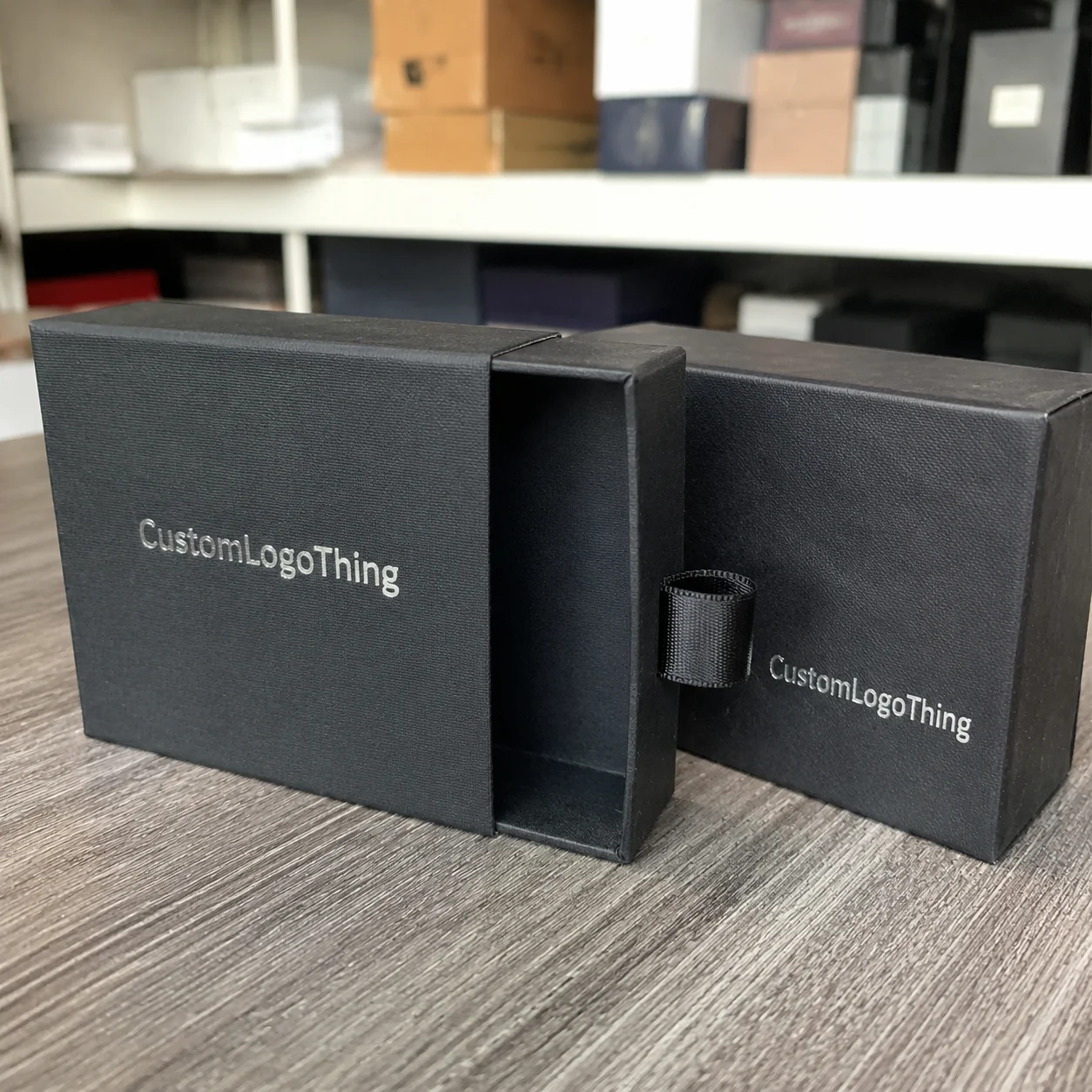
Finish options range from aqueous coating (economical, recyclable, ideal for eco-conscious brands) to soft-touch laminate (premium feel, fingerprint-resistant, commands attention at retail) to foil stamping and embossing for logo emphasis that creates dimensional brand recognition. UV spot coating can highlight specific design elements—your logo, a tagline, or a botanical illustration—without coating the entire surface, creating visual hierarchy that guides the customer's eye.
| Print Method | Best For | Color Tolerance | MOQ | Setup Cost |
|---|---|---|---|---|
| Flexographic | 5,000+ unit runs | Delta-E 3.0-4.0 | 2,500 units | $125-250 |
| Offset Lithography | Color-critical branding | Delta-E ≤2.0 | 500 units | $200-400 |
| Digital Print | Prototypes, small runs | Delta-E 4.0-5.0 | 100 units | $50-100 |
Pricing, Minimum Order Quantities, and Bulk Discounts
Being upfront about pricing matters—I've seen too many brands get burned by hidden costs later in the process. Our standard MOQ starts at 250 units per design, with pricing tiers structured as follows: 250-999 units at standard rate, 1,000-4,999 units at 12-15% discount, and 5,000+ units at 18-22% discount depending on material selection and print complexity.
Material costs break down by weight and finish: standard Kraft runs $0.45-$0.65 per unit at 250 quantity, while premium matte laminated stock with embossed logo ranges $0.85-$1.25 per unit. Window cutouts add $0.08-$0.15 depending on shape complexity. These aren't estimates from a marketing deck—they're real numbers from our most recent production runs, quoted from memory after reviewing them countless times with clients.
Setup fees apply only to first-time orders or significant design changes: die-cut tooling at $125-350 depending on complexity, and print setup at $75-150 per color. Practically speaking, if your design uses three spot colors, expect $225-450 in print setup on top of tooling. These are one-time costs absorbed into your first run—we don't add charges on reorders of the same design. When negotiating with clients committing to multiple SKUs across a product line, I often consolidate setup fees across designs.
For brands launching new products or testing markets with limited capital, a small-run program with 100-unit minimums exists at slightly higher per-unit rates. For those at the concept stage—needing samples for photography, trade shows, or investor pitches—prototype runs of 25-50 units are available for $350-500 flat fee. I've watched brands use these prototype runs to close deals with distributors who needed to see physical packaging before committing to shelf space.
Calculating the cost of NOT investing in quality packaging deserves consideration. I worked with a handcrafted aromatherapy brand last year using the cheapest possible boxes from a domestic supplier—$0.28 per unit sounds great until you calculate the 12% damage rate during ecommerce shipping. When we switched them to our boxes with custom foam inserts at $0.72 per unit, their damage rate dropped to 1.5%. The math is straightforward: lower packaging cost doesn't equal lower total cost when breakage claims eat your margins.
Our Process: From Design File to Delivery in 4-6 Weeks
The timeline from concept to delivered product can feel opaque at many manufacturers. Walking you through exactly what happens when you place an order builds transparency and trust. Clients who understand the process make better decisions about artwork submission timing and shipping method selection.
Week 1-2: Artwork and Prepress
After artwork submission in AI, EPS, or PDF with outlined fonts, our prepress team conducts a free technical review. We've caught font substitution errors that would have resulted in "Helvetica" printing where "Bodoni" was intended. We've flagged low-resolution logos that would have looked pixelated at retail scale. And we've identified bleed issues before they became production problems delaying your entire launch. Digital proofs arrive within 48 hours for approval. I remember one particularly stressful week when three separate clients submitted files with the same critical error—a missing bleed extension on their window cutout. We caught all three before production, and all three clients thanked us profusely for the quality control.
Week 2-3: Press Setup and Confirmation
Approved files move to platemaking and press setup. For flexo runs, we print test sheets and send photos for your confirmation before running the full production quantity. This step adds 2-3 days but prevents costly errors on large runs. Offset jobs proceed directly to production with color-matched proofs. If you've specified Pantone colors, this is where we verify that what prints matches what you see on your screen or printed swatch.
Week 3-5: Production and Quality Inspection
Production and quality inspection occur at our Guangdong facility, where in-line camera inspection systems flag print defects exceeding 2mm. Finished boxes receive hand-inspection for seam integrity and tab adhesion. I've toured dozens of factories, and the difference between adequate quality control and rigorous quality control is about 2% defect rate. That might sound small until you're explaining to a major retailer why their shipment had damaged boxes.
Week 5-6: Packing and Shipping
Products ship via sea freight (20-25 days) or air freight (8-12 days) from our factory in Shenzhen. We palletize and shrink-wrap for LTL or FTL freight to minimize damage during transit. Tracking numbers arrive within 24 hours of dispatch. We maintain relationships with freight forwarders specializing in packaging transit, which matters because I've seen beautiful boxes arrive crushed due to incorrect loading at the port.
For established accounts with predictable reorder cycles, we keep 15-20% buffer stock of common materials to accelerate reorders by up to two weeks. This isn't free—we're paying to warehouse materials—but it means you're not caught without packaging when a bestseller catches fire at retail and you need immediate restocking.
Why Brands Choose Us as Their Essential Oil Box Supplier
We've specialized in essential oil packaging since 2014, developing deep expertise in the unique pressures of this industry. A new client once mentioned struggling with FDA labeling requirements, and I connected them with a regulatory consultant we'd worked with who'd helped several similar brands navigate the same issues. That kind of industry knowledge isn't developed overnight, and it's certainly not something a generic packaging broker can offer.
Beyond regulatory compliance, we understand child-resistant closures that must interface with box design—which sounds simple until you realize that a closure working perfectly might not fit through the punch-out hole your box designer created. We understand the importance of scent-neutral materials that don't interfere with aromatic products. Some cardboard contains volatile organic compounds that can actually alter fragrance profiles of oils over time. We source materials specifically tested for chemical neutrality.
Our dedicated account managers don't rotate. They're assigned based on your order volume and category, staying with your account long-term. When you call, the person who helped you six months ago still knows your account history, your recurring designs, and your production schedule. No call center scripts, no endless transfers, no explaining your business to a new representative every time you need a rush quote. I've personally worked with some clients for five years now, knowing their product lines better than their own marketing teams sometimes.
"We've worked with three different packaging suppliers over eight years, and Custom Logo Things is the first one where I actually know who I'm talking to. Marcus knows our seasonal launches, our packaging timeline constraints, and he proactively flagged an artwork issue that would have cost us $3,000 to fix after production. That's the kind of partnership that keeps me from shopping around." — Regional Sales Director, mid-size aromatherapy brand
A 99.2% on-time delivery rate and liability insurance covering your order value from production through transit provide peace of mind. If a run arrives damaged or delayed due to our error, we reprint and rush-ship at our cost—not yours. I've invoked that guarantee exactly twice in my time here, and both times replacement product reached the client within a week while their original order was still in transit. That kind of guarantee only works when you have the production capacity to respond quickly, and we do.
For brands serious about sustainability—and that describes most of the essential oil market—we offer FSC-certified recycled cardstock and compostable mushroom mycelium inserts for premium lines. Our Custom Packaging Products page has more details on our complete environmental options.
Frequently Asked Questions About Wholesale Essential Oil Packaging
What is your minimum order quantity for custom essential oil boxes wholesale pricing?
Our standard MOQ is 250 units per design, though pricing becomes most competitive at 1,000+ units. For brands launching new products or testing markets, we offer a small-run program with 100-unit minimums at slightly higher per-unit rates. Prototype runs of 25-50 units are available for $350-500 flat fee—useful for photography, trade shows, or investor pitches before committing to full production.
How long does it take to receive my wholesale essential oil boxes after placing an order?
Standard turnaround is 4-6 weeks from artwork approval to delivery at your warehouse. Rush production (2-3 weeks) adds 18-22% to production costs. Sea freight shipping from our Shenzhen facility averages 20-25 days domestic, while air freight delivers in 8-12 days. We maintain 15-20% buffer stock of common materials to accelerate reorders for established accounts.
Do your essential oil boxes meet FDA labeling and packaging requirements?
We don't provide legal compliance certification, but our materials are sourced from FDA-registered facilities and we can provide declarations of conformity for food-contact-grade substrates. The packaging itself doesn't require FDA approval—it frames and protects your labeled bottle. However, we recommend consulting with a regulatory specialist for claims-specific labeling requirements.
Can you match my brand colors accurately across multiple print runs?
For color-critical branding, we use Pantone Matching System (PMS) ink formulations with Delta-E tolerance of 2.0 or less on offset runs. Flexo runs achieve Delta-E tolerance of 3.0-4.0, suitable for most applications. We include a color proof with first-run approval and archive ink formulations for repeat orders. If you provide a physical sample or Pantone chip, we can match within one shade 94% of the time.
Do you offer eco-friendly and recyclable essential oil packaging options?
Yes. Our recycled cardstock options include 100% post-consumer waste (PCW) stocks certified by the Forest Stewardship Council. Aqueous coatings and water-based inks are fully recyclable. We also offer seed paper inserts embedded with herb seeds that recipients can plant—a marketing differentiator many aromatherapy brands use. Compostable mushroom mycelium inserts are available for premium lines at 500+ unit quantities.
Can I get samples before placing a full production order?
We send physical samples for $15-35 depending on material complexity, credited toward your first order exceeding 500 units. Sample lead time is 7-10 business days. We recommend requesting samples in your actual stock material to verify print color and finish appearance before committing to full production. This investment in sampling has prevented countless mismatches between digital proofs and finished product.
Whether you're launching your first essential oil line or looking to consolidate your packaging sourcing with a Wholesale Programs partner who understands the category, I'm happy to discuss your specific needs. The essential oil market rewards brands that pay attention to details—the same approach that goes into selecting your botanicals should go into selecting your retail packaging.
If you'd like to discuss your project, explore our full product range or reach out directly for a custom quote. Quality package branding is an investment in your product's first impression, and that impression pays dividends from shelf presence to social media unboxing posts.