Bridal Tote Bags Personalized are not just a decorative extra. They solve a practical wedding problem that shows up fast once robes, slippers, cosmetics, chargers, snacks, itineraries, and touch-up items all need a place to go. From a packaging buyer’s perspective, that usefulness is exactly why they keep getting added to wedding plans. The bag earns its place because it works first and looks good second.
That balance matters more than most people expect. A plain favor bag can feel forgettable, while a customized tote with names, roles, or a wedding date feels considered and is far more likely to be reused after the event. For Custom Logo Things, the real question is rarely whether to personalize. It is how to personalize so the bag looks polished, carries well, and arrives on time without creating unnecessary cost.
Why personalized bridal totes are showing up in more wedding plans
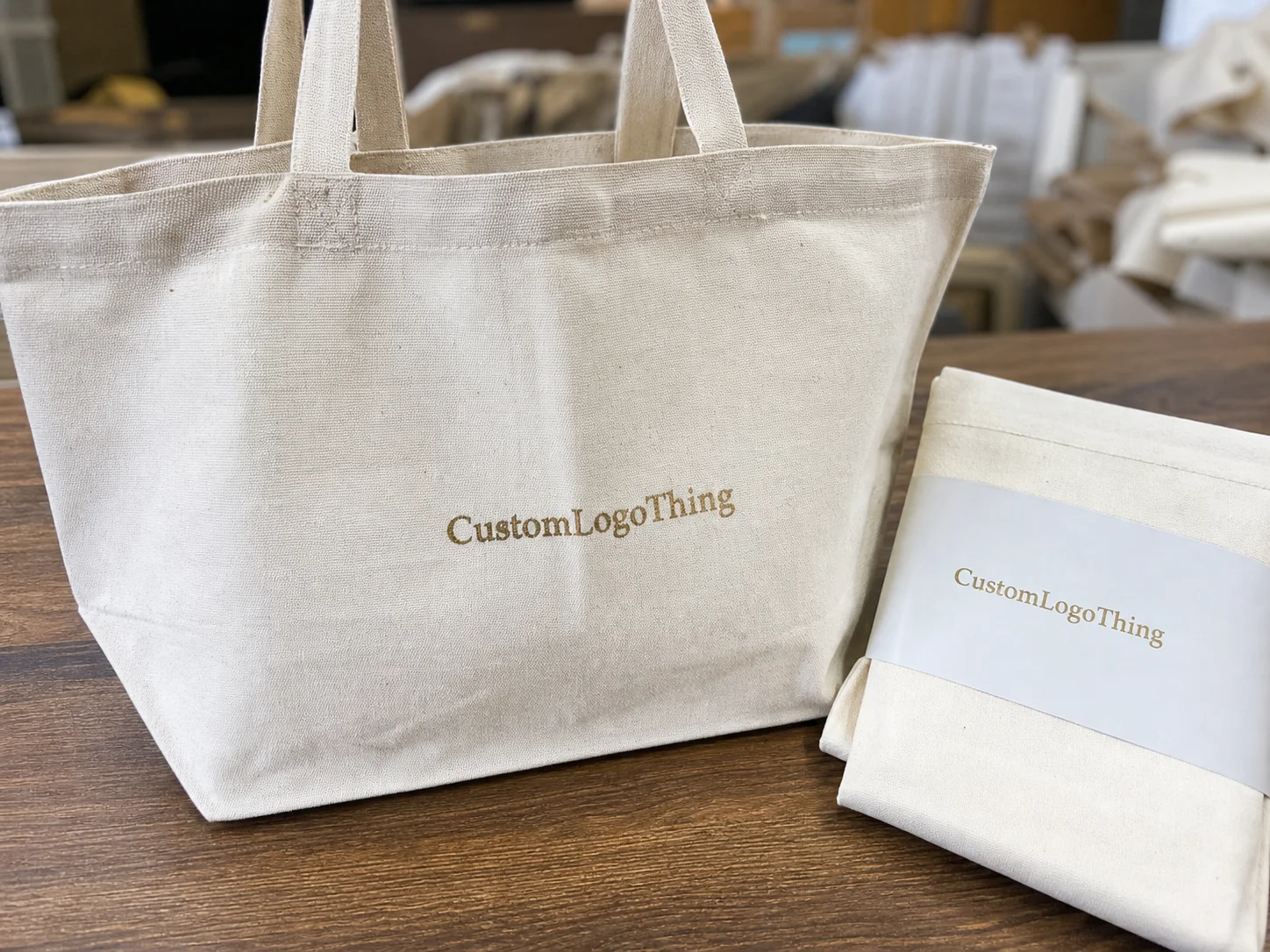
Weddings generate a surprising amount of loose gear. One bridesmaid needs room for shoes. Another wants a phone charger, hairspray, and a snack. The bride may need a robe, makeup, tissues, and a schedule card. That is why bridal tote bags personalized have become practical tools, not just decorative keepsakes.
They also do something plain bags cannot: they make the event feel coordinated. Names, initials, wedding dates, and role labels turn a simple carrier into part of the guest experience. A tote that says “Maid of Honor” or “Bride” changes how the recipient sees the item. It feels assigned, intentional, and worth keeping.
There is a reuse angle too. In packaging terms, reuse drives perceived value. A tote printed with a clean monogram or a restrained wedding message is much more likely to be used for travel, errands, or storage After the Wedding weekend. That matters if you want the bag to do double duty as both a gift and a functional container.
- Bachelorette weekends: matching totes for each attendee
- Bridal suite amenities: room-ready kits with essentials
- Hotel welcome bags: snacks, schedules, local information, and keepsakes
- Day-of emergency kits: items that keep the timeline moving
- Thank-you gifts: a practical item with a personal message
In practice, the best wedding bags are the ones people carry before they notice the print. That usually means the format is right. The personalization simply makes it memorable.
How personalized bridal tote bags work from concept to print
The customization process is straightforward, but the details matter. Most orders start with the basics: bag size, handle style, color, print method, quantity, and the artwork or text to be printed. For bridal tote bags personalized, that could mean a bride’s name on one side, a date on the other, or a simple monogram centered on the front panel.
Then comes the proofing stage. A digital proof shows layout, placement, font choice, and ink color. This is where small decisions become expensive if they are missed. A name set too close to a seam may distort. A fine-line script can disappear on a frosted surface. Dark text on a dark bag can lose contrast quickly. Simple designs usually print more cleanly than detailed artwork with tiny elements or gradient shading.
Once the proof is approved, production moves through printing, drying or curing, inspection, packing, and shipping. The exact sequence depends on the printing method. Some processes favor one-color art and larger runs. Others can handle more visual detail, but may have stricter minimums or longer production windows.
“The best personalized tote is rarely the one with the most decoration. It is the one that reads clearly from a few feet away, holds what it needs to hold, and still looks good in photos.”
Personalization can scale from one bride bag to dozens or even hundreds of totes for a guest welcome program. The workflow is similar either way, but quantity changes the economics and the lead time. Small, highly customized orders may have a different setup than larger batch runs, and that difference can show up in both price and turnaround.
| Customization choice | Typical effect | Best use case |
|---|---|---|
| One-color text | Cleanest print, usually fastest to produce | Names, roles, monograms |
| Two-color print | More visual contrast, slightly more setup | Wedding branding with a strong palette |
| Detailed artwork | More proof scrutiny, higher chance of file cleanup | Illustrations, floral motifs, custom graphics |
| Large batch order | Better unit economics, more planning needed | Hotel welcome bags, guest kits |
Key factors that affect style, durability, and presentation
Material choice changes everything. Within the plastic bag category, you will see clearer premium options, frosted finishes, and thicker reusable styles. A clear or translucent tote can feel lighter and more gift-like, while a thicker opaque bag often reads as more durable. Neither is automatically better. It depends on what is going inside and how long the recipient is expected to keep it.
Size is the next decision point. Oversized totes are useful if you are packing robes, slippers, and toiletries. Smaller bags work for lightweight welcome items, favors, or a compact thank-you set. If the bag is too small, people overstuff it. That is when presentation starts to look strained, handles pull awkwardly, and the whole thing feels less intentional.
Handle strength and gusset width matter more than most people think. A wider gusset helps a tote stand and hold shape. Stronger handles improve carrying comfort, especially if the bag includes bottled water, boxed snacks, or heavier toiletry items. A beautiful bag that fails in transit is still a failure.
Print quality is tied closely to contrast. Light ink on a light frosted tote can vanish under certain lighting. Dark text on a translucent surface may show better, but only if the print area and font weight are chosen carefully. Matching the font, artwork, and color palette to the wedding theme helps keep the bag from looking generic or off-brand.
For buyers comparing materials, the useful question is not “what is the nicest bag?” It is “what is the right bag for the contents, the event setting, and the reuse expectation?” That is a much sharper filter. For a robe-and-shoe kit, sturdier construction matters more than delicate decoration. For a welcome bag holding printed inserts and light gifts, presentation may matter more than maximum load.
For more on packaging materials and sustainability considerations, the EPA recycling guidance is a useful starting point, especially if you are thinking beyond the wedding weekend.
Cost and pricing: what drives the quote
Pricing for bridal tote bags personalized is driven by a few predictable variables. Quantity is the biggest one. Size matters next. Then come material thickness, number of print colors, and whether the design is printed on one side or both. A simple one-color run in a larger quantity will almost always cost less per unit than a short run with multiple colors and custom placement.
Setup charges or plate fees may apply depending on the printing method. That is one reason very small orders can feel expensive on a per-bag basis. The artwork still has to be prepared, proofed, and set up even if the total quantity is modest. In smaller runs, the setup cost can matter almost as much as the bag itself.
As a rough buyer’s benchmark, a straightforward custom tote order can land in a wide range depending on specs: small quantities may sit noticeably higher per unit, while larger wedding-party or guest-kit runs can move into much more efficient pricing. A practical budgeting target for many buyers is often $0.90 to $2.50 per tote for simpler styles at moderate volume, with more premium finishes or complex printing adding more. Exact numbers depend on bag construction, decoration, and shipping distance.
Think about the bag’s job before you decide how much to spend. If it is mainly a keepsake gift, a higher-end finish may be worth it. If it is a functional welcome bag that will be filled with snacks, cards, and printed materials, the sweet spot may be a sturdier but less ornate option. The best value is not always the cheapest quote. It is the one that fits the event purpose.
Watch for hidden costs too:
- Rush fees for compressed timelines
- Artwork cleanup if your file needs resizing or simplification
- Proof revisions beyond the first round
- Expedited freight if the delivery date is tight
On the standards side, packaging buyers often ask about load, transport, and general durability. For transit and handling expectations, the test method library at ISTA is a smart reference point, especially if you are shipping filled bags to hotels or event sites.
Process and timeline: from artwork approval to delivery
A realistic timeline starts with concept selection, then artwork prep, proof review, approval, production, quality check, packing, and transit. That sounds orderly, but any one of those steps can slow the order if details are vague. Names need to be confirmed. Roles need to be spelled consistently. Wedding dates need to be verified. One typo on a proof can repeat across an entire batch.
Simple one-color jobs usually move faster than multi-color or highly customized runs. That does not mean they are guaranteed to be fast. It means the production path is less complicated. Larger quantities add another layer because inspection and packing take longer, even when the print itself is straightforward.
The safest planning method is to work backward from the wedding date and add buffer time. If the bags must be in hotel rooms before guests arrive, the deadline is earlier than the ceremony. If you are sending them to multiple addresses, add more slack. Shipping delays happen. Holiday congestion happens. Carrier scans sometimes lag.
For a typical order, a buyer should expect a proofing window, production time, and transit time. Short-run custom jobs may move in a little over a week if everything is approved immediately and stock is ready, while larger or more detailed orders can stretch into several weeks. When the bags are tied to a destination wedding or hotel delivery, an extra cushion is a practical necessity, not a luxury.
Ordering early also gives you room to fix problems without paying for a rush. That is not just a cost issue. It is a stress issue. Wedding timelines are crowded enough already.
For any order that will be shipped and reused repeatedly, it can also help to think about storage and packing efficiency. The FSC standard is more about paper and board than plastic totes, but buyers often use it as a benchmark when comparing the overall sustainability story of a wedding package.
Step-by-step guide to ordering the right bridal tote bags personalized
- Define the use case. Decide whether the bags are for welcome kits, bridal suite gifts, bachelorette favors, or emergency-day supplies. The contents determine the size.
- Choose the material and tote size. Pick a bag that fits the contents without stretching. A robe-and-shoe kit needs a different footprint than a simple favor bag.
- Finalize the design details. Add names, initials, roles, wedding date, or a short message. Keep the text readable and the artwork focused.
- Request a proof. Check spelling, layout, contrast, and print placement carefully. This is where most avoidable mistakes get caught.
- Confirm quantity, shipping, and packaging. Make sure the bags arrive where they need to be, in the format you need to distribute them.
If you are ordering bridal tote bags personalized for multiple groups, split the quantity by audience first. The bride may get one style, the bridal party another, and hotel guests a third. That is often cleaner than trying to force one design to do everything.
Also think about what goes inside. A tote packed with folded fabric, cosmetics, and printed itineraries needs a different structure than one holding bottled drinks and boxed snacks. The bag should support the contents, not fight them.
A common buyer mistake is designing the bag before deciding what it carries. That is backward. Specs should follow use, not the other way around.
Common mistakes that make custom wedding totes look rushed
The first mistake is over-designing the print. Too much detail can blur on plastic surfaces, especially when the artwork is small or has thin lines. A cleaner design almost always reads better from a distance and looks more polished in photos.
The second mistake is under-sizing the bag. If a tote is too small for robes, shoes, or a full welcome kit, people stuff it hard. That creates bulging sides, stressed handles, and a presentation that looks improvised instead of planned.
The third mistake is skipping proof review. Misspelled names, wrong dates, or inconsistent role labels are not minor errors when they are repeated across a batch. One proof check can save an entire order from looking careless.
The fourth mistake is focusing only on print beauty. Handle strength, material thickness, and gusset width affect how the bag performs on the day. A tote that looks good on a screen but feels flimsy in hand will disappoint.
The fifth mistake is waiting too long. Late orders usually cost more, and they often force compromises. You may have to simplify the artwork, accept a less ideal material, or pay for faster shipping. None of those is a good trade if the event is already close.
Honest buyer experience says the “rushed” look usually comes from one of two things: weak planning or too much ambition in the artwork. The fix is usually simpler than people expect.
Expert tips and next steps for a smoother order
Keep the design clean. One strong message, one font family, and high contrast usually produce the most polished result. If the bag is part of a wedding color story, match the palette, but do not sacrifice readability to do it. A soft blush tote with pale lettering may look pretty on a screen and disappear in person.
Order a small overage. Extra units cover spoilage, late additions, or that one bag you suddenly need for a cousin, usher, or friend who was not on the original list. In packaging terms, a 5% to 10% buffer is often a smart cushion for event-driven orders.
Use the tote as part of the experience, not just as a container. Pre-fill it with useful items: water, snacks, a printed schedule, mints, tissues, or a small local gift. That turns the bag into a coordinated welcome moment. A tote with nothing inside looks unfinished; a tote with thoughtful contents feels purposeful.
If you are comparing options, build a simple spec sheet before requesting quotes:
- Quantity
- Bag size
- Material and finish
- Artwork file type
- Print colors
- Delivery date
- Budget range
That one page does a lot of work. It helps suppliers quote accurately, reduces revision cycles, and makes it easier to spot where you can save money without hurting presentation. For a buyer, that is the difference between a smooth order and a last-minute scramble.
Done well, bridal tote bags personalized can do more than carry things. They can organize the wedding weekend, reinforce the theme, and leave guests with something they will actually use. That combination is why they keep showing up in modern wedding plans, and why the best orders feel less like swag and more like smart event packaging.
What should I put on bridal tote bags personalized for a wedding?
Use names, initials, roles, wedding dates, or a short phrase that matches the event tone. Keep the text short so it stays readable on the tote surface. For group orders, role-based labels like Bride, Maid of Honor, or Guest Welcome work well.
How many personalized bridal tote bags should I order?
Count the bridal party, add any immediate family or VIP guests, and include extras for errors or late additions. A small overage is usually smarter than ordering exactly to headcount. For welcome bags, base the quantity on hotel rooms or guest kits rather than total attendees.
Are personalized bridal tote bags reusable after the wedding?
Yes, many are designed to be reused for shopping, travel, storage, or everyday errands. Thicker plastic and stronger handles improve long-term utility. A clean, timeless design increases the chance the recipient will keep using it.
What affects the price of custom bridal tote bags most?
Quantity, material thickness, bag size, and number of print colors are the biggest cost drivers. Rush production, artwork edits, and special shipping can raise the total. Higher quantities generally lower the unit cost.
How far in advance should I order personalized bridal totes?
Order early enough to allow for proofing, revisions, production, and shipping. A longer lead time is especially important for larger or more detailed orders. Build in extra time if the bags need to arrive before a destination wedding or hotel check-in.

