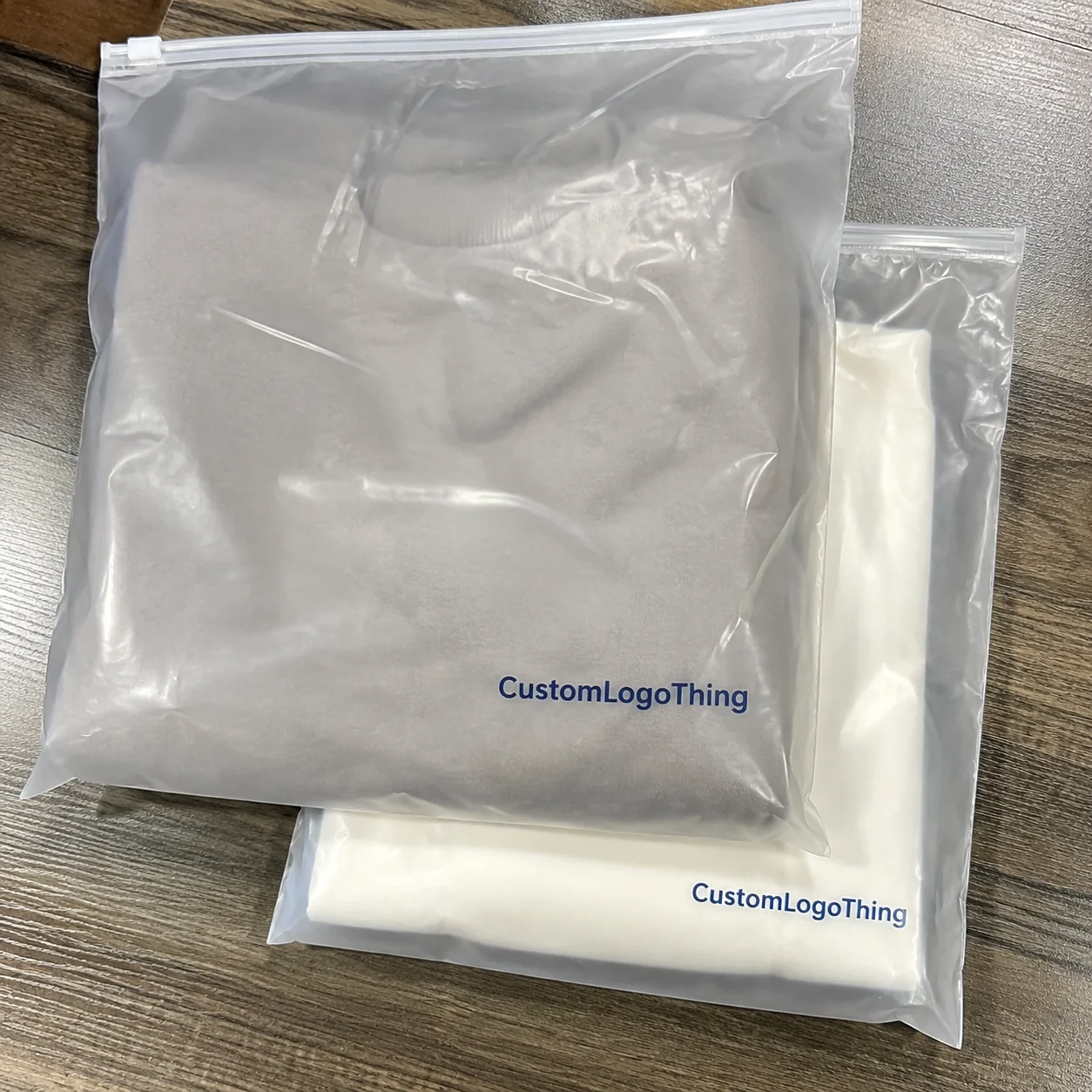
Many ecommerce teams still ship soft goods in corrugated boxes that add cost without adding much protection. For apparel, linens, and other non-fragile items, a right-sized 14 x 17 poly mailer can reduce package weight, save storage space, and speed up packing.
This size sits in a practical middle range. It commonly fits folded hoodies, 2 to 4 T-shirts, joggers, light jackets, pillow covers, and similar textile bundles without forcing you into a larger bag. Buyers comparing Custom Poly Mailers and other Custom Packaging Products usually need the same answers: what fits, which gauge to choose, what printing costs, what MOQ applies, and how long the order will take.
Why 14x17 Poly Mailers Bulk Orders Lower Shipping Costs
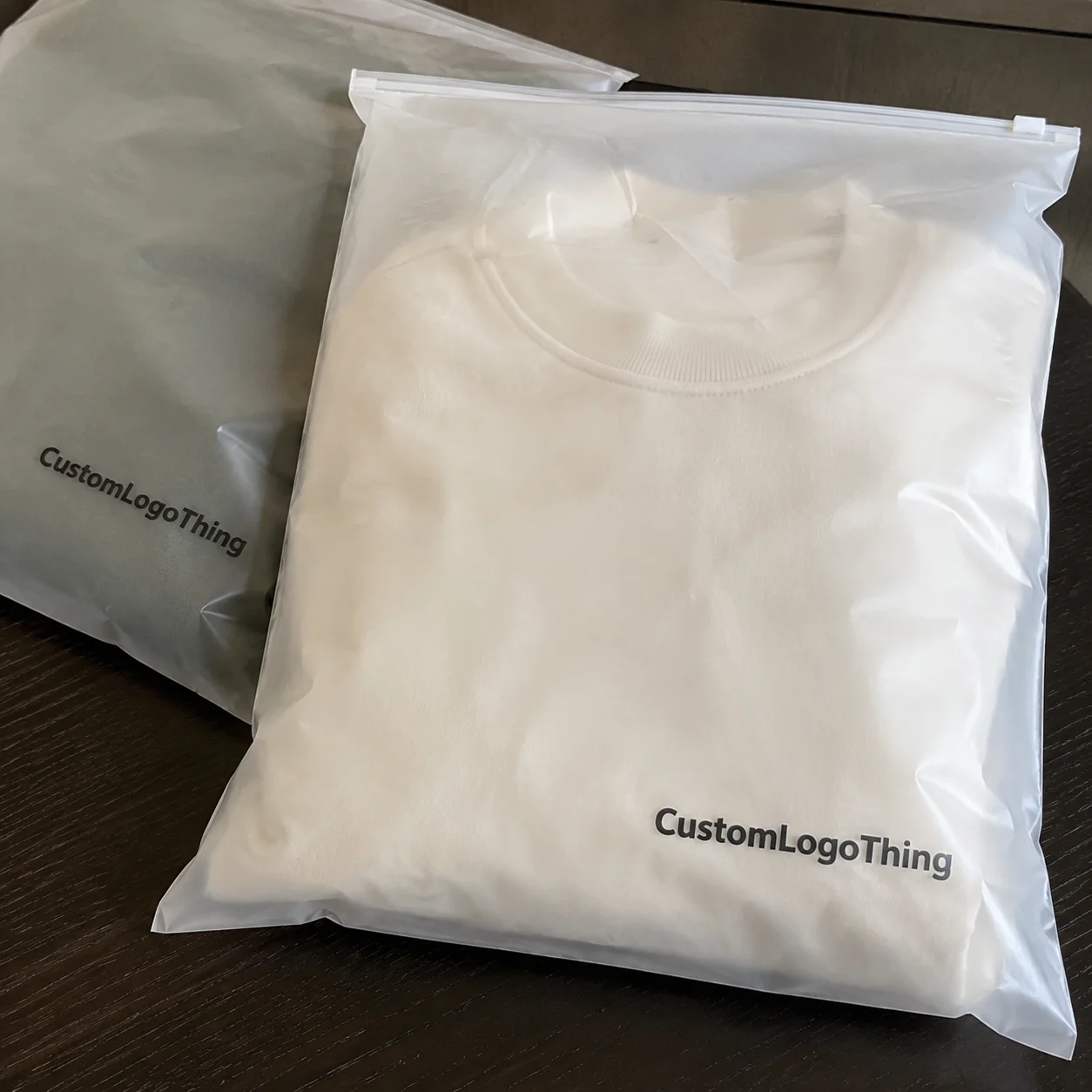
Soft-goods brands often keep using boxes out of habit. For products that do not need rigid walls, that habit adds board weight, void fill, assembly time, and extra cube. A 14 x 17 poly mailer removes much of that for the right product mix.
Compared with a small carton, a mailer is lighter, faster to seal, and easier to store in cases. That matters at scale because the savings do not come from one place alone. You reduce packaging material, use less warehouse space, and simplify pack-station work.
Ordering in volume also improves unit economics. Setup, printing, and freight planning make small custom runs expensive on a per-piece basis. Once the specification is stable and order size increases, cost per bag usually drops to a more practical range.
Practical rule: if your soft-goods orders routinely leave with excess dead space or do not need crush protection, your current packaging is likely costing more than necessary.
What This Mailer Size Actually Fits and When to Use It
A 14 x 17 mailer works best for soft, compressible products. Typical uses include sweatshirts, fleece pullovers, joggers, multiple standard tees, scarves, pillow shams, lightweight home textiles, and apparel kits with inserts.
The main sizing mistake is measuring the product by itself instead of the packed order. A folded hoodie on a table may look compact, but the shipment may also include tags, insert cards, an inner poly bag, a return slip, and trapped air. Those packed dimensions are what matter.
For many soft-goods orders, about 1 to 2 inches of working clearance across width and length is enough to load and seal efficiently without making the package loose. Going much larger usually means more resin and a sloppier presentation, not better protection.
This format also gives useful print area. The front panel typically has enough space for a logo, repeat pattern, QR code, handling icons, or campaign graphic while still reserving a clean zone for the shipping label.
It is not the right choice for everything. Poly mailers resist moisture and flex well, but they do not provide crush protection. Hard accessories, glass, boxed kits, sharp corners, or anything likely to puncture film usually belongs in corrugated packaging or needs added internal protection.
Material, Thickness, Closure, and Print Specs Buyers Should Compare
Most mailers in this category are made from LDPE or co-extruded polyethylene film. Co-ex film is common because it balances opacity, strength, and printability at a workable cost. Depending on the program, suppliers may offer virgin resin, recycled content, or blended structures.
Recycled content can support sustainability goals, but buyers should confirm how it affects color consistency, opacity, surface feel, and lead time. If your broader packaging program includes paper components, standards from organizations such as FSC may apply to those items, though not to poly film itself.
Thickness that matches the product
For apparel shipping, 2.5 mil to 3.5 mil is the range most buyers compare first. Around 2.5 mil can work for lighter garments with low puncture risk. 3.0 mil is often the practical middle ground for hoodies, joggers, and mixed apparel orders because it balances durability, opacity, and cost. Moving to 3.5 mil or higher improves toughness and hand feel, but increases resin cost.
Heavier film is worth considering if orders include zippers, hardware, rough trims, or packed shapes that push hard against the seams.
Closure and flap details
Single peel-and-seal adhesive is standard. Brands with return programs often choose a double adhesive strip so customers can reuse the same mailer. Flap length also matters. If the flap is too short, loading slows down and seal consistency suffers. In many cases, 1.5 to 2 inches is a useful working range, but the right flap depends on bag gauge and packed product bulk.
If you need tamper-evident construction or stronger permanent adhesive, specify it early because it affects converting and price.
Print method and finish
Most Custom Poly Mailers use flexographic printing, which is usually enough for logos, spot colors, patterns, and straightforward artwork. Jobs with heavy flood coverage, gradients, or tighter color expectations can cost more because print registration and control become less forgiving.
Confirm the print structure up front: one side or both sides, spot color or flood coverage, white exterior with black interior for opacity, matte or gloss finish, and the location of the label area. A common mistake is approving attractive artwork without preserving a clean surface for shipping labels and barcode scanning.
Performance checks should sit in the same conversation as graphics. Useful points include puncture resistance, side-weld strength, tear behavior, water resistance, and gauge tolerance.
Dimensions, Tolerances, Case Pack, and Shipping Specifications That Matter
Dimension language creates many preventable errors. One supplier may quote 14 x 17 including the flap, while another may quote 14 x 17 as usable body size with the flap listed separately. If that is not written clearly, you can approve a bag that is technically correct on paper but wrong in use.
The safest method is to confirm width x usable length, then list flap length separately.
Poly mailers also need realistic tolerances. Film and finished bags can vary slightly in width, length, and gauge across production. Many buyers work with dimensional tolerance around ±3 to 5 mm plus an agreed film-gauge tolerance. The goal is not zero variation; it is a documented standard before production begins.
Seals also reduce usable space. Bottom seals and side welds take room, especially when the packed order is already close to the bag limit.
Case-pack details matter for freight and warehousing. A carton may hold roughly 250 to 1,000 pieces depending on gauge, fold pattern, and packing method. Thicker film usually means fewer pieces per case and more inbound cube.
- Confirm pieces per carton
- Request carton dimensions and gross weight
- Ask how many cartons fit on each pallet
- Verify pallet height limits for your warehouse
- Check carton labels, SKU marks, and barcode placement if required
Some programs also require suffocation warning text, retailer routing marks, or specific outer-carton labeling. If transit performance must be validated formally, standards from ISTA can help frame testing expectations.
Bulk Pricing, MOQ, and Unit Cost: What Moves the Quote
The main cost drivers are size, film thickness, resin type, recycled content, print coverage, number of colors, quantity, and freight. Custom Printed Mailers usually require a meaningful MOQ because setup and press time are real costs. For many projects, workable minimums fall around 3,000 to 10,000 pieces.
The ranges below are reference points, not fixed market pricing. Resin, freight, print complexity, and sourcing region can move them up or down.
| Order Quantity | Typical Spec | Estimated Unit Cost Range | What to Expect |
|---|---|---|---|
| 3,000-5,000 | 14 x 17, 2.5-3.0 mil, 1-2 color print | $0.18-$0.32 | Higher setup cost per piece; often used for first custom runs |
| 10,000-25,000 | 14 x 17, 3.0 mil, moderate print coverage | $0.11-$0.21 | A common balance of cost, storage, and repeatability |
| 50,000+ | 14 x 17, 3.0-3.5 mil, repeat artwork | $0.08-$0.16 | Better unit economics if cash flow and storage can support it |
Costs can rise with matte finish, black interior film, heavier gauge, return-strip construction, high ink coverage, or expedited freight. They can drop when artwork is simple and the job is a repeat on an unchanged spec.
Do not compare quotes only by headline unit price. Prepress, plates or cylinders, proofing, freight, duties, brokerage, and repeat-order pricing can change the real landed cost more than a small per-piece difference.
There are also times when stock mailers plus labels are smarter than custom print. If volume is low, artwork changes often, or timing is tight, stock may be the better short-term choice. If demand is steady and branding is stable, bulk custom production usually provides better long-run value.
A useful quote request asks for at least three quantity breaks and two gauge options. Buyers with regular replenishment needs may also want to compare Wholesale Programs that support steadier reorder pricing.
Production Process and Lead Time From Artwork Approval to Delivery
A standard workflow usually follows these steps:
- Quote confirmation and final spec review
- Artwork check and dieline alignment
- Proof approval
- Raw material allocation
- Printing
- Bag conversion and sealing
- Carton packing and palletizing
- Shipment dispatch and transit
For many custom jobs, production after proof approval takes about 12 to 20 business days. Repeat orders with unchanged art and specs can be faster. First orders often take longer because sizing, proof revisions, and print approval need more review.
Most delays come from incomplete specs, non-press-ready artwork, color changes after proofing, payment holds, or seasonal capacity pressure. Buyers also often confuse proof timing with production timing. A digital proof may return in 1 to 3 business days, and a physical sample may take 5 to 10 business days, but the full production run still needs its own lead time.
Freight mode can change the total schedule as much as production does. Air freight may rescue a launch, but it can also erase much of the savings that made a bulk order attractive. Ocean or standard international freight reduces landed cost but adds weeks.
Smart buffer: first orders, larger runs, and color-sensitive graphics need extra time. Rush freight is usually the cost of late planning.
Ask for milestone dates rather than general promises: proof turnaround, production window, ex-factory date, shipment mode, and estimated transit.
Common Buying Mistakes That Raise Cost or Delay Delivery
The same buying errors appear repeatedly. Teams size the bag from the flat product instead of the packed order. They choose film that is too light because the quote looks better. They approve artwork without checking flap orientation, label space, or required warning copy. Or they wait too long to reorder and end up paying for expedited freight.
Overdesigned graphics can also create avoidable cost. Full flood printing, too many colors, metallic effects, and premium finishes may be worthwhile, but they increase setup and can make repeat consistency harder.
Packaging also has to work in the warehouse, not just in a mockup. A mailer that looks fine on screen can still perform poorly if it does not open cleanly, fights the label applicator, or slows down packers.
- Missing bleed allowance
- Wrong flap direction or seal orientation
- No clear area for shipping labels or barcodes
- Omitted warning text or compliance copy
- Undefined color expectations
A practical reorder point should include average monthly usage, production time, transit time, receiving time, and a safety buffer.
How to Request the Right Quote and Place Your Order Without Rework
Accurate quotes start with complete specifications. For a 14 x 17 mailer, state the size clearly, list flap length separately, specify film thickness, quantity, material preference, print details, finish, closure style, ship-to location, and required in-hand date.
If artwork is ready, send vector AI, EPS, or a press-ready PDF. If it is not, send the packed product dimensions with inserts included so the supplier can estimate fit correctly.
- Size: 14 x 17 with flap listed separately
- Thickness: 2.5 mil, 3.0 mil, or 3.5 mil
- Quantity: breaks such as 5,000 / 10,000 / 25,000
- Material: LDPE, co-ex film, virgin, recycled, or blend
- Finish: gloss, matte, white outside, black inside, or opacity preference
- Print: number of colors, coverage level, one side or two
- Closure: single adhesive or return-strip construction
- Artwork: vector or press-ready files if available
- Destination: full ship-to address for freight accuracy
- Timing: actual required in-hand date
It also helps to request several pieces of information at once: multiple quantity breaks, more than one gauge option, proof timing, production lead time, freight options, and carton-packing details.
If timing is tight, compare one stock option and one custom option at the same time. Stock can cover the immediate need; custom usually works better once demand and artwork are stable. Reorders are easier if your team saves the approved artwork, final spec sheet, carton dimensions, pieces per carton, and last invoice details.
What Should You Look for When Buying 14x17 Poly Mailers Bulk?
If the comparison list needs to stay short, start with five points: usable size, film thickness, closure style, print complexity, and carton-packing details.
- Usable size: confirm whether 14 x 17 includes the flap or refers only to the body of the bag
- Film gauge: match thickness to garment weight, hardware, and puncture risk
- Closure: choose between single adhesive and return-strip construction based on the shipping program
- Printing: keep graphics clear so setup cost and repeat consistency stay under control
- Logistics: verify pieces per carton, pallet count, lead time, and freight terms before approval
If those five points are defined clearly, the rest of the project usually runs more smoothly.
FAQs
What products fit best in 14x17 poly mailers bulk orders?
They work best for soft, non-fragile items such as hoodies, several T-shirts, joggers, lightweight outerwear, linens, and accessory bundles. The right fit depends on packed dimensions, inserts, and trapped air, not just the flat size of the product. Hard, rigid, or fragile items usually need a box or added internal protection.
What thickness should I choose for custom 14 x 17 poly mailers?
A common apparel range is 2.5 mil to 3.5 mil. Lighter film can reduce cost for tees and lower-risk shipments, while 3.0 mil is often the practical baseline for hoodies and mixed apparel orders. Heavier gauges improve puncture resistance and opacity but raise the per-piece cost.
What is the usual MOQ for 14x17 poly mailers bulk with custom printing?
MOQ varies by supplier, print method, and construction, but many custom programs start around 3,000 to 10,000 pieces. Higher volumes generally reduce unit cost because setup and freight are spread across more bags.
How long does production take for printed 14x17 poly mailers bulk orders?
First orders often take longer than repeats because proofs, sizing checks, and print approvals need more review. A typical manufacturing window after proof approval is about 12 to 20 business days, plus transit time. Freight method can change the total timeline as much as production does.
What information do I need to get an accurate quote for 14x17 poly mailers bulk?
Provide size, flap detail, film thickness, quantity, material preference, print colors or coverage, closure style, destination, and target delivery date. Artwork files are helpful if available. It is also smart to confirm whether proofing, setup charges, freight, and carton-packing details are included so the quote reflects the full job.