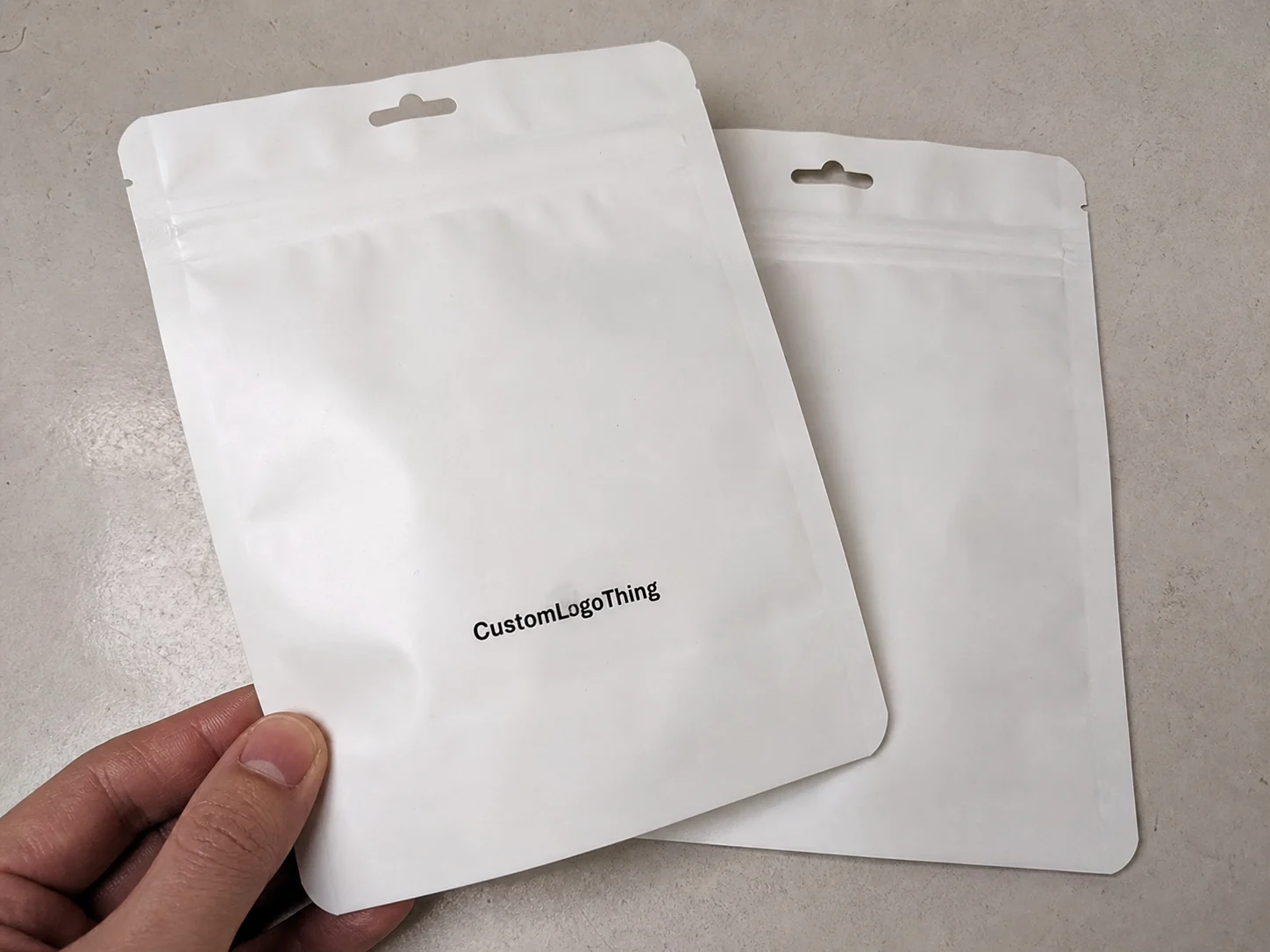
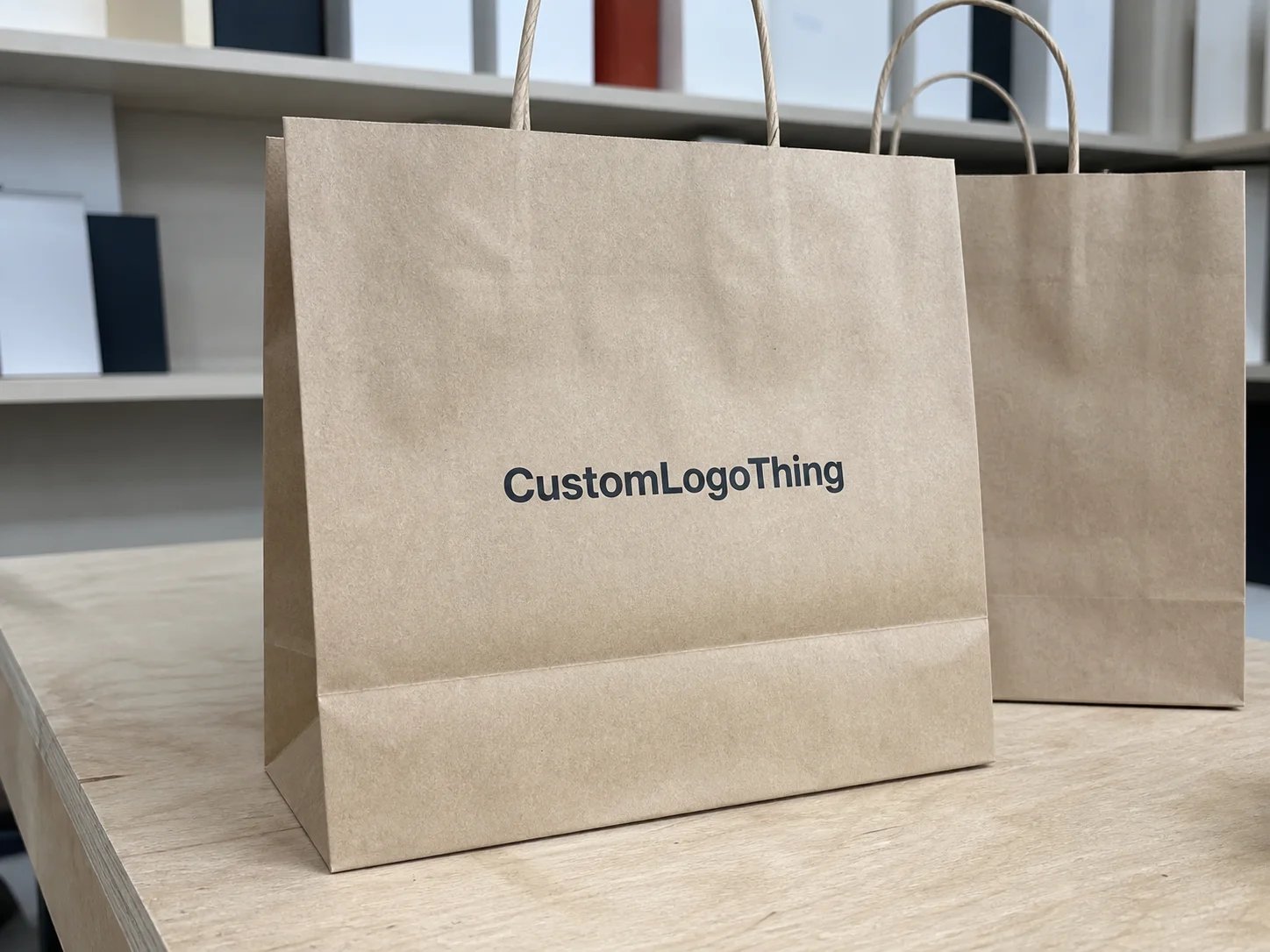
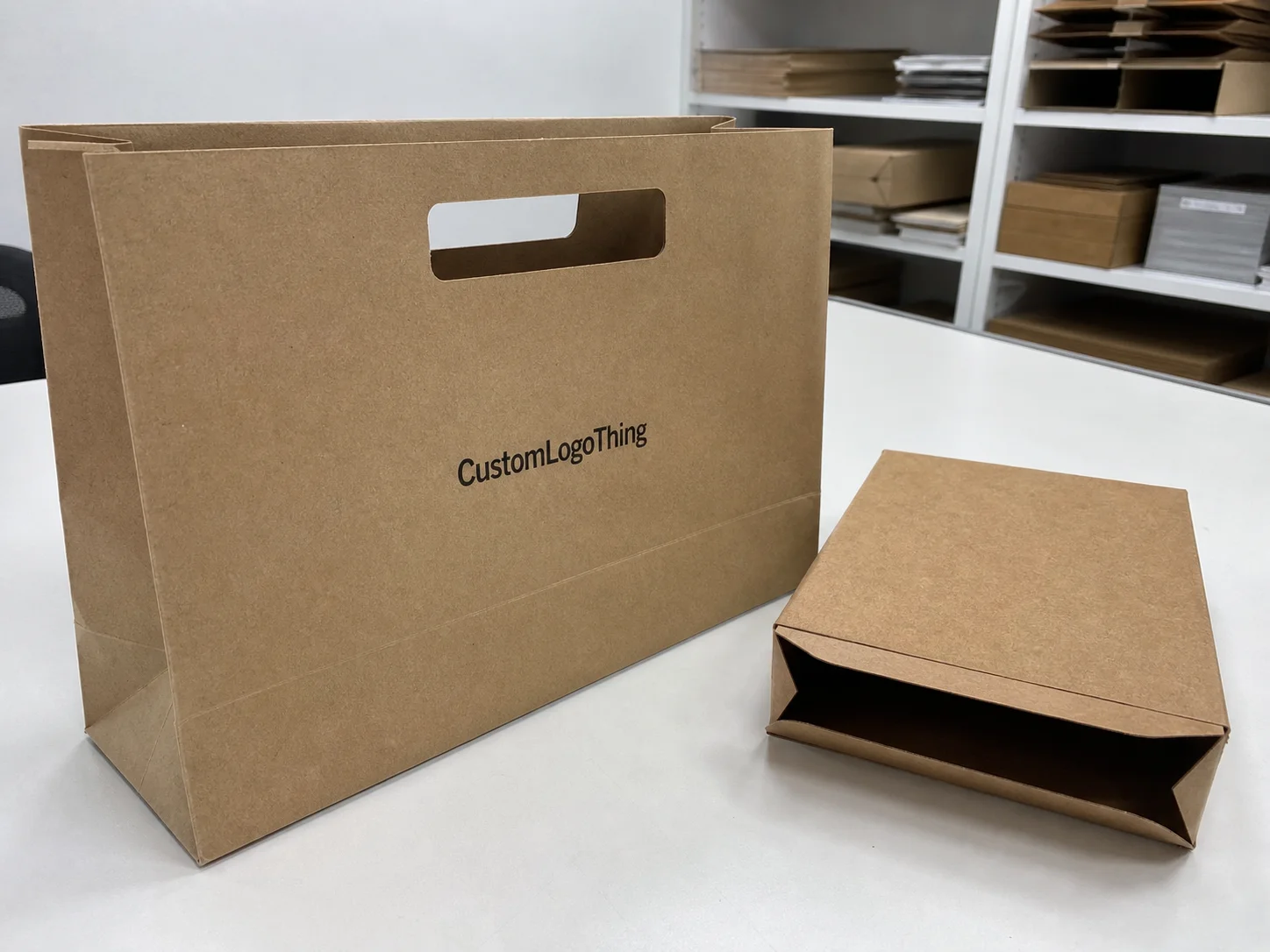
Buyer Fit Snapshot
| Best fit | Buy Compostable Poly Mailers for Skincare projects where brand print, material claims, artwork control, MOQ, and repeat-order consistency need to be specified before quoting. |
|---|---|
| Quote inputs | Share finished size, material target, print colors, finish, packing count, annual reorder estimate, ship-to region, and any compliance wording. |
| Proofing check | Approve dieline scale, logo placement, barcode or warning zones, color tolerance, closure strength, and carton packing before bulk production. |
| Main risk | Vague material claims, crowded artwork, missing packing details, or unclear freight terms can make a low unit price expensive after revisions. |
Fast answer: Buy Compostable Poly Mailers for Skincare: Film, Print, MOQ, and Carton Packing should be specified like a repeatable production item. The safest quote records material, print method, finish, artwork proof, packing count, and reorder notes in one written spec.
Production checks before approval
Compare the actual filled-product size with the drawing, then confirm tolerance on folds, seals, hang holes, label areas, and retail display edges. Reserve space for logos, QR codes, warning copy, and material claims before decorative graphics fill the panel.
Quote comparison points
Review material grade, print process, finish, sampling route, tooling charges, carton quantity, and freight assumptions side by side. A quote is only useful when the supplier can repeat the same color, closure quality, and packing count on the next order.
Why Brands Buy Compostable Poly Mailers for Skincare
The first time I watched a skincare founder swap glossy plastic mailers for compostable ones, it was in a small warehouse outside Los Angeles, about 20 minutes from Downtown LA traffic and a lot closer to the truth than any brand deck. Her returns team was not impressed by the packaging change. Her customers were. Complaints about “too much waste” dropped within two reorder cycles, and her unboxing photos stopped looking like they came wrapped in petroleum. That is why so many brands want to buy Compostable Poly Mailers for skincare: the mailer is small, but it sits right at the intersection of brand image, shipping protection, and sustainability messaging.
Skincare buyers notice packaging fast. A $68 serum in a crushed, shiny mailer tells a different story than the same bottle in a clean matte compostable shipper. I’ve sat in meetings where a founder spent 40 minutes debating label copy and then 40 seconds on the outer mailer. Bad move. The outer package is the first thing your customer touches, and for DTC skincare it often shapes the entire perception of the brand before the lid even comes off. If you are selling in New York, Chicago, or Austin, that first impression has to survive porch delivery, humid mailrooms, and an impatient customer with scissors.
There is also a practical reason to buy compostable poly mailers for skincare: they support brand positioning without forcing you into rigid cartons for every order. If you ship lightweight skincare sets, sample kits, or a single cleanser, a mailer can cut material use and keep dimensional weight down. That matters. A box with void fill can add $0.40 to $1.20 per shipment fast, and if you send 8,000 orders a month, that is not “small change.” That is a line item your finance team will notice before the second Friday of the month.
Green graphics are not the same thing as real eco-friendly packaging. I’ve seen suppliers slap leaves on a bag and call it a day. Useless. If you want to buy compostable poly mailers for skincare and not just buy a pretty promise, you need actual material specs, a real breakdown of the compostability standard, and enough tear resistance to survive a carrier conveyor belt. A mailer that splits open at the corner does not help the circular economy. It just creates a customer service headache in Fresno, Atlanta, or wherever your package landed after a rough sort.
“Compostable” does not magically mean home-compostable. Sometimes it means industrial composting under specific conditions, often at facilities in California, Oregon, or parts of the Northeast that can actually process it. That distinction matters, especially for brands making public sustainability claims. I have had buyers ask me whether they can say “zero waste” because the mailer is compostable. Usually the answer is no, or at least “slow down and check with legal.” I would rather lose a flashy line on the product page than deal with an FTC problem later.
So the buying criteria are simple, even if the marketing copy is not: durability, seal strength, print quality, and whether the mailer matches the skincare brand’s price point. If you want to buy compostable poly mailers for skincare and make the purchase actually work, stop thinking like a shopper and start thinking like a shipping operator. Your carrier network, fulfillment team, and repeat purchase rate will all tell you whether you made the right call.
Buy Compostable Poly Mailers for Skincare: Product Details
When brands buy compostable poly mailers for skincare, they usually want three things at once: protection, presentation, and a cleaner environmental story. The material construction does the heavy lifting. Most compostable mailers use plant-based blends or compostable films designed to break down under the right conditions, often with layered structures that balance strength and flexibility. The exact blend varies by supplier, which is why I never trust vague labels like “earth-friendly bag.” Ask what the film is made of, what certification backs it up, and what the product is actually tested against. If the supplier cannot answer in plain English from a factory in Shenzhen, Dongguan, or Wenzhou, keep looking.
For skincare, sizing matters more than people expect. A 4 oz lotion box, two sample sachets, and a folded insert are a different shipping load than a glass serum bottle in a fitted carton. If you buy compostable poly mailers for skincare in the wrong size, you either pay for excess film or you risk product movement in transit. I’ve watched a brand send out 2,000 trial kits in oversized mailers, then spend another $1,300 on reprints because the packages looked sloppy in unboxing videos. Sloppy is expensive. A few millimeters of slack can turn a polished launch into a warehouse apology.
Common sizes usually range from small pouch-style mailers for samples up to larger formats for bundle sets and lightweight subscription shipments. For example, a 6" x 9" format often works for compact skincare kits, while 10" x 13" or 12" x 15.5" sizes are better for grouped products. If you’re planning to buy compostable poly mailers for skincare, make a list of every shipped SKU combination first. Then test the top three combinations. Do not guess. Guessing is how you order 20,000 bags that only fit one bestseller and a very optimistic set of dimensions.
Closure types and print options
Most customers ask for self-seal adhesive strips because they are fast on the packing line. Some also want tamper-evident closures, which are useful if the skincare item is a premium cream or an oil bottle where a customer expects the package to arrive untouched. I’ve negotiated with adhesive suppliers in Shenzhen who promised “extra strong” seals and then delivered bags that failed after a warm truck ride from Guangzhou to Los Angeles. We had to raise the adhesive spec and re-test. That added $0.03 to $0.05 per unit, but it saved us from a much uglier replacement bill across 18,000 shipments.
For decoration, you can use one-color logos, two-color branding, or full-color print depending on the surface and budget. Matte finishes usually feel more premium than glossy film, especially for skincare brands that sell on calm, clean aesthetics. If you want to buy compostable poly mailers for skincare and keep the presentation polished, a white or kraft-style surface with restrained print is usually the safest play. Loud graphics can work, but they can also look cheaper if the ink density is off or the film wrinkles during sealing. A clean 1-color logo on a 12" x 15.5" mailer often beats a crowded design trying too hard.
Here is the part most people ignore: print quality on compostable film is not identical to print quality on standard PE mailers. The film can behave differently under heat and pressure. If you are launching a premium facial oil line and you want your logo sharp enough for unboxing photos, ask for a proof on the exact material. I have seen clients approve artwork on a PDF and then hate the final bag because the logo shifted by 3 mm. On a mailer that small, 3 mm looks like a mile, especially when the bag is only 250 mm wide and the seam is doing its best to ruin your day.
Performance basics that matter in transit
Skincare shipping is not gentle. Even if your order is “lightweight,” the package may go through sorting machines, slide on belts, and sit in humid staging areas in Phoenix, Dallas, or Miami. That is why puncture resistance, tear strength, and moisture handling matter. If a glass bottle gets packed with a card insert and slides around in a weak mailer, the bag becomes a liability. To buy compostable poly mailers for skincare responsibly, test them with your actual product load, not just a stack of papers. A 30-gram sample stack tells you almost nothing about a 280-gram glass bottle.
A clean outer surface also matters. Smudges, scuffs, and inconsistent opacity make the package look less trustworthy. Customers who spend $42 on a hyaluronic serum are usually not impressed by packaging that looks like it was dragged across a warehouse floor in New Jersey for three shifts. If the mailer surface accepts branding cleanly, the whole package looks more intentional. That is the difference between “nice sustainable packaging” and “we picked the cheapest green bag online.”
Below is a simple comparison of common mailer options I’ve seen skincare brands request. The pricing ranges are realistic starting points for custom work, but they change with quantity, finish, and print complexity. For a 5,000-piece order shipping from a Guangdong factory, the quote can move surprisingly fast if you change the seal width or add a second ink color.
| Mailer Type | Typical Use | Starting Unit Cost | Best For | Tradeoff |
|---|---|---|---|---|
| Stock compostable mailer | Launch testing, fast replenishment | $0.22 to $0.38 | Small brands, sample runs | Limited branding |
| Custom printed compostable mailer | Branded DTC orders | $0.28 to $0.55 | Skincare subscriptions, gift sets | Higher setup cost |
| Heavy-duty compostable mailer | Glass bottles, multi-item bundles | $0.35 to $0.68 | Premium skincare, lower damage risk | More material, more cost |
If you want to buy compostable poly mailers for skincare with a real business case, think in terms of product weight, package shape, and how much unboxing presentation affects repeat purchase. That is where the margin lives, especially if your average order value sits between $38 and $92 and you ship from one fulfillment center in Nevada or Pennsylvania.
Specifications to Check Before You Buy Compostable Poly Mailers for Skincare
If you are going to buy compostable poly mailers for skincare, do not approve a quote until you have checked the spec sheet line by line. I mean it. I once saw a brand sign off on a beautiful bag that was 20 microns thinner than their previous mailer. It saved them $0.02 a unit and cost them a whole lot more in crushed corners and angry emails. The sales rep called it “an efficient choice.” I called it a lesson with a $1,800 replacement bill attached.
The first spec is thickness. Some buyers talk about “film quality” like that means anything. It does not. You need an actual thickness number, the width and length, the seal width, and the print area. For example, a mailer might be 10" x 13" with a 3.5 mil equivalent or a tested film weight that supports a 2 lb shipment. That is the language you want. If you plan to buy compostable poly mailers for skincare, request the exact measurement units used by the supplier so you can compare apples to apples. If the factory in Dongguan uses microns and your team thinks in mils, translate before you sign.
Next is fit. Skincare brands often sell multiple package types: a boxed moisturizer, a flat sample sachet set, and a bundle with a brochure. Oversizing all three because you want one “universal” bag can waste money and create movement inside the bag. I usually recommend mapping the 80/20 mix first. If 80% of your orders fit in one size, buy that size for the bulk and use a second size for the oddballs. That keeps costs down without turning packing into a puzzle that eats labor hours in Chicago or Charlotte.
Adhesive strength and warehouse reality
Adhesive sounds boring until it fails at a 92-degree fulfillment center. Then it is suddenly fascinating. Warm warehouses, cold storage handoffs, and multi-zone shipping can all affect seal strength. If you want to buy compostable poly mailers for skincare and avoid those embarrassing open seams, ask for seal testing under the temperature range your warehouse actually sees. Do not accept “normal conditions” as an answer. Normal is not a spec. Give me the range: 50°F to 105°F, not a shrug.
Compostability claims need scrutiny too. Ask what standard is being used. Some suppliers refer to ASTM-related testing, others point to industrial compostability programs, and some throw around vague promises that do not hold up under review. If you want a reference point, the EPA’s composting guidance is a better baseline than a marketing flyer with a leaf icon. For packaging performance discussions, I also keep an eye on ISTA testing methods when a client needs to understand transit risk. A supplier that can cite actual test conditions from a lab in Shanghai or Ningbo usually has a better story than one waving around a glossy brochure.
For brands focused on sustainability, green packaging claims should be specific enough to stand up in a customer support ticket or a retailer onboarding form. If the mailer is only compostable in industrial facilities, say that clearly. If it has FSC-certified paper components in the insert or pouch label, document that. You do not want to oversell zero waste and later explain why your bag belongs in a particular waste stream. That conversation goes badly. I have had it. Twice. Once in San Diego, once in a procurement call that should have been an email.
Test your actual skincare products
This one is simple. Before you buy compostable poly mailers for skincare in volume, send real product samples through transit tests. A 50 ml pump bottle behaves differently from a sachet pack. Glass jars chip. Dropper bottles shift. Bundle sets put pressure on seams. If you are selling sets with inserts or cotton pads, test that exact configuration. Packaging specs are one thing. Real product behavior is another. A 12-day test run on the actual line beats a 12-slide presentation every time.
Also check surface finish, opacity, and scuff resistance. If the mailer picks up friction marks too easily, it will look tired before it reaches the customer. A premium face mask brand once asked me why their mailers looked “aged.” They had used a soft matte film with low scuff protection and stacked them against cardboard pallets for two weeks in a warehouse near Portland. Not a design problem. A materials problem. The fix was a different topcoat, not a prettier logo.
Here is a quick spec checklist I use before I recommend a buyer to buy compostable poly mailers for skincare:
- Thickness: confirm the film weight or micron equivalent.
- Dimensions: match the real shipped bundle, not the product label size.
- Seal width: verify the adhesive strip is wide enough for your warehouse temps.
- Print area: make sure your logo will not wrap or distort on the seam.
- Certification: request documentation for compostability claims.
- Transit fit: test with glass, pumps, and multi-item kits.
Pricing, MOQ, and What Impacts Your Quote
People always ask me for a price before they tell me the size. That is backwards. If you want to buy compostable poly mailers for skincare and get a quote that means anything, you need to share the dimensions, print colors, quantity, and whether you need certification paperwork included. Otherwise the quote is just decorative. Pretty, but useless. A quote without specs is basically a mood board with numbers on it.
The main cost drivers are straightforward: size, material thickness, print colors, certification needs, and order quantity. A 9" x 12" mailer with one-color print at 5,000 units will price very differently from a 12" x 15.5" bag with full-color branding at 20,000 units. I have seen differences of $0.11 to $0.19 per unit just from moving between standard and heavy-duty film. That adds up fast if you ship 15,000 orders a month from a warehouse in Dallas, Columbus, or Ontario, California.
MOQ depends on whether you buy stock or custom printed mailers. Stock options can be lower, which helps new launches and smaller skincare lines that want to test demand. Custom printed orders usually start higher because the print setup and material sourcing need to be justified. If you want to buy compostable poly mailers for skincare for a new product line, I often suggest beginning with 3,000 to 5,000 units if the supplier allows it. Established brands may go 10,000 to 25,000 units to get unit pricing down.
Here is a practical way to think about price tiers:
| Order Size | Typical Custom Print Range | Common Use Case | Notes |
|---|---|---|---|
| 1,000 to 3,000 units | $0.42 to $0.68 | Launches, pop-ups, test runs | Higher unit cost, lower commitment |
| 5,000 to 10,000 units | $0.28 to $0.48 | Growing DTC skincare brands | Better balance of cost and flexibility |
| 20,000 units and up | $0.18 to $0.36 | High-volume replenishment | Best pricing, but more inventory on hand |
Setup costs also matter. Digital prep, plate charges, artwork clean-up, and proofing can add $75 to $450 depending on print method. If you want to buy compostable poly mailers for skincare with repeat-order pricing, ask where the setup cost gets amortized. Some suppliers hide it in the first order, which is fine if you know it. It is less fine when the invoice shows up and nobody warned procurement. A buyer in Toronto once told me she got hit with a $280 plate fee after approving a quote that looked too clean. Turns out it was too clean because it was incomplete.
One smart saving move is to standardize sizes across multiple SKUs. I worked with a facial care brand that used seven mailer sizes. Seven. We cut that to three sizes and shaved close to 14% off annual packaging spend just by reducing fragmented ordering. They still got clean presentation, but the warehouse team stopped hunting for the “one weird size” that only fit the deluxe kit. The same team in their Atlanta warehouse stopped burning time on size mistakes, and that mattered just as much as the savings.
If you Compare Compostable Mailers against standard plastic poly mailers, expect a premium. That premium buys the sustainability story, the material sourcing complexity, and usually a softer brand perception. Compared with paper mailers, compostable films can sometimes be better for moisture resistance and lower bulk. The right choice depends on your product, your brand promise, and how aggressively you want to pursue eco-friendly packaging without overbuilding the shipper. If your skincare line ships in humid Florida, moisture resistance is not an optional perk.
Process and Timeline to Buy Compostable Poly Mailers for Skincare
The process to buy compostable poly mailers for skincare should be boring. If it feels chaotic, something is off. A clean buying cycle usually starts with artwork submission, then spec confirmation, sample approval, production, and shipping. Every step should have numbers attached. Size. Quantity. Ink colors. Seal style. Delivery address. Vague requests create vague results, and vague results are how brands end up paying air freight because someone forgot to confirm the deadline.
Samples matter more than brochures. I have watched founders approve a gorgeous render, only to hate the actual bag because the matte surface looked dull next to their glossy serum box. A physical sample tells you more about seal performance, opacity, and print contrast than a PDF ever will. If you plan to buy compostable poly mailers for skincare, ask for a pre-production sample or a stock analog that matches the film as closely as possible. A sample couriered from a factory in Ningbo costs a lot less than a pallet of regret.
Proofing should include dieline review, logo placement, color expectations, and quantity verification. I always tell clients to check the logo against the bottom seam and the adhesive strip because those are the places where print distortion shows up first. If your brand mark sits too close to the edge, the bag can look off-center even when it is technically within tolerance. And yes, customers notice. They may not say “centered within 2 mm,” but they can smell bad execution from across a shipping box.
Typical timeline you should expect
For stock mailers, you may move quickly if inventory is available. For custom printed orders, the timeline is longer because you need proofing and setup time. A realistic custom cycle typically runs 12 to 15 business days from proof approval to production completion, then add freight time depending on your destination and shipping method. If you want to buy compostable poly mailers for skincare before a launch window, build at least a few extra days for revisions. Revisions always happen. Always. If you are shipping from a factory in Guangzhou to a warehouse in Houston, even the best plan needs buffer.
Delays usually come from three places: artwork corrections, certification document requests, and sample approval lag. Sometimes the buyer is waiting on a sustainability manager. Sometimes legal wants wording changed. Sometimes the printer notices a logo file is low resolution and refuses to run it. That last one is annoying, but it is cheaper than printing 10,000 fuzzy bags. If you want predictable timing, send vector artwork, confirm the claim language early, and keep a backup shipping plan. A 72-hour delay in proof approval can turn into a 9-day problem if freight space is tight.
One of my longer factory visits in Shenzhen involved a production line for compostable mailers that had to stop because a client wanted the film opacity adjusted after the first proof. That “small” change meant a second material roll, a new ink match, and a reset on curing time. The final delay was only four business days, but the client had built launch content around the original ship date. The lesson was simple: the earlier you buy compostable poly mailers for skincare, the less likely you are to scramble at the end. Planning ahead beats apologizing in Slack.
Why Choose Us for Custom Compostable Poly Mailers
Custom Logo Things is not just another packaging listing site with a nice homepage and a contact form that disappears into the void. We work with packaging production realities: material sourcing, print consistency, and the annoying details that decide whether your order looks premium or merely passable. If you want to buy compostable poly mailers for skincare, you need someone who understands what happens on the factory floor, not just on a product page. I mean actual factory floors in Shenzhen, Dongguan, and sometimes over in Yiwu when the schedule gets weird.
I’ve stood on production lines where a supplier tried to substitute a cheaper film because “it’s close enough.” Close enough is not enough when a skincare brand has a premium promise and a customer base that notices every wrinkle. During one negotiation, I pushed back on a resin mix that would have lowered cost by about $0.015 per unit. Tiny? Sure. But it would have weakened seal consistency in humid summer shipments. We kept the better spec. That saved the client more in avoided damage claims than the cheaper film would ever have saved them, and the order still landed inside the client’s target budget.
Quality control is where good packaging relationships earn their keep. When you buy compostable poly mailers for skincare through a manufacturer that checks seal strength, print clarity, and film consistency, you reduce the odds of batch-to-batch surprises. I care about that because I’ve seen surprise batches. They are not charming. They are expensive. The client gets the blame, not the factory. One bad lot out of 25,000 units can wreck a launch week faster than any paid ad campaign can fix.
We also help brands optimize specs rather than paying for features they do not need. Not every skincare line needs full-bleed art on both sides. Not every mailer needs the thickest film available. Some brands should spend that money on a better insert card or a cleaner label finish. That is the kind of advice I wish more vendors gave. Instead, they upsell. Shocking, I know. A cleaner spec with a $0.31 unit cost often beats a fancier one at $0.47 if the customer never notices the extra ink.
For broader packaging needs, you can also explore Custom Packaging Products or compare our Custom Poly Mailers options if you want to see adjacent formats. I mention that because some skincare brands start with mailers, then expand into boxes, sleeves, and inserts once the order flow stabilizes. Packaging usually grows in layers, especially after the first 90 days of stable reorder data.
One more reason brands choose us: we speak the same language as procurement, marketing, and operations. That matters because skincare packaging is rarely one-person decision-making. The brand team cares about aesthetics. Operations cares about transit loss. Finance cares about a difference of $0.04 per unit. I’ve sat in meetings where all three groups wanted the same package for different reasons, and the only way to solve it was with actual specs and actual costs. No fluff. Just numbers. If the brief says 350gsm C1S artboard for inserts, we know exactly what that means and what it does to the quote.
If your goal is to buy compostable poly mailers for skincare with a supplier that understands product protection, brand presentation, and practical sustainability claims, that is the lane we work in. We will not tell you a weak mailer is fine because the color is pretty. That would be lazy. And frankly, it would waste your money.
How to Place Your Order and Buy Compostable Poly Mailers for Skincare
The fastest way to buy compostable poly mailers for skincare without going back and forth six times is to come prepared. Gather your SKU dimensions, monthly volume, target mailer size, print color count, and any sustainability documentation you need. If you have multiple product types, list the top three order combinations. That lets us recommend the right sizes instead of sending you a quote that only fits one carton and one very optimistic plan. A clean brief from a brand in London or Los Angeles saves at least a day of emails.
When you request a quote, be exact. Say “10" x 13" Custom Printed Compostable Mailer, one-color black logo, 5,000 units, self-seal adhesive, matte finish” instead of “need green mailers.” One is actionable. The other is a guessing game. If you want to buy compostable poly mailers for skincare efficiently, specificity saves days. It also keeps pricing honest, because the factory can quote the real substrate, real ink count, and real packing method.
I strongly recommend ordering a sample kit or prototype before committing to full production. That is how you catch seal issues, print mismatch, and size problems before they become expensive inventory. A sample that costs $25 to $60 can save you from a $2,000 mistake. That is the kind of math I like. It is the same logic I use when someone asks whether they can skip the prototype because the art looks good on screen. No. Spend the $40 and keep your sanity.
Prepare your brand artwork in vector format if possible. AI, EPS, or PDF files with outlined fonts are much easier to work with than a flattened JPEG that was exported from a social media post. Also confirm any compostability claims with legal or sustainability teams before printing them on the bag. If your claim language is loose, the packaging needs to stay loose too. Better yet, tighten it before you print. Nobody wants to be the person who approved a claim that fails a retailer compliance check in Toronto.
I also suggest comparing one detailed quote against one backup option before you decide. Not because we expect you to shop around forever, but because it keeps everyone honest. If the backup quote is $0.09 lower per unit, ask why. Maybe the film is thinner. Maybe the seal is narrower. Maybe the print area is smaller. Or maybe the supplier is just hungry for the job. Knowing which one it is matters, especially when the difference is hidden behind prettier mockups.
Here is the simplest order flow:
- Send SKU sizes and monthly volume.
- Choose stock or custom printed mailers.
- Confirm size, material, finish, and print colors.
- Review samples or proofs.
- Approve production and lock shipping dates.
If your brand is ready to buy compostable poly mailers for skincare, start with the details above, request samples, and secure the production window before your launch calendar gets crowded. Last-minute packaging is where good brands pay panic tax. I have seen that tax hit $750 in expedited freight alone.
FAQ
Where can I buy compostable poly mailers for skincare with custom printing?
Look for a packaging manufacturer that handles material sourcing and print setup in-house, not a middleman who forwards your email and adds margin. Ask for size options, MOQ, proofing support, and sample availability before you place an order. If you want to buy compostable poly mailers for skincare without surprises, request a sample first and check seal strength and print quality on the actual film. A supplier in Shenzhen, Dongguan, or Xiamen should be able to quote your specs clearly within 24 to 48 hours.
What size compostable mailer should I buy for skincare products?
Match the mailer to the actual shipped bundle, not just the product label size. A 4 oz serum, a boxed cream, and a sample kit all need different fit logic. Leave room for inserts, but do not oversize the bag or the package will look loose and cost more to ship. Test your top-selling SKU combinations before you finalize the size if you plan to buy compostable poly mailers for skincare. For many brands, that means comparing a 6" x 9", 9" x 12", and 10" x 13" sample pack before committing.
Are compostable poly mailers durable enough for skincare shipping?
Yes, if you Choose the Right thickness, seal width, and film construction for your product weight. Glass bottles, pumps, and multi-item bundles need more testing than flat sachets. I would never tell a skincare brand to trust a spec sheet alone. Run a transit test with the real product before launch if you want to buy compostable poly mailers for skincare safely. A 2 lb test load and a 3-foot drop test tell you far more than a polished sales deck.
What is the minimum order quantity when I buy compostable poly mailers for skincare?
MOQ depends on whether you need stock or custom printed mailers. Smaller brands usually start with lower quantities for launch testing, while established brands can often get better pricing at higher volumes. Ask for tiered pricing so you can compare unit costs across order sizes. That is the cleanest way to decide whether to buy compostable poly mailers for skincare now or after a test run. A 5,000-piece order at $0.15 per unit for a simple stock design is very different from a 20,000-piece custom run with two ink colors.
How long does it take to produce custom compostable skincare mailers?
Timeline depends on sample approval, artwork readiness, and production queue. Custom printing usually takes longer than stock orders because proofs and setup are required. Plan early so you have time to review samples, confirm claim language, and avoid launch delays. If you want to buy compostable poly mailers for skincare on schedule, build in enough time for one round of revisions. In many factories, production is typically 12 to 15 business days from proof approval, plus freight from China to your warehouse.
If your skincare brand wants packaging that looks clean, ships well, and supports a credible sustainability story, the next step is simple: send your specs, ask for samples, and compare the quotes line by line. That is how you buy compostable poly mailers for skincare without gambling on the guesswork version of “eco-friendly.” If you include size, quantity, print count, and destination city, the quote gets a lot less mysterious.