Buyer Fit Snapshot
| Best fit | Buy Corrugated Shipping Boxes for Startups projects where brand print, material claims, artwork control, MOQ, and repeat-order consistency need to be specified before quoting. |
|---|---|
| Quote inputs | Share finished size, material target, print colors, finish, packing count, annual reorder estimate, ship-to region, and any compliance wording. |
| Proofing check | Approve dieline scale, logo placement, barcode or warning zones, color tolerance, closure strength, and carton packing before bulk production. |
| Main risk | Vague material claims, crowded artwork, missing packing details, or unclear freight terms can make a low unit price expensive after revisions. |
Fast answer: Buy Corrugated Shipping Boxes for Startups: Board, Finish, Dieline, and Unit Cost should be specified like a repeatable production item. The safest quote records material, print method, finish, artwork proof, packing count, and reorder notes in one written spec.
Production checks before approval
Compare the actual filled-product size with the drawing, then confirm tolerance on folds, seals, hang holes, label areas, and retail display edges. Reserve space for logos, QR codes, warning copy, and material claims before decorative graphics fill the panel.
Quote comparison points
Review material grade, print process, finish, sampling route, tooling charges, carton quantity, and freight assumptions side by side. A quote is only useful when the supplier can repeat the same color, closure quality, and packing count on the next order.
If you need to buy corrugated shipping boxes for startups, get serious about the math early. I remember standing on a warehouse floor in Elizabeth, New Jersey, watching a founder burn through $3,800 in extra freight because the cartons were oversized by roughly 15%. Same product. Same destination. Worse margins. That mess was avoidable, and I still remember the look on his face when the carrier invoice landed, because dimensional weight does not care how promising the pitch deck looks.
That story is exactly why I tell founders to buy corrugated shipping boxes for startups with a plan, not a guess. Corrugated shipping boxes protect products, keep order fulfillment predictable, and stop dimensional weight from chewing through your cash. If the box is wrong, everything downstream gets expensive: packing labor, freight, damage claims, storage space, even customer reviews. Corrugated is not “just cardboard.” Flute type, board grade, and box style all affect strength, cost, and how your product arrives from a plant in Michigan or a converter in Texas to a customer doorstep in Portland.
I’ve spent 12 years in custom printing and packaging, and the same mistake keeps showing up: startups focus on the logo first and the box spec second. That’s backwards. Honestly, I think the smarter move is to buy corrugated shipping boxes for startups that fit the product, ship well, and scale without locking money into dead inventory. That’s how you protect margins without making your boxes look like an afterthought, whether the order ships from a Brooklyn 3PL or a warehouse outside Dallas.
One more thing from experience: I’ve seen founders assume a prettier box automatically means a better box, and that’s just not how packaging works. A clean print can help the brand, sure, but if the board crushes in transit or the dimensions are off by half an inch, the whole setup starts working against you. That’s the kind of mistake that looks small on a spreadsheet and turns into a headache in the packing room.
Why Startups Should Buy Corrugated Shipping Boxes
When a startup decides to buy corrugated shipping boxes for startups, the real goal is not “get a box.” The real goal is package protection, predictable shipping costs, and a clean path to scale. I’ve seen brands ship supplements in oversized cartons stuffed with too much paper, only to pay more for freight because the parcel was billed on dimensional weight. They thought they were being safe. They were just paying for air, often at a rate of $1.05 to $1.40 more per shipment across zones 5 to 8.
Corrugated boxes do three jobs at once. First, they protect the product from compression and drops. Second, they create a repeatable packing method for your team or 3PL. Third, they make your shipping materials easier to buy in the right quantities. If your cartons are the correct size, your tape, inserts, void fill, and outer carton all work together instead of fighting each other. A 32 ECT single-wall box in the right footprint can outperform a heavier box that is simply too large for the item inside.
I visited a small ecommerce packing line in Phoenix, Arizona, where the founder had three different box sizes for one product line. The team was spending extra seconds hunting for the “right” carton on every order. That sounds small. It wasn’t. Across 1,200 orders a week, the wasted motion added up to real labor cost. Once they standardized and decided to buy corrugated shipping boxes for startups with one primary size and one backup size, their pack-out time dropped by about 18 seconds per order, which translated to nearly 6 labor hours saved each week at their then-current volume.
Here’s the other thing most people get wrong: they treat box choice like a branding decision only. Sure, the unboxing matters. But if you’re shipping through UPS, FedEx, or USPS, the box also affects carrier billing, stackability on pallets, and warehouse handling. A good carton keeps your ecommerce shipping process stable. A bad one creates damage, rework, and angry emails from customers who expected a premium product, not a crushed corner. I’ve had more than one founder ask me why customers were complaining about “mystery dents,” and the answer was sitting right there in the carton spec, usually on a 200# test box that should have been upgraded to 44 ECT.
Buying direct from a packaging manufacturer usually beats piecing together random retail cartons once volume climbs. Retail cartons are fine for emergencies. They are not a strategy. When you buy corrugated shipping boxes for startups through a manufacturer, you can get better sizing, cleaner print control, and pricing that starts making sense at scale. I’ve sat in supplier meetings where a founder paid $1.20 more per unit than necessary just because they were buying through a middle layer that added zero value. Lovely for the middle layer. Not lovely for the startup.
“We thought packaging was a small line item until freight and damages started showing up like monthly taxes.” That came from a founder I worked with in Chicago, and honestly, he was right.
One more practical point. Corrugated boxes are not all built the same. Single-wall, double-wall, RSC, mailer-style, and die-cut designs each have a place. If you want to buy corrugated shipping boxes for startups intelligently, you need to match the box to the product instead of buying the strongest one available. Stronger is not always smarter. It can mean more cost, more weight, and more storage volume, especially when a double-wall shipper sits on a pallet in New Jersey for three weeks before launch.
And if you are working with a fulfillment center, ask them what they actually prefer to receive. I’ve seen startup teams order a carton that was technically fine but miserable for a 3PL to pack with because the closure style slowed the line down. A little coordination on the front end can save a lot of awkward phone calls later, which is, frankly, a nice thing to avoid.
Corrugated Shipping Box Types and Product Details
There are a few box styles startups run into right away when they buy corrugated shipping boxes for startups. The most common is the regular slotted container, or RSC. That’s the standard shipping carton with flaps that meet in the middle. It’s simple, affordable, and easy to run on most packing lines. For many ecommerce brands, it’s the default for a reason: it works, and a 200-count bundle can move quickly through a fulfillment center in Atlanta or Indianapolis.
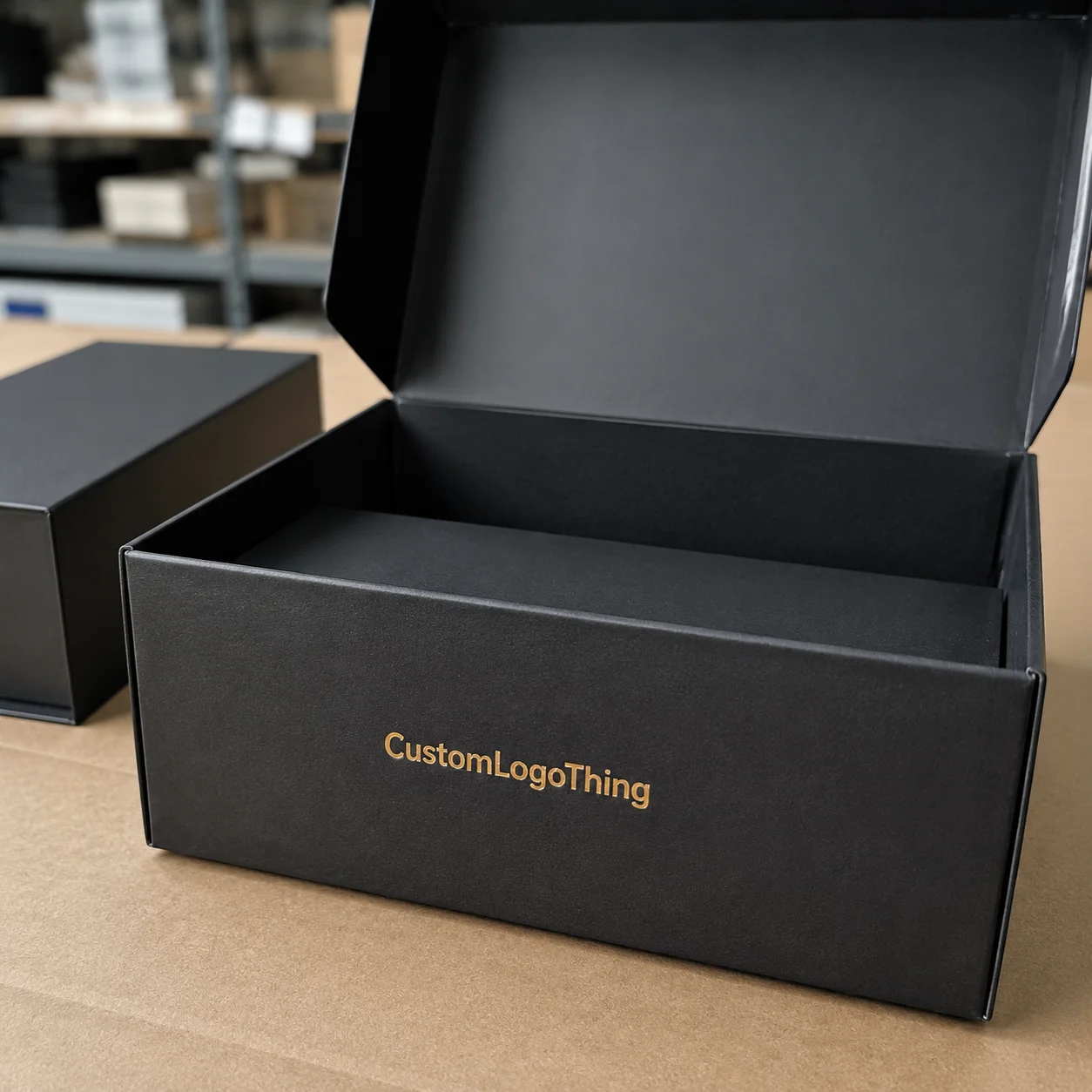
Then there’s the mailer-style corrugated box. This one is popular for subscription kits, beauty products, and small accessories because it opens nicely and presents well. I’ve seen brands in cosmetics spend extra on mailers because the inside presentation mattered more than shaving five cents off the carton. That can be a good call if the product margin supports it. If not, don’t force a fancy box where a normal shipping carton would do the job better. I’ve also seen a founder insist on a dramatic opening experience and then act surprised when the warehouse team hated folding 4,000 of them a week, especially when the board shipped in flat stacks of 100 and needed extra hand assembly.
Single-wall corrugated is usually enough for lighter goods and most standard ecommerce shipping. Think apparel, candles, soft goods, small packaged accessories, and many supplements. Double-wall corrugated is the next step up. Use it for heavier products, fragile contents, or shipments that need more crush resistance. I’ve seen double-wall save a small hardware brand after they switched from single-wall cartons that kept caving in at the corners during long zone-7 transit from Ohio to Colorado.
For startups that want a better fit or a more branded look, custom die-cut boxes are worth considering. They cost more to set up, but they can eliminate excess space, reduce filler, and create a better unboxing experience. If you want to buy corrugated shipping boxes for startups and keep product movement to a minimum inside the carton, die-cut can be the right answer. Just don’t spec one because it sounds premium. Spec it because it solves a real packing problem. A clean die line with 350gsm C1S artboard on the printed panel can make a box feel far more refined without turning it into a fragile display piece.
Here’s a quick comparison I use with clients:
| Box Type | Best For | Typical Strength | Typical Cost Impact | Notes |
|---|---|---|---|---|
| RSC single-wall | General ecommerce, light goods | Moderate | Lowest | Easy to source, fast to run |
| Mailer-style corrugated | Subscription, beauty, premium presentation | Moderate | Medium | Good branding surface, nice opening experience |
| Double-wall carton | Heavy, fragile, stacked freight | High | Higher | Better crush resistance and transit packaging performance |
| Custom die-cut | Precise fit, branded presentation | Varies by design | Setup cost + unit cost | Great for product-specific sizing |
Product details matter more than people think. Flap fit affects tape usage. Edge crush strength affects pallet performance. Printable surface affects how your logo looks after flexo or digital printing. Recycled content matters if your buyers care about sustainability. Closure method matters too. Some startups use standard tape. Others want self-locking tabs or mailer-style locking ends because it speeds packing by a few seconds per order. Those seconds add up, especially when a team in Nashville is packing 900 units before noon.
If you sell electronics, supplements, cosmetics, or small hardware, the box style should support the product, not just the visual brand. For electronics, I usually push clients to test inserts, dividers, or foam. For supplements, I watch bottle movement and seal protection. For cosmetics, I care about crush resistance and clean print. For hardware, I care about load-bearing behavior and whether the box keeps shape under stacking pressure. That’s the difference between a packaging system and a random carton order.
And yes, you can overbuy. I’ve seen startups buy corrugated shipping boxes for startups like they were preparing for industrial export pallets when the product weighed 1.8 pounds and shipped domestically. That’s not smart. That’s expensive cosplay, and it usually starts with someone reading a supplier quote that looked good only because the carton was too large for the real use case.
On the other hand, I’ve also seen brands underspec the box just to save a few cents, then spend much more on replacements and support tickets. Neither extreme is fun. The sweet spot is a carton that does the job without acting like a brick.
Specifications to Check Before You Buy Corrugated Shipping Boxes for Startups
If you want to buy corrugated shipping boxes for startups without getting burned, you need to look at the spec sheet, not just the quote. Start with internal dimensions. Internal size is what matters for your product fit, inserts, and void fill. I can’t tell you how many times a founder has sent me the outside dimensions and wondered why their product did not fit. Outer size is not the useful number. Inner size is, especially when an insert adds 0.25 inches on each side.
Next, look at board caliper, flute profile, burst strength, and ECT rating. ECT, or edge crush test, is especially important for Shipping Cartons That will be stacked in warehouses or ride through rough fulfillment networks. ASTM and ISTA test methods are widely recognized in packaging, and if you want to read more on shipping performance standards, the ISTA site is a good reference point. I’ve watched cartons pass a basic drop test and still fail under compression because the board grade was too light. Testing matters, especially if your cartons are moving through a 40,000-square-foot 3PL in Southern California.
Here’s a simple way to choose a spec when you buy corrugated shipping boxes for startups:
- Light product under 2 lb: single-wall, standard RSC or mailer-style carton.
- Fragile product or dense product under 5 lb: stronger single-wall, better ECT, possible inserts.
- Heavier item over 5 lb: double-wall or a reinforced design.
- Subscription kit or premium unboxing: custom die-cut with controlled interior space.
That list is not perfect for every product. It depends on fill material, transit distance, and whether your orders go direct to consumer or through wholesale channels. But it gets most startups closer to the right box without wasting a week in trial and error. If you ship from a facility in Ohio to customers in Florida and Arizona, you will usually need a different spec than a local delivery brand sending orders inside Los Angeles County.
Another spec people ignore is the printable surface. If your logo has fine lines, tiny type, or a dark background, you need to know what print process your corrugated board can support. Flexo is cost-effective for simple branding. Digital printing can be cleaner for shorter runs and multiple SKUs. I’ve seen founders approve artwork that looked great on a screen and muddy on kraft board because nobody checked the ink spread on the actual substrate. That’s an easy mistake to avoid if you request a printed sample on the same board grade, such as B-flute single-wall with a kraft liner.
For sustainability, ask about recycled kraft and FSC-certified board. If your customers care about lower waste, this is not marketing fluff. The FSC certification tells you the paper source is being tracked. I’ve had buyers in California and the UK ask for FSC documents before the order was even approved. If you need that paper trail, get it early. Don’t wait until the last minute and act surprised when compliance questions show up from a retailer in Seattle or a procurement team in Toronto.
Dimensional weight is another killer. A box can be physically light and still cost more to ship because the carrier bills on size. If you buy corrugated shipping boxes for startups with too much empty space, you can literally pay to move air. That is a terrible habit with a very expensive invoice attached. Right-size the carton, reduce void, and your shipping math starts behaving, especially if your shipments travel in the 24 x 16 x 12 inch range where carriers tend to charge aggressively.
Bad specs cause three problems fast: broken product, higher freight, and wasted storage space. I’ve seen a startup rent an extra half-pallet space just because they ordered cartons 20% larger than needed. That storage bill looked tiny at first. By month six, it wasn’t tiny anymore. Funny how a “small” packaging decision always finds a way to become somebody’s recurring headache, usually in the form of an extra $180 to $260 a month in warehouse fees.
If your line is still small, do not overcomplicate the spec sheet. Start with one carton that performs well, then add a second only if the product mix truly needs it. A lot of early-stage teams want eight variations before they’ve shipped their first 500 orders. That’s a fast path to confusion, not efficiency.
Pricing, MOQ, and What Startups Actually Pay
Pricing changes a lot when you buy corrugated shipping boxes for startups. Box size is the first driver. Bigger cartons use more board, which drives cost up. Board grade is the second driver. A heavier ECT or double-wall build costs more than a standard single-wall. Print coverage matters too. One-color flexo on one panel is cheaper than full-surface print, inside print, or multi-color artwork. Die-cut complexity adds setup and tooling cost. Quantity changes everything. That is where the unit economics start to improve, especially after the first 1,000 pieces roll off the line in Guangdong, Dongguan, or a domestic plant in Pennsylvania.
Let me put numbers on it. A plain stock-size corrugated carton might land around $0.38 to $0.72 per unit in moderate quantities, depending on size and board grade. A custom printed mailer or die-cut box can run $0.95 to $2.10 per unit if you’re buying in smaller startup runs. If you scale to larger quantities, the unit price can fall hard. That is why I always ask for quotes at 500, 1,000, and 5,000 units. At 5,000 pieces, a simple single-wall RSC might be close to $0.15 per unit for a standardized size with one-color flexo, while a 1,000-piece run might sit nearer $0.28 to $0.42 per unit depending on board grade and shipping lane. Those breakpoints show you the real pattern instead of a single flattering number designed to make a sales sheet look pretty.
MOQ matters because startups need to test without dumping cash into inventory. I’ve worked with founders who only needed 800 boxes for a launch test and got pushed into 5,000 because someone wanted to clear a pressroom schedule. Bad idea. If you’re early, a lower MOQ lets you validate fit, branding, and fulfillment flow before you lock in a larger order. That matters even more if your SKU mix changes often or if you are packing from a small facility in Austin where every square foot costs real money.
Here’s the part that gets ignored: the cheapest box is not always the lowest total cost. If a stronger or better-sized carton cuts damages by 2%, reduces void fill by $0.11 per order, and drops freight by a dollar because of dimensional weight, you can come out ahead even with a higher unit price. I’ve seen founders get fixated on saving 6 cents per carton, then spend $400 in re-shipments because the box collapsed in transit. That’s not savings. That’s self-sabotage.
When you buy corrugated shipping boxes for startups, compare these cost buckets:
- Packaging unit cost — the carton itself.
- Freight cost — getting the boxes to your warehouse or 3PL.
- Warehousing cost — pallet space and storage footprint.
- Damage replacement cost — re-shipments, refunds, and support time.
- Labor cost — packing speed and ease of assembly.
That list usually changes the conversation fast. A founder may come in asking for the lowest box price. After we map the real costs, they realize the best choice is often a slightly more expensive carton that saves in three other places. Packaging is a system. It behaves like a system. Pretending otherwise usually costs money, usually in the first 60 days after launch when order volume starts climbing.
I also recommend comparing quotes from a packaging manufacturer rather than a reseller when possible. Direct sourcing often gives you better control over the spec and cleaner visibility on the true cost. If you need more than boxes, see the broader range of Custom Packaging Products and Custom Shipping Boxes we can help with. If your startup uses lighter mail-based fulfillment, Custom Poly Mailers may also be a smarter fit for some SKUs, particularly items under 12 ounces.
One quote I still remember came from a subscription brand that wanted a heavily printed box with a fancy insert but only had margin for a $1.25 packaging cost. We reworked the board grade, reduced the interior void, and cut the print coverage. Result: better protection, lower freight, and a packaging cost that stayed inside their budget. That’s the kind of conversation that matters when you buy corrugated shipping boxes for startups.
Process and Timeline for Ordering Corrugated Boxes
The process to buy corrugated shipping boxes for startups should be simple. Product specs first. Box recommendation next. Quote after that. Then artwork review, sample approval, production, and delivery. If any supplier makes this sound mysterious, they are either hiding something or they do not have a real production process. A clean packaging shop in Shenzhen, St. Louis, or Monterrey should be able to walk you through the steps in plain language.
Timing depends on the route you choose. Stock cartons can move quickly. Custom printed boxes take longer because you need design review and production scheduling. Die setup or tooling can add more lead time. In a clean workflow, I’ve seen a basic custom run move from approved spec to delivery in about 12 to 15 business days once proof approval is done. A printed sample can take 3 to 5 business days, and bigger runs, special finishes, or complex inserts can take another week or two. That is normal.
What slows jobs down? Missing dimensions. Vague artwork files. Late approvals. The usual suspects. I once watched a brand lose six days because the designer sent a flattened JPEG instead of a proper vector file. Six days. For a file format. Packaging moves as fast as the slowest approval, and that’s the part that makes everyone on the call go quiet for a second.
My advice is boring but effective: order samples first. Test pack your actual product. Shake the carton. Stack it. Drop it from a realistic height if appropriate. Check whether the closure holds. See whether the insert shifts. Do not approve a 5,000-unit run because the render looked polished. Renders are not shipping performance. Reality is reality, especially if the cartons are going into weekly parcel service from a warehouse in Columbus.
If you’re planning to buy corrugated shipping boxes for startups through a 3PL or fulfillment partner, ask how they want cartons shipped in. Some facilities want boxes flat-packed on pallets. Others want a specific pallet height or carton count per bundle. That receiving detail matters because it affects how fast your inventory is checked in and how much you pay in inbound handling. A box that ships flat in bundles of 50 can save space, but only if the warehouse is set up to receive it cleanly and the pallet height stays under 60 inches.
Communication also matters. Use one point of contact. Keep file handoff clean. Confirm every spec in writing: inner dimensions, board grade, print location, and quantity. I’ve sat through enough production calls to know that a vague “looks good” email can turn into a costly misunderstanding later. The clearer the spec sheet, the fewer surprises, and the easier it is for a plant in Vietnam, Illinois, or Georgia to hit your numbers.
Here’s the workflow I recommend:
- Measure product, insert, and filler requirements.
- Request a box recommendation with board options.
- Ask for quotes at 500, 1,000, and 5,000 units.
- Review artwork and request a sample.
- Test the packed product through your order fulfillment flow.
- Approve production only after the sample passes.
If you follow those steps, you avoid most of the expensive mistakes. That is especially true if your team handles ecommerce shipping in-house and every carton mistake hits your labor and freight numbers directly. A one-inch spec error on 2,000 cartons can create a very real problem very quickly.
Give yourself a little buffer, too. A lot of startup teams get boxed in by launch dates and then panic when the sample round takes longer than expected. If the timeline is tight, say so early. Good suppliers can often adjust, but only if they know the real deadline and not a hopeful version of it.
Why Choose Custom Logo Things for Startup Packaging
At Custom Logo Things, we help startups avoid the kind of packaging mistakes that quietly drain cash. I’m not interested in selling you a box that looks good in a mockup and falls apart in fulfillment. I’ve been on factory floors in Shenzhen and Ningbo where the tolerances were off by a few millimeters and the “small” problem turned into a pallet of rejects. That kind of thing is expensive, and founders deserve better than polished nonsense.
We bring factory-side experience and real supplier negotiation know-how to the table. That matters because packaging is not just design. It is sourcing, QC, freight, and production discipline. When you buy corrugated shipping boxes for startups, you need someone who can talk about board grades, sample approval, and carton fit without guessing. I’d rather give you a blunt answer than a flattering one that falls apart later, especially if the order is moving from a converter in the Midwest to a 3PL in New Jersey.
We can help with custom sizes, printed corrugated boxes, and startup-friendly MOQs. If your launch is small, we can keep the order practical. If your demand jumps, we can help you scale the spec without starting over. That kind of packaging support saves time and avoids waste. It also keeps your cash tied up in inventory where it belongs, not in oversized cartons you regret ordering after the first freight bill lands.
Quality control is a big deal here. A box that is off by a quarter inch can throw off an entire packing line. A print shift can make a premium brand look sloppy. A weak board grade can turn into customer complaints and damage claims. We watch for those issues because we know the costs behind them. Good packaging is not flashy. It just works, shipment after shipment, whether your products are leaving a facility in Illinois or crossing the country from California.
We also care about unit economics, not vanity specs. If a lighter box reduces freight and still protects the product, I’ll tell you to use the lighter box. If a stronger carton is worth the extra 8 cents because it cuts damage, I’ll tell you that too. I’ve had clients ask for expensive finishes they didn’t actually need. Sometimes the better move is to simplify, cut waste, and spend the money on faster inventory turns instead of a glossy feature nobody pays for.
Support goes beyond printing. We help with sizing guidance, sample review, and shipping coordination. That matters because packaging lives inside a larger transit packaging system. It touches fulfillment, storage, and customer experience all at once. If one piece is off, the whole thing gets sloppy. And yes, I know that sounds dramatic, but I’ve seen one bad carton spec turn into a week of apologizing to a warehouse manager who was already having a rough Monday in a facility outside Charlotte.
“Good packaging should make your team faster, not just make the product prettier.” That’s been my rule since my first factory visit, and it still holds.
If you’re comparing suppliers, ask who actually understands order fulfillment, not just who can produce a quote. The difference shows up fast. A true partner will talk about board direction, pack efficiency, and realistic lead times. A weak supplier will talk about “premium feel” until you ask for the ECT rating.
And if a vendor cannot explain how the carton will be received, stored, and packed, that’s a red flag. Packaging doesn’t live in a vacuum; it lives on shelves, on pallets, and inside a real workflow with tired people trying to move orders out the door. The Best Packaging Choices respect that reality.
Buy Corrugated Shipping Boxes for Startups: Next Steps
If you are ready to buy corrugated shipping boxes for startups, start with the product, not the packaging pitch. Measure the item with inserts, sleeves, or void fill included. Then write down three things before you request quotes: product weight, shipping method, and branding requirements. That little prep step saves a ridiculous amount of back-and-forth, and it keeps you from ordering 2,000 cartons that are 0.5 inches too tall.
Ask for sample options in 2 to 3 board grades if the product is fragile or dense. I want clients to see the difference in real hands, not just read a spec line. A board that looks similar on paper can behave very differently under load. Test it. Pack it. Ship one order through your own process. If the box survives your fulfillment flow, that’s a much better sign than a nice email from a rep.
Then compare four things side by side: unit cost, shipping cost, damage risk, and storage footprint. The cheapest box on paper often loses once the other three numbers show up. That’s why I push startups to think in total cost, not unit cost alone. A solid packaging choice can improve ecommerce shipping performance, cut waste, and keep the brand experience clean, especially when orders are moving across zones 2 through 8.
Use this checklist before you place the order:
- Internal dimensions verified against the product and inserts.
- Board grade and flute type selected for the actual weight.
- Quote compared at 500, 1,000, and 5,000 units.
- Sample approved after a real pack test.
- Freight, storage, and fulfillment handling reviewed.
If you do those five things, you are far less likely to waste money on packaging that fights your business. And if you want help from a team that has spent years inside packaging plants, supplier meetings, and messy startup launch schedules, we can help you buy corrugated shipping boxes for startups the right way. That means the right size, the right spec, and the right price structure for your stage, whether you are shipping 300 orders a month or 30,000.
Buy corrugated shipping boxes for startups with a number in your head, not a hunch. Measure carefully. Ask for samples. Compare the real costs. That is how you protect margin, reduce damage, and keep your packaging from becoming an expensive surprise. If you do that now, you’ll save yourself a lot of cleanup later, and that part is gonna feel pretty good.
FAQ
What size corrugated shipping boxes should startups buy first?
Start with your top-selling product dimensions plus enough room for inserts or void fill. I usually tell founders to choose the smallest box that still protects the item, because oversized cartons increase dimensional weight and eat into margin. If you sell multiple SKUs, order one or two standard sizes first instead of overbuying custom variations you may not use fast enough, and confirm the internal size before you commit to a 500-piece test.
Are custom corrugated shipping boxes worth it for a startup?
Yes, if your packaging affects freight cost, damage rates, or brand presentation. A custom size can reduce wasted space and shipping charges, and custom printing helps when you want a stronger brand look or repeatable fulfillment consistency. If your current setup is already cheap and stable, you may not need to force customization just for appearances, especially if a stock RSC in 32 ECT already does the job.
What is a normal MOQ when you buy corrugated shipping boxes for startups?
MOQ depends on whether the box is stock, custom sized, or printed. Startups often begin with lower quantities so they can test fit, demand, and assembly speed before scaling up. Ask for pricing at multiple quantities, because the best unit cost often shows up only after a certain breakpoint, such as 1,000 pieces or 5,000 pieces for a simple one-color carton.
How do I know if I need single-wall or double-wall corrugated boxes?
Use single-wall for lighter products and most ecommerce shipments. Choose double-wall for heavier items, fragile goods, or long transit routes where crush resistance matters more. If you are unsure, test both with a sample pack and compare how they hold up under stacking and drop conditions, ideally with a packed weight that matches your real shipment at 3.5 lb, 7 lb, or whatever your product actually weighs.
How fast can I get startup shipping boxes after ordering?
Stock boxes usually ship faster than custom printed or die-cut options. Sample approval, artwork changes, and tooling can extend the timeline, sometimes by several business days. A clean spec sheet, quick approval process, and ready artwork files are the fastest way to avoid delays, and a basic custom run is often deliverable in about 12 to 15 business days after proof approval.