Buyer Fit Snapshot
| Best fit | Buy Corrugated Shipping Boxes for Startups projects where brand print, material claims, artwork control, MOQ, and repeat-order consistency need to be specified before quoting. |
|---|---|
| Quote inputs | Share finished size, material target, print colors, finish, packing count, annual reorder estimate, ship-to region, and any compliance wording. |
| Proofing check | Approve dieline scale, logo placement, barcode or warning zones, color tolerance, closure strength, and carton packing before bulk production. |
| Main risk | Vague material claims, crowded artwork, missing packing details, or unclear freight terms can make a low unit price expensive after revisions. |
Fast answer: Buy Corrugated Shipping Boxes for Startups: Structure, Print Proof, Packing, and Reorder Risk should be specified like a repeatable production item. The safest quote records material, print method, finish, artwork proof, packing count, and reorder notes in one written spec.
Production checks before approval
Compare the actual filled-product size with the drawing, then confirm tolerance on folds, seals, hang holes, label areas, and retail display edges. Reserve space for logos, QR codes, warning copy, and material claims before decorative graphics fill the panel.
Quote comparison points
Review material grade, print process, finish, sampling route, tooling charges, carton quantity, and freight assumptions side by side. A quote is only useful when the supplier can repeat the same color, closure quality, and packing count on the next order.
If you want to Buy Corrugated Shipping Boxes for startups, the smartest move is to start with the carton, not the crisis. I’ve watched too many launch teams in Southern California and Shenzhen lose money because they tried to ship in retail-grade boxes that crushed at the corners, split at the center seam, or forced them to stuff in too much void fill just to make the product sit still. Once a box fails on the packing line, the costs show up fast in replacement units, freight waste, and customer complaints. I remember one early-stage beverage brand in Long Beach that thought it could “make do” for just one quarter. Three weeks later, the warehouse manager was on the phone sounding like he had personally offended the universe. That is why I tell founders to buy corrugated shipping Boxes for Startups early, while the packaging spec is still flexible.
I’m Marcus Rivera, and after more than 20 years on factory floors in Dongguan, Monterrey, and Ohio, I can tell you that a good carton does three jobs at once: it protects the product, it supports order fulfillment, and it signals that the brand knows what it is doing. The right corrugated shipping boxes can reduce damage claims by 2% to 6% on many ecommerce programs, shorten packing time by 3 to 8 seconds per order, and keep dimensional weight under control when every inch matters. Honestly, packaging gets treated like an afterthought way too often, especially by founders who are juggling product, marketing, and investor calls before lunch. If you are ready to buy corrugated shipping boxes for startups, I’ll walk you through the exact box types, specs, pricing realities, and buying process I use when I help lean teams get set up without overbuying.
Why Startups Should Buy Corrugated Shipping Boxes Early
The first time I saw a startup get burned by poor transit packaging was on a small beverage program in a warehouse near Long Beach. They had beautiful labels, a solid product, and a retail carton they thought was “good enough,” but the bottom flaps were flexing under load and the boxes were buckling after a single stack in the outbound staging area. They ended up reboxing nearly 8% of the order and paying extra labor for every unit that had to be rescued. Eight percent sounds small until you realize it is eight out of every hundred orders turning into extra handling, extra frustration, and extra money down the drain. That is why I push teams to buy corrugated shipping boxes for startups before launch volumes start climbing, especially when the first run is 500 to 2,000 units.
There’s a business reason behind that advice. A proper corrugated shipper improves package protection, reduces void fill, and makes the packing station cleaner because the carton actually fits the product instead of forcing the crew to compensate with extra dunnage. That matters in ecommerce shipping, where a few cents in shipping materials can become a few dollars in freight and returns if the box is too large, too weak, or too inconsistent. When you buy corrugated shipping boxes for startups, you are really buying predictability, and predictability is what keeps a startup’s cash flow from getting chewed up by avoidable damage. I’ve seen founders obsess over ad spend while ignoring packaging math. It’s a little like polishing the hood of a car with no engine, and the towing bill still arrives.
Waiting until the third or fourth purchase order to fix the carton spec is a mistake I see over and over. By then, the team has already trained packers on a bad process, buyers have quoted the wrong dimensions, and the fulfillment center may be using whatever stock cartons are closest to the dock door. I’ve sat in client meetings where the founder says, “We just need boxes fast,” but what they actually need is a carton sized to the product, the closure method, and the shipping mode. If you want to buy corrugated shipping boxes for startups the right way, start with product data, not guesswork. Guesswork is expensive. So is rework. And rework always seems to show up on a Friday afternoon, which is apparently when packaging problems enjoy making their entrance.
One more thing most people miss: carton quality affects brand perception at the exact moment customers decide whether to reorder. A dented box with crushed corners suggests carelessness, even if the product inside is fine. A clean, properly sized carton says the opposite. That’s why I often recommend that startups consider an unbranded kraft carton first, then add print once the packaging spec is locked. If you’re comparing Custom Packaging Products, the box should always come before the fancy extras. You can add those later, usually after the first 1,000 orders confirm the SKU mix.
My practical promise is simple: by the end of this article, you’ll know how to buy corrugated shipping boxes for startups with the right style, the right board, and the right timeline, without wasting money on oversized cartons or last-minute sourcing scrambles.
Buy Corrugated Shipping Boxes for Startups: Box Types and Use Cases
If you want to buy corrugated shipping boxes for startups efficiently, the first step is choosing the box style that actually matches the product and the shipping method. I spend a lot of time explaining this to founders because “box” is not one thing. In a corrugated converting plant, the choice between a standard shipping carton and a custom die-cut mailer changes everything from line speed to protection to print cost. A plant in Foshan running 15,000 units a day will make very different recommendations than a small converter in Dallas handling 800-unit test runs.
Regular Slotted Containers, or RSCs, are the workhorse. They are the square-edge cartons you see everywhere in distribution centers and contract packouts. They pack fast, stack well, and come in stock or custom sizes. For startups shipping books, apparel, candles, or accessory kits, an RSC is often the easiest way to buy corrugated shipping boxes for startups without overcomplicating production. A common single-wall RSC might use 32 ECT board and a 200# test liner, which is usually enough for lighter ecommerce parcels under 10 lb.
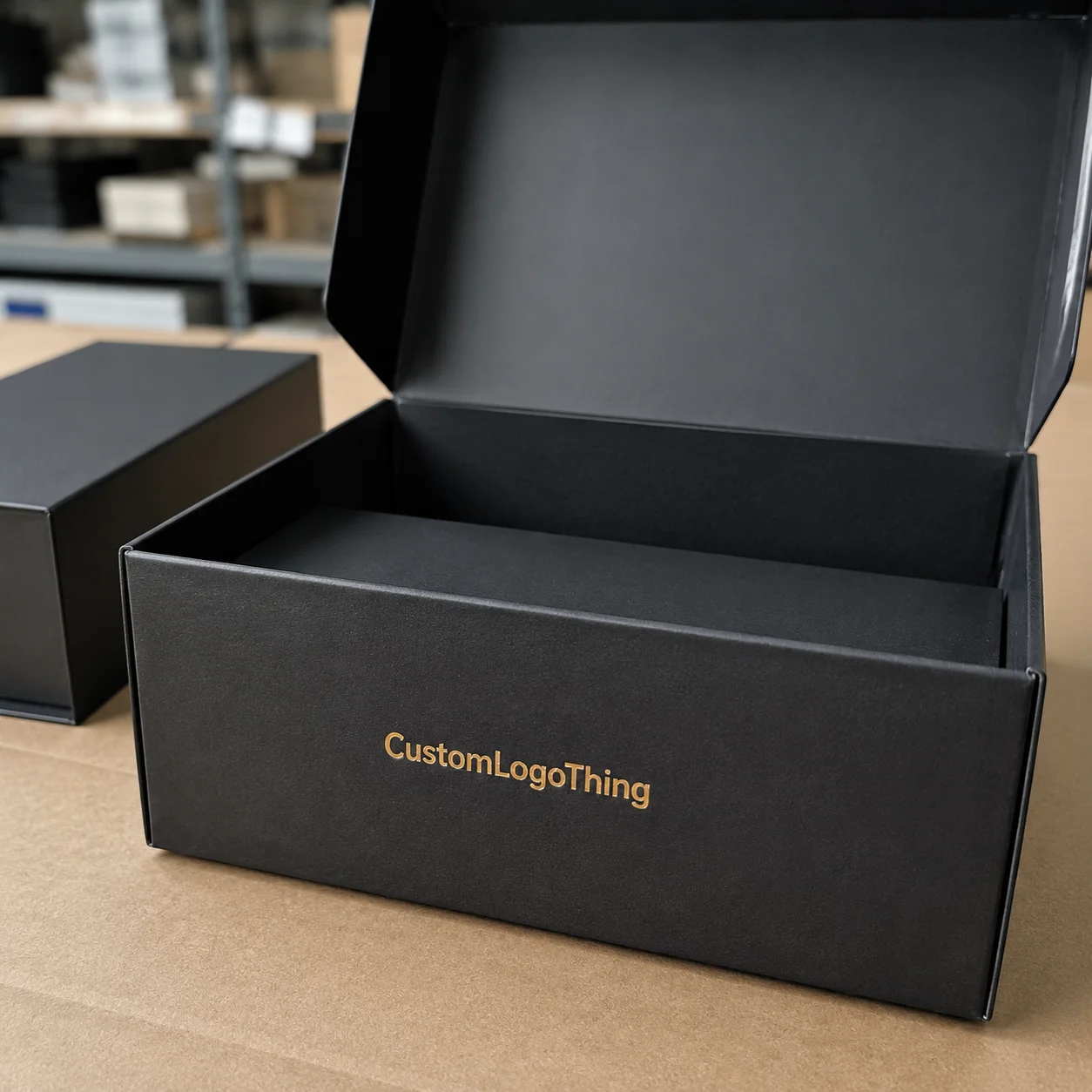
Mailer-style tuck boxes are better when presentation matters and the product is lighter. I’ve seen them work beautifully for subscription kits, beauty samplers, and boutique ecommerce brands that want a tidy unboxing without a separate outer carton. They usually cost more per unit than a plain RSC, but they reduce the need for extra inserts when the item is already well controlled. If you’re trying to buy corrugated shipping boxes for startups in a category where customer experience matters, this is often a strong middle ground. A 350gsm C1S artboard exterior with a corrugated inner can give a clean print face for small runs of 1,000 to 3,000 pieces.
Die-cut shipping boxes give you tighter product fit and often a nicer closure. They are common for skincare, electronics accessories, sample kits, and products with odd dimensions. I’ve stood beside a die-cut line in a Guangdong plant where a startup was shipping a small stainless steel tool set; the custom cut kept the product from shifting, which shaved off two pieces of void fill per box and improved pack speed by about 12 seconds per order. That may not sound like much, but over 10,000 orders it becomes real labor savings. If you plan to buy corrugated shipping boxes for startups with irregular products, die-cut often pays for itself faster than people expect.
Double-wall cartons are the heavier-duty option. When the product is fragile, dense, or shipping through rougher parcel networks, double-wall board gives you more crush resistance and better stacking strength. I would rather see a startup use a slightly smaller double-wall box than a larger single-wall box that looks cheaper but fails in transit. For anyone looking to buy corrugated shipping boxes for startups that ship electronics, hardware, or mixed-SKU bundles, double-wall can be the safer choice, especially on routes that pass through three or four sorting hubs.
Here’s the simplest way I explain it on the factory floor:
- RSC — best for general ecommerce shipping and low-cost boxing.
- Mailer box — best for branding, presentation, and light-to-medium products.
- Die-cut shipper — best for tight fit, inserts, and premium unboxing.
- Double-wall carton — best for fragile, heavy, or high-value products.
When startups ask me how many sizes they should carry, I usually say fewer than they think. Three box sizes often cover 70% to 85% of order fulfillment volume if the SKU strategy is sensible. More sizes can create inventory clutter, slower picking, and higher storage cost. That’s one of the hidden reasons to buy corrugated shipping boxes for startups strategically instead of emotionally. I know, “emotionally” sounds dramatic for cardboard, but I’ve watched perfectly rational founders get weirdly attached to a box size because someone in a meeting said it “felt right.” Feelings are not measurements, and warehouse bins do not care about enthusiasm.
If your packaging mix also includes padded mailers or lightweight accessory packs, a product like Custom Poly Mailers may handle some orders more economically than corrugated packaging, especially for apparel or soft goods that do not need rigid package protection. The right choice depends on weight, fragility, and how your parcel moves through the carrier network, from local 2-day zones to cross-country lanes.
Do not choose box sizes by “small, medium, large.” Measure your actual product. A startup shipping candles in glass jars does not need the same interior clearance as a startup shipping socks in polybags. When you buy corrugated shipping boxes for startups, inner dimensions are the number that matters because they determine fit, void fill, and the amount of movement inside the carton. Movement is the enemy. A box that lets the product rattle around is basically a tiny percussion instrument with a freight bill.
Specifications to Compare Before You Buy Corrugated Shipping Boxes for Startups
If you want to buy corrugated shipping boxes for startups with confidence, the spec sheet matters more than the sales pitch. I’ve had more than one client send me a quote that looked attractive on price, only to discover the board grade was too light for their load or the dimensions were outside the pallet footprint they actually needed. That is how you end up with a bargain carton that costs more in damages than it saves on paper, especially when a 10,000-piece run is already in motion.
The first spec to check is ECT, or Edge Crush Test. This tells you how much stacking strength the board can handle. For parcel shipping, common levels include 32 ECT, 44 ECT, and higher depending on the product. Bursts and stacking issues show up fast when cartons are loaded with dense items, so if you plan to buy corrugated shipping boxes for startups for heavier products, do not accept a weak board just because the unit price is low. ASTM test methods and industry standards exist for a reason, and groups like the Paper and Packaging Board / packaging industry resources help keep the conversation grounded in real performance.
Then look at the flute profile. B-flute gives better print surface and good crush resistance for many ecommerce brands. C-flute is a little thicker and often better for cushioning and stacking. BC-flute combines two flute layers for stronger transit packaging when the shipment is rough or the product is heavy. I’ve walked along a corrugated line in a Michigan converter where we compared B-flute and C-flute cartons side by side using the same product sample; the C-flute held shape better in the outer ship test, but the B-flute gave the cleaner print face. That tradeoff comes up all the time when brands want to buy corrugated shipping boxes for startups and still keep a decent unboxing impression.
You also need to measure the product the right way. I recommend measuring length, width, and height at the largest true dimensions, then adding a small allowance for inserts, tissue, or protective padding. If there is a closure flap or tape requirement, account for that too. It sounds basic, but I’ve seen startup teams order boxes 3 to 5 mm too tight because they measured the retail package instead of the full packed unit. That can turn a clean packout into a daily frustration. If your goal is to buy corrugated shipping boxes for startups that work on the line, measure the packed product, not just the item itself.
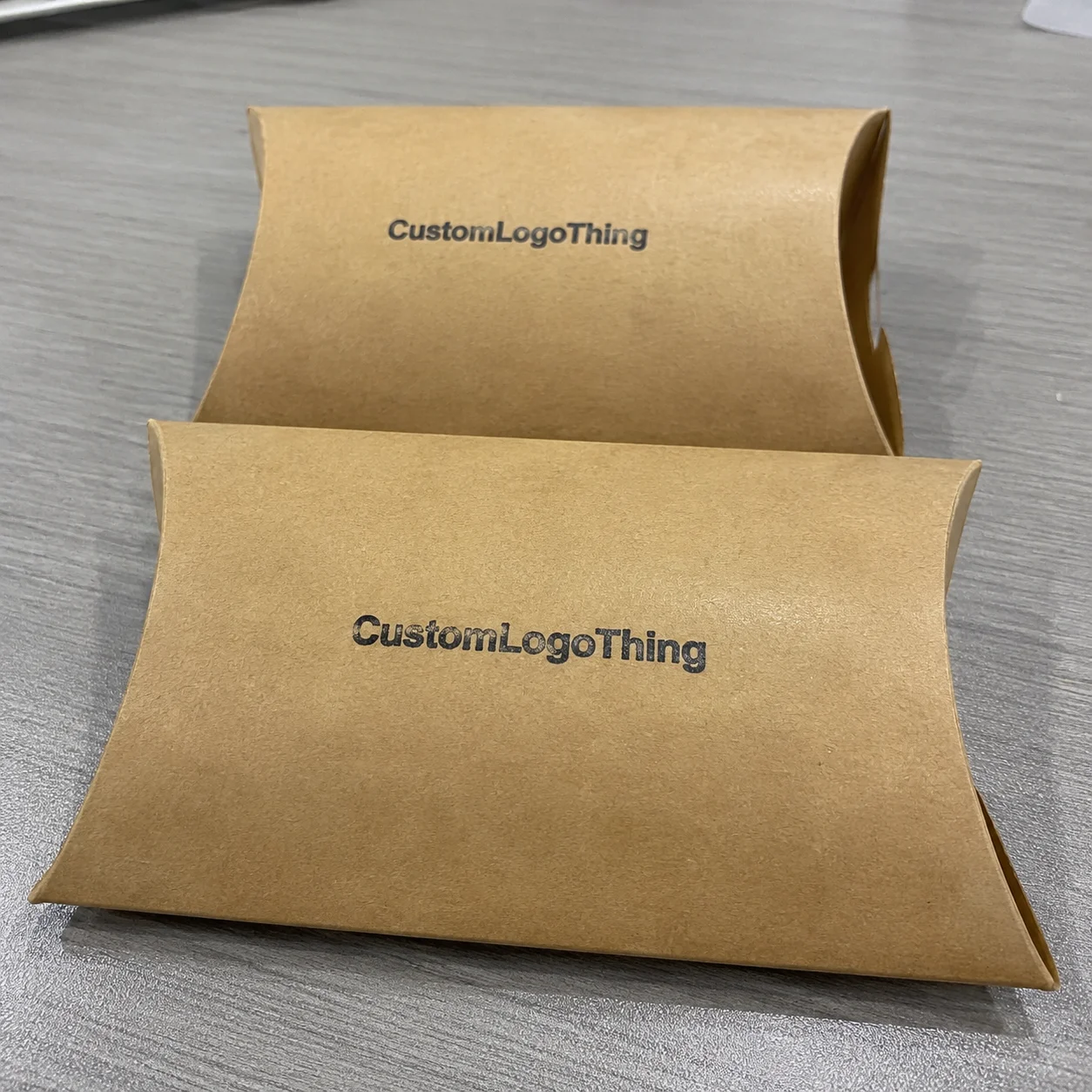
Surface finish also matters. A kraft exterior is usually the most economical and shows scuffs less dramatically. A white exterior looks cleaner for print but may cost a little more. Clay-coated surfaces improve print sharpness for certain artwork, and flexographic or litho-lam printing changes both appearance and price. For startups, I usually recommend keeping print simple until the carton geometry is stable. A one-color logo on kraft board often gives enough branding for a first run when you buy corrugated shipping boxes for startups without overspending on decoration. If the brand later scales to 20,000 units a month, print can grow with it.
Sustainability is another practical spec, not just a marketing line. Right-sizing reduces cardboard usage, lowers shipping weight, and can reduce dimensional weight charges. Choosing fewer box sizes simplifies inventory, and recycled content can support brand goals if the supplier can verify the fiber stream. The Environmental Protection Agency has useful material on source reduction and packaging waste at EPA.gov, and those principles translate directly to corrugated packaging choices. If you want to buy corrugated shipping boxes for startups responsibly, the box should fit the product, not the other way around.
Quick comparison table for common startup box options:
| Box Type | Typical Best Use | Strength / Protection | Typical Price Direction |
|---|---|---|---|
| RSC single-wall | General ecommerce shipping, apparel, light accessories | Moderate | Lowest |
| Mailer-style tuck box | Subscription kits, beauty, premium presentation | Moderate | Low to medium |
| Die-cut corrugated shipper | Custom fit, inserts, smaller branded shipments | Moderate to high | Medium |
| Double-wall carton | Fragile, dense, or higher-value products | High | Higher |
That table is not meant to sell you the most expensive option. It is there to help you buy corrugated shipping boxes for startups based on the actual load, not a generic assumption. I’ve seen too many brands choose a premium structure when a well-sized RSC would have been enough, and I’ve also seen the opposite, where a startup tried to ship a fragile item in the lightest carton possible because the price looked good on paper. Cheap cartons can be very expensive. That little contradiction makes people grumpy at first, then very quiet after the first damage report.
Pricing, MOQ, and What Startups Should Expect
Price is usually the first question, and I understand why. Startups live close to the edge on cash flow, so every shipping material purchase has to earn its place. But if you want to buy corrugated shipping boxes for startups intelligently, you need to compare more than the headline unit price. I’ve watched teams chase a carton that was $0.04 cheaper only to spend more on freight, storage, and reorders because the box size was off by an inch. That kind of penny-pinching feels smart right up until it costs you a weekend.
The main cost drivers are straightforward: size, board grade, print coverage, tooling, and quantity ordered. A plain stock-size RSC in a common board grade is the cheapest path. A custom-sized die-cut carton with a printed exterior and insert starts climbing quickly because you are paying for setup and converted material efficiency. If you plan to buy corrugated shipping boxes for startups with a custom print layout, expect your die-line, plates, and sample work to affect the quote. For example, a 5,000-piece run of a simple kraft RSC may land near $0.15 per unit, while the same order with one-color print and a custom size may move closer to $0.22 to $0.35 per unit depending on freight and board grade.
Minimum order quantity, or MOQ, also matters. Many startups want a low MOQ of 500 or 1,000 pieces because they are still testing the market, and that is reasonable. The unit price drops as volume rises, but storage becomes the tradeoff. I’ve sat through negotiations where a founder wanted 500 cartons, the supplier wanted 5,000, and the honest answer was to find a middle ground with a stock size or semi-custom run. When you buy corrugated shipping boxes for startups, the best number is not always the smallest number; it is the quantity that fits your sales forecast and your warehouse footprint. A 2,000-piece order in Chicago may be easier to store than a 1,000-piece order split across two 3PLs in Texas and New Jersey.
Here is a practical pricing framework I use with new brands:
- Stock sizes for low-volume launches, prototypes, and rapid fulfillment.
- Semi-custom options for growing brands that need a better fit but can still use standard board structures.
- Fully custom builds once monthly shipment volume is stable enough to justify tooling and dedicated inventory.
There are also hidden costs that new teams tend to miss. Freight from the plant to your warehouse or 3PL can be significant, especially if the cartons ship palletized. Storage is another issue; a box that saves $0.02 per unit but takes two extra pallet positions may not be a real savings. And if the spec is wrong, the cost of a second run can erase any “deal” you thought you found. That is why I tell every founder trying to buy corrugated shipping boxes for startups to request landed cost per box, not just ex-factory price. Ex-factory price is nice for spreadsheet theater. Landed cost is what your accounting team actually has to live with.
To compare suppliers fairly, ask for the same details every time:
- Internal dimensions
- Board grade and flute type
- Print coverage and color count
- MOQ
- Lead time
- Pallet count or carton count per case
- Freight terms
I’ve seen startup buyers save weeks by using that simple checklist. It keeps the quote clean and makes it easier to buy corrugated shipping boxes for startups without having to decode ten different supplier responses that all describe slightly different products. If one vendor quotes 32 ECT, another quotes 44 ECT, and a third never states the flute, those quotes are not comparable. You are not shopping apples to apples; you are shopping apples to a toolbox. And yes, I know that sounds odd. Packaging quotes do that to people.
For teams that need a low-cost secondary shipper for soft goods, combining corrugated cartons with Custom Shipping Boxes can help standardize dimensions across product lines. The goal is not to buy more packaging than necessary. It is to buy the right packaging in the right quantities, ideally in one or two replenishment cycles rather than six emergency orders.
Process and Timeline When You Buy Corrugated Shipping Boxes
The cleanest orders are the ones that start with precise information. When you buy corrugated shipping boxes for startups, the process usually begins with an inquiry, then a dieline or carton spec review, sample approval, production, and shipment. If any one of those steps is fuzzy, the timeline stretches. I’ve had projects move from a 12-business-day expectation to a 24-business-day reality simply because the artwork file had to be reworked and the closure tab was undersized. Nothing says “fun” like discovering a box is wrong after everyone already told the launch team it would be fine.
Here’s the workflow I prefer in a converting plant. First, the buyer sends dimensions, product weight, shipping method, and any branding requirements. Next, the supplier checks material availability and prepares a quote. Then we confirm the dieline, make a plain sample or white sample, and inspect fit. If the startup approves the sample, we release production. After that, the board is converted, printed if needed, die-cut, glued, bundled, and packed for shipment. That is the real path when you buy corrugated shipping boxes for startups; there are no shortcuts that don’t cost something somewhere. In a well-run plant in Ningbo or Monterrey, this cycle typically takes 12 to 15 business days from proof approval on standard custom work.
Sample approval deserves more attention than many founders give it. I once visited a packaging line in Texas where a startup had approved artwork on a PDF but never checked a physical sample. The logo sat too close to the fold, and once the box was folded and filled, the mark disappeared under the closure flap. That error would have been easy to catch with a real sample or even a pre-production proof. If you plan to buy corrugated shipping boxes for startups, request a sample or at least a dieline review before committing to volume. A $35 sample fee can prevent a $3,500 reprint.
As for timelines, stock cartons can often move faster because they do not require tooling. Custom-sized or custom printed cartons take longer because of setup, board scheduling, and quality checks. A rush order can be done in some cases, but rush orders usually carry higher cost and less flexibility on print detail or carton options. If you are managing a launch date, build in buffer time. A good rule is to leave enough margin for one revision and one shipping delay if you want to buy corrugated shipping boxes for startups without stress. I wish I could say every project gets that buffer. It doesn’t. The best ones do, and everyone sleeps better.
Factory-side checkpoints matter more than outsiders realize. Board conversion has to hold registration. Print has to sit inside tolerances. Die-cutting has to stay clean at the corners so the boxes fold properly. Gluing has to cure correctly or the manufacturer ends up with seam failure in the carton pack-out. Final pallet packing should keep crush damage from happening before the boxes even reach your warehouse. That is why I prefer working with a manufacturer that actually runs corrugated converting in-house, not a middleman who only resells cartons. If you want to buy corrugated shipping boxes for startups and sleep well after the order leaves the dock, those quality checkpoints matter.
For founders who ship in mixed packs, the timing can also be influenced by other shipping materials in the kit. Inserts, partitions, tape, and dunnage all have to arrive in sync. A startup that orders boxes but forgets to align the insert schedule ends up with a stack of empty cartons and no way to finish the pack. I’ve seen this happen during busy ecommerce shipping periods, and it always adds pressure to the fulfillment team.
Ask how the supplier packs the cartons for shipment. Flat-packed cartons may ship more efficiently, but pallet pattern, bundle count, and wrap quality all affect damage in transit. If you are trying to buy corrugated shipping boxes for startups and receive them ready for fast receiving, the outbound packing standard matters almost as much as the carton itself. A properly wrapped pallet in Atlanta, for example, may arrive cleaner than a loosely banded load shipped two states closer to your warehouse.
Why Startups Choose Us for Corrugated Shipping Boxes
At Custom Logo Things, we work like a packaging manufacturer should: with real production knowledge, real material control, and a respect for the pressures startup teams face every day. We are not trying to sell the fanciest carton on the market. We are trying to help you buy corrugated shipping boxes for startups that protect the product, fit the fulfillment process, and keep the brand looking disciplined from the first shipment onward. Our production partners operate in Guangdong, Zhejiang, and Tijuana, which gives us options for volume, lead time, and board availability.
I’ve spent enough time in factories to know the difference between a supplier who understands corrugated converting and one who just repeats item names from a catalog. Our team works with box construction, flexographic printing, die-cutting, gluing, and quality checks that matter when you need consistency from carton one to carton ten thousand. That is especially helpful for startups that do not have a full packaging engineering staff. If you need to buy corrugated shipping boxes for startups, you should not have to become a board expert overnight. Nobody starts a company because they dreamed of arguing about flute profiles on a Tuesday, though I have met a few people who came close.
One of the things I like most about serving startups is helping them simplify. A founder may come in asking for six box sizes, four insert styles, and full-color art on every panel. After a few questions about average order size, SKU count, and shipping destination, we often narrow it down to two carton sizes and one insert approach. That lowers inventory pressure and makes reorder planning easier. If you buy corrugated shipping boxes for startups through a manufacturer that asks the right questions, the final packaging plan usually gets better and cheaper at the same time.
We also understand scalability. Your first order may be 1,000 pieces, but the next one may be 8,000 or 12,000 if your launch hits. You do not want a supplier that forces you to start over every time demand changes. The better setup is a packaging partner that can support samples, repeat runs, and steady revision control as your volumes grow. That is one reason many customers pair shipping cartons with other packaging lines through Custom Shipping Boxes or branded inserts as the brand matures.
What I hear most often from clients is that they want three things: no surprises, no waste, and no shipping damage. That is a fair ask. Our job is to help you buy corrugated shipping boxes for startups in a way that reduces package protection problems without making the order process painful. In practice, that means clear quotes, sample sign-off, and board specs you can actually verify before the truck leaves the factory.
“We were spending more on replacements than on the cartons themselves. Once we changed the box spec, our damage rate dropped within the first two receiving cycles.”
That kind of feedback is common when the carton finally matches the product and the shipping mode. Not magic. Just better packaging engineering, often with a 32 ECT to 44 ECT upgrade and a smaller interior clearance.
Next Steps to Order the Right Corrugated Boxes
If you are ready to buy corrugated shipping boxes for startups, I recommend starting with a short checklist instead of a broad request. Measure the packed product length, width, and height. Note the product weight. Decide whether the shipment needs extra protection, a branded exterior, or both. Then estimate your monthly order volume so the quote reflects actual demand instead of a guess. Those four details alone can save days of back-and-forth, and they work just as well for 750 units as they do for 7,500.
When you ask for a quote, include the shipping method too. A box that works in a local courier network may not be strong enough for national parcel shipping. If you are dealing with fragile contents, say so. If you are worried about dimensional weight, say that too. The more specific you are, the easier it becomes to buy corrugated shipping boxes for startups without oversizing the carton and paying for empty space. Empty space has a funny way of becoming expensive very quickly, especially when a carrier rounds up the parcel to the next billable tier.
I also advise startups to ask for a sample or dieline review before approving a full run. That is especially true if you are packing more than one SKU, using inserts, or building a subscription kit. A physical sample tells you whether the closure works, whether the product rattles, and whether the brand panel lands where you expected. I have seen this one step prevent thousands of dollars in rework. If you want to buy corrugated shipping boxes for startups wisely, do not skip the sample stage just to save two days. Two days saved can turn into two weeks lost.
Use this simple order checklist:
- Product dimensions and packed weight
- Fragility level and protective needs
- Preferred box style: RSC, mailer, or die-cut
- Print requirements: plain kraft, one-color logo, or full print
- Estimated monthly quantity
- Target lead time
- Shipping destination and freight expectations
Then compare the quotes on the full landed cost, not just the unit price. A lower carton price with higher freight or weaker board grade may cost more in the real world. A stronger box with a slightly higher unit price may save money through fewer damages, cleaner fulfillment, and better reuse in storage. That is the kind of tradeoff I like to make visible when helping teams buy corrugated shipping boxes for startups. A difference of $0.03 per unit can disappear quickly if the damaged-order rate falls by even 1%.
If your startup is at the stage where packaging is still a moving target, start with a practical carton spec and keep the decoration modest. You can always grow into a printed line later. What you cannot afford is a box that collapses during transit or slows your packers down by forcing constant adjustments. That is why I keep coming back to the same point: when you buy corrugated shipping boxes for startups, define the product, define the route, and let the box follow those facts.
For brands that want a broader look at packaging options, I also recommend reviewing Custom Packaging Products alongside the box line. Sometimes the best solution is a combination of corrugated shipper, insert, and lightweight mailer, not a single carton trying to do every job. The right mix of shipping materials keeps order fulfillment cleaner and gives you better control over transit packaging costs, especially once monthly volume passes 3,000 parcels.
One last factory-floor truth: a good corrugated box is quiet. It does its job without being noticed. The seam holds, the corners stay square, the product arrives intact, and the team on the line does not have to improvise. That is what you should aim for when you buy corrugated shipping boxes for startups. Get the spec right, match the box to the product, and the rest becomes much easier to scale.
FAQ
Where can I buy corrugated shipping boxes for startups with low MOQ?
Look for manufacturers that offer stock sizes, semi-custom programs, or short-run production instead of only large-volume contracts. Ask whether the minimum order quantity changes for plain cartons versus custom printed cartons, and confirm that the supplier can support repeat reorders once your startup demand grows from 500 units to 5,000 units or more. In many cases, a 500-piece test run is enough to validate fit before moving to 2,000 or 5,000 pieces.
What size corrugated shipping box should a startup choose first?
Start with your most common product dimensions plus a small clearance for inserts, tissue, or protective padding. Avoid oversized cartons because they raise void fill use, increase freight cost, and can raise damage risk during transit. If you sell multiple SKUs, choose the fewest box sizes that cover the majority of your order fulfillment volume efficiently; three sizes often cover 70% to 85% of orders in a lean startup catalog.
Are custom printed corrugated boxes worth it for startups?
They are worth it when unboxing, repeat purchase perception, or retail presentation matters to your brand. If budget is tight, begin with plain kraft cartons and upgrade print later once your order volume is stable. A simple one-color logo often delivers strong branding value without adding much cost complexity, and it can keep pricing closer to the $0.15 to $0.30 per unit range at moderate quantities.
How do I compare pricing when I buy corrugated shipping boxes?
Compare board grade, box dimensions, print coverage, MOQ, freight, and lead time on the same quote request. Make sure the quoted size is the internal dimension and that the style matches your shipping method. Ask for landed cost per box so you can compare suppliers accurately instead of looking only at the base carton price. A box that is $0.02 cheaper ex-factory can be more expensive after freight from Shenzhen, Chicago, or Monterrey is added.
How long does it take to get corrugated shipping boxes for a startup order?
Stock cartons can often ship faster than custom sizes or printed runs because they do not require the same tooling and approval steps. Custom projects usually take longer because of dieline setup, sample approval, printing, converting, and packing. Approval speed from the startup side is one of the biggest factors in keeping the timeline under control, and custom orders commonly take 12 to 15 business days from proof approval when the file is complete.