Two brands can ship the same product at the same retail price and still keep different margins because of packaging. A proper Custom Padded Mailers for ecommerce fulfillment unit cost breakdown shows why: the lowest quoted mailer is not always the lowest-cost option once freight, labor, storage, and replacements are included.
At scale, small savings matter. Cutting $0.06 per shipment saves $600 over 10,000 orders and $6,000 over 100,000, before carrier and handling costs. That is why buyers need to look beyond piece price and compare total landed cost, protection, and fulfillment efficiency together.
Padded mailers usually work best for small, light items that need more protection than a flat poly bag but not a rigid box. Common use cases include cosmetics, vitamins, books, accessories, phone cases, stationery, and apparel add-ons.
The hidden margin leak in parcel shipping starts with the mailer, not the product
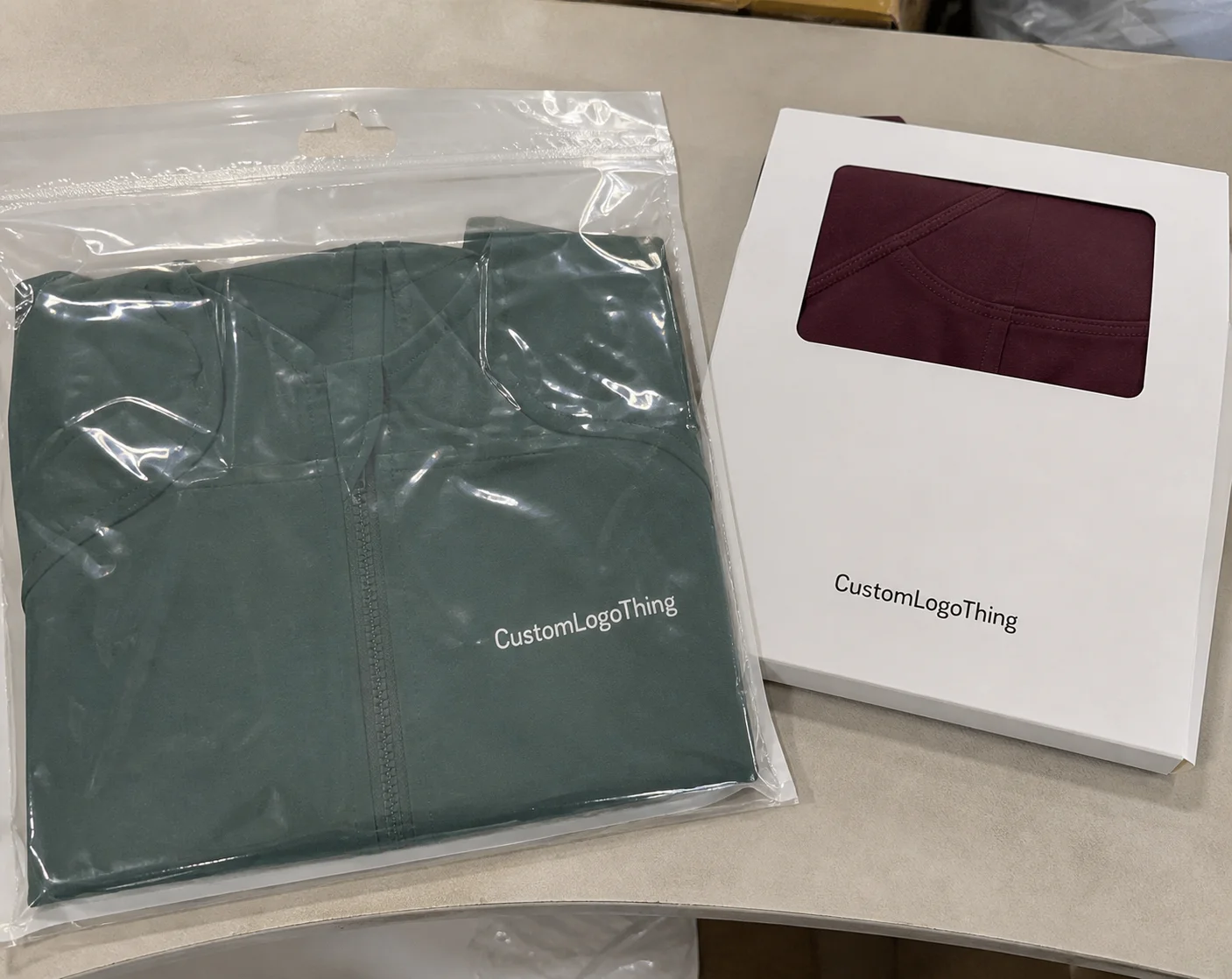
Packaging waste often starts with a mailer that is too large or too heavy for the SKU. Oversizing raises film and padding use, reduces master-carton density, and increases pallet space. That same decision continues to add cost through inbound freight, storage, and replenishment labor.
Overbuilt mailers have the same problem. Thick film and heavy bubble may look safer, but if the item only needs moderate cushioning, the added material does not pay back. Underbuilt packaging is worse: weak seams, thin padding, or poor adhesive can drive reships, refunds, and damage claims.
The practical question is not, “What is the cheapest mailer?” It is, “What spec protects this SKU at the lowest total cost?” That means balancing protection, warehouse handling, and presentation without paying for unnecessary structure or print.
Branding matters, but it usually does not require a premium print treatment. For many ecommerce programs, a clean one- or two-color exterior layout delivers enough recognition without turning a shipper into a high-cost graphics project.
Common buying mistake: comparing quotes only on unit price and ignoring freight, storage density, line speed, and the cost of choosing the wrong size family.
Where padded mailers fit best in ecommerce fulfillment operations
Padded mailers perform best with compact, lightweight products that are not highly crush-sensitive. That includes supplements, skin care, books, charging cables, phone accessories, socks, stationery kits, and small wellness items.
Compared with cartons, they usually save space and labor. A box may need to be erected, taped, and filled. A padded mailer often reduces the process to insert, peel, seal, and label. On a high-volume line, shaving even a few seconds off each order can produce meaningful labor savings.
They can also reduce pack weight. Depending on size and structure, a padded mailer may weigh roughly 15 to 45 grams, often less than a small corrugated box with tape and filler. That difference can affect parcel spend and pallet counts at scale.
Right-sizing is critical. A lightweight SKU in an oversized mailer creates recurring material waste and dimensional inefficiency. Even when carriers do not bill strictly on dimensional weight, excess size still affects storage, freight, and handling.
Not every item belongs in a padded mailer. Heavy glass, rigid electronics, fragile ceramics, and premium gift presentations usually need a carton, inserts, or another protective format from your broader Custom Packaging Products range. Mailers are also a poor fit when the presentation depends on rigid structure.
Quoting works best when the application is clear from the start. Product dimensions, packed weight, fragility, order profile, and return requirements all influence the recommended structure.
Material, padding, seal, and print specifications that actually change performance
Cost differences between padded mailers usually come from four areas: outer film, cushioning, closure, and print. These are the specs that affect both protection and price.
Outer film and puncture resistance
The outer layer is commonly a co-extruded polyethylene film selected for printability, seal performance, and puncture resistance. Many Custom Padded Mailers fall around 2.0 to 3.5 mil total film structure, depending on use. Soft accessories may work near the lower end; books, hard accessories, and denser items usually need more resistance to corner pressure and abrasion.
More gauge is not automatically better. It raises material cost and can reduce flexibility on the packing line. The target should be enough strength for the real product, not the maximum available structure.
Padding type
Bubble lining remains common because it provides consistent cushioning at low weight. Fiber-based cushioning may support recycled-content goals or retailer requirements, but it changes thickness, feel, and performance. Products with sharp edges or variable packed weight should be reviewed carefully before switching.
For broader packaging materials guidance, the U.S. EPA provides useful background at epa.gov.
Closure and returns features
Most ecommerce programs use a permanent peel-and-seal strip. Adhesive quality matters, especially where temperatures fluctuate or warehouse conditions are dusty. A return strip increases cost, but for apparel or exchange-heavy categories it can remove the need for a second package and simplify the return process.
Print variables that move cost
One-color flexographic printing is often the most economical baseline. Cost rises with additional colors, heavy coverage, interior print, or special finishes. In many cases, a logo and a few controlled design areas do the job without pushing the project into a higher print tier.
Functional print is often more valuable than decorative print. Barcode-clear zones, return instructions, writable areas, lot-code space, and required warning copy can improve fulfillment accuracy and reduce downstream errors.
Custom padded mailers for ecommerce fulfillment unit cost breakdown
A useful cost model separates one-time setup from recurring unit cost and follows the package through delivery and use. That is the basis of a reliable custom padded Mailers for Ecommerce fulfillment unit cost breakdown.
- Raw material: outer film resin, padding media, adhesive
- Converting: bonding, cutting, folding, side welds, bottom seal, bag making
- Printing: plates or cylinders, ink, color count, coverage
- Labor: setup, press operation, inspection, packing
- Packaging: case packing, labels, palletization
- Logistics: freight, duty if applicable, inland delivery
- Storage: warehouse cube, handling, replenishment labor
The biggest cost drivers are usually size, film gauge, padding thickness, print coverage, and order volume. A small one-color standard-size mailer and a large heavily printed mailer with a return strip can sit in very different price bands even at the same quantity.
| Spec Scenario | Typical MOQ | Estimated Unit Range | Best Fit | Watch-Out |
|---|---|---|---|---|
| Plain stock padded mailer, no custom print | 1,000-2,500 | $0.18-$0.32 | Pilot runs, short tests, temporary programs | Limited branding and fewer size options |
| Custom 1-color padded mailer, standard size | 3,000-5,000 | $0.24-$0.42 | Core ecommerce SKUs | Setup cost weighs heavily at low volume |
| Custom 2-color or higher coverage, standard size | 5,000-10,000 | $0.30-$0.55 | Programs with stronger branding requirements | Ink coverage and reject risk can raise total cost |
| Large-format custom padded mailer with return strip | 5,000-10,000 | $0.42-$0.75 | Apparel, books, multi-item orders | Oversizing can erase any packaging savings |
These ranges are directional. Resin markets, freight, sourcing region, and timing all affect final pricing. Still, they help buyers pressure-test quotes. If a heavily printed or unusually large mailer prices well below market, something may be missing, such as gauge, padding level, tolerance, or realistic freight assumptions.
One-time charges should be listed separately. That usually includes plates, proofs, and any tooling or custom-size setup. Reorder pricing is often the cleaner measure because it reflects the steady-state cost after launch.
MOQ changes the math because setup has to be spread across the run. A lower buy may reduce cash exposure and obsolete inventory risk, but it usually raises the per-unit cost. That tradeoff should be reviewed as part of inventory strategy, not just as a line-item price issue.
Freight and storage can change the sourcing decision. A lower ex-works offshore quote can lose its advantage after ocean freight, customs, inland delivery, and longer reorder windows are included. Domestic supply may carry a higher unit price while reducing lead-time risk and versioning exposure.
A strong RFQ asks for multiple quantity tiers, exact dimensions, print assumptions, carton pack counts, and ship-to details. If those inputs are vague, suppliers will quote different structures and the comparison stops being useful. If you are also reviewing Custom Poly Mailers, keep dimensions, freight assumptions, and annual usage aligned before deciding whether the added padding is worth the cost.
MOQ, reorder strategy, and inventory math buyers should settle before requesting a quote
MOQ is tied to run efficiency, material planning, print setup, and scheduling. Custom print and custom sizes usually increase minimums because there is more setup cost to recover.
The tradeoff is simple: deeper buys usually lower unit cost, while lighter buys improve cash flow, storage flexibility, and artwork agility. The right answer depends on monthly usage, forecast stability, and how often packaging copy or graphics change.
A program shipping 8,000 units a month for one stable SKU can often justify a larger run. A brand shipping 1,200 units across multiple versions with frequent compliance updates may be better off ordering 5,000 to 10,000 pieces even at a higher per-unit rate.
Reorder planning should be based on lead time plus safety stock. If the cycle from PO to receipt is four to eight weeks, the reorder point should cover that usage period plus a delay buffer.
- Monthly usage forecast
- Approved lead time range
- Safety stock target
- Carton pack quantity and pallet count
- Storage density in the warehouse
These details affect handling cost after the shipment arrives. A carton packed 250 units instead of 100 can reduce receiving time, replenishment frequency, and rack use.
Production process and lead time: from artwork approval to dock delivery
Most custom mailer orders follow the same path: specification confirmation, artwork review, proofing, material allocation, printing, converting, bag making, inspection, packing, and shipment. Delays usually begin with incomplete inputs rather than factory output.
Vague color expectations, missing warning copy, late size changes, and incomplete dielines all create avoidable rework. Buyers who provide final dimensions, packed weight, quantity tiers, print files, and ship-to location up front usually move faster from quote to production.
Typical timing ranges
Domestic production for a straightforward custom run often lands around 12 to 20 business days from proof approval, plus transit. Offshore production can take much longer depending on queue, vessel timing, customs, and inland delivery. Air freight shortens transit but can erase part of the sourcing advantage.
Samples are usually quicker than bulk production, but a fast sample does not guarantee a fast order. Hand samples and digital mockups confirm fit and concept, not full production scheduling or material availability.
Quality checkpoints worth asking about
Ask about seal integrity, print registration, size tolerance, adhesive consistency, and carton labeling. For products with moderate fragility, ask how the recommended structure was evaluated for puncture resistance or transit performance. The International Safe Transit Association offers useful testing guidance at ista.org.
If recycled-content or chain-of-custody claims matter, request supporting documentation early. For fiber-related claims, fsc.org may also be relevant.
- Confirm final dimensions and tolerances
- Lock the print scope and artwork files
- Approve compliance marks and warning copy
- Validate sample fit with the actual product
- Review carton counts and pallet footprint
- Issue the PO with agreed freight terms and delivery point
How to compare suppliers on conversion quality, quote transparency, and fulfillment fit
A low quote does not always produce a low-cost program. Weak adhesive, inconsistent film thickness, poor print repeatability, loose tolerances, or unrealistic freight assumptions can turn an attractive bid into a costly packaging issue.
Ask for evidence instead of broad quality claims. Sample packs, tolerance ranges, test data, artwork guidance, and recommendations tied to your SKU are more useful than generic sales language. If a supplier proposes a lighter structure or skips a return strip, they should explain why that choice fits the product and return pattern.
Service also matters. Ecommerce programs need realistic lead-time visibility, quick revision handling, and clean reorder communication. Suppliers that help narrow the size family, reduce unnecessary print coverage, or shift to a more efficient production width can lower cost without increasing damage risk.
Normalize every comparison before deciding: same dimensions, quantity tiers, print scope, freight terms, and carton assumptions. That is the only fair way to compare custom mailers, stock options, or custom printed boxes for a more fragile SKU.
What should you include in a custom padded mailers quote request?
To get a quote that supports a real buying decision, send the supplier the inputs that affect cost and fit: product dimensions, packed weight, monthly and annual volume, preferred sizes, branding requirements, return-strip needs, and any sharp corners, liquid contents, or compliance labeling requirements.
Include two or three quantity tiers, such as 5,000, 10,000, and 25,000 units. That gives you a cost ladder and makes it easier to see when setup charges stop distorting the unit price.
Ask for samples packed with the real product, not just empty mailers. Fit, seal performance, opacity, print appearance, and handling should be checked under conditions close to actual fulfillment.
Also confirm delivered-cost assumptions. Ex-works pricing can be useful, but only if freight, duty, cartons, palletization, and transportation are shown clearly and compared on the same basis across suppliers.
The best purchasing decisions usually come from disciplined specifications and a clear cost model, not from chasing the lowest quoted piece price. A solid breakdown helps buyers avoid overbuying, protect pack-line efficiency, and choose a mailer that fits both the SKU and the operation.
FAQ
What affects custom padded mailers pricing the most?
The biggest cost drivers are size, film gauge, padding thickness, print coverage, order quantity, and freight. Small spec changes can alter material usage, carton counts, pallet density, and delivered unit cost. Setup charges such as plates or proofing should be separated from recurring per-unit pricing.
What is the typical MOQ for custom padded mailers?
Typical MOQ depends on print method, size, material structure, and sourcing model. Custom printed orders often start around 3,000 to 5,000 pieces, though some projects run higher. Lower minimums are possible, but pricing usually rises because setup is spread over fewer units.
How do I get an accurate custom padded mailers quote for ecommerce fulfillment?
Provide final dimensions, product type, packed weight, quantity tiers, print requirements, and ship-to location. Annual demand and reorder frequency often lead to better recommendations than a single trial quantity. Ask whether freight, cartons, tooling, and palletization are included or listed separately.
Are custom padded mailers cheaper than boxes for small ecommerce orders?
Often, yes, for lightweight products. They usually use less material, take less warehouse space, and pack faster. The savings only hold if the mailer provides enough protection without extra filler or a second inner pack. Heavy or crush-sensitive items may still justify a box.
What is the lead time for custom printed padded mailers?
Lead time depends on sampling, artwork approval speed, production location, and freight mode. Reorders are usually faster than first runs because the files and specifications are already approved. Projects move more smoothly when dielines, color expectations, and required warning copy are settled before proofing begins.

