Two brands can ship the same T-shirt and get very different reactions. One order arrives in a thin generic bag with too much empty space and no easy way to reseal it for a return. The other shows up in a right-sized branded mailer with a clean peel-and-seal flap, good opacity, and a second adhesive strip already in place. That small packaging choice carries more operational weight than many teams expect, which is exactly why custom packaging mailers for ecommerce deserve closer attention.
Mailers sit at the point where cost control, fulfillment speed, product protection, and brand presentation meet. They are not just a lower-cost substitute for a corrugated box. For many online sellers, the shipping pack is the only physical brand touchpoint they fully control from warehouse shelf to customer doorstep.
The difference shows up quickly. A well-specified mailer can reduce parcel cube, save a few seconds at the pack table, keep labels readable, and make returns easier. A poor one creates labor drag, seam failures, customer frustration, and replacement cost that dwarfs a small unit-price saving.
Why custom packaging mailers for ecommerce punch above their weight
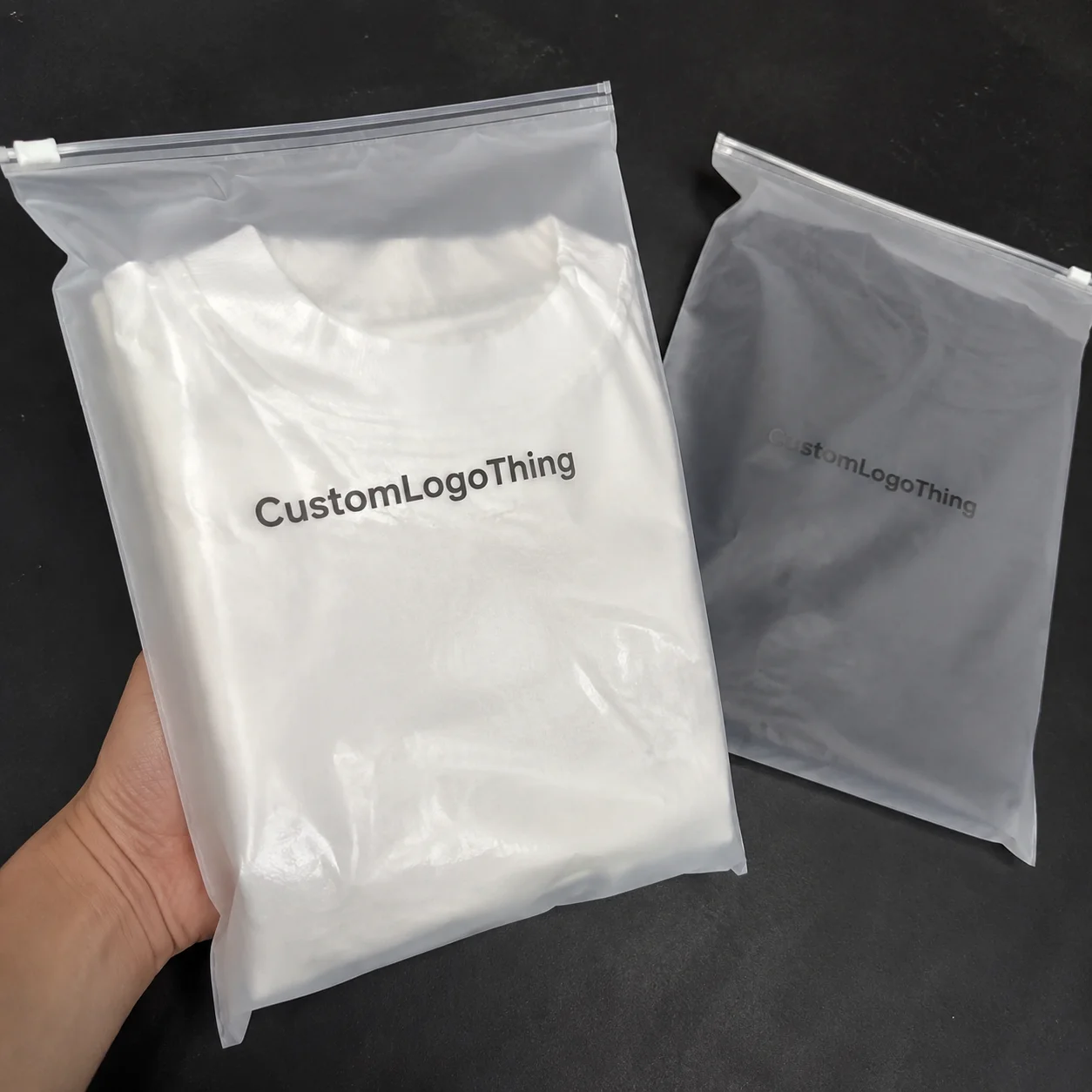
Mailers look simple until you use them at scale. A bag, a flap, an adhesive strip. Yet on a fulfillment floor, those details affect how fast orders move and how many of them arrive intact. If a team ships 10,000 orders a month and trims even 3 seconds from each pack-out, that is more than 8 labor hours recovered. If the package also avoids a carrier size threshold, the math gets better in a hurry.
Most ecommerce mailers fall into a few practical formats:
- Standard poly mailers for apparel, soft goods, and low-breakage items
- Co-extruded mailers with layered film for stronger opacity and better puncture resistance
- Bubble-lined mailers for small hard goods that need light cushioning
- Recycled-content or recyclable structures for brands with specific sustainability requirements
What gets overlooked is how many jobs a mailer is doing at once. It protects the product from moisture and abrasion. It controls how much the item shifts in transit. It gives the packer a fast closure method. It affects whether the customer can open the package neatly or destroys it with scissors on the kitchen counter. For apparel, wellness, and beauty refills, opacity matters too. A bag that turns translucent once stretched around a dark item is not doing the job.
Mailers usually outperform boxes for garments, accessories, replenishment orders, and other shipments where paying to move air makes little sense. They are a weaker fit for fragile products, rigid gift items, or anything that needs stacking strength, crush protection, or a more formal presentation. In those cases, custom printed boxes or a hybrid pack tends to hold up better.
Buyers often underrate mailers because the unit price looks small. That is a mistake. An extra $0.08 to $0.20 per piece can be cheap insurance if it cuts spoilage, shortens pack time, or reduces return friction. The wrong bag is inexpensive only on paper.
How custom packaging mailers for ecommerce work from pack station to doorstep
A mailer’s anatomy is straightforward, but every part has a job. The film structure, thickness, seal design, flap length, pressure-sensitive adhesive, tear strip, second adhesive line for returns, print placement, and label area all influence whether the package helps the fulfillment team or slows it down.
The route from pack station to porch is rougher than many people imagine. The item is inserted by hand, compressed at closure, labeled, dropped into totes, scanned, pushed across conveyors, stacked in linehaul, exposed to humidity, and sometimes left outside in heat or rain. Lightweight packaging still has to survive heavy handling.
Material choice changes the outcome. Standard poly remains common because it resists moisture, runs efficiently, and keeps cost under control. Bubble-lined versions add modest cushioning for compact boxed goods, accessories, cosmetic tools, and similar items. Paper-like recyclable structures can support a sustainability message, but they need real testing because tear behavior, stiffness, and seal performance can differ a lot from conventional poly.
Print affects function as much as appearance. Flexographic printing is common for higher volumes and simpler color builds. Digital printing can make sense for pilots, prototypes, and short runs with multiple artwork versions. A one-color logo is usually the least expensive route. Full flood coverage, inside print, matte effects, and edge-to-edge graphics can look sharp, though they also raise cost and tighten print tolerance.
Fit is where many projects are won or lost. An oversized mailer looks sloppy, increases movement, and can waste storage space at the pack station. One that is too tight slows insertion, stresses the seams, and weakens closure performance. The right size should be based on the packed product, not the flat dimensions in a catalog.
There are also basic compliance issues to watch. Shipping labels need contrast and a reasonably flat area to scan well. Barcodes need quiet space. Some bags require suffocation warnings or other mandatory text depending on market and dimensions. Marketplace and retailer packaging rules vary, so channel requirements should be checked before final art is approved. For transit testing and distribution guidance, ISTA remains a useful reference point.
The specs that matter most: material, thickness, seal, print, and size
If you strip away the design language, five decisions drive most of the result: material, thickness, closure style, print approach, and size discipline. Miss one of those and the rest cannot fully compensate.
Material choices in plain language
Virgin poly usually offers the cleanest print surface, reliable seal behavior, and consistent run-to-run performance. Recycled-content film can support packaging targets, though the percentage and blend matter because performance is not identical across every structure. Co-extruded film combines multiple layers, often with a white outside layer and darker interior for better opacity and toughness.
Surface finish matters less than some marketing teams assume. Matte can feel more premium and hides fingerprints better, while gloss tends to give stronger color pop. Neither finish fixes an underbuilt structure.
Thickness and durability
Mailers are usually specified in mil or gauge, and buyers should make sure everyone is quoting the same unit. Many ecommerce poly Mailers for Apparel and soft goods land in the 2.0 to 3.15 mil range. Heavier-duty versions often move to 3.5 to 4.0 mil where puncture risk is higher or the product has sharper edges. Bubble mailers vary by both outer film and bubble profile, so two bags that look similar can perform very differently.
Thicker is not automatically better. A properly sized 2.5 mil co-ex mailer can outperform an oversized 3.0 mil bag because the contents move less and put less stress on the seams. Opacity works the same way. A white film can look solid on a sample swatch and still become semi-transparent once it stretches around a dark hoodie or shoe box insert.
Closure and opening details
Permanent adhesive is standard, but not all adhesives behave the same. Some close aggressively and hold well under pressure. Others are less forgiving if the packer has to reposition the flap. Dual adhesive strips are especially useful for categories with steady return volume, including apparel and footwear accessories. In many of those programs, return rates can sit around 15% to 30%, sometimes higher during seasonal peaks.
Easy-open tear strips are more than a cosmetic upgrade. They reduce jagged openings, make the package easier to reuse for returns, and lower the chance of a customer cutting into the product while opening the order.
Print decisions that affect cost and clarity
Print cost generally rises with the number of ink colors, coverage area, and artwork complexity. A one-color logo on white film is a very different job from a full-bleed design with inside print, reverse type, and exact brand color targets. Small details can also get lost on flexible film, especially on textured or recycled-content surfaces.
Shipping still needs room to work. Leave a quiet panel for the carrier label. If branding fills every visible inch, the label usually lands over key graphics anyway. Clean packaging design often holds up better than dense artwork because shipping packs are handled hard and seen briefly.
Size planning by product type
A folded T-shirt may fit well in a 10 x 13 inch mailer. A sweatshirt, bundled apparel order, or fleece set may need 12 x 15.5 inches or larger. Small accessories often benefit from narrower widths that stop them from sliding. Beauty refills and compact accessories may fit best in a small bubble-lined format or an inner carton placed inside a mailer.
Side gussets can help with bulkier orders, but they should reflect real order patterns rather than an occasional outlier. It is common for brands to oversize because they want one universal solution. In practice, a two-size or three-size program is often faster to pack and cheaper to ship than forcing everything into the same bag.
Sustainability needs a practical reading. Recycled content claims are useful, but they are not the same as curbside recyclability. Some mono-material options may fit store drop-off streams, while local acceptance at the curb remains inconsistent. The EPA offers broad consumer recycling guidance, but brands still need disposal language that matches how the package can actually be handled.
What buyers often miss: comparing thickness alone tells you very little. A better-sized mailer with stronger seals and better opacity can outperform a heavier bag chosen mostly for hand feel.
If you are reviewing options for Custom Poly Mailers, ask suppliers to list the film structure, thickness, seal style, opacity notes, and carton packing details in writing. That makes quote comparisons far more honest.
How much do custom packaging mailers for ecommerce cost?
Mailer pricing looks simple until quotes arrive. Then the hidden variables show up. One supplier may be quoting a 2.25 mil mono-layer bag with one-color print. Another may be quoting a 2.75 mil co-ex mailer with stronger opacity and dual adhesive. The unit price can look close even though the products are not equivalent.
The main cost drivers are usually:
- Finished size
- Film structure and recycled-content percentage
- Thickness in mil or gauge
- Number of print colors
- Ink coverage and bleed area
- Special features such as bubble lining, tear strips, or dual adhesive
- Total order quantity and any split delivery requirements
As a rough market reference, a custom printed apparel mailer at 5,000 pieces may land around $0.18 to $0.28 per unit for a common size with moderate print coverage. At 25,000 to 50,000 pieces, that often drops into the $0.09 to $0.18 range, depending on specs, freight, and material mix. Bubble-lined versions usually start higher. Full flood print, matte finishes, and recycled-content structures can all push pricing upward.
Those numbers are directional, not universal. Resin swings, freight changes, print method, and delivery location all move the total. A quote that looks cheap may also exclude tooling, proofing, or inbound freight.
Minimum order quantities exist for practical reasons. Custom runs require setup, and setup may include printing plates, allocated film, changeover time, and production scheduling. If a supplier sets an MOQ of 3,000, 5,000, or 10,000 pieces, the goal is usually to spread fixed costs over enough units to make the job efficient.
For early-stage brands, plain stock mailers plus labels or inserts can be a reasonable bridge. That approach works best when volume is low, order patterns are still changing, or the team wants to test sizes before committing to custom print. Once order volume grows, custom packaging mailers for ecommerce often lower total brand cost by removing extra hand steps and reducing the number of components at pack-out.
| Option | Typical Unit Cost Range | Best For | Tradeoff |
|---|---|---|---|
| Plain stock poly mailer | $0.05-$0.12 | Low-volume testing | Minimal brand presence |
| Stock mailer + sticker/insert | $0.09-$0.18 combined | Short-term bridge strategy | Extra labor and added components |
| Custom printed poly mailer | $0.09-$0.28 | Growing ecommerce brands | MOQ and lead time |
| Custom bubble mailer | $0.22-$0.55 | Small hard goods | Higher cost and more parcel bulk |
Hidden costs deserve more attention than they usually get. Oversized mailers can increase freight by driving larger master-carton counts. Poor fit increases spoilage. Heavy print coverage can slow approvals and extend production time. A bag that tears just 1% more often can wipe out apparent savings very quickly once replacements and service time are counted.
Quoting goes faster if the brief is complete. Include dimensions, monthly usage, print colors, target finish, ship-to region, and the required in-hands date. If you are comparing mailers with other formats, it can help to review broader Custom Packaging Products and decide which SKUs truly belong in a flexible shipper rather than a carton.
Production steps and lead time: from artwork approval to delivery
The production path for custom mailers is fairly direct, but incomplete information can slow it down more than most buyers expect. A typical sequence looks like this:
- Use-case review and quoting
- Spec confirmation for material, size, thickness, and closure
- Dieline or layout creation
- Artwork review and print positioning
- Color approval, often using Pantone references
- Sample or proof approval
- Production scheduling
- Printing and converting
- Carton packing and labeling
- Freight, receiving, and pack-floor release
Lead time depends on format and project readiness. Stock or near-stock solutions may move in days. Semi-custom programs often arrive in roughly 1 to 3 weeks. Fully Custom Printed Mailers commonly take 3 to 6 weeks from final proof approval to arrival, though freight mode, material availability, and production load can stretch that window.
Digital printing can speed up pilots and small tests. It does not always reduce total cost. Its main advantage is flexibility at lower volumes or when artwork changes frequently.
Most delays are ordinary and preventable. Packed dimensions may be unclear. Art files may arrive in the wrong format. The team may change recycled-content requirements after quoting starts. Split-ship requests may come in after production has already been booked. None of these issues are unusual, but each one can move delivery by days or weeks.
Useful supplier questions include:
- What proof format will be provided?
- What are the size, print, and color tolerances?
- Is the quoted date a ship date or an in-hands date?
- How are reorders handled once specs and artwork are approved?
- What carton counts and pallet configuration should the warehouse expect?
One practical habit helps a lot: do not build your internal launch schedule around factory completion alone. Leave time for test packs, basic transit checks, carrier handoff, receiving, and warehouse onboarding. A good mailer that arrives late still creates a problem.
Common mistakes buyers make when choosing branded shipping mailers
The most common mistake is choosing by appearance first and performance second. A matte black mailer may look premium in a mockup. If the film is underbuilt for the SKU mix, punctures and seam failures will define the customer experience instead.
Another common mistake is buying one universal size for every order. That sounds efficient, but it rarely stays efficient on the floor. A single oversized format creates wasted material, slower pack-out, more shifting in transit, and inconsistent presentation. For many apparel brands, a two-size strategy works far better.
Returns are often treated as an afterthought. In categories with meaningful return volume, dual adhesive strips and easy-open features are workflow tools, not decorative extras. Reverse logistics can quietly erode margin, and packaging either helps or gets in the way.
Artwork also gets overworked. Heavy ink coverage raises cost. Low-contrast layouts can interfere with labels and scan reliability. A shipping mailer is not a retail display box. It needs clean branding and clear operational space.
Sustainability claims deserve careful reading. “Recyclable” depends on the material structure and local collection access. “Made with recycled content” is a different claim entirely. Buyers should ask what percentage is actually being used, whether the structure is mono-material, and what disposal instructions can honestly be printed on the pack.
Skipping pilot runs is another expensive habit. If you are moving from boxes to mailers, changing film structure, or reducing thickness from 3.0 mil to 2.25 mil, test with actual products and real order combinations. A small pilot that exposes failures is much cheaper than a full production run that exposes them in customer hands.
Rule of thumb: if two mailer quotes are far apart, a spec difference is usually hiding somewhere.
Next steps: build a mailer spec sheet your supplier can quote fast
Faster, cleaner quotes usually start with a one-page spec sheet. Put that together first and much of the back-and-forth disappears.
Your checklist should include:
- Product type and category
- Packed dimensions rather than flat product dimensions
- Average order composition, including bundles
- Fragility level and any need for light cushioning
- Target appearance, such as matte, gloss, or simple logo print
- Return requirements, including a second adhesive strip if needed
- Sustainability goals and any recycled-content target
- Monthly forecast and preferred reorder quantity
- Ship-to ZIP code or region
- Required in-hands date
Then narrow the field. Most brands do not need twenty structures under review. They need two or three realistic options based on how the product actually ships. A standard poly mailer may cover soft goods. A stronger co-ex structure may suit bulkier or sharper-edged items. Small hard goods may need a bubble-lined format. Brands with stricter sustainability requirements may want to compare recycled-content or store-drop-off-friendly options.
Sample kits are worth requesting, and test packs matter even more. Use your actual product, not a guessed substitute. Check fit, opacity, seal integrity, opening experience, and how a shipping label sits on the film. If orders move through automation or high-volume pick-pack lines, validate under real handling conditions rather than relying on a desk review.
A quote-ready brief should also include artwork files, Pantone references where needed, target quantities, and delivery timing. Before placing the order, define what success looks like: pack time per order, damage rate, customer comments, return usability, and packaging cost as a share of shipped orders. Those are the metrics that make a reorder decision easier later.
The right choice in custom packaging mailers for ecommerce is not just a branded bag. It is a working shipping component that balances protection, unit economics, warehouse efficiency, and customer experience. Get the spec right and the mailer does its job quietly, thousands of times over. Get it wrong and every shipment reminds you.
FAQ
What products work best in custom packaging mailers for ecommerce?
They are best suited to apparel, accessories, soft goods, beauty refills, and other non-fragile products that do not need rigid-wall protection. Bubble-lined versions can work for small hard goods that need light cushioning. Fragile, crush-sensitive, or high-value items often still need a box or a mailer combined with an insert.
How do I choose the right size for ecommerce shipping mailers?
Measure the packed product, including folded thickness, inner bags, inserts, and common multi-item combinations. Leave enough room for easy insertion and secure closure, but avoid large empty areas that increase movement and weaken presentation. Testing real order mixes is more useful than sizing from a single sample.
How much do custom packaging mailers for ecommerce usually cost?
Pricing depends mainly on size, film thickness, material structure, print coverage, number of colors, order quantity, and features such as dual adhesive or bubble lining. Unit cost usually falls as volume rises, but storage capacity, cash flow, and reorder frequency still matter. Ask suppliers to separate tooling, proofs, freight, and per-unit pricing so comparisons stay clear.
What is the typical lead time for custom poly mailers?
Lead time depends on artwork readiness, proof approvals, material availability, production scheduling, and shipping method. Stock or semi-custom options are faster than fully custom printed runs. It is wise to leave extra time for sampling, transit checks, and receiving at the fulfillment center.
Are custom ecommerce mailers recyclable or sustainable?
Some include recycled content, and some mono-material formats may qualify for store drop-off recycling streams. Real sustainability depends on local recycling access, clear disposal instructions, right-sizing, and avoiding overbuilt packaging. Material choice matters, but so do damage reduction and smart downgauging where testing supports it.

