Why brands order custom stickers now for fast packaging wins
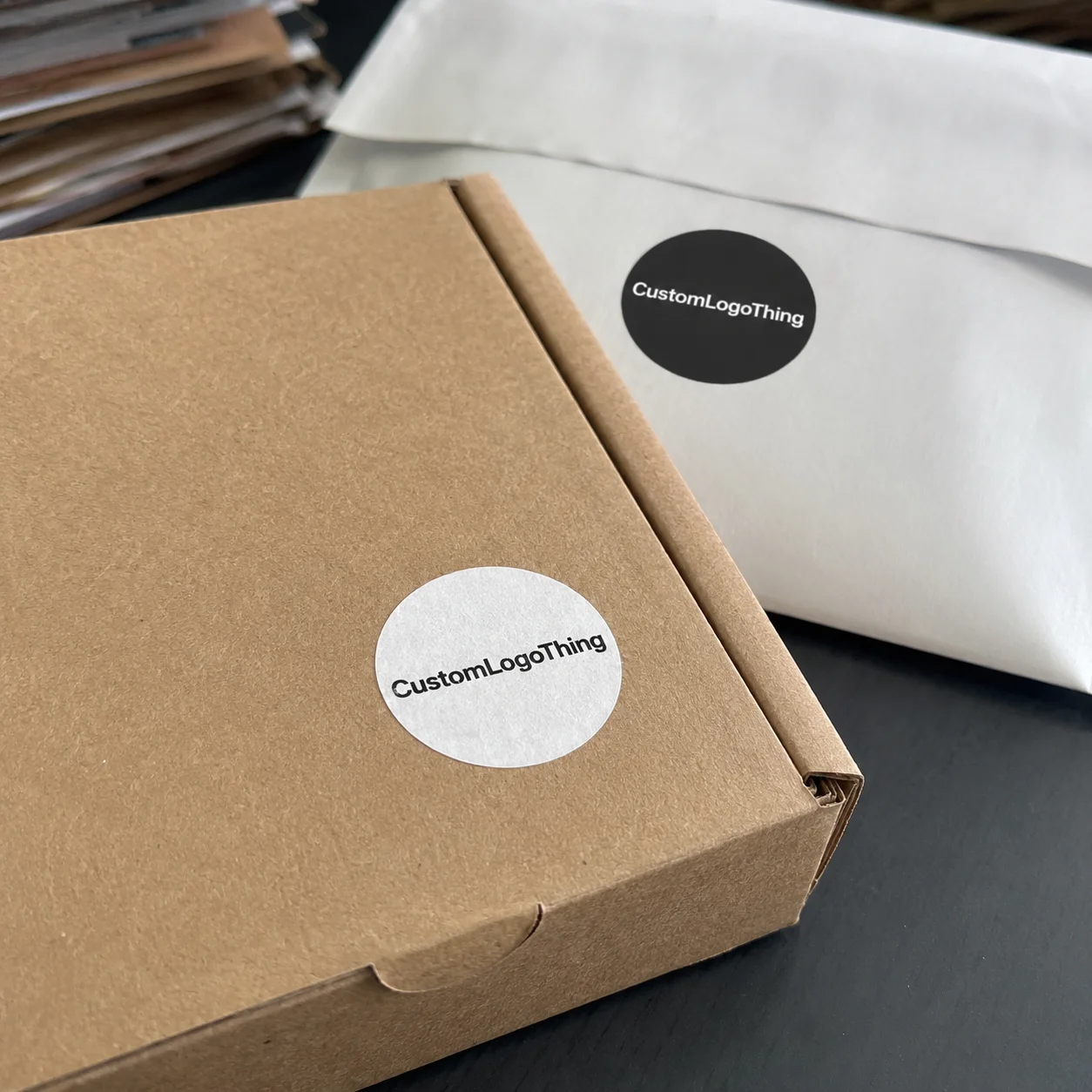
Custom Stickers Now show up in packaging plans for a simple reason: they solve a presentation problem quickly. A plain mailer, kraft box, bottle, or promo kit can look unfinished until one strong sticker ties the whole surface together. That makes them useful for branded packaging when a full redesign is not practical, not approved yet, or not worth the lead time.
From a buyer’s perspective, stickers sit in a useful middle ground. They are more flexible than pressure-sensitive labels, which are usually tied to product identification, container shape, and in some categories regulatory copy. Stickers are often chosen for sealing, decoration, limited runs, event kits, campaign graphics, and quick brand overlays. Labels are still the right answer for repeat SKUs and compliance-heavy products. Stickers are better when speed, style, and application flexibility matter more than strict format rules.
That is why teams use them for unboxing details, seasonal promotions, and packaging updates that need to move faster than a structural box change. A sticker can carry a logo, a QR code, a short campaign line, or a simple color field that changes how the package reads on shelf and on camera. The production timeline is usually the appeal. A new package structure can take weeks of sampling and approvals, while a sticker run can often move from file upload to finished pieces in days.
Stickers also work well alongside coordinated packaging components such as Custom Labels & Tags and broader Custom Packaging Products. For brands trying to keep the visual system consistent, that makes the sticker less of an accessory and more of a practical branding layer.
A small format can still carry a lot of brand weight if the material, size, and finish are chosen for the surface it actually needs to live on.
The real question is not whether a sticker looks good on a screen. It is whether it survives the package, the handling, and the environment it will face. That is where the production details start to matter.
How the sticker production process works
The production path is straightforward, but every step affects the final result. It usually starts with artwork upload, then proofing, then print setup, cutting, finishing, and shipping. A good supplier checks dimensions, bleed, safe area, and whether the artwork makes sense for the intended surface. If a logo sits too close to the edge, the cut can feel cramped. If bleed is missing, thin white slivers can appear after trimming.
Digital printing is common for smaller and more varied runs because it does not require a plate for each design. Sheet printing works well when stickers need to stay organized for hand application or office use. Roll printing is better for higher-volume jobs and often fits automatic application or fast packing lines. Die-cut stickers follow the outline of the design, while kiss-cut versions keep the liner intact around each piece. That difference changes how the stickers are packed, stored, and applied.
Proofing catches most of the avoidable mistakes. Color can shift from monitor to print, especially with dark solids, saturated reds, and fine gradients. Cut placement matters too. A design that looks centered on a screen may need a slight adjustment once the trim path is added. If brand color is critical, ask how the supplier handles references such as Pantone values. Even then, not every print method will reproduce spot color identically on every substrate.
Finish changes more than appearance. Gloss tends to deepen color and give the print a brighter, more immediate feel. Matte softens the look and usually reads as more restrained. Soft-touch adds a velvety surface, but it costs more and can be unnecessary on short-lived promo work. Waterproof or coated finishes improve resistance to moisture, scuffing, and repeated handling. For packaging that ships, chills, or gets touched often, that upgrade usually earns its place.
Small changes can alter setup in ways buyers do not always expect. A move from square to custom die-cut adds cutting complexity. A second design version may trigger another proof cycle. Even a finish change can affect lead time if it changes the coating process or available material inventory. That is why a quote should be built around a full spec, not just a logo and a quantity.
Cost, pricing, and MOQ factors that change your quote
Sticker pricing usually comes down to size, quantity, shape complexity, material, finish, and whether the order is sheeted or rolled. Larger stickers use more stock and more ink coverage. Complex shapes add cutting time and waste. Specialty finishes and premium materials also push pricing upward quickly.
Quantity has a direct effect on unit cost because setup gets spread across the run. A 250-piece order may cost much more per sticker than a 2,500-piece run, even if the artwork is identical. The pricing gap between quantity tiers is often where the best value appears, so it is worth checking whether a slightly larger run improves the per-piece number enough to justify extra inventory.
Minimum order quantity, or MOQ, depends on print method and finish. Digital runs can be flexible, while specialty materials or custom shapes may come with a higher floor. If a supplier offers a very low MOQ, look closely at what changed. The tradeoff is often a smaller material range, fewer finish options, or simplified cutting. That is not a problem by itself, but it should be obvious in the quote.
Here is a practical way to think about sticker pricing. These numbers are directional, not universal, because artwork coverage, material choice, and supplier capacity all affect the final price.
| Order Type | Typical Unit Cost | Best For | Common Tradeoff |
|---|---|---|---|
| Small sheeted run | $0.20-$0.60 per sticker | Hand packing, samples, promo kits | Higher unit cost |
| Mid-volume die-cut run | $0.10-$0.25 per sticker | Branding, retail packaging, recurring SKUs | More setup detail |
| Large roll run | $0.05-$0.15 per sticker | High-volume application, automation | Less flexible for one-off use |
Some cost variables are easy to miss. Rush production can add a meaningful surcharge. Specialty adhesives can raise the cost if you need stronger grip on cold, curved, or textured surfaces. Extra proof revisions may add time and sometimes expense. If you are comparing suppliers, make sure each one is quoting the same size, material, finish, quantity, and shipping expectation. Otherwise the numbers are not really comparable.
Choosing materials, adhesives, and finishes for the job
Material choice is where sticker buying starts to look like packaging design. Paper is usually the most economical option and works well for dry indoor use, short campaigns, and simple promotional pieces. Vinyl is the common durability upgrade; it handles moisture better and usually stands up to shipping, handling, and light abrasion. Polyester goes further for strength and resistance, which makes sense in tougher environments. Clear stock creates a transparent effect that can look polished on glass or smooth plastic when the artwork is planned around the background.
Adhesive choice matters just as much. Permanent adhesive is the safer option for packaging that needs to stay in place through shipping, storage, or retail display. Removable adhesive is useful for temporary promotions or surfaces where residue would be a problem. Surface texture changes everything. A sticker that performs well on a smooth jar may fail on recycled board or a slightly rough carton. Testing on the actual container is more useful than judging a sample sheet on a desk.
Waterproof or weather-resistant materials are worth the upgrade when condensation, refrigeration, splash exposure, or outdoor handling are possible. Cold-chain conditions often expose weak adhesives first. Shipping usually brings abrasion and moisture into the picture. If the sticker is decorative only, paper may be enough. If it supports product packaging or a retail presentation that has to survive transit, durability starts to matter fast.
Here is a quick comparison of common material choices:
| Material | Look | Durability | Typical Use Case |
|---|---|---|---|
| Paper | Classic, economical | Low to moderate | Indoor promos, dry packaging, events |
| Vinyl | Clean, versatile | Moderate to high | Shipping, jars, bottles, mailers |
| Polyester | Technical, durable | High | Heavy handling, long wear, tougher conditions |
| Clear stock | Minimal, modern | Moderate | Glass, cosmetic packaging, subtle branding |
Finish should match both the brand and the job. Matte suits a restrained, premium feel. Gloss is better when color needs to pop. Clear can look elegant, but only if the artwork and container color are planned together. A busy design on clear stock can disappear on a patterned surface. That is one reason packaging teams often treat stickers as part of the broader retail packaging system instead of a separate decision.
Step-by-step ordering process and turnaround
The ordering path is usually simple: choose size and shape, upload artwork, review the proof, approve production, then confirm shipping details. The best orders are the ones that arrive with clean information. Exact dimensions, quantity, material, finish, and the surface the sticker will touch all help the quote and proof process move faster. If the sticker goes onto a curved bottle, a textured carton, or a cold container, say that up front. It can change the recommended adhesive or stock.
Turnaround depends on print method and on how quickly the proof is approved. Simple digital runs may move through production in roughly 5-10 business days after proof approval. More complex orders with specialty finishes or larger volumes can take 10-15 business days or longer. Rush options can shorten that window, but they do not fix a bad file, a missing bleed, or a proof that still needs work. Paying more to print the wrong thing faster is still a poor outcome.
A useful planning method is to work backward from the date the stickers must arrive. If they are tied to a launch, event, or fulfillment cycle, build in time for proofing and transit. That buffer matters even more if the sticker is part of a coordinated package that also includes custom printed boxes or other branded components. One delayed item can slow the whole presentation.
For buyers who need to think beyond appearance, outside references can help separate marketing language from actual performance. Standards groups such as the ISTA are useful when packaging needs to survive shipping conditions, and the EPA can help frame environmental questions around materials and disposal. If sustainability matters, look for FSC-certified paper options at fsc.org and ask how the material choice affects recyclability in your market.
Common mistakes that make custom stickers now harder to use
The most common mistake is sizing the sticker for the artwork instead of the package. A design can look balanced on screen and still feel awkward on a narrow tube or curved jar. Leave enough margin so the logo does not feel squeezed, and watch for seams, lids, and barcodes. In packaging work, a quarter-inch can change the read of the container.
Artwork quality causes problems too. Low-resolution files, thin fonts, missing bleed, and tiny details all increase the chance of a poor result. If the text must be read from a distance, keep it bold enough to survive print and cutting. Fine lines often disappear once the sticker is produced and applied. Buyers sometimes find this out after approving a proof that looked fine on a laptop.
Finish mismatch is another costly miss. Paper stock on a moisture-prone application is the obvious mistake, but there are subtler ones. A glossy sticker on a matte kraft mailer can feel disconnected if the brand system is meant to look warm and natural. A soft-touch finish on a simple utility label may add cost without giving the package anything useful. The finish should match the job, not just the mood board.
Quantity planning can be just as important. If a campaign performs well and you ordered too few stickers, the second run may cost more because you lost volume efficiency. If you ordered too many, outdated artwork can sit in inventory after the promotion ends. Proof mistakes create a different kind of cost. Skipping proof review or failing to test adhesion on the actual package can turn a low-cost order into wasted stock.
Expert tips to get better results from every sticker run
Test a sample on the actual container before final approval. That one step catches more problems than most buyers expect: edge lift, poor wrap on curves, residue, and visual mismatch against the surface color. For hand-packing teams, application speed matters too. Larger backing sheets can be easier to manage, while smaller die-cuts may be faster in bulk if the liner spacing is planned well.
Match the shape and finish to the brand’s price point. A luxury cosmetic line can justify tighter artwork spacing and a more refined finish. A playful promo kit may benefit from a bold die-cut shape that reads quickly and feels easy to apply. Sometimes a simpler layout produces a stronger result because it reduces production risk and improves legibility. That is especially true when the sticker has to sit alongside existing product packaging graphics.
Keep reorder information organized. If a design will be used again, save the exact dimensions, file version, material, and finish notes together. That saves time on the next run and reduces proof friction. It also helps avoid the common problem of a popular sticker going out of stock just as demand rises.
The strongest sticker choice is usually the one that makes the package feel intentional without adding unnecessary complexity. That is the space custom stickers occupy well. They are a small spend compared with the rest of the package, but they shape how the whole product is perceived.
What to do next before you order
Before requesting quotes, build a simple checklist: size, quantity, finish, material, application surface, and expected use environment. One page is enough to make supplier conversations faster and more accurate. Add logo files, brand colors, and any compliance or packaging requirements so the proof process starts with fewer unknowns.
Compare at least two spec-based quotes, not just two prices. A lower number is not useful if it excludes the finish you need or uses a material that will not hold on your surface. Ask about lead time, shipping method, proof turnaround, and whether the quote assumes sheeted or rolled output. Those details affect both the price and the usefulness of the final product.
Confirm the sticker timeline against your launch, event, or fulfillment schedule. If packaging, inserts, and stickers all need to arrive together, one late item can delay the whole kit. That matters in retail packaging, where presentation timing often matters as much as print quality. The strongest buying decisions balance budget, durability, and brand presentation instead of chasing one number in isolation.
For brands moving quickly, custom stickers now are often the fastest way to make a package feel finished, on-brand, and ready to ship. The result usually depends less on the artwork idea than on the material, adhesive, and finish being matched to the real use case.
How do I know which material is best for custom stickers now?
Choose based on the surface, moisture exposure, and the look you want. Vinyl or polyester usually makes more sense for durability, while paper can work well for short-term indoor use or dry packaging.
What affects the price of custom stickers the most?
Quantity, size, shape complexity, material, finish, and print method usually have the biggest impact. Rush production, specialty adhesives, and extra proof revisions can also raise the total.
How long does the turnaround usually take?
Turnaround depends on print method, order complexity, proof approval speed, and current production load. Simple runs move faster, while custom finishes or larger quantities often need more lead time.
Can custom stickers stick to curved or textured packaging?
Yes, but the adhesive and stock need to match the surface so the sticker conforms properly. Testing a sample on the actual package is the safest way to confirm adhesion.
What files should I prepare before placing an order?
Have vector artwork or high-resolution files ready, plus exact dimensions and brand color details. Include any bleed, cut line, or finish instructions so the proof process goes faster.


