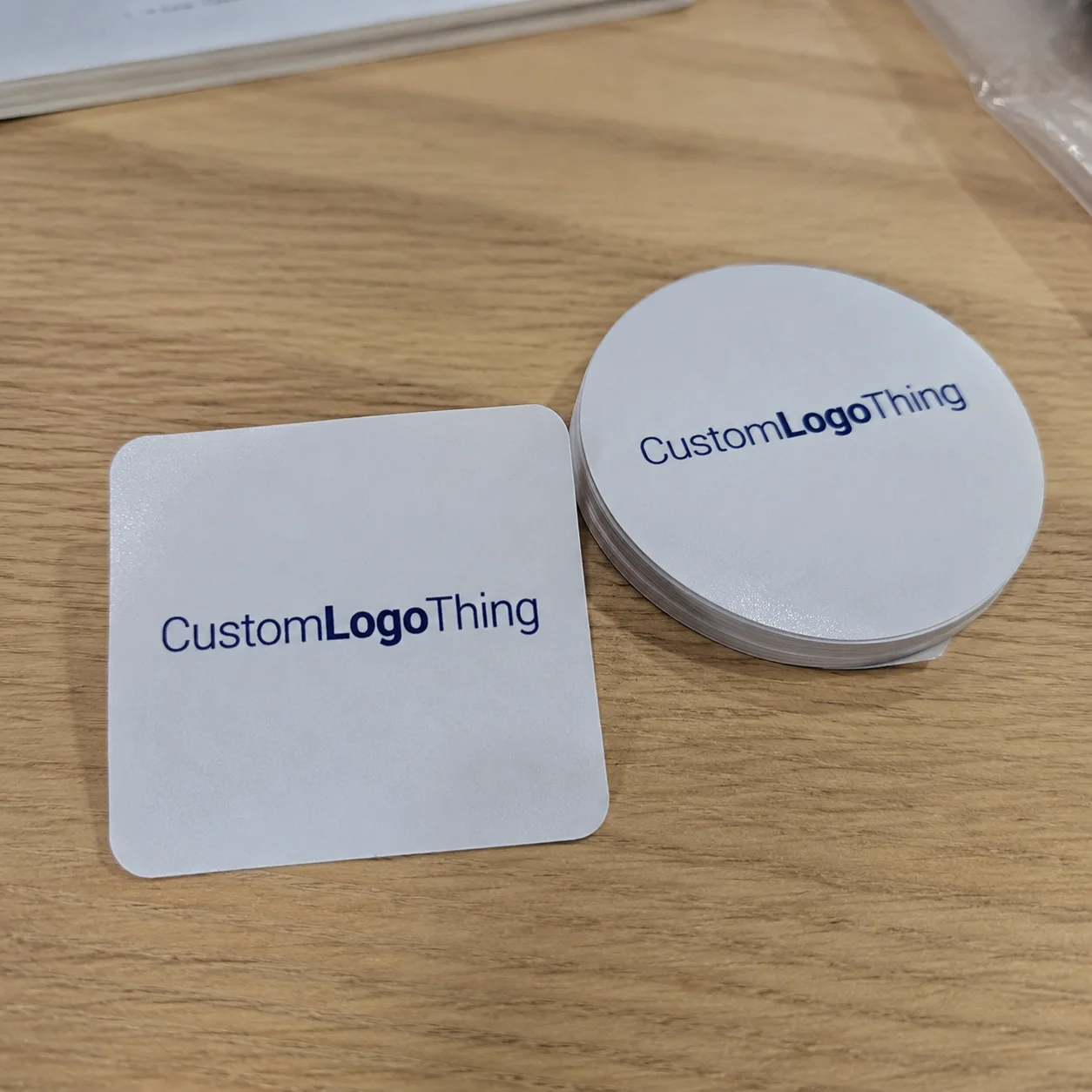
Custom Stickers No Minimum: What Buyers Really Get
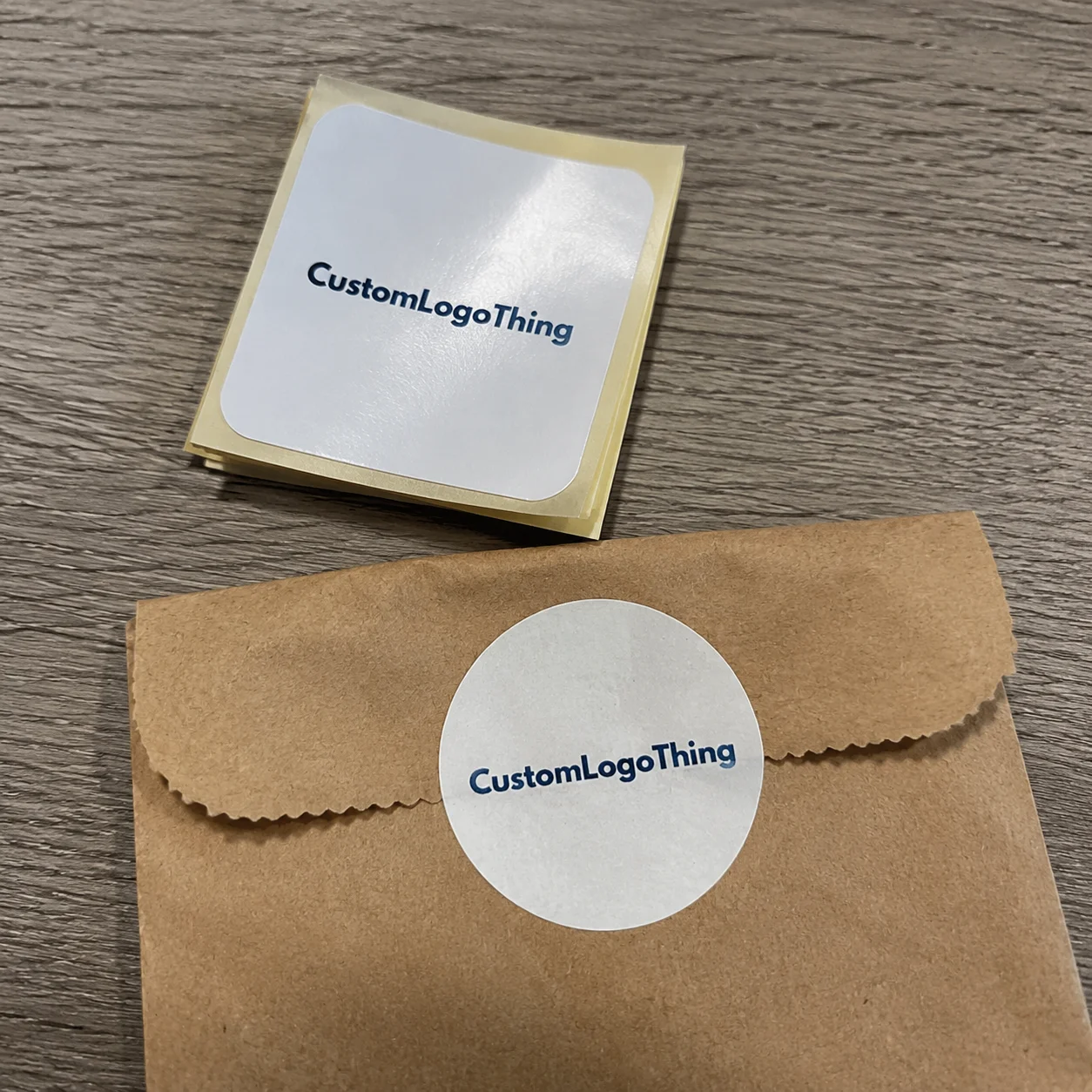
Sticker waste sneaks up fast. A brand orders 500 labels because that is the minimum, uses 73, changes a scent name, updates a QR code, or switches jars. The rest sit in a drawer until someone finally admits they are trash. Not glamorous. Very common.
Custom Stickers No Minimum means buyers can order custom-printed stickers in very small quantities without being forced into a bulk label run. Some suppliers allow one piece. Others set practical limits by material, finish, or production format. Either way, the point is flexibility: test the sticker before paying for hundreds or thousands.
That matters for candle makers testing new scents, food brands updating ingredient panels, artists selling limited drops, schools planning fundraisers, startups checking package branding, and subscription box teams trying a new insert sticker before rolling it into every shipment.
Here is the part worth getting straight: “no minimum” does not mean “cheap in every spec.” It means the order quantity is flexible. Price still depends on size, material, print coverage, cut shape, finish, adhesive, packing format, and shipping speed. A 2-inch round paper logo seal will not price like a 5-inch waterproof holographic die-cut decal with outdoor lamination. Of course it won’t. Different job, different production load.
Small runs work well for logo stickers, product labels, thank-you seals, QR code decals, event giveaways, warning labels, packaging closures, sample branding, retail accents, and prototype labels. If stickers are only one part of a broader packaging system, compare them with Custom Labels & Tags so cartons, inserts, tags, and labels feel like they came from the same brand instead of four separate panic orders.
Practical rule: order the smallest useful test run, not the smallest possible sticker. If it is too tiny to scan, read, peel, or apply cleanly, it is not saving money.
The goal is not to buy fewer stickers for the sake of buying fewer stickers. The goal is to avoid committing to the wrong size, adhesive, material, or message before the package has been tested in real handling.
How Small-Batch Sticker Printing Works
Short-run sticker printing is practical because digital production removes much of the plate and tooling setup tied to older bulk methods. Flexographic and offset-style workflows still make sense for large roll label orders, especially in the thousands. They can be efficient once the job is dialed in. They are less friendly when someone needs 25 test labels by next week.
A typical small-batch order moves through artwork review, material selection, digital print, lamination or coating if needed, cutting, weeding for some formats, quality control, packing, and shipment. Simple kiss-cut sheets are usually straightforward. Complex die-cut decals with sharp points, multiple versions, or tiny internal cuts can slow things down at the cutting and sorting stage.
Format matters more than buyers expect. Kiss-cut stickers stay on a backing liner and peel away easily, which is useful for hand application. Die-cut stickers follow the outer artwork shape and look polished as giveaways, inserts, and merch pieces. Sticker sheets are good for mixed icons, planner sets, sample packs, and small design collections. Roll stickers fit repeated labeling, dispensers, and fulfillment benches where speed matters.
Individually cut pieces feel more retail-ready, but they usually cost more to handle and pack. Rolls can be more efficient for application, but orientation, unwind direction, core size, and label spacing may matter if the stickers are being used with a dispenser or labeling setup. Sheets are often the easiest middle ground for small mixed orders.
Cut lines need breathing room. Most sticker artwork benefits from bleed, often around 0.0625 to 0.125 inch, plus a safe zone that keeps text, QR codes, borders, and fine graphics away from the blade path. Rounded corners usually peel better than sharp 90-degree corners. Thin outlines, tiny spikes, and delicate interior cuts may look sharp on screen but create lifting, tearing, or inconsistent edges on real material.
Adhesive choice is production engineering, not decoration. Permanent adhesive fits most cartons, jars, bags, and mailers. Removable adhesive works for temporary price stickers, event badges, and short-term promotions. Freezer-grade adhesive helps on cold products where condensation or low temperatures defeat standard glue. Outdoor-rated films and adhesives are better for sunlight, rain, abrasion, and handling. Low-tack adhesive has a place on delicate surfaces, but it is not built for rough shipping abuse.
No-minimum custom stickers are especially useful for checking size, adhesive grab, barcode readability, QR scanning distance, finish, and color on the actual package before a larger run. A screen mockup tells you almost nothing about whether a label edge will lift on a curved bottle after 48 hours in a cooler.
Materials, Finishes, and Adhesives That Affect Performance
The face stock is the printable surface. It controls appearance, durability, and how the sticker behaves during application. White paper is economical for dry indoor uses: thank-you stickers, bakery boxes, tissue seals, event handouts, and short-term packaging. It prints cleanly and feels familiar. It also dislikes water, oils, abrasion, and rough handling.
BOPP film, short for biaxially oriented polypropylene, is common for product packaging because it handles moisture and oils better than paper. It is a practical choice for jars, bottles, food packs, bath products, and flexible packaging. Vinyl is usually chosen when durability matters more: outdoor decals, laptops, helmets, equipment, toolboxes, and stickers that may see abrasion.
Clear film creates a no-label look on glass, plastic, and coated cartons. It can look sharp, but it is not magic. The color behind the sticker affects the artwork. White ink may be needed behind graphics or text if opacity matters. Without it, light colors can disappear on amber glass, dark bottles, kraft paper, or tinted containers.
Textured stocks such as laid, estate-style, or uncoated specialty papers can give packaging a warmer, premium feel. They are usually better for dry goods and controlled handling. Use them on the right product and they look intentional. Put them on a refrigerated sauce jar or oily bath product and the charm fades quickly.
Finishes change both look and function. Gloss makes color pop and improves wipeability. Matte reduces glare and often feels more refined on retail packaging. Soft-touch films feel velvety, though they can scuff or show skin oils in some uses. Holographic films, foil-style effects, spot gloss, and specialty laminates can be beautiful, but availability may be limited on very small runs. They can also add cost and production time.
The surface being labeled matters as much as the sticker. Glass is smooth but may face refrigeration and condensation. Kraft mailers are porous and fibrous, so stronger adhesive helps. Flexible pouches bend and flex, which can stress the sticker edge. Corrugated boxes have uneven fibers. Plastic bottles may be squeezable, curved, or slightly oily from handling. Metal tins are smooth, but cold fill, humidity, and storage conditions can still affect adhesion.
Think through the actual environment: refrigeration, condensation, sunlight, abrasion, skin oils, curved containers, bathroom humidity, and friction inside mailers or cartons. A paper sticker can look warm and handmade on a candle dust cover. The same sticker can fail fast on a shower product that gets wet every day.
Sustainability claims need precision. FSC-certified paper stocks can support responsible sourcing goals, and the Forest Stewardship Council explains certification in detail. Recyclability is more complicated. It depends on the full package, adhesive, ink, liner, coatings, and local recovery system. A vague “eco-friendly sticker” claim is risky if nobody has checked the actual construction.
| Material | Typical Use | Strength | Watch-Out |
|---|---|---|---|
| White paper | Indoor labels, seals, thank-you stickers | Low cost and easy printing | Poor choice for wet or oily products |
| BOPP film | Jars, bottles, food packs, bath products | Moisture resistance and clean print | May need the right adhesive for curved containers |
| Vinyl | Outdoor decals, equipment, giveaways | Durability and abrasion resistance | Higher cost than basic paper |
| Clear film | Glass, clear bottles, minimal branding | No-label appearance | Artwork may disappear without white ink support |
Cost and Pricing Factors for No-Minimum Sticker Orders
Tiny sticker orders usually have a higher unit cost. That is not a markup conspiracy. The same basic labor still exists: file review, proofing, material setup, print calibration, cutting setup, quality checks, packing, and order handling. Spread that work across 10 stickers and each piece carries more cost. Spread it across 250 or 1,000 and the unit price drops.
Main pricing drivers include size, quantity, material, shape complexity, finish, print coverage, roll versus sheet format, number of artwork versions, shipping speed, and whether the artwork needs cleanup. A 1.5-inch round kiss-cut paper sticker can be inexpensive even in a small quantity. A large waterproof vinyl sticker with matte lamination, contour cutting, and five design versions will not be.
As a rough buyer-side expectation, extremely low quantities can cost several dollars per sticker once setup and handling are included. Around 50 to 100 pieces, simple stickers often start to feel more practical. At 250 pieces and up, the unit cost usually becomes easier to justify for packaging, assuming the size, stock, and finish are not unusually demanding. Supplier equipment, artwork quality, and production method all change the final quote, so price breaks are more useful than a single number.
Multiple versions change the math. Ten candle scents, five QR codes, or four seasonal colorways may each require separate artwork review and proofing. Even if the total order is 200 stickers, 20 pieces each of 10 designs can take more time than 200 of one design. That does not mean versions are a bad idea. It means they need clean files, clear naming, and a realistic budget.
Small orders save money when they prevent bigger mistakes: the wrong ingredient label, a QR code that scans poorly, a seasonal promotion that expires, a prototype label that needs one more size adjustment, or a compliance update that makes old labels unusable. Avoiding a box of obsolete stickers can pay for the test run many times over.
Ask for price breaks at practical quantities such as 25, 50, 100, and 250 pieces. The cheapest total invoice is not always the best buy. The sweet spot is the smallest quantity that gives enough samples for application testing, photography, internal review, and a few inevitable mistakes.
Process, Timeline, and Turnaround From File to Shipment
A typical order moves through quote request, artwork submission, proofing, approval, production queue, printing, cutting, quality control, packing, and transit. For a simple digital job with clean print-ready artwork, production may take only a few business days after proof approval. Specialty materials, multiple designs, heavy proof changes, or complex cutting can stretch the schedule.
The fastest orders are boring in the best way: standard shapes, standard materials, vector artwork, clear dimensions, and shipping instructions submitted early. A 2-inch round logo seal on white BOPP is easier to schedule than a mixed sheet of 18 tiny die-cut shapes with soft-touch film and five color revisions.
Common slowdowns are predictable. Low-resolution logos. Missing cut lines. Unclear dimensions. Specialty films. Repeated proof changes. Multiple design versions named “final,” “final2,” and “reallyfinal.” Unanswered production questions. If a production team asks whether the sticker is 2 inches wide or 2 inches tall, answer before the job reaches the press queue.
Check the proof carefully. Confirm final size, spelling, color expectations, cut path, bleed, QR code function, barcode scannability, and format. If stickers need to be roll-fed for hand labeling, do not approve a sheet format by accident. If they are giveaways, individually cut pieces may be worth the extra handling cost.
Turnaround and shipping are separate. Production completion means the stickers are finished and packed. It does not mean the parcel has arrived. Build in a buffer for product photography, trade shows, retail shipments, subscription box kitting, and launch dates where one missing component can stall the entire packaging schedule.
For larger packaging systems, organizations such as ISTA publish procedures around packaged-product distribution testing. A sticker order by itself usually will not need that level of testing, but the principle holds: test the finished package under realistic handling, not just the individual decoration.
Step-by-Step Guide to Ordering the Right Small Run
Start with the job the sticker must do. Is it decorating a mailer, sealing a box flap, identifying a scent, displaying ingredients, adding a QR code, marking a warning, creating a giveaway, or labeling a prototype? A decorative logo sticker and a compliance label have different priorities. Treat them that way.
- Measure the real package. Use the jar, pouch, carton, tin, or mailer in hand. Leave room around folds, seams, curves, zippers, crimp seals, and opening flaps.
- Choose a practical format. Rolls help with repeated hand labeling or dispensers. Sheets work well for mixed designs. Individually cut stickers are better for giveaways, inserts, and event tables.
- Prepare clean artwork. Vector AI, EPS, or PDF files are best for logos, text, and cut lines. High-resolution PNG or TIFF files can work for full-color art if sized correctly.
- Add production details. Include final size, shape, bleed, safe margins, material preference, finish, quantity, deadline, and application surface.
- Test before scaling. Apply samples to the actual package, handle them, store them, chill them if needed, and check the edges after a day or two.
Custom Stickers No Minimum ordering is strongest when it becomes a controlled test, not a random mini purchase. If the sticker is part of product packaging, compare it against the full presentation: box color, insert card, tissue, mailer, label shape, and shelf lighting. That is where package branding starts to feel intentional.
If you are coordinating stickers with mailers, cartons, sleeves, or custom printed boxes, review broader Custom Packaging Products at the same time. Matching a sticker finish to a carton coating can make a small brand look more organized, even on a short run.
Once the sample is proven, reorder with the exact same specs: size, material, adhesive, finish, file version, and format. Consistency keeps reorders cleaner and reduces the chance of annoying batch-to-batch differences.
Common Mistakes That Make Small Sticker Runs Expensive
The first mistake is choosing the smallest possible size without testing readability. QR codes, barcodes, ingredients, warning text, batch codes, social handles, and website URLs need enough space to print cleanly and scan reliably. A QR code may technically fit at 0.5 inch. That does not mean it will scan on a curved jar under retail lighting.
The second mistake is uploading a low-resolution screenshot. Screenshots often print with fuzzy edges, jagged logos, and weak text. They can also trigger extra prepress time. Clean vector files are better for logos and type. If raster artwork is necessary, provide it at final size with enough resolution, often 300 dpi for standard print work.
Another expensive habit: picking material only by appearance. Uncoated paper may look beautiful on a dry soap box, but it can stain, wrinkle, or lift on products exposed to oils, condensation, or rough shipping. Gloss film may look less handmade, yet perform far better on refrigerated sauces, bath products, or flexible pouches.
Overcomplicated shapes also cause trouble. Narrow points, thin borders, tiny interior cuts, and delicate outlines can create peeling problems or inconsistent cutting. A slight radius on corners, a thicker border, or a simplified contour can make the sticker easier to produce and easier for a team to apply.
Color expectations need a calm conversation. Screens are backlit. Stickers are printed with ink or toner on real material. Matte film, gloss coating, clear stock, kraft paper, and textured labels all shift the visual result. Exact color matching may require brand color references, printed proofs, or a more controlled production method.
Packing format gets overlooked too. A sticker that is perfect on a sheet may be inefficient for a team applying hundreds by hand. A roll that works for a label dispenser may be annoying as a giveaway. Ask how the stickers will be used after they arrive, not just how they look in the proof.
Before requesting a Quote for Custom stickers no minimum, gather package dimensions, surface type, artwork files, desired quantity, deadline, format, finish preferences, and environmental concerns. If file setup, proofing, or shipping timing still feels unclear, the FAQ page is a useful place to check before sending artwork.
Small sticker runs are not only for tiny brands. They are for careful buyers. Test the material. Test the size. Test the adhesive. Then order the larger quantity with fewer surprises. That is less exciting than guessing, but guessing is how people end up with 427 useless labels in a drawer.
FAQ
Are custom stickers with no minimum more expensive per piece?
Yes. The unit cost is usually higher because setup, proofing, cutting, quality checks, and packing are spread across a very small quantity. They can still save money when you need samples, limited editions, event stickers, prototype labels, or a test run before a larger order. Ask for several quantity price breaks so you can compare a tiny run against a slightly larger batch.
Can I order custom logo stickers no minimum for product packaging?
Yes. Small runs work well for testing logo seals, jar labels, mailer stickers, box closures, insert stickers, and seasonal packaging accents. Choose material and adhesive based on the actual package surface, such as kraft paper, glass, plastic, corrugated board, or flexible pouch film. Apply samples to real packaging before using them for a launch or retail shipment.
What file type is best for no-minimum custom stickers?
Vector files such as AI, EPS, or PDF are usually best for logos, text, and clean cut lines. High-resolution PNG or TIFF files can work for full-color artwork if they are sized correctly and not pulled from a low-quality screenshot. Include bleed, safe margins, and a clear note for the intended sticker size and shape.
How long do small-batch custom stickers take to produce?
Timing depends on artwork quality, material availability, proof approval, finish, cut complexity, production queue, and shipping method. Simple digital sticker orders with print-ready files usually move faster than specialty finishes, multiple versions, or complex die-cut shapes. Approve proofs quickly and build in extra time for events, retail deadlines, or product launch photography.
What is the best material for custom stickers no minimum orders?
Paper is economical for dry indoor packaging, thank-you stickers, and short-term use. BOPP or vinyl is better for moisture, handling, refrigeration, bathroom products, or outdoor exposure. Clear film works well for a minimal label look, but the package color and surface texture affect how the artwork appears. The safest path is simple: test the real material on the real package, then reorder once the size, adhesive, finish, and artwork are proven.