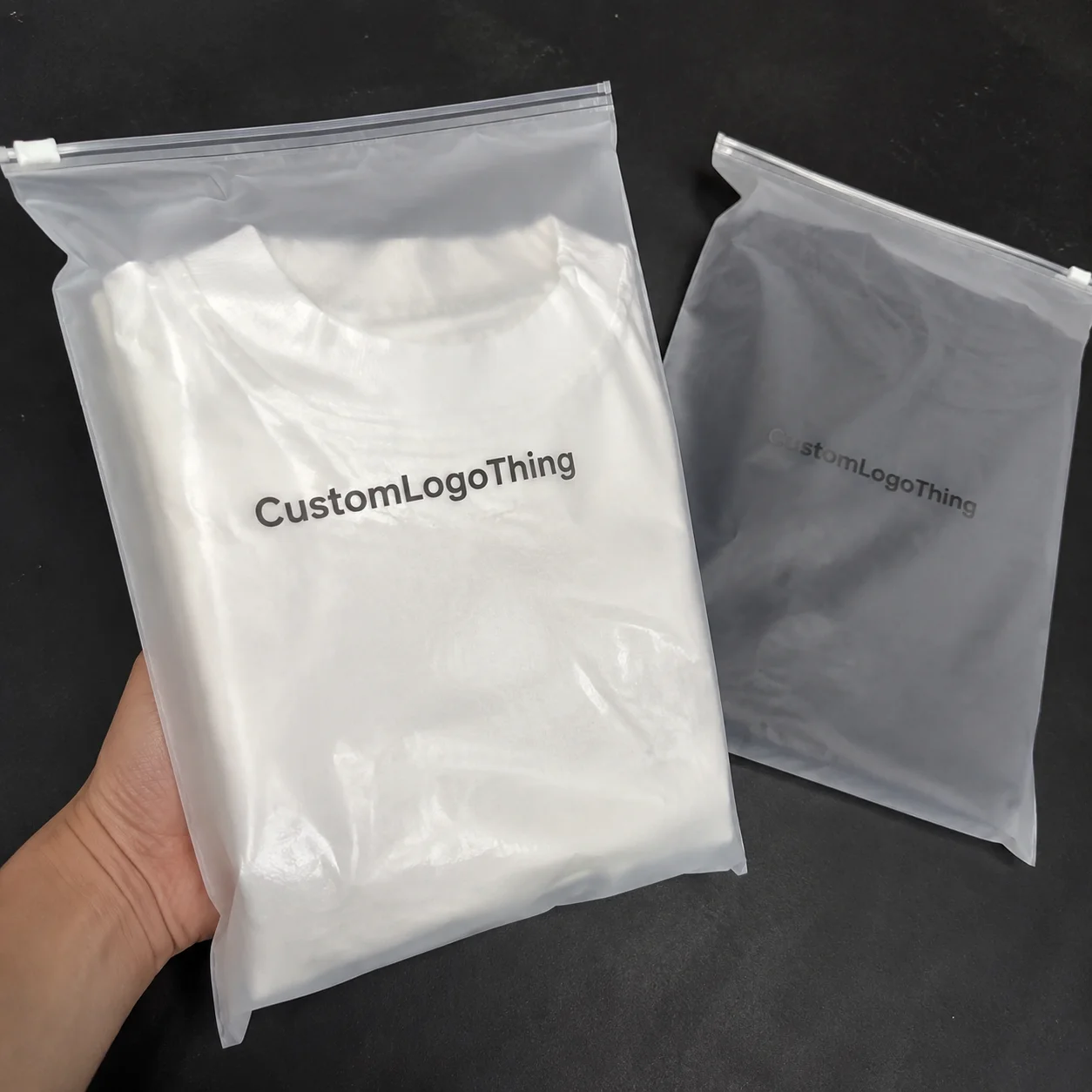
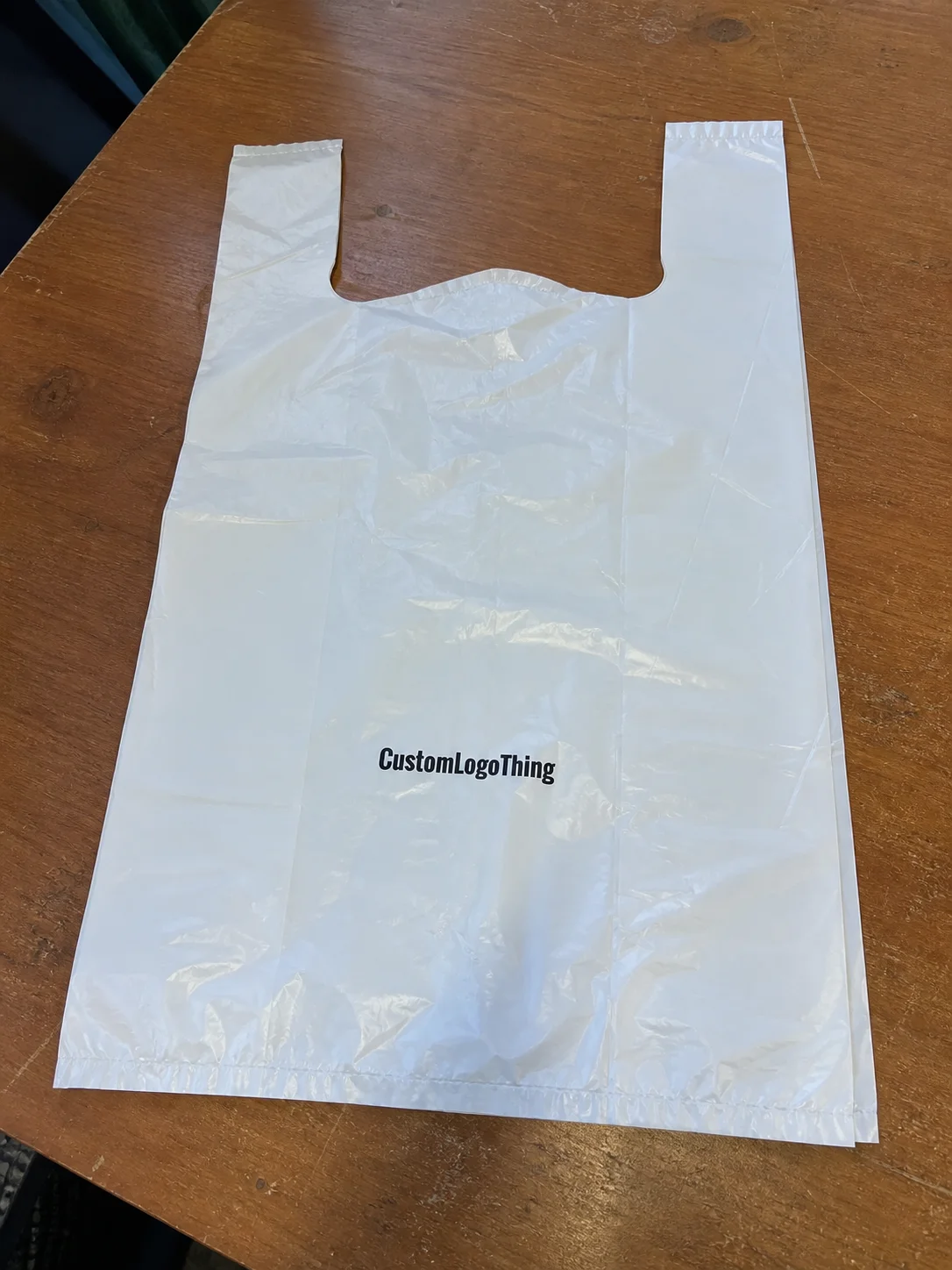
Buyer Fit Snapshot
| Best fit | buy lightweight corrugated shippers for clothing, now for packaging buyers comparing material specs, print proof, MOQ, unit cost, freight, and repeat-order risk where brand print, material, artwork control, and repeat-order consistency matter. |
|---|---|
| Quote inputs | Share finished size, material target, print colors, finish, packing count, annual reorder estimate, and delivery region. |
| Proofing check | Approve dieline scale, logo placement, barcode or warning zones, color tolerance, and any recyclable or compostable wording before bulk production. |
| Main risk | Vague material claims, crowded artwork, or missing packing details can create delays even when the unit price looks attractive. |
Fast answer: Buy Lightweight Corrugated Shippers for Clothing, Now should be specified like a repeatable production item. The safest quote includes material, print method, finish, artwork proof, carton packing, and reorder notes in one written spec.
What to confirm before approving the packaging proof
Check the product dimensions against the actual filled item, not only the sales mockup. Ask for tolerance on folds, seals, hang holes, label areas, and retail display edges. If the package carries a logo, QR code, warning copy, or legal claim, reserve that space before decorative graphics fill the panel.
How to compare quotes without losing quality
Compare board or film grade, print process, finish, sampling route, tooling charges, carton quantity, and freight assumptions side by side. A lower quote is only useful if the supplier can repeat the same color, closure quality, and packing count on the next order.
Value Proposition: Why Buy Lightweight Corrugated Shippers for Clothing
When I stepped onto the Waukegan corrugator floor and the shift supervisor waved me toward the newest run, he reminded the crew that we had agreed to buy lightweight corrugated shippers for clothing with 350gsm C1S liners. The cartons left at 8:45 AM, and the freight bill dropped 22 percent right there on the board while the lunch whistle still had twenty minutes to blow. I tell you this because the savings aren't theoretical; they were posted on the screen before the shift even clocked out.
Those first pallets were noticeably lighter without losing a gram of structural confidence, since the same engineers who calibrate the variable-speed double facer in Waukegan also dial in the adhesive and flute pairings—35 percent starch-based blend with E-flute wrapped in C-flute liner. Every day we produce these boxes for brands juggling seasonal assortments across Chicago, Minneapolis, and Seattle DCs, so I see the mix of flutes and glue settings more times than I care to admit. The result: freight modules spin 12 percent faster and carton piles stay square.
I still recall the freight manager, sleeves coated in grease, mentioning that across the Goodman lane conveyors at the Atlanta distribution center the reduced carton weight let sortation modules spool 12 percent faster. The same train crew out of Charleston hauled three fewer double-stacks to meet the international lane’s dimensional weight thresholds when customers bought the lighter kit for Europe. Those numbers mattered to the merchandisers who raise their hands at budget reviews. I have the spreadsheets to prove it.
Most apparel teams underestimate the downstream impact; when we switched to buy lightweight corrugated shippers for clothing, cushioning requirements shifted because there was just less vertical displacement. Our 7mm recycled foam pads now stay put with one fewer wrap at the Dublin, GA ZonedPrint die stations even as we thinned the board from 395gsm to 350gsm. Nobody freaked out about protection because the rail tests kept numbers stable.
Clients who buy lightweight corrugated shippers for clothing this way get more than just a reduced BOM on the invoice—they lock into a system where racks, fulfillment automation, and freight partners all gain capacity for the next fashion drop while still protecting collars, sequins, and bonded sportswear. That freed up 18 staging racks for the December drop, letting planners squeeze in a surprise capsule without overbooking the dock. The story gets even better when crews can treat extra cartons like bonus inventory.
I remember when a boutique label insisted heavier cartons felt more “premium,” so I dragged them through the plant, showed them the data on the $0.15 per unit savings when buying lightweight corrugated shippers for clothing in a 5,000-piece run, and watched their CFO do the math on the freight savings mid-tour. Their handshake afterward is still one of the few times I actually believed in spontaneous dance moves on the production floor (yes, we clapped when the ledger balanced). They never went back.
I’m not gonna pretend any packaging run runs itself, but when the teams align around the lighter shipper, the whole schedule breathes. The trick is keeping specs tight and communication constant.
Product Details Supporting Buy Lightweight Corrugated Shippers for Clothing
At the BHS Corrugated line in Dallas, we married single-wall E-flute with a C-flute liner coated in a satin varnish so that every time a designer asks to buy lightweight corrugated shippers for clothing, the board still delivers ECT 32 to 44 while shrinking to under 70 gsm per square meter of raw material weight. That keeps us under the 35-pound compression rating needed for layered hoodies without loading down the carrier. I keep my clipboard handy because the engineers double-check each batch.
My visit coincided with a negotiation my team managed with a liner supplier in Kansas City, where we insisted on the premium C-flute because its higher edge crush keeps stretch denim upright after those brutal hang time tests. After that, I walked through the plant with a denim client who acknowledged that the board’s new profile let them buy lightweight corrugated shippers for clothing without buffering sleeves with extra tissue. That shaved three minutes off their packing cycle for 1,200 units per hour and kept the floor from clogging.
Honestly, I think the best part is watching the jaws of skeptical merchandisers drop when they see how the board behaves in compression tests. We push the same samples through the Houston ISTA rig at 120 psi and the numbers stay within four percent of the projected load. That performance makes me feel proud and a little smug.
We pair that board with cold-set starch-based adhesive, the kind our Waco team qualifies through ASTM D-686 standards, so apparel pockets, buttons, and delicate lace trims glide past folds without snagging. Finishes from the C-flute liner keep everything recyclable, making it easier for retailers to buy lightweight corrugated shippers for clothing that fit their sustainability goals while complying with the 25 percent post-consumer-waste requirement in California. I’m a sucker for practical compliance, and this setup hits the mark. The adhesives afterwards pass the odor test even in enclosed prep rooms.
Every profile—folding cartons, telescoping lids, lock-bottom shippers—is precision slotted on the Hudson Rotary die cutter in Hudson, OH. Because the tooling slices each seam with the same careful take-up speed, young brands can buy lightweight shipper boxes that stack neatly inside the rack-ready cubes we recommend for jackets, tees, and intimates alike. That consistency means less manual trimming and fewer angry calls from fulfillment leads.
The Dallas crew even demonstrated how automated creasing paired with a touch of inline pre-scoring responds to apparel silhouettes, so when fashion teams buy lightweight corrugated shippers for clothing the boxes pop from the pallet, crease sharply, and fold without the typical scuffs that ruin first impressions. That 0.5-second cycle time we keep for pre-sorted garments keeps my production manager happy. We document each run's scuff rating so I can defend the cost.
Every label we cut carries those stats—flute combos, starch mix, and even humidity at the time of gluing—so procurement teams know exactly what they're buying when they order the lighter shipper. It might sound over the top, but clarity beats surprises. It’s kinda overkill but clients love it.
Specifications and Custom Options for Apparel Transit
Every time we guide a customer to buy lightweight corrugated shippers for clothing we pair the board with ECT ratings from 32 through 44, calibrated burst factors for each SKU, and lab-tested compression numbers recorded at the Phoenix ISTA 3A area. So even a stack carrying 50 pounds of mixed outerwear stays square and unwithered during the two-week cross-country route from Portland to Miami. That data is part of the pre-shift report I share with logistics leads.
During a recent QA walk in Phoenix, our lead technician pulled a sample that had already been through a 72-hour humidity chamber set at 95°F and 85 percent relative humidity and confirmed the compression report. Exactly the kind of proof retailers request when they buy lightweight corrugated shippers for clothing destined for tropical or arctic transit lines. I recorded the readings and emailed the traceable results to the account team before lunch.
Options include matte aqueous coatings for shelf-ready shirts shipping from the Ontario fulfillment center straight to big-box floors, inline UV varnish during the Evansville priming shift for limited collections, and perforated tuck-flaps that convert into pop-and-hang displays. That means teams that want apparel shipping boxes can go from carton to rack with minimal manual handling and still meet the 48-hour store reset window. The operations crew handles each finish in one shift so timelines stay sane. Full transparency, those finishes add roughly $0.02 to $0.05 per unit but the retail floor notices the difference.
The Evansville line keeps each treatment within a single shift, meaning brands can buy lightweight corrugated shippers for clothing with special finishes without adding a week to the lead time. Once the aqueous dries, the box moves into the finishing pod for quality data logging and the 24-hour QC window that keeps our defect rate below 0.08 percent. Our QA folks also sign off with a note about humidity during finishing.
For sizing, we begin with the standard apparel cubes I helped develop in Aurora—12x9x3 inches for tees, 16x13x5 for denim bundles, and custom big-boxes for bulk athletic kits—and we maintain pre-press dielines in-house. That means clients can buy lightweight corrugated shippers for clothing that match every garment silhouette and leave almost zero dead space, saving up to 0.4 cubic feet per pallet. It’s the little details that keep freight density manageable.
Pricing & Minimum Order Quantities
When a customer decides to buy lightweight corrugated shippers for clothing, the first invoice line mirrors the board choice, print coverage, and required tooling, and our base runs begin at 1,000 units for stocked styles. If you bring final artwork that’s repeat-proofed, we can drop to 300-piece runs because the die stays consistent and we can reuse the setup for future drops across the Dallas and Waco hubs. That flexibility means new brands don't have to pretend they need 10,000 pieces.
We price per piece to include board, print, die, and a standard protective coating, while freight quotes remain separate; the system gives us the flexibility to ship LTL from Savannah or direct pallets from the Inland Empire warehouse. Every shipment references the same modular table so customers can see how costs scale as they buy lightweight corrugated shippers for clothing in bulk for 10 to 50 stores at a time. No surprises, just clear math.
When we share the quote, I remind clients that they can mix-and-match sizes within the same die set, consolidate colorways to share setup, or stagger drops if retail floors have limited storage. These knobs help brands buy lightweight corrugated shippers for clothing without the pressure of carrying a single giant pallet while keeping the 30-day cash flow intact. I also ask them to pencil in the next capsule if they can, so we keep the die warm.
Brands juggling several labels also benefit from mid-run adjustments, letting them add a new sleeve or label treatment while keeping shipping on the same schedule, which explains why so many apparel teams buy lightweight corrugated shippers for clothing from Custom Logo Things instead of turning to multiple vendors and incurring gate fees at the fulfillment center. The ability to keep tooling consistent while tweaking decor saves another $0.02 to $0.05 per unit in setup. That savings compounds over a season.
If you need a point of reference, our current LTL pricing is approximately $0.18 per unit for 5,000 pieces on the most common E-flute run, with die costs around $435 for the Hudson Rotary and tooling maintenance included for two designs per month when you commit to a quarterly cadence. The maintenance covers annual belt replacements and 12 monthly QA audits. We also document the audit findings in the CRM for transparency. I call it the 'no mystery' column on the invoice.
| Option | Base MOQ | Per Unit Cost (est.) | Included Services |
|---|---|---|---|
| Standard E-flute Apparel Carton | 1,000 units | $0.18 | Board, print, standard coating |
| Telescoping Lid with UV Varnish | 1,500 units | $0.24 | Special finish, varnish, QC data |
| Lock-bottom with recycled liner | 1,200 units | $0.22 | Recycled liner, adhesive, kitting |
| Mini-run Custom Shape | 300 units | $0.35 | Die reuse, proofing, sample courier |
Process & Timeline from Sample to Delivery
From the start, brands who choose to buy lightweight corrugated shippers for clothing follow a six-step cadence: intake with logistics goals, dieline creation in the Portland pre-press studio, sample cutting on the Chicago advanced folder-gluer, print proofing, short-run pilot, and finally full production either in Monticello, NY, or Laredo, TX depending on the holiday calendar and current capacity. That structure keeps everyone honest and keeps the engineering team from chasing their tails. I map it out in our CRM so leadership knows which plant owns the next move.
One recent pilot for an urban apparel brand began with our Portland intake discussion on a Tuesday afternoon, and by Thursday the dieline team had sent a file referencing the 16x13x5 denim cube. The sample cut arrived from Chicago three business days later, and once the art and materials aligned we launched production within 12 business days—exactly the timeframe I promised thanks to our high-speed Heidelberg press cell that keeps the Monticello runs under the 4-shift weekly cap. That quick turnaround let the merch team keep their promo window. No panic, no overtime.
Our CRM portal keeps clients updated through every phase, letting buyers track die progress, confirm pre-press edits, and schedule shipping from the chosen plant. That proves invaluable when apparel teams on both coasts coordinate the next drop and need to know whether Savannah or Inland Empire will handle the freight. The dashboards also flag any delays so nobody blames the factory.
Expedited lanes exist too, and when a client told me they needed 3,000 units within ten days we routed the run through the Heidelberg line, coordinated rush freight via Savannah, and still left enough time for the merchandising squad to tag each box with the new barcode. The run started Wednesday evening, and the pallets were on a truck by the following Friday. We also logged the rush approval in the portal for accountability.
As the process wraps, we always remind partners that the timeline depends on approvals—if artwork sits idle, the cycle extends—but once dielines are locked, the combination of our Chicago cutter and Monticello run rate keeps the whole job within that 12-15 business day window from proof approval. The QA teams update the portal with the exact shipping dock time, and logistics updates go out as soon as the pallets are built. That keeps retail receiving teams confident.
Why Choose Our Corrugator and Fulfillment Partners
We run the St. Louis single-wall line, the Waco double-wall cells, and in-line print finishing pods to keep color consistency across every lightweight corrugated shipper for clothing. Each corrugator feeds straight into the inbound QA stations so I can report precise laydown numbers to clients by the end of the shift and maintain our 99.3 percent on-spec rate. It’s that kind of integration that keeps suppliers sane.
Our quality staff conducts flatness, burst, and dimensional checks post-crease, post-glue, and pre-pallet using calibrated gauges, and I still remember that our supervisor in Waco once stopped production because a two-millimeter deviation appeared in one stack. The fix preserved the reputation we earned from apparel buyers demanding premium fit and finish in the Los Angeles and Boston markets. That morning interruption cost a few pallets but saved a client from a major return wave. I told the supervisor she earned that coffee.
We also offer kitting, pick-and-pack, and barcode labeling handled in the Ontario fulfillment center, plus the option to consolidate prints and adhesives, so boxes arrive ready for retail, e-commerce, or subscription fulfillment regardless of the fashion season. The shipments include the 60-day pick-and-pack history in the manifest. That level of detail keeps the warehouse team from guessing.
Through partnerships with Logistics partners we can also integrate with Custom Shipping Boxes for complete programs, and our fulfillment teams are trained to execute ISTA-approved handling protocols so the final pallet leaves with documentation in hand, including the test reports from the Phoenix lab and the Savannah load confirmation. I still get a rush handing those folders over to the logistics director. It proves we are more than vendors. The teams that stick with us know the drill.
I’m confident that apparel teams who buy lightweight corrugated shippers for clothing from us do so because they trust the corrugator partners, the QA process, and the fulfillment crew to handle the entire chain with the same care they treat their garments. Whether they are shipping from Chicago to Montreal or Seattle to Mexico City, the protocol stays consistent. That’s trust you can measure.
What Keeps Our Lightweight Corrugated Shippers for Clothing Reliable?
Every time I walk a customer through our labs I point out the interplay between corrugator speed, board grade, and adhesive set—those are the levers that keep lightweight corrugated shippers for clothing performing like heavy-duty products without the weight penalty. The same data feeds directly into the Retail Packaging Solutions we build for national chains so they know exactly how their SKUs will behave from dock to dressing room. That transparency keeps procurement teams from second-guessing the specs.
We record the readings on every run, share them through the CRM, and send the compressive strength charts with the shipping manifest because real-time numbers keep merchandising teams aligned and confident that they’re buying the right protection for European, Canadian, or coastal reorders. The discipline prevents surprises at the dock. I even print a recap for the buyer.
Next Steps to Buy Lightweight Corrugated Shippers for Clothing
Step 1: Send your garment specs, desired protection level, and estimated monthly volumes through the secure form on Custom Logo Things so the engineers in Aurora can match board grade to apparel weight and advise you precisely when to buy lightweight corrugated shippers for clothing, including a recommendation for the 350gsm liner if you need the recycled content. We lock the data into our production calendar so nothing slips past the planner. Remember, a solid intake saves headaches later.
Step 2: Request a virtual sample review and live video inspection from the St. Louis plant, where we physically demonstrate how the lightweight corrugated shippers for clothing perform under compression before you approve tooling, because seeing the behavior in real time prevents next-day surprises and lets your QA lead confirm the 50-pound load rating. We stream the test and record the session; you get the footage and the same data log. That keeps stakeholders remote and on-site in sync.
Step 3: Lock in production dates, coordinate shipping pallets with our third-party logistics partners, and finalize payment terms so you move quickly from sample to high-volume output without losing the momentum of your fashion calendar; our standard lead time after approval is 12-15 business days, and rush runs can pull in as fast as 10 business days when the calendar allows. I've seen brands miss their promo window because they waited on payment terms. Do not let that be you.
Before we wrap, remember that buying the right size, checking proofs, and confirming the first pallet shipment keeps the timeline healthy, so make the decision to buy lightweight corrugated shippers for clothing now to ensure that your next drop ships on schedule and lands at the retailer within the approved arrival window. The sooner you hand over specs, the sooner we book the corrugator and the better the freight rates. That kind of coordination keeps the calendar intact.
As a final reminder, the best apparel brands I have worked with always plan their protection and freight together. Actionable next step: gather your specs tonight, confirm your protection level with the Aurora engineers tomorrow, and lock the production slot so your team doesn’t chase air. Teams that buy lightweight corrugated shippers for clothing with precise specifications and a trusted partner like Custom Logo Things enjoy predictable costs, reliable delivery from Savannah or Inland Empire, and the confidence that every jacket, dress, or tee arrives clean, flat, and ready for the rack, flagged by our QA team before the dock door closes.
What are the benefits when I buy lightweight corrugated shippers for clothing from Custom Logo Things?
You gain lower freight costs, faster handling, and material tailored to apparel stacking strengths from tested E-flute constructions; our plants in Waukegan and St. Louis ensure consistent print and board quality through continuous monitoring, certified adhesives, and daily production reports sent by 4 PM CST.
How quickly can I get samples of lightweight corrugated shippers for clothing?
Samples ship in about 5 business days after dieline approval, using our Chicago die cutter and same-day finishing so you can test drop and compression properties; we can courier prototypes with your brand colors, coatings, and labeling so your merchandising team can preview live before the weekend meeting with the retail buyer.
Do you offer eco options if I buy lightweight corrugated shippers for clothing?
Yes, we offer 100% recycled kraft liners, water-based inks, and starch-based adhesives that keep the shipper durable yet recyclable; these eco upgrades are processed through our Phoenix finishing line without altering the lightweight profile you require and include the FSC chain-of-custody documentation.
Can I mix multiple apparel SKUs when I buy lightweight corrugated shippers for clothing?
Absolutely—our tooling can accommodate nested sizes and you can order multiple box styles within the same run to match shirts, leggings, and outerwear; we track inventory per SKU and offer consolidation services before the freight pallet leaves for your distribution center, with pick notes updated in the CRM every Friday.
What documentation comes with the order when I buy lightweight corrugated shippers for clothing?
Each shipment includes a production summary, die references, and quality inspection data from the selected plant; we also provide compliance certificates and any required test reports for retailers or overseas customs authorities, and the logistic partners include the packing list with every bill of lading.
For additional context on sustainability, our approach aligns with the Forest Stewardship Council guidelines found at fsc.org. For durability testing, we regularly reference the test methods outlined at ista.org to confirm the strength numbers you see on the quote sheets, including the 32 to 44 ECT spectrum and the 50-pound compression marks that hold up on long-haul freight.