wedding favor supplier corrugated mailer boxes MOQ planning: how to buy smart without bloating your budget
Planning wedding favors sounds simple until the packaging quote lands in your inbox and suddenly the smallest detail has the biggest price tag. Corrugated mailer boxes sit right in that awkward middle ground: practical enough to protect fragile favors, polished enough to feel intentional, and expensive enough to punish sloppy MOQ planning if you guess wrong. The good news is that most of the cost pressure comes from a few predictable places: size, print method, board grade, inserts, and how much setup work the supplier has to absorb before the first box is produced.
If you are balancing a guest list, a fixed budget, and favors that need to arrive in one piece, the decision gets more practical than romantic pretty fast. That is not a bad thing. It just means the best packaging plan is usually the one that treats the wedding favor box like a small production project instead of a decoration afterthought. Once you look at MOQ, shipping, and assembly as part of the same equation, the numbers become much easier to manage.
Why MOQ matters more than most couples expect
MOQ, or minimum order quantity, is not just a supplier quirk. It is the point where manufacturing math meets wedding math, and those two numbers rarely show up in the same font size. A supplier may be happy to quote 50 corrugated mailer boxes for sampling, but the actual production run often starts much higher once printing plates, die lines, board procurement, and assembly labor are folded in. Even when a factory is flexible, there are usually fixed setup steps that have to be paid for somehow, and those steps are what make tiny orders expensive on a per-unit basis.
I have seen couples fall in love with a box style first and ask about quantity later, which is kind of backward if your guest count is fixed. If you need 120 favor boxes and the factory minimum is 500, your real decision is not whether the quote is cheap or expensive. It is whether the extra inventory can be used as rehearsal gifts, vendor thank-yous, backup stock for damage, or future celebration packaging. In other words, the extra quantity is not automatically waste if there is a realistic secondary use for it.
That is where Wedding Favor Supplier Corrugated Mailer boxes MOQ planning becomes a very practical exercise, not a design exercise. You are balancing guest count, packaging waste, shipping volume, and the reality that cardboard prices can shift with board grade and print complexity. Not glamorous, I know, but this is the part that keeps a pretty idea from turning into a very expensive pile of extras. A well planned order also reduces the odds that the final production run has to be rushed, which often increases freight cost and limits your ability to fix small design issues before launch.
There is also a timing issue. If the wedding date is fixed and the favors need to be assembled in batches, the MOQ you choose should leave enough time for proofing, production, transit, and a reasonable inspection window. Many buyers focus only on the per-unit price, but a slightly higher unit cost can be the better option if it shortens lead time or avoids a split shipment. That kind of decision is common in packaging, especially when the boxes need to coordinate with printed inserts, labels, or event-day assembly.
Box specs that change pricing fast
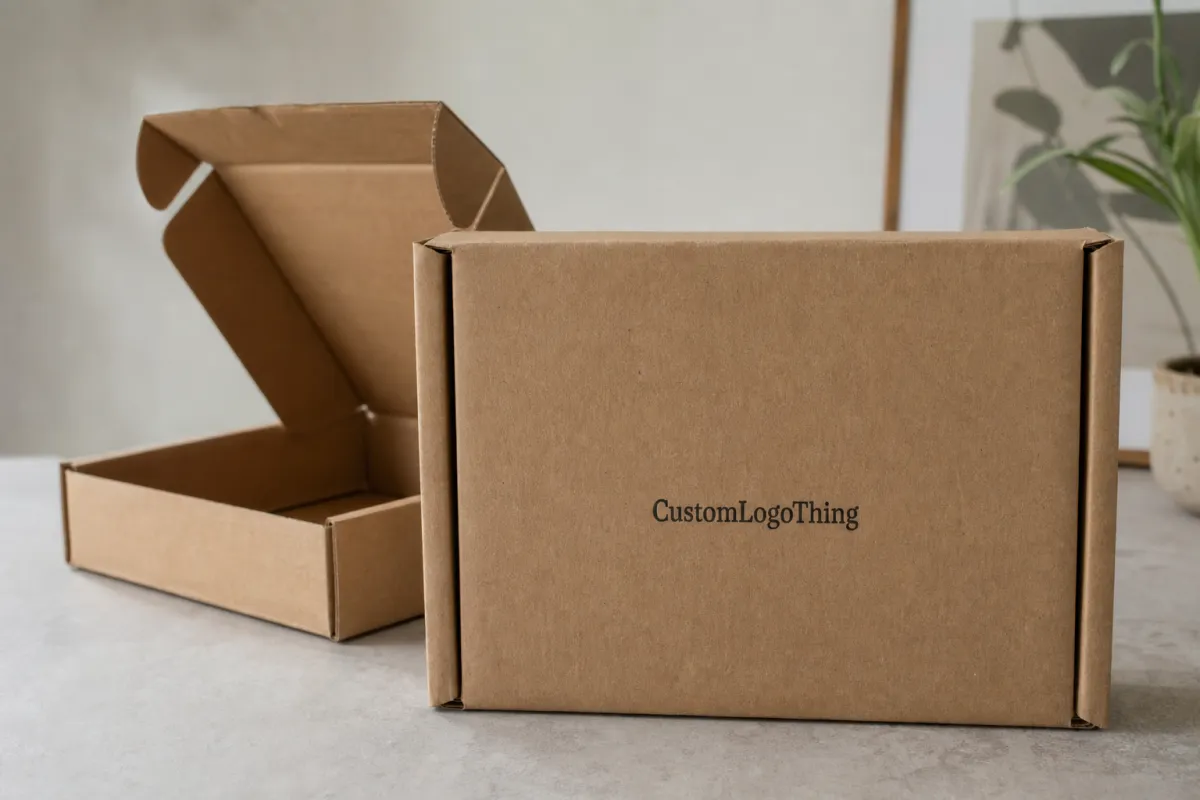
Corrugated mailer boxes are not all built the same. A plain kraft mailer with one-color branding is a different animal from a fully printed, die-cut box with a matte laminate finish and custom insert. The first one is usually easier to source in lower quantities; the second often triggers a higher MOQ because the setup costs are harder to spread across a tiny run. If you are trying to keep the order manageable, every added feature should earn its place.
Board strength matters too. Single-wall E-flute is common for lightweight favors like candles, soaps, sachets, and small jars. B-flute or sturdier constructions make more sense once the contents have weight or sharp edges. In plain English: the heavier the favor, the more you should care about crush resistance, because a cute box does not help much if the corners arrive squashed. For delicate items, a snug insert or simple divider can be worth more than extra printing because it reduces movement during transit.
Then there is print method. Digital printing can be friendlier for short runs and personalized wedding details, while offset or flexographic work can become more economical as quantity rises. If a supplier tells you that a certain finish or ink coverage pushes the MOQ higher, they are usually not making that up. They are trying to keep the setup cost from swallowing the entire order. The more colors, metallic effects, or coverage-heavy artwork you add, the more likely it is that the job behaves like a larger commercial run even when your guest count is modest.
And yes, dimensions are a bigger deal than people think. Even a small change in length or depth can alter the carton layout, nesting efficiency, and shipping cube. I once watched a project get delayed because the couple wanted the box just two millimeters wider to fit a mini bottle of olive oil. Two millimeters sounds trivial until the die line has to be redrawn and the carton sheet suddenly wastes more board. Packaging is rude like that. The lesson is simple: define the favor first, then size the box around the actual item with a little clearance for tissue, crinkle paper, or protective padding.
Closures also affect pricing and usability. Tuck-top mailers are common because they are straightforward to assemble and generally ship flat. Magnetic closures, premium sleeves, and layered wraps create a stronger unboxing moment, but they also add labor and material cost. If the wedding favors are meant to feel gift-like without becoming expensive to produce, a clean structure plus one accent detail is often the best compromise.
Material and finish options that influence order size
Most wedding packaging budgets are lost in small choices that look harmless on a sample sheet. Material choice is one of them. Kraft corrugated board usually reads as natural and understated, while white-etched or clay-coated faces can create a brighter print surface for logos, monograms, or event artwork. The cost difference is often not dramatic in isolation, but it can affect minimums because certain board stocks are easier to source in bulk than others.
If your favors are going into a display at the venue, the finish should support the presentation style. A matte look tends to hide fingerprints and minor scuffs, which is useful when boxes are handled repeatedly during setup. Gloss can make color pop, but it may also reveal scratches more easily. Soft-touch coatings feel premium, yet they are not always the best choice if the boxes will travel far or be handled in humid conditions. The right finish depends on the balance between visual impact and practical durability.
Foil stamping, embossing, and spot UV can elevate a simple mailer, but those upgrades often require more setup and can change the MOQ bracket. A good rule is to choose one special treatment and keep the rest of the design restrained. A strong structural box with one accent, such as a foil monogram or a small debossed pattern, often looks more finished than a crowded design with three or four competing effects. More decoration is not automatically more elegant.
Inserts deserve attention too. Paperboard inserts, corrugated partitions, or molded pulp trays can make fragile contents safer and neater, but they also add tooling and production complexity. If the favor is a candle in a straight-sided jar, a simple base insert may be enough. If the favor includes multiple components, a compartment insert can prevent rattling and protect labels from scuffing. The supplier may offer a lower MOQ on the outer box than on the full packaging system, so ask how each piece is counted.
For lightweight, non-fragile items that do not need a rigid presentation box, some planners compare corrugated mailers with other shipping formats as a budget check. That is where related options like Custom Poly Mailers can be useful to review, especially for favors that are soft goods or simple enclosed items. Even if you stay with corrugated mailer boxes, comparing formats helps clarify whether you are paying for protection, presentation, or both.
If you are still narrowing the style, browsing a broader range of Custom Packaging Products can help you see which structures are worth the upgrade and which ones are probably too much for a wedding favor budget. A lot of packaging confusion disappears once you compare the box against a few alternative formats side by side.
How to plan an order that fits the guest list
Start with the guest count, then add a buffer. Not a dramatic one. Usually 5 to 10 percent is enough for damage, address mistakes, forgotten vendors, and the one cousin who always shows up with an unexpected plus-one. If you are doing assembled favors instead of empty boxes, add enough room for spoilage or breakage in the contents too. The buffer should match the risk level of the item, so fragile glass or food items usually need more cushion than paper goods or fabric favors.
After that, ask yourself a blunt question: do you need every box to be identical, or can the packaging stay consistent while the labeling changes? A core box design with variable stickers or belly bands can lower MOQ pressure because the supplier only needs to produce one base item. For weddings with multiple favor types, that approach is often smarter than ordering three separate custom box styles. It also gives you more flexibility if one favor runs out or needs to be swapped late in the process.
If the supplier's MOQ is higher than your headcount, compare the cost of meeting the minimum against the cost of simplifying the spec. Sometimes you save more by dropping a specialty finish than by chasing a smaller quantity. Other times, the opposite is true, especially if the supplier offers tiered pricing and the jump from 250 to 500 units is not as painful as it looks on paper. The useful move is to ask for at least two or three pricing tiers so you can see where the actual breakpoints are.
One useful habit: build a simple table before you start the quote process. List guest count, target box size, contents weight, print method, decoration method, and acceptable overage. That little spreadsheet can prevent a lot of back-and-forth and keep the conversation grounded in numbers rather than wishful thinking. If you also track whether the favors are being handed out at the venue or shipped to guests, you will make better decisions about board strength and protective inserts.
Another practical point is assembly. If boxes will be folded and packed on site, choose a construction that a small team can build quickly without special tools. A box that saves a few cents per unit but takes twice as long to assemble is often not the bargain it appears to be. For wedding events, labor and time are real costs, even when they are not shown as line items on the packaging quote.
What to ask a wedding favor supplier before you approve samples
The sample box is useful, but it is not the full story. A sample can look gorgeous and still cost too much at scale, or fit beautifully and still miss the delivery window. Ask the supplier for the MOQ by version, not just by product family, because one box size with one ink color may have a very different minimum than the same box with foil stamping or a custom insert.
Ask whether the quoted MOQ is per design, per SKU, or per production batch. That distinction matters more than most people realize. A supplier might accept 200 boxes total if they are all the same, but require 200 per artwork file if you want two different names or date variations. Wedding personalization makes this tricky, and honestly, it is where couples get caught off guard most often. If there are multiple name spellings, table groups, or favor types, it helps to confirm how the supplier counts variations before any artwork is finalized.
Also ask how the boxes ship flat and how many cartons fit into a master case. Corrugated mailer boxes are cheap to produce only if they pack efficiently. Shipping can quietly dominate the budget, especially if the supplier is overseas or if the box footprint is awkward. I have seen freight costs erase the savings from a lower unit price, which is never a fun surprise. Flat-pack efficiency also matters for storage, because wedding orders often need to sit in a garage, closet, or spare room until assembly day.
Do not be shy about asking for a pre-production proof or a blank structural sample. A trustworthy supplier will usually understand why you want to test the fit with actual favors before committing to a full run. If they resist that conversation, I would pause. Good packaging vendors know that a clean approval process saves everyone a headache later. It is usually better to discover an issue with closure tension, print placement, or insert fit on a sample than after several hundred boxes have already been made.
If the event has more than one favor size, ask whether the supplier can standardize the footprint by using internal padding or alternate insert configurations. Sometimes a shared outer carton is cheaper than two separate custom structures. That kind of consolidation can also make assembly easier on the wedding team, which is one more reason to treat packaging as part of the event workflow rather than a separate purchase.
Common mistakes that make corrugated mailer boxes cost more
The first mistake is designing for the mood board instead of the contents. A box can look elegant and still be a terrible fit for honey jars, chocolate truffles, or fragile glassware. Oversized packaging wastes board and shipping space; undersized packaging increases damage risk. Neither outcome is charming. The safest approach is to measure the exact favor, add only the clearance that the contents actually need, and test the result with a real sample before you commit.
The second mistake is ignoring assembly time. If the boxes arrive flat and the favors are packed by hand, labor becomes part of the unit cost. A supplier may quote you a low box price, but if the shape is fiddly or the closure is awkward, someone still has to spend the afternoon folding, taping, and refolding. That someone is usually you or a member of your family pretending to be helpful while running on iced coffee. Simple, repeatable assembly is often worth more than a small price cut.
The third mistake is treating every embellishment as harmless. Foil, embossing, soft-touch coating, ribbon pulls, and custom inserts all sound modest on their own. Together, they can shove the order into a higher MOQ bracket or force a longer production lead time. A simpler box with one well-chosen detail often looks more refined than a crowded design trying to do everything at once. In practice, restraint is usually the more premium choice because it makes the favor feel deliberate rather than busy.
And then there is the classic error: ordering exactly the guest count and nothing else. Weddings are messy. RSVPs change, pieces get damaged, and last-minute additions happen. If the packaging plan leaves zero room for error, you are one shipping dent away from scrambling for a backup box that does not match anything else. That is a bad place to be three days before the event. A small surplus is not wasteful if it prevents a costly emergency reorder.
Another common issue is ignoring the storage environment. Boxes that sit in heat, humidity, or direct sunlight can warp, scuff, or lose crispness before they are used. Even good corrugated material is not immune to poor storage. If the favor boxes will be held for several weeks, ask the supplier how they recommend stacking and protecting the cartons after delivery. That advice is simple, but it can preserve the look of the final presentation.
Finally, do not assume the lowest quote is the best one. A quote can look attractive while quietly excluding freight, insert production, sample revisions, or print proofing. A better habit is to compare what is included in the unit price and what is still floating outside the quote. That is especially important if you are trying to match a fixed wedding budget and cannot afford surprise add-ons.
FAQ
What MOQ is typical for corrugated mailer boxes for wedding favors?
It depends on the style and print method, but small custom runs often start in the low hundreds, while more complex printed or finished boxes can require a higher minimum. Some suppliers may be flexible on samples or plain versions, yet still set a separate MOQ for decorated production. Asking for the minimum by exact spec is the safest way to avoid confusion.
Is it cheaper to order extra boxes than to reduce the MOQ?
Often, yes, if the extra boxes can be used later or if the price break is meaningful. The best answer depends on storage, shelf life of the favor contents, and whether unused boxes can serve as backups. If you are paying a large premium for a short run, it is worth comparing that cost against the value of a slightly larger order.
Which box style is best for fragile favors?
A sturdy corrugated mailer with an insert or divider is usually a practical choice. E-flute is common for lighter items, while a stronger flute or thicker board may be better for heavier glass, ceramic, or liquid-filled favors. The main goal is to reduce movement inside the box and prevent edge crush during handling.
How far in advance should packaging be ordered?
It depends on the supplier and the amount of customization, but many buyers allow enough time for artwork, sampling, production, transit, and a final inspection window. For custom wedding packaging, leaving extra time is wise because a proof correction or freight delay can easily affect the schedule. If the favors are tied to a fixed event date, avoid cutting the timing too close.
Can one box design work for multiple favor sizes?
Usually, yes, if you standardize the outer box and adjust the inner packing with inserts, tissue, or padding. This approach can reduce MOQ pressure and simplify ordering. It also helps the overall presentation feel cohesive, which is useful when the wedding has more than one favor type.
Where can I compare packaging options beyond corrugated mailer boxes?
A good starting point is Custom Packaging Products, especially if you want to compare structure, closure type, and finishing options. If the project includes lightweight shipping-style packaging, Custom Poly Mailers can be a useful reference point as well. If you want general help with ordering questions, the site FAQ page is also worth checking.
Related resources
When you are comparing packaging paths, it helps to look at the full category range before committing to one structure. Custom Packaging Products can show you where corrugated mailer boxes sit relative to other packaging formats, while FAQ can answer common ordering questions before you start requesting samples. If your favor idea is light enough to ship in a softer format, Custom Poly Mailers may help you sanity-check whether a more economical structure could still meet your needs.
That kind of comparison is often useful even if you end up choosing corrugated mailer boxes. Once you see the difference in print surface, protection level, and assembly effort, it becomes easier to decide which parts of the budget should go toward structure and which parts should stay focused on the event presentation itself.
A clear takeaway for final ordering
For wedding favor supplier Corrugated Mailer Boxes MOQ Planning, start with the favor itself, not the box. Define the contents, measure the dimensions, set a realistic overage, and then ask suppliers for MOQ by print method and by structural version. If the minimum feels too high, simplify the finish before you chase a smaller quantity, because that usually preserves both the look and the budget.
The most reliable order is the one that can survive a small mistake without forcing a redesign. Build the box around the actual favor, keep the decoration disciplined, and choose a supplier who can explain the cost drivers without hand-waving. That is the difference between packaging that just looks good and packaging that actually works on the wedding day. If you plan it carefully, the box becomes part of the experience instead of a budget surprise.