Buyer Fit Snapshot
| Best fit | Buy Lightweight Corrugated Shippers for Clothing projects where brand print, material claims, artwork control, MOQ, and repeat-order consistency need to be specified before quoting. |
|---|---|
| Quote inputs | Share finished size, material target, print colors, finish, packing count, annual reorder estimate, ship-to region, and any compliance wording. |
| Proofing check | Approve dieline scale, logo placement, barcode or warning zones, color tolerance, closure strength, and carton packing before bulk production. |
| Main risk | Vague material claims, crowded artwork, missing packing details, or unclear freight terms can make a low unit price expensive after revisions. |
Fast answer: Buy Lightweight Corrugated Shippers for Clothing should be specified like a repeatable production item. The safest quote records material, print method, finish, artwork proof, packing count, and reorder notes in one written spec.
Production checks before approval
Compare the actual filled-product size with the drawing, then confirm tolerance on folds, seals, hang holes, label areas, and retail display edges. Reserve space for logos, QR codes, warning copy, and material claims before decorative graphics fill the panel.
Quote comparison points
Review material grade, print process, finish, sampling route, tooling charges, carton quantity, and freight assumptions side by side. A quote is only useful when the supplier can repeat the same color, closure quality, and packing count on the next order.
When brands ask me whether to buy lightweight corrugated shippers for clothing, I usually start with a question they do not expect: how much are you paying to ship empty space? I remember standing on a warehouse floor, staring at a pallet of oversized cartons and thinking, “We are literally paying freight on air.” I’ve watched a 1.8-ounce carton cost more in freight than the shirt inside it, and I’ve seen crushed apparel returns come back not because the product failed, but because the packaging flexed under stack pressure in transit. That is the real problem. If you buy lightweight corrugated shippers for clothing with the right structure, you cut dimensional weight, protect folded garments, and keep the unboxing experience sharp enough for direct-to-consumer sales.
Many apparel teams overpay because they focus on the carton unit price and ignore the rest of the equation. Carton weight, pack labor, freight class, storage footprint, and damage rate all sit on the same balance sheet. Honestly, I think this is where a lot of cheap box decisions go sideways. If you buy lightweight corrugated shippers for clothing based on total landed cost, the math changes fast. A box that costs $0.04 more but trims parcel surcharges, reduces dunnage, and speeds packing by 3 to 5 seconds can win every time.
I've seen this firsthand on factory floors in southern China and in a Midwestern fulfillment center that shipped 12,000 apparel orders a week. One brand owner insisted on a rigid folding carton for knit tops, then complained about rising postage like postage had personally offended them. We switched them to a lighter E-flute mailer-style shipper, kept the print clean, and cut average shipment weight by 11%. That may not sound dramatic on a spreadsheet. On 50,000 units, it is the difference between a healthy margin and a very long meeting with finance.
For anyone trying to buy lightweight corrugated shippers for clothing, the decision is not about choosing the cheapest box. It is about choosing the carton that keeps shirts flat, sweaters uncompressed, kids’ apparel neat, athleisure presentable, and bundled clothing orders protected without turning your shipping line into a bottleneck. If you sell folded tees, hoodies, leggings, socks, or subscription apparel kits, you want a shipper that earns its place in the packout process.
Why Buy Lightweight Corrugated Shippers for Clothing Now
Apparel damage often comes from crushing, not impact. A box can survive a short drop and still arrive with bent corners, compressed hems, or a lid that pops open because the board was too weak for stacking. When I visited a contract packer outside Los Angeles, the team showed me a pallet of returned dress shirts with perfectly intact garments and visibly collapsed mailers. The shipping label had survived. The presentation had not. That is why brands increasingly buy lightweight corrugated shippers for clothing instead of gambling on ultra-thin mailers that save pennies but cost dollars in brand perception.
Lightweight corrugated helps reduce dimensional weight charges because it gives you structure without unnecessary bulk. In parcel networks, a carton’s outside dimensions can matter as much as its actual mass. Trim one inch from each side and the savings compound across hundreds of shipments. I’ve seen a brand drop from a 14-inch mailer footprint to a 12-inch footprint and shave meaningful spend off every zone-5 and zone-6 order. If you buy lightweight corrugated shippers for clothing with the right internal fit, you are not just buying protection; you are buying lower freight exposure.
The decision should also be framed around total landed cost. That means carton weight, freight class, storage footprint, incoming freight from the packaging supplier, and the labor needed to assemble and seal the box. A box that nests flat, ships efficiently, and packs quickly can outperform a cheaper alternative that arrives in awkward bundles or forces your team to add kraft paper to keep the product from shifting. When brands buy lightweight corrugated shippers for clothing without that full picture, they usually discover the hidden costs only after volume ramps up.
Compared with poly mailers, corrugated gives better stackability and more controlled presentation. Compared with rigid boxes, it is lighter, easier to store, and usually less expensive. Poly mailers still make sense for ultra-light basics and low-value goods. Rigid boxes still make sense for premium gift sets, jewelry add-ons, or luxury apparel presentations. But for a very large share of shirts, sweaters, kids’ apparel, athleisure, and bundled clothing orders, the sweet spot is clear: buy lightweight corrugated shippers for clothing and you get a practical middle ground of protection, recyclability, and brand presence.
That middle ground matters more than people admit. A subscription brand I advised used soft goods in poly mailers for six months, then switched to lightweight corrugated after customer complaints about wrinkling and bent folded edges. Returns fell, but the more interesting change was in reviews. Customers started posting unboxing photos because the package looked intentional. I’ve seen that pattern again and again: when you buy lightweight corrugated shippers for clothing, the packaging can help the product feel more expensive than it is.
“The carton is not just a container. In apparel, it is part of the product experience, part of the freight bill, and part of the damage claim story.”
Buy Lightweight Corrugated Shippers for Clothing: Product Details
When you buy lightweight corrugated shippers for clothing, the construction options usually start with single-wall board, especially E-flute and B-flute. E-flute is thin, smooth, and print-friendly. It is often chosen for apparel because it keeps the exterior clean while holding down weight. B-flute is slightly thicker and can provide better crush resistance if you are shipping bulkier garments or stacking cartons tightly in transit. The board choice should follow the product, not the other way around.
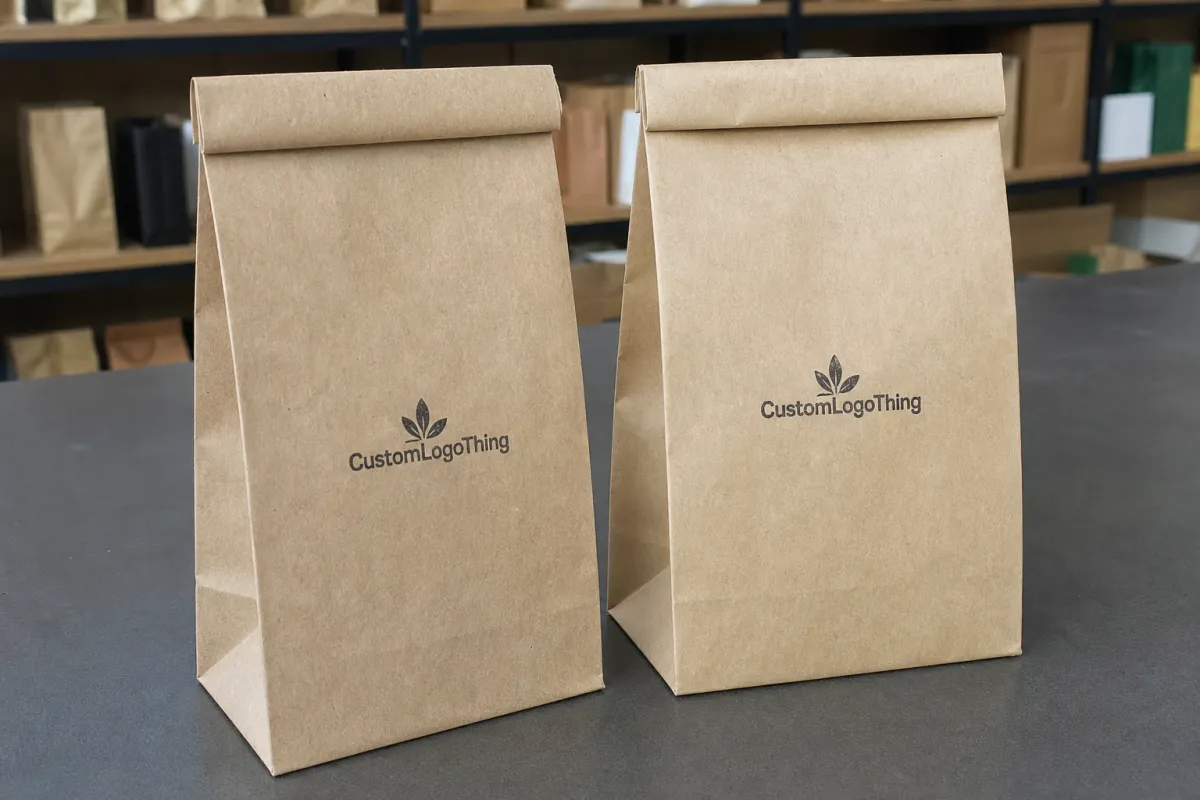
Most apparel buyers choose between kraft and white exterior finishes. Kraft has that natural, practical look and can hide scuffs well. White gives a brighter canvas for branding and photography. If you plan to buy lightweight corrugated shippers for clothing for ecommerce, retail replenishment, or giftable subscription kits, the print face matters. A one-color logo on kraft can look sharp and economical. A full-exterior print on white can elevate the unboxing experience without jumping to rigid box pricing.
Closure style matters too. Tuck-top mailer-style designs are popular because they set up quickly and hold a neat profile. Tab-lock closures and friction-fit lids can work, but the right choice depends on the folded height of the garment and whether the parcel needs to survive rough handling. If you buy lightweight corrugated shippers for clothing for flat-packed tees, the lid only needs enough depth to protect the fold. If you are shipping hoodie bundles or denim, you may need extra headspace and a stronger closure line.
I walked a plant in Shenzhen where a production manager laid out three apparel shippers on a steel table: one unprinted, one one-color kraft, and one fully printed white mailer. The box that won the discussion was not the prettiest. It was the one with the best score quality and the cleanest closing flap. That is the kind of detail buyers miss when they buy lightweight corrugated shippers for clothing. A crisp score line can matter more than a fancy ink coverage spec because it affects how the box builds on the line and how it survives repeated handling.
Protective features for apparel logistics are more subtle than they are for hard goods. You are not trying to suspend a fragile bottle in foam. You are trying to keep folded garments crisp, corners intact, and surfaces clean. That means crush resistance, clean edges, accurate die cuts, and moisture-aware paper selection are all part of the spec. If a carton rides in a humid truck lane or sits near a dock door, low-quality board can warp. When you buy lightweight corrugated shippers for clothing, moisture performance is not an academic detail; it is a field issue.
Sustainability expectations also shape the category. Corrugated is paper-based and recyclable in most municipal systems, which gives it a stronger environmental story than mixed-material packaging in many markets. Lightweight design helps because it reduces material use per shipment. I would not oversell any box as green without context, though. The smarter claim is simpler: if you buy lightweight corrugated shippers for clothing sized correctly, you use less material, ship less dead air, and keep the package stream more recyclable than many alternatives.
For buyers comparing suppliers, the practical question is often what looks and performs best at scale. The answer depends on the apparel type and order profile:
- Flat tees and tops: low-depth E-flute mailers with a tight tuck.
- Sweaters and hoodies: slightly deeper single-wall cartons or reinforced mailer-style shippers.
- Kids’ apparel: smaller cartons that reduce void space and keep presentation tidy.
- Athleisure bundles: stronger board and careful fold-height matching.
- Subscription kits: print-ready cartons that balance brand storytelling with fast packout.
If you want the simplest rule, here it is: buy lightweight corrugated shippers for clothing when you need structure, neat presentation, and shipping efficiency in one format. That is the use case where corrugated outperforms plain flexible mailers and avoids the cost and weight of rigid presentation boxes.
| Format | Typical Strength | Brand Presentation | Best Use Case | Relative Cost |
|---|---|---|---|---|
| Poly mailer | Low | Basic | Light basics, low-value apparel | Lowest |
| Lightweight corrugated shipper | Medium | Clean, customizable | Shirts, sweaters, kids’ apparel, bundles | Moderate |
| Rigid box | High | Premium | Luxury gifts, high-end apparel sets | Highest |
For many brands, that middle option is the smartest spend. If you buy lightweight corrugated shippers for clothing, you get enough stiffness to protect the fold and enough flexibility to manage cost, storage, and logistics. That combination is hard to beat.
What Specifications Matter When You Buy Lightweight Corrugated Shippers for Clothing?
If you want to buy lightweight corrugated shippers for clothing without wasting time on back-and-forth revisions, start with the core specification fields. Inside dimensions come first. Then board grade, flute type, caliper, edge crush strength, burst test, print area, closure style, and any special coatings or finishes. Buyers sometimes skip one of these and then wonder why a carton that looked fine on paper feels flimsy in hand. The spec sheet is not a formality. It is the whole project.
Inside dimensions should be matched to the folded garment size with enough tolerance for insertion, but not so much void that the product slides around. A folded tee might fit into a compact low-depth mailer, while a hoodie bundle may need a wider footprint and extra depth. If you buy lightweight corrugated shippers for clothing based on outside dimensions only, you can accidentally overpay for cube. Always ask for the internal usable space, not just the nominal label size.
Board grade is where many sourcing teams get vague. They ask for stronger board, which is not a specification. In practice, you want to compare edge crush test, burst strength, and flute profile against the goods you are shipping. A single-wall E-flute apparel shipper may be enough for one brand and too light for another. When you buy lightweight corrugated shippers for clothing, ask the vendor to explain performance in terms of stacking, not just paper weight. Weight alone does not tell the full story.
Tolerance matters more than people think. Apparel comes in varied folds, and a shipper that is perfect for size small may compress size extra-large too tightly. I saw one subscription client lose packing speed because the carton worked beautifully for women’s tees but pinched sweatshirt sleeves on the larger sizes. The solution was not a whole new carton line. It was a small dimensional change and a better insertion angle. That is why you should buy lightweight corrugated shippers for clothing with the full size run in mind, not just the first sample.
For e-commerce fulfillment, machine-ability is a real concern. The carton should set up cleanly, stay square, and accept labels without fighting the packer. If the box does not hold its shape on the conveyor or during manual packing, your labor cost rises immediately. Scan zones matter too. Some brands accidentally place branding where barcode stickers need to live. When you buy lightweight corrugated shippers for clothing, think through label placement, return labels, and any compliance markings early.
Here is a practical checklist I use with procurement teams comparing vendors side by side:
- Confirm exact inside dimensions in inches or millimeters.
- Request flute type and board grade.
- Ask for edge crush or burst strength data.
- Review print area and ink limits.
- Check the closure style and opening direction.
- Verify packout compatibility with folded product samples.
- Ask for carton weight per unit.
- Confirm lead time, MOQ, and freight terms.
That last line often exposes the weakest quote. A supplier may offer a good unit price but hide a heavier carton weight, a larger pallet footprint, or expensive freight from a distant warehouse. If you buy lightweight corrugated shippers for clothing properly, you compare the carton, the packing workflow, and the inbound freight as one system. That is how experienced buyers save money without cutting corners.
There is also a standards conversation worth having. Apparel packaging is not usually governed by the same abuse conditions as industrial goods, but test discipline still matters. I’ve seen brands reference ISTA test methods for transit simulation and ask vendors to align carton performance accordingly. That is a good habit. If the package survives a realistic distribution profile, it is much less likely to disappoint a customer later. And if you are making recyclable claims, fiber sourcing references from the FSC can help support the conversation with retailers and sustainability teams.
Pricing and MOQ for Lightweight Corrugated Clothing Shippers
Pricing is where a lot of apparel teams get impatient, and I understand why. When you buy lightweight corrugated shippers for clothing, the quote may seem simple at first glance, but the final landed cost depends on at least six variables: board grade, carton size, print complexity, order volume, tooling, and shipping destination. A small size change can alter sheet utilization, and a one-color logo can cost dramatically less than a full exterior print with interior messaging. You cannot compare quotes fairly unless the specs are identical.
In the market, I have seen standard unprinted lightweight apparel shippers land around $0.18 to $0.32 per unit at 5,000 pieces, depending on size and board. Add custom print and the range may move to $0.24 to $0.48 per unit. These are working numbers, not promises. If you buy lightweight corrugated shippers for clothing in higher volumes, the unit price can improve, but only if the size, print, and shipping terms remain stable. Freight can erase savings quickly.
The MOQ conversation deserves nuance. Lower MOQ is attractive for a launch, a seasonal drop, or a test of a new garment category. But low MOQ can raise unit cost because setup and production overhead are spread across fewer cartons. Higher volumes improve unit economics, yet they also lock up cash and storage space. The buyer who wants to buy lightweight corrugated shippers for clothing at the best value usually balances flexibility against scale, rather than chasing the absolute lowest sticker price.
Here is how I explain quote comparison to clients. First, line up the carton specifications. Second, include all setup, cutting, printing, and sampling charges. Third, add inbound freight to your warehouse or 3PL. Fourth, factor in any pallet configuration or storage charges. Fifth, estimate labor savings from easier packing. Only then should you compare suppliers. If you buy lightweight corrugated shippers for clothing using the quote alone, you are comparing half the story.
Standard sizes usually reduce MOQ and shorten production timing. That is because existing tooling and board layouts can be reused. Custom dimensions cost more upfront, but they can reduce shipping waste and improve fit, especially for folded sweaters or mixed-size bundles. I had one client move from a generic mailer to a size matched to folded denim, and the freight savings outweighed the higher carton price within a quarter. That result is not universal, but it happens often enough that serious buyers should test it.
To make pricing more concrete, here is a simple comparison framework:
| Option | Typical MOQ | Setup Cost | Unit Cost Trend | Best Fit |
|---|---|---|---|---|
| Stock unprinted shipper | Lowest | Minimal | Stable, lowest at small runs | Fast replenishment, testing |
| Simple one-color custom shipper | Moderate | Moderate | Improves with volume | Growing apparel brands |
| Fully custom printed shipper | Higher | Higher | Best at scale | Established DTC labels |
Budget planning matters even more for seasonal apparel brands and subscription boxes. If a brand runs two big drops per year, it may make sense to order more cartons at once and hold inventory. If a brand ships replenishment weekly, the better choice may be a smaller recurring order with tighter stock control. There is no universal answer. If you buy lightweight corrugated shippers for clothing, the right MOQ is the one that supports cash flow, service level, and storage reality without forcing panic reorders.
I also tell buyers to watch for hidden charges. Sampling fees, plate charges, artwork revisions, split shipments, and export paperwork can change the picture. One negotiation at a client meeting in Chicago turned on a simple question: “Is the quoted price FOB your facility or landed to our 3PL?” The difference was nearly 9%. That is why you should buy lightweight corrugated shippers for clothing only after every line item is visible.
For brands comparing Custom Shipping Boxes alongside lightweight apparel shippers, the right move is to ask for two or three quote scenarios. One standard size, one custom size, and one with a modest print upgrade. The comparison often reveals that a slightly better engineered carton is the most economical option over time.
Process and Timeline to Buy Lightweight Corrugated Shippers for Clothing
The order flow is usually straightforward, but small misses can add days or even weeks. To buy lightweight corrugated shippers for clothing efficiently, start with a clear brief: garment type, folded dimensions, estimated monthly usage, shipping method, branding needs, and whether you need stock, custom, or semi-custom construction. The better the brief, the cleaner the quote. That is not sales language. It is just how packaging production works.
A typical process goes like this: brief, dieline confirmation, proofing, sampling, approval, production, and shipment. The first version of the dieline should be checked against the actual garment fold, not just a CAD drawing. I learned that lesson in a factory in Zhejiang where a buyer approved a sample based on paper dimensions alone, only to discover the closure tab interfered with a knit collar after the first pack test. If you buy lightweight corrugated shippers for clothing, always test with real product in real packaging conditions.
Timeline variables are usually artwork revisions, structural changes, and peak-season capacity. A plain unprinted stock shipper can move fast. A custom printed carton with revised die lines can take much longer once proofing is included. If you need color matching, interior print, or special coatings, expect additional lead time for proofing and press setup. Buyers who want to buy lightweight corrugated shippers for clothing should assume that every extra decision adds time, even if the supplier is responsive.
In practical terms, a simple stock-style order may move in a relatively short window, while a custom run can take longer once proofing is included. I prefer to give clients a wide planning buffer because it protects everyone when carton board allocations tighten. The last thing you want is to discover your launch boxes are stuck behind another brand’s holiday order. If you buy lightweight corrugated shippers for clothing during a busy production season, get your artwork and dimensions approved early.
What speeds up quoting most? Three things: exact folded garment dimensions, shipping method, and estimated annual usage. Add branding needs and your desired ship date, and most suppliers can tell you whether they are a fit. If you leave out the garment type, the vendor has to guess whether your apparel shipper is meant for a tee, a knit sweater, or a bundled set. That is a fast track to revision cycles. To buy lightweight corrugated shippers for clothing with fewer delays, be specific.
One of the most useful habits I have seen at 3PLs is prototype testing with actual garments before full approval. A spec sheet tells you numbers. A sample tells you behavior. Does the shirt slide? Does the box bow under slight pressure? Does the closure stay aligned after being packed 100 times? Those are operational questions, and they matter. If you buy lightweight corrugated shippers for clothing without prototyping, you are guessing where a small trial would have given you answers.
To reduce delays, I often recommend that a brand approve one standard size first and expand later into the broader size line. That cuts complexity and gives the team one reference point for cost, fit, and transit performance. It is a sensible way to move from test orders to broader rollout without overcommitting. In my experience, the smartest buyers do not rush to buy every size variant on day one. They buy lightweight corrugated shippers for clothing in a controlled sequence and scale based on evidence.
Why Choose Us to Buy Lightweight Corrugated Shippers for Clothing
Custom Logo Things is built for brands that care about packaging as a working part of the business, not a decorative afterthought. If you want to buy lightweight corrugated shippers for clothing, you need a supplier that can manage manufacturing capability, customization range, quality control, and communication without making the process feel like a scavenger hunt. That is where a practical packaging partner matters.
From a service standpoint, the best supplier does more than fill an order. It helps you avoid oversized cartons, weak closures, and print choices that add cost without improving the customer experience. I have spent enough time on press checks and in supplier negotiations to know that a good recommendation can save more money than a discount. When you buy lightweight corrugated shippers for clothing, design guidance is worth real value because it prevents mistakes that are expensive to undo.
We also understand that apparel brands have different shipping realities. Some are direct-to-consumer and need clean presentation on every order. Some work through retail replenishment and care more about stacking, pallet efficiency, and warehouse handling. Some ship subscription kits and need a carton that photographs well from the first unboxing cut. If you buy lightweight corrugated shippers for clothing through a partner that understands those pressures, you get better recommendations from the start.
Sample availability matters, especially for first-time buyers. I have seen first orders fail because the team approved a box from a screen and never packed a real garment in it. That is avoidable. Ask for samples, review the spec, and test the closure under normal packout speed. If you buy lightweight corrugated shippers for clothing with a sample in hand, you reduce surprises before production runs.
What sets the right service apart is practical support. Clear communication. Material recommendations based on actual use cases. Honest feedback when your requested size is too large or too expensive for the job. I would rather tell a buyer that a smaller shipper is enough than sell them a carton that looks impressive and ships poorly. That is the kind of advice I respect, and the kind we try to give when clients want to buy lightweight corrugated shippers for clothing.
One of the clearest advantages is that we can pair visual branding with shipping performance. You do not have to choose between a good-looking box and a functional one. For many apparel lines, a one-color logo, a restrained exterior print, and a clean mailer-style shape are enough. If you want a premium touch without overbuilding, buy lightweight corrugated shippers for clothing with a supplier that knows where the line sits between elegance and excess.
“The best apparel shipper is the one that protects margin quietly. It does its job on the line, in transit, and at the customer’s door.”
Next Steps After You Buy Lightweight Corrugated Shippers for Clothing
Before you request a quote, gather the essentials: folded product dimensions, monthly volume, artwork files, preferred closure style, and target ship date. If you want to buy lightweight corrugated shippers for clothing efficiently, this prep work saves days. I have watched buying teams lose a week because they knew the garment category but not the exact fold dimensions. That delay is avoidable.
Order samples or a short production run and test them with real garments. Do not rely on a digital mockup alone. Confirm box fit, check corner crush, test label adhesion, and measure packing speed. If a carton takes 12 seconds longer to assemble, that cost compounds very quickly over 10,000 orders. When you buy lightweight corrugated shippers for clothing, live testing is the only way to know whether the box supports your fulfillment flow.
Create a simple evaluation method. Look at three things: fit, protection, and speed. Does the garment sit flat without sliding? Does the carton keep its shape when stacked? Can the packer close it cleanly without extra tape or filler? I use those questions because they reflect the real job of the box. If you buy lightweight corrugated shippers for clothing and the carton passes all three, you are likely in good shape.
Then set a reorder threshold based on lead time. If your production cycle is 14 business days from approval and your 3PL burns through cartons quickly, you need buffer stock. Stockouts on packaging interrupt fulfillment just as surely as stockouts on product do. I have seen brands with $2 million in inventory get tangled because they ran out of a $0.21 carton. That is not efficient. If you buy lightweight corrugated shippers for clothing, protect the reorder point as carefully as you protect SKU replenishment.
My practical advice is simple: compare two or three specifications, approve one, then scale once the shipper performs in live shipments. That gives you evidence before you commit larger cash. It also gives your pack team time to adapt. The brands that do this well rarely talk about packaging much afterward, which is exactly the point. When you buy lightweight corrugated shippers for clothing intelligently, the box disappears into the process and the margin shows up where it should.
If you are ready to move, start with a focused request and a realistic test run. Do not overcomplicate it. Give the supplier the folded dimensions, the volume, the branding needs, and the target freight profile. Then ask for the smallest box that protects the garment cleanly. That is how experienced apparel teams buy lightweight corrugated shippers for clothing without wasting time, space, or budget.
FAQ
Can I buy lightweight corrugated shippers for clothing in custom sizes?
Yes, custom sizing is common for folded apparel, especially when you want to minimize void space and shipping weight. Provide the folded garment dimensions and preferred closure style so the box can be sized correctly. Custom sizes usually improve fit and presentation, but they may raise setup cost or minimum order requirements.
What board thickness works best when I buy lightweight corrugated shippers for clothing?
Single-wall lightweight boards such as E-flute are often used for apparel because they balance protection and low weight. Heavier garments, bundled orders, or long-distance shipping may benefit from a sturdier flute or stronger edge crush rating. The right board depends on the product, not just the category, so test with actual packed garments.
Are lightweight corrugated shippers better than poly mailers for clothing?
Corrugated shippers are better when presentation, stackability, or crush protection matters. Poly mailers are usually lighter and cheaper, but they offer less structure and a different unboxing experience. For premium apparel, subscription boxes, and folded items that must arrive crisp, corrugated often performs better.
What MOQ should I expect when I buy lightweight corrugated shippers for clothing?
MOQ varies by size, print complexity, and whether the shipper is standard or fully custom. Stock sizes or simple print usually allow lower quantities than fully custom structural designs. Ask for MOQ by spec, not just by product category, because quoting can change sharply with size and artwork.
How do I reduce shipping costs when using corrugated shippers for clothing?
Choose the smallest usable carton that protects the garment without adding void space. Keep the shipper lightweight so dimensional weight and material costs stay under control. Standardizing a few box sizes across your apparel line can also improve packing speed and inventory planning.
If your team is ready to buy lightweight corrugated shippers for clothing, start with the smallest viable spec, test it with real garments, and compare the results against your current carton or mailer. The brands that get this right do not chase packaging trends. They buy the right structure, at the right size, for the right order profile. That is how you buy lightweight corrugated shippers for clothing with confidence and keep both freight and presentation under control.
Related packaging resources
Use these related guides to compare specs, costs, quality checks, and buyer decisions before making the final call.