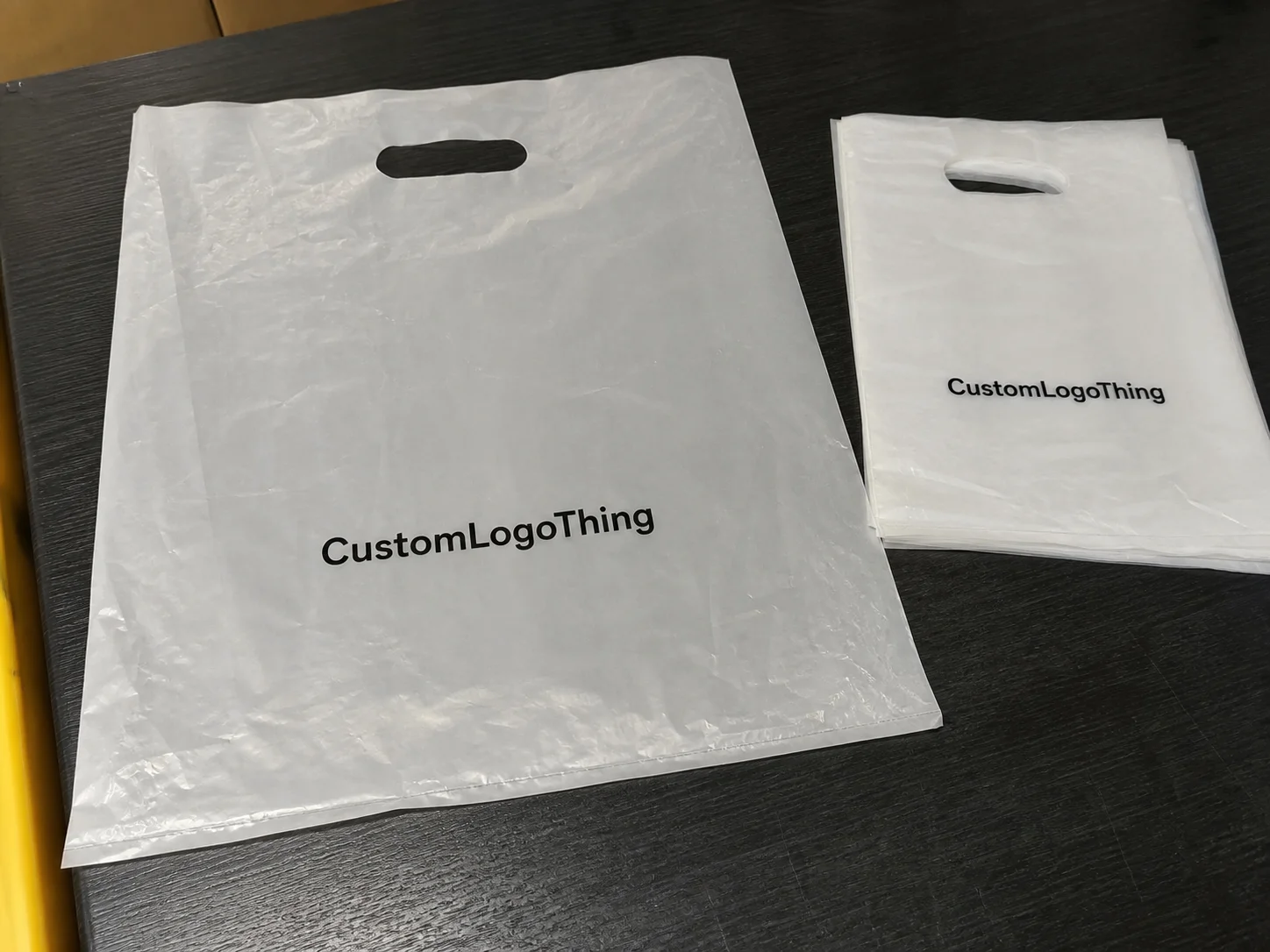
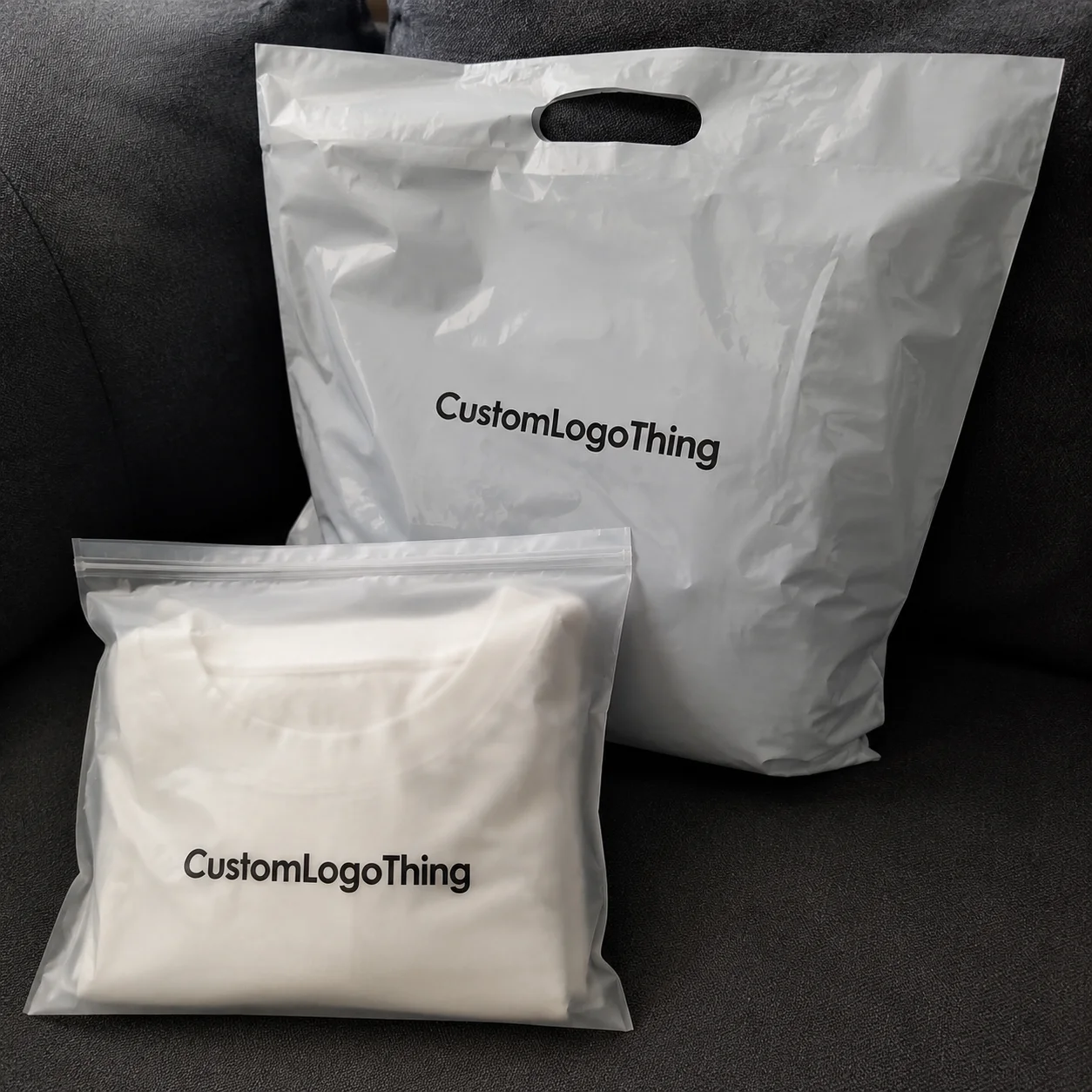
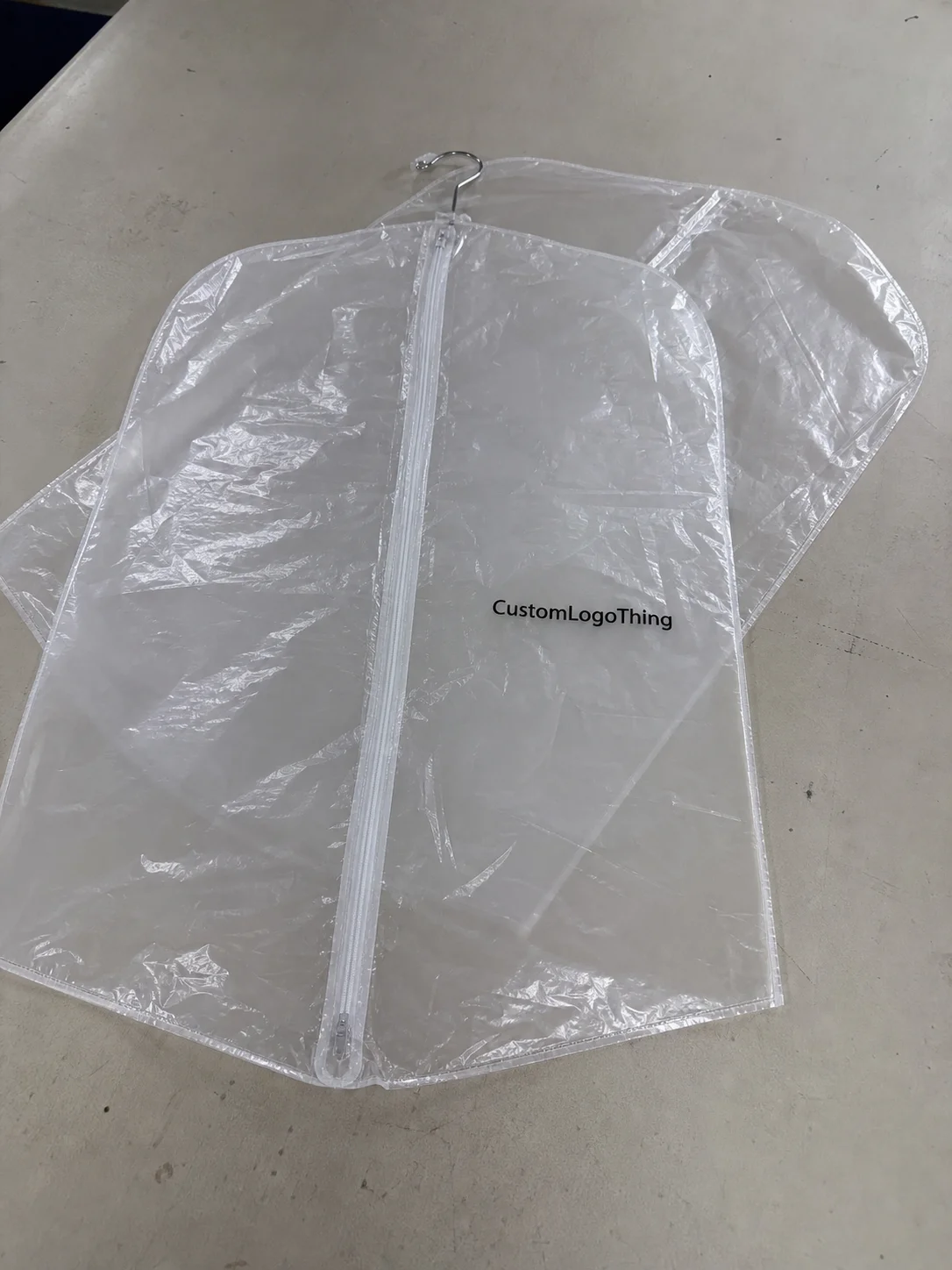
Buyer Fit Snapshot
| Best fit | Buy Matte Poly Mailers Wholesale projects where brand print, material claims, artwork control, MOQ, and repeat-order consistency need to be specified before quoting. |
|---|---|
| Quote inputs | Share finished size, material target, print colors, finish, packing count, annual reorder estimate, ship-to region, and any compliance wording. |
| Proofing check | Approve dieline scale, logo placement, barcode or warning zones, color tolerance, closure strength, and carton packing before bulk production. |
| Main risk | Vague material claims, crowded artwork, missing packing details, or unclear freight terms can make a low unit price expensive after revisions. |
Fast answer: Buy Matte Poly Mailers Wholesale: Pricing, Specs, Bulk should be specified like a repeatable production item. The safest quote records material, print method, finish, artwork proof, packing count, and reorder notes in one written spec.
Production checks before approval
Compare the actual filled-product size with the drawing, then confirm tolerance on folds, seals, hang holes, label areas, and retail display edges. Reserve space for logos, QR codes, warning copy, and material claims before decorative graphics fill the panel.
Quote comparison points
Review material grade, print process, finish, sampling route, tooling charges, carton quantity, and freight assumptions side by side. A quote is only useful when the supplier can repeat the same color, closure quality, and packing count on the next order.
If you want to buy Matte Poly Mailers wholesale, start with the part most buyers underestimate: the mailer is not just a shipping skin, it is a brand signal and a cost-control tool at the same time. I remember standing on a factory floor in Dongguan years ago, holding two nearly identical samples under harsh overhead lights, and thinking, “Well, one of these looks like a bargain bin mistake.” Spoiler: it was the glossy one. I’ve seen brands save real money because they moved away from bulky cartons for soft goods, and I’ve seen their customer photos improve almost overnight. That combination—better presentation, lower shipping weight, and steadier unit cost—is exactly why so many operators now buy matte poly mailers wholesale instead of treating packaging as an afterthought. For a 5,000-piece run, the difference between a low-gloss 60-micron mailer and a heavier rigid shipper can show up in both freight and customer perception on day one.
Here’s the commercial truth. A mailer that weighs 18 to 28 grams can help keep postage in check, especially when you are shipping hundreds or thousands of orders a week from hubs like Los Angeles, Dallas, or Newark. I’ve had clients in apparel, beauty, and subscription retail tell me the same thing after the first replenishment cycle: once they started to buy matte poly mailers wholesale, the packaging line became easier to standardize, the brand looked more consistent in photos, and the buying team had fewer emergency orders to fight through. That matters when margins are tight and every tenth of an ounce counts. Honestly, the drama some teams go through over packaging is almost theatrical, especially when a 3-cent difference in unit cost turns into a 3-hour meeting. Packaging is gonna trigger that kind of behavior sometimes, but the numbers usually settle the argument.
Why Businesses Buy Matte Poly Mailers Wholesale
Matte finishes often photograph better than gloss, full stop. Under bright warehouse LEDs in Chicago or a ring light in a Brooklyn studio, gloss can throw reflections across your logo and make colors look louder than they really are. Matte tends to absorb light in a more controlled way, so the print reads cleaner in direct mail photos and in the social media shots brands use for product pages. I’ve seen that difference firsthand in a client meeting where two sample sets sat side by side on a table under overhead lighting; the matte sample looked more expensive, even though the substrate cost less than a rigid carton system they were comparing it to. One buyer actually tilted the glossy sample and said, “Why does this look greasy?” Fair question.
That is the practical value proposition when companies buy matte poly mailers wholesale. You get lightweight shipping, lower dimensional weight exposure, and a presentation that supports repeat purchases without overpaying for structure you do not need. For soft goods such as tees, leggings, swimwear, cosmetics, phone accessories, and promo mailings, a matte poly mailer can be the sweet spot between cost control and brand polish. A 10x13 inch mailer with a 60 to 80 micron film is often enough for apparel packs that weigh under 2 pounds. I think many buyers overcomplicate this decision. If the product is flexible, not fragile, and not moisture-sensitive in a carton-only sense, a matte mailer often does the job very well.
There is also a supply chain angle. Wholesale buying reduces per-unit cost because the fixed components—printing setup, bag conversion, QA checks, freight planning—get spread across a larger run. When a retailer commits to a consistent size and thickness, the operations team can forecast reorders better and avoid rush fees. I visited a fulfillment partner in Shenzhen where they had three SKUs of mailers stacked in labeled lanes, and the warehouse manager told me that standardizing on one matte size cut picking mistakes by 17% in their own internal audit. That is not a universal result, but it shows how packaging discipline can quietly improve the shipping floor. For a team shipping from Shenzhen to North America or from Ningbo to Europe, a stable spec can be worth more than a slightly lower sticker price.
For brands that mail promotional kits, seasonal drops, or subscription envelopes, the case is even stronger. You can buy matte poly mailers wholesale in a range of sizes, print treatments, and thicknesses, then align inventory to your campaign calendar instead of buying one-off packaging at retail pricing. That makes it easier to control cash flow, too. A 5,000-piece buy often beats a series of smaller spot purchases, not just on unit cost but on the time your team saves chasing replacements. On a typical three-week campaign cycle, that time savings can be the difference between hitting a launch date and paying for an emergency air shipment out of Guangdong. And yes, chasing packaging at the last minute is exactly as annoying as it sounds.
- Apparel: tees, loungewear, socks, light outerwear
- Accessories: belts, hats, scarves, jewelry boxes inside soft wrap
- Beauty: non-fragile skincare, sample bundles, kits
- Small retail goods: stationery, organizers, accessories, gift items
- Promotional mailings: event packs, influencer kits, seasonal inserts
Matte Poly Mailers Wholesale: Product Details That Matter
When buyers ask me what separates a good mailer from a mediocre one, I usually start with construction. Most quality mailers are made from co-extruded polyethylene, often with multiple film layers that balance strength, flexibility, and printability. A common spec is a three-layer co-extruded film with a 60 to 90 micron total thickness, and the better factories in Zhejiang, Guangdong, and Jiangsu will document the film gauge clearly on the quote. The matte surface is created during film or finishing stages so the outer layer reduces glare and feels less slick than standard gloss film. A proper decision to buy matte poly mailers wholesale should always start with the film spec, not the artwork mockup. I know that sounds a bit unglamorous, but packaging has a funny habit of punishing people who skip the boring stuff.
Water resistance is one of the biggest reasons brands continue to buy matte poly mailers wholesale. Polyethylene helps guard against light rain, handling moisture, and the occasional wet depot cart. It is not a substitute for waterproof packaging in every category, but for soft goods it offers strong practical protection. Add tear resistance, a self-sealing adhesive strip, and tamper-evident closure, and you have a package that can survive routine parcel handling without adding unnecessary bulk. I’ve watched an operator run stress tests by dragging sealed mailers across a rough conveyor edge in a warehouse outside Guangzhou, and the better films held up far longer than the cheap stock imported with no thickness controls. The cheap stock, unsurprisingly, behaved like it had a personal grudge.
Branding options are broad. Some clients want a one-color logo and a return address block. Others ask to buy matte poly mailers wholesale with full-color graphics, inside printing, or a custom logo pattern repeated along the panel. Surface texture also matters; a soft matte can make dark inks look richer, while a slightly more textured film can hide handling marks better during fulfillment. If you ship in volume, small visual differences add up fast. A consistent print standard is often more valuable than a louder design. For a run of 8,000 pieces, a 0.5 mm registration variance may not sound dramatic, but it can make the same logo look either crisp or tired by the time it reaches a customer in Atlanta or Phoenix.
Compared with glossy mailers, matte versions usually create a cleaner, more restrained look. Gloss can pop in a product photo, but it can also read cheap if the film is thin or the print registration is off by even 1 to 2 mm. Paper mailers are another story altogether. They can suit certain sustainability claims or luxury positioning, but they often cost more, weigh more, or require different handling. For many operators, the reason they buy matte poly mailers wholesale is simple: the package is light, durable, and easy to standardize. That combination is difficult to beat for ecommerce fulfillment, especially when your monthly outbound count sits between 2,000 and 20,000 parcels.
One practical point I learned during a supplier negotiation in Ningbo: do not assume all matte finishes are identical. Ask whether the finish is truly matte-coated, surface-treated, or simply a low-gloss film described as matte in sales material. That difference can affect ink adhesion, scuff resistance, and how your logo photographs under warehouse light. I’ve seen a brand sign off on a sample that looked excellent on a desk and then complain about fingerprint marks during packing. The underlying problem was not the logo; it was the finish spec. And yes, the fingerprint blame game got old fast when the issue could have been solved with a spec sheet and a 24-hour sample review.
“We stopped buying retail mailers and moved to wholesale because the packaging finally matched the brand,” a beauty client told me after their second replenishment cycle. “The boxes in our office looked better, but the shipping bill did not.”
For buyers comparing options, the most useful sources are packaging standards and shipping performance references. I often point teams to the Flexible Packaging Association and to transit testing frameworks from ISTA when they want to think beyond aesthetics. The exact specs can vary by supplier, but the logic stays the same: the mailer needs to protect, seal, and present well at scale. You can find practical shipping and packaging references through ISTA and material guidance through packaging.org. If your team buys from factories in Dongguan, Xiamen, or Suzhou, ask for documentation, not just a sales promise.
Specifications to Check Before You Buy Matte Poly Mailers Wholesale
If you want to buy matte poly mailers wholesale without headaches later, specification control is where the work happens. I always start with thickness, size, printable area, adhesive type, opacity, and finish consistency. Thickness is usually given in microns or mils. Depending on the application, you may see 50 to 100 microns or more. A thinner film can save money, but it must still pass puncture and seal checks. A thicker film can improve handling confidence, but it does not automatically mean better performance if the adhesive and welds are weak. In practical terms, a 55-micron mailer for a 200-gram apparel order behaves very differently from a 90-micron mailer for a boxed accessory kit.
Dimensions matter more than people think. A mailer that is technically “large enough” can still be awkward if the item folds too tightly, shifts during transit, or leaves too much dead space at the top seam. When buyers buy matte poly mailers wholesale, I ask them to measure the folded product, not just the flat garment size. Add an insert card, barcode label, or thank-you note if those are part of the standard packout. That extra 3 to 10 mm can be the difference between a clean close and a stressed seal. If your packout includes a 2 mm cardboard insert or a folded 8.5 x 11 inch brand card, the interior dimensions need to reflect that reality, not a theoretical spreadsheet number.
There are quality checkpoints I never skip. Seal strength should be evaluated because the adhesive strip is the first point of failure in rough handling. Puncture resistance matters if the products include corners, zipper pulls, boxed items, or hardware. Edge weld quality tells you whether the bag was converted carefully or rushed through production. And print clarity? That is the one customers see first. If you plan to buy matte poly mailers wholesale for a branded ecommerce line, the logo should hold sharp edges, consistent ink density, and good alignment across the order. The difference between a clean print and a fuzzy one is not cosmetic; it changes how your brand is perceived at scale, especially when a customer opens 500 orders a week from the same distribution center.
Sustainability claims need scrutiny, not slogans. Some suppliers offer recycled content, downgauged film, or reuse-friendly designs, and those options can be useful. But I always tell buyers to confirm the actual percentage of recycled content, whether the film is post-industrial or post-consumer, and what that means for performance. In packaging, “eco” can hide a lot of shortcuts. If a supplier says the mailer includes recycled resin, ask for documentation. If they say the film is lightweighted, ask how that affects tear strength. That is how experienced buyers decide whether they should buy matte poly mailers wholesale from a supplier they can trust. A factory in Foshan or Taicang should be able to provide a COA, a thickness report, and a sample from the same production line.
Request samples. Then request a proof. Then look at both under the same light you use in your packing space. I’ve watched teams approve a sample on a sunny conference table in San Diego only to discover, in the warehouse, that the logo looked dull under cool white fixtures. Those are not small details. They are the details customers notice before they notice your product insert. If your receiving team works under 4000K LEDs and your studio shoots under 5600K daylight panels, check both environments before you sign off.
| Option | Typical Use | Unit Cost Direction | Notes |
|---|---|---|---|
| Plain stock matte mailer | Fast-moving fulfillment, low branding needs | Lowest | Lower setup cost, faster availability |
| Custom printed matte mailer | Retail brands, repeat purchases, unboxing focus | Moderate | Artwork setup and print plates may apply |
| Inside-printed matte mailer | Premium campaigns, privacy messaging, brand reveal | Higher | More print steps, longer production time |
| Recycled-content matte mailer | Brands with sustainability goals | Varies | Confirm resin content and performance specs |
Pricing, MOQ, and What Affects Wholesale Cost
Pricing is where buyers get trapped if they only compare the headline number. To buy matte poly mailers wholesale intelligently, you need to understand what is driving the quote. The biggest factors are order quantity, size, film thickness, number of print colors, and whether the finish or adhesive has special requirements. A 10x13 inch mailer at 55 microns with one-color print will not cost the same as a 14x19 inch mailer at 80 microns with full coverage and inside print. That sounds obvious, yet I still see quotes compared as if they were identical. Every time, I want to reach through the spreadsheet and shake it a little.
MOQ, or minimum order quantity, usually follows setup economics. Lower minimums often cost more per unit because the supplier still has to prepare artwork, plates, ink, and conversion runs for a smaller spread of units. Larger runs bring the unit price down, but only if the buyer can actually use the stock before design changes. In one negotiation I handled for a fashion client in Los Angeles, the order moved from 3,000 to 8,000 units and the unit price dropped by 21%, but the team had to confirm that their seasonal color palette would not change in the next six months. If you plan to buy matte poly mailers wholesale, that inventory planning piece is just as important as the quote itself.
Here is a realistic cost comparison framework. Plain stock mailers are usually the cheapest path, but they do not carry your brand. Custom printed matte mailers cost more upfront, yet they may reduce the need for extra branded inserts or outer labels. Depending on your packout, that can offset part of the price difference. I’ve seen brands save 4 to 7 cents per shipment because they eliminated a separate branded sleeve or oversized sticker when they switched to a cleaner custom mailer. If you are trying to buy matte poly mailers wholesale for a higher-volume SKU, those cents matter. Over 25,000 orders, a 5-cent difference becomes $1,250—hardly pocket change for a small operations team in Austin or Miami.
Watch the hidden costs. Artwork setup, plate charges, freight, rush fees, and split shipments can change the final landed number substantially. One supplier may quote a lower per-unit price but charge more for freight to your distribution center. Another may include basic setup but apply a premium for urgent scheduling. If you do not request the same size, same thickness, same print coverage, same delivery term, and same shipping method, you are not comparing like with like. I cannot stress that enough. It is one of the most common mistakes buyers make when they try to buy matte poly mailers wholesale on price alone. A quote from a factory in Shenzhen with FOB terms is not interchangeable with one from a regional converter shipping DDP to Chicago.
A fair quote request should ask for the landed cost, not just the ex-works price. That means freight, destination, and any setup fees should be visible. Ask whether proofing is included, whether reprints from art corrections cost extra, and whether the supplier charges for partial shipments. If you want a clean procurement process, be specific: “10x13 inch matte poly mailers, 60 micron film, one-color black logo, 5,000 units, ship to Los Angeles, include freight and proofing.” That level of detail can save days of back-and-forth and keep the comparison honest. It is the best way to buy matte poly mailers wholesale with confidence, especially if your target landed cost needs to stay under $0.20 per unit.
- Order quantity: higher volume usually lowers per-unit cost
- Print coverage: one color costs less than full coverage
- Film thickness: thicker film generally raises material cost
- Special finishes: soft-touch, extra matte, or inside print can add cost
- Freight: carton count and destination materially affect landed pricing
Order Process and Production Timeline for Bulk Mailers
The order process should be straightforward, but only if the buyer is organized. When you buy matte poly mailers wholesale, the normal sequence is inquiry, quote, sample approval, artwork confirmation, production, quality check, and shipping. Each step has its own risk points. The quote stage should clarify material, dimensions, color count, and logistics. Sample approval should confirm feel, seal, and print tone. Artwork confirmation should lock files before production begins, because changes after proof sign-off almost always add time and cost. A production schedule in Shenzhen or Dongguan usually moves fastest when the first proof is approved on the first round.
Timeline varies with complexity. A plain stock run can move faster than a fully custom print job, and the difference can be several business days or more depending on current factory load. For a custom branded order, 12 to 15 business days from proof approval is a common planning range in a well-run operation, but that depends on the print method, order size, and shipping lane. I’ve seen buyers assume production starts the moment they pay the deposit, then get frustrated when artwork issues stall the schedule. If you want to buy matte poly mailers wholesale and stay on calendar, build in time for proof review and warehouse receiving. Sea freight from South China to the U.S. West Coast can add another 18 to 24 days, while air freight can compress that to 4 to 7 days at a much higher cost.
What slows orders down most? File problems. Missing fonts. Low-resolution logos. Incorrect Pantone references. Unclear delivery instructions. A supplier cannot print what it cannot interpret. I once worked with a brand whose logo files were exported in three different versions, each with a slightly different blue. The production team did exactly what they were told, and the result was a mismatch that cost both sides a week. Send vector artwork, supply Pantone codes if color matters, and confirm shipping details early. That is the fastest path if you want to buy matte poly mailers wholesale without avoidable delays. A clean AI or EPS file can save more time than a dozen emails.
Planning reorder cycles is underrated. If your monthly volume is 4,000 units and your lead time is two to three weeks, you should not reorder when you have 200 left. You should reorder when you still have a buffer. The best operations teams I’ve worked with keep one cycle of safety stock, especially during seasonal peaks. That reduces emergency freight and gives the procurement team room to negotiate. It also prevents a packaging shortage from interrupting sales, which is a problem nobody wants to explain after a campaign launch. A 30-day safety stock is often enough for a stable SKU, while a holiday line in Q4 may need 45 days or more.
- Submit exact size, film thickness, print colors, and quantity.
- Review quote with freight and setup included.
- Approve sample or digital proof.
- Lock artwork and delivery address.
- Schedule production and receiving.
For buyers who want to cross-check shipping and material expectations, transit testing references and material standards can help frame the discussion. The EPA’s packaging and waste guidance is also useful if your procurement team is comparing material choices or recycling claims; their site is a practical reference at epa.gov. I would not treat any one source as a final answer, but I do expect responsible suppliers to speak in the language of measurable performance rather than vague promises. That means thickness in microns, seal performance in test terms, and lead times stated in business days, not “soon.”
Why Choose Us for Matte Poly Mailers Wholesale
We focus on the parts of packaging that actually affect your operation. If you want to buy matte poly mailers wholesale, you need consistent materials, clear communication, and print control that does not wander from batch to batch. That is the standard we work toward. I’ve spent enough time in packaging to know that brands do not need hype; they need orders that arrive as specified, on schedule, with fewer surprises than the last vendor delivered. A supplier in Guangdong can quote quickly, but reliability is what keeps a warehouse in Toronto or Dallas from scrambling on receiving day.
Our approach is built around practical support. We review artwork before production, help coordinate samples, and keep the lead-time conversation specific. If a project needs a 10x14 inch matte mailer with black logo print and a self-seal adhesive strip, we say that plainly. If a project needs a different film gauge because the product has sharper corners or heavier inserts, we say that too. That kind of guidance matters when you buy matte poly mailers wholesale for a growing brand, because packaging mistakes show up fast in customer service, returns, and wasted rework. A 350gsm C1S artboard insert for a carded set, for example, should be called out early so the bag size and seal line are right the first time.
Consistency is the real advantage. A lot of suppliers can quote a price. Fewer can keep color stable, edge welds tight, and delivery windows honest from one replenishment to the next. In a facility visit I made last quarter, a production manager walked me through a print verification line where every batch was checked against a reference sheet before cartons left the dock. That is the sort of process that protects a buyer from ugly surprises. If you are going to buy matte poly mailers wholesale, the supplier’s process discipline matters as much as the price on the page. One production pass in a plant near Suzhou, for example, may include a 24-point QC sheet, while another plant skips half the checks; the difference shows up in the finished cartons.
We also understand that not every buyer is at the same scale. Some teams need startup-friendly runs with lower MOQs. Others need larger replenishment orders with tighter color matching and predictable freight handling. We work across those needs because packaging buying rarely stays at one size forever. A good first order should set up the second order, and the second should make the third easier. That is how strong supply relationships are built. A 1,000-piece test run today can become a 20,000-piece annual program if the mailer survives the first two reorder cycles and the landed cost stays within budget.
“The best packaging supplier is the one that keeps your warehouse calm,” a fulfillment director told me during a reorder review. “No surprises, no mystery costs, no last-minute substitutions.”
The business outcome is simple. Fewer shipping problems. Stronger unboxing presentation. More stable supply. Better use of cash. When teams buy matte poly mailers wholesale with those outcomes in mind, packaging stops being a scramble and starts acting like part of the sales system. That is where the return really shows up, whether your fulfillment center is in Louisville, Ontario, or a third-party warehouse near Savannah.
You can review broader packaging options through our Custom Packaging Products page, compare format choices in our Custom Poly Mailers category, or learn how volume programs are structured through our Wholesale Programs page. Those pages help buyers compare finishes, quantities, and print styles before they move into a quote. If you are trying to match a 5,000-piece or 10,000-piece annual plan, those program details matter more than a one-line price ever will.
How to Buy Matte Poly Mailers Wholesale: Next Steps
The fastest way to buy matte poly mailers wholesale well is to make three decisions before you request a quote: size, thickness, and quantity. If you already know those, the rest moves quickly. Add print style if your brand needs it—one-color, multi-color, or no print at all—and then decide whether you want recycled-content options or a standard film. The more precise you are at the start, the fewer revisions you will need later. A buyer who comes in with a 10x13 inch spec, 60 micron film, and a 5,000-piece forecast will usually get a cleaner quote than someone who just asks for “something matte.”
Compare samples side by side under retail lighting and in a packing environment. I mean that literally. A sample that looks great on a desk can look very different under warehouse LEDs or in a shipping station with motion and handling marks. I’ve watched buyers fall in love with a mockup, then change their mind after seeing how the matte finish behaved next to a barcode label and a folding insert. That is why you should never buy matte poly mailers wholesale from a digital preview alone. If possible, test one sample under 4000K lighting and another under 5000K; the difference can be more revealing than the proof itself.
Get the artwork files ready. Vector logo files, brand colors, and exact copy can remove hours of back-and-forth. If your logo is only available as a low-resolution JPG, the print shop will likely have to rebuild it, and that opens the door to avoidable mistakes. If you need a specific black, navy, or PMS color, say so. If your brand uses a certain placement standard, provide a mockup. Those details help you buy matte poly mailers wholesale with less risk. A supplier in Xiamen or Dongguan can usually work faster when the art arrives as AI, EPS, or PDF with embedded fonts and a clear bleed line.
Ask for a landed-cost estimate that includes freight and any setup charges. That one request can expose whether a quote is genuinely competitive. Then confirm the MOQ, approve the proof, and schedule the production window around your inventory needs. The best buying sequence is simple: choose specs, request samples, approve proof, confirm MOQ, and place the order. If you keep that structure, you will buy matte poly mailers wholesale with a lot more confidence and a lot fewer surprises. For many teams, the sweet spot is a 12 to 15 business day production window after proof approval, plus the shipping time needed to clear customs and reach the distribution center.
One final thought from the factory floor: cheap packaging is rarely cheap once defects, delays, and reprints enter the picture. The buyers who do well are the ones who treat mailers like a managed input, not a disposable line item. If that sounds like your team, then buy matte poly mailers wholesale in a way that fits your product, your postage, and your brand standard—and insist on the numbers that prove it. A quote that names the factory region, the film gauge, the delivery timeline, and the freight term is worth far more than one that merely sounds low.
FAQ
What size should I buy matte poly mailers wholesale for apparel?
Choose the smallest mailer that fits the folded garment plus any insert without forcing the seal. For lightweight apparel, I always recommend measuring the folded thickness first, not just the clothing label size, because a slim tee and a hooded sweatshirt need very different interior space. A 10x13 inch mailer often fits one or two folded tees, while a 14x19 inch size is better for bulkier items or multi-piece sets.
Are matte poly mailers wholesale good for protecting products from moisture?
Yes, polyethylene mailers are water-resistant and help protect items from light rain and transit moisture. They work best for soft goods and non-fragile products, but they are not a substitute for rigid impact protection if the item can crush, bend, or break. For shipments moving through humid hubs like Miami or Hong Kong, that moisture barrier can still matter a lot.
What is the typical MOQ when I buy matte poly mailers wholesale?
MOQ depends on size, print coverage, and customization level. Plain stock mailers often have lower minimums than fully Custom Printed Mailers, while inside print or special finishes usually require a larger commitment because setup costs have to be spread across more units. In many factories, 1,000 to 5,000 pieces is a common starting point for custom work, though larger programs can bring pricing down significantly.
Can I print my logo on matte poly mailers wholesale orders?
Yes, logos can usually be printed in one or more colors depending on the production method. Vector artwork and clear brand color references help improve print accuracy, and they reduce the chance of a mismatch between your proof and the finished mailer. If your logo relies on a precise PMS match, share that code at the quoting stage rather than after proof approval.
How do I compare quotes for matte poly mailers wholesale fairly?
Compare the same size, thickness, print coverage, quantity, and shipping terms across all quotes. Also confirm setup charges, freight, and proofing costs so the total landed price is clear; otherwise a low headline number can hide a much higher final bill. For an honest comparison, ask each supplier to quote the same 10x13 inch, 60 micron, one-color run delivered to the same city or warehouse.