Buyer Fit Snapshot
| Best fit | Buy Reusable Poly Mailers Online Store projects where brand print, material claims, artwork control, MOQ, and repeat-order consistency need to be specified before quoting. |
|---|---|
| Quote inputs | Share finished size, material target, print colors, finish, packing count, annual reorder estimate, ship-to region, and any compliance wording. |
| Proofing check | Approve dieline scale, logo placement, barcode or warning zones, color tolerance, closure strength, and carton packing before bulk production. |
| Main risk | Vague material claims, crowded artwork, missing packing details, or unclear freight terms can make a low unit price expensive after revisions. |
Fast answer: Buy Reusable Poly Mailers Online Store: Film, Print, MOQ, and Carton Packing should be specified like a repeatable production item. The safest quote records material, print method, finish, artwork proof, packing count, and reorder notes in one written spec.
Production checks before approval
Compare the actual filled-product size with the drawing, then confirm tolerance on folds, seals, hang holes, label areas, and retail display edges. Reserve space for logos, QR codes, warning copy, and material claims before decorative graphics fill the panel.
Quote comparison points
Review material grade, print process, finish, sampling route, tooling charges, carton quantity, and freight assumptions side by side. A quote is only useful when the supplier can repeat the same color, closure quality, and packing count on the next order.
On a busy packing line, the surprise is rarely the garment itself; it is the packaging line item that keeps repeating every week. I remember watching that line item shrink the moment a brand decides to buy reusable Poly Mailers online store instead of treating mailers as a throwaway commodity. I’ve seen this play out in a Shenzhen apparel factory where the packout team was using 2.5 mil single-use bags for returns-prone basics. After switching to a reusable format with a second adhesive strip, the team cut replacement packaging usage by 18% across three replenishment cycles while the customer experience improved immediately. That kind of number gets attention fast, especially from finance people who only become packaging experts when the invoice lands.
If you are trying to buy reusable poly mailers online store for apparel, accessories, or soft goods, the real question is not just “what is the cheapest bag?” It is whether the mailer will protect the product, present the brand well, and hold up through one or two handling cycles without splitting at the seam or losing adhesive strength. Honestly, I think buyers waste time when they obsess over a single quote and ignore the actual use case. In my experience, the brands that win here are the ones that ask for exact specs, not vague promises. Not the sort of “don’t worry, it’s fine” promise that usually ends in a damaged parcel and a very annoyed email chain.
That matters because reusable mailers are a different tool from standard single-use poly mailers. They are usually built with a tougher co-extruded polyethylene film, stronger side seams, and closure systems that are designed for resealability, return handling, or multi-step use. When the spec is right, they reduce damage claims, support a cleaner unboxing, and give you a sensible way to talk about reusable packaging without overclaiming what the product can do. I’ve seen brands accidentally overpromise sustainability and then spend the next month untangling customer complaints. Not fun. Not pretty.
Custom Logo Things works with brands that want practical packaging answers, not showroom language. That is exactly the mindset I recommend when you buy reusable poly mailers online store options for ecommerce, subscriptions, boutique apparel, and promotional kits. If your packaging team is tired of fluffy sales language, same here.
Why Brands Buy Reusable Poly Mailers Online Store Options
On packing floors, the first thing I check is whether the mailer fits the item without excess air or an overworked seam. I remember standing beside a folding table in a Mumbai contract packout facility where a client shipped lightweight scarves in oversized pouches. The team was adding tissue, tape, and extra cartons just to make the order look neat. After they switched to a properly sized reusable mailer, their packout time dropped by about 12 seconds per order, which sounds small until you multiply it across 8,000 parcels a month. Suddenly, everyone is paying attention.
That is the practical value behind the decision to buy reusable poly mailers online store. A reusable mailer is usually more durable than a standard one-time-use mailer, and that extra durability comes from film structure, seal design, and closure features that support repeated handling. The better the construction, the less chance you have of torn corners, split seams, or a closure that gives up after the first opening. And yes, I have seen closures fail right after someone proudly declared the sample “perfect.” The packaging gods have a sense of humor.
Brands also like these mailers because they improve presentation for soft goods. Apparel lands cleaner in a reusable poly mailer than in a thin commodity bag, especially when the film has a matte finish, custom print, or a labeled return strip. I have sat in client meetings where the packaging team spent more time debating the mailer finish than the shirt color, and honestly, they were right to do that because packaging is part of how the customer judges the product before they ever touch it. First impressions are rude like that—they show up before your brand story does.
The best-fit categories are usually ecommerce apparel, subscription boxes with soft contents, boutique accessories, promotional kits, lightweight textile items, and non-fragile products that do not need crush protection. If you sell rigid or breakable products, I would not push you toward a mailer unless there is an inner protection layer or the product is truly low-risk. A rigid candle jar, for example, belongs in a different system. I’ve had brands ask me whether “just a little bubble wrap” can solve a bad packaging choice, and the answer is usually no, because physics is annoyingly consistent.
When buyers search to buy reusable poly mailers online store, they are usually after three things at the same time: dependable product specs, straightforward pricing, and a supplier that can repeat the same build across reorder cycles. That is the real buying intent. Nobody wants a pretty sample that cannot be replenished at scale six weeks later. A sample that works once and disappears into the ether is basically expensive hope.
One more point gets overlooked: sustainability claims need to be grounded in the actual structure of the mailer. A recyclable film claim, a recycled-content claim, or a reusable packaging claim should be tied to the material, the print, and the local recovery options. I always tell brands to check their own claims against current guidance from groups like the EPA and product-specific standards from organizations such as ISTA when performance testing matters. That paperwork may not be glamorous, but it is a lot less painful than reworking your packaging after a customer or regulator asks uncomfortable questions.
For brands that need broader packaging support, it often helps to coordinate the mailer purchase with other items from Custom Packaging Products so the print look, carton count, and packout method all line up. That is especially useful if you are trying to standardize color, sizing, and fulfillment across multiple SKUs. I’ve seen perfectly good packaging programs stumble simply because nothing matched. The chaos was subtle at first, then suddenly everybody was hunting for the “right” box like it was hidden in a warehouse maze.
Reusable Poly Mailer Product Details and Use Cases
Most reusable mailers begin with a co-extruded polyethylene film, and that detail matters more than people think. Co-extrusion allows different film layers to contribute different properties, such as toughness, flexibility, or printability. In a plant I visited in Dongguan, the extrusion operator showed me how a small shift in resin blend changed tear resistance enough to alter whether the mailer held up after a second opening. Yes, the base material really is the foundation. I know that sounds obvious until you see a flimsy film split open right after someone closes it with what can only be described as determined optimism.
For a buyer who wants to buy reusable poly mailers online store, the common structure usually includes sealed side seams, a top closure, and a second adhesive strip for returns or resealing. Some versions use twin adhesive strips so the mailer can be opened once, closed again, and used for a return shipment. Others rely on a peel-and-seal closure plus a tamper-evident strip, which is fine for many retail applications even if it is not meant for several repeated cycles. The trick is matching the build to the customer journey, not forcing a mailer to do a job it was never designed for.
Finish options matter too. A matte surface feels more premium and hides scuffs better in transit, while a glossy finish can give stronger color pop on graphics and logos. Writable surfaces are useful if your warehouse still hand-notes order numbers, and QR code placement is smart when you want customers to access return instructions or product registration details without cramming the design. I’m mildly obsessed with QR placement because I’ve watched teams stick them in corners where no one can scan them without doing an awkward little dance at the packing table.
Here is what ships well in reusable mailers most often:
- T-shirts and light apparel with a flat fold and a single insert card
- Leggings, socks, and scarves that do not need crush resistance
- Small textile accessories like caps, wraps, or soft belts
- Promotional packs with brochures, fabric swatches, and samples
- Light non-fragile goods that benefit from a cleaner retail look
There are limits, and honest limits build trust faster than sales talk ever does. Rigid items, sharp-edged accessories, anything with exposed metal corners, or products that need impact cushioning should not be pushed into a mailer unless you build a proper protection strategy around it. If you skip that step, you risk punctures, denting, or customer complaints that cost more than the mailer saved. I’ve had one brand try to squeeze a hard-edged accessory into a soft mailer because it “almost fit.” Almost is not a packaging spec.
Brands also use these mailers for presentation. A custom-printed reusable bag with a recycled-content label, a size marker, and a clean logo can carry a stronger retail impression than plain packaging. If your packaging mix includes other branded formats, it can be smart to match the mailer artwork to your Custom Poly Mailers so the visual language stays consistent across your line. Consistency matters more than people admit; customers notice when one piece looks branded and the next looks borrowed from a random supply closet.
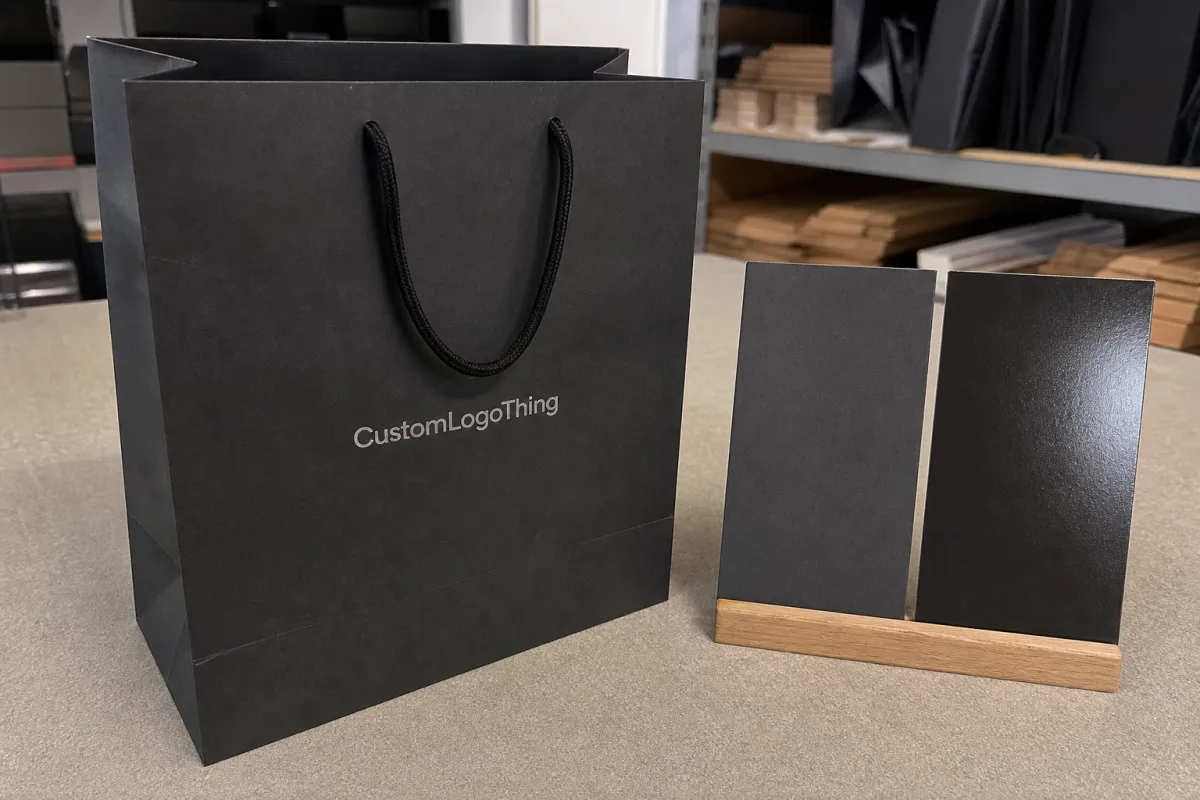
One supplier meeting I still remember involved a DTC accessory brand in Los Angeles. They wanted a deep black mailer with silver ink and a double-adhesive return strip, but their original brief ignored film thickness. The first sample felt nice, yet the closure area creased badly during reseal testing. Once we moved them from a thin decorative build to a more practical structure, the mailer passed multiple opening cycles and the print stayed intact. That is the difference between a sample that looks good and a package that works. I wish I could say that lesson only had to be learned once, but packaging reality enjoys repetition.
For brands that want to buy reusable poly mailers online store options with custom print, recycled content, or unique closures, the safest path is to start with the product use case, then build the spec around it. That sequence saves time and usually saves money too. It also saves everyone from the classic “we designed the artwork before we knew the size” headache, which somehow always ends with someone blaming the print file for a size problem.
Specifications to Check Before You Buy Reusable Poly Mailers Online Store
The first spec I ask for is internal size, not the outside number printed on a catalog page. Internal dimensions tell you how the product actually fits once folded, tucked, or stacked. A garment that is 11 by 14 inches flat may still need extra room for seams, a hangtag, tissue, or a folded return insert, and if you do not allow for that, the adhesive area can strain and the finish looks sloppy. I’ve watched beautiful packaging become awkward for one simple reason: the product physically needed more room than the buyer wanted to admit.
Film thickness is usually expressed in mils, and this is one of the places where buyers can get burned by vague language. A 2.5 mil mailer is not the same as a 3.5 mil mailer, especially if the product has corners or heavier weight. Thicker film usually improves puncture resistance and confidence in transit, but it can also reduce flexibility and add cost, so I prefer to match thickness to the real product risk instead of automatically choosing the thickest option. Bigger is not always better; sometimes it’s just more expensive and harder to fold, which is a lovely way to annoy your fulfillment team.
Closure performance deserves just as much attention. Ask about adhesive strength, reseal performance, and temperature tolerance. A closure that performs well in a 72-degree warehouse may behave differently in a hot delivery van or a cold shipping dock. I have seen mailers lose tack during winter outbound processing when the adhesive was not suited to the handling environment, which is why I always push for practical testing instead of assuming the spec sheet tells the whole story. The spec sheet is helpful, sure, but it is not a substitute for reality.
Print specs matter if branding is part of the buy. That means Pantone targets, ink adhesion, print coverage, and whether the artwork wraps one side or both. If the logo needs to sit near the seam, confirm that the graphic will not be distorted during sealing or folding. The more coverage you ask for, the more you should care about registration accuracy and ink consistency. A logo that shifts two millimeters may not sound dramatic on paper, but on the actual bag it can look like someone sneezed during production.
Sustainability and compliance details are another checkpoint when you buy reusable poly mailers online store. Ask for documentation on recycled content claims, recycling guidance, and any testing tied to performance or recyclability language. If the supplier references FSC, that usually applies to paper components rather than the film itself, so do not let a forest certification statement imply something it does not cover. For packaging standards and material sourcing language, references from organizations like FSC are useful when paper inserts or cartons are part of the package system. And yes, I’ve seen “eco” used so loosely on packaging that it started to mean almost nothing. That’s when I get grumpy, which is probably fair.
Here is a quick comparison I use with buyers who want to make a practical decision instead of guessing:
| Option | Typical Use | Approx. Unit Price | Strength | Best For |
|---|---|---|---|---|
| Stock reusable mailer, 2.5 mil | Basic apparel and light goods | $0.12 to $0.18 | Moderate | Lower-volume brands testing demand |
| Custom printed reusable mailer, 3.0 mil | Branded ecommerce shipping | $0.18 to $0.32 | Good | Repeat orders and retail presentation |
| Heavy-duty reusable mailer, 3.5+ mil | Higher-handling or return-friendly use | $0.24 to $0.42 | Higher | Brands with more transit stress |
Pricing will vary by quantity, print method, and material blend, but that table gives you a realistic starting frame when you compare suppliers. If one quote looks far cheaper, I usually ask what was removed from the spec: thickness, closure quality, print coverage, or testing. Cheap quotes love hiding somewhere obvious. They’re like that one sock that disappears in the laundry—except the missing sock here can cost you thousands.
Another practical detail is carton configuration. If your fulfillment center packs 500 units per carton and your team really wants 250, that affects handling time and storage. It sounds small, yet a warehouse manager once told me that packaging a product in the wrong carton count added one extra labor step to every pick cycle. That was enough for him to reject the order even though the bag itself was fine. He was right. A packaging spec that ignores warehouse rhythm is only half a spec.
Reusable Poly Mailers Online Store Pricing and MOQ
If you want to buy reusable poly mailers online store with a clean cost structure, look first at the drivers behind the price instead of the quoted number alone. Size is the biggest driver because film usage rises with width and length. Thickness comes next, followed by print coverage, ink count, recycled content, special closure systems, and order volume. That is the real stack of cost. I’ve yet to meet a buyer who enjoys this part, but pricing math has a way of humbling everyone equally.
Minimum order quantity, or MOQ, is where many buyers first meet reality. Custom reusable mailers often require more setup than plain stock packaging, so lower quantities cost more per unit. In practical terms, a short run of 1,000 custom bags might carry a much higher price than 5,000 pieces because the same setup work has to be spread across fewer units. That does not mean the supplier is overcharging; it means the economics of print, film conversion, and packing have to be covered somehow. If the MOQ feels high, ask what it is paying for rather than just groaning at the number.
Here is a simple buying framework I use with brands:
- Stock sizes if you want lower entry cost and faster availability.
- Custom sizes if the product fit matters more than flexibility.
- Custom print if brand presentation and repeat visibility matter.
- Heavier film if shipping abuse or returns are part of the use case.
The cheapest unit price is not always the cheapest order. Freight can change the math quickly, especially if cartons are oversized or the ship point is far from your fulfillment center. I have watched a buyer celebrate a low ex-factory price only to lose the savings on freight, repacking, and an extra round of samples. The landed cost was worse, not better. That kind of surprise tends to erase everyone’s good mood before lunch.
When you buy reusable poly mailers online store, ask these questions before you sign off:
- What is the quoted unit price at my target quantity?
- Does the quote include print, proofing, and packaging?
- Are tooling or plate fees separate?
- What are the freight terms and carton count?
- Is sample approval included before production?
One apparel brand I advised in Chicago was comparing two suppliers for 10,000 mailers. Supplier A quoted a lower unit price, but the film was thinner, the closure was weaker, and freight came in higher because the carton count was less efficient. Supplier B looked more expensive on paper, yet the delivered cost per shipped order was lower once damage risk and fulfillment time were included. That is why I always say compare total cost per shipped parcel, not just the bag price. The bag is part of the equation, not the entire equation. I say that a lot because people keep trying to make it the whole story.
For some buyers, the best path is a stock mailer first, then a branded conversion later. That reduces risk when you are still validating volume. For others, the brand identity is important from day one, and custom print justifies the added cost immediately. Neither choice is wrong; the right choice depends on where you are in the business cycle and how much packaging has to carry the marketing load. Packaging can do a lot, but it should not be expected to perform miracle labor.
Can I buy reusable poly mailers online store options in small MOQ runs?
Yes, but small runs usually carry a higher unit cost because setup and production preparation are spread across fewer pieces. Stock sizes often have lower MOQs than fully Custom Printed Mailers. If you are testing a product line, start with a smaller sample-friendly quantity before scaling. I’d rather see a brand test carefully than gamble on a huge order and regret it later.
Ordering Process, Sampling, and Production Timeline
A good order process starts with a clean brief. When you want to buy reusable poly mailers online store, I always ask for five things right away: product dimensions, target mailer size, film thickness, branding requirements, and ship-to destination. With that information, a supplier can usually quote accurately without back-and-forth that burns a week. And yes, the back-and-forth is usually where enthusiasm goes to die.
The typical path is straightforward. First comes the quote. Then artwork review, then sample or proof approval, then production, inspection, and shipment. Where buyers lose time is usually the artwork stage, especially when logos are not in the right format or the file is too low resolution for clean print. A vector file in AI, EPS, or high-quality PDF format saves headaches later. I have seen projects delayed because someone sent a blurry JPEG and insisted it was “fine.” It was not fine. It was pixel soup.
Samples are not all the same. A blank sample helps with fit. A printed proof helps with color and graphic placement. A pre-production sample is the closest thing to final output, and I recommend it whenever closure performance or artwork alignment matters. If the team is shipping 20,000 units, spending a little time on the sample phase is cheap insurance. Skipping samples because the deadline feels tight is how deadlines become disasters.
Lead times depend on whether the mailer is stock or custom. Stock mailers can move quickly because the material and dimensions already exist. Custom Printed Reusable mailers usually need more time because the press setup, proof approval, production scheduling, inspection, and carton packing all have to be lined up. A realistic lead time after proof approval may be 12 to 15 business days for some builds, but that depends on quantity, print complexity, and the factory’s current schedule. I always tell buyers to plan for the possibility that one small revision can shuffle the whole timeline.
From a factory-floor point of view, the quality checkpoints are simple but non-negotiable. I look for sealing integrity, print registration, adhesive placement, and carton packing accuracy. If the seal is uneven, the bag can split in transit. If the print is misregistered, the branding looks cheap. If the adhesive is off by even a few millimeters, the closure may fail during reseal testing. That is the sort of tiny error that turns into a big customer complaint, which is not the kind of “brand engagement” anyone wants.
“The sample looked fine until we ran it through a real fulfillment shift. Once we checked the closure under heat and handling, we adjusted the adhesive strip and saved ourselves a return problem later.” — packaging manager at a specialty apparel brand
That kind of lesson is why I urge buyers to test packaging under actual conditions instead of relying on a desk review. Put garments in the mailer. Fold them the way your team folds them. Reseal it. Drop it on a table. If it survives that, you are in a much better position to place the order with confidence. If it fails, better to find out with a sample in your hand than with 4,000 units already packed and heading out the door.
Why Choose Custom Logo Things to Buy Reusable Poly Mailers Online Store
Custom Logo Things is a strong fit for brands that want a manufacturing partner rather than a listing page full of generic packaging. When you buy reusable poly mailers online store through a partner with real production knowledge, you get better control over material choice, print execution, and repeat-order consistency. That matters when your packaging has to stay the same across several replenishment cycles. I’ve seen too many brands get stuck with “close enough” reorders, and close enough is not a great standard for packaging that touches every single customer.
I’ve worked with enough factories to know the difference between a seller and a converter. A seller moves boxes. A converter understands extrusion, printing, lamination, die-cutting, seal behavior, and packing efficiency. If the supplier knows those steps, they can steer you away from overbuilt specs and toward the right build for the product. That saves money and usually improves performance. It also saves you from the sort of endless revisions that make everybody question their career choices for about three business days.
One thing most people get wrong is assuming that a heavier mailer is always better. Not always. If you are shipping a folded cotton tee with a single insert card, a well-built 3.0 mil reusable mailer may be plenty. If you force the order into a 4.0 mil bag just because it sounds premium, you can raise cost and reduce flexibility without getting a meaningful return. Experienced suppliers should say that out loud. If they don’t, I’d be suspicious.
Custom Logo Things can also help with branding details that are easy to overlook, like QR code placement, size labeling, and color consistency across reorders. Those details matter when a warehouse is packing hundreds of units per hour and needs the packaging to be instantly recognizable. They also matter when you are trying to create a retail look that feels intentional rather than improvised. A mailer that looks like it belongs to the brand does more work than a mailer that merely exists.
Practical quality control is another reason buyers choose a manufacturing-led partner. Before shipment, you want inspection for seams, closure function, print accuracy, and carton packing readiness. That final check prevents a lot of frustration later. I have seen one shipping mistake wipe out the savings from a whole order because the cartons were packed too loosely and the mailers arrived scuffed. Good control at the end of production is worth real money. No one enjoys opening a shipment and finding the packaging already looks tired.
If your packaging program includes other branded components, such as cartons, inserts, or accessory bags, pairing the order with Custom Packaging Products helps keep the whole supply chain cleaner. And if your brand is specifically focused on mailer formats, it is worth reviewing Custom Poly Mailers alongside the reusable options so you can compare structures side by side before you place the order. That side-by-side comparison is often where the right answer becomes obvious.
Honestly, the best suppliers make the buying process easier by being specific. They should tell you the material, the thickness, the closure behavior, the print method, and the likely lead time in plain terms. If they cannot do that, you probably do not have enough information to place a sound order. Vagueness is expensive, and it usually gets more expensive later.
How to Place the Right Order and Avoid Common Mistakes
If you want to buy reusable poly mailers online store without getting stuck in revisions, start with measurement. Measure the folded product, add the thickness of seams or inserts, and then choose a mailer size that leaves just enough room for packing without excess air. That simple step prevents a lot of ugly, overstuffed parcels. I’ve seen one too many bags puffed up like they were carrying beach balls instead of apparel.
Next, decide how the mailer will be used. Is it only for outbound shipping, or does the customer need to reuse it for a return? That answer changes the closure spec. A single adhesive strip may be fine for brand presentation, but a second closure strip makes more sense if reverse logistics are part of your model. Do not pay for reuse features if your product never needs them, but do not skip them if returns are part of the customer journey. That’s the part people love to underthink and then regret later.
Here are the mistakes I see most often:
- Ordering by guesswork instead of measured dimensions
- Choosing film thickness without testing puncture risk
- Approving artwork before checking print placement on the actual size
- Ignoring closure quality and reseal performance
- Comparing suppliers on unit price only, not landed cost
One negotiating lesson stands out from a factory meeting in Ho Chi Minh City. A buyer wanted the lowest possible number for a return-friendly reusable mailer, but they refused to specify their carton count and freight destination. The quote looked attractive until the shipping method changed the math, and by the time the landed cost was calculated, the bargain had disappeared. I told them then, and I still say it now: if you do not ask for a full cost picture, you are only seeing part of the order. Half the truth makes for a bad purchase.
Replenishment planning matters too. Reorders should match the original color, film, and closure performance as closely as possible, especially if your mailers are part of a branded customer experience. If the first lot is a matte charcoal with a strong reseal strip, do not assume the next lot will look or behave the same unless you keep the spec locked down. Small changes in resin or ink can show up immediately on the packing floor. I’ve had teams swear the bags were “basically the same,” and then spend an hour arguing over why the new lot felt different in hand. Basically the same is not a spec, unfortunately.
So, if your goal is to buy reusable poly mailers online store with confidence, use this checklist:
- Measure the product and confirm packed thickness.
- Pick the right mailer size and film thickness.
- Request blank and printed samples.
- Test closure performance in real handling conditions.
- Compare quotes by landed cost, not just unit price.
- Lock the spec before repeat orders begin.
That approach is simple, but it works. It is the same kind of discipline that keeps a packing floor efficient and a customer experience consistent, and it is the reason I recommend buyers treat reusable mailers as a real packaging decision rather than a last-minute supply purchase. Quick decisions are fine; sloppy decisions are what cost you later.
If your next move is to buy reusable poly mailers online store, start with the size spec, ask for a sample, and request a quote that includes print, packaging, and freight. That is the cleanest path to a packaging choice that protects the product, supports your brand, and holds up in the real world. If a supplier dodges those details, that’s usually your cue to keep looking.
FAQ
Can I buy reusable poly mailers online store quantities in small MOQ runs?
Yes, but small runs usually carry a higher unit cost because setup and production preparation are spread across fewer pieces. Stock sizes often have lower MOQs than fully custom printed mailers. If you are testing a product line, start with a smaller sample-friendly quantity before scaling. I’d rather see a brand test carefully than gamble on a huge order and regret it later.
What size should I choose when I buy reusable poly mailers online store for apparel?
Measure the folded garment, then add room for the thickness of seams, tags, and any insert cards. Choose a mailer that fits snugly without forcing the zipper or adhesive area to strain. For bulkier apparel, a slightly larger size usually improves sealing and presentation. If you’re between sizes, I usually lean a little larger—not because I like waste, but because overstuffed mailers look miserable and perform worse.
Are reusable poly mailers strong enough for repeated use?
They are designed for repeat handling when made with the right film thickness and closure system. Durability depends on product weight, sharp edges, and how often the mailer is opened and resealed. Ask for seam and closure testing if the mailer will be reused multiple times. That little bit of testing can save a lot of embarrassment later.
How long does production take after I place an order?
Stock options ship faster because they do not require custom print setup. Custom Printed Reusable mailers need time for artwork approval, production, inspection, and packing. Your timeline depends on quantity, print complexity, and destination shipping method. If you need a hard launch date, build in a cushion—because production schedules have a way of becoming personal.
What should I compare before I buy reusable poly mailers online store options from different suppliers?
Compare thickness, closure quality, print method, recycled-content claims, MOQ, and landed cost. Request samples so you can test fit, seal performance, and print clarity. Do not compare only unit price; include freight and replacement risk in the total cost. The cheapest quote can be the most expensive mistake.