Buyer Fit Snapshot
| Best fit | Customize Poly Mailers on Budget projects where brand print, material claims, artwork control, MOQ, and repeat-order consistency need to be specified before quoting. |
|---|---|
| Quote inputs | Share finished size, material target, print colors, finish, packing count, annual reorder estimate, ship-to region, and any compliance wording. |
| Proofing check | Approve dieline scale, logo placement, barcode or warning zones, color tolerance, closure strength, and carton packing before bulk production. |
| Main risk | Vague material claims, crowded artwork, missing packing details, or unclear freight terms can make a low unit price expensive after revisions. |
Fast answer: Customize Poly Mailers on Budget: Film, Print, MOQ, and Carton Packing should be specified like a repeatable production item. The safest quote records material, print method, finish, artwork proof, packing count, and reorder notes in one written spec.
Production checks before approval
Compare the actual filled-product size with the drawing, then confirm tolerance on folds, seals, hang holes, label areas, and retail display edges. Reserve space for logos, QR codes, warning copy, and material claims before decorative graphics fill the panel.
Quote comparison points
Review material grade, print process, finish, sampling route, tooling charges, carton quantity, and freight assumptions side by side. A quote is only useful when the supplier can repeat the same color, closure quality, and packing count on the next order.
If you’re figuring out how to customize poly mailers on budget, I’ve got a story that still makes me smile. I once watched a Shopify seller in Los Angeles cut her packaging cost by almost 50% just by ditching full-color all-over print and switching to a simple one-color logo on standard white mailers. Same brand. Same product. Less nonsense. That’s usually the difference between smart packaging and expensive ego. On that order, the quote dropped from about $0.31 per unit at 5,000 pieces to around $0.16 per unit with a 1-color flexo print on 2.5 mil film. Real money. Not pretend savings.
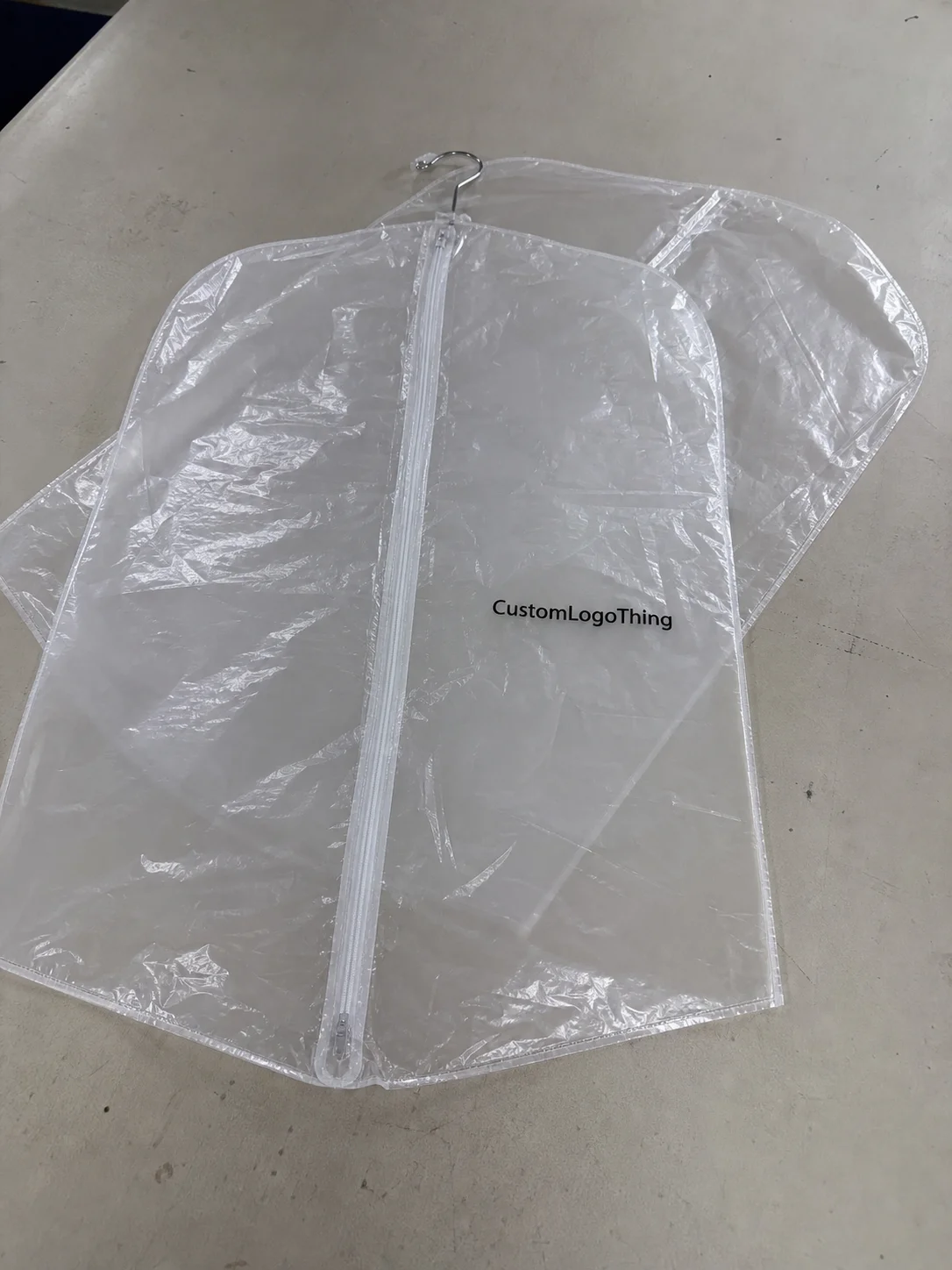
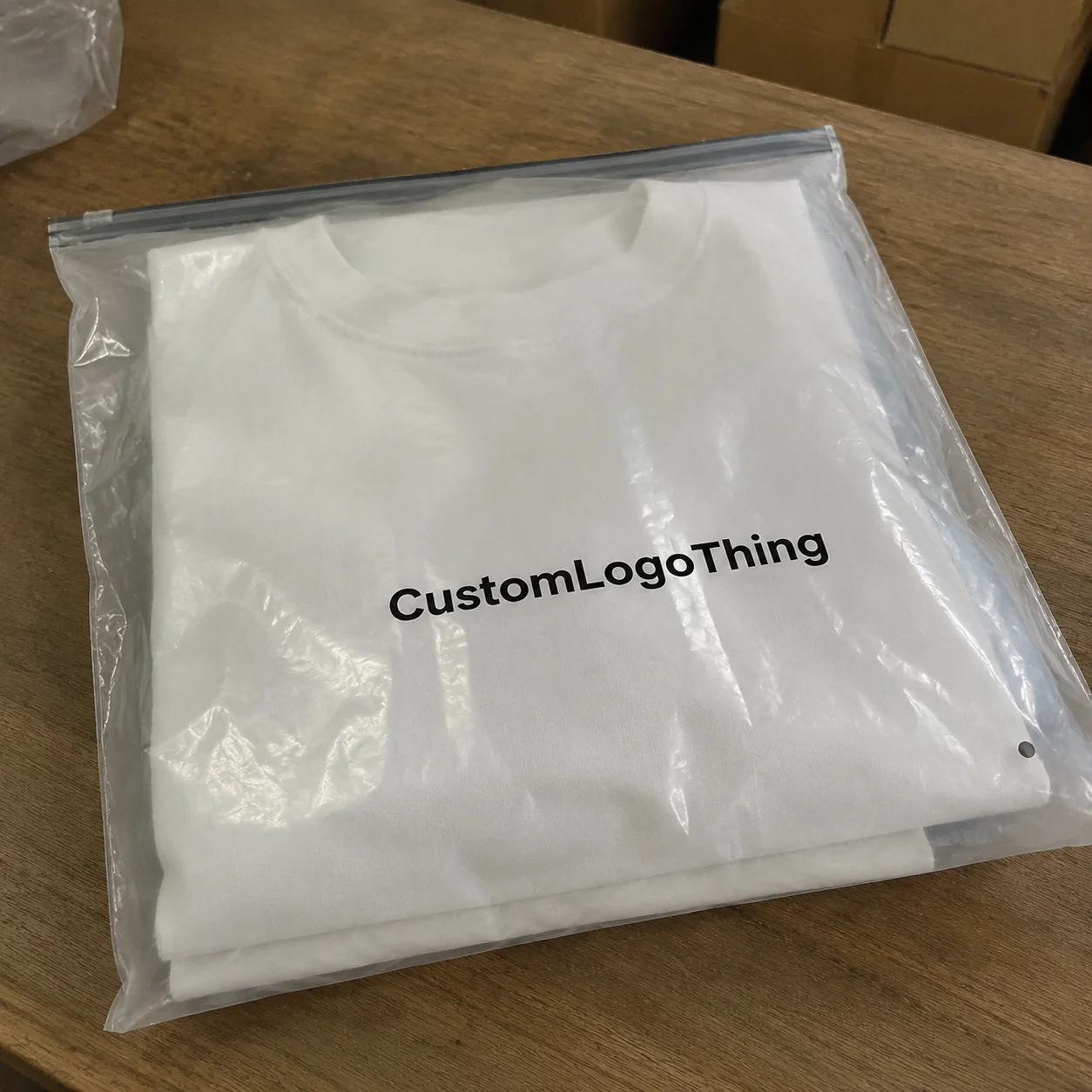
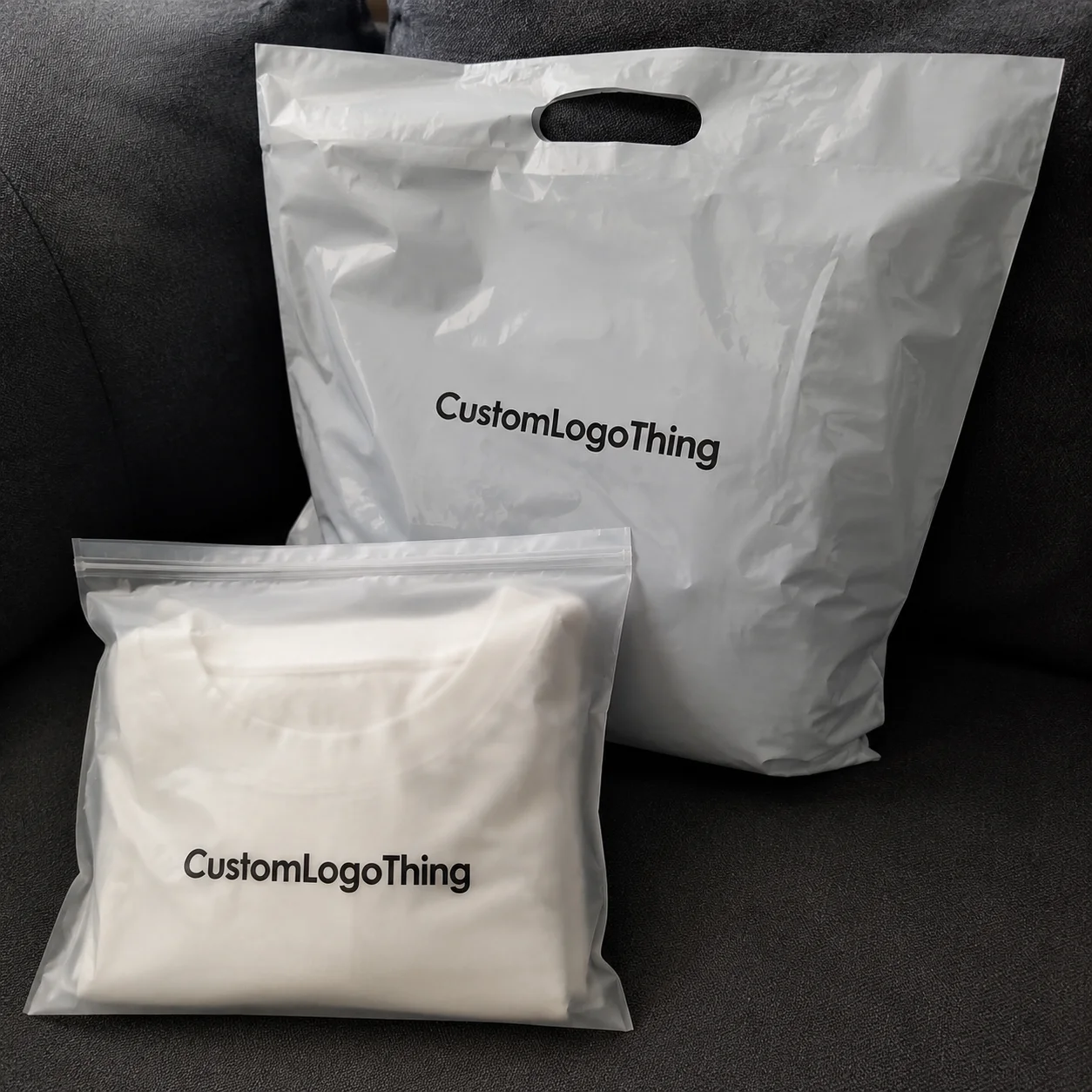
Custom Poly Mailers are lightweight polyethylene shipping bags printed with a logo, brand name, or design. Nothing magical. They’re popular because they’re cheap to ship, easy to seal, and great for apparel, accessories, beauty items, and other soft goods. The trick is learning how to customize poly mailers on budget without making the package look like it came from a basement printer and a prayer. A clean 10x13 inch bag in 3 mil white film can look polished if the print is crisp and the seal holds for the full transit window from Chicago to Atlanta or from Shenzhen to Dallas.
Budget does not have to mean flimsy. It does not have to mean boring either. Pick the right material, size, print method, and order quantity, and you can create packaging that feels deliberate and professional. That’s the real goal when you’re shipping DTC orders, Etsy parcels, or small-batch retail products. You want a mailer that protects the product, reinforces your brand, and keeps your landed cost under control. In practice, that usually means staying in the 2.5 to 3 mil range, choosing a bag size that fits a folded hoodie or tee without a wrestling match, and avoiding unnecessary add-ons that push the price up by $0.03 to $0.10 per bag.
In my experience, the brands that win are not the ones trying to impress everyone with six inks and a metallic background. They’re the ones that understand how to customize poly mailers on budget by simplifying where it matters and spending where it counts. I’ve seen a 3 mil mailer with a clean black logo outperform a “fancy” design that cost twice as much and tore in transit. Packaging should do a job. Preferably the right job. If the mailer makes it from a factory in Dongguan to a warehouse in Ohio without splits, that’s success. Nobody gives out medals for overdesigned plastic.
How to customize poly mailers on budget without looking cheap
Here’s the plain-English version: Custom Poly Mailers are shipping bags made from polyethylene film, usually printed with a logo, brand name, or simple graphic. They’re commonly used for apparel, socks, swimwear, accessories, and lightweight products that don’t need a rigid box. If you’re learning how to customize poly mailers on budget, the first mistake to avoid is assuming “budget” means “generic.” It doesn’t. It means efficient. A plain white 14x19 inch poly mailer with a 1-color logo can still look sharp if the ink sits cleanly on the film and the adhesive strip seals in one press.
I remember walking a factory floor in Shenzhen where a small fashion brand was debating a 4-color design with gradients, shadows, and tiny text on a 14x19 inch mailer. The production manager looked at the file and basically sighed. We simplified it to a single black logo on a white bag, and their unit cost dropped enough to fund better inserts. That’s the kind of tradeoff I like. Not glamorous. Effective. The sample sheets were changed in one afternoon, and the revised proof came back in 48 hours. That’s what good sourcing looks like.
The real goal is simple: reduce cost per order while keeping the package branded and professional. If your mailer protects the product, fits well, and shows a clear identity when the customer receives it, you’ve already done most of the work. Fancy effects are optional. A clean logo, good opacity, and the right size do more for perceived value than most people think. I’d rather see a solid 12x15 bag with a clear logo than a giant glossy print that adds $0.14 per unit and looks like it was designed by committee.
For DTC brands, Etsy sellers, and small businesses shipping lightweight goods, packaging cost can quietly eat profit. Spend an extra $0.12 on every shipment and suddenly that “cheap” mailer is burning real money by month end. I’ve seen brands scale into 2,000 to 5,000 monthly shipments and only then realize their packaging budget was bloated by a few cents per piece. Those cents add up fast. Annoyingly fast. At 4,000 shipments a month, a $0.08 difference per mailer is $320. That’s a laptop, part of a freight bill, or a very annoying surprise.
Brand feel does not come from overprinting. It comes from consistency, correct sizing, and a print choice that matches your order volume.
When you’re figuring out how to customize poly mailers on budget, think like a buyer, not a designer. Ask: what print area is enough? What thickness is safe? What size actually fits the product with a little breathing room? That mindset saves money before you even request quotes. If your product is a folded sweatshirt that measures 11x13 inches after packing, a 14x19 inch bag is probably fine. A 19x24 inch bag is probably a waste of plastic, freight space, and cash.
If you’re also building out other packaging, take a look at Custom Packaging Products and compare what can be standardized across your brand. Sometimes the best move is keeping your mailers simple while using inserts or labels for extra branding. A branded thank-you card printed on 300gsm C1S artboard in a 3x5 inch size can add a premium feel for a few cents, while the mailer stays plain and affordable.
For a deeper product comparison, our Custom Poly Mailers page shows how different sizes and finishes affect the final price. That matters more than most people want to admit. A matte white 2.5 mil mailer and a metallic finish in the same size do not live in the same price universe.
How to customize poly mailers on budget: what actually drives the cost
If you want to understand how to customize poly mailers on budget, you need to know what actually moves the price. There are six main drivers: material, size, print colors, print method, MOQ, and freight. Ignore any one of those and your quote comparison becomes nonsense. I’ve seen founders compare a 10x13 inch 2.5 mil mailer from Hanoi to a 14x19 inch 3 mil mailer from Ningbo and call it “market research.” No. That’s confusion with a spreadsheet.
Material is the first big one. Standard polyethylene film in the 2.5 to 3 mil range is usually the budget sweet spot for apparel and soft goods. Go thicker and the film cost rises. Go thinner and you may save a few cents, but you also increase the risk of tearing, splitting at the seam, or damaged returns. I’ve seen a “cheap” 2 mil bag turn into a very expensive customer service problem because the adhesive strip failed in humid weather. A batch shipped through Miami in July can expose weak seal adhesive fast.
Size matters just as much. Bigger bags use more film, more ink coverage, and more shipping volume per pallet. A 9x12 mailer is not priced like a 19x24 mailer. Not even close. Once you move up in dimensions, material cost can climb quickly because you’re literally buying more plastic. That sounds obvious, but suppliers see customers forget it every week. A 14x19 inch bag usually costs materially more than a 10x13 inch bag because of the film square footage alone, even before print setup is counted.
Print colors are another major lever. One-color printing is usually far cheaper than full-color process work. A 2-color logo can still be economical if the design is clean and the layout is disciplined. But once you start asking for fades, photographic effects, or multi-panel designs, you’re paying for ink coverage, press setup, and more approvals. On a 5,000-piece run, moving from 1 color to 4 colors can add roughly $0.04 to $0.11 per unit depending on the factory in Jiangsu, Guangdong, or Zhejiang.
Print method matters too. Flexo printing is common for budget orders, especially for simple artwork and repeat runs. Gravure can produce excellent quality at scale, but the cylinder setup makes smaller quantities expensive. Digital print can be useful for low-MOQ customization, but unit cost is often higher than traditional methods. If your goal is truly how to customize poly mailers on budget, the method should match your volume, not your ego. For 3,000 to 10,000 pieces, flexo is usually the price leader for single-logo artwork.
MOQ changes the math in a big way. Lower quantity often means a higher unit price because setup costs get spread across fewer bags. A supplier may quote $0.38 per bag at 1,000 pieces and $0.19 per bag at 10,000 pieces. That is not a typo. Setup does not care about your budget. It still wants to be paid. In some cases, a factory in Dongguan will ask for 5,000 pieces just to get the press moving, while a U.S. converter in California may print 500 pieces but charge far more per unit.
Freight can erase any “cheap” win if you ignore it. A great price from an overseas supplier may look fantastic until you add ocean freight, inland trucking, customs brokerage, and a small pile of surprise fees. I always tell clients to compare landed cost, not unit price. A $0.17 mailer that arrives late and costs $900 in shipping is not a bargain. It’s theater. A quote from Shenzhen to Los Angeles might look great on paper, but if the transit time stretches to 28 to 35 days plus customs, you need inventory buffer or you’ll end up paying air freight at the worst possible moment.
Here’s a rough comparison I’ve used in supplier negotiations. These are not fixed market prices, because no supplier I trust gives fixed pricing without specs, but they’re realistic enough to show the shape of the numbers:
| Option | Typical MOQ | Approx. Unit Cost | Best For | Cost Notes |
|---|---|---|---|---|
| Stock white mailer + custom label | 500+ | $0.12–$0.28 | Very small brands, changing designs | Lowest setup cost, but label can look less premium |
| 1-color flexo printed mailer | 3,000+ | $0.16–$0.32 | Apparel, accessories, repeat orders | Good balance of brand feel and cost |
| 2-color printed mailer | 5,000+ | $0.19–$0.38 | Brands wanting a stronger identity | Setup and ink cost rise, but still manageable |
| Full-coverage digital print | 1,000+ | $0.35–$0.85 | Low volume, highly customized artwork | Flexible but usually not the cheapest path |
That table is the reason I keep telling clients that how to customize poly mailers on budget depends on volume and design discipline. A 2-color printed mailer can still be affordable, especially once you hit better quantities. But if your design has six colors and tiny gradients, the supplier is going to charge you like a person who has seen that file before and suffered for it. In Guangzhou, I once watched a sales rep quote a small brand nearly double because the art file had seven separate elements and a gradient background. That brand did not need a masterpiece. They needed bags.
One more thing: hidden costs. Plate fees. Artwork cleanup. Extra samples. Packaging for transit. Import duties. These are the little charges that turn an otherwise sensible order into a headache. Ask for all fees up front. Not “roughly.” Not “we’ll see later.” Up front. On a 5,000-piece order, plate fees can run from $40 to $180 depending on the number of colors and the factory in question, and that changes your real cost more than people expect.
For sustainability-minded brands, I also recommend checking the EPA’s general packaging and waste resources at EPA recycling guidance and aligning your packaging choices with what can actually be reduced or reused in your market. A low-cost bag is nice. A low-cost bag that creates avoidable waste is not. If you’re sourcing in the EU or the UK, ask your supplier whether the film includes recycled content documentation or whether the dye set is compliant with local packaging requirements before you approve the run.
Key factors that affect how to customize poly mailers on budget
There are a few levers that matter more than the rest when you’re learning how to customize poly mailers on budget. Get these right, and you can keep costs sane without making your package feel cheap. Get them wrong, and your “budget” order starts acting like a luxury SKU with a bad attitude. I’ve seen that happen on a 7,500-piece order from a plant outside Suzhou, where the buyer insisted on premium finishes for a product that sold for $18. The packaging looked expensive. The margin did not.
Material thickness is the easiest place to start. For apparel and soft goods, 2.5 to 3 mil is usually a very practical range. I’ve seen 2.5 mil mailers hold up just fine for T-shirts and leggings, especially with proper sealing and no sharp objects inside. For heavier items, or anything with corners, I’d rather see a stronger film than a bargain-bin bag that tears during handoff. A single damaged shipment can cost more than the pennies you saved. If your bag has to survive a route from Shenzhen to a fulfillment center in New Jersey during winter, don’t flirt with the thinnest option just to shave off $0.02.
Bag style matters too. Regular self-seal mailers are usually the cheapest mainstream option. Once you add handles, gussets, double adhesive strips, extra tear lines, or special locking closures, the cost climbs. Those features can be helpful, but don’t buy them just because a catalog makes them look fancy. Budget customization is about function first, decoration second. A plain self-seal closure on a 12x15 inch mailer is often enough for clothing, while a double-seal closure may be useful only if customers often return items.
Print coverage is a sneaky budget killer. A small logo in the corner costs less than edge-to-edge printing across the whole surface. Full-coverage artwork also increases the chance of visible misregistration, ink variation, or color shift. I like simple placement because it keeps the bag clean and makes production easier. Easier production usually means lower cost. Funny how that works. If your logo uses 20% of the print area instead of 80%, the factory usually has less setup risk and fewer chances to reject the sample.
Color strategy has a big impact. Black, white, and one spot color are usually the cheapest path. Multiple PMS inks, metallic effects, and gradients add cost and make proofing more annoying. If your brand already has a strong palette, use it. If not, choose one solid color that matches your label, insert card, or website. Consistency beats clutter every time. A black logo on a white mailer printed in Ningbo can look more premium than a washed-out five-color design that was rushed through proofing in three days.
Supplier location is another factor. Domestic suppliers may charge more upfront, but they can save you money on freight, faster turnaround, and easier communication. Overseas sourcing can be much cheaper on unit price, especially for larger runs, but shipping and lead time need to be part of the math. I’ve negotiated with both, and the “cheapest” supplier is not always the cheapest outcome. Sometimes the local vendor with a $0.05 higher unit price wins once freight and delays enter the room. A factory in Vietnam or eastern China may quote less for production, but if you’re paying an extra $420 in shipping and waiting 30 days, that bargain gets flimsy fast.
Durability versus cost is where experienced buyers separate themselves from bargain hunters. If your mailer tears and you replace product plus shipping, you just created a bigger expense than if you had spent a little more on a stronger film. I’ve seen a brand save $180 on the purchase order and lose $1,200 replacing damaged orders. Great savings strategy. Terrible business strategy. One custom apparel client in Texas learned that the hard way after a batch of 2 mil bags split at the seam during summer transit to Florida.
When I visited a supplier in Guangdong, the quality lead showed me a pile of rejected bags that looked identical to the approved sample at first glance. The difference was in seal strength and film consistency across the edges. Customers don’t care about the factory drama. They care that the bag arrives intact. If you’re trying to master how to customize poly mailers on budget, that kind of defect prevention is where the real value lives. The factory could show me a peel test in seconds, and the failed seal line told the whole story.
For brands that want a greener angle without going broke, certification matters. Look for FSC-certified paper components if you’re combining mailers with inserts or outer cartons, and ask suppliers about recycled content claims that can be documented. If they can’t show paperwork, I treat the claim as marketing until proven otherwise. A supplier in Hangzhou once claimed “eco material” on a poly bag and then sent a spec sheet that said nothing about recycled content, testing, or certification. That’s not documentation. That’s a vibe.
How to customize poly mailers on budget: step-by-step process
If you want a repeatable process for how to customize poly mailers on budget, start with the product, not the artwork. That sounds boring. It also saves money. I’ve watched too many founders design a beautiful bag for the wrong size product, then pay extra for rushed rework because the mailer was 2 inches too short or wildly oversized. I’ve seen a $900 reprint caused by a hoodie that was packed with a tissue insert the buyer forgot to mention in the brief. Details matter. Annoying, boring details.
Step 1: define the product and the packed size first
Measure the item exactly as it ships. Fold it, stack it, add tissue, add inserts, then measure again. A 12x15 mailer might look right on paper, but if your hoodie with a thank-you card needs a little extra width, that 12x15 can become a daily wrestling match. When you know the real packed size, you avoid oversizing and paying for empty air. If your final packed bundle is 10.5 x 13.5 inches, a 12x15 inch bag may be enough; a 14x19 inch bag may just be expensive slack.
Step 2: choose the simplest print area that still feels branded
This is where many founders overcomplicate things. A centered logo, a corner logo, or a single side print can look sharp if the artwork is clean. If your brand name is readable and the colors are consistent with your store, customers will remember it. You do not need a billboard. You need recognition. That’s the core of how to customize poly mailers on budget. A 3-inch wide logo in one spot on a white bag often outperforms a crowded wraparound design because the visual message is clearer and the production cost is lower.
Step 3: request multiple quotes with identical specs
Ask for 2 to 3 supplier quotes using the exact same specifications: size, thickness, material color, print colors, quantity, and destination. If one supplier quotes a 3 mil white mailer and another quotes a 2.5 mil gray bag, that comparison is useless. Apples-to-apples or nothing. I’ve sat in quote reviews where a $0.07 difference turned out to be a different thickness, different size, and different freight method. That is not comparison. That is confusion dressed as procurement. Write the specs in one clean line, like: 14x19 inch, 3 mil, white, 1-color black logo, 5,000 pieces, shipping to Long Beach, California.
Step 4: ask for dielines and confirm artwork limits
Get the dieline before you finalize the art. Confirm bleed, safe area, seam position, zipper or seal placement, and any print limitations near the edges. If your logo is too close to a fold or seal, the supplier may cut it off or distort it. I’ve seen this happen during a rush order where the client sent “final final” artwork three times. The bag was fine. The email chain was not. Ask whether the supplier wants Adobe Illustrator, PDF, or high-resolution PNG files, and confirm the exact print area in millimeters before you approve the layout.
Step 5: approve a sample or digital proof
Never skip proofing. A sample costs money, yes, but a wrong batch costs more. Check logo placement, ink color, opacity, seal strength, and size fit. If your product is sensitive, you can also ask whether the bag meets common transportation expectations like basic transit durability testing; some buyers reference standards such as ISTA procedures for shipment performance. For standards context, the International Safe Transit Association is a useful reference point: ISTA testing resources. A good factory in Zhejiang will usually send a digital proof within 24 to 48 hours and a physical sample in about 5 to 10 business days, depending on whether the printing plate already exists.
One client I worked with in an apparel startup skipped sample approval to save a week. The logo came back one shade darker than expected and the bag was 1 inch too narrow for the folded jacket. They saved a week and spent a month fixing the mistake. That’s not efficient. That’s expensive with extra steps. The correction order ended up eating the margin they thought they had protected.
Step 6: plan production and shipping before inventory runs low
Once approved, map the timeline backwards from your stock needs. For simple custom mailers, production may take 12 to 20 business days after proof approval, and ocean freight can add several more weeks. Domestic sourcing can be faster, often 5 to 12 business days depending on factory load and shipping method. If you wait until your last carton is open, you’ll pay rush freight. Rush freight is the tax on poor planning. For many overseas suppliers in Shenzhen or Ningbo, the realistic schedule is 12 to 15 business days from proof approval for production, then 18 to 30 days for ocean shipping if you’re not paying for air.
If you’re still building your packaging line, our Custom Packaging Products page is a useful place to compare other items that can be ordered together. Bundling can reduce shipping headaches and sometimes lower the total freight bill. I’ve combined mailers, stickers, and inserts into one shipment from Guangzhou before, and that saved a client close to $260 in split freight and handling fees.
Common mistakes when you customize poly mailers on budget
The cheapest bag is not always the cheapest choice. I know, shocking. One of the most common mistakes in how to customize poly mailers on budget is buying the lowest-priced option and ignoring seal strength, puncture resistance, or film quality. If the bag fails in transit, any savings disappear the moment you reship the order. A $0.14 bag that causes two returns is not cheap. It’s a liability in a thinner costume.
Another mistake is overdesigning the print. Too many colors, gradients, tiny text, and complex effects can make production expensive and visually messy. I’ve seen founders cram Instagram handles, slogans, hashtags, website URLs, and three icons onto a mailer the size of a legal envelope. It looks crowded. It also costs more to print. Less is usually better. If your logo needs 12 points of type to fit, maybe the bag is doing too much.
Wrong size is a big one. Oversized mailers increase film usage and freight costs. Undersized mailers can wrinkle the product, stress the seal, or make packing slower. That packing labor matters. Even an extra 10 seconds per order adds up when you’re shipping hundreds or thousands of units. A tiny sizing mistake can quietly cost more than a design upgrade. A 1,500-piece run packed in the wrong size can burn through labor at a warehouse in Phoenix faster than you’d think.
Skipping sample approval is another classic. If the logo color shifts, the placement is off, or the adhesive strip is weak, you won’t know until the whole batch arrives. At that point, you’re not shopping for packaging anymore. You’re managing a problem. On one order from a factory in Dongguan, the first proof had a slightly off-gray film color that looked fine on screen and awful under warehouse lights. The sample caught it. That sample saved the order.
People also forget freight, import duties, and rush charges. A quote that looks strong on paper can lose the moment the pallet hits customs or the supplier has to airfreight to save time. Always calculate landed cost. If a supplier won’t break out charges clearly, I would not trust the quote. Maybe the price is good. Maybe they’re just hoping you don’t ask questions. A $0.18 unit price can turn into $0.27 landed once you add domestic delivery, brokerage, and carton fees.
Finally, buying too few units can wreck your budget. A 1,000-piece order might seem safe, but the unit cost can be dramatically higher than a 5,000-piece run. If your monthly volume is stable, small orders can become expensive fast. The math is boring. The math is also undefeated. If you know you’ll sell 600 to 800 units a month, 5,000 pieces may give you better pricing and a safer buffer than chasing tiny restocks every 45 days.
For brands that need packaging help across multiple products, it can be smart to review your assortment and see whether a few standardized sizes make more sense than a custom solution for every SKU. That kind of simplification is often the fastest route to understanding how to customize poly mailers on budget without wasting money on too many variations. A 10x13 inch, 12x15 inch, and 14x19 inch mailer can cover a lot of apparel without creating a warehouse full of oddball sizes.
Expert tips to customize poly mailers on budget without sacrificing brand feel
I’ve spent enough time on factory floors and supplier calls to know the most reliable budget tricks are usually the least flashy. If your real goal is how to customize poly mailers on budget, focus on presentation, consistency, and repeatability. That’s what customers notice. At a factory in Shanghai, I once watched a brand owner obsess over a silver metallic pattern that added $0.09 per unit. The customer only noticed the wrinkled mailer on delivery. That’s the part that counted.
Use a strong one-color logo. A clean black, white, or brand-specific spot color on a white or gray mailer can look very polished. Then carry that same color into your website banners, insert cards, thank-you notes, and packing tape. Customers read coherence as quality. They do not need fireworks. A 2-inch logo on a 12x15 mailer can feel intentional if the rest of the packaging system is aligned.
Consider stock mailers plus branded stickers if your volume is low or your artwork changes a lot. This is a solid option for seasonal drops, test launches, and brands trying to validate a product before committing to a large custom run. It is also one of the simplest answers to how to customize poly mailers on budget when your MOQ is tight. A pack of 500 custom stickers in a 2-inch circle can cost far less than setting up a new printed bag run for 1,000 pieces.
Ask for standard film colors already in production. If the supplier has white, gray, or black film on hand, you can avoid custom material surcharges. Custom colors can be cool, sure. They can also be an expensive way to feel special. In one Guangdong factory, white film was in stock and custom blush film added three extra days plus a surcharge of nearly 8% on the raw material line.
Bundle orders with other packaging items. If you’re also ordering tissue paper, stickers, or insert cards, combine shipments where possible. Better freight efficiency can reduce your per-unit landed cost. I’ve negotiated shared cartons and mixed pallets for clients before, and the savings were real enough to buy another full production run of stickers. A mixed shipment of 5,000 mailers and 10,000 insert cards from Ningbo to Seattle can sometimes cost less per item than separate cartons shipped on different dates.
Negotiate repeat-run pricing. Once tooling, art files, and print plates are established, the second and third orders often cost less. Tell the supplier you’re planning repeat purchases and ask what volume breaks exist. A factory will usually sharpen pricing when they know the relationship is ongoing. They’re not sentimental. They’re practical. Which is fine. So am I. On repeat orders, I’ve seen a supplier drop a mailer from $0.21 to $0.18 once the plates were already paid for and the factory knew the artwork was locked.
Work with a supplier who recommends the right process instead of pushing the most expensive one. If a vendor tells you that digital print is better for your 8,000-piece order with one logo, ask them why. Sometimes the answer is valid. Sometimes they just want margin. Good suppliers explain tradeoffs in plain language and show specs, not vibes. A real answer might be: flexo is $0.06 cheaper per unit at 8,000 pieces, but digital makes sense if you’re changing art every month. That’s a useful answer. Anything else is fluff.
I once sat across from a procurement manager who wanted a metallic full-surface design for an activewear brand. We ran the numbers, then switched to a single-color logo with a printed insert card. The packaging still looked premium. The total cost per shipment dropped by about $0.23. That is real money when you’re shipping 4,000 orders a month. Multiply it. Then smile. At 4,000 orders, that’s $920 a month saved, which is enough to make finance stop glaring at you.
For brands that want to keep things tighter, a practical rule is this: spend enough to make the bag durable and legible, then stop. That philosophy is the heart of how to customize poly mailers on budget. The mailer should support the product and the brand. It does not need to become the brand’s main character. If a 3 mil mailer with a one-color logo gets the package from Vietnam to Kansas intact and on time, that’s the win.
Timeline, ordering, and next steps for budget custom poly mailers
A realistic ordering timeline helps you stay within budget because it prevents emergency shipping, rushed artwork, and costly last-minute changes. If you want how to customize poly mailers on budget to actually work, build your order around a simple sequence: quote, artwork, proof, sample, production, shipping, and receiving. I’ve seen factories in Shenzhen move fast when the files are clean and the buyer answers proofs within 24 hours. I’ve also seen orders stall for a week because someone was “checking with marketing.”
For a typical custom order, I’d plan something like this:
- Quote stage: 1 to 3 business days if your specs are clear.
- Artwork adjustment: 1 to 2 business days if your logo is already print-ready.
- Proof approval: 1 to 3 business days depending on revisions.
- Sample production: 5 to 10 business days for many standard setups.
- Mass production: roughly 12 to 20 business days after approval, depending on process and volume.
- Shipping: domestic can be a few days; overseas can be several weeks.
If you’re sourcing from overseas, build in buffer time. I like to tell clients to plan at least one cycle ahead of real need, especially if sales are seasonal or you’re running promotions. Once inventory runs out, every day of delay becomes expensive. Emergency air freight is where budgets go to cry. A route from Guangzhou to Los Angeles might take 18 to 25 days by sea, while a domestic reprint in North Carolina could be done in about 7 to 10 business days if the supplier is not overloaded.
The best next step is to create a one-page spec sheet before emailing suppliers. Include size, thickness, material color, print colors, quantity, shipping destination, and whether you need samples. Add a logo file if you have one. The cleaner the request, the faster the response. Suppliers love that. It saves them back-and-forth, and it gives you better pricing because they can quote accurately. If you can specify “14x19 inch, 3 mil, white, 1-color black logo, 5,000 pieces, ship to Miami, Florida,” you’ve already done half their job.
If you’re comparing packaging categories, use our Custom Poly Mailers page alongside other options in Custom Packaging Products so you can see where mailers fit into the full cost picture. Sometimes the smartest move is combining a simple mailer with branded inserts or labels instead of trying to make the bag do all the work. A 300gsm C1S artboard insert can carry storytelling, care instructions, or a promo code for far less than adding two extra print colors to the mailer.
I’ve seen too many small brands wait until the last carton is gone, then rush into a bad order because they “need something fast.” Don’t do that. Build the spec sheet, get 2 to 3 quotes, ask for a sample, and compare landed cost. That’s how to customize poly mailers on budget without turning the process into chaos. It also gives you room to negotiate. A supplier in Ningbo will quote differently if they know you’re comparing three factories and you have 6 weeks before stockout.
One final thought: the best packaging decision is usually the one your customer barely notices because it just works. The bag arrives intact. The logo looks clean. The order feels intentional. That’s the outcome you want when you’re learning how to customize poly mailers on budget. Not loud. Not expensive. Just smart. If the total cost stays around $0.18 to $0.24 landed on a 5,000-piece run and the packaging still feels on-brand, you’ve done your job.
So the practical takeaway is simple: lock the product size first, keep the artwork to one clean print area, and compare quotes using landed cost instead of chasing the lowest sticker price. Do that, and you’ll know exactly how to customize poly mailers on budget without ending up with flimsy bags, surprise fees, or a brand look that feels thrown together. Start with the spec sheet, not the decoration. That’s where the savings are hiding.
FAQ
How can I customize poly mailers on budget for a small business?
Start with a standard-size mailer and one-color logo print. Compare stock mailers with labels versus fully custom print if your quantity is low. Request quotes from at least three suppliers using the exact same specs so you can compare real landed cost instead of just unit price. For many small shops, a 10x13 inch, 2.5 mil white mailer with a simple black logo is a practical starting point.
What is the cheapest way to brand poly mailers?
One-color printing on a standard mailer is usually cheaper than full-color coverage. For very small runs, stock mailers with branded stickers can be the lowest-risk option. Avoid custom shapes, extra features, and specialty finishes if budget is tight. If you’re ordering only 500 pieces, a label-and-stock-bag setup may cost far less than a full custom print run.
How many poly mailers should I order to keep costs down?
Higher quantities usually lower the unit price because setup costs are spread out. The right MOQ depends on your monthly shipping volume and storage space. Only order what you can realistically use before design changes or damage risk. If you ship 1,000 orders a month, a 5,000-piece run often makes more sense than repeated 500-piece emergency orders.
How long does it take to customize poly mailers on budget?
Simple stock-based options can move faster than fully custom printing. Expect extra time for artwork proofing, sample approval, and shipping. A straightforward overseas order can take 12 to 15 business days from proof approval for production, plus transit time. Build in a buffer so you do not pay rush fees or emergency freight.
What should I include in a quote request for custom poly mailers?
Include size, material thickness, print colors, quantity, and shipping destination. Attach logo artwork if available and note whether you need samples or rush production. Ask for all fees upfront so you can compare total landed cost, not just unit price. If you want cleaner pricing, specify exact details like 14x19 inches, 3 mil, white film, 1-color print, 5,000 pieces, and delivery to your warehouse city.