A low quote for tamper-evident bags can become expensive after approval. Seal failures, unreadable barcodes, weak void messages, bags that jam during packing, or a 3% to 5% reject rate all change the true cost.
That is why a tamper evident plastic bags Unit Cost Breakdown matters. Buyers are not purchasing a generic pouch. They are paying for security performance, print control, packing speed, delivered yield, and fewer operational problems.
Unit cost moves with film gauge, bag dimensions, closure construction, print coverage, order volume, and shipping method. A document bag, pharmacy bag, cash deposit bag, and evidence bag should not be quoted as if they perform the same job.
The cheapest bag usually becomes the expensive mistake
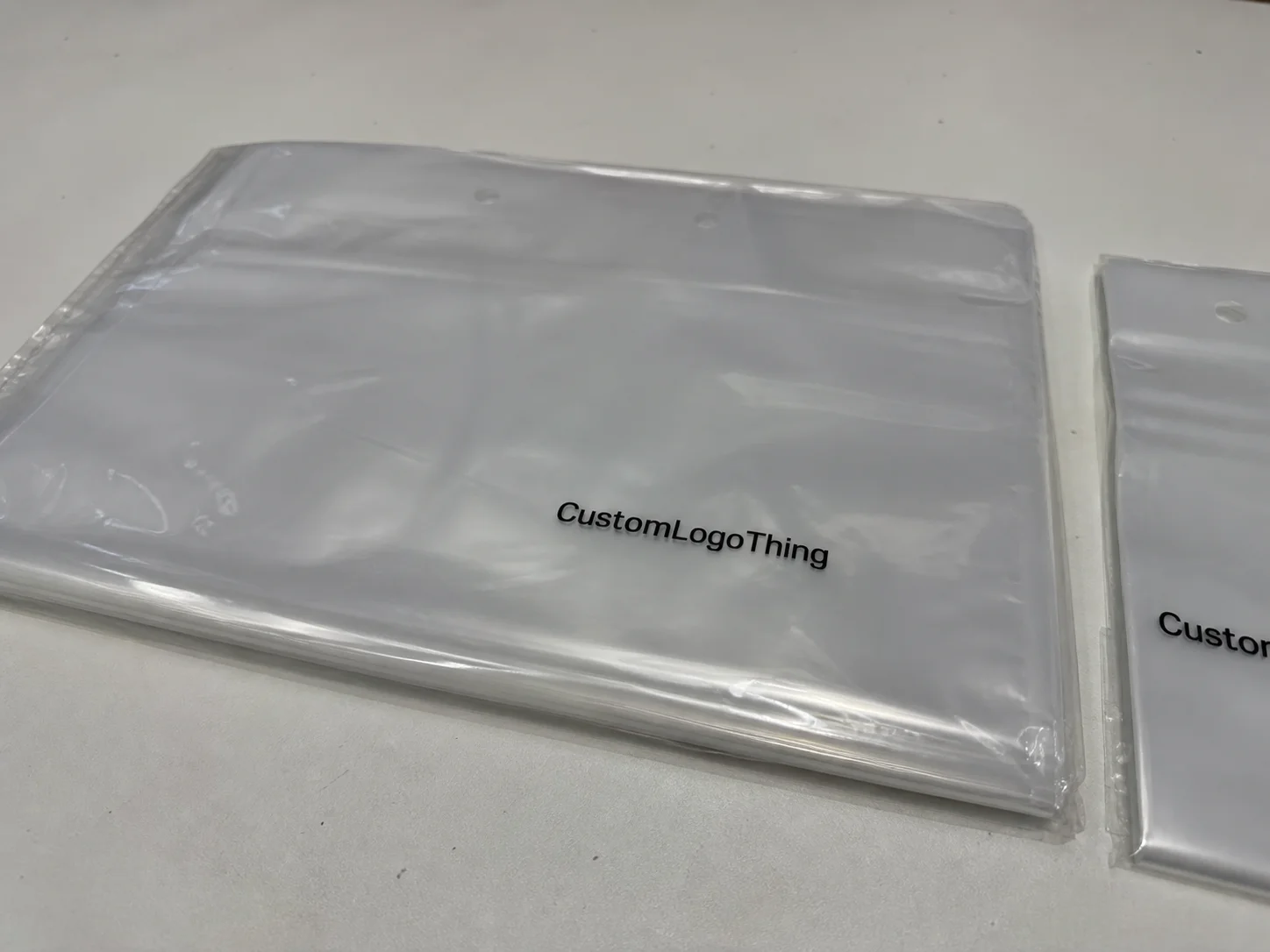
Bad buying decisions usually start with a simple spreadsheet. Two quotes look close, one is lower by a few cents, and the cheaper supplier gets approved. The problem is that tamper-evident bags are rarely interchangeable.
Failure usually shows up on the packing floor. Adhesive varies from bag to bag. Warning text smears. Barcodes scan inconsistently. Flap alignment slows operators down because every bag has to be checked. None of that appears in a one-line price.
A useful cost breakdown separates low price from low value. These bags need to show tampering clearly, support traceability, and survive filling, sealing, stacking, and transport. If they fail, the cost is not only replacement stock. It is also labor, delays, supervision time, and sometimes an accountability issue for cash handling, pharmacy, or evidence transfer.
Before comparing quotes, force a few details into the open: film structure, actual thickness, closure type, numbering and barcode controls, defect allowance, and freight terms. A cheaper quote based on lighter film, looser tolerances, or omitted freight is not really cheaper.
What buyers are actually paying for in a security bag
A true tamper-evident plastic bag is built to show visible evidence of unauthorized opening. That may come from a permanent adhesive closure, a void-indicating seal, a destructible tape layer, a tear pattern, or a combination of features. A standard poly mailer serves a different purpose.
The difference matters in cash handling, evidence storage, pharmacy fulfillment, confidential document transport, returns control, and warehouse transfer. Each application puts different stress on the bag. Cash adds weight. Mixed kits increase puncture risk. Evidence workflows need traceability. Returns processing needs tamper signals that receiving staff can verify quickly.
What buyers are actually paying for is lower theft risk, lower dispute rates, better accountability, and faster exception handling. That does not mean every application needs the highest spec. It means the bag should match the environment. Over-spec raises cost. Under-spec raises risk.
Customization in this category is usually operational rather than decorative. Warning text improves handling accuracy. Barcodes support scanning. Sequential numbering strengthens accountability. Opaque film protects privacy. Brand identification can reduce department mix-ups. In security packaging, print often functions as process control.
Simple rule: if a supplier can quote a security bag without asking about end use, fill method, or handling conditions, the quote is probably too shallow to trust.
Core bag specifications that change performance and price
The biggest price swings usually come from specifications, not negotiation.
Dimensions and usable opening
Width and length drive resin use, machine setup, carton count, and freight density. A larger flap, wider adhesive zone, or receipt extension adds material and affects packable space. Buyers should confirm usable opening, not just flat size, because tamper features reduce the fill area.
Film structure and thickness
Common constructions include LDPE for flexibility and co-extruded blends when better puncture resistance, opacity, or stiffness balance is needed. Many programs sit in the 2.0 mil to 4.0 mil range. Lighter film may suit documents; heavier gauges make more sense for cash bundles, multi-part kits, or contents with sharp corners.
Thickness directly affects resin cost, so it is often the first line item to check. A 20% gauge increase over a large run has a clear effect on unit price.
Tamper features and traceability
Common options include permanent adhesive strips, void closures, sequential numbering, matched barcodes, writable panels, tear receipts, perforations, and opaque privacy layers. Each feature adds material, machine time, inspection points, or tighter process control.
Sequential numbering is a good example. It seems minor until a sequence skips, duplicates, or prints out of register. Then the problem becomes a traceability issue, not just a print defect.
Print and finish choices
One-color warning copy is usually the lowest-cost print path. Two-side print, heavy ink coverage, multiple colors, fine barcode registration, or variable data adds complexity quickly. Clear bags allow visual inspection. Opaque bags improve privacy. Matte and gloss finishes can also affect scan performance under different lighting conditions.
Before requesting prices, buyers should have the working specification ready: width, length, target thickness, product weight and edge profile, closure type, print colors, barcode type, numbering format, artwork files, and expected annual volume.
Tamper evident plastic bags unit cost breakdown: material, print, labor, freight
A credible tamper evident plastic bags Unit Cost Breakdown should separate the price into clear buckets: film resin, tamper-closure components, printing, conversion labor, quality control, packing, and outbound freight.
Material cost usually leads. Larger bags and thicker gauges increase resin use quickly. If one quote is far below the others, check the gauge, dimensions, and usable opening first.
Printing cost behaves differently by volume. On short runs, setup charges matter because they are spread over fewer pieces. On larger runs, fixed costs dilute and the main variables become ink coverage, registration tolerance, and serialized-data control.
Labor and conversion cost covers cutting, sealing, flap preparation, closure application, and line setup. Security bags cost more than basic poly bags because the process must do more than create a simple pouch.
Quality-control cost is often underestimated. Tamper-evident bags may need seal strength sampling, adhesive consistency checks, print registration review, barcode readability checks, numbering sequence verification, and carton count confirmation.
Packing and freight cost finish the picture. Carton dimensions, pack count, palletization, and Incoterms all affect landed cost. These bags often cube out before they weigh out, so air freight can raise the cost per piece sharply. Ocean freight reduces transport cost but requires longer planning.
Production yield also matters. Start-up waste, print adjustment, roll changes, and normal defect allowance are part of manufacturing reality. A quote that ignores waste may be hiding cost inside looser tolerances or optimistic assumptions.
| Cost Driver | Lower-Cost Option | Higher-Cost Option | Typical Impact on Unit Cost |
|---|---|---|---|
| Film thickness | 2.0-2.5 mil | 3.0-4.0 mil+ | Often adds 12% to 35%, depending on bag size |
| Print complexity | 1 color, front only | 2-4 colors, front and back | Short runs feel setup cost most sharply |
| Tamper feature | Basic permanent adhesive | Void closure plus receipt or dual seal | Commonly adds 8% to 25% |
| Traceability | No numbering | Sequential numbering and barcode | Adds print control and QC time |
| Order volume | 2,000-5,000 pcs | 25,000-100,000+ pcs | Larger runs dilute setup cost significantly |
| Freight method | Ocean or consolidated freight | Air freight | Landed cost can rise sharply by air |
As a reference point, small custom runs often land around $0.18 to $0.55 per piece, depending on size, gauge, print, and tamper features. Mid-volume programs in the 10,000 to 50,000 piece range usually drop once setup is spread over more units. High-volume repeat programs can go lower if the specification stays stable and freight is managed well.
These ranges are only directional. Compare offers on equal gauge, equal closure type, equal print scope, equal carton assumptions, and equal Incoterms. A small factory-price difference can disappear if one quote is ex works and another is delivered.
What is included in a tamper evident plastic bags unit cost breakdown?
A typical Tamper Evident Plastic Bags unit cost breakdown includes raw film, adhesive or tamper-closure components, printing and setup, conversion labor, quality control, packing, and freight. Sequential numbering, barcodes, tear receipts, writable panels, or custom sizing usually add cost because they add material, machine time, or verification steps.
Suppliers do not all structure quotes the same way. One may bury setup in the unit price. Another may break it out. One may include basic inspection, while another may surcharge serialization QC. The best breakdown is the one that makes the assumptions visible enough to compare fairly.
MOQ, quote structure, and where price breaks actually happen
MOQ exists because custom tamper-evident bags require machine setup, print preparation, closure configuration, and production scheduling. If the run is too small, fixed cost goes straight into the unit price.
Blank stock bags can support lower minimums. A stock size with custom print usually sits in the middle. A custom size with serialized numbering, matched barcodes, and a specialized closure usually requires a higher MOQ.
Buyers should separate three terms: MOQ, the lowest quantity a supplier will produce; order multiple, the increment required after MOQ; and economic reorder quantity, the most efficient buying level once storage, freight, lead time, and price breaks are considered.
Price breaks usually come in steps. First, setup cost is spread over more units. Then material planning improves. Then freight improves through denser pallet loads, fuller containers, or a shift from air to ocean.
Ask for at least three quantity tiers, such as 5,000, 10,000, and 25,000 pieces. Confirm whether tooling, plates, or cylinders are included or separate. Confirm carton pack count and whether export packaging is included. The correct comparison is total landed cost per usable bag, not ex-factory price alone.
Production steps, proofing, and lead time from artwork to delivery
The basic flow is requirement review, quotation, artwork check, proof approval, material sourcing, printing, conversion, closure application, inspection, packing, and shipment. Delays usually begin when one of those steps is treated as a formality.
A physical sample is worth the extra time when closure performance is critical, contents are heavy or irregular, barcode placement is tight, or the application is regulated. Digital proofs are often enough for repeat jobs with stable specifications.
A common custom production window is 12 to 20 business days from proof approval, depending on complexity, plant load, and whether materials are standard or special-order. Shipping adds either days by air or weeks by ocean.
Buyers create many of their own delays through incomplete artwork, barcode changes after approval, vague dimensions, late proof signoff, or thickness revisions after sampling. Before mass production starts, approvals should confirm artwork orientation, warning text, numbering format, barcode symbology and quiet zone, closure placement, carton labels, and ship marks.
Air freight saves time but can inflate landed cost per piece. Ocean freight lowers unit freight cost but stretches replenishment cycles and requires better forecasting. The right choice depends on urgency, inventory policy, and the cost of a stockout.
Some buyers also use transport-testing guidance from ISTA during validation, especially if the packed bag will move through a rough distribution environment. If cartons or paper inserts require chain-of-custody or sourcing documentation, FSC support may be relevant.
How bag manufacturing support reduces buying risk
Good supplier support is practical. Buyers need quote clarity, specification translation, and repeatable quality control.
Useful support starts before production. It should include review of bag dimensions, usable opening, film options based on actual contents, closure selection, artwork checks, sample coordination when needed, and quantity-tier pricing that shows what changes at each volume level.
Quality checks should focus on the points that fail in real use: seal integrity, adhesive consistency, print registration, barcode readability, numbering sequence accuracy, and carton count. For repeat orders, controlled artwork files, documented approvals, and stable SKU specifications reduce preventable errors and shorten future quote cycles.
A competent manufacturer should also challenge weak specifications. Heavy film for lightweight documents may be wasteful. Very light film for cash deposits or sharp-edged contents deserves a warning. Buyers benefit from a supplier that can match end use to construction and explain the cost effect clearly.
Next steps: send these specs to get a fast, usable quote
A usable quote starts with a usable specification. Send width, length, target thickness, closure type, tamper feature, print colors, artwork files, numbering or barcode requirements, target quantity, and destination country.
If the contents are heavy, sharp, bulky, temperature-sensitive, or regulated, include a short fill description or product photos. If privacy matters, specify clear or opaque film. If scanning matters, state the barcode format and scan environment.
Request three quantity tiers. Confirm proof timing, production lead time, carton pack details, and whether pricing is EXW, FOB, or delivered. If tooling or setup fees apply, they should be shown separately so quotes stay comparable.
The short version: accurate pricing depends on clear specifications, realistic volume assumptions, and clear freight terms. If the bag is protecting cash, evidence, medication, documents, or customer claims, buy against verified performance and total landed cost.
What affects the unit cost of tamper evident plastic bags the most?
The largest cost drivers are bag size, film thickness, resin structure, closure type, print complexity, and order volume. Freight can also materially change landed cost, especially for large low-density bags shipped by air. Serialization, barcodes, and added tamper features usually increase both process time and quality-control requirements.
What is the MOQ for custom tamper evident plastic bags?
MOQ depends on whether the bag is stock, custom printed, custom sized, or built with numbering and barcode controls. Blank or lightly customized bags usually allow lower minimums than full custom jobs with serialized data. Buyers should ask for both MOQ and order multiples because the two are not always the same.
How can I lower the price of tamper evident security bags without hurting performance?
Consolidating volume into fewer, larger runs usually improves setup absorption and freight efficiency. Reducing unnecessary print coverage can help as well. The most effective move is matching film and closure to actual use rather than overbuilding the bag out of caution.
How long does custom tamper evident plastic bag production take?
Lead time depends on stock availability, custom size requirements, artwork approval speed, print complexity, serialization needs, and shipping method. Many custom orders run around 12 to 20 business days from proof approval before transit time is added.
What details should I send to get an accurate tamper evident plastic bags quote?
Send dimensions, thickness, material preference if known, closure type, tamper feature, print colors, artwork, quantity tiers, and ship-to destination. Include end-use details such as product weight, handling conditions, privacy requirements, and whether barcode scanning matters. Ask the supplier to separate tooling fees, unit price, and freight assumptions so quotes can be compared fairly.


