Choosing a Cabinet Drawer Box supplier looks straightforward until the quotes arrive and the details start to separate. The drawer box may be hidden behind the front, but it is the part that carries weight, keeps slides aligned, and determines whether the cabinet still works cleanly after years of daily use.
That hidden role is why cabinet makers, contractors, and furniture buyers focus less on appearance and more on structure. A well-built drawer box keeps square under load, runs quietly, and installs without forcing field adjustments; a poor one creates squeaks, racking, and callbacks that quickly erase any savings on the purchase order.
In real buying projects, the questions are rarely just about price. Buyers Need to Know whether the supplier can hold tolerances, match slide requirements, package parts safely, and repeat the same result across a full batch, not just on one good sample.
What a Cabinet Drawer Box Supplier Actually Delivers
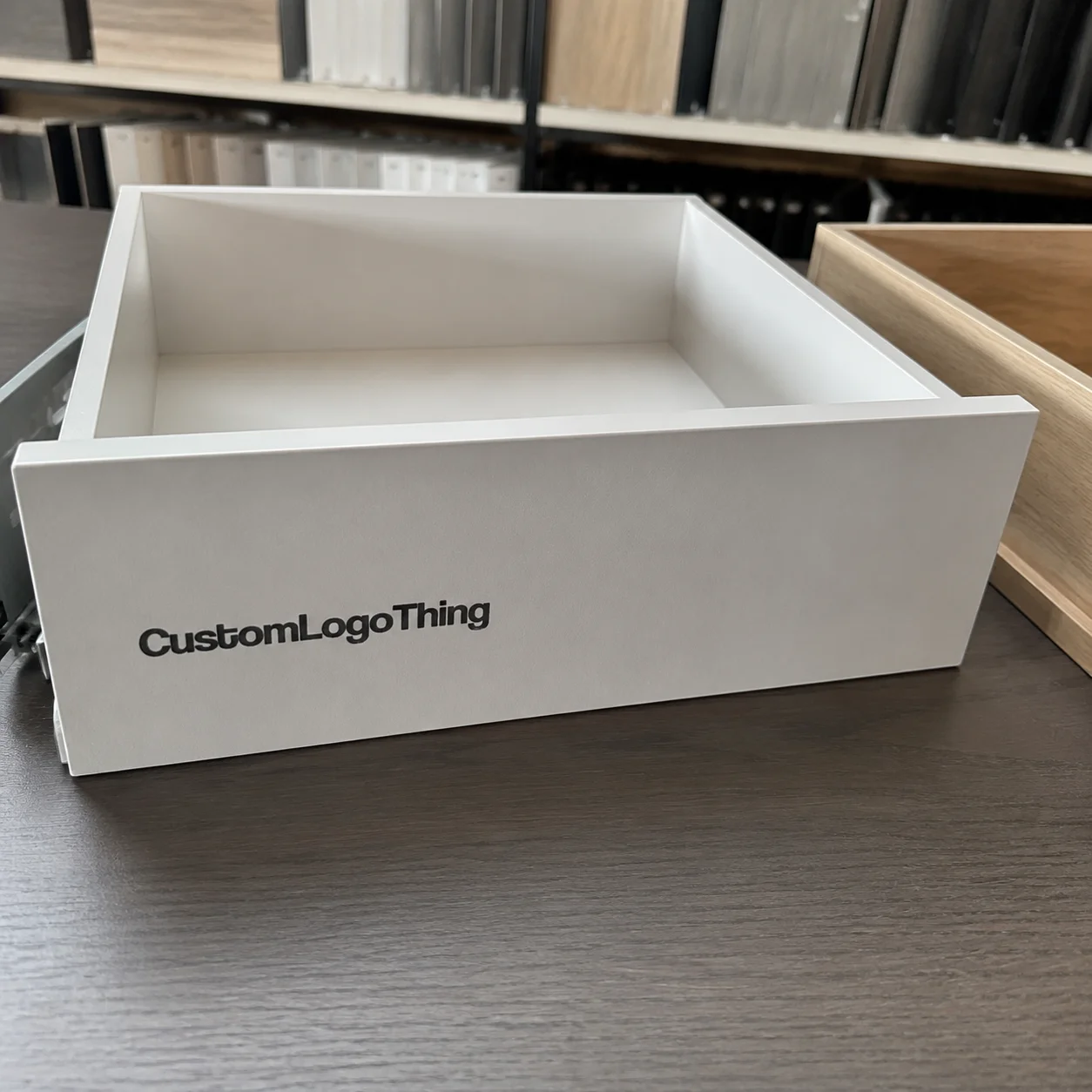
A cabinet drawer box supplier provides the working shell of the drawer, not the decorative front. Depending on the program, that may mean ready-to-assemble kits, fully built drawer boxes, or custom-sized units matched to a cabinet line. The order can also include drilled parts, edge treatment, bottom panels, labeling, and hardware compatibility notes so the drawer fits the intended slide system without guesswork.
The drawer box carries the real stress in the cabinet. It holds cutlery, pans, linens, tools, files, and pantry items, so the construction needs to stay straight and repeatable under weight. Decorative fronts get noticed first, but the box is what decides whether the drawer glides smoothly or begins to bind at one corner after a few months of use.
Drawer boxes appear in kitchens, baths, offices, retail fixtures, and built-in storage where consistent sizing matters. For a buyer, the main value of a good supplier is not just a competitive quote; it is consistency from piece to piece, with the same dimensions, the same build quality, and the same packaging discipline in every carton.
That repeatability matters more than many first-time buyers expect. A drawer box that is off by 1/32 inch may still look fine on a bench, but once slides, cabinet openings, and face frames enter the picture, small errors stack up quickly.
“The best drawer box is the one installers barely have to think about. It fits, it runs true, and it does not force a field fix.”
How Drawer Box Production Works from Quote to Shipment
The process usually starts with an inquiry that includes dimensions, quantity, material preference, and the slide or hardware system. A capable cabinet drawer box supplier will ask for cabinet opening details, not just nominal drawer size, because the internal clearance and slide allowance determine whether the box actually fits the cabinet.
After that comes the spec review. This is where tolerances, corner construction, bottom-panel depth, and edge finishing get defined. If the order is custom, engineering drawings or a detailed spec sheet help prevent confusion later by showing where the sides land, how the back is joined, and what thickness is used at each point. For slide compatibility, that detail is not paperwork decoration; it is what keeps the installation from turning into rework.
Sampling usually comes next. A simple sample can confirm appearance, but a better sample set proves fit, squareness, and movement under load. If the drawer is meant for a heavy kitchen drawer or a premium furniture line, a quick visual approval is not enough. Buyers Should Check how the box feels on the slide, whether the corners stay square, and whether the bottom panel stays stable when weight is added.
Once the sample is approved, production moves into cutting, machining, assembly, inspection, and packing. Packaging deserves more attention than it usually gets. Drawer boxes have to survive freight handling, pallet shifting, and humidity changes before they reach the shop floor, and damage at that stage is often caused by weak cartons or loose bundling rather than fabrication itself.
Lead time depends on material availability, order size, finish requirements, and whether the boxes ship flat or assembled. A small run of standard plywood boxes may move in about 7-12 business days after proof approval. A custom program with special hardware, finish steps, or imported stock can take longer, especially if raw material sourcing or sample revision slows the schedule. Overseas production and freight booking add another layer of timing that is easy to overlook when comparing quotes.
| Order Type | Typical Build | Common Lead Time | Main Risk |
|---|---|---|---|
| Standard RTA drawer boxes | Pre-cut panels, drilled, packed flat | About 7-12 business days | Assembly errors if instructions are unclear |
| Custom assembled boxes | Built, inspected, and packed by size | About 12-20 business days | Higher freight cost and damage risk if not packed well |
| Premium or special-spec runs | Special joinery, finish, or material | Often 3-5 weeks | Material availability and approval delays |
If the supplier cannot explain where the tolerances are measured, that is a warning sign. A half-millimeter on the wrong dimension can matter more than a slightly longer lead time ever will.
Cost, Pricing, and MOQ Factors That Change the Quote
Pricing for drawer boxes is driven by material, joinery, dimensions, finish level, and volume. A 250-piece order of plain plywood boxes will usually price very differently from a 2,000-piece run with edge finishing, predrilling, and labeled packaging. The best quotes break those costs apart so buyers can see whether the number is being pushed up by material, labor, setup, or shipping.
MOQ affects unit cost in a very direct way. Small runs often carry higher per-unit pricing because cutting, machine setup, glue-up, inspection, and packaging labor are spread across fewer units. Once quantity rises, those fixed costs are distributed more efficiently, and the price per drawer box usually comes down. That is why a quote for 300 units can look close to the per-piece price of 1,000 units, even when the supplier is being fair.
Typical pricing models include a unit price, a setup or tooling fee, sample charges, and freight. For standard plywood drawer boxes, broad market ranges often land around $8-$22 per box at low to mid volumes, with custom specs moving higher depending on species, finish, and joinery. That range only helps if the dimensions and build are truly comparable. Comparing a raw flat-pack quote to an assembled, prefinished quote is not a meaningful comparison.
Ask what is included in the price. Does it cover edge banding? Are screws and slide hardware included? Is packaging priced per unit or per carton? Freight can reshape the landed cost very quickly, especially for assembled boxes that take more cube on a pallet than flat-packed parts.
Compare the same spec, or the quote is basically noise. If one supplier prices 12 mm plywood with dovetail joints and another prices 15 mm particleboard with glued rabbets, the lower number tells you very little about real value.
| Pricing Factor | Lower Cost Choice | Higher Cost Choice | Why It Changes Price |
|---|---|---|---|
| Material | Standard plywood or composite panel | Hardwood or premium veneered sheet stock | Raw material cost and machining time |
| Joinery | Dado or dowel assembly | Dovetail construction | Labor, tooling, and cycle time |
| Quantity | Small pilot run | Higher volume batch | Setup cost spread across fewer or more units |
| Finish | Raw or lightly sealed | Edge banding, coating, or moisture treatment | Extra process steps and drying time |
Material and Build Choices That Affect Fit and Durability
Material choice changes how the drawer feels, how it wears, and how it handles moisture. Plywood is often the best all-around option because it balances strength, stability, and weight fairly well. Hardwood can be a better fit for premium cabinet lines where appearance and long-term durability matter, while MDF and other composite panels may work in controlled environments or where cost and consistency are the priority.
Thickness is just as important as the base material. A 1/2-inch side wall behaves differently from a 5/8-inch or 3/4-inch wall, especially on deeper drawers that carry more weight. Sidewall height, bottom-panel construction, and back-panel design all affect how much the drawer can hold before flex begins to show. For heavy-duty applications, a stronger bottom panel and a well-supported joint pattern are worth paying for.
Joinery drives both appearance and performance. Dovetail joints signal premium work and hold up very well under repeated loading, but they cost more to machine. Dowels and dado joints can be perfectly acceptable for many cabinet programs if the machining is accurate and the adhesive process is controlled. The right answer depends less on tradition and more on the load, the budget, and the target brand position.
Moisture resistance matters in kitchens, baths, laundry rooms, and utility spaces. A sealed edge, moisture-tolerant core, or protective finish can reduce swelling and help keep dimensions stable over time. If the boxes are going into an area that sees humidity swings, it is better to specify that resistance upfront than to hope the room stays dry.
For performance-sensitive programs, many buyers also ask about standards and testing. Groups such as the ISTA set useful expectations for shipping performance, while material and sourcing questions can intersect with guidance from organizations like the FSC when responsible forest sourcing matters to the brand.
Common material trade-offs
- Plywood: good strength-to-weight balance, solid screw holding, and reliable stability for most cabinet programs.
- Hardwood: better for premium cabinetry and visible interiors, but usually higher cost and more variation.
- MDF: smooth and consistent, though heavier and less forgiving around moisture exposure.
- Composite panels: economical for some applications, but performance depends heavily on core quality and edge protection.
Step-by-Step Buying Process and Timeline Expectations
Start with measurements that actually reflect the cabinet opening, not just the old drawer box you are replacing. Measure width, depth, height, slide type, rear clearance, and any obstructions from screws, hinge cups, or interior framing. A cabinet drawer box supplier can work from those numbers, but only if the dimensions are clearly labeled as opening size, finished drawer size, or required clearance.
Next comes the approval package. A clean spec sheet should confirm material, wall thickness, joint style, finish, label format, and packaging method. If the order is custom, ask for a production drawing before mass fabrication begins. A small revision at that stage is inexpensive compared with fixing hundreds of units after assembly.
Then the supplier moves into sample or pilot production. This stage is where dimensional accuracy, slide performance, and corner quality get checked. A box may look fine on a bench and still fail in the cabinet if runner spacing, bottom groove placement, or rear notch location is off. That is why a pilot run is so useful for new cabinet lines, niche furniture programs, or high-end residential work.
After approval, the order flows into line setup, cutting, machining, assembly, inspection, and packing. Timing varies with volume and complexity, but a straightforward custom run often spends a few days in setup and one to two weeks in production. More complicated orders, especially those requiring custom hardware, special coatings, or imported sheet stock, can take longer. Freight scheduling also matters; it is common for a finished order to wait on a truck or consolidated shipment even after production is complete.
If you need predictable delivery, build in a buffer. A realistic procurement timeline is better than a promise that sounds fast but slips later because no one accounted for sample approval, machine calibration, carton labeling, or transportation delays.
Manufacturers that publish packaging expectations and quality checkpoints tend to save buyers time. It also helps to ask how the supplier handles shipping performance, because crushed corners and damaged cartons are often logistics problems, not fabrication problems. For shipping and materials-related standards, the EPA’s sustainability and materials guidance can be a useful reference point: EPA sustainability resources.
Common Ordering Mistakes That Create Rework
The most common error is mixing up cabinet opening dimensions with drawer box dimensions. Buyers sometimes send the outside cabinet width when the supplier actually needs the finished drawer width, or they reverse depth and slide allowance. That single mistake can throw off an entire batch, especially when the order is custom and cannot be resold as standard stock.
Mismatched slide systems create another expensive problem. Undermount, side-mount, and concealed slide systems all carry different spacing rules, and wall thickness has to match the hardware. If the wrong thickness is specified, the drawer may fit the opening but fail when the runner is installed. That issue causes more rework than most people expect because the box itself may be perfectly built, just built to the wrong system.
Some buyers approve a visual sample and stop there. That is risky. A drawer can look excellent and still rack under load, scrape at one corner, or feel uneven when fully extended. Function matters as much as appearance, and a supplier worth keeping will welcome a fit check before the full order moves forward.
Vague packaging instructions also create trouble. If cartons are not labeled clearly, if hardware is mixed, or if parts are bundled without a count method, the receiving team loses time and small errors multiply across the job. Finish spec matters too. Grain direction, sheen level, and edge treatment should be written down, not assumed.
Good ordering language is specific enough that two people in different buildings would produce the same drawer box from the same instructions.
Expert Tips for Choosing a Reliable Supplier and Placing the Order
Ask for a complete spec sheet before you approve production. It should include dimensions, tolerance limits, material description, joinery method, finish details, and hardware compatibility. If the cabinet drawer box supplier cannot provide that in writing, the risk usually shows up later as fit issues or inconsistent quality across the batch.
Request a small pilot run when the design is new or the cabinet line is high value. Even a sample set of 5-10 units can reveal a lot about squareness, edge quality, packaging strength, and ease of installation. For custom cabinetry, that small investment often pays for itself by preventing a larger field problem.
Check how the supplier labels cartons, bundles parts, and handles replacements. If one side panel arrives damaged, can that piece be reordered without rebuilding the full set? Can the installer identify each unit quickly on site? Those details sound small until a crew is standing in a half-finished kitchen trying to sort parts under a deadline.
Price should never be read in isolation. Compare two or three quotes on the same exact spec, then check dimensions, material, finish, quantity, packaging, and shipping assumptions. If those variables match, the differences become easier to judge. The best option is usually not the cheapest number on the page; it is the supplier that balances fit, durability, price, and delivery with the least hidden risk.
That is especially true on repeat programs. A slightly higher unit price can still be the better buy if it reduces sorting time, lowers damage rates, or keeps installers from making field adjustments. Over a full project, those savings are often larger than the difference on the invoice.
FAQs
What should I ask a cabinet drawer box supplier before ordering?
Ask for material specs, wall thickness, joinery style, tolerance limits, and hardware compatibility. Confirm minimum order quantity, sample policy, production lead time, and freight or packaging method so there are no surprises after approval.
How do I compare drawer box quotes fairly?
Compare quotes only when the dimensions, material, finish, and construction method match exactly. Check for setup fees, tooling charges, sample costs, and shipping so the true unit cost is clear.
Which material is best for drawer boxes in kitchens?
Plywood is often the best all-around choice because it balances strength, stability, and moisture resistance. Hardwood may suit premium builds, while other sheet goods can work when budget or consistency matters more.
How long does production usually take for custom drawer boxes?
Timeline depends on order size, material availability, and whether samples or drawings need approval first. Custom runs often move through quoting, sampling, production, and freight booking before final delivery.
What causes drawer boxes to fit poorly after delivery?
Most fit issues come from incorrect measurements, slide mismatch, or unclear cabinet opening specs. Poor communication on thickness, clearances, and finish buildup can also create install problems.