Cheap printed cotton bags can look sharper than people expect. The trick is not pretending they are premium luxury items. It is choosing a fabric weight, stitch level, and print setup that fit the job instead of fighting it.
Buyers usually want two things at once: a low unit price and a bag that makes the brand look organized. That is a fair ask. A tote handed to a customer, visitor, or event attendee does real visual work, and a sloppy bag can undo a good first impression faster than most packaging mistakes.
Cotton stays popular because it reads as reusable and practical. It also gives printed artwork a more finished look than a flimsy throwaway bag. For events, retail inserts, nonprofit campaigns, and hospitality kits, that matters more than most sourcing teams admit out loud.
Why Low-Cost Cotton Bags Can Still Look Premium
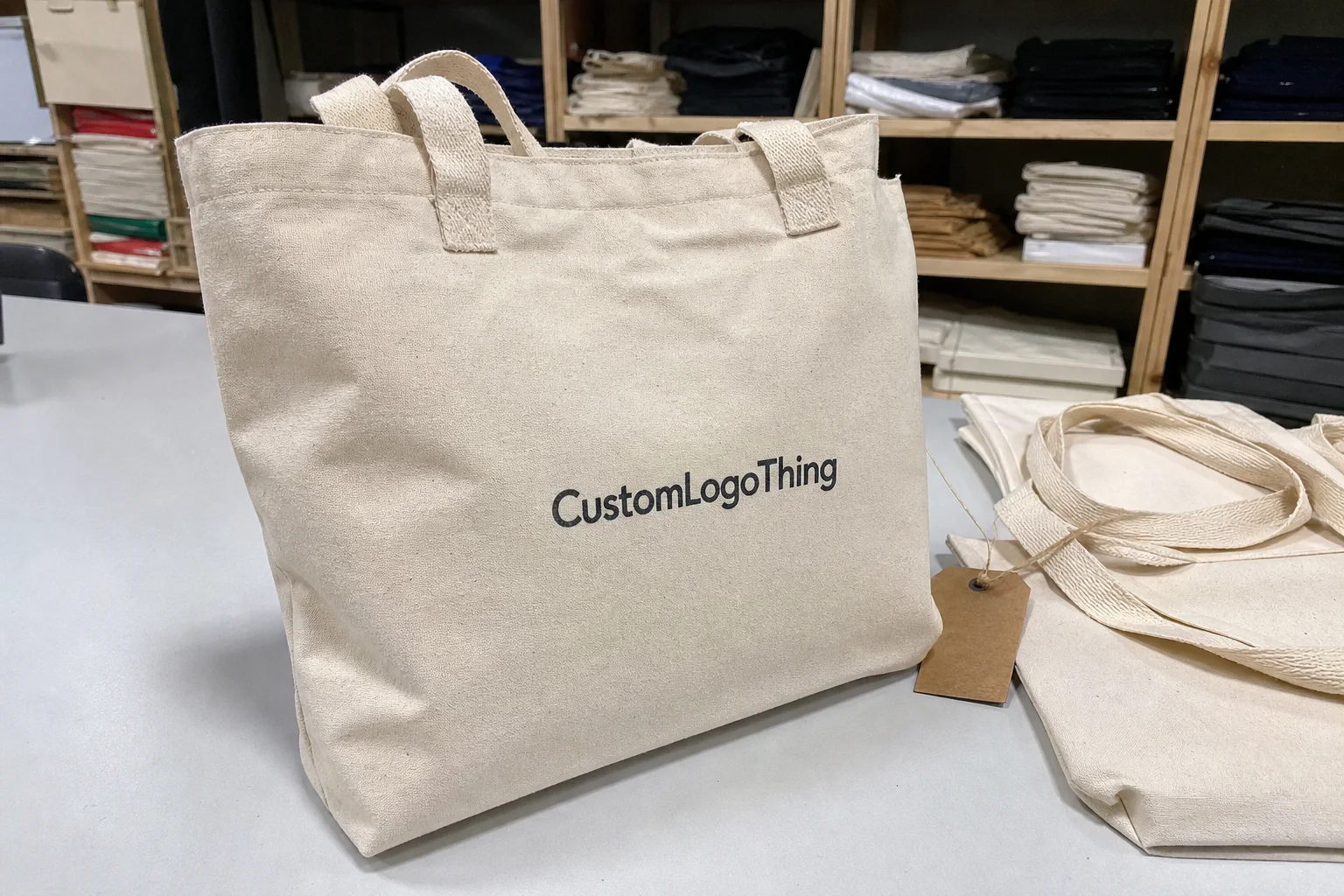
A low-cost tote does not have to look low-rent. If the cloth is chosen well, the stitching is even, and the artwork is scaled to the print method, the bag can still feel deliberate. Most of the time, the difference between a forgettable tote and one people keep comes down to those basics.
Material hand-feel matters. Cotton gives a natural, reusable signal the moment someone picks it up. Even a plain one-color logo on a decent bag can look more trustworthy than a flashy synthetic bag that feels thin or stiff.
The savings usually come from standard dimensions, simpler construction, and fewer ink colors. None of that is a problem if the bag’s actual use is clear. A brochure carrier does not need the same build as a market tote carrying books, bottles, or boxed products.
Common use cases include:
- Trade-show handouts that need to survive a full day on the floor
- Retail inserts that support a purchase without adding much packaging cost
- Nonprofit campaigns that need a practical giveaway with a visible logo
- Hospitality packaging for welcome items, event materials, or in-room merchandising
A cheap bag is only cheap if it fails the handoff. Clean seams, a sensible print size, and a stable handle attachment matter more than clever marketing language.
For buyers weighing presentation and reuse claims, the general packaging context is useful: packaging.org. If the sourcing conversation includes sustainability language, FSC’s certification framework is also worth checking: fsc.org.
Fabric Weight, Handles, and Print Styles Buyers Should Compare
The first spec to look at is the fabric itself. Lighter cotton reduces cost and usually folds flatter, which is useful for inserts or high-volume giveaways. Heavier cotton improves structure, opacity, and drape, which makes the bag feel more stable when it is filled.
In practical terms, lighter cloth works for paper goods, light apparel, and promotional kits. Midweight cotton is the safer middle ground for retail and hospitality. Heavier builds make sense when the tote is expected to carry weight repeatedly or stay in circulation longer.
Handle style changes both comfort and perceived quality. Short handles are common on compact giveaway bags. Long shoulder handles are easier for events and shopping. Reinforcement at the handle join points matters more than many buyers think. A bag can look fine on the table and still feel weak in use if the handles are poorly attached.
Print method is another major cost driver. Screen printing remains the default for straightforward logos and clean, bold artwork. It is efficient for one- or two-color jobs and tends to hold up well on cotton. More colors, small text, and large ink coverage can increase setup time and raise the price quickly.
| Option | Typical Use | Cost Impact | Appearance Notes |
|---|---|---|---|
| Light cotton, one-color print | Giveaways, inserts, mass events | Lowest unit cost | Simple and efficient, but less structured |
| Midweight cotton, one- or two-color print | Retail, hospitality, repeat use | Moderate | Better drape and a more finished feel |
| Heavier cotton, larger print area | Premium promotions, resale support | Higher | More structure and stronger visual presence |
| Special finish, detailed artwork | Brand launches, curated kits | Highest | Best presentation, but less forgiving on budget |
Artwork coverage changes the quote more than many buyers expect. A small single logo on one side is easier to produce than a full-front graphic or a two-sided layout. Once the print area gets larger, ink usage, registration control, and prepress work all become more visible in the final pricing.
Small construction details also change the feel of the bag. Top hem quality, gusset depth, thread color, and how the bags are folded or packed all influence the first impression. None of those items is glamorous. They still affect whether the tote looks intentional or rushed.
Specifications to Confirm Before You Request Samples
Before asking for samples, define the spec clearly. At minimum, that means bag size, fabric weight, handle style, print size, print colors, and quantity. Without those details, samples can be misleading because they may not reflect the order you actually want to place.
Bag format should be settled early too. An open-top tote, a gusseted shopping bag, and a compact giveaway bag solve different problems. They do not price the same way, and they do not behave the same way in use. A bag meant to hold a folder has different requirements from one expected to carry boxed merchandise or a bottle set.
Artwork readiness is where a lot of low-cost orders get messy. Vector files are the cleanest starting point. Pantone references help when brand color accuracy matters. Thin type, fine lines, and reversed-out details can disappear on rough cotton weave, so artwork that looks perfect on a laptop may still need adjustment before production.
Confirm these points before sample approval:
- Exact bag dimensions, including gusset if needed
- Fabric weight target and cloth color
- Handle length and whether reinforcement is required
- Print method, print area, and number of ink colors
- Packing method, carton labeling, and barcode needs
A sample should be treated as a quality checkpoint, not a formality. A preproduction sample can reveal print density issues, off-center placement, color drift, or a stitch problem before the bulk run starts. That is a cheap fix compared with discovering the issue after thousands of bags are already sewn and printed.
If the bags are headed to retail, ask whether they need individual polybags, labels, or carton marks for receiving. If they are for a live event, ask how they will be packed for fast distribution. Packaging format affects labor on the receiving side, which is part of the real landed cost even if it never appears in the first quote line.
Cost, Pricing, and MOQ Factors That Change the Quote
Price for cheap printed cotton bags usually comes down to six variables: fabric weight, bag size, number of print colors, print coverage, stitching complexity, and order quantity. If two quotes look close but one is much cheaper, the lower one is usually simplifying one of those areas. Sometimes that is fine. Sometimes it means the bag is being underspecified.
MOQ, or minimum order quantity, changes the math fast. Small runs carry higher unit costs because setup is spread across fewer bags. Larger runs usually lower the per-piece price, but only if the quantity matches the actual campaign or sales plan. Buying too many just to reach a better tier can create storage and carry costs that wipe out the savings.
A practical pricing pattern looks like this:
- Simple cotton tote, one-color print: usually the lowest quote tier
- Midweight bag with two-color logo: a moderate step up
- Larger print area or two-sided decoration: more labor and more ink
- Special packing, rush timing, or custom labeling: added service cost
Base unit price is only part of the story. Shipping, carton configuration, artwork revisions, and rush production can shift the final spend. A quote with a slightly higher unit price but fewer approval loops or better packing efficiency can end up cheaper in practice.
For a straightforward bulk order, a rough benchmark might land around $0.18-$0.28 per unit for 5,000 pieces with light cotton and a simple one-color print. Heavier fabric, larger print coverage, tighter quality requirements, or more complex handling can move the number higher. That range depends on market conditions, dimensions, and print setup, so treat it as a working reference, not a promise.
EPA guidance on reuse and waste reduction is useful background when the buyer needs to justify reusable packaging choices: epa.gov. A cotton bag only supports that story if it is sturdy enough to get reused. A flimsy tote that falls apart after one use does not help anyone.
Production Steps, Proofing, and Lead Time
The normal production flow is straightforward: artwork review, quote approval, preproduction proof or sample, bulk printing, sewing, inspection, and shipment. Delays usually happen before sewing starts. Artwork arrives in the wrong format. A logo gets revised after proof approval. A color reference is vague. That is where schedules slip.
Proofing should be specific and written down. Check logo size, placement, ink color, bag dimensions, and spelling. If the brand has a minimum clear-space rule around the logo, state it before the proof is released. A print can be technically centered and still feel wrong if it sits too low or too small on the bag face.
Normal lead time is more forgiving than rush production. Faster schedules limit fabric options, print complexity, or shipping choices. If the order needs a split shipment, special carton count, or delivery to multiple addresses, that should be part of the plan from the beginning instead of becoming a late-stage problem.
Timing points to watch:
- Artwork cleanup and proof generation
- Proof approval from the buyer or brand owner
- Material allocation and print scheduling
- Sewing and finishing
- Inspection, packing, and freight booking
For many bulk runs, 12-15 business days from proof approval is a realistic standard window. Larger orders, heavier fabrics, or more detailed artwork may need longer. If the bags support a launch, trade-show date, or seasonal retail cycle, build buffer time into the schedule. Arrival on paper is not the same as usable inventory in hand.
What a Reliable Supplier Does Differently on Cotton Bag Orders
A reliable supplier reduces risk before production starts. That means confirming specs early, catching artwork issues before print, and tying the quote to the actual build rather than a vague description. If those basics are handled well, the order usually moves with fewer surprises.
Consistency matters more than buyers sometimes expect. Accurate print placement, stable color matching, and repeatable stitching are what make a bulk run feel professional. If the bags are going directly to customers or event attendees, even small defects are visible. A logo that drifts from bag to bag makes the whole order feel sloppy.
Communication is part of the product. Good suppliers share updates on stock availability, production milestones, and shipment timing. That matters when the bags are tied to a launch window or a fixed event date, because the buyer still has to plan kitting, storage, and distribution around the delivery.
A strong supplier will also recommend the best construction for the budget instead of pushing the cheapest possible spec. That may mean a slightly heavier cloth, a different handle length, or a simpler print layout that keeps the bag looking clean while staying affordable. Low cost matters. So does not making the brand look careless.
Service quality is a cost-control tool. Fewer errors mean fewer reprints, fewer delays, and less waste on inventory that never gets used. For buyers working against a hard deadline, that operational reliability is often worth more than a tiny price difference.
How to Place the Order and Avoid Delays
The cleanest way to place the order is simple: send the artwork, choose the size and fabric weight, confirm print colors, and share the quantity and delivery date before asking for a quote. That gives the supplier enough information to price the job properly and point out the tradeoffs instead of guessing.
Ask for a proof with dimensions and print placement clearly marked. It should be obvious where the logo starts and ends, how large the print area is, and whether the design sits centered or offset. If the proof is vague, approval becomes risky because both sides may be picturing different results.
Check logistics early. Some orders need freight timing, split shipments, or event-specific delivery windows. In a lot of bulk purchases, logistics matters more than production speed. A bag that arrives three days late is useless, even if the unit price looked attractive.
Use the quote against the real use case:
- Giveaway: keep the spec lean and use a simple print
- Retail packaging: improve fabric weight and finishing so the bag feels more deliberate
- Resale support: prioritize durability, consistent stitching, and cleaner presentation
Buyers sometimes over-spec the bag for the job, which adds cost without improving the outcome. Other times they under-spec it and end up with a tote that looks thin or sags under basic use. The better approach is to match the bag to the actual handoff, not a fantasy version of it.
For cheap printed cotton bags priced sensibly, the formula is plain: give accurate specs, approve a clear proof, and keep the timeline realistic. That does not make the process exciting. It does make the order work.
FAQ
How cheap can printed cotton bags be without feeling flimsy?
The lowest-cost versions usually use lighter fabric, simpler stitching, and one-color printing. A bag can still feel solid if the seams are clean and the handle attachment is reinforced. The right balance depends on whether the bag is for giveaways, retail packaging, or repeated daily use.
What details do I need to get an accurate quote for cheap printed cotton bags?
Provide bag size, fabric weight target, handle type, print colors, and total quantity. Include artwork files and any color-matching needs so the supplier can price setup correctly. Share the delivery date up front because lead time affects production and shipping options.
Can I print a full-color logo on a low-cost cotton bag?
Yes, but every added color usually increases setup complexity and can raise unit cost. Simple artwork is more cost-effective on cotton, especially for large runs. If the budget is tight, simplify the logo or use a single strong imprint area.
What is a normal MOQ for printed cotton bag orders?
MOQ varies by supplier, bag size, and print method, so there is no universal number. Lower MOQs usually cost more per bag because setup costs are spread across fewer units. The best way to reduce risk is to match the order size to the campaign or sales plan.
How do I keep cheap printed cotton bags looking good after use?
Choose the Right fabric weight so the bag holds shape and does not collapse under basic loads. Use a print method and artwork size that suit the cotton texture, which helps the logo stay readable. Ask for a proof or sample before bulk production to catch placement or color issues early.

