Buyer Fit Snapshot
| Best fit | A Personalized Makeup Bag Wholesale Supplier projects where brand print, material claims, artwork control, MOQ, and repeat-order consistency need to be specified before quoting. |
|---|---|
| Quote inputs | Share finished size, material target, print colors, finish, packing count, annual reorder estimate, ship-to region, and any compliance wording. |
| Proofing check | Approve dieline scale, logo placement, barcode or warning zones, color tolerance, closure strength, and carton packing before bulk production. |
| Main risk | Vague material claims, crowded artwork, missing packing details, or unclear freight terms can make a low unit price expensive after revisions. |
Fast answer: A Personalized Makeup Bag Wholesale Supplier: Film, Print, MOQ, and Carton Packing should be specified like a repeatable production item. The safest quote records material, print method, finish, artwork proof, packing count, and reorder notes in one written spec.
Production checks before approval
Compare the actual filled-product size with the drawing, then confirm tolerance on folds, seals, hang holes, label areas, and retail display edges. Reserve space for logos, QR codes, warning copy, and material claims before decorative graphics fill the panel.
Quote comparison points
Review material grade, print process, finish, sampling route, tooling charges, carton quantity, and freight assumptions side by side. A quote is only useful when the supplier can repeat the same color, closure quality, and packing count on the next order.
A 6 mm seam allowance mistake can quietly wipe out 3-5 margin points. I’ve watched that happen more than once, and I still get a little irritated every time I see teams burn weeks haggling over pennies while ignoring spec control. If you’re evaluating a Personalized Makeup Bag Wholesale Supplier, the biggest profit gains usually come from construction specs and quality gates, not from squeezing another $0.02 off unit price. One beauty buyer I supported cut return rate from 4.8% to 1.9% across two reorder cycles by changing zipper grade and logo application method while keeping ad spend exactly the same.
Why the Right Personalized Makeup Bag Wholesale Supplier Impacts Margin
Plenty of teams assume repeat purchase is mostly a marketing budget issue. Sometimes that’s true, but with cosmetic accessories, packaging quality and bag performance often move reorder behavior faster than paid media tweaks. Washable linings, tighter stitch density, and smarter carton pack-out can shift review scores in the first month after launch. One brand saw average rating move from 3.9 to 4.4 after construction upgrades, with the same formula, same influencers, and same PDP copy. Honestly, this is still one of the most underrated levers in beauty operations.
During a factory visit in Shenzhen, I stood at an in-line QC station checking 120 pieces per hour under a 6500K light booth (the kind of shift where your coffee goes cold and nobody notices). We spotted a recurring failure: logo transfer cracking along fold lines after 20 bend cycles. The buyer’s first move was to chase a cheaper quote from another vendor, which would’ve made things worse. The issue came from a print-process mismatch on that substrate. We switched from low-stretch heat transfer to screen print with an elastic binder and set bend testing to 50 cycles. Defects dropped 62% in the next 8,000-unit lot.
Most margin leaks start with a sequencing problem: unit cost gets negotiated before acceptance criteria are defined. That order is expensive. Measure these four items first:
- Defect rate (target under 2.5% at AQL final for consumer-facing accessories)
- Reorder consistency (color delta and stitch consistency across lots)
- Lead-time reliability (on-time dispatch variance, ideally within ±3 business days)
- Total landed cost (unit + packing + inspection + freight + duties)
In a Los Angeles client meeting, a DTC founder showed me two options: $0.86 and $0.93 per bag EXW at 10,000 units. She wanted the lower quote. I remember sketching carton dimensions on a napkin because the spreadsheet wouldn’t load on conference-room Wi-Fi (classic). After normalizing freight assumptions, carton efficiency, and rework exposure, the $0.93 option landed at $1.21 delivered, while the “cheaper” one landed at $1.24. Better carton dimensions cut chargeable air by 11%, and stronger defect-credit language reduced downside risk.
A strong Personalized Makeup Bag Wholesale Supplier should be evaluated as an operations partner, not a line item on a cost sheet. Ask for metrics you can verify: pass-rate history, sample-to-bulk drift, and average correction turnaround in days. No data means no visibility.
Teams running replenishment programs have less room for noise than one-off promo buyers. Rolling forecasts demand consistency. Set a monthly supplier scorecard with OTIF (on-time, in-full), AQL fail incidents, and response speed under 24 hours for production exceptions. If your personalized makeup bag wholesale supplier hits targets for two consecutive reorders, scale with confidence. Misses across two cycles should trigger a pause and requalification.
Core Product Options From a Personalized Makeup Bag Wholesale Supplier
Format selection shapes customer use, retail presentation, and freight cost all at once. I usually map product format to sales channel first, then layer in visual style. It sounds basic, but skipping this step is how brands accidentally build pretty bags that are expensive to ship and awkward to use.
Top makeup bag formats by use case
- Flat cosmetic pouch (common size: 210 x 140 mm): strong for gift-with-purchase and subscription inserts.
- Boxy travel case (typical: 220 x 110 x 120 mm): works well for prestige sets and travel bundles.
- Standing zipper bag with gusset (180 x 70 x 160 mm): useful for countertop display and improved fill volume.
- Brush organizer roll with elastic loops: ideal for pro kits and higher AOV bundles.
- Mini promo pouch (120 x 90 mm): effective as a checkout add-on SKU.
At a supplier negotiation in Dongguan, a brand pushed for boxy cases across all channels. Real pack-out testing showed e-commerce dimensional weight would add $0.38 per order at their volume. Splitting the line solved it: flat pouches for e-commerce, boxy cases for retail gift sets. Margin held, and premium perception stayed intact in-store.
Material choices and practical trade-offs
Material decisions affect more than hand feel. Print behavior, durability, and complaint rates all move with substrate choice. I’ve had clients fall in love with one swatch under showroom lighting, then call me two weeks later asking why the print looked different after flex testing. Materials are honest; our assumptions are usually the problem.
- Canvas (8 oz to 12 oz): solid hand feel, screen-print friendly, may shrink if prewash control is weak.
- PU leather (0.7 mm to 1.0 mm): premium appearance, supports deboss and foil, scratch resistance depends on coating chemistry.
- Nylon (210D/420D): lightweight and abrasion resistant, excellent for travel-focused SKUs.
- Polyester (210D/300D/600D): stable cost profile, broad color range, dependable with heat transfer.
- TPU alternatives to PVC: cleaner compliance pathway in many markets; usually higher raw material cost.
- Recycled blends (rPET): supports sustainability positioning if traceability documentation is complete.
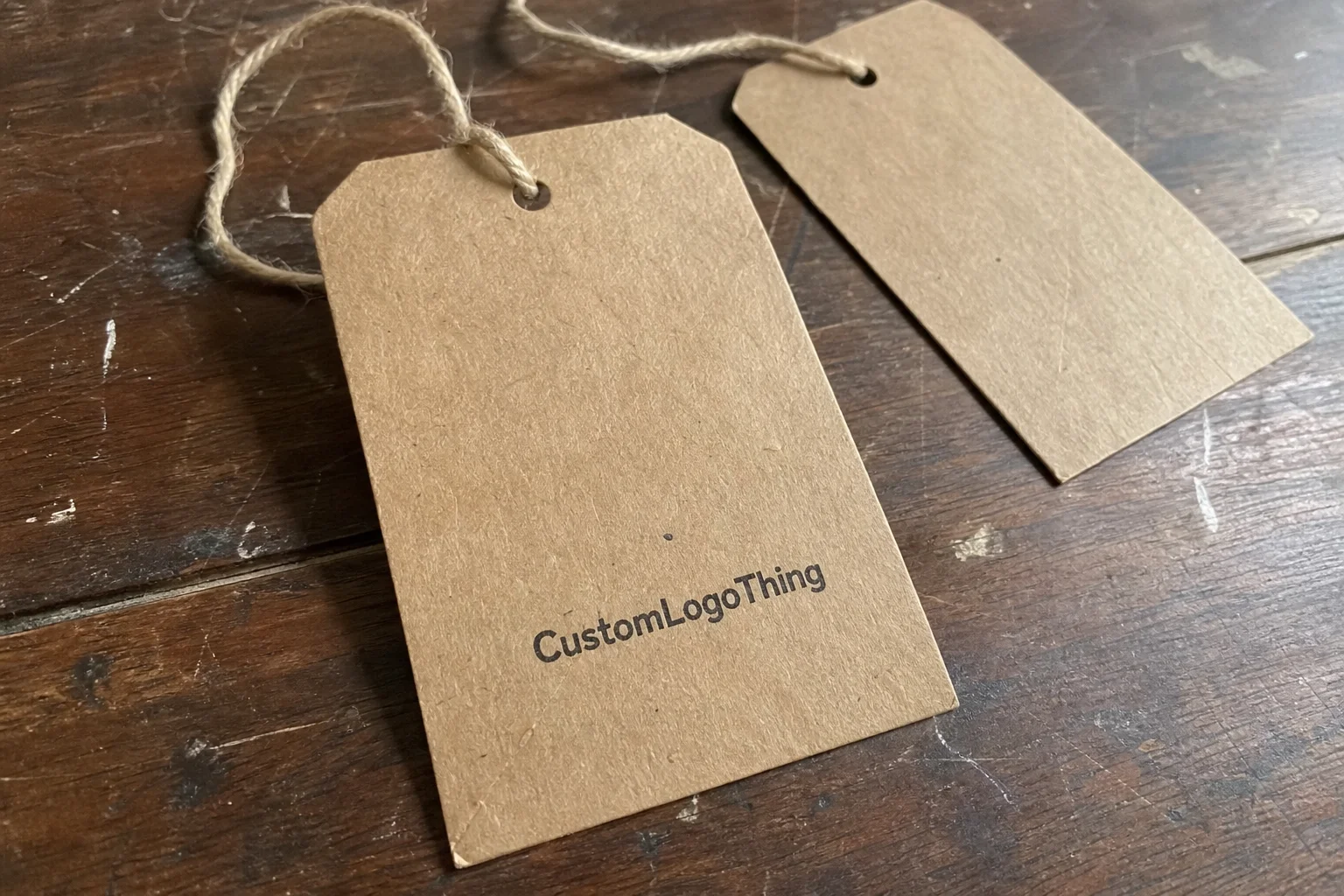
For eco-positioned lines, request chain-of-custody paperwork and verify claims through recognized organizations. If you’re using paper hangtags or paperboard inserts, FSC certification can be relevant. For recycled textiles, ask for fabric-specific certification tied to the mill lot, not just a generic supplier statement.
Closures, hardware, and internals that affect returns
Zipper failures create outsized complaint volume. I recommend YKK-grade equivalence or validated local alternatives backed by cycle testing records. A practical threshold for mid-tier cosmetic bags is 3,000 open/close cycles without tooth separation and pull-force tolerance above 90N for adult-use accessories.
- Nylon zipper: lower cost, easier color matching, suitable for most runs.
- Metal zipper: premium signal, heavier weight, higher freight and potential scratch risk on coated surfaces.
- Custom pullers: strong branding asset, usually requires mold fee ($120-$300 depending on complexity).
- Lining options: 190T polyester, satin, wipeable TPU-laminate.
- Internal features: pocket dividers, elastic loops, mesh sleeves.
- Add-ons: side handle, wrist strap, hanging hook.
Branding method should be selected by use condition, not just visual preference. Screen print gives bold opacity. Heat transfer can handle gradients, yet it may crack on high-flex zones without the right adhesive system. Embroidery adds premium feel but increases labor time and can distort lighter fabrics. Deboss and foil perform best on PU with controlled surface hardness (Shore A often 80-90 for clean impression).
Any serious personalized makeup bag wholesale supplier will ask about channel, pack-out pressure, and branding tolerance before quoting. Instant pricing without those questions is a warning sign. If someone sends a one-line quote in five minutes for a fully custom bag, be careful—that’s not speed, that’s guessing.
Channel priorities are different, and the bag should reflect that reality:
- E-commerce: focus on compression resistance and low cube size.
- In-store: focus on shelf presence, shape retention, and hangtag integration.
- Influencer kits: focus on unboxing impact, tactile finish, and logo visibility on camera.
I’ve seen long-term programs won by a personalized makeup bag wholesale supplier that recommended a less flashy material with better fulfillment durability. Reorders reward performance more than novelty. Kinda boring advice, maybe, but it works.
Technical Specifications Buyers Should Lock Before Production
Vague specs create random outcomes. Measurable tolerances need to be locked before sample approval. I say this constantly because I’ve had to mediate too many avoidable disputes where both sides were technically “right” and operationally stuck.
Non-negotiable physical specs
- Dimensions tolerance: ±3 mm for small pouches, ±5 mm for larger structured bags
- Fabric weight: specify GSM or denier; example: 280gsm canvas body
- Stitch density: 8-10 stitches per inch for main seams
- Seam type: lockstitch vs overlock + binding by area
- Zipper durability: cycle test target (e.g., 3,000 cycles)
- Pull-force threshold: minimum 70N to 100N depending on use case
Print and color control
Color disputes can eat weeks of calendar time. Use Pantone references and define acceptable variance by substrate. Coated and uncoated behavior differs; textured canvas can show visible drift even with careful process control. Set realistic tolerance bands and approve physical strike-offs under agreed lighting conditions. I learned this the hard way years ago after approving a digital mockup that looked perfect on screen and slightly off in production lighting—never again.
- Artwork bleed: usually 2-3 mm
- Minimum line thickness: often 0.3 mm for stable reproduction
- Logo placement tolerance: ±2 mm
- Critical logo zone: avoid fold lines and seam intersections
Compliance and chemical safety
Cosmetic accessories still require material-safety discipline. Request REACH-aligned declarations, CPSIA-relevant checks for U.S.-bound programs, azo-free dye confirmation, and restricted-substance documentation from mills or accredited labs. A reliable personalized makeup bag wholesale supplier should provide that packet by style, not “later.”
Shipping integrity belongs in the same spec file. I usually set ISTA-informed drop expectations for transit durability and refer teams to ISTA guidance. Typical items to define:
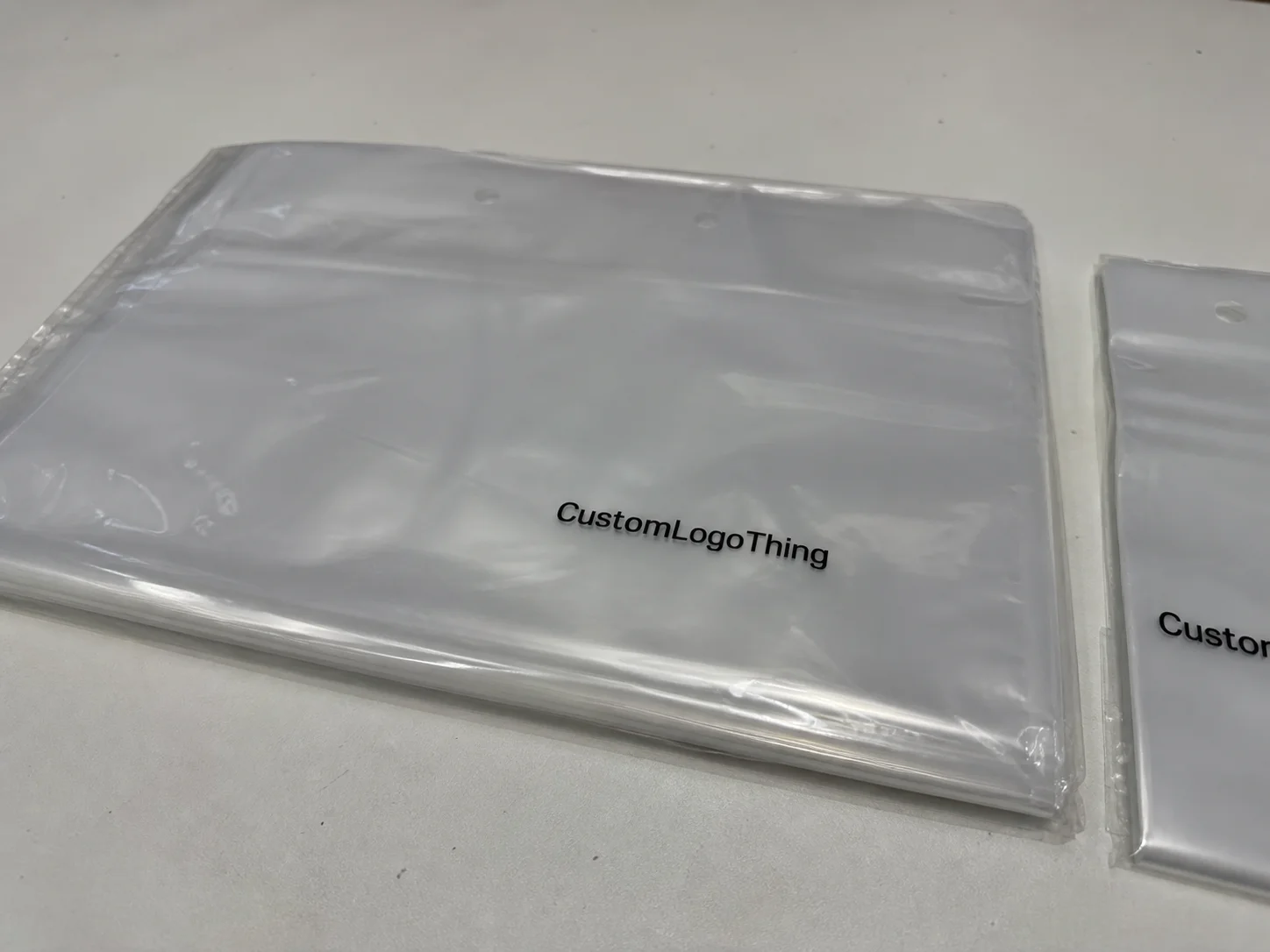
- Polybag thickness (e.g., 30-50 microns)
- Barcode location and scan orientation
- Carton board grade (e.g., 5-ply BC flute)
- Carton max weight (often under 15 kg for warehouse ergonomics)
- Palletization pattern and wrap requirement
One buyer sent only a logo file plus “same as sample” to a personalized makeup bag wholesale supplier. Production drift followed: lining changed from 210T to 190T, zipper tape shade shifted, and a full remake became necessary. A one-page control checklist would have prevented the loss (and a lot of late-night emails nobody wanted).
Pricing, MOQ, and Cost Drivers for Wholesale Makeup Bags
Price is a structure with moving parts, not a single number on a PDF. You can’t optimize what you can’t see. I’m opinionated here: if a quote is not itemized, it’s not decision-ready.
Cost components you should request in every quote
- Material cost (shell + lining)
- Branding method cost (screen, transfer, embroidery, deboss)
- Hardware/trims (zipper, puller, labels, handles)
- Labor complexity (pattern, assembly steps, QC time)
- Inspection cost (in-line + final AQL)
- Export packaging (polybag, cartons, marks)
| Configuration | MOQ | Typical EXW Unit Cost | Sample Lead Time | Bulk Lead Time |
|---|---|---|---|---|
| Stock flat pouch + 1-color screen logo | 1,000 pcs | $0.68 - $0.95 | 5-7 business days | 12-18 business days |
| Stock boxy case + heat transfer logo | 2,000 pcs | $1.05 - $1.48 | 7-10 business days | 18-25 business days |
| Custom pattern + custom puller + lining print | 3,000-5,000 pcs | $1.62 - $2.75 | 10-15 business days | 25-35 business days |
Those ranges are realistic across many Asia-based programs, with movement tied to fabric markets and trim sourcing. They are directional, not universal pricing guarantees, and they can shift with oil-linked synthetic inputs, foreign exchange, and seasonal capacity pressure. Buyers usually get stronger outcomes by negotiating around forecast stability instead of one-time unit pressure. A personalized makeup bag wholesale supplier can reduce risk premiums when 90-day visibility and reorder cadence are clear.
MOQ structures you need to clarify
- MOQ per SKU
- MOQ per colorway
- MOQ per size split
- Mixed-SKU policy for pilot orders
A 3,000-piece MOQ may allow 1,500 black + 1,500 ivory, while rejecting three colors at 1,000 each. Confirm split rules early. I’ve watched launch calendars slip because merchandising assumed flexible splitting that never existed.
Hidden costs that surprise first-time buyers
- Sample freight ($45-$180 depending speed/zone)
- Custom puller mold/tooling ($120-$300+)
- Additional color-proof rounds ($20-$80 each)
- Rush production premiums (8%-20%)
- Split-shipment fees and extra local trucking
In a New York quote review, a team believed they had locked a strong $0.89 unit deal. Then third-party final inspection was added, carton board was upgraded, and two split shipments were needed for promo timing. Delivered cost rose to $1.17. No bad intent—just incomplete quoting at the start.
How to evaluate quote quality
A credible personalized makeup bag wholesale supplier quote should lock these terms in writing:
- Incoterm (EXW, FOB, CIF, DDP assumptions)
- Sample and bulk lead-time windows
- Inspection standard (AQL level and major/minor criteria)
- Defect remedy terms (credit, remake, timeline)
- Payment milestones
Watch for red flags: language like “about 20 days,” missing tolerance values, and refusal to itemize major cost buckets. If you’re building a repeat program, review Wholesale Programs and compare your RFQ template against a fixed-format cost sheet.
Benchmark at least three personalized makeup bag wholesale supplier quotes under identical assumptions. No normalization, no fair comparison.
Process and Timeline: From RFQ to Delivered Bulk Order
The fastest projects I’ve seen were organized, not rushed. Clear workflow prevents expensive loops. I remember one team trying to go faster by skipping pre-production sign-off; they lost nine days to rework. Speed without control is just expensive chaos.
- Requirement intake (1-2 business days)
- Quotation + feasibility review (2-4 business days)
- Digital mockup (1-3 business days)
- Physical sample (5-15 business days)
- Revisions (3-10 business days per round)
- Pre-production sample approval (1-3 business days)
- Mass production (12-35 business days)
- Final QC + carton verification (1-3 business days)
- Dispatch + transit (mode-dependent)
Common delays include unclear artwork files, missing Pantone approvals, late trim arrival, and approval bottlenecks inside overloaded inboxes. I’ve watched a 14-day production plan stretch to 29 days because raster logos were sent instead of vectors, forcing three correction rounds. Nobody’s gonna celebrate that kind of milestone.
Control gates that protect schedule and quality
- Sample sign-off criteria: dimensions, logo size, zipper feel, stitch quality
- Pre-production lock: golden sample with dated approval file
- In-line inspection: catch drift before full lot completion
- AQL final inspection: objective pass/fail gate
- Carton verification: labels, count, gross weight, seal quality
A dependable personalized makeup bag wholesale supplier will push for early approval of these gates. That pressure protects both schedule and quality.
How buyers can shorten lead time by a week or more
- Consolidate approvers under one decision owner.
- Use a pre-approved color library (top 10 Pantones).
- Standardize packaging specs across SKUs.
- Share 60-90 day forecasts for capacity planning.
Logistics choices can change the full P&L picture. Air freight may save 20+ days while adding enough cost to erase promo margin. Sea freight lowers logistics Cost Per Unit but needs earlier planning and stronger safety stock strategy. Decide Incoterms early with your personalized makeup bag wholesale supplier and align customs documents before cargo cutoff.
If your brand is moving beyond pilot quantities, sync your order calendar with Wholesale Programs so reorders are booked before peak-capacity pressure hits. I’ve seen teams avoid three-week delays by reserving windows in advance.
Why Choose Us as Your Personalized Makeup Bag Wholesale Supplier
You need evidence, not sales language. Here is how we work as a personalized makeup bag wholesale supplier for growth-stage and established beauty brands. I’m biased, of course—but toward systems that survive real production pressure.
Built for repeat-order consistency
Our SOPs lock stitch density, logo placement tolerance (±2 mm), and zipper function checks. Every lot is tied to a locked pre-production sample and approval matrix. That discipline keeps reorder drift low across colorways and across facilities in Shenzhen and Dongguan partner lines.
QA process with accountability
Quality assurance includes in-line checks at critical operations plus final AQL inspection before dispatch. If a defect trend appears, we document root cause and corrective action within 24-48 hours. Clients receive the report with specifics, not a vague status note.
Decision-speed tools for buyer teams
- Rapid sampling protocol for common formats
- Material swatch library with performance notes
- Structured quote templates with line-item costing
- Milestone updates at sample, PP, production, and pre-ship stages
That structure cuts avoidable back-and-forth. A skincare client reduced approval cycle time from 19 days to 8 days after adopting standardized RFQ fields, and their second PO dispatched three business days ahead of target.
Risk reduction embedded in the program
We maintain backup options for core fabrics, set contingency plans for trim disruptions, and document color and stitch controls so substitutions don’t trigger quality surprises. Any reliable personalized makeup bag wholesale supplier should be able to show this playbook up front, including what happens if a mill misses a dye lot window.
If you want a program-level discussion instead of a one-off quote exchange, review our Wholesale Programs and request the comparison template used for landed-cost and defect-risk scoring.
Action Plan: Start Your Order With a Personalized Makeup Bag Wholesale Supplier
Ready to buy? Start with a disciplined brief. It saves time, money, and avoidable frustration. I know a brief template isn’t the glamorous part of beauty branding, but it’s the part that protects margin when production gets real.
First-step checklist
- Target unit cost band (example: $0.90-$1.20 EXW)
- Retail channel (DTC, retail shelf, influencer kit)
- Bag dimensions and fill purpose
- Material preference (canvas, PU, nylon, rPET)
- Logo files (AI/PDF/EPS) and Pantone references
- Forecast quantity by SKU and delivery window
- Packaging requirements (barcode, polybag, carton marks)
Phased buying strategy that lowers risk
- Pilot batch (e.g., 1,000-3,000 units)
- Performance review (defect %, review sentiment, return reasons)
- Scale order with planned reorder windows
For your first inquiry to any personalized makeup bag wholesale supplier, request the following:
- MOQ by style and color split rules
- Sample lead time and revision policy
- Print method matrix by material
- Compliance document list
- Inspection protocol and defect remedy terms
A weighted decision matrix keeps choices objective:
- Landed cost: 35%
- Defect tolerance and remedy: 25%
- Lead-time reliability: 25%
- Communication speed and clarity: 15%
I’ve seen brands skip this step and pay for it later. I’ve also seen teams use this structure and scale cleanly from promo test to national rollout. The spreadsheet people really do get the last laugh here.
Actionable takeaway: before you approve any PO, run a 30-minute internal pre-flight: confirm spec tolerances, approve a dated golden sample, lock AQL criteria, and validate landed-cost assumptions under one Incoterm. Then place the order only with a personalized makeup bag wholesale supplier that can document performance across at least two reorder cycles. Do that consistently, and you protect margin while still moving fast.
FAQ
What is the typical MOQ from a personalized makeup bag wholesale supplier?
MOQ depends on material and customization depth. Stock materials with a single-color logo often start around 1,000 pieces, while fully custom structures with custom hardware usually sit in the 3,000-5,000 range. Ask your personalized makeup bag wholesale supplier for split rules by color and size so you don’t overbuy slow movers. It also helps to confirm whether a paid trial run can roll into lower-cost reorders using identical specs.
How do I compare quotes from personalized cosmetic bag wholesale suppliers fairly?
Normalize each quote to the same Incoterm, packaging standard, inspection scope, and freight assumption. Request itemized lines for material, print, hardware, labor, and carton packing. Compare quality terms at the same time: defect policy, remake or credit clauses, and lead-time commitments. A lower number has no meaning if assumptions are different.
How long does bulk production take for custom makeup bags?
Bulk timing is driven by sample rounds, fabric and trim sourcing, plus production queue. Many orders run 12-35 business days after sample approval, then transit time is added. Lock artwork and Pantone references early, and use pre-production approval with AQL gates through your personalized makeup bag wholesale supplier to keep schedule reliability high.
What files should I send to a personalized makeup bag wholesale supplier first?
Start with vector logo files (AI, PDF, EPS), size specs, color references, and placement notes. Include quantity by SKU and required delivery window. Add packaging details right away: barcode labels, polybag type, carton marks, and any retailer routing requirements. Better inputs reduce sample loops and speed decisions.
Can I get eco-friendly options from a personalized makeup bag supplier wholesale?
Yes. Many factories now offer recycled polyester (rPET), organic canvas, and lower-impact trim choices. Ask for material certifications and restricted-substance test documentation before production approval. Then validate durability and print compatibility so sustainability goals hold up in real use, not just product claims.