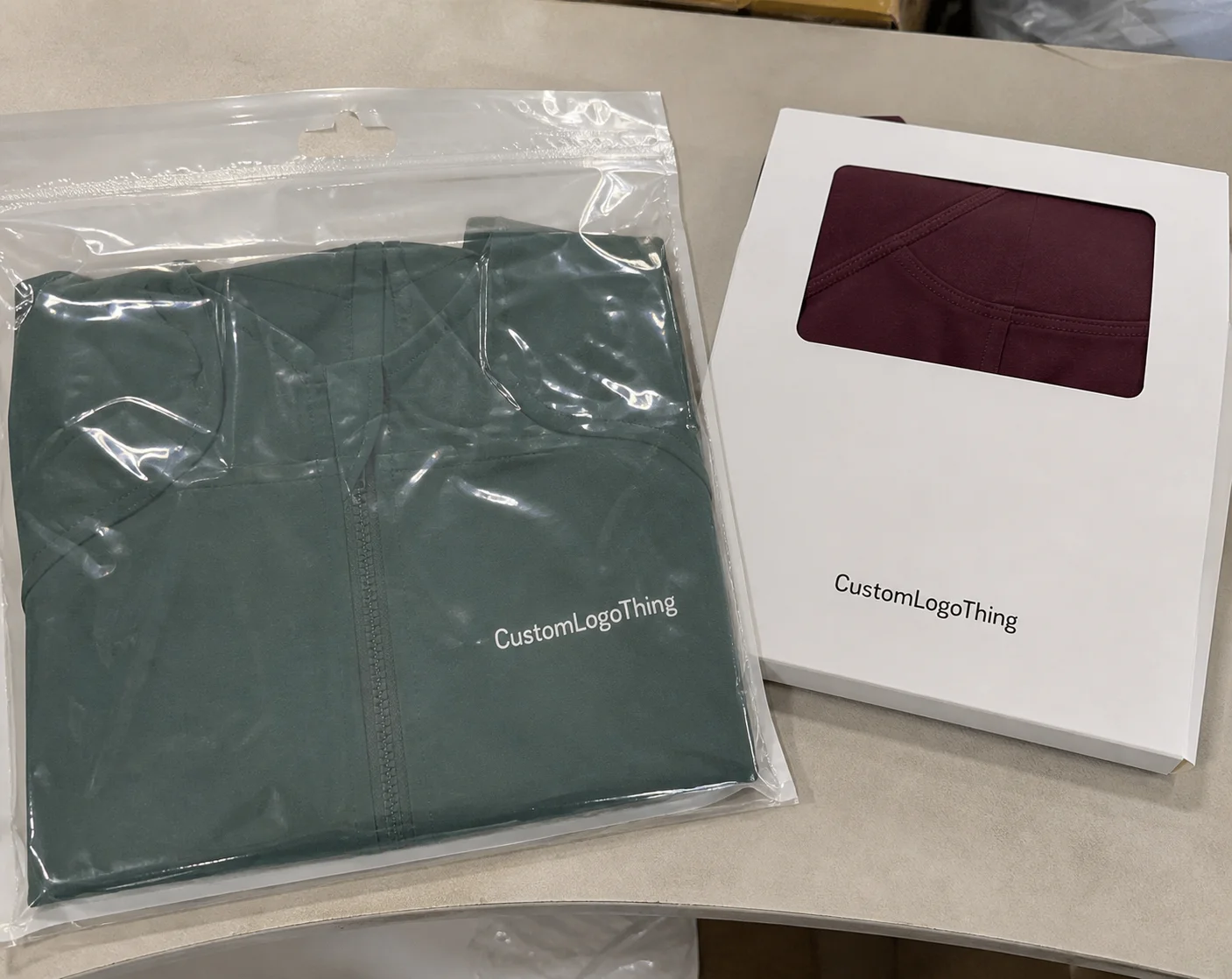
Buyer Fit Snapshot
| Best fit | Personalized Packaging for Cosmetics Brand projects where brand print, material claims, artwork control, MOQ, and repeat-order consistency need to be specified before quoting. |
|---|---|
| Quote inputs | Share finished size, material target, print colors, finish, packing count, annual reorder estimate, ship-to region, and any compliance wording. |
| Proofing check | Approve dieline scale, logo placement, barcode or warning zones, color tolerance, closure strength, and carton packing before bulk production. |
| Main risk | Vague material claims, crowded artwork, missing packing details, or unclear freight terms can make a low unit price expensive after revisions. |
Fast answer: Personalized Packaging for Cosmetics Brand: Quote Scope, Sample Proof, MOQ, and Lead Time should be specified like a repeatable production item. The safest quote records material, print method, finish, artwork proof, packing count, and reorder notes in one written spec.
Production checks before approval
Compare the actual filled-product size with the drawing, then confirm tolerance on folds, seals, hang holes, label areas, and retail display edges. Reserve space for logos, QR codes, warning copy, and material claims before decorative graphics fill the panel.
Quote comparison points
Review material grade, print process, finish, sampling route, tooling charges, carton quantity, and freight assumptions side by side. A quote is only useful when the supplier can repeat the same color, closure quality, and packing count on the next order.
I still remember a line trial in Dongguan where two vitamin C serums with almost identical formulas sat side by side on a retailer review table. Both were in 30ml glass dropper bottles. Both had similar ingredient decks. Both targeted a $28 shelf price. One brand used thoughtful Personalized Packaging for Cosmetics brand positioning: 350gsm SBS straight tuck cartons, soft-touch matte lamination, a die-cut insert that locked the bottle neck, and Pantone-matched orange accents consistent across carton and label. The other used stock white cartons with a sticker logo. Guess which one got the first order from the chain buyer. Not the better formula on paper—the better package won first trust.
Packaging shapes purchase confidence long before anyone tests texture, scent, or long-term skin results. I’ve watched this pattern repeat in Los Angeles co-packer meetings, Shenzhen press checks, and buyer reviews in Chicago. Personalized Packaging for Cosmetics brand growth means tailoring structure, substrate, graphics, finish, inserts, and opening sequence to your exact product and customer. It’s never just “put a logo on the box.” It’s a system-level decision that affects filling lines, freight, shelf presence, and your brand identity.
Honestly, founders either build momentum here or bleed cash quietly for six months. I remember one team telling me, “Packaging is just the outer shell.” Three reorder cycles later, they were paying for returns, reprints, and rushed freight—the expensive trifecta nobody puts in the launch deck.
By the end of this guide, you’ll understand how Personalized Packaging for Cosmetics brand programs move from brief to production, which costs shape unit economics (with real numbers), how to prevent line jams and rework, and where teams burn cash for no gain. I’ll also call out where my own recommendations have limits, because no packaging playbook is universal across channels, product types, and budget realities.
Why Personalized Packaging for Cosmetics Brand Growth Changes Results
I’ve watched two products with near-identical lab performance produce very different sell-through over a 90-day pilot. In one regional drug chain test, a cleanser in generic stock cartons turned 1.8 units/store/week, while a similar cleanser built around personalized packaging for cosmetics brand goals reached 3.1 units/store/week. Same ad support. Same shelf set. Different packaging execution.
That gap appears because perceived quality is built through physical signals: board stiffness, carton edge precision, closure sound, print clarity at 8-point text, and color consistency under 4000K retail lighting. Customers won’t say “this board is 18pt C1S,” but they register the difference in under three seconds. Emotion gets triggered by engineering.
True personalized packaging for cosmetics brand work includes:
- Structural design: exact dimensions for bottle, pump, or jar with 0.5mm to 1.0mm tolerance planning.
- Material selection: SBS, CCNB, microflute, molded pulp, or PET inserts depending on fragility and moisture risk.
- Print and decoration: offset or digital, CMYK + spot colors, foil, emboss, soft-touch, scuff-resistant varnish.
- Insert strategy: neck locks, shoulder cradles, leaflet slots, or no insert where friction fit is enough.
- Unboxing flow: tab ergonomics, reveal sequence, and fast product access without damage.
It does not mean taking a 120x40x40mm stock carton, placing your logo on top, and expecting premium perception. I’ve seen that shortcut push returns up by about 2% because bottles rattled, cap threads loosened in parcel transit, and corners crushed at fulfillment stations running 1,200 picks per hour.
The most overlooked issue is the bridge between emotion and process control. A “luxury feel” claim collapses quickly if Delta E drift rises above 3.0 between runs or glue lines fail at 32°C warehouse temperatures. Real package branding is measurable. Tactile, yes. Repeatable, always.
If you want a benchmark framework, the Association for Packaging and Processing Technologies at PMMI/packaging.org has practical technical resources for process planning. Beauty brands usually find profitable personalized packaging for cosmetics brand initiatives by adopting that discipline early, before creative approvals lock in avoidable risk.
How Personalized Packaging for Cosmetics Brand Projects Actually Work
A practical personalized packaging for cosmetics brand workflow has eight stages. Skip one, and the bill tends to arrive later. Usually right before launch week, because of course it does.
1) Brief and requirements lock
Start with hard data: SKU dimensions (e.g., bottle 112mm H x 38mm W), filled weight (e.g., 146g), channel split (60% DTC, 40% retail), target price band, and compliance copy requirements. One client in New Jersey saved $9,800 in rework by locking INCI text length before dielines were finalized.
2) Dieline and structure engineering
For cartons, I usually compare straight tuck end (STE) and auto-lock bottom (ALB). STE reduces board use and shipping cube. ALB improves speed in manual pack-out. For heavier 50ml glass jars, ALB plus 400gsm board cut base panel bowing by roughly 35% versus 350gsm in humid conditions.
3) 3D mockups and white samples
White samples expose fit errors early. In one Seoul supplier review, we found a 1.2mm interference between dropper collar and insert cutout that looked fine on screen but jammed in hand assembly. Catching it before plates were made saved two weeks and a pretty painful round of back-and-forth.
4) Prepress and color management
Offset fits medium-to-high runs (often 5,000+), while digital can reduce risk for launches below 2,000 units. Pantone matching matters for branded packaging consistency; set a Delta E target (commonly <2.0 for premium lines) and approve under controlled lighting booths, not random office lighting.
5) Proofing and pilot run
Approve contract proofs, then run a pilot of 300–1,000 units. Validate folding behavior, glue cure time, barcode scan rates, and co-packer line speed. A pilot in our Shenzhen facility once exposed carton tabs catching on a side belt at 42 cartons/minute; trimming 0.8mm off the tab solved it.
6) Full production and fulfillment handoff
Release the full PO only after structure and prepress sign-off. Coordinate with the co-packer on pallet pattern, case pack (for example, 48 units/master case), and label placement for warehouse scanners.
7) Incoming inspection at destination
This step gets skipped more than it should. Inspect first-arrival cartons for compression damage, scuffing, color drift, and moisture exposure before they enter active pack-out inventory. I’ve seen teams assume “factory passed QC” equals “arrival condition is fine.” It kinda doesn’t.
8) Post-launch feedback loop
Track customer complaints, damage rates, assembly time per unit, and reorder variance. A package that looks excellent but adds 0.6 seconds per unit in assembly can quietly eat margin at scale. Capture that data before the second print run, not after.
For personalized packaging for cosmetics brand programs, choose finishing options by function, not trend. Soft-touch looks premium but scuffs unless paired with anti-scuff varnish; spot UV creates contrast but may crack on heavy fold lines; foil stamping elevates logos but raises tooling and alignment risk if line art is too fine (below 0.25mm stroke).
Quality checkpoints I insist on:
- Rub/scuff test after 24-hour cure
- Glue-line pull checks every 2,000 pieces
- Barcode readability at receiving distance (typically 20–30cm handheld)
- Drop checks aligned to transit profile (ISTA-informed protocols at ISTA.org)
- Dimension spot checks with ±0.5mm tolerance for inserts
Delays pile up quickly when brand team, packaging vendor, and co-packer leave handoff ownership vague. Keep the rule clean: brand approves copy and claims; packaging supplier owns manufacturability; co-packer confirms line compatibility. I’m opinionated about this because I’ve sat through too many meetings where everyone nodded and nobody owned the next action.
Key Factors: Materials, Compliance, and Brand Fit
Material choice can make or break personalized packaging for cosmetics brand outcomes. For premium serums in glass, I usually prefer 350gsm or 400gsm SBS with a neck-lock insert. For budget-friendly Custom Printed Boxes, CCNB can work, but surface whiteness and stiffness are lower, so print pop and compression strength are lower too.
Bath products add moisture risk. Packs stored in steamy bathrooms can soften at untreated board edges over time. Aqueous coating helps with surface resistance; lamination plus stronger edge design usually performs better for products with long bathroom dwell time.
Sustainability deserves plain honesty. Recycled content is valuable, but it isn’t a free pass on performance. Product protection and print quality still decide whether packaging works. FSC-certified substrates support responsible sourcing; verify certification details at fsc.org. I advise brands to avoid vague claims like “100% eco” unless every component can substantiate it. Better claim language is specific: “Carton made with FSC-certified paperboard, 70% recycled fiber.”
Compliance details derail more launches than most teams expect. Your personalized packaging for cosmetics brand artwork needs reserved space for:
- INCI ingredient panel at legible size (often 6–8pt minimum depending on market norms)
- Lot/batch coding zone for inkjet or laser mark
- Warnings and usage instructions
- Country-specific labeling differences for export markets
I sat in a Toronto client meeting where a late bilingual copy requirement expanded text by 22%, forcing a full panel redesign and a new plate set. Cost hit: roughly $1,400 plus five business days. Early regulatory review prevents that. Not glamorous work, but neither is explaining a launch delay to sales.
For consistency across product packaging, align print standards between carton vendor and label vendor. If one runs GRACoL profile and the other doesn’t, your “signature nude pink” won’t match. Build one approved color deck and retain control sample kits.
Protection and presentation are always in tension. DTC mailers need more durability than shelf-only retail packs. If 70% of volume ships parcel, test corner crush and seal integrity first, then tune aesthetics. For retail display, front-panel readability at one meter often matters more than secondary reveal details.
Strong personalized packaging for cosmetics brand programs adapt by channel on purpose: retail cartons tuned for facing impact, DTC shippers tuned for transit and unboxing. One structure rarely handles both without tradeoffs, and pretending otherwise usually ends with expensive compromises.
Cost and Pricing Breakdown for Cosmetic Packaging Personalization
Now for numbers. A realistic personalized packaging for cosmetics brand budget has fixed and variable buckets: structural design, dieline/tooling, print setup, substrate, finishing, assembly, QA, and freight.
| Component | Typical Range | What Changes the Cost |
|---|---|---|
| Structural design + dieline | $250–$1,200 per SKU | Complex inserts, multi-piece structures, iteration count |
| Prototype samples | $120–$450 per round | Finish simulation, hand assembly, expedited shipping |
| Tooling/dies | $180–$900 | Foil dies, emboss dies, multiple formats |
| Unit carton cost (5,000 pcs) | $0.18–$0.62 | Board grade, print method, finishing, insert type |
| Premium finish adders | +$0.03–$0.22/unit | Foil area, spot UV passes, emboss depth |
| Freight + duties | 8%–20% of goods value | Origin, mode (air vs sea), split shipments |
MOQ has an outsized effect. At 1,000 units, offset setup can make each carton expensive; digital often lowers entry risk for personalized packaging for cosmetics brand pilots. At 10,000 units, offset usually wins on unit economics and color control.
Separate prototype cost from production cost in planning. I’ve watched founders reject a $300 sample round, then lose $6,000 on a bad run because no pilot happened. Sampling is cheap insurance. I know budgets are tight—I’ve had founders text me at 11:47 p.m. asking if they can skip validation to “save time.” My answer is the same every time: you’re not saving time, you’re borrowing trouble.
Hidden costs usually show up here:
- Artwork revisions after compliance changes
- Color correction rounds from missing Pantone references
- Storage fees for over-ordered cartons
- Rework labor from incomplete fit specs
- Split-shipment premiums when launch dates move
A budgeting model I recommend for personalized packaging for cosmetics brand launches:
- Test batch: 1,000–2,000 units, minimal finishes, prove sell-through.
- First scale run: 5,000–10,000 units, lock structure and one hero finish.
- Reorder optimization: trim waste, negotiate material contracts, standardize inserts across SKUs.
If you want solution examples, review Custom Packaging Products and compare structure/finish combinations against your target COGS before locking specs.
Step-by-Step Timeline: From Concept to Shelf-Ready Packaging
A dependable personalized packaging for cosmetics brand timeline usually runs 8 to 16 weeks based on complexity, approvals, and sourcing geography. Here’s a field-tested flow.
Week 1–2: Discovery and brief
Finalize SKU dimensions, channel plan, sustainability goals, and claims language. Stakeholders: brand manager, designer, regulatory reviewer. Deliverable: signed packaging brief.
Week 2–4: Concepting and engineering
Develop two structural options (cost-efficient and premium). Build dielines and 3D visuals. Stakeholders: packaging engineer, designer, procurement. Gate: structure sign-off before final graphics.
Week 4–5: Compliance and copy lock
Confirm INCI panel, warnings, and legal text. Reserve coding area for lot marking. Gate: legal approval before plate prep. This step can add 3–7 days if copy is still moving.
Week 5–7: Sampling and proofing
White sample first, then printed sample. Run rub checks and fit checks with filled product. Stakeholders: QA lead, operations, co-packer rep. Gate: prepress approval before press booking.
Week 7–10: Pilot run
Produce 300–1,000 units and test at actual line speed. Validate glue application, tab fold behavior, and reject rate. I aim for under 1.5% packaging-related rejects before scale, though for fragile formats with new inserts, initial pilot rejects can reasonably land closer to 2%.
Week 10–14: Full production
Mass print, finishing, die-cut, folding/gluing, QA inspections, case packing. Confirm palletization (e.g., 40x48 pallet, 12 layers, corner boards if needed).
Week 14–16: Pack-out and distribution
Co-packer fills and packs finished goods. Run final transit checks and release to warehouse or retail DC.
Most delays in personalized packaging for cosmetics brand projects come from:
- Unapproved dielines sitting for a week
- Regulatory text edits after proofs
- Missing color standards between agencies and printers
- Long-lead specialty paper (sometimes 3–5 extra weeks)
I visited a co-packer in Valencia where a beautiful carton design jammed every 20 minutes because glue flap angle and folder setup didn’t match. Pilot testing caught it before 50,000 units were ordered. That single gate saved the launch. Also, nothing kills a Friday faster than hearing “line down due to carton issue.”
Readiness checklist before go-live:
- Approved structure sample and print proof
- Final BOM with revision control
- QC spec sheet (color, dimensions, glue, defects)
- Transit test result summary
- Backup supplier or contingency timeline
Teams building internal alignment usually benefit from reviewing relevant Case Studies alongside pilot data. Marketing and operations move faster when decisions are anchored in facts, not assumptions.
Common Mistakes Brands Make with Personalized Cosmetic Packaging
The biggest mistake in personalized packaging for cosmetics brand work is designing for beauty shots while ignoring filling-line reality. If carton opening requires two-handed manipulation and your operator has 1.8 seconds per unit, labor cost spikes and reject rates climb.
Second mistake: picking materials without compatibility testing. I’ve seen fragrance oils soften label adhesive in under 10 days at 35°C. I’ve seen matte coatings scuff badly in e-commerce totes after just 40 miles of ground transit. Lab tests plus field simulation beat assumptions every time.
Third: overbuilt unboxing. More parts can look premium, then wreck repeat-purchase economics. One brand added ribbon pulls, magnetic lids, and three inserts to a cleanser pack. COGS rose by $1.12/unit, and reviews complained about excess waste. Simple, intentional structure usually wins.
Fourth: weak tolerance planning. A 0.7mm insert variance can mean loose product, crushed corners, or carton pop-open at retail. In retail packaging, consistency matters more than decorative complexity.
Fifth: underestimating lead times. Foil dies, specialty papers, and imported accessories can add 2–6 weeks. If launch dates are fixed, build buffers early.
Sixth: no written quality standard. Without defect criteria, shipment reviews become subjective arguments. Set AQL targets, acceptable scuff levels, glue standards, and barcode rules before production begins. Strong personalized packaging for cosmetics brand execution is documented, not improvised. I get a little frustrated here because this one is so preventable.
Expert Tips and Next Steps to Launch Personalized Packaging for Cosmetics Brand Success
If you’re putting a personalized packaging for cosmetics brand strategy into motion now, start with one clear brief and one hero SKU. Launching six formats at once only works if your operations team already has stable SOPs.
Use a practical packaging brief template
Include SKU dimensions, target customer profile, channel mix, sustainability constraints, and compliance requirements. Put numbers in writing: max carton cost, target board grade, and timeline windows.
Ask for two structure paths
Request one cost-efficient path and one premium path. Compare performance, assembly time, freight cube, and shelf look side by side. Teams make better tradeoffs when choices are explicit.
Build a test matrix before final PO
Your personalized packaging for cosmetics brand validation should include rub test, drop test, seal integrity, humidity hold, and shelf simulation. Track outcomes in a simple pass/fail grid.
Roll out in phases
Phase 1: hero SKU. Phase 2: line extension after color standards and pack-out SOPs stabilize. I’ve seen phased rollouts cut launch stress by about half and reduce scrap by 20%+ versus full-line launches.
Set communication cadence
Run weekly preproduction calls, then hold one production-readiness meeting with brand, supplier, and co-packer in the room. Shared decisions reduce finger-pointing later.
“We thought custom meant expensive and slow. After we standardized one carton structure and customized graphics by SKU, our reorder cycle dropped from 7 weeks to 4.5 weeks.” — DTC skincare founder, client debrief
Action plan you can start this week for personalized packaging for cosmetics brand growth:
- Gather exact product specs for your top 1–2 SKUs.
- Shortlist 2–3 substrate options (e.g., 350gsm SBS, recycled board blend, microflute mailer).
- Collect five competitor packs and evaluate opening flow, protection, and finish durability.
- Draft budget bands: test, scale, reorder.
- Schedule a prototype review with operations and regulatory in the same room.
Done right, personalized packaging for cosmetics brand programs strengthen first-purchase trust, reduce preventable damage, and support a consistent unboxing experience across channels. The immediate next move is simple: lock your brief, approve one pilot structure, and define written QC criteria before you place the production PO. Do those three things, and you’ll avoid most of the expensive surprises that derail launches. And yes, I still get weirdly excited when a carton opens perfectly on the first pull tab. Occupational hazard.
What Is Personalized Packaging for Cosmetics Brand Teams Trying to Achieve?
Personalized packaging for cosmetics brand teams is a method of tailoring structure, graphics, materials, and finishing to product specs, buyer expectations, and channel realities so the pack protects, sells, and scales at the same time. In practice, that means balancing Cosmetic Packaging Design with production tolerances, regulatory copy, freight efficiency, and repeatable quality controls. The goal isn’t decoration for decoration’s sake; the goal is measurable lift in conversion, fewer transit failures, and tighter unit economics over repeat runs.
Frequently Asked Questions
How much does personalized packaging for a cosmetics brand usually cost per unit?
For personalized packaging for cosmetics brand projects, a common range is about $0.18 to $0.62 per carton at 5,000 units, depending on board grade, print method, and finish complexity. Lower volumes can push unit cost higher, especially if offset setup is spread across too few pieces. Keep prototype and tooling costs separate from recurring unit costs so your model stays accurate.
What is the typical timeline for personalized packaging for cosmetics brand launches?
Most personalized packaging for cosmetics brand timelines run 8–16 weeks from brief to pack-out, with approval gates for structure, compliance, and prepress sign-off. Delays usually come from artwork revisions, legal text changes, and material lead times. A pilot run is still the best insurance against downstream delays.
What materials are best for personalized cosmetic packaging with sustainable goals?
FSC-certified paperboard, recycled-content cartons, and right-sized mono-material formats are common options for personalized packaging for cosmetics brand sustainability goals. The best choice must still protect product integrity, especially for glass and leak-prone formats. Use specific, verifiable claims tied to certifications and test results.
Can small beauty brands afford personalized packaging for cosmetics brand positioning?
Yes. Small brands can begin personalized packaging for cosmetics brand programs with digitally printed short runs, limited finishes, and one hero SKU. Standard structures with custom graphics can deliver strong packaging design impact while keeping tooling and inventory risk under control.
How do I avoid quality issues in personalized packaging for cosmetics brand products?
Create written QC standards for color tolerance, glue integrity, dimensions, and defect limits. Approve press proofs and retain control samples for reorder consistency. Run transit and handling tests before full production so scuffing, crushing, or leakage issues are caught early in your personalized packaging for cosmetics brand workflow.