If you are comparing a Private Label Printed zip lock bags supplier, you are choosing more than a print vendor. You are choosing a partner that affects first impression, protection in transit, compliance paperwork, and how easy reorders will be.
For supplements, cosmetics, accessories, craft parts, hardware, sample packs, and dry goods, a resealable bag has to print cleanly, close reliably, survive shipping, and fit the product without wasting space. Small-format packaging leaves little room for error.
Buyers usually use this term to mean a manufacturer or converter that can produce custom Printed Zip Lock Bags with your artwork, dimensions, film structure, and suitable print method. That is different from buying stock bags and adding stickers, and different from working through a distributor limited to standard SKUs.
The main failures are predictable: thin seals, scuffing ink, weak zipper tracks, bad registration, film that feels too light, and bags that lose too much usable height after filling. A careful buyer can catch most of them early.
Why one bad bag can undo a great product launch
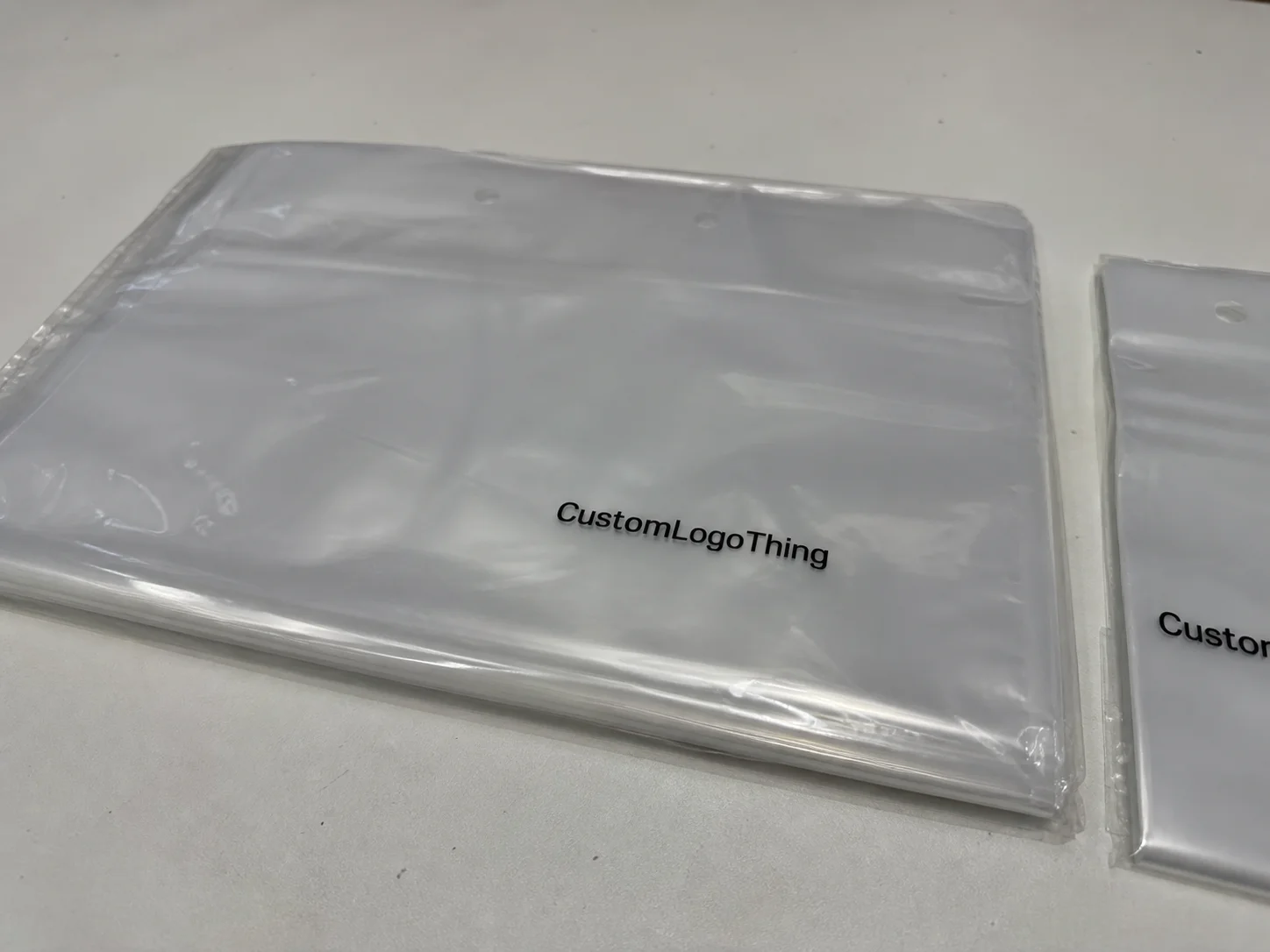
Packaging shapes judgment before the product itself gets a chance. A crooked logo, cloudy film, or zipper that sticks can make customers question the contents. In categories where the bag is the retail presentation, that risk is even higher.
This is common with beauty samples, wellness goods, spare parts, jewelry findings, socks, cable kits, and refill packs. Compared with cartons, printed zip bags can be cheaper and simpler. A folding carton may run about $0.28 to $0.65 at modest volumes, while a printed zip bag may land closer to $0.06 to $0.24 depending on size, film, and print method. The savings are real, but so is the downside of a bad run.
Supplier models also vary. One company may only print on stock bags. Another may print film, add zippers, punch hang holes, and control conversion in-house. A third may be a trading company coordinating several factories. All can work, but they do not offer the same control when problems appear.
That matters when print is off by 1 to 2 mm, the zipper sits too close to the top seal, or the bag curls after sealing. A supplier with direct production oversight usually isolates and corrects the cause faster than a middleman passing messages between vendors.
What a private label supplier actually does beyond printing your logo
A capable supplier starts solving problems before production begins. The key decisions are artwork setup, material choice, bag construction, print method, and sealing requirements. If those are wrong, the finished bag will be wrong too.
Three supplier models are most common:
- Manufacturer: controls extrusion, printing, converting, or much of that chain. Usually strongest for troubleshooting and repeat consistency.
- Converter: buys film, then cuts, seals, zips, and finishes bags. Can be very capable, but final performance depends partly on film sourcing.
- Trading company: coordinates production across outside factories. Fine for simple projects, but issue resolution and documentation can be slower.
Bag construction is broader than many first-time buyers expect. Common options include LDPE, HDPE, cast polypropylene, BOPP-based laminates, clear-front combinations, matte or gloss finishes, writable panels, euro holes, tear notches, tamper-evident features, and specialty closures. Each choice affects clarity, stiffness, puncture resistance, sealing behavior, and barrier performance.
Print method matters just as much:
- Digital printing: best for short runs, quick artwork changes, and many SKUs.
- Flexographic printing: often suits moderate volumes and simpler graphics.
- Gravure: usually gives the best repeat consistency for high-volume programs, but tooling costs are higher.
As a rough benchmark, digital often fits runs below 3,000 to 5,000 bags per SKU. Conventional methods tend to pull ahead at 10,000 units and above, although color count, film structure, and bag size can shift the break point.
Private labeling also helps with variant control, barcode placement, and shelf presentation. It usually looks cleaner than applying Custom Labels & Tags to a plain bag. Labels still make sense for short tests, lot-specific overlays, or products that change too often to justify custom print.
The useful supplier is not just printing a logo. They are balancing graphics, film behavior, seal performance, and unit cost at the same time.
How the process and lead time usually work from artwork to delivery
Most orders follow the same path: inquiry, spec confirmation, artwork review, dieline approval, sample or proof, deposit, production, inspection, packing, and shipment. Delays usually come from a few recurring causes rather than anything unusual.
The main lead-time variables are tooling, film availability, press capacity, zipper style, bag size, SKU count, finishing features, and freight method. A stock-based customization job may move in 7 to 15 business days after artwork approval. A fully custom order with new plates or cylinders and overseas freight often takes 4 to 8 weeks.
Common delay points include:
- Low-resolution artwork or wrong color mode
- Vague specs such as “medium thickness” instead of 2.5 mil or 3.0 mil
- Late compliance requests
- Color revisions after proof approval
- Slow internal approvals on the buyer side
Ask for milestone dates rather than one broad promise. You want dates for proof approval, tooling completion, production start, inspection, ship-out, and arrival. “About 30 days” is not enough if launch timing matters.
Reorders need planning too. If a SKU sells 2,000 units per month, your MOQ is 10,000 bags, and replenishment takes 35 to 45 days door-to-door, reorder planning should begin well before stock drops to half. Many brands underestimate how quickly packaging usage stabilizes after launch.
Specs that matter most when comparing suppliers side by side
Comparing quotes without matching specifications is how buyers end up with the wrong bag. A useful comparison starts with measurable details:
- Dimensions: width, height, usable fill area, and tolerance
- Thickness: often stated in mil or microns; 2.0 to 4.0 mil covers many retail poly applications
- Material: LDPE, HDPE, PP, or multilayer structures when barrier is needed
- Zipper quality: alignment, opening force, and reseal reliability
- Seal strength: side and bottom seals that resist burst or peel failure
- Print registration: especially important for logos, fine text, and barcodes
- Finish: gloss, matte, frosted, clear, or opaque
- Puncture resistance: important for hardware, sharp edges, and dense accessories
- Barrier performance: moisture, odor, oxygen, grease, or aroma control where relevant
The right combination depends on the contents. Apparel packaging may prioritize clarity and anti-scuff print. Powders, botanicals, or scented goods often need stronger barrier layers. A bag that works for hair ties can fail quickly with bath salts, metal findings, or oily products.
Compliance can be a deciding factor. If the bag is for food contact or food-adjacent use, ask what declarations are available. For retail distribution, barcode standards, safety labeling, and material documentation may matter as much as appearance. For paper-based sustainability claims, organizations such as FSC may be relevant. For transit testing, ISTA remains a useful benchmark.
Physical samples beat mockups. Rub a dark print area with a dry cloth, fold the bag sharply, fill it to intended weight, reseal it 10 to 20 times, and stack filled units overnight. Simple checks catch problems that digital renders hide.
| Criteria | What to Check | Suggested Weight |
|---|---|---|
| Print quality | Registration, color consistency, barcode readability, ink rub | 20% |
| Bag performance | Zipper function, seal strength, puncture resistance, fit | 25% |
| Compliance | Material declarations, testing records, safety documentation | 15% |
| Lead time reliability | Clear milestones, realistic production and freight estimates | 15% |
| Commercial terms | MOQ, tooling, overrun tolerance, remake policy | 15% |
| Communication | Speed, clarity, technical depth, problem-solving | 10% |
What should you ask a private label printed zip lock bags supplier before ordering?
Start with six questions: what material structure they recommend, which print method fits your volume, what MOQ applies per SKU, what compliance documents they can provide, what milestones they commit to, and how defects are handled. Those answers tell you far more than a generic capabilities deck.
Then get specific. Ask whether printing is in-house. If they are a converter, ask who supplies the film and whether that source stays consistent. Ask whether zipper application is integrated or outsourced. Confirm standard dimensional tolerance and how repeat color is controlled across runs.
Request proof rather than general reassurance. Samples close to your actual size and film structure are useful; random portfolio pieces are not. If the bag will hold powders, oils, metal parts, scented goods, or sharp-edged items, say so clearly. Packaging performance changes with contents.
Commercial questions matter too. Clarify overruns and underruns. Confirm whether tooling is a one-time charge and how long plates or cylinders are stored. Ask what happens if a repeat order needs a small artwork change. Ask whether color matching is billed separately and who pays freight on approved remakes caused by production defects.
Cost, pricing, MOQ, and unit economics buyers should unpack early
Packaging cost is shaped by film resin, print process, setup waste, plate or cylinder charges, size, gauge, zipper style, finishing features, case packing, freight, and duties.
MOQ exists for practical reasons. A supplier setting up a press still has to cover makeready time, waste, labor, and often tooling. That is why a 2,000-piece custom order can look expensive compared with a 10,000-piece run.
| Order Type | Typical Volume | Typical Cost Pattern | Best Fit |
|---|---|---|---|
| Digital printed bags | 500-5,000 per SKU | Low setup, higher unit cost | Testing, seasonal SKUs, many versions |
| Flexographic custom run | 5,000-50,000+ | Moderate setup, lower unit cost at scale | Stable SKUs with moderate color complexity |
| Gravure custom run | 20,000+ | Higher tooling, very strong print consistency | Large volumes and repeat programs |
For a basic printed zip bag in a common retail size, broad ex-factory ranges may sit around $0.07 to $0.14 each at 10,000 units for simpler conventional runs, or $0.16 to $0.32 each at lower digital volumes. Heavier gauge, matte varnish, specialty closures, clear windows, and barrier laminations increase cost. These are directional ranges only.
The metric that matters is landed cost per usable bag. A lower ex-factory quote is not cheaper if it arrives late, includes a reject rate of 3% to 5%, or forces emergency air freight.
Ask these early:
- Does the quote include sampling, proofing, or color matching?
- Are tooling charges one-time, and who retains the plates or cylinders?
- What overrun or underrun percentage is standard?
- Are terms EXW, FOB, CIF, or DDP?
- Is MOQ applied per SKU, per artwork, or per combined material run?
If you are comparing a custom program with a stock-bag-plus-label approach, include labor and application risk. A plain bag plus Custom Labels & Tags can work for early testing, but it often becomes less efficient once volumes stabilize and presentation standards rise.
A step-by-step vetting method before you place a full production order
The safest approach is to vet the supplier like a production partner, not a graphics vendor.
- Define the use case. List the product, fill weight or item count, storage conditions, display method, and shipping environment.
- Lock the specification. Record dimensions, gauge, material, zipper style, finish, print coverage, and compliance needs.
- Request comparable samples. Get two to four sample sets and test them with the actual product inside.
- Stress the bag. Open and reseal repeatedly, compress it in master cartons, and check barcode scans after handling.
- Review the quote line by line. Check tooling, MOQs, remake terms, overrun tolerance, and freight assumptions.
- Judge communication quality. Fast replies help; accurate technical replies matter more.
- Approve a pre-production proof or pilot run. Especially useful for color-sensitive branding and multi-SKU families.
Document the approved standard. Exact dimensions, film structure, print references, zipper placement, and carton pack make future reorders much less risky.
Common supplier-selection mistakes that quietly raise risk and waste money
Choosing only on price. A spreadsheet rarely captures seal integrity, zipper feel, print scuff resistance, or repeat consistency.
Approving artwork flat. A layout can look good before forming and fail once folds, seals, and fill lines distort the design. Safe zones and barcode placement need review on the actual bag format.
Ignoring freight math. Flexible packaging is light but bulky, so cubic volume can erase a unit-price advantage fast.
Ordering the wrong size. Buyers often estimate from product dimensions alone and forget headspace, zipper area, insertion ease, and lost space after sealing.
Skipping paperwork. If material declarations or safety documents are needed later, chasing them after production can delay a launch more than a print issue would.
Expecting a perfect screen match. Physical production has tolerances. The practical goal is controlled consistency, not digital perfection.
Smart next steps to shortlist, test, and reorder with confidence
Start with a one-page packaging brief. Include product type, target dimensions, preferred film, finish, zipper style, estimated annual volume, compliance requirements, and artwork status. Send the same RFQ to multiple suppliers so the comparison stays fair.
Then compare samples under the same conditions: same fill weight, stacking pressure, reseal count, and rub test. Score each supplier against the same criteria rather than whichever mockup looked best in email.
Create an acceptance standard before full production. Define acceptable print registration, seal width, dimensional tolerance, zipper performance, and case packing. Keep one approved sample as the control for future reorders.
Inventory planning matters as much as supplier selection. Order enough to cover launch demand plus a safety margin, but not so much that a formula update, compliance change, or redesign leaves obsolete stock. For growing brands, a staged approach works best: validate first, then scale once repeatability is proven.
Frequently Asked Questions
How do I evaluate a private label printed zip lock bags supplier for quality?
Ask for physical samples close to your target specification rather than generic stock pieces. Check zipper smoothness, seal strength, print registration, ink rub resistance, thickness consistency, and dimensional accuracy. Then test the bag with your actual product inside. Repeat-order control matters almost as much as the first sample.
What is a typical MOQ from a custom printed zip lock bag supplier?
MOQ depends on print method, size, film structure, and whether tooling is required. Digital programs may start in the hundreds or low thousands per SKU. Flexographic and gravure runs usually require more volume. Always confirm whether MOQ applies per SKU, per size, or per artwork version.
How long does a printed zip lock bag private label order usually take?
A relatively simple project can move in 2 to 3 weeks if artwork is ready and the supplier is printing on stock-based materials. Fully custom jobs with tooling, multiple SKUs, or longer transit often take 4 to 8 weeks. Ask for milestone dates, not just one final estimate.
What affects the pricing of private label resealable bags the most?
Volume, dimensions, film gauge, material structure, color count, and print method are the biggest drivers. Specialty features such as matte finishes, hang holes, tear notches, or barrier layers add cost. Freight and reject rate also matter, which is why landed cost per usable bag is the better metric.
Should I choose a domestic or overseas private label printed zip lock bags supplier?
Domestic suppliers may offer easier communication, shorter lead times, and faster problem resolution. Overseas suppliers can be competitive on larger, stable programs. The better choice depends on order size, launch timing, documentation requirements, and how much freight risk your schedule can absorb.


