Buyer Fit Snapshot
| Best fit | Small Batch Custom Packaging Suppliers projects where brand print, material claims, artwork control, MOQ, and repeat-order consistency need to be specified before quoting. |
|---|---|
| Quote inputs | Share finished size, material target, print colors, finish, packing count, annual reorder estimate, ship-to region, and any compliance wording. |
| Proofing check | Approve dieline scale, logo placement, barcode or warning zones, color tolerance, closure strength, and carton packing before bulk production. |
| Main risk | Vague material claims, crowded artwork, missing packing details, or unclear freight terms can make a low unit price expensive after revisions. |
Fast answer: Small Batch Custom Packaging Suppliers: Production Review should be specified like a repeatable production item. The safest quote records material, print method, finish, artwork proof, packing count, and reorder notes in one written spec.
Production checks before approval
Compare the actual filled-product size with the drawing, then confirm tolerance on folds, seals, hang holes, label areas, and retail display edges. Reserve space for logos, QR codes, warning copy, and material claims before decorative graphics fill the panel.
Quote comparison points
Review material grade, print process, finish, sampling route, tooling charges, carton quantity, and freight assumptions side by side. A quote is only useful when the supplier can repeat the same color, closure quality, and packing count on the next order.
I still remember a Tuesday morning at a converting plant in Dongguan when a skincare startup owner looked at me and said, “If I approve 10,000 cartons and my formula changes next month, I’m sunk.” She wasn’t being dramatic. She was doing the math in real time. We shifted her to small batch Custom Packaging Suppliers using digital print and a 1,200-unit pilot. She dodged roughly 8,800 units of dead stock that would have tied up more than $6,000 in cash plus storage fees. One decision bought her time to test two label claims and a new scent before scaling.
Brand builders testing line extensions, shipping influencer kits, or releasing fast-iterating SKUs need options that protect both cash and calendar. The right Small Batch Custom packaging suppliers do exactly that. I’ve spent more than two decades on factory floors, in prepress rooms, and on supplier calls where one missed dieline revision burns 12 business days. The pattern is clear: some packaging decisions save quarters; others quietly drain them. Honestly, packaging choices reveal how a company handles uncertainty better than most board decks do.
Why small batch custom packaging suppliers matter more than most brands realize
Over-ordering packaging leaks profit in slow motion. Founders usually chase unit price first, then get hit by write-offs, especially in beauty, supplements, and seasonal food where claims, ingredients, or compliance copy can shift every quarter. A carton priced at $0.14 looks cheap until 5,000 units expire on a warehouse rack. I’ve watched teams celebrate a “great deal” at noon and panic by quarter close.
A mistake I see constantly: assuming Small Batch Custom packaging suppliers are only for tiny brands. Mid-size teams often gain the most from short runs while they test two regions, compare unboxing variants, or stage retail launches by channel. If demand is uncertain, 2,000 units at $0.32 can be safer than 20,000 at $0.12.
On most projects, “small batch” lands between 100 and 5,000 units, depending on structure and print method:
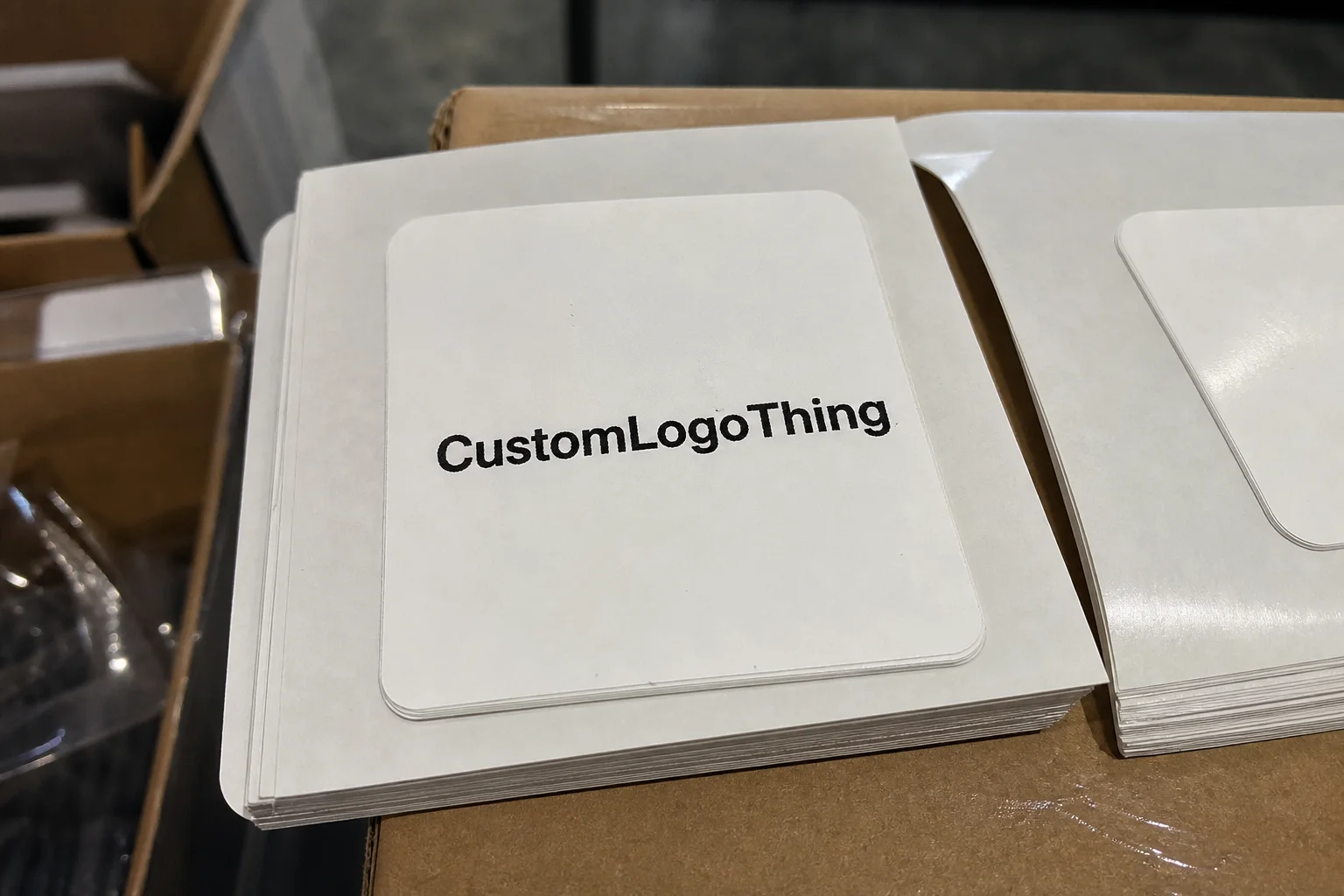
- Labels: 100–2,000 on digital label presses
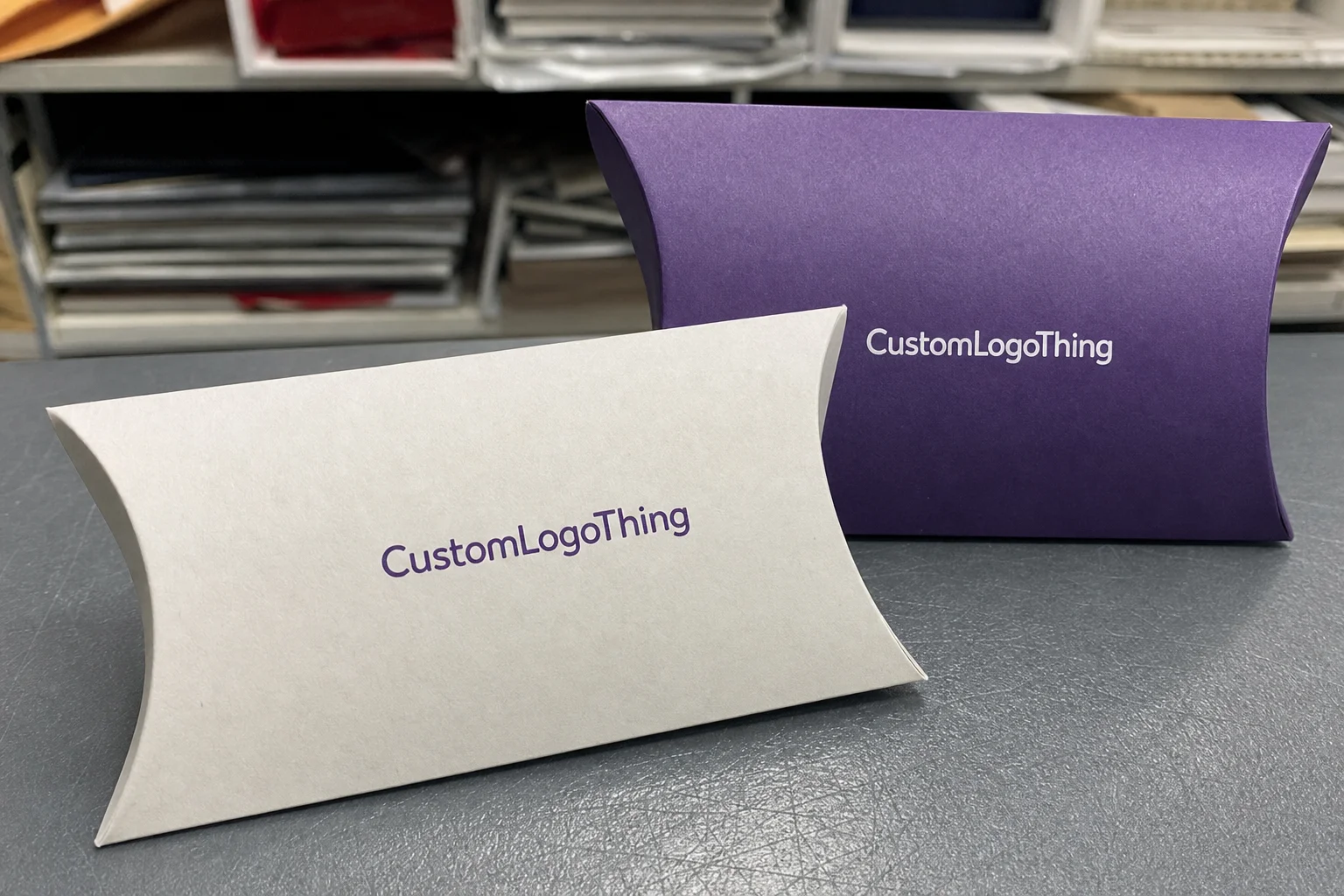
- Folding cartons: 250–5,000 on digital or short-run offset
- Corrugated mailers: 100–3,000 with digital post-print
- Rigid setup boxes: often 500+ because assembly is labor-heavy
A protein snack brand in Austin once saved about $0.05 per unit by buying high-MOQ offset cartons through a broker. Then reformulation happened, nutrition facts changed, and nearly $11,400 in inventory went obsolete. We moved them to small batch custom packaging suppliers on 1,500-unit cycles; their cash conversion improved within two reorders. They told me later, “We thought we were buying efficiency. We were actually buying risk.” Accurate.
Supplier type matters more than most teams expect. You’ll usually meet three categories:
- True manufacturers with in-house print, converting, and finishing
- Brokers who source work through plant networks
- Print resellers with limited engineering and QA control
That distinction changes response time and accountability. True manufacturers can often answer technical questions on board grade, glue flaps, and barcode quiet zones same day. Broker speed depends on which plant has capacity that week. Either model can work, but time-sensitive launches need absolute clarity on who owns prepress, who runs production, and who signs final QC.
The sections ahead break down how small batch custom packaging suppliers operate, what they include, how quotes are built, and how to evaluate reliability before committing.
What small batch custom packaging suppliers actually provide
The best small batch custom packaging suppliers do far more than print logos. They guide structure, substrate, prepress correction, color behavior, and sometimes assembly prep. In branded packaging, failures rarely start at concept; they happen between design intent and production reality. I remember one “simple carton” job that turned into a three-week delay because nobody checked glue panel overlap until sample stage. Simple is a dangerous word in packaging.
Common formats include:
- Folding cartons (SBS or kraft, usually 16pt–24pt)
- Rigid setup boxes (1.5mm–2.5mm greyboard wrapped in printed paper)
- Corrugated mailers (E-flute and B-flute for DTC programs)
- Pressure-sensitive labels (BOPP, paper, textured stocks)
- Paper sleeves and inserts for multipacks and education cards
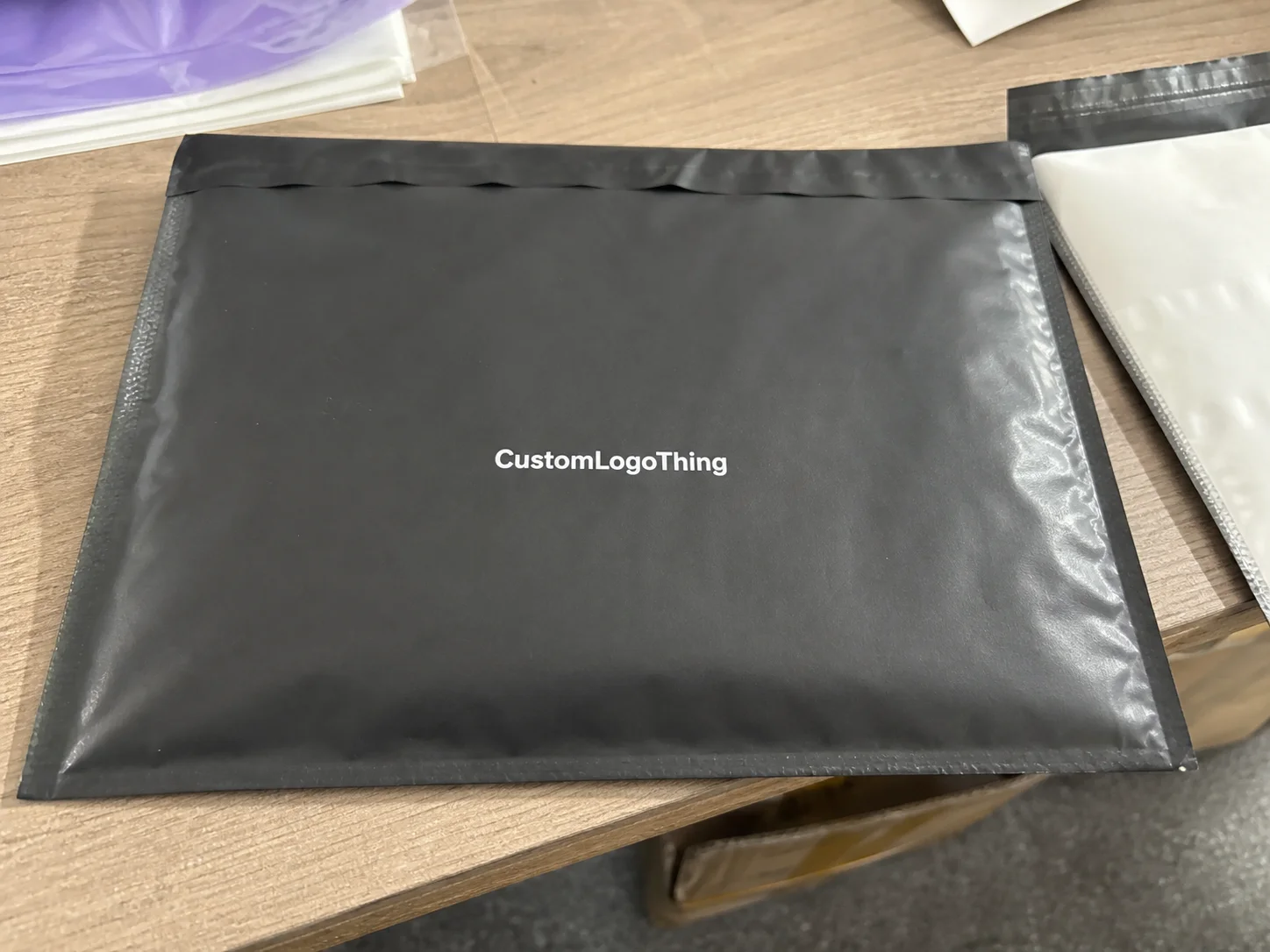
- Pouches for trial-size and lightweight formats
For low runs, production with small batch custom packaging suppliers usually centers on digital print. Toner and inkjet are strong for variable data and versioning. Short-run flexo can fit simple one- or two-color corrugated jobs. Offset starts making economic sense once quantity crosses the point where plate cost is diluted—often around 5,000+ for certain carton specs, though the break-even can shift by region and press availability.
Material choices decide whether performance and cost stay aligned. A few field examples:
- 18pt SBS C1S delivers strong graphics but can crush under heavy stacking if dimensions are weak.
- Natural kraft creates an organic look and hides scuffs, yet it can mute bright Pantone targets.
- E-flute corrugate prints cleaner and presents better on shelf; B-flute often wins on stacking strength.
- FSC-certified papers are now common requests; confirm chain-of-custody via FSC.
Finishing capability separates average vendors from strong small batch custom packaging suppliers. Soft-touch lamination, spot UV, foil stamping, emboss/deboss, and aqueous coating can sharpen package branding, yet every added process increases setup complexity. Foil and emboss tooling fees can make 300-unit runs expensive fast. I love foil too, but I don’t love paying premium pricing so a hidden panel can sparkle where nobody will ever notice.
Prepress quality is the real divider. Reliable partners create or validate dielines, check artwork for 2mm bleed and 3mm safe zones, profile color for stock behavior, and provide physical mockups before full production. Regulated categories benefit most; experienced teams catch truncated legal copy and barcode sizing issues before press time.
Some small batch custom packaging suppliers also handle kitting, insert collation, lot-code labels, and carton-out labeling for 3PL intake. On one DTC project, that reduced handling touches from six to three and cut about $0.21 per shipped order. Not flashy, but it matters.
How the process and timeline work from concept to delivery
A typical workflow with small batch custom packaging suppliers runs through seven stages: discovery brief, structural design, quote, prototype, artwork approval, production, then QA/freight. Skip a stage and rework usually follows. I know because I’ve seen teams skip white samples to “save time” and then lose two weeks fixing fit issues they would’ve caught in ten minutes.
Typical timeline ranges
- Discovery + spec alignment: 2–4 business days
- Structural design/dieline: 2–6 business days
- Quote turnaround: 1–3 business days after complete specs
- Prototype build: 4–10 business days
- Artwork + prepress approval: 2–5 business days
- Production: 7–15 business days for many short runs
- Freight + receiving: 3–12 days by lane and mode
Most controllable delays happen on the brand side. Teams sit on dielines for six days, request dimension changes after color proofing, and restart the clock. I’ve watched launches slip 14 days from one late legal-copy revision on a side panel.
Proofing options from small batch custom packaging suppliers usually include:
- 2D digital proofs for copy and layout
- Color drawdowns for substrate-accurate expectations
- White samples for structure and fit checks
- Full production samples for final tactile and color review
Approval checkpoints I treat as non-negotiable:
- Dieline sign-off with dimensions and tolerances documented
- Pantone/CMYK conversion approval on actual stock
- Barcode validation with scanner test at target print size
- Transit-test requirement, often ISTA protocol for mailers (ISTA standards)
Short runs come with constraints teams rarely see. Press schedules are grouped by substrate and coating. Miss your matte aqueous window and request gloss instead, and your slot can move. Finishing can bottleneck too, especially if foil stamping is external. Coating and adhesive cure times add friction, so “rush” is rarely simple. This is where even experienced teams get frustrated—“just run it tomorrow” sounds reasonable until the queue says otherwise.
Freight and receiving can make or break your calendar. If your warehouse requires 48x40 pallets, 60-inch max height, corner boards, and fixed label placement, share those rules before production starts. I’ve seen flawless cartons refused at dock for ASN label mismatch, and yeah, that conversation is kinda painful. Many small batch custom packaging suppliers can split shipments between a 3PL and co-packer, but only when freight class and Incoterms are defined early.
Cost and pricing: what drives quotes with small batch custom packaging suppliers
Pricing from small batch custom packaging suppliers comes down to fixed and variable costs. See those two buckets clearly and negotiations get a lot better, fast.
Fixed costs can include dielines, tooling, setup, color calibration, and foil/emboss dies. Variable costs cover substrate, ink coverage, finishing passes, labor, assembly, pack-out, and freight. Low quantities spread fixed cost across fewer units, so unit pricing rises.
Risk still drops in many cases. I often recommend $0.29 for 2,000 cartons over $0.17 for 20,000 when inventory exposure and revision risk are high. Cash preservation usually beats vanity unit economics for growing brands. Founders sometimes resist that logic at first; three months later, after an FDA wording change or formula tweak, they usually get why.
| Spec Example | Qty | Unit Price | Estimated Total | Notes |
|---|---|---|---|---|
| 18pt SBS folding carton, CMYK outside, matte aqueous | 1,000 | $0.48 | $480 + freight | Digital print, no tooling |
| Same carton with soft-touch lamination | 1,000 | $0.61 | $610 + freight | Extra finishing pass |
| E-flute mailer, 1-color inside/outside | 500 | $1.18 | $590 + freight | Short-run digital corrugate |
| Rigid setup box, wrap print + ribbon pull | 500 | $2.95 | $1,475 + freight | Hand assembly heavy |
Quote formats from small batch custom packaging suppliers tend to look like this:
- All-in unit pricing: simple to read, limited transparency
- Line-item pricing: strongest for optimization work
- Tiered pricing: useful for reorder planning (500/1,000/2,500/5,000)
Fast cost levers you control:
- Trim box dimensions by 3–5mm where fit allows
- Match board grade to actual compression demand
- Cut heavy ink coverage on hidden interior panels
- Use premium finishes only on high-visibility faces
- Simplify insert folds to reduce hand assembly
For clean comparisons across small batch custom packaging suppliers, issue one master spec sheet with exact dimensions, board caliper, coating, color targets, tolerances, and pack-out method. Comparing quotes built on 16pt versus 18pt assumptions tells you almost nothing.
I usually advise clients to spend on structural performance and first-touch visuals, then save on hidden surfaces. Keep top and front panels crisp for Custom Printed Boxes impact; don’t over-invest in inside-bottom graphics. This approach has cut total packaging spend by 8–15% on multiple accounts I’ve managed. Your mileage will vary by category, but the direction is consistent.
Key factors for evaluating supplier fit and long-term reliability
Choosing among small batch custom packaging suppliers is less about the lowest quote and more about repeatable quality at your reorder rhythm. I’ve seen flawless first runs followed by inconsistent second runs after finishing got shifted to a different vendor without notice. That one change can blow up color consistency, surface feel, and delivery cadence.
Use this technical capability screen:
- Can they convert your chosen material in-house?
- Do they define color variance and defect thresholds?
- Are lamination, foil, and emboss internal or subcontracted?
- Do they run documented QC checkpoints per shift?
Operational fit carries equal weight. Ask how they handle repeat POs every 3–4 weeks and what happens if volume jumps from 1,000 to 6,000 units across two SKUs. Strong small batch custom packaging suppliers answer with capacity logic, not optimism.
Communication quality predicts future friction. If pre-sales responses take four days and skip your bleed, trap, or barcode-contrast questions, expect trouble later. Reliable partners respond quickly, call out risk directly, and explain timeline/cost impact for each correction path. My rule: if someone is vague before payment, they’re probably gonna stay vague after payment.
Ask for proof, not promises: sample packs, production photos, short floor videos, test data, and references from similar brands. Sustainability claims should include chain-of-custody numbers and recycled-content documentation. Durability claims should cite ISTA or ASTM methods used on comparable formats.
A weighted scorecard keeps decisions disciplined:
- Quality consistency: 35%
- Lead-time reliability: 25%
- Commercial terms: 20%
- Technical support: 20%
That framework helps you avoid “cheap” suppliers that later cost more through reprints, chargebacks, and damaged retail packaging.
Step-by-step: how to select and onboard small batch custom packaging suppliers
Founder-led teams usually need a practical, repeatable path. This is the onboarding flow I use when evaluating small batch custom packaging suppliers.
Step 1: Build a tight packaging brief
Define SKU count, exact product dimensions, target quantity, budget range, channel mix (DTC, retail, Amazon), and unboxing goals. Include unit weight and fragility notes. One page with hard numbers produces faster, cleaner quotes.
Step 2: Prepare print-ready assets and brand guardrails
Bundle vector logos, Pantone standards with CMYK fallback, font licenses, legal copy, barcode files, and approved claims. Clean packaging design files can remove days of prepress back-and-forth. I once received a “final” file package with six logo versions and three mystery fonts; we lost a week untangling it.
Step 3: Shortlist 3–5 suppliers and issue identical RFQs
Send the same RFQ packet to every candidate among your small batch custom packaging suppliers. Include quantity tiers (500/1,000/2,500), target Incoterm, delivery ZIP, and requested lead time. Ask each supplier to confirm assumptions in writing.
Step 4: Order prototypes and run real tests
Check fit, compression, drop behavior, assembly time, and shelf presence. I like a timed assembly test: can one operator assemble 100 units in under 22 minutes without fatigue errors? Physical tests expose issues PDFs never show.
Step 5: Negotiate terms before first PO
Lock payment structure (50/50 or 30/70), reprint policy, acceptable defect thresholds, and lead-time commitments measured from final proof approval. Confirm substitution protocol if paper stock changes. Get it in writing. Verbal agreements have a weird habit of disappearing right when pressure spikes.
Step 6: Run a pilot batch, then codify SOPs
Before full rollout, place a pilot order—typically 500 to 1,500 units—with one selected supplier from your small batch custom packaging suppliers list. Capture lessons in a reorder SOP: file naming, color approval owner, inspection checklist, receiving protocol. That turns ad hoc execution into repeatability.
Need format ideas while building your brief? Review Custom Packaging Products and map requirements to actual vendor capability.
Common mistakes to avoid and expert tips for better outcomes
Mistake #1: buying on unit price alone. Brands celebrate low quotes, then lose margin to expedited freight, QC failures, and obsolete stock after compliance changes. Compare landed cost and cash risk, not line-one price.
Mistake #2: vague specs. If your RFQ says “premium paperboard” but omits caliper, finish, and tolerance, each supplier prices a different product. The “expensive” quote may simply reflect stronger material.
Mistake #3: screen-only approvals. Digital proofs can’t reveal board stiffness, fold memory, glue behavior, or rub resistance. Serious workflows with small batch custom packaging suppliers include physical validation every single time.
Mistake #4: designs that ignore process limits. Tiny reversed text on kraft, heavy coverage over fold lines, or unrealistic foil registration expectations on short runs all trigger delay and scrap. I’ve muttered “who approved 4pt reversed type on uncoated stock?” more times than I care to admit.
Mistake #5: no fallback path. Keep one backup option from your small batch custom packaging suppliers pool and pre-approve one alternate substrate. During paper shortages, that single step can protect a launch window.
“We dropped our first-order quantity by 70%, launched two SKUs faster, and avoided old-version inventory. Our only regret was not moving to a small-batch model earlier.” — DTC wellness client, post-pilot review
Reusable pre-PO checklist:
- Final dieline approved with dimensions and tolerances
- Artwork locked and barcode test passed
- Material, caliper, and finish confirmed in quote
- Defect threshold and reprint policy documented
- Lead time tied to a clearly defined milestone
- Freight terms and warehouse rules confirmed
- Backup supplier or substrate identified
Teams scaling product packaging and custom printed boxes avoid most surprises by enforcing these checkpoints early.
Action plan: your next 30 days with small batch custom packaging suppliers
Use this month-long roadmap to launch with small batch custom packaging suppliers while keeping inventory risk in check.
Week 1: Discovery and scope lock
Set SKUs, target quantities, budget ceiling, and timeline gates. Build your RFQ packet: dielines (or product dimensions), print assets, legal copy, color standards, pack-out specs, and QA criteria. Separate must-have features from nice-to-have finishes.
Week 2: RFQ issue and supplier review
Send identical RFQs to 3–5 small batch custom packaging suppliers. Hold 30-minute technical calls with each team. Score responses for completeness, timeline realism, and technical depth. Narrow to two finalists.
Week 3: Prototype testing and commercial alignment
Order samples. Run fit checks, transit simulations, shelf/photo checks, and assembly timing. Negotiate payment terms, defect policy, and change-control workflow. Confirm ownership of prepress corrections and final sign-off.
Week 4: Pilot PO and decision gate
Place a controlled pilot PO with a primary supplier while keeping one backup quote active. Review KPIs on delivery, then decide scale-up timing. If the pilot misses spec, don’t rationalize it—fix root causes before volume increases.
KPI targets to monitor:
- On-time delivery rate: target 95%+
- Defect rate: under 1.5% for cartons, under 2.5% for complex hand-assembled packs
- Color variance: pre-agreed tolerance by substrate and process
- Reorder turnaround: within agreed business-day window
- Damage-in-transit rate: below 1%
Keep communication disciplined: kickoff call, prepress review, pre-production sign-off, post-delivery debrief within five business days of receipt. Centralize revisions and approvals in one tracker. That single habit removes a surprising amount of production noise.
If you’re ready to build a shortlist, start with Custom Packaging Products. Map structural requirements first, then layer premium finish options second. Teams move faster when those conversations stay separate.
After years on production floors, one pattern keeps repeating: strong outcomes come from starting small, learning quickly, and documenting everything. If you want a practical takeaway, here it is: in the next 48 hours, build one master spec sheet, send identical RFQs to three qualified small batch custom packaging suppliers, and schedule prototype reviews before approving any full run. Do those three things and you’ll cut avoidable risk dramatically. I still get a little thrill when a client says, “We finally stopped guessing.” That’s the whole point.
FAQ: How do you choose small batch custom packaging suppliers?
What MOQ should I expect from small run custom packaging suppliers?
Most small batch custom packaging suppliers offer MOQs from roughly 100 to 1,000+ units for digital formats. Rigid boxes and specialty finishes often start higher, commonly 500 or more. Ask for tiered MOQ quotes on identical specs so cost and risk comparisons stay accurate.
How do small batch custom packaging suppliers calculate pricing?
Pricing typically combines fixed setup charges and variable per-unit costs. Size, substrate grade, print coverage, finishing, assembly, and freight drive most differences. Request line-item detail from small batch custom packaging suppliers so you can lower cost without compromising structure.
How long do small batch custom packaging orders usually take?
End-to-end timing includes design/proofing, sample approval, production, QA, and shipping. For many jobs with small batch custom packaging suppliers, production runs 7–15 business days. Brand-side approval speed is usually the biggest controllable variable.
Can small batch custom packaging suppliers match my brand colors accurately?
Usually yes, with proper setup. Accuracy depends on process, substrate, and Pantone matching availability. Provide color standards, request calibrated proofs or drawdowns, and define acceptable variance in writing during prepress approval.
What should I ask before signing with a custom packaging supplier for small batches?
Confirm MOQ flexibility, lead-time reliability, in-house versus outsourced processes, and defect/reprint policy. Request references, sample packs, and quality documentation. Align payment terms, escalation contacts, and backup material options before issuing your first PO to small batch custom packaging suppliers.