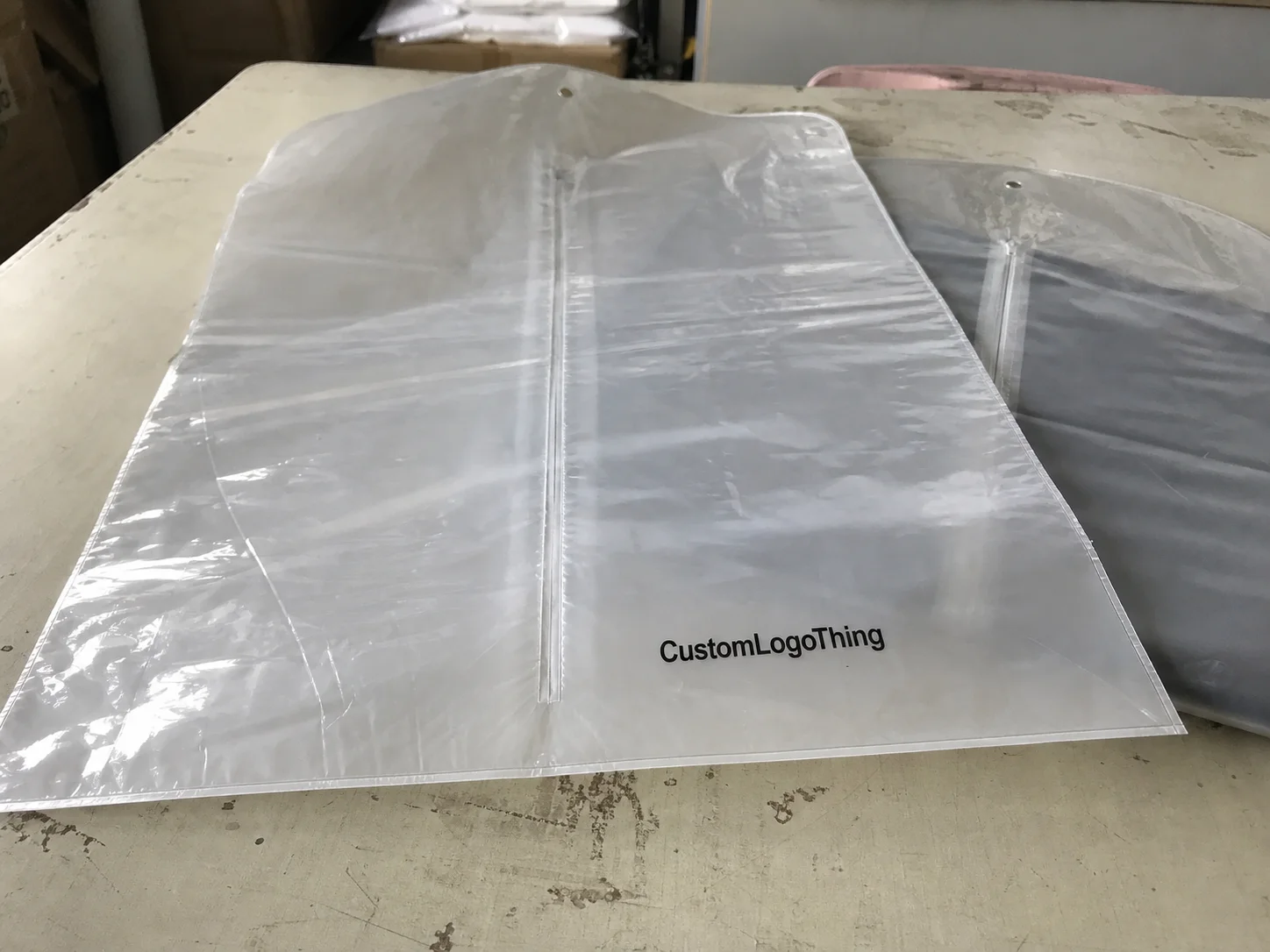
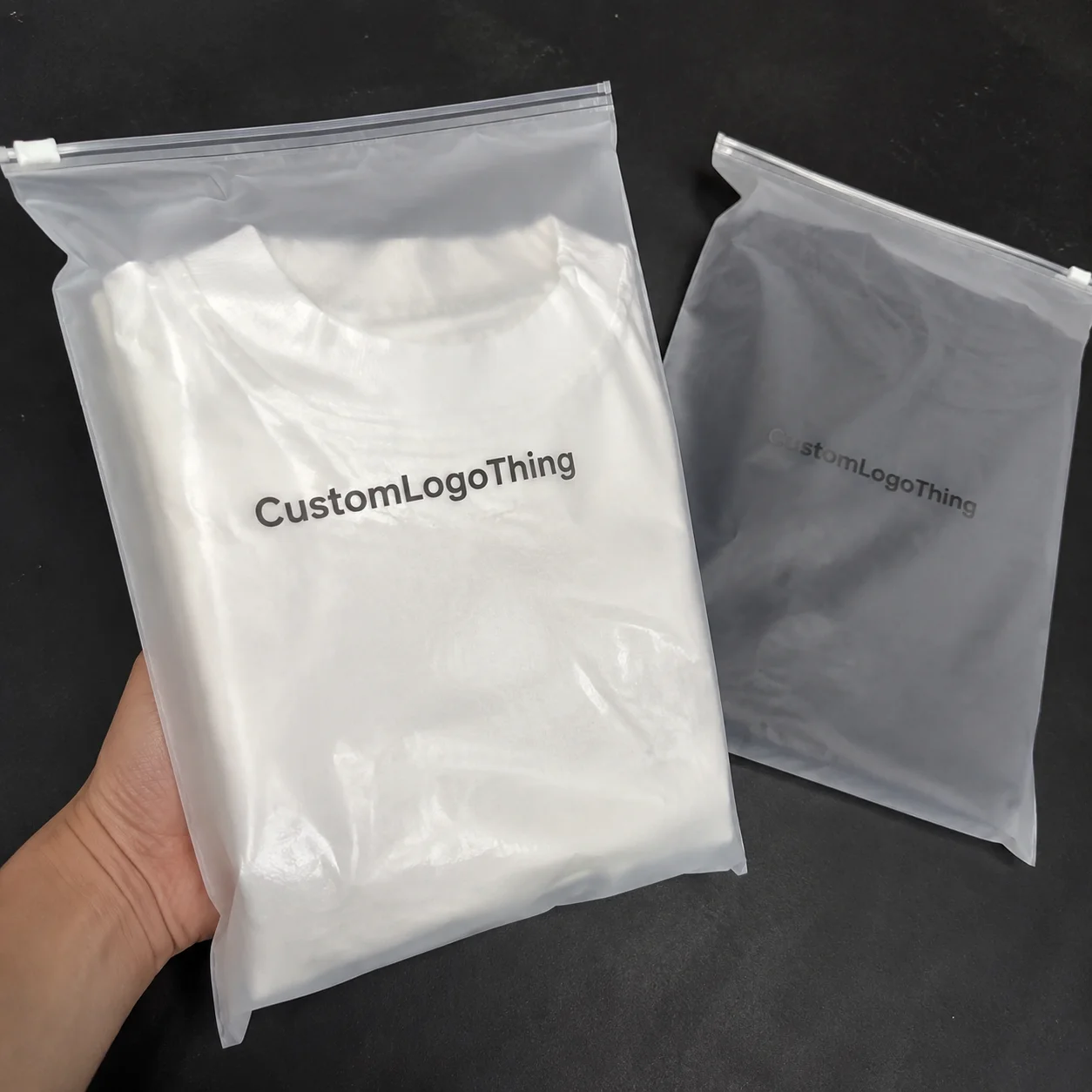
A customer orders a candle tin, silk scarf, or handmade hair accessory. Before the product is touched, the package has already shaped the brand impression. Printed Padded Mailers affect presentation, protection, postage, storage, and packing speed in the same decision.
For many boutiques, mailers stay a commodity until damage claims rise, stockroom space disappears, or orders arrive looking generic. For low-cube products, a padded mailer can outperform a small box because it weighs less, stores flat, and usually packs faster. The material choice is where buyers need to slow down. Recyclable, compostable, recycled content, and biodegradable are not interchangeable claims, and coatings, adhesives, mixed layers, and local disposal access all change the real outcome.
This guide focuses on the details that help buyers decide: performance, sustainable material options, cost, MOQ, lead time, printing, and inspection points.
Why printed padded mailers for boutique retailers punch above their weight
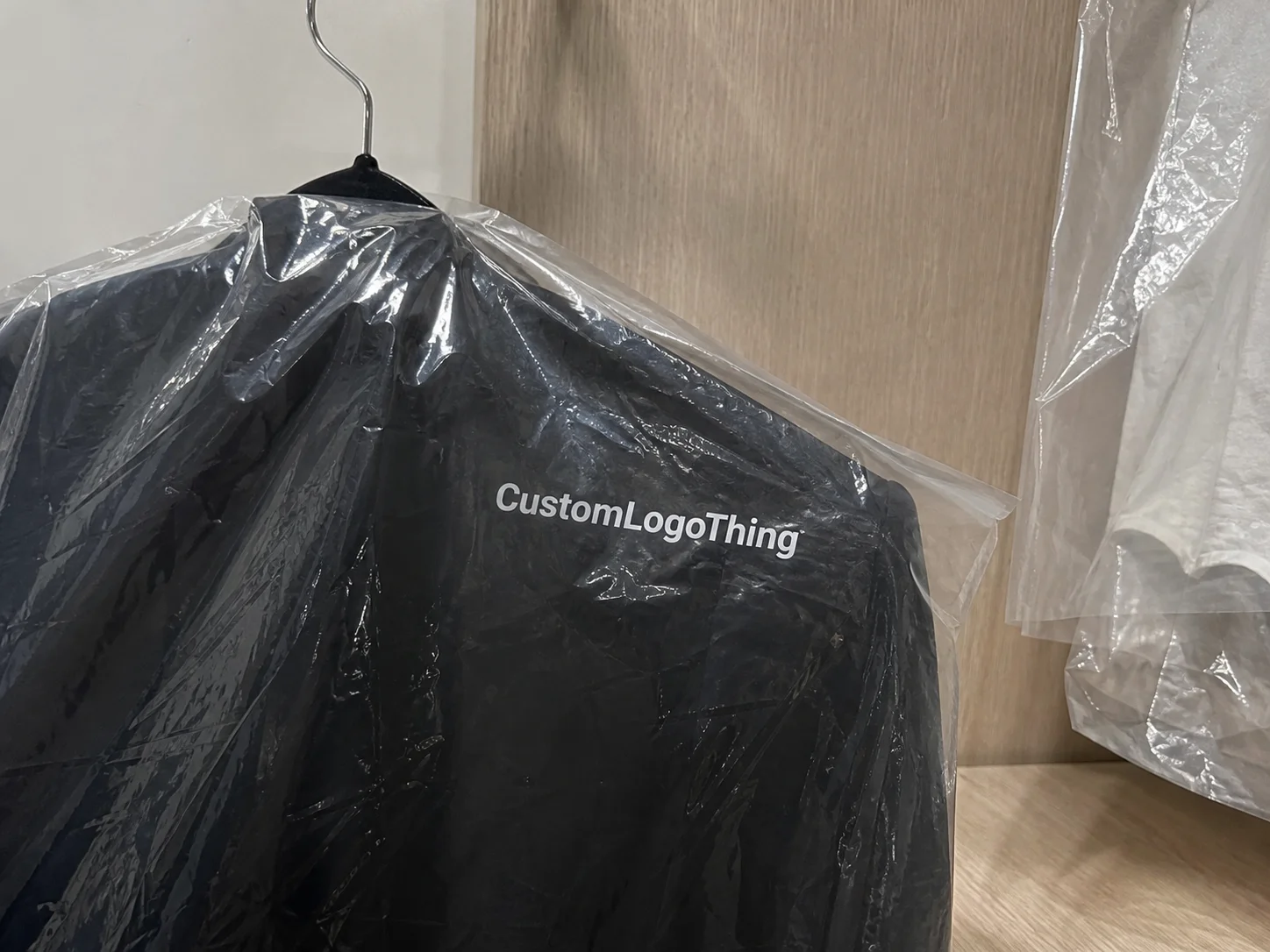
Padded mailers combine three things boutiques care about: branding, protection, and postal efficiency. They suit many products that do not need a full corrugated box but still need more protection than a flat envelope offers.
Common examples include folded scarves, jewelry in small cartons, notebooks, beauty kits, handmade soaps, greeting card sets, and light home accessories. For these items, the weight difference versus a rigid box can be meaningful. A small box may add 2 to 6 ounces of packaging weight depending on board, inserts, and tape. A padded mailer may add about 0.6 to 2.5 ounces, depending on size and cushioning. Across volume, that affects postage and dimensional efficiency.
Storage is another advantage. Mailers ship and store flat, which matters for boutiques working from limited backroom space. They also simplify pack-out when the fit is right.
Custom printing adds buyer value when it replaces extra labels or inserts. A printed surface can carry logo, brand color, care notes, and disposal instructions in one place. If you want to compare other packaging formats, Custom Logo Things’ Custom Packaging Products page is a useful starting point.
The caution is simple: appearance alone is not enough. A strong boutique mailer needs dependable seal strength, scuff-resistant print, practical sizing, and disposal instructions customers can follow without guessing.
How padded mailers work in real boutique shipping conditions
A padded mailer depends on five working parts: the outer printable layer, the cushioning interior, the side seams, the flap adhesive, and the closure design. Failure in any one of those areas can turn a good-looking mailer into a costly one.
The outer layer may be kraft paper, coated paper, or poly film. The interior may use paper padding, bubble lining, fiber fill, or another engineered structure. Adhesive performance matters more than many buyers expect. Weak flap bonds cause quiet transit failures, especially on overfilled orders or parcels exposed to heat.
Different products create different stress points:
- Stationery sets: edge pressure and corner rub
- Jewelry boxes: corner impact risk
- Beauty kits: leak and puncture concerns
- Metal accessories: point-load puncture risk
- Soft goods: surface protection more than shock protection
That is why structure should follow the item, not just the sustainability claim.
- Paper padding: easier recycling communication and useful for mono-material goals, but not always best under repeated compression.
- Bubble lining: effective impact protection for many small goods, though mixed-material versions complicate disposal.
- Fiber fill: softer cushioning for delicate finishes, with consistency varying by supplier.
- Corrugated inserts: useful for fragile products, but can erase the weight advantage if overbuilt.
Most transit damage follows familiar patterns: overfilling, weak seams, poor fit, corner drops, compression under heavier parcels, and moisture exposure. Any retailer shipping nationally should assume conveyor pressure, toss handling, and humidity swings. Suppliers that can discuss testing clearly, including ISTA procedures, are usually giving more practical guidance than suppliers leaning on generic “eco” language.
Sustainable material options: what actually matters beyond the label
Start with the product and shipping lane, not the claim you want to print. The best sustainable choice is the strongest option that still protects the item, ships efficiently, and gives customers a realistic disposal path.
Paper-based padded mailers
Paper mailers are often the easiest to explain to customers. A mono-material paper structure with paper cushioning gives clearer recycling instructions than a mixed paper-and-film build. They also suit boutique presentation because the tactile feel is less industrial than film-based packaging. If the paper is from FSC certified sources and includes recycled fiber, that strengthens the environmental case.
The limits are practical. Wet delivery conditions, winter slush, and high humidity can soften the pack or leave visible wear. Uncoated papers also scuff more easily, especially with dark solids or flood coverage.
Paper bubble alternatives
These replace plastic bubble with engineered paper cushioning. They usually make recycling communication simpler and can present well for accessories, cosmetics, and folded goods. The trade-off is crush recovery. Heavier items or sharp corners may need a tougher structure.
Recycled-content poly mailers
Poly-based formats offer good moisture resistance and flexibility. Some include meaningful post-consumer waste content, which is preferable to all-virgin film. For orders likely to sit on porches or move through rough weather, that can be a practical advantage.
The disposal issue is where buyers need precision. Many recyclable poly structures rely on store drop-off or specialty collection rather than curbside recycling. That difference should be printed clearly. Retailers considering this route can compare options on the Custom Poly Mailers page.
Compostable formats
Compostable mailers generate interest quickly, but the real benefit depends on access. Home compostable and industrially compostable are not the same. If customers do not have the right disposal channel, the claim may add complexity without improving outcomes. Ask for standard-based documentation such as ASTM D6400 or EN 13432 where relevant, and request disposal wording a customer can understand at a glance.
Inks, coatings, and finishes
The substrate is only part of the story. Water-based or soy-based inks may support a better profile, but print performance still depends on coverage, curing, and the surface underneath. Laminations improve scuff resistance and color depth, yet may reduce recyclability. Foils, soft-touch films, and heavy varnishes can make a sample look premium while complicating end-of-life handling.
Practical rule: if disposal instructions need more than a short line of copy, the structure may be too complicated for routine customer compliance.
Cost, pricing, MOQ, and unit cost drivers buyers should compare
Mailers that look similar can quote very differently. Size, substrate, cushioning type, recycled content, print coverage, closure style, quantity, and freight all change the final cost. Smaller runs carry higher unit pricing because setup and plate costs are spread over fewer pieces.
Typical pricing for small-to-mid custom runs often falls in these ranges:
| Mailer Type | Typical MOQ | Estimated Unit Cost | Best Use Case |
|---|---|---|---|
| Stock size, 1-color print, paper padded | 2,500-5,000 | $0.22-$0.38 | Accessories, stationery, light beauty items |
| Stock size, full-coverage custom print | 5,000-10,000 | $0.32-$0.55 | Brand-forward boutique shipping |
| Custom size, recycled poly padded | 5,000-10,000 | $0.28-$0.48 | Moisture-sensitive shipments |
| Custom size, paper mono-material padded | 5,000-15,000 | $0.35-$0.62 | Premium eco-focused retail programs |
These are planning ranges, not fixed market prices. Freight, print complexity, and specialty materials can move them. In many cases, stock sizes with custom print cost less than fully custom dimensions, and one-color graphics cost less than full-bleed coverage.
What buyers should compare on every quote:
- Finished size and usable internal dimensions
- Paper weight or film gauge
- Cushioning type and thickness
- Recycled content percentage
- Print method and coverage
- Closure style and tamper evidence
- Annual usage estimate, not just opening order quantity
Do not compare only by unit cost. A mailer that costs a few cents more may still reduce total spend if it lowers damage, cuts void fill, improves packing speed, or avoids dimensional penalties.
Production steps and lead time: from artwork approval to delivery
The workflow is straightforward, but delays usually come from artwork changes, unclear sizing, or late sampling requests. A standard sequence looks like this:
- SKU and shipping review
- Size recommendation
- Material shortlist
- Quote and MOQ review
- Dieline and artwork setup
- Sample or prototype approval
- Production proof signoff
- Manufacturing
- Packing and freight
Stock printed mailers may run in about 10 to 15 business days after proof approval. Semi-custom orders often take 15 to 25 business days. Fully custom structures can take 25 to 40 business days or longer, especially if specialty materials are sourced or the order falls into peak retail periods.
Physical samples are worth the time when fit is critical, the item has fragile edges, or the material is unfamiliar. Digital proofs are fine for layout and copy, but they do not show how a mailer seals, scuffs, or rebounds after compression.
Inspection should cover:
- Print registration and color consistency
- Seam strength
- Adhesive bond quality
- Correct size and pack count
- Visible scuffing or coating issues
For higher-risk products, ask whether any drop or compression data is available. The best supplier conversations move beyond graphics and into performance.
How do you choose printed padded mailers for boutique retailers sustainable material options?
Start with the item, not the sample pack. Review product dimensions, weight, fragility, and whether it ships alone or with tissue, inserts, labels, or a return slip. Then narrow the material family based on transit conditions.
Paper-based mailers often fit dry shipping lanes and presentation-led brands. Recycled-content poly usually makes more sense when moisture resistance matters. Compostable formats only make sense if customers can realistically dispose of them correctly.
Run a small pack-out test using actual products and all inserts. A sample that fits a single item may fail once tissue, a thank-you card, or return instructions are added. Check seal strength, edge crush, scuffing, and whether the printed message remains clear after handling.
The best long-term choice usually answers four questions clearly:
- Does it protect the item?
- Does it print cleanly on the chosen material?
- Can the customer understand disposal immediately?
- Can the team pack it quickly?
Common mistakes boutique retailers make with eco mailer programs
The most common mistake is choosing by claim instead of by use case. If customers cannot actually recycle or compost the mailer where they live, the benefit may be limited.
Other frequent problems include:
- Over-specifying protection: soft accessories packed in heavy padded formats that add cost and storage bulk.
- Underbuilding fragile shipments: weak structures that lead to damage, reships, and poor reviews.
- Ignoring print limits: dark solids rubbing on uncoated paper or fine details softening on textured stock.
- Using one universal size: oversized mailers waste cube, need filler, and weaken presentation.
- Overlooking returns: no plan for reseal features or whether the used pack can support a return trip.
- Treating MOQ and lead time as side notes: low prices can still be costly if quantities tie up cash and storage for months.
In practice, two or three well-planned sizes usually perform better than one universal size without creating much operational complexity.
Next steps: build a smarter mailer brief before you request samples
Before requesting samples, create a short brief with product dimensions, weight range, fragility notes, monthly order volume, budget target, sustainability priorities, and any non-negotiables such as FSC certified paper or minimum recycled content. Better briefs lead to better quoting.
Ask suppliers for two things together: a costed quote and a plain-English explanation of how the structure performs in transit. If the conversation stays on graphics and skips seal strength, cushioning behavior, or scuff resistance, push for specifics.
A simple test plan is usually enough:
- Send trial shipments to nearby and distant zones
- Check flap seals after temperature swings
- Review print scuffing after normal handling
- Assess tolerance for light moisture exposure
- Collect feedback on opening and disposal clarity
If the structure is recyclable, recycled-content, or compostable, print the disposal instructions clearly on the pack. The EPA recycling guidance is a useful reminder that customer understanding matters almost as much as the material itself.
For buyers evaluating Printed Padded Mailers for boutique retailers sustainable material options, the strongest program usually comes down to a few disciplined choices: limit the size range, choose a material family that fits the shipping lane, confirm MOQ and lead time early, and test before scaling.
Frequently Asked Questions
Are printed padded mailers for boutique retailers recyclable?
That depends on the construction. Paper-based mono-material options are generally easier to recycle than mixed-material structures. Local rules, coatings, adhesives, and whether the cushioning matches the outer layer all affect the answer. Ask suppliers for end-user disposal guidance, not just broad claims.
What products fit best in sustainable padded mailers for boutique stores?
They are often a good fit for small accessories, folded soft goods, beauty items, stationery kits, and light home decor pieces that need surface and impact protection. Very fragile, high-value, or irregular products may still need rigid boxes. Fit testing with actual inserts and labels is the safest way to decide.
How much do custom printed padded mailers cost for small boutique orders?
Cost depends on size, material, print coverage, and MOQ, with smaller runs carrying higher per-unit pricing. Stock sizes with custom print are usually less expensive than fully custom dimensions. Landed cost is the better comparison because it also reflects freight, packing speed, and damage reduction.
What is the typical lead time for printed eco padded mailers?
Lead time varies with customization level. Stock printed orders move faster than semi-custom or fully custom structures. Artwork approvals, physical samples, and specialty materials can extend the schedule, so seasonal launches should include extra buffer time.
How do I choose between paper and poly sustainable mailers for boutique shipping?
Paper is often preferred for easier recycling communication and a more premium tactile feel. Poly-based options can offer better moisture resistance in rough or wet shipping lanes. The right choice depends on product sensitivity, local disposal realities, print expectations, and actual transit conditions.