Labels are tiny. That is exactly why they get treated like background noise until they go wrong. A flimsy woven tag can make a well-made garment feel cheap, while the right clothing label Manufacturer China Custom logo supplier can make the branding look deliberate without forcing the budget into a ditch.
The label is not just a logo on fabric. It affects how a garment feels, how it wears, and how consistent the brand looks across every unit. For private label brands, boutique lines, and retail programs, that small strip of fabric or film carries more weight than people expect. Customers notice texture, edge finish, and wash durability long before they care about brand positioning statements.
That is why sourcing labels should start with production reality, not aesthetics alone. The best-looking mockup on a screen can still fail if the material, fold, or attachment method does not fit the garment.
What a China Clothing Label Supplier Actually Does
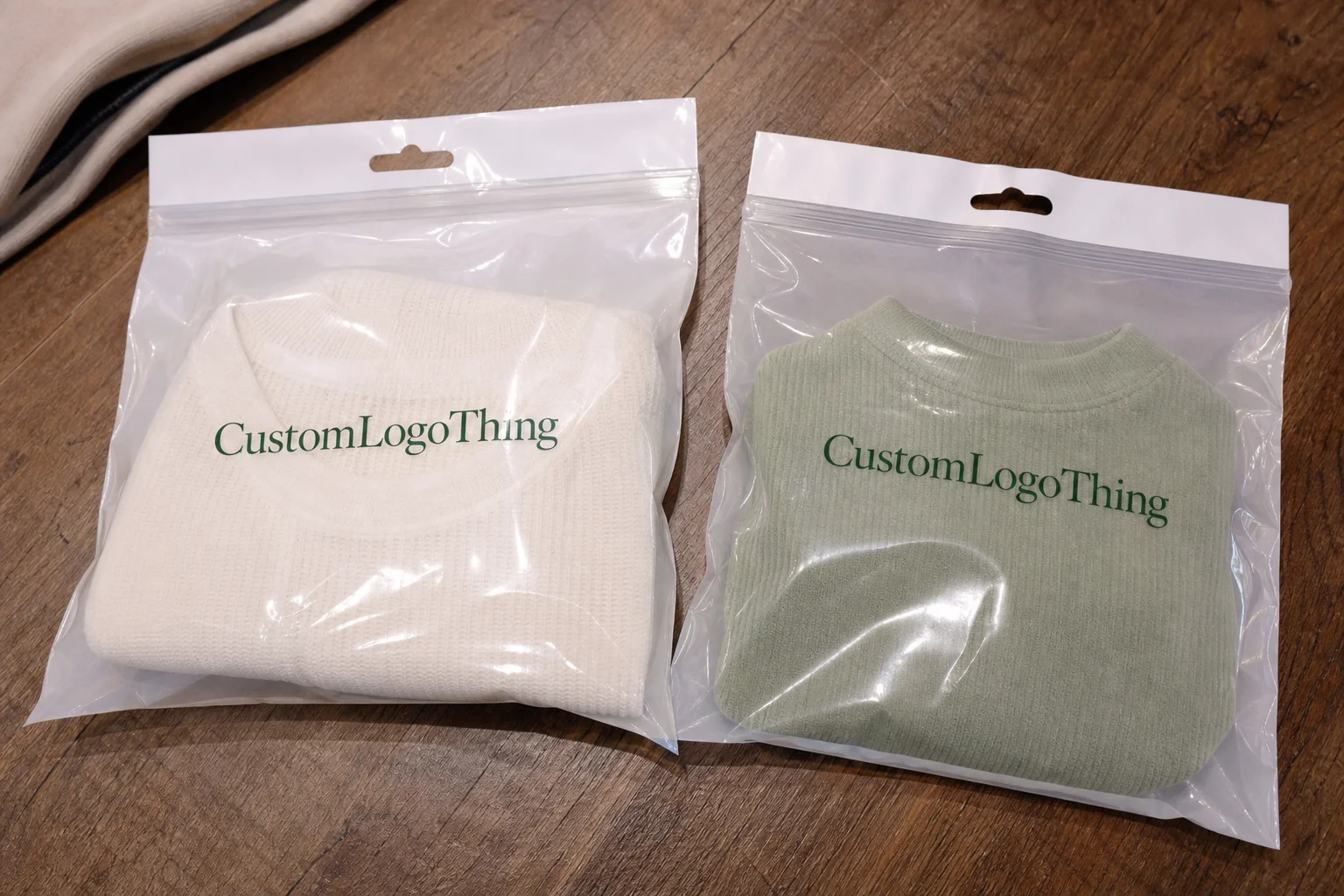
A clothing label supplier in China usually handles more than one product type. The range is broader than many first-time buyers expect: woven labels, printed satin labels, heat-transfer labels, leather patches, size tabs, and care labels. Some factories also produce hang tags or packaging pieces, but labels are often the core business.
The real work in a clothing label manufacturer china custom logo order is converting brand art into something that can be produced consistently. That means artwork conversion, thread or ink color matching, edge finishing, fold selection, backing choice, and sometimes material selection such as damask, cotton, TPU, or leather. The supplier is not just printing a name. They are translating a logo into a production method that survives sewing, wear, folding, and repeated washing.
From a buyer’s point of view, labels are easy to underestimate because they are small. That is a mistake. They are one of the few branded components that touch skin, sit inside the garment, and show up in product photos. Even a subtle mismatch in texture or color can make the whole item feel less considered.
Good suppliers usually ask about garment type, placement, and application method before quoting. That is not busywork. A neck label for a soft baby tee has different constraints from a side seam label on a denim jacket. Fabric thickness, expected friction, and wash conditions all matter. The same artwork can need a different construction depending on where it lives.
If your branding system includes packaging as well as labels, it helps to keep the visual language aligned across everything. Pairing labels with Custom Packaging Products and Custom Labels & Tags keeps the final presentation consistent instead of stitched together from separate decisions.
For brands still mapping out sourcing basics, About Custom Logo Things gives a useful overview of how a packaging supplier thinks about consistency, repeatability, and spec control.
How the Custom Logo Production Process Works
The process is usually straightforward if the buyer gives clear input. It starts with an inquiry, then artwork review, material recommendation, sampling, approval, bulk production, packing, and shipping. That sounds tidy. In reality, most delays happen because the buyer sends incomplete specs and then expects the factory to guess the rest.
To quote accurately, a supplier needs the label type, size, fold style, number of colors, quantity, attachment method, and finish. Leave out even one of those and the quote becomes a rough estimate. Rough estimates are fine for a back-of-the-envelope check. They are not fine when you are trying to compare vendors properly.
A standard proof chain often looks like this:
- Digital mockup for layout and placement
- Material recommendation based on garment use
- Physical sample for texture, color, and readability
- Pre-production confirmation before the bulk run
- Shipment photos if the buyer requests them
Lead time depends on complexity and order volume. Samples often take several days to two weeks. Bulk production commonly takes one to four weeks after approval. Shipping is separate, which means total turnaround can be longer than the factory estimate once freight and customs are added.
The most common delay points are predictable: missing vector files, too many color changes, unclear fold instructions, and last-minute size revisions. None of these are exciting. All of them cost time. If the artwork is not locked, the order is not really ready.
“Approved” should mean the file, material, size, fold, and quantity are final. Anything less is just a polite way to invite rework.
Cost, Pricing, MOQ, and Unit Cost Drivers
Pricing depends on the spec stack, not just the logo. The main cost drivers are label type, size, stitch count, color count, material, backing, finishing, and packaging requirements. A simple one-color printed satin label will not price the same way as a detailed damask woven label with a center fold and special backing. Complexity costs money. That is not a secret. It is the business model.
MOQ matters too. Woven labels and printed labels often have lower entry points than specialty options like embossed leather or highly customized patches. Larger volumes usually reduce the unit cost because setup is spread across more pieces. Small runs can be surprisingly expensive on a per-piece basis for the same reason.
Here is a realistic way to think about pricing instead of pretending there is one magic number:
| Label Type | Typical MOQ Range | Small-Run Unit Cost | Better-Volume Unit Cost | Best For |
|---|---|---|---|---|
| Printed satin label | 300-1,000 pcs | $0.05-$0.14 | $0.02-$0.06 | Soft garments, simple logos |
| Woven damask label | 500-2,000 pcs | $0.08-$0.22 | $0.03-$0.09 | Premium branding, fine detail |
| Heat-transfer label | 300-1,000 pcs | $0.10-$0.30 | $0.04-$0.12 | Tagless feel, activewear |
| Leather patch | 300-1,000 pcs | $0.18-$0.60 | $0.08-$0.25 | Denim, outerwear, premium branding |
Sample fees, setup charges, freight, and customs can change the landed price more than people expect. A quote that looks cheap on paper may become expensive once shipping and rework are added. Compare total landed cost, not just factory unit price. Otherwise you are comparing half a story.
If you want useful comparisons, every supplier should be quoting the same spec sheet. Same size. Same fold. Same quantity. Same backing. Same artwork version. Without that, the numbers are mostly noise.
Specs That Decide Whether Your Labels Look Premium
Material choice changes the feel immediately. Damask is a strong choice when you need fine detail and a polished woven finish. Satin feels softer and is common for next-to-skin applications. Cotton works well for brands that want a natural texture. TPU is useful for stretch wear and tagless branding. Leather or faux leather fits denim, outerwear, or rugged branding. The right material is about garment use first, mood board second.
Size matters more than people think. Tiny woven labels can look elegant, but shrink the logo too far and the text turns into a blur. Oversized labels have the opposite problem: they can feel heavy and distract from the garment. For neck labels, many brands stay around 20-40 mm in height. Outerwear patches are often larger, commonly 40-80 mm or more depending on the layout.
Fold type affects both comfort and appearance. Common options include end fold, center fold, Manhattan fold, loop fold, and straight cut. End fold is clean and easy to sew. Center fold is common for side seams or hanging applications. Manhattan fold gives a neat finish on neck labels. Loop fold is useful when the label needs to sit neatly in a seam allowance.
Color matching is another quality marker. If the logo should be deep navy and the woven thread comes back bright blue, the whole label reads wrong. For some brands, that is a small annoyance. For premium product packaging systems, it is a real problem. Ask whether the supplier uses Pantone references, thread charts, or digital color references, and how close they can reasonably match.
Durability checks are not optional. Labels should survive wash cycles, rubbing, and body heat without fraying, curling, or fading. If you are sourcing for an apparel line with regular wear and repeat laundering, ask how the supplier tests edge stability, print adhesion, and shrink behavior. A label that looks good on day one but distorts after washing is a waste of money.
For brands that care about test structure, industry references like ISTA and ASTM standards can help frame expectations around shipping and material performance, even if you are not running formal lab testing on every label run.
If sustainability claims are part of the brief, keep them specific. Recycled fiber, FSC-certified paper-based packaging, and verified sourcing are real claims. “Eco-friendly” by itself is mostly marketing fog. If paper-based components are part of the wider system, FSC is a relevant reference point.
Step-by-Step Ordering Checklist for First-Time Buyers
- Gather artwork in vector format and confirm logo colors. AI, EPS, or editable PDF is ideal. PNG files are not proper production files unless the design is extremely simple.
- Choose the label type based on garment fabric and brand position. Soft tee? Satin or heat transfer. Structured jacket? Woven or patch. Minimalist activewear? Tagless options usually make more sense.
- Decide size, fold, quantity, and application method. Sewing, adhesive backing, iron-on, and heat transfer all change the production method.
- Request a sample or digital proof before production. For detailed logos or tiny text, a physical sample is the safer route.
- Confirm packaging, shipping terms, and inspection expectations before paying the balance. This is where many buyers discover they assumed things the supplier never promised.
A short spec sheet saves a lot of back-and-forth. Include label type, dimensions, artwork file, Pantone references, quantity, fold style, and how the label will be attached. If you are sourcing labels alongside custom printed boxes or other packaging pieces, keep the branding notes consistent across every supplier. That makes the packaging system feel intentional instead of improvised.
For higher-volume programs, keep the same naming convention for every file. Version drift is a quiet problem. Someone approves “final_v4,” another person sends “final_final2,” and suddenly the factory is working off three different assumptions. Not ideal.
Common Mistakes That Cost Time and Money
The first mistake is ordering before checking garment compatibility. A label that feels fine on a coat can be scratchy on a baby tee. Adhesives that hold on one fabric can curl or fail on another. The wrong backing is a fast route to complaints and replacements.
Second mistake: assuming the sample will match the final order without confirming dye lot, thread variation, or finishing method. Samples are usually made under controlled conditions. Bulk production can vary slightly, and that is normal. What matters is whether the supplier keeps the spec stable from approval to shipment.
Third mistake: underestimating lead time and then expecting the factory to rebuild the line overnight. Rush orders tend to cost more, and they also limit your options if anything needs correction. Planning too late rarely saves money. It just makes the invoice more confusing.
Fourth mistake: submitting low-resolution art and expecting crisp micro-text. If your logo has tiny lettering, woven construction can only hold so much detail. Sometimes the right move is to simplify the design a little so it reproduces cleanly. That is not a compromise. It is good production judgment.
Finally, do not ignore shipping, duties, and rework risk when comparing suppliers. One quote may look 15% cheaper before freight, but the landed cost can end up higher once air shipping and corrections are added. A low quote is not useful if the labels arrive late or wrong.
Expert Tips for a Cleaner Quote and Smoother Reorder
Use one standard spec sheet for every inquiry. Same terminology. Same measurements. Same artwork version. That makes supplier quotes comparable and cuts down the usual quote chaos where every vendor is pricing a different interpretation of the same request.
Ask for photos of similar work, especially for the exact label type you want. If you are ordering woven labels, ask to see woven examples. If you want embossed leather patches, ask for those. A supplier who only shows generic product shots is not giving you much to work with.
Keep one master file for artwork and color specs. If multiple people approve the design, one person should own the final spec sheet. Otherwise you get “approved” changes after the order is already moving. That is a very expensive way to discover the team was not actually aligned.
Plan a reorder buffer. If sales are steady, do not wait until the last carton of labels is gone before reordering. Reordering while inventory is still healthy gives you time to compare pricing and avoid panic shipping. That matters even more for seasonal lines and retail packaging programs.
Choose finishes and materials you can repeat reliably. Fancy is nice. Repeatable is better. A clean woven label with stable thread colors and a standard fold usually beats a complicated finish that looks great once and drifts on every reorder.
For many brands, the smartest move is to keep labels aligned with the rest of the branded packaging system. Hang tags, mailer boxes, and custom printed boxes should all speak the same visual language. Not identical. Just consistent enough that the brand feels like one system instead of five separate decisions.
Next Steps Before You Request Samples or a Quote
Before you send RFQs, finalize your logo file, label dimensions, and preferred fold style. Decide whether your priority is premium feel, lowest unit cost, or fastest turnaround. Trying to maximize all three at once is how people end up disappointed by everyone involved.
Request two quote scenarios: one at your target MOQ and one at a larger quantity. The difference tells you how much room you have to improve unit economics if demand grows. That is far more useful than staring at a single number and hoping it becomes meaningful by itself.
Ask for sample timing, production lead time, and shipping terms in writing. Written confirmation matters because memory gets fuzzy once orders start moving. If the delivery window affects launch timing, confirm freight assumptions before approving the sample. There is no prize for discovering a delay after the products are already scheduled to ship.
After that, shortlist suppliers, review proof details line by line, and only then place the order. If you're working with a clothing label manufacturer china custom logo supplier, the details you lock now are the headaches you avoid later. That is the boring truth. It also happens to be the useful one.
FAQ
What should I ask a clothing label manufacturer China custom logo supplier before ordering?
Ask for material options, MOQ, sample cost, production lead time, and shipping terms. Confirm whether they can match your logo colors and how they handle proof approval. Request photos of similar labels so you can judge quality, not just price.
How long does custom clothing label production usually take in China?
Samples often take several days to two weeks depending on complexity. Bulk production commonly takes one to four weeks after approval. Shipping time is separate, so always check the total timeline, not just factory lead time.
What is the best label type for a custom logo on clothing?
Woven labels work well for detailed logos and a polished look. Printed satin labels suit softer garments and simpler branding. Heat-transfer labels are good when you want a tagless feel or minimal bulk.
How can I reduce the unit cost of custom clothing labels?
Increase order quantity if you can store the labels safely. Simplify the design by reducing colors, special finishes, and uncommon folds. Lock specs early so you avoid expensive re-sampling and rushed production.
Do I need a sample before placing a larger label order?
Yes, especially if the label is for a premium line or has small text. A sample helps verify color, texture, fold, and readability before bulk production. Skipping sampling can save time upfront but usually costs more when the final order is wrong.

