Working with a Custom Bag Manufacturer China custom logo buyers can rely on is usually less about chasing the lowest quote and more about getting a bag that does the job without turning into a problem later. The bag has to survive transit, carry the branding cleanly, and arrive in a condition that still looks intentional. Simple request. Not always simple execution.
From a packaging buyer’s point of view, the real job is to balance product packaging, print quality, unit Cost, and Lead Time. One order might be for a retail brand that needs sharp logo visibility at the counter. Another might be for e-commerce, where puncture resistance and seal strength matter more than looks. Same category. Very different specs.
That is why the phrase Custom Bag Manufacturer China custom logo should mean more than “can print a logo.” It should mean the supplier understands material options, tolerances, packing formats, and the practical limits of the production line. If they don’t, the quote may still look good. The bags probably won’t.
What a custom logo bag order really includes
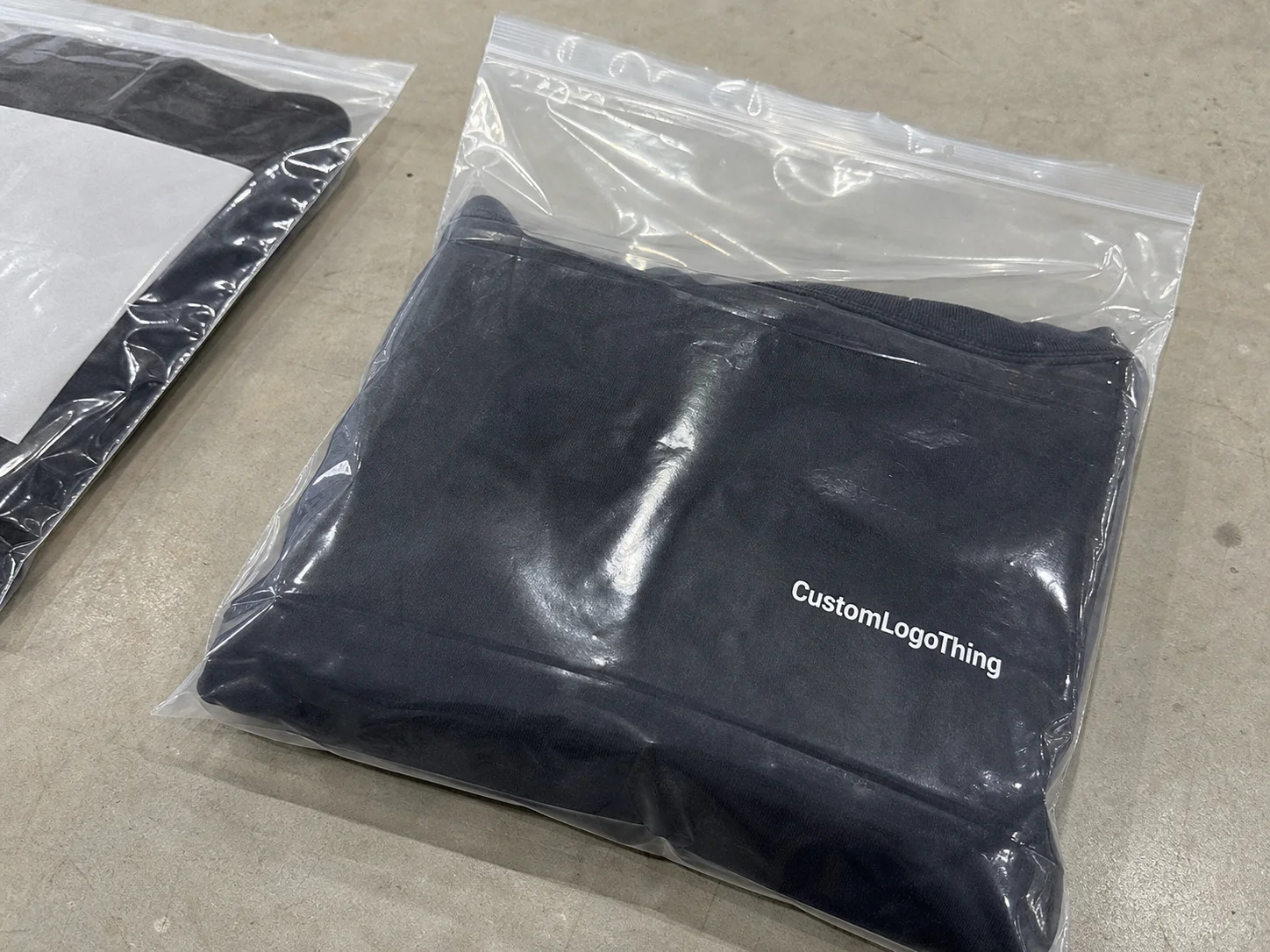
A custom logo bag order starts with a basic question: what is the bag supposed to do? If it is meant for retail display, the priorities lean toward appearance, print clarity, and hand feel. If it is for shipping or secondary protection, strength, seal integrity, and consistent sizing move to the top. That difference sounds obvious until someone asks for “one bag that does everything.” No. That is how specs get messy.
There are three common levels of customization. Stock bags are standard sizes with no branding. Semi-custom runs use an existing structure and add a logo, color change, or small functional upgrade. Fully custom bags are built around your size, material, closure, print layout, and packing method. The more custom the structure, the more control you get. Also, the more details you have to approve.
“Custom logo” can mean several things in packaging production. It may be a printed mark in one or more colors. It may be a tinted film matched to brand colors. It may include an embossed effect, a zipper, an adhesive strip, or a heavier gauge for a more premium feel. A 60-micron bag and a 100-micron bag can look close on screen. In hand, they are not the same product.
Most buyers need to settle five early decisions before a supplier can give a useful quote:
- Material type — LDPE, HDPE, CPP, OPP, or a laminated structure depending on use.
- Size — finished width, length, and gusset, if needed.
- Print method — flexographic, gravure, screen, or digital.
- Closure style — open top, zipper, adhesive strip, die-cut handle, or slider.
- Target budget — what the bag should cost at the planned quantity.
That list drives almost everything else, including shipping efficiency and shelf presentation. A smarter bag can improve retail packaging, reduce damage-related complaints, and make the brand look more deliberate. If you also use Custom Packaging Products across the line, the bag should fit the same visual system instead of floating off on its own.
A bag is not just a carrier. It is often the first physical brand touchpoint the customer handles, and that changes the entire package experience.
How the production process and timeline work
The production flow is fairly standard, but the pace changes with the print method, material availability, and how clean the artwork is. Most orders move through inquiry, artwork review, material recommendation, sampling, approval, printing, conversion, packing, and shipment. A reliable custom bag Manufacturer China Custom logo supplier should be able to tell you where the order sits at each stage, not just send a generic “in production” message and vanish.
Artwork readiness is one of the biggest timing variables. Vector files, usually AI, PDF, or EPS, are much easier to work with than a low-resolution JPG pulled from a website. The factory has to confirm logo placement, line thickness, color separation, and print-safe margins. If the logo uses fine type or tight registration, the artwork may need adjustment before plate-making starts.
Sampling and mass production are not the same thing. A sample can often be ready faster because it may use a smaller setup or a simplified process. Mass production involves full machine setup, material loading, and quantity checks. For a straightforward one-color bag, a sample may take a few business days. Mass production often runs around 12–15 business days after proof approval, assuming materials are available and the line is not fully booked. Multi-color work, zipper bags, or special finishes can extend that timeline.
MOQ matters because it changes how setup costs are spread. A factory cannot absorb plate-making, calibration, and changeover time on a very small run without pushing up the unit price. That is why MOQ is usually tied to production efficiency, not just sales preference. If the supplier also needs to source custom film or a special color masterbatch, the MOQ can rise again.
Shipping mode changes the calendar too. Air freight moves faster but usually costs much more per kilogram. Sea freight lowers transport cost but adds transit time and more handling points. If the bags are for a seasonal launch, that difference can decide whether the order lands on time or becomes a lesson in why calendars matter. When sourcing from a custom bag manufacturer china custom logo supplier, ask for a timeline that separates production days from freight days.
For packaging terminology and general standards, the Institute of Packaging Professionals is a solid reference if your team needs a common language for materials and test expectations.
Cost, pricing, and MOQ factors that change your quote
Pricing is where many buyers get tripped up, because two quotes can look similar while hiding very different assumptions. The biggest cost drivers are material grade, bag dimensions, print colors, thickness, closure style, and total volume. A larger bag uses more film. A thicker bag uses more resin. More colors usually mean more setup, more plates, and more waste during registration.
MOQ has a direct effect on unit cost because the fixed costs do not vanish when the order gets smaller. Plate-making, tooling, machine calibration, and first-run waste are spread across every piece. In a run of 50,000 bags, that impact is manageable. In a run of 3,000, it can be painful. That is why a lower quantity often looks expensive on paper even when the factory margin is reasonable.
Here is the short version: the cheapest bag is usually a commodity item with standard film, a simple size, one-color print, and minimal handling. A higher-value bag may use better film clarity, tighter gauge control, improved sealing, and cleaner logo reproduction. Buyers often compare only the headline price, but the real comparison is the spec sheet. If the spec is different, the quote is different. Not complicated. Just commonly ignored.
| Quote element | Low-detail quote | Proper spec-based quote |
|---|---|---|
| Material | “Plastic bag” | LDPE, 80 micron, virgin resin blend |
| “Logo printed” | 1-color flexo, 1 side, Pantone matched | |
| Size | Approximate | 300 x 400 mm, no gusset |
| Packing | Not stated | 100 pieces per inner pack, export carton |
| Freight | Excluded or unclear | FOB, EXW, or DDP stated clearly |
There are also costs that do not show up cleanly in the first email quote. Samples may be charged, especially if a new plate or custom cutter is needed. Freight can exceed expectations if the cargo is bulky. Color matching may need another round. Customs handling fees vary by destination and shipping terms. A buyer working with custom bag manufacturer china custom logo suppliers should ask whether the quote includes packing counts, outer cartons, and export markings.
For environmental context around plastics, material recovery, and waste handling, EPA guidance is useful when internal sustainability teams ask how the bag fits into broader packaging decisions.
Choosing the right film, thickness, and print method
Film choice affects how the bag feels, seals, prints, and performs in real use. LDPE is softer and more flexible, which often works well for retail and garment packaging. HDPE is crisper and more economical for lightweight applications. CPP offers better clarity and a smoother surface, while OPP is often chosen when a sharper retail appearance matters. Laminated structures can combine properties, but they add cost and complexity.
Thickness changes both function and perception. A 40-micron bag may be perfectly adequate for lightweight items, yet it can feel thin or flimsy to a customer holding premium product packaging. A 90- to 120-micron bag often feels more substantial and resists puncture better, but it also uses more material and can alter sealing behavior. The right gauge depends on product weight, handling, and how much premium feel you want to signal.
Print method choice matters just as much. Flexographic printing is common for longer runs and simple graphics because it is efficient once setup is complete. Gravure printing can deliver strong image quality for large-volume work, although setup costs are higher. Screen printing is useful for bold logos on certain surfaces, especially when the design is simple. Digital printing can help with smaller runs or artwork that changes often, but it is not always the lowest-cost route for bigger quantities.
There is also a design decision that gets ignored too often: complexity. A one-color logo usually prints more reliably than a four-color artwork packed with gradients and tiny text. If speed, cost control, and consistency matter, simpler is often better. Buyers tend to learn that after the first production run, which is one of those expensive forms of education nobody wants twice.
For brands that also invest in custom printed boxes and other printed components, matching the bag’s tone, print density, and finish helps the packaging feel intentional instead of assembled from random parts. The bag does not need to match everything exactly, but it should clearly belong to the same brand system.
Step-by-step checklist for placing an order
A clean order starts with a clear use case. Is the bag for retail display, e-commerce shipping, gift packaging, or promotional distribution? That one answer shapes the rest of the spec. If the bag is for a storefront, appearance may outrank abrasion resistance. If it is for shipping, seal strength and puncture resistance move to the top.
- Define the application — retail, shipping, protection, or gifting.
- Confirm dimensions — width, length, and gusset if needed.
- Choose material and thickness — based on product weight and handling.
- Select closure style — open top, zipper, adhesive, handle, or slider.
- Prepare artwork — vector logo, brand colors, and placement notes.
- Request a proof or sample — especially for sensitive colors or unusual shapes.
- Review the final spec sheet — before production starts.
- Confirm shipping terms — FOB, EXW, or delivered terms.
When you send artwork, include the intended print area and any “do not print” zones. If the logo must match a specific Pantone color, say so early. If the bag is transparent or semi-clear, remember that print contrast changes depending on the film tone behind it. Small detail, big difference.
For buyers comparing packaging suppliers, the team at About Custom Logo Things can help clarify how product packaging choices are usually structured, especially if you need to coordinate bag orders with labels, mailers, or insert materials.
Always approve the final written spec, not just a screenshot. A proper production sheet should include size, thickness, material, print method, color count, packing count, tolerances, and delivery terms. If that document is accurate, the next reorder becomes much easier.
Common mistakes buyers make with overseas bag sourcing
The first mistake is assuming all quotes mean the same thing. They rarely do. One supplier may quote a 60-micron bag with a basic one-color print, while another quotes 80 microns, better film, and tighter packing. The unit price looks similar until the spec sheet is compared line by line.
The second mistake is sending vague artwork instructions. If logo placement is not clearly dimensioned, the printer may center it differently than expected. If the artwork file is low resolution, edges can soften and the brand mark looks weaker. If colors are not referenced properly, the final print can drift away from the brand standard.
Another common error is choosing the cheapest quote without checking film quality or seal performance. Thin bags can tear at the fold, seals can split under load, and print consistency can suffer if the material is inconsistent. For branded packaging, that kind of failure is especially painful because the defect is visible to the customer.
Sampling gets skipped more often than it should. If the bag is meant for retail display, color accuracy and surface finish matter enough to justify a sample or mockup. A small delay here is usually cheaper than a full reprint later. That is true for most custom bag manufacturer China custom logo projects, even when buyers are under pressure to move fast.
Freight and customs handling also get underestimated. Bags are light, but they can be bulky, which means volume can drive freight costs higher than expected. Revisions can add a week or more. And if the bag needs a different carton pack or label format, those changes can ripple through the shipment plan.
Expert tips for better results and a smoother reorder process
One of the best habits a buyer can build is a reusable spec sheet. Save the approved bag size, material, thickness, print method, packing count, color reference, and carton format in one file. If multiple branches or product lines use the same bag family, that document prevents a lot of avoidable drift between orders.
Design within the limits of the print method. Tiny reversed text, hairline rules, and crowded corner details can look sharp on screen and still print poorly on film. A cleaner design often produces a better premium look because the logo lands with stronger contrast and fewer registration issues. In packaging design, restraint often reads as quality.
Ask for acceptable tolerance ranges before approval. Finished-size variation, print shift, and shade variation all exist in real production, even on good runs. A sensible supplier will tell you what range is normal and what counts as a defect. That kind of honesty builds trust and makes post-production review much easier.
Reorder planning matters too. If a bag sells steadily, reorder before stock runs low, because lead time can expand during busy periods. A buffer based on actual consumption rate is far safer than reacting when inventory is nearly gone. This is especially true for retail packaging tied to promotions or seasonal spikes.
Honestly, a simpler bag structure often looks better than an overbuilt one. Fewer add-ons can mean cleaner lines, fewer failure points, and better economics. That is usually the kind of package branding decision that works quietly in the background, which is exactly how good packaging should behave.
Next steps before you request a factory quote
Before you request quotes, gather the core details in one place: bag type, dimensions, material, thickness, logo file, quantity, and delivery destination. If you already know the use case, include that too, because a retail bag and a shipping bag are not priced or built the same way.
Then compare at least two written specs side by side. Not just two prices. Look at material grade, print method, packing count, shipping terms, and sample policy. That comparison quickly shows which supplier is quoting the same product and which one is quietly offering a different build.
It also helps to confirm sample timing before production starts. If approval has to pass through marketing, operations, and procurement, add that time into the schedule now rather than discovering the delay later. A good custom bag manufacturer China custom logo partner should be able to build that approval path into the timeline.
If you are managing multiple packaging programs, align the bag decision with the rest of the retail packaging or shipping system. The bag should support the product, the channel, and the brand promise, not fight them. That is the real test of whether the order is working.
For a strong starting point, review your packaging goals, save the final approved spec, and keep the artwork files organized. That makes the next reorder faster, more accurate, and far less stressful.
Frequently asked questions
How do I compare a custom bag manufacturer China custom logo quote fairly?
Check whether the quote includes the same material, thickness, print method, and bag dimensions. Compare MOQ, sampling charges, packaging details, and shipping terms, not just the unit price. Ask for a written spec sheet so every supplier is bidding on the same product.
What files should I send for custom logo bag artwork?
Send vector artwork when possible, usually AI, PDF, or EPS, so the logo prints cleanly. Include brand color references and note if the logo must match a specific Pantone tone. Provide the intended print area and placement so the factory can check fit before sampling.
What affects the lead time for plastic bags with custom printing?
Lead time depends on artwork approval, plate-making, material availability, production queue, and shipping method. Simple one-color orders usually move faster than multi-color or special-finish jobs. Sampling and revisions can add extra days before mass production begins.
Why does MOQ change the unit cost so much?
The setup cost for printing, tooling, and machine adjustment is spread across every unit in the order. Smaller runs carry more cost per bag because setup does not shrink much. Higher quantities often lower unit cost, but only if storage and usage plans make sense.
Can I reorder the same bag later without redesigning it?
Yes, if the original spec sheet, artwork files, and approved colors are saved clearly. Keep a record of bag size, material, thickness, print method, and packaging count for consistency. A good reorder file reduces mistakes and speeds up approval on future runs.

