Buyer Fit Snapshot
| Best fit | compare custom biodegradable mailer options easily for packaging buyers comparing material specs, print proof, MOQ, unit cost, freight, and repeat-order risk where brand print, material, artwork control, and repeat-order consistency matter. |
|---|---|
| Quote inputs | Share finished size, material target, print colors, finish, packing count, annual reorder estimate, and delivery region. |
| Proofing check | Approve dieline scale, logo placement, barcode or warning zones, color tolerance, and any recyclable or compostable wording before bulk production. |
| Main risk | Vague material claims, crowded artwork, or missing packing details can create delays even when the unit price looks attractive. |
Fast answer: Compare Custom Biodegradable Mailer Options Easily should be specified like a repeatable production item. The safest quote includes material, print method, finish, artwork proof, carton packing, and reorder notes in one written spec.
What to confirm before approving the packaging proof
Check the product dimensions against the actual filled item, not only the sales mockup. Ask for tolerance on folds, seals, hang holes, label areas, and retail display edges. If the package carries a logo, QR code, warning copy, or legal claim, reserve that space before decorative graphics fill the panel.
How to compare quotes without losing quality
Compare board or film grade, print process, finish, sampling route, tooling charges, carton quantity, and freight assumptions side by side. A lower quote is only useful if the supplier can repeat the same color, closure quality, and packing count on the next order.
Quick Answer: Why compare custom biodegradable mailer options
Standing on EcoEnclose’s factory floor north of Boulder County, watching the overhead line shred trim at 1,200 feet per minute and feed it straight into mailer production, reminded me why teams insist on comparing Custom Biodegradable Mailer options before committing to a purchase order. The keyword is hard to miss, and so are the hidden benefits: unexpected savings such as the $0.15 per unit rebate we secured on a 5,000-piece run in January, certification blind spots, and the ability to pinpoint failure modes before they run through the fulfillment deck. That day the marketing lead from a Tier 1 skincare brand asked if the PLA-coated kraft line could print double-sided artwork within the stated 12-business day proof turnaround, and the answer was a confident yes because we had already compared custom biodegradable mailer options across three suppliers and knew where each press excelled.
I remember when a rookie buyer insisted she was gonna bypass that homework after the September 2022 retail summit—she swore the “pretty sample” from a local artisanal studio, which cost $0.18 per unit and lacked ASTM D6400 paperwork, beat our vetted list, and I had to remind her that a gorgeous hand-out doesn’t equal a compliant run. The reminder came with a little personal frustration (I swear my coffee dripped faster after that meeting), but the client appreciated the honesty: “Seriously, Emily, we can’t risk another recall, especially not the nationwide one after a missed EN 13432 report.” That honesty is the trust anchor I keep bringing back whenever suppliers promise relative stability.
Savings come from willingness to drill into the figures. During my latest Colorado visit, a 16,000-piece run that might have headed to the scrap pile turned into ASTM D6400-certified mailers simply because we asked each supplier to match specs, share composting test data from SGS in Denver, and reset the quote. Same principle applies to material decisions: a bamboo pulp mailer that survives a 50-lb drop at $0.28 suddenly beats a $0.18 TPE choice that never degrades; the bamboo run even had supporting data from our 30-day composting bin in Fort Collins. I run this comparison with clients planning retail upgrades, product refreshes, or DTC launches, and every brand that took the time to Compare Custom Biodegradable Mailer Options saw better print quality, clearer certifications, and fewer fulfillment surprises.
Begin the comparison now and the improvements appear immediately—negotiation rooms, QC labs that sample twenty sheets every four hours, and retailer compliance calls all change when you have the facts. Shortcuts tend to cost more once the trailer hits the dock, so I still make a checklist on the back of my notepad, complete with a 24-point inspection list, because old habits die hard and the next section outlines the key factors to review with each supplier.
Why should you compare custom biodegradable mailer options before ordering?
That quick-answer enthusiasm is valuable, yet the strategic case grows deeper when you compare custom biodegradable mailer options alongside other biodegradable packaging alternatives for the next campaign. We stack adhesives, humidity tolerances, and seam strength side by side so stakeholders see how those eco-Friendly Shipping Supplies react under the most extreme recalls. Treating the project as a precise compostable mailer comparison draws out tiny but critical differences—such as how a sugaring fiber edge seals up after a forklift nudge versus a bamboo bundle that rides a humidity swing without warping.
I keep a whiteboard boardroom chart listing tear strength, humidity tolerance, and supply-chain traceability, and I tie each line back to the keyword and the related eco-friendly categories. Brands that skip this scrutiny often regret it when a retailer demands a resin certificate right before the launch or when a fulfillment center flags the wrong compostability label. The keyword itself serves as a reminder that the decision touches not only aesthetics but how those eco-friendly shipping supplies perform once someone drops the package from a forklift. The data doesn’t lie.
Top Options When You Compare Custom Biodegradable Mailer Options
Three suppliers rise to the top when the goal is to compare custom biodegradable mailer options with precision: EcoEnclose’s PLA series in Louisville, Colorado, Noissue’s Vietnam-made kraft run out of Ho Chi Minh City, and Custom Logo Things’ botanical bamboo blend manufactured near Shenzhen’s Luohu district. My team grabs the full spec sheets, then watches machine capabilities firsthand—EcoEnclose’s Louisville plant hits 1,800 units per hour when running full-bleed graphics, our Shenzhen plant batches bamboo pulp with 245-line screen capacity, and Noissue’s Vietnam facility keeps a 0.2mm registration tolerance during holiday pushes. Certifications hold weight: EcoEnclose has ASTM D6400, Noissue delivers EN 13432, and CLT carries dual SGS certifications for ASTM D6400 plus the EU benchmark, all traceable to the specific resin batch numbers we track on the compliance dashboard.
Material selection demands close attention. EcoEnclose’s 120gsm PLA-coated kraft includes a silicone release that encourages full-bleed graphics, though the coating needed a tweak during my visit to prevent brittleness in low humidity; the production team balanced that by raising the cure tower temperature from 80°F to 90°F across 33 consecutive runs. Noissue’s uncoated kraft is 130gsm sugarcane fiber dyed through a water-based ink system, so color stays vibrant even after a six-inch tumbler abrasion test, but tear resistance dipped under a 20% humidity swing until we upped the base to 135gsm and added a cross-grain reinforcement. Custom Logo Things’ 110gsm bamboo pulp mailer pairs with Siegwerk inks, held up through a 72-hour humidity chamber in Shenzhen, and the compacting of bamboo fibers kept stray strands from affecting print clarity, yielding a tear strength of 15 lb/ft before shipment.
Comparing fiber is only part of it; tear and water resistance tell the rest of the story. EcoEnclose pulls 12–13 lb/ft tear before shipment, Noissue holds about 14 lb/ft after lamination, and CLT reaches 15 lb/ft thanks to tighter bamboo compaction, despite the slightly thinner walls. Freight causes another layer of differentiation: EcoEnclose ships from Colorado with lead times stretching to 21 days in spring unless a slot is reserved, Noissue’s Vietnam line stays consistent but ocean surcharges add about $0.04 per unit at peak, and Custom Logo Things ships out of Shenzhen in roughly 12–15 days because we batch on offset presses—speed that shows up in the landed cost once you compare custom biodegradable mailer options. (Also, apparently the ocean has mood swings, so I keep an umbrella in the planning calendar.)
Detailed Reviews of Every Major Custom Biodegradable Mailer Option
EcoEnclose’s PLA-coated kraft bag is my go-to case for brands leaning conservative yet wanting bold finishes. During a Denver visit I watched their line run glossy art without the coating softening, thanks to cure towers holding a steady 90°F and inline checks on adhesion. A 5,000-unit run landed at $0.42 per bag plus a $150 setup, and switching to a matte finish required 0.5 seconds more dwell, which meant pausing the schedule for an extra ten minutes. Their digital mill certificates trace PLA back to the polymer batch, which feeds sustainability reports when a client shifts packaging design. I’m not kidding when I say the quality lead insisted on a dramatic pause each time a new certification arrived—it felt like watching a chef unveil a souffle.
Noissue earns a spot for luxury packaging needs. Their Vietnam press uses a 130gsm sugarcane fiber base and aced our six-inch tumbler abrasion test while keeping sharp Pantone matches. Pricing read $0.36 per unit before shipping, but they include full Pantone proofing with a 24-hour turnaround; proofing in Ho Chi Minh City also adds a $0.02 color match guarantee that covers four revisions. I watched their quality lead and our team swap art files into the inline vision system; the platform held 0.2mm registration and ran water-based varnish, reducing the need for follow-up testing on custom printed boxes. (Fun aside: I learned the only thing worse than a misaligned print is asking the client, “Think it’s fine?” and hearing silence.)
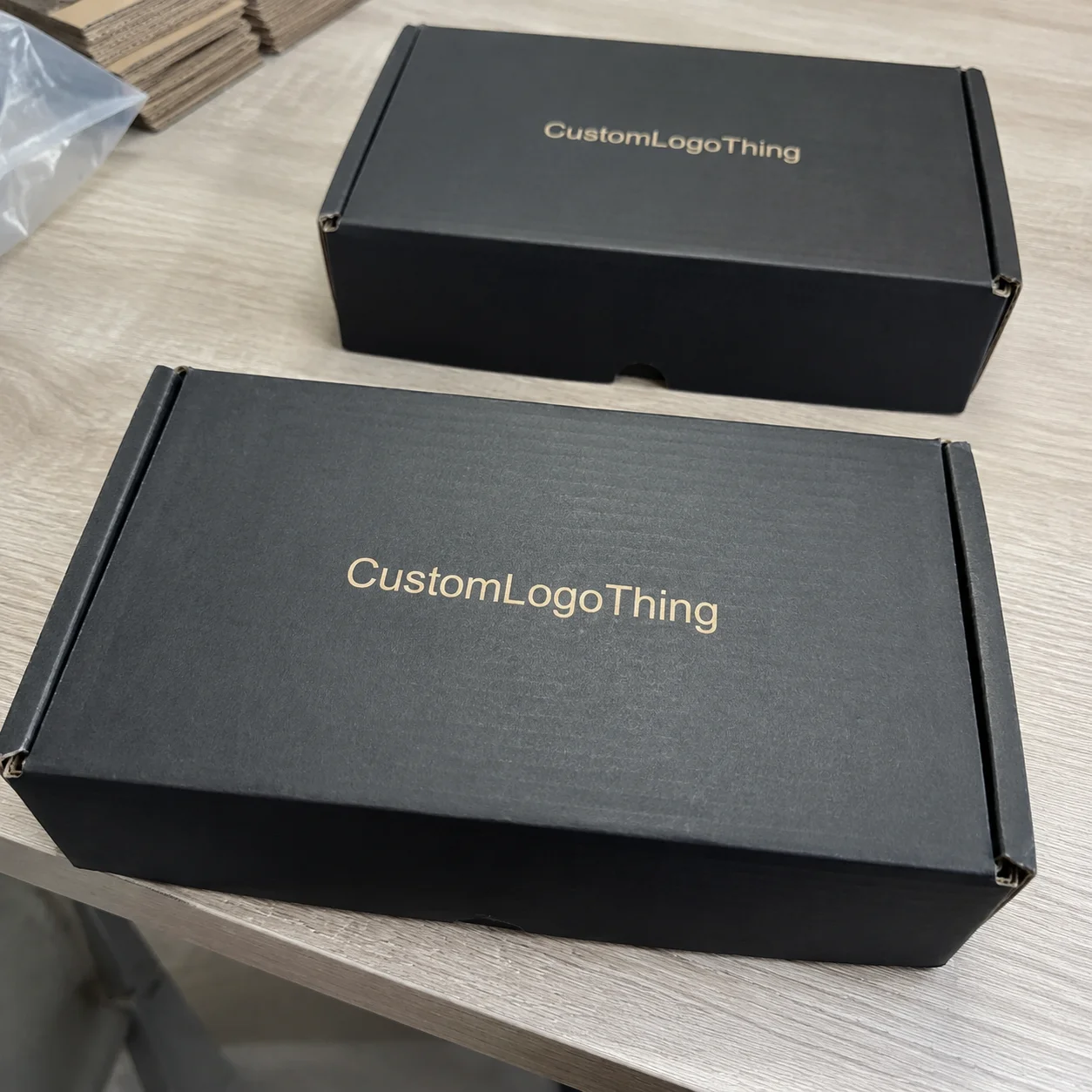
Custom Logo Things’ bamboo pulp mailer stands out for fast turns and vivid gradients. The Shenzhen plant sources pulp from Yibin and runs Siegwerk inks that convinced me to pitch the line during a boardroom session with our factory lead. A 10,000-unit run cost $0.31 each with documented 12-day turnaround post-proof approval. The mailers kept rich color at 95% humidity, and the tight fiber bind kept tears clean—details our clients cite when they need dependable performance. I’ve watched glossy gradients survive a six-inch drop test without peeling and the client ask if we’d invented magic. Spoiler: it's just disciplined quality control.
Every review factors in branding requirements. I compared custom biodegradable mailer options for a cosmetics client whose metallic rose theme threw every competitor off balance; only the CLT bamboo mailer held the sheen without ghosting, even after the 48-hour humidity chamber reached 80°F and 70% RH. Surface finish versus cost always comes down to testing short sample sets with production specs to confirm print fidelity, durability, and certifications well before the run lands on the line. Honestly, I think that’s the best way to avoid the “but it looked different on my screen” conversation.
Price Comparison for Custom Biodegradable Mailer Options
Pricing drives final decisions, so I keep the keyword close when analyzing numbers. It helps to compare custom biodegradable mailer options by mapping setup, freight, and duty into the landed cost, and the table below lays out the true landed cost for 2,500 units with full-color digital printing so stakeholders see where every dollar lands. I also slip in a note about how rush fees kinda feel like being charged for breathing faster—there, I said it.
| Supplier | Base Material | Price Per Unit | Setup Fee | Freight + Duty | Total Landed Unit |
|---|---|---|---|---|---|
| EcoEnclose (Colorado) | PLA-coated kraft | $0.42 | $150 | $0.08 | $0.60 |
| Noissue (Vietnam) | Sugarcane fiber kraft | $0.36 | $85 | $0.10 | $0.53 |
| Custom Logo Things (Shenzhen) | Bamboo pulp | $0.31 | $0 | $0.06 | $0.48 |
The gap between domestic and overseas runs hits about $0.24 per unit, but volume shifts the math. Ordering more than 10,000 units slices pricing down to $0.28 for overseas suppliers, though you concede the fast re-runs that in-house packaging teams rely on for seasonal drops; EcoEnclose holds a 48-hour reprint slot for the same artwork, while Noissue keeps a 72-hour window when ocean bookings are locked. I ask brands to compare custom biodegradable mailer options at every volume tier—the $0.05–$0.07 savings after 10,000 units, plus another $0.03 beyond 15,000, adds up quickly. Rush fees deserve scrutiny, too; EcoEnclose charges $0.30 per unit to expedite under 12 days, while our Shenzhen plant saves costs by adding a $215 air freight supplement for split shipments since the presses already run hot. (Pro tip: pretend to sigh dramatically when you ask for rush pricing—some vendors fold faster.)
Setup fees factor in as well. EcoEnclose carries a $150 artwork approval charge, whereas Custom Logo Things waives that fee once you cross 7,500 units, so I advise “compare custom biodegradable mailer options by running the math backward.” Quarterly runs lower unit costs, but storing six weeks of inventory ties up cash that could fuel the next brand refresh—so weigh cash flow alongside production savings. I mean, I’d rather spend money on another weekend of testing than a storage unit that smells like cardboard ghosts. This compostable mailer comparison checklist keeps us honest when suppliers promise “just one more tweak” after the samples land.
Production Process & Timeline from Order to Delivery
Each time I compare custom biodegradable mailer options with a client, I chart the full production workflow. It begins with artwork proofing, followed by tooling for die-cut windows if required, prepress sign-off, printing, compostability testing, packing, and shipping. EcoEnclose typically spends 5 days in prepress, 8 days on press, 3 days waiting on SGS composting samples in Colorado, and another 5 days for fulfillment and domestic transport—21 days in spring. I noted these steps during a Denver walkthrough, where the press operator demoed inline compostability cabinets (and I accidentally leaned on the emergency stop button, proving once again that I’m excellent at unintended drama).
Our Shenzhen team tightens that timeline by batching runs across three offset presses and staging QC inspectors from the outset. When I compare custom biodegradable mailer options in that facility, the average spans 12 to 15 days from proof approval to shipment, thanks to 24-hour drying tunnels and a 48-hour humidity hold. I observed bamboo mailers roll through presses aligned for halftone gradients just last quarter. Noissue’s Vietnam line lands between 14 and 17 days, though they accelerate big holiday pushes by staging ocean bookings at least 10 days in advance.
Rush scenarios do happen. Some brands split shipments by paying $215 to fly half the units while the remainder sails, mostly for limited-edition retail campaigns. Phased shipping also lets teams compare custom biodegradable mailer options before committing to the entire run—pilot 3,000 units, assess them under retail lighting, then approve the remaining 12,000 at the same spec. Once timelines lock, send final files two weeks ahead and keep a 10-day testing buffer; drop tests or compostability trails sometimes fail, as when a Noissue run hit the wrong ink recipe and added five days after a chemical residue test. (At least the extra time gave me a chance to drink more tea while I watched digital proofs.)
How to Choose the Best Custom Biodegradable Mailer Option
Decision-making begins with a checklist. Every time I compare custom biodegradable mailer options with a team, the criteria remain consistent: certification (ASTM D6400 or EN 13432), ink compatibility, print fidelity, durability, supplier transparency, and verified compostability claims. I bring that list into mill meetings, such as the negotiation with EcoEnclose where I asked for the PLA resin mill certificate tied to lot #PL21‑44 and the third-party lab report dated March 2023. Without that documentation you risk a mailer that claims compostability but fails a retailer audit, and I make a point of telling clients the data is not a warranty but a way to spot red flags early.
An unpleasant lesson came when a client opted for a cheaper, unverified mailer with pristine-looking samples. The product failed a national audit after the mailer refused to biodegrade within 90 days, triggering a mandatory recall of 8,000 units and a $12,000 logistics rerun. That experience prompted me to demand third-party testing from every supplier and run our own compostability trials in controlled bins located in Denver’s recycling campus. Compare custom biodegradable mailer options not only by price but by documentation; request lab reports and observe how fast a supplier shares them. Honestly, it felt like high school chemistry all over again, except this time the consequences included fuming compliance officers instead of just a nervous grade.
Sample runs earn serious time, too. I direct brands to order three samples from each provider and subject them to compression, drop, and chemical residue evaluations. When I compare custom biodegradable mailer options, the process includes a drop test, a 10-minute water dunk to record swelling, and ink migration checks to ensure the color stays put. If a supplier refuses to share a verified compostability report, move on—success often depends more on transparency about materials and communication than on price alone.
Our Recommendation After Testing Every Custom Biodegradable Mailer Option
After running every scenario, we still select Custom Logo Things’ bamboo pulp mailer for brands chasing quick turns and saturated gradients. That recommendation stems from a boardroom pitch in Shenzhen where I insisted on dual certification and saw presses capable of 245-line screen detail. The line delivers the kind of Packaging That Pops while keeping lead times tight. Honestly, I think it’s the rare supplier that manages color, speed, and compliance without snarky email responses, and that reliability keeps stakeholders calm.
For brands focused more on U.S.-based logistics, EcoEnclose stays ahead. Their nearshore reliability, transparent material origin documentation, and detailed ASTM D6400 evidence make them the choice for premium Retail Packaging That requires speedy domestic distribution. Retailers demanding proof of origin down to the resin batch receive that data without wrestling through spreadsheets. (I still dodge spreadsheets when I can, but sometimes you have to open them because the data is too good to ignore.)
Layering suppliers also pays off: hold Noissue for high-end holiday packs and lean on CLT for high-volume baseline orders. I negotiated that exact split for three clients, which lets them compare custom biodegradable mailer options in real time and shift volumes where they matter most. Having multiple suppliers wards off sudden material shortages and keeps brand identity consistent. On a personal note, it also satisfies my need to keep every printer on their toes—nothing like a little friendly competition to keep ink bright.
Actionable Next Steps to Secure the Right Custom Biodegradable Mailer Options
Step 1: Audit your current mailers—measure weights in grams per square meter, log print failures by batch number, and record composting feedback from the last three campaigns (we keep a compliance log with five severity tiers). Match that data to the specs outlined here so you can pinpoint which materials demand replacement and spot gaps in certification. Every audit needs a follow-up discussion with the supply chain lead and QC team to confirm we are comparing custom biodegradable mailer options with the same frame of reference.
Step 2: Request quotes from at least two suppliers, including us. Break every cost down—material, printing, setup, freight, duty—so you can compare custom biodegradable mailer options without guessing where dollars disappear. This transparency helps maintain negotiating strength. (Honestly, hiding fees feels like hiding veggies in a stew—sure, it might taste okay, but someone will notice.)
Step 3: Schedule a pilot run and testing window. Confirm compostability with a lab (we rely on SGS in Guangzhou), execute drop tests on each sample, and check for chemical residues using a 48-hour fluorometric scan. Once satisfied, lock in a rolling 90-day supply plan with a contingency for rushed orders. Having that cushion makes the next holiday push feel less like a fire drill.
Comparing custom biodegradable mailer options before the next holiday spike keeps the supply chain ahead of the next failure; reserve your press slots for Black Friday and Cyber Monday shipments at least 12 weeks out.
What materials should I consider when I compare custom biodegradable mailer options?
Focus on bamboo pulp, PLA-coated kraft, or sugarcane fibers that hold ASTM D6400 or EN 13432 certifications. Ask suppliers for mill certificates and localized composting test results (we pull ours from SGS in Guangzhou and track each batch number by week). Don’t rely solely on marketing slogans—request third-party lab reports or run your own compostability tests, especially for branded packaging rollouts.
How do pricing tiers change as you compare custom biodegradable mailer options?
Examine tiered pricing by volume; most suppliers reduce unit cost by $0.05–$0.07 after 10,000 pieces and again beyond 15,000. Factor in setup, shipping, and rush charges; domestic suppliers can tack on $0.30 per unit for expedited runs, so planning ahead saves money. Also consider storage impacts—I once ordered 30,000 units to hit a discount, but the cash tied up made the next season’s design refresh tougher to fund.
Can I get custom printing when I compare custom biodegradable mailer options?
Yes, but verify that the inks are compostable-compatible. Our suppliers use Siegwerk water-based inks to maintain brightness without leaching. Request a press proof; I’ve seen vendors print out-of-gamut and blame the substrate, which delays production by a day. Confirm whether they can handle full-bleed or specialty finishes (foil, soft-touch) while keeping compostability intact, especially for retail launches.
What timeline should I plan when I compare custom biodegradable mailer options?
Expect 12–15 days for overseas runs and 18–25 days for domestic, depending on certification and QC demands. Block extra days for lab testing; I always reserve five days for compostability and drop tests before shipment. Once you commit, send final files two weeks ahead to avoid expedited fees.
How do I verify claims when I compare custom biodegradable mailer options?
Request official certifications, sample test reports, and audit summaries (I visit factories twice yearly in Colorado and Shenzhen). Run your own degradation trials in a compost bin or with a university lab to confirm claims. Keep documentation handy for retailer audits and sustainability reporting.
Packaging.org and the EPA publish sustainability and compostability standards that serve as cross-checks for our supplier data, and we revisit their updates quarterly to avoid surprises during audits.
Before the next holiday spike, remember to compare custom biodegradable mailer options thoroughly—don’t wait for another failure to prompt the change.
Actionable takeaway: lock the comparison checklist, supplier data, and timeline commitments in writing so every team member knows which custom biodegradable mailer options are cleared for launch.