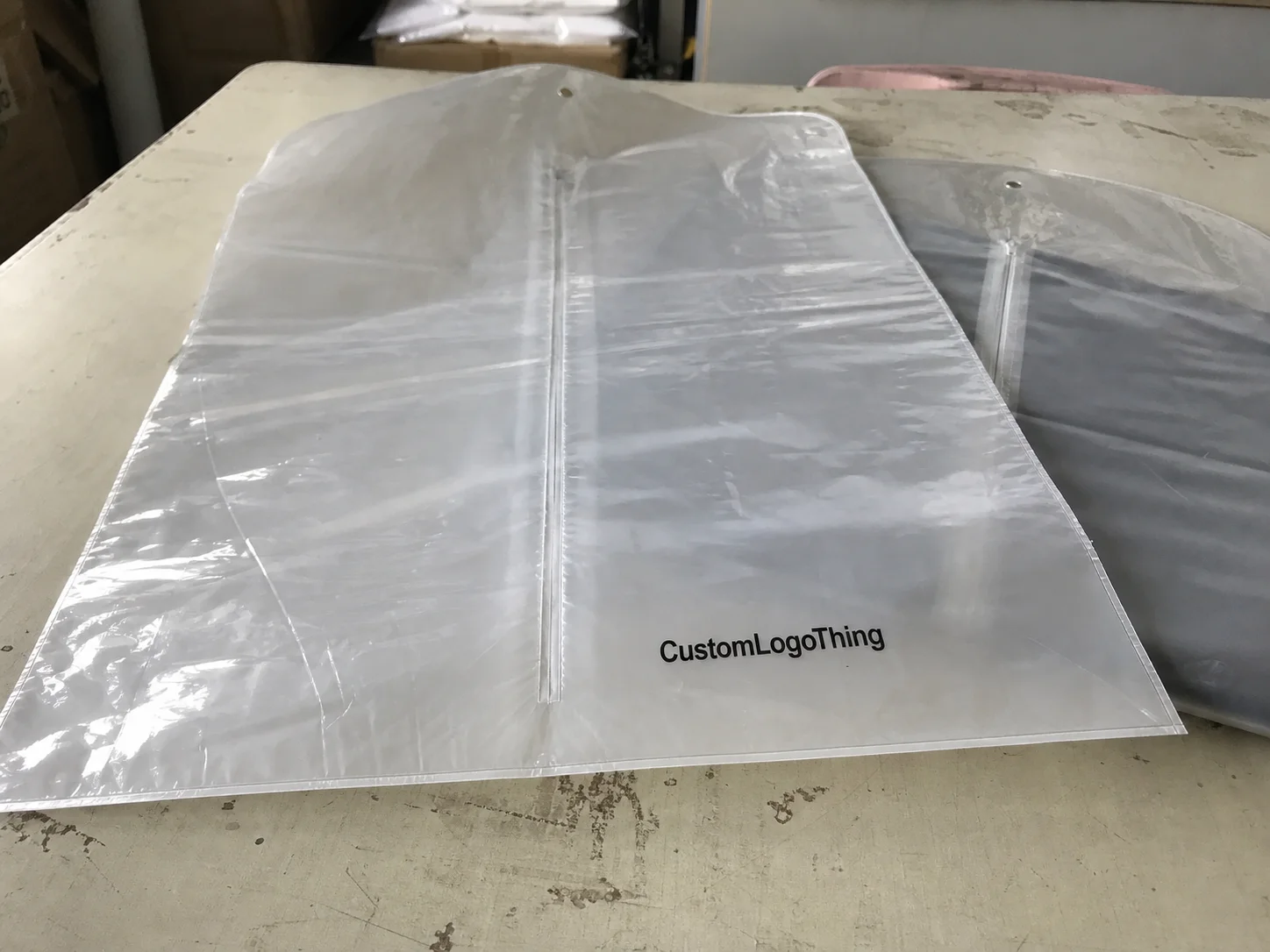
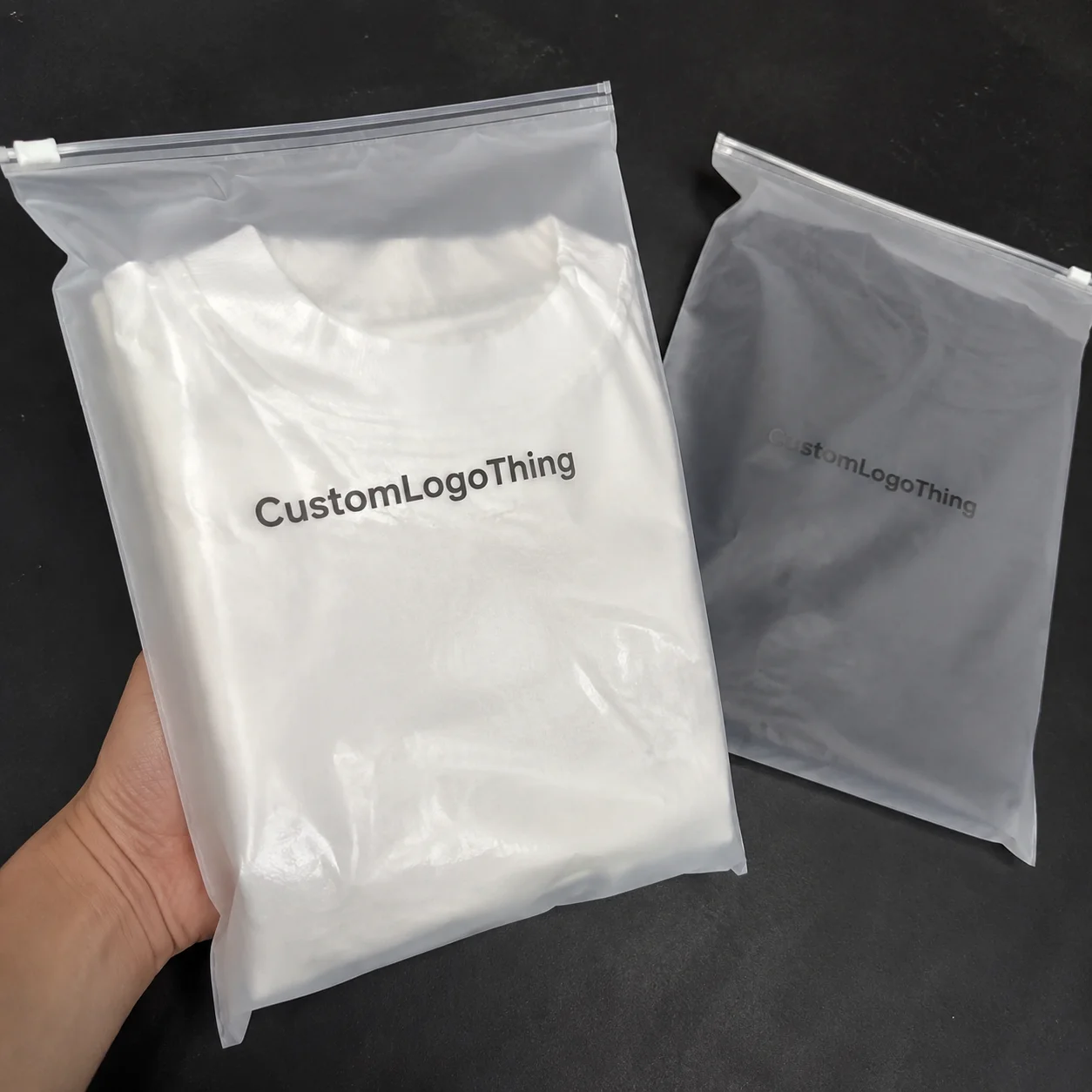
Why finish choice matters for apparel mailers

For apparel ecommerce, the mailer is often the first physical brand cue. A printed padded mailer can make a folded tee or lightweight set feel more considered than a plain shipper, but the finish has to survive packing, labels, conveyors, and delivery.
That is the real point of a printed Padded Mailers for Apparel Retailers print finish comparison: not which surface looks best on a mockup, but which one still looks right after transit.
Padded mailers work well when a brand wants more protection than a basic mailer without moving up to heavier corrugated or presentation boxes. They are often a good fit for tees, activewear, intimates, knitwear, launch kits, and many multi-piece ecommerce orders. They are less suited to bulky outerwear, footwear, or rigid accessories, and some low-cost replenishment orders may only need Custom Poly Mailers.
The finish changes the read quickly. Gloss feels louder and often more commercial. Matte is quieter and usually more premium. Satin sits between them. Soft-touch can feel upscale in hand, but it is also more likely to show abrasion. Spot effects can add contrast, though they raise cost and are easy to overuse.
The most common mistake is choosing the finish that photographs best instead of the one that holds up best. If it scuffs badly, slows production, or pushes cost beyond margin, it is the wrong finish.
Printed padded mailers for apparel retailers print finish comparison
A padded mailer combines a printable outer layer, cushioning, closure, and seams. Because the surface flexes and compresses, finish behavior on a padded mailer can differ from a carton or label. That is why testing on the actual construction matters.
Custom mailers are commonly produced with flexographic printing, digital printing, or laminated printed film structures. The print method affects small text, line sharpness, flood coverage, setup cost, and color consistency. If your design includes QR codes, barcodes, reverse type, or large solids, review a physical sample before approval.
- Gloss: strongest color pop, higher contrast, and usually the best at hiding routine rub.
- Matte: refined and understated, but dark floods can show scuffs and burnishing.
- Satin: moderate sheen with better balance between richness and durability.
- Soft-touch: premium tactile feel, higher cost, and more abrasion sensitivity.
- Spot effects: selective gloss, metallic accents, or highlighted logos for launch and campaign packaging.
It also helps to separate print from finish. Some mailers are printed directly on the outer substrate and then coated. Others use a printed layer under a laminated film that controls the final surface more tightly. Coatings are usually simpler and cheaper. Laminated films often look more uniform, but they can add cost, lead time, and recyclability complexity.
Color shifts with finish. Black often looks denser in gloss. Soft neutrals such as sage, clay, beige, or dusty rose usually read better in matte or satin. Soft-touch can slightly mute perceived contrast, which matters for low-contrast branding or pastel graphics.
If exact brand color matters, ask for a physical sample on the real padded structure. Screen proofs and paper proofs do not show how a filled mailer reflects light.
Durability is where finish decisions become practical. Gloss usually performs best in ordinary parcel handling. Matte may show corner rub, especially on dark coverage. Soft-touch can impress at handoff and disappoint after a rough route. Satin often works well when a team wants a premium feel without taking on as much visible wear risk.
Practical rule: if the route is abrasive, test dark matte and soft-touch before approval.
What to compare before you pick a finish
A useful comparison is not just aesthetic. Buyers should weigh brand fit, shipping abuse, garment bulk, artwork, storage, and reorder economics.
Brand position
Gloss suits high-energy graphics and some streetwear programs. Matte usually supports premium basics, boutique apparel, and restrained branding. A sustainability-led brand may prefer simpler structures over heavily laminated builds if claims need to stay clear and defensible.
Product mix
One folded tee is easy to pack. A fleece hoodie, denim overshirt, or multi-piece gift set is not. Overstuffing makes even a well-printed mailer look sloppy and can stress seams and adhesive strips.
As a rough guide, a 10 x 13 inch padded mailer may fit one standard folded tee. Heavier sweatshirts or bundled orders often need 12 x 15, 14 x 19, or larger, depending on fold style and inserts. Size using packed samples, not garment specs alone.
Shipping route
Marketplace fulfillment, cross-border shipping, and return programs create different abrasion risks. The rougher the route, the more finish durability matters. If the same mailer may be used for returns, closure design and rub resistance matter even more.
Artwork style
Simple one-color branding is forgiving. Full floods, tiny legal copy, reverse type, scan codes, and dense graphics are less forgiving. On some padded surfaces, reverse type below about 6 pt can become risky, depending on print method and texture.
Sustainability and storage
Recyclability claims on padded mailers can be complicated because the structure may combine films, padding, paper layers, adhesives, and coatings. If paper sourcing is part of the spec, FSC standards may help with component qualification, but they do not automatically answer end-of-life questions for the whole pack.
Storage matters too. Matte and soft-touch can mark during internal handling before they ever ship. If inventory may sit for months, ask about rub resistance and stack-pressure performance.
Most buyers are balancing four factors: appearance, durability, unit cost, and production complexity. Decide early which two matter most.
Which finish is best?
There is no universal winner. In practice, gloss is usually the safest for visible wear, matte is often strongest for premium presentation, satin is the most balanced all-around choice, and soft-touch is the most specialized.
For many apparel retailers, satin is the practical middle ground. It keeps some color richness, looks less loud than high gloss, and tends to stay presentable through normal shipping better than many dark matte or soft-touch surfaces.
Gloss works well for bright campaigns, bold graphics, and routes known to cause scuffing. Matte fits minimalist branding and muted palettes. Soft-touch makes the most sense for PR mailers, gifting, premium launches, or higher-AOV bundles where the tactile effect supports the product value.
The best finish is the one That Still Looks intentional after packing, labeling, handling, and delivery.
Process and timeline
Most custom mailer programs follow a simple path:
- Finalize specifications
- Set the dieline
- Review artwork
- Proof color and layout
- Approve samples if needed
- Run production
- Pack and ship
- Receive and inspect
The first step is the most important. Buyers should lock in finished size, flap style, closure type, padding structure, print coverage, finish, quantity, delivery points, and whether a second adhesive strip is needed for returns. If those details are still moving, the quote is provisional.
Typical delays are familiar: low-resolution logos, missing Pantone references, barcode changes, late finish swaps, or dimensions that turn out too tight for bulkier garments.
Lead time varies with complexity. A stock-size overprint job may run in roughly 12 to 18 business days after proof approval, plus freight. A fully custom padded mailer with custom dimensions and upgraded finish often lands closer to 20 to 35 business days.
Special finishes, custom color matching, and multi-location distribution all add time. For seasonal launches, planning 8 to 10 weeks ahead is sensible. Simpler repeat orders often still need 4 to 6 weeks.
Transit-oriented testing is worth protecting. Compression checks, seal strength, scuff review, and barcode scanning can catch problems early. For broader guidance, many teams reference the International Safe Transit Association.
Cost, pricing, and MOQ tradeoffs
Finish choice affects more than unit price. It can also change waste risk, transit appearance, reorder flexibility, and storage behavior.
Pricing usually moves with:
- Finished size
- Material construction
- Padding thickness
- Print coverage and ink density
- Number of colors or process graphics
- Finish type
- Order volume
- Freight destination
As a broad working range, a simple custom padded mailer around 10 x 13 inches with standard gloss or matte may cost about $0.38 to $0.68 per unit at 5,000 pieces. Larger sizes, heavier padding, laminated specialty finishes, or full-flood graphics can push pricing into the $0.72 to $1.20+ range. At 10,000 to 25,000 pieces, unit cost often improves by about 10% to 25%, though freight can narrow that gain.
| Finish Option | Relative Cost | Typical MOQ | Scuff Resistance | Best Fit |
|---|---|---|---|---|
| Gloss | Baseline | 1,000-5,000 | Good | Bold branding, high color pop, rougher shipping lanes |
| Matte | Baseline to +8% | 1,000-5,000 | Fair to good | Premium basics, boutique labels, muted palettes |
| Satin | +5% to +12% | 2,500-5,000 | Good | Balanced look for mixed product lines |
| Soft-touch | +12% to +28% | 3,000-5,000 | Fair | PR kits, premium launches, higher-AOV orders |
| Spot or metallic effects | +15% to +35% | 3,000-10,000 | Varies | Limited drops, highlighted branding, special campaigns |
MOQ depends on structure and print method. Fully custom runs often start around 3,000 to 5,000 units. Stock-size mailers with custom overprint may start closer to 500 to 1,000 units, but with narrower finish options and higher unit pricing.
Watch the hidden cost drivers: oversized mailers, unnecessary padding, full-bleed dark coverage, and double adhesive strips that are added without a clear return-use case.
Premium finishes only make sense if they fit the order economics. A soft-touch mailer for low-margin basics is often hard to justify. The same finish on a premium set or gifting program may be perfectly reasonable. When comparing formats, it also helps to review alternatives across Custom Packaging Products instead of forcing one pack style into every use case.
How to choose the right finish
A disciplined selection process usually works better than a long internal style debate:
- Define the shipment first. Single tee, hoodie, bundle, returnable order, or gifting pack.
- Shortlist one baseline finish and one upgrade. Often gloss or matte as the standard, then satin or soft-touch as the premium option.
- Review samples on the real padded structure.
- Test performance. Check rub resistance, seal strength, barcode scanning, and filled-mailer appearance.
- Quote at realistic reorder volumes.
- Pilot before full rollout.
- Document approved specs.
If the goal is strong color and graphic energy, gloss or satin usually makes the best case. If the goal is premium restraint, matte often fits better. If tactile feel is part of the value proposition and margin can absorb it, soft-touch may be justified.
Common mistakes that lead to waste or reprints
- Choosing from mockups alone.
- Using dark matte or soft-touch without rub testing.
- Approving artwork before barcode and QR checks.
- Ignoring the cost and visibility impact of full-bleed coverage.
- Under-sizing the mailer.
- Using sustainability language that does not match the material build.
- Waiting too long to ask about MOQ, freight, and storage.
- Forcing one finish across every order tier.
A split strategy is often smarter: a durable standard finish for core ecommerce orders and a more premium treatment for launches, gifting, or PR kits.
Warehouse feedback is also valuable. Packers quickly notice if a mailer scratches during handling, seals poorly after dust exposure, or slows down labeling.
Final check before rollout
Before requesting final pricing, gather true packed dimensions, average garment count per order, target volumes, artwork files, brand color references, and delivery destinations. That reduces quote drift and revision cycles.
Keep the shortlist tight. Two finish options are enough for most apparel programs.
Run a realistic pack test with top-selling SKUs. Fold garments the way fulfillment actually folds them, apply shipping labels, stack filled mailers, rub them together, and if possible send a few through live delivery. That is usually where the gap between a good-looking sample and a workable packaging program becomes obvious.
A good finish choice is easy to explain: it fits the brand, survives transit, works at the planned order volume, and stays proportional to product margin.
FAQ
Which finish is best for printed padded mailers for apparel retailers selling premium clothing?
Matte is usually the safest premium-looking choice for broad use, especially with restrained branding and neutral palettes. Soft-touch can feel more luxurious, but it costs more and tends to show abrasion more easily. For dark colors, especially black, ask for filled transit samples before approval.
Do gloss or matte printed padded mailers hold up better in apparel shipping?
Gloss usually hides rub and surface wear better during ordinary parcel handling. Matte often looks more refined, but it can show scratches, corner burnishing, or pressure marks more clearly. Actual performance still depends on substrate, ink coverage, and route conditions.
What affects the pricing of custom printed padded mailers for apparel retailers?
The main cost drivers are size, material structure, padding thickness, print coverage, finish, quantity, and freight. Specialty finishes such as soft-touch or spot effects generally increase both unit cost and lead time. Comparing landed cost at several order volumes gives a more useful picture than relying on one quoted quantity.
What is the typical lead time for printed padded mailers with custom finishes?
Stock-size overprint jobs can sometimes run in about 12 to 18 business days after proof approval, plus shipping time. Fully custom production with specialty finishes, custom dimensions, color matching, and sample approval often takes 20 to 35 business days or more. Campaign-based orders should build in extra time for testing and revision.
Can apparel retailers use one printed padded mailer finish for every order type?
They can, but it is often not the most efficient approach. A split program usually works better: one durable standard finish for core orders and a more premium treatment for launches, gifting, PR kits, or higher-AOV bundles. Different product tiers and shipping routes do not always need the same packaging surface.