Buyer Fit Snapshot
| Best fit | compare rigid setup boxes vs custom sleeves for packaging buyers comparing material specs, print proof, MOQ, unit cost, freight, and repeat-order risk where brand print, material, artwork control, and repeat-order consistency matter. |
|---|---|
| Quote inputs | Share finished size, material target, print colors, finish, packing count, annual reorder estimate, and delivery region. |
| Proofing check | Approve dieline scale, logo placement, barcode or warning zones, color tolerance, and any recyclable or compostable wording before bulk production. |
| Main risk | Vague material claims, crowded artwork, or missing packing details can create delays even when the unit price looks attractive. |
Fast answer: Compare Rigid Setup Boxes vs Custom Sleeves should be specified like a repeatable production item. The safest quote includes material, print method, finish, artwork proof, carton packing, and reorder notes in one written spec.
What to confirm before approving the packaging proof
Check the product dimensions against the actual filled item, not only the sales mockup. Ask for tolerance on folds, seals, hang holes, label areas, and retail display edges. If the package carries a logo, QR code, warning copy, or legal claim, reserve that space before decorative graphics fill the panel.
How to compare quotes without losing quality
Compare board or film grade, print process, finish, sampling route, tooling charges, carton quantity, and freight assumptions side by side. A lower quote is only useful if the supplier can repeat the same color, closure quality, and packing count on the next order.
Whenever brands ask me to Compare Rigid Setup Boxes vs custom sleeves, I start with a detail from the factory floor that tends to change the conversation: a sleeve is not automatically the lower-cost choice once you factor in labor, waste, and the carton or tray it has to sit over. In a Dongguan packaging plant I visited last quarter, one cosmetics client was convinced sleeves would trim the budget, then watched that savings get swallowed by hand application time because the sleeves were drifting on 250ml serum cartons by just 1.5 mm. That kind of fit issue turns a simple branding decision into a production headache very quickly, especially when a line is moving 3,000 units per shift and the operators are stopping every 20 minutes to straighten stacks.
My view is simple. If the product needs a premium, collectible feel, rigid setup boxes usually come out ahead. If the goal is to refresh branding quickly over an existing carton, tray, or mailer, custom sleeves usually make more sense. The real difference is structural: one format is a package in its own right, while the other is a branded outer layer that depends on what is underneath. Each time I help clients compare rigid setup boxes vs custom sleeves, I keep coming back to three questions: what the customer touches first, what has to survive transit, and what the landed cost looks like once production, freight, and packout are all counted at a plant in Shenzhen, Milan, or Los Angeles.
Across jewelry, gift sets, electronics accessories, and subscription kits, the answer changes with the channel. A retail counter display in a luxury department store in London behaves nothing like a DTC shipper that ends up inside a corrugated master carton in Ohio. That is why I’m approaching compare rigid setup boxes vs custom sleeves from the angle that matters on the line: materials, assembly, shelf impact, protection, cost, and timing, all the way down to the exact board caliper and ink system.
Quick Answer: Compare Rigid Setup Boxes vs Custom Sleeves
Here’s the short version I give during supplier calls: rigid setup boxes are built for presentation and protection, while custom sleeves are built for branding efficiency. If the package itself needs to feel substantial in the hand, a rigid box with 2.0 mm or 3.0 mm greyboard, wrapped in printed art paper, will usually beat a sleeve every time. If the goal is to dress up an existing carton, sleeve, or tray with updated graphics, a custom sleeve can do that with less material and, in many cases, a shorter lead time, especially when the board is 350gsm C1S artboard or 400gsm FSC-certified SBS.
A mistake I see often when people compare rigid setup boxes vs custom sleeves is assuming the sleeve is always cheaper. In raw material terms, it often is. Once you add application labor, fit testing, possible rework, and the cost of the inner box it wraps around, the landed cost can move in the other direction. I saw a fragrance brand in Shenzhen switch from plain folding cartons plus sleeves to rigid magnetic boxes for a holiday set, and their unit cost rose by 18%, yet the rate of crushed corners dropped enough that the retail team called the upgrade worthwhile. Their final packout also sped up by 9 seconds per unit because the rigid tray located the bottle more consistently, which made the production supervisor very happy and the brand manager just a little smug, in the best possible way.
Where do each of these show up most often? I see rigid setup boxes in cosmetics, jewelry, premium electronics, gift sets, premium liquor, and influencer PR kits. I see custom sleeves in subscription kits, seasonal retail packaging, promotional overpacks, wellness brands, and mid-tier product launches where the base pack is already functional. If you are trying to compare rigid setup boxes vs custom sleeves for a specific product line, the right format usually depends on whether the package is meant to be the hero or simply the vehicle, and whether the product is being assembled in Guangzhou, Nashville, or Ho Chi Minh City.
Before any recommendation goes out, I look at perceived value, print flexibility, shipping efficiency, production process, MOQ, and turnaround time. Those six factors usually tell the truth faster than a glossy mockup ever will, especially once a supplier quotes 5,000 pieces with a realistic lead time of 12-15 business days from proof approval.
Top Options Compared: Compare Rigid Setup Boxes vs Custom Sleeves
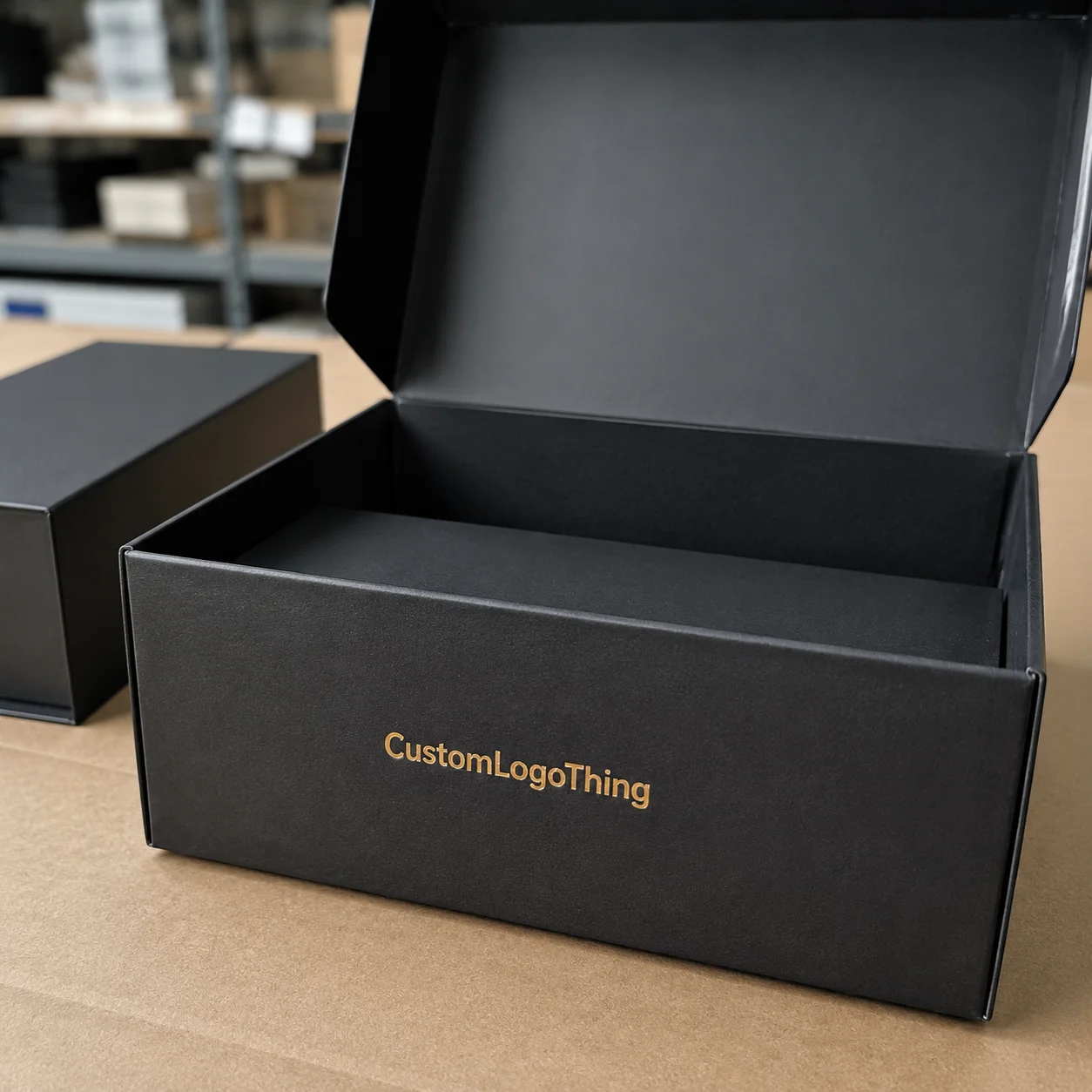
To compare rigid setup boxes vs custom sleeves properly, you have to look inside the build, not just at the outside graphics. A rigid box is a structural container. It usually starts with 1.5 mm to 3.0 mm chipboard or greyboard, then gets wrapped with printed paper, specialty paper, or fabric lamination. Depending on the design, you may also see magnetic closures, shoulder-neck construction, book-style hinges, ribbon pulls, or EVA foam inserts. I’ve handled rigid builds with molded pulp trays for skincare ampoules in Guangzhou, and I’ve also seen die-cut foam inserts used for wireless earbuds where tolerances had to stay tight within 0.5 mm and the board wrap had to sit flush over a 2.5 mm base.
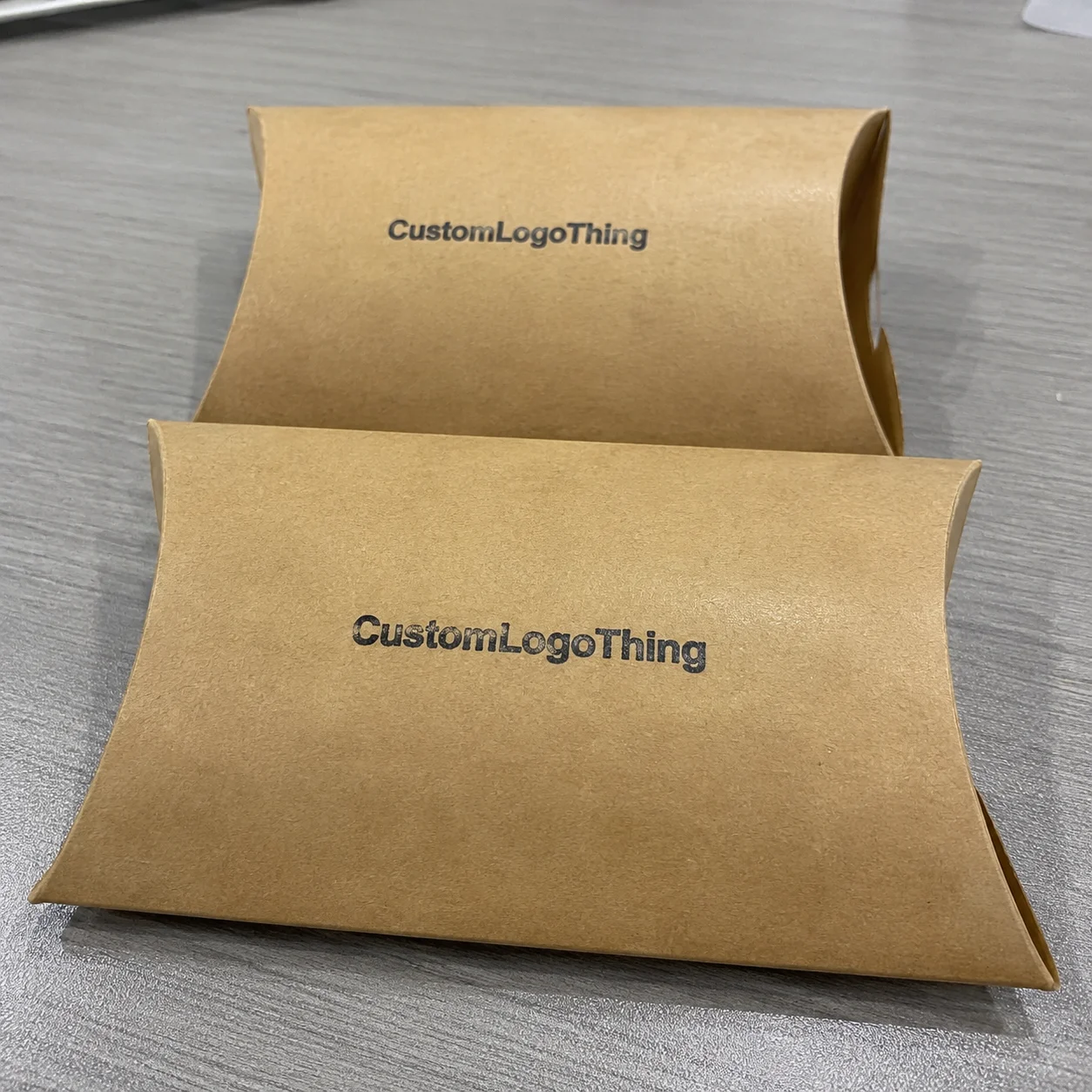
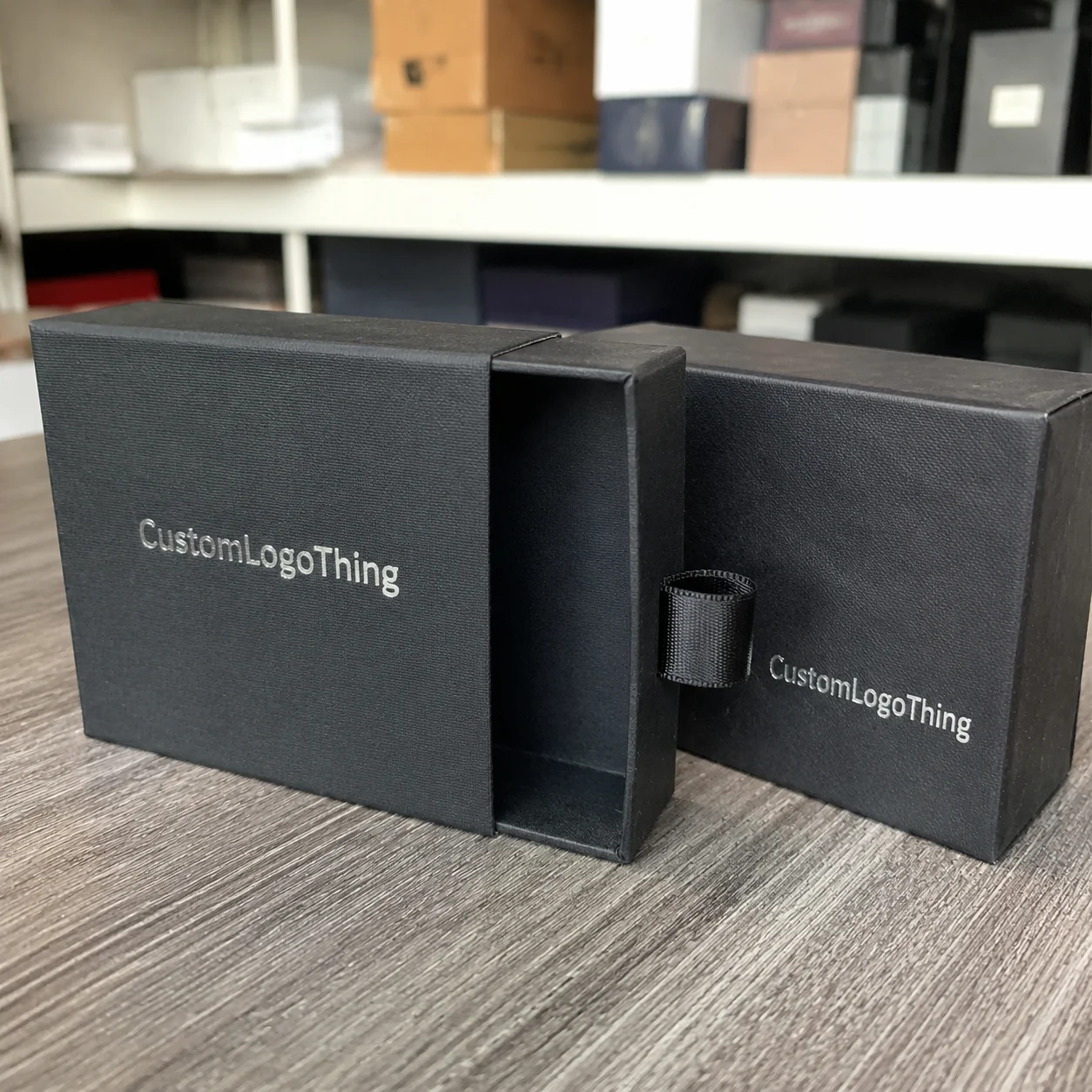
A custom sleeve is a different animal. It is usually produced from SBS, kraft board, recycled paperboard, or, in some promotional applications, PP. The sleeve is scored, folded, glued at the seam, then delivered flat or semi-flat before being applied over the base carton or product. If the dimensions are off by even a few millimeters, the sleeve can bow, scuff, or slide. That is why dimensional control matters so much when you compare rigid setup boxes vs custom sleeves; the sleeve depends entirely on the stability of what is underneath it, and a 1 mm variance in the inner carton can change how the whole pack sits on a shelf in Dallas or Düsseldorf.
Branding impact sets them apart as well. Rigid boxes give you 360-degree shelf presence, a dense tactile feel, and a premium signal the moment a shopper lifts the lid. Sleeves can still deliver strong graphics, especially with full-bleed print, foil accents, or a matte AQ coating, yet they rely on the inner package to finish the story. In my experience, sleeves are especially effective for package branding when a brand already has a solid folding carton program and wants seasonal or limited-edition treatment without retooling the whole structure. A 4-color process sleeve on 350gsm C1S artboard can look sharp in a New York retail setting, provided the scoring is accurate and the coating can handle 25 to 30 rub cycles without whitening.
Protection is where the split becomes obvious. Rigid setup boxes generally outperform sleeves in crush resistance and corner integrity. A sleeve by itself does not stop impact; it only dresses the package. That is not a criticism, just a production reality. If you are shipping fragile glass or heavy metal components, the sleeve cannot absorb abuse on its own. If you are selling a lightweight wellness kit inside a sturdy tuck box, though, a sleeve can be a smart brand layer, especially if the inner pack is an 18pt folding carton with a reinforced glue seam.
Flexibility is where sleeves earn their keep. Seasonal graphics, SKU changes, retail promotions, and co-branded runs are easier to manage with sleeves because the base package can stay the same. I once worked with a subscription brand that changed artwork four times in one year across three influencer campaigns; a sleeve program kept changeover cost under control and avoided scrapping thousands of preprinted rigid boxes. If you need long-term hero packaging for a flagship item, rigid boxes make more sense. If you need a Packaging Design That can pivot quickly, sleeves are easier to adjust, and a new sleeve plate set can often be turned in 48 to 72 hours once the dieline is approved.
Here is the quick decision matrix I use with clients:
| Packaging Need | Rigid Setup Boxes | Custom Sleeves |
|---|---|---|
| Premium unboxing | Excellent | Moderate unless paired with a strong inner box |
| Protection in transit | Strong | Weak on its own |
| Seasonal artwork changes | Less flexible | Very flexible |
| Retail shelf branding | Excellent | Excellent when paired with the right base pack |
| Assembly complexity | Higher | Lower to moderate |
| Best fit for | Luxury, gifting, collectible products | Promotions, campaigns, SKU branding |
Factory-floor shortcut: if the package needs to feel like part of the product, choose a rigid box. If the package only needs to make a standard carton look special, choose a sleeve. That one rule removes a lot of hesitation when brands compare rigid setup boxes vs custom sleeves, and it holds up whether the line is in Dongguan, São Paulo, or Manchester.
Detailed Reviews of Rigid Setup Boxes
Rigid setup boxes are built through a slower, more hands-on process than most people expect. On a typical line in a factory outside Shenzhen, the board is cut, the printed wrap is prepared, the wrap is laminated if needed, and the structure is then assembled by hand or semi-automated equipment. Corners get wrapped, edges get pressed, and the box has to sit long enough for adhesives to cure properly. In a good shop, final inspection checks squareness, lid fit, surface cleanliness, and the consistency of any foil or emboss detail. That is not fast work, but it is one reason the finished box feels solid and expensive, especially when the wrap is 157gsm C2S art paper over 2.5 mm greyboard.
I still remember a client visit to a packaging facility in Dongguan where we inspected shoulder-neck rigid boxes for a perfume set. The greyboard was 2.5 mm, the wrap was 157gsm art paper with soft-touch lamination, and the insert was molded pulp rather than EVA because the client wanted a more recyclable story. The difference in hand feel was immediate. When you compare rigid setup boxes vs custom sleeves side by side, that tactile confidence is one of the strongest arguments for rigid packaging, particularly when the lid closes with a magnetic pull and the reveal is staged across three components.
From a branding standpoint, rigid boxes excel because they create a first impression that feels deliberate. The lid lifts with resistance, the structure stays square, and the box can be engineered for a reveal sequence using ribbons, hidden compartments, or nested trays. That makes rigid boxes especially strong for gifting, premium retail packaging, and branded packaging that needs to communicate value before the product is even seen. A $42 facial oil boxed in a rigid drawer-style setup can justify a higher wholesale price much more easily than the same oil in a plain folding carton.
There are real advantages, though, and I want to be clear about both sides. Rigid boxes offer better structural integrity, stronger display value, and more insert customization than sleeves. You can fit EVA foam, die-cut chipboard, molded pulp, or plastic trays into the assembly. They also support finishing details like foil stamping, embossing, spot UV, textured paper wraps, and ribbon pulls. If the goal is to make a customer pause and say, “This feels expensive,” rigid boxes do that job very well, especially on retail counters in Paris or Tokyo where tactile presentation matters.
The limitations are just as real. Unit cost is higher because the box is not collapsible. Shipping cube is larger, storage takes more room, and assembly labor can be significant. On one project for a boutique electronics brand in California, the rigid box cost made sense at retail, but freight on the packed master cartons climbed nearly 12% because the final box dimensions were larger than the team had modeled in the CAD stage. That is the kind of detail that gets missed when teams compare rigid setup boxes vs custom sleeves based only on the quote sheet, particularly if they have not checked the master carton count per pallet in a warehouse near Long Beach.
Buyer planning matters here. Most rigid boxes need more lead time than sleeves, especially if you have specialty paper, custom inserts, or a magnetic closure. A typical production window can land around 18-28 business days after proof approval, depending on order size and finishing complexity. MOQ also tends to be higher than people expect, especially for custom paper wrapping or metalized effects. If you are buying for a warehouse channel, remember that rigid boxes stack well only if the outer master cartons are designed correctly; otherwise, a small crush on the pallet can show up as damaged corners in fulfillment. I usually advise clients to budget 3% to 5% overage for setup waste and to lock final art only after a physical sample has passed drop and rub checks.
Practical note from the floor: rigid setup boxes are often the right answer when the product price point is high enough to support them. I have seen them work beautifully at $35 retail and up, and I have seen them feel excessive on a $12 item where the packaging cost starts to squeeze the margin. That trade-off is exactly why brands should compare rigid setup boxes vs custom sleeves with real unit economics, not only with aesthetics. A box that adds $1.60 per unit on a 500-piece run can be perfectly sensible on a $48 product, but painful on a $14 product.
Detailed Reviews of Custom Sleeves
Custom sleeves are one of the most efficient branding tools in packaging when the base container already does the structural work. The production flow is clean: the artwork is printed, the board is die cut, score lines are added, the seam is glued, and the sleeves are packed flat for shipment. At the point of use, they slide over a carton, tray, or assembled product. Because they are flatter and simpler than rigid boxes, they usually move faster through prepress and press scheduling, especially for brands that need a short promotional window of 2 to 4 weeks and have a co-packer ready in Atlanta, Toronto, or Ho Chi Minh City.
I have used sleeves on everything from soap cartons to tea gift packs, and when the dimensions are correct, they do exactly what they are supposed to do. They add visible branding, communicate campaign themes, and give a team an easy path to update art without changing the inner pack. That makes them very useful for custom printed boxes programs where the interior packaging remains standard, but the outside message shifts by season, region, or retailer. A 300gsm SBS sleeve with matte aqueous coating can carry lot codes, barcodes, and regulatory copy while still looking polished on a shelf in Chicago or Copenhagen.
The biggest strengths of sleeves are low material usage, faster graphic refreshes, and compatibility with standard folding cartons or mailers. A sleeve can carry a high-impact image, ingredient callout, QR code, regulatory panel, or retail promotion without forcing a full structural redesign. For brands that need to move inventory through different markets, sleeves are a practical way to localize package branding with relatively low waste, especially when the base carton stays unchanged and only the outer print changes from English to French or Spanish.
Best use cases become obvious once you have spent enough time on a packing line. Sleeves work well for limited-edition campaigns, gift wraps, subscription branding, cross-promotions, and SKU labeling. A wellness brand I worked with used kraft sleeves with white ink and a single foil mark for a three-month seasonal launch, and they loved being able to roll the art without changing the carton spec. That kind of flexibility is hard to beat when the promotional calendar is tight, and it is especially helpful when a retailer wants 10,000 units for March but a different artwork set for June.
Sleeves do have weaknesses, and they show up quickly if the tolerances are sloppy. They can slip if the fit is too loose, scuff if the coating is too soft, and tear if the board is underspecified or the score is too tight. They also provide very little protection on their own. If the inner carton is flimsy, the sleeve will not save it. That is the main reason I caution clients to compare rigid setup boxes vs custom sleeves in the context of real use, not only catalog renderings, because a sleeve that looks sharp in a PDF can ride up by 2 mm after a pallet trip from Shenzhen to Seattle.
Finishing choices matter more than many buyers expect. Matte aqueous coating is cost-effective and clean. Gloss can make color pop on shelf, but it can show rub marks if cartons are handled heavily. Foil accents add a premium touch, though they can slow production a bit because registration has to be watched carefully. Window cutouts can be useful for retail visibility, but they also add die complexity and sometimes require an extra liner or backing sheet. If the schedule is tight, the simplest sleeve structure usually saves the most time, and a plain tuck-sleeve with a single spot varnish is often more reliable than a heavily layered build.
One manufacturing issue I see too often is inconsistent product dimensions across factories. If the product is assembled in three different locations, the outer carton may vary by 1 mm or 2 mm, and that is enough to make sleeve fit unpredictable. I had a client split production between our Shenzhen facility and a co-packer in Vietnam, and the sleeve that fit perfectly in one plant started riding high at the other because the tuck flap glued slightly differently. I won’t pretend that was fun to troubleshoot, which is why I always ask for samples from the actual line before we finalize the sleeve dieline and before we approve a 5,000-piece run.
If you need branded packaging that is fast to refresh, easy to store, and relatively efficient to print, sleeves can be a very smart choice. They are not a substitute for structure, but they are excellent at adding visual identity to an existing package architecture, particularly when the base carton is already made from 18pt C1S board or 400gsm recycled paperboard.
Price Comparison: Compare Rigid Setup Boxes vs Custom Sleeves
This is the section where the spreadsheet gets honest. Direct unit price alone does not tell you enough when you compare rigid setup boxes vs custom sleeves. The quote may show sleeves at a lower material cost, but the total landed cost can move once you account for inner packaging, application labor, freight cube, and rework risk. I have seen brands chase a lower paper price and end up with a higher full-pack cost because the sleeve required manual placement across 40,000 units in a warehouse outside Dallas.
For smaller promotional runs, sleeves often begin with the lower direct cost. A simple SBS sleeve with 4-color print and AQ coating may land around $0.15 per unit for 5,000 pieces on a standard size, while a rigid setup box with a basic printed wrap and no complex insert may land around $1.20 to $2.80 per unit at 5,000 pieces, with premium magnetic or specialty-paper versions running higher. Those are realistic working ranges, not promises, and they shift with board thickness, size, and press setup. If foil, embossing, or soft-touch lamination enters the picture, both formats climb. A 350gsm C1S sleeve with a single foil stamp can move closer to $0.24 per unit, and a rigid drawer box with 2.5 mm greyboard and soft-touch wrap can land above $3.10 per unit if the insert is die-cut EVA.
Here is a more practical comparison that includes the hidden cost buckets buyers often miss:
| Cost Factor | Rigid Setup Boxes | Custom Sleeves |
|---|---|---|
| Base material | Higher due to chipboard and wrapped paper | Lower, especially with SBS or kraft board |
| Assembly labor | High because of hand wrapping and drying time | Low to moderate, mostly during application |
| Freight efficiency | Poorer because boxes are non-collapsible | Better because sleeves ship flat |
| Storage space | More warehouse space needed | Much less space needed |
| Rework risk | Moderate if inserts or wrap alignment drift | Higher if size tolerance is off |
| Packout labor | Often lower if product is placed directly inside | Can be higher if sleeve must be applied manually |
If I were building a cost model for a client, I would separate the spending into five lines: print, structure, finishing, freight, and fulfillment. Then I would add a sixth line for scrap or rework. On a rigid box project, freight and storage are often the hidden villains. On a sleeve project, labor and dimensional mismatch are usually the trouble spots. That is the real way to compare rigid setup boxes vs custom sleeves; not “which quote is lower,” but “which package costs less after it is on the shelf and in the customer’s hands.”
For brands ordering at volume, the economics shift. A rigid box at 25,000 units can become much more competitive than a 2,000-unit run because tooling and assembly overhead spread out. A sleeve at 2,500 units can look terrific on paper because there is minimal structure cost and the print run is faster. Still, if the sleeve needs to fit over an existing carton with very tight tolerances, even a cheap sleeve gets expensive when 3% of the run needs rework. That is why a plant in Guangdong may quote one number for artwork approval and a different number after the first 200 samples go through the folding line.
I often recommend a simple worksheet with three columns: cost per unit, cost per packed item, and cost per customer impression. The last one is useful because a packaging piece that improves conversion or supports a higher retail price may justify its higher cost. One premium skincare client raised the perceived shelf value of a $28 serum using a rigid box with a nested tray, and the packaging cost rose by more than 60 cents per unit. The margin still worked because the retailer accepted a higher wholesale price. That is why price comparison without channel context can mislead buyers, particularly when the product is being sold in a boutique in Los Angeles rather than a discount chain in Phoenix.
If you need a shortcut, use this rule: sleeves are usually the stronger choice for budget-sensitive campaigns and short promotional windows; rigid boxes are usually better when the box itself is part of the product value. That is the simplest way to think about landed cost when you compare rigid setup boxes vs custom sleeves, and it remains true whether the order is 1,000 pieces or 50,000 pieces.
How to Choose the Right Format: Compare Rigid Setup Boxes vs Custom Sleeves
My decision framework starts with four questions: how heavy is the product, how fragile is it, where will it be sold, and what must the package accomplish beyond holding the item? If the item weighs more than about 1.5 kg, has breakable components, or is going into premium retail, I usually lean toward rigid construction. If the item is lightweight, already boxed, and mainly needs a fresh branding face, sleeves are often enough. When teams compare rigid setup boxes vs custom sleeves, I ask them to think less about style and more about function, especially once the product has to travel through a distribution center in Louisville or Rotterdam.
Rigid setup boxes are usually the better choice for luxury gifting, fragile products, premium retail, influencer kits, and brands that want the package to feel collectible. I have seen this work beautifully for jewelry, candles, USB audio gear, and cosmetics sets where the customer expects a little ceremony. The tactile difference matters. A rigid lid with a controlled lift and a foam or molded pulp insert tells the buyer that someone planned every detail, right down to the 1.8 mm board thickness and the 12 mm ribbon length.
Custom sleeves are usually the better choice for budget-conscious launches, seasonal branding, fast turnaround needs, and companies already using standard cartons or trays. If your product line changes every quarter, sleeves help you keep the structural base while refreshing the outer graphics. That makes them a strong option for retail packaging where promotions shift quickly and the inventory risk of preprinted rigid boxes would be too high. A sleeve program is especially useful if the inner carton is being printed in one city and the outer sleeve in another, because you can keep the art updates separate from the structural run.
Timeline is another major factor. Sleeves often move faster from artwork approval to production because they are flatter, simpler, and require less assembly. A well-managed sleeve run might take 8-14 business days from proof approval, depending on finish and volume. Rigid boxes usually need more time because of board cutting, wrap preparation, glue curing, insert construction, and quality checks; 12-20 business days is common for straightforward builds, and more for specialty closures or premium inserts. That timing difference can decide a launch calendar if the sales team has already booked a retail window in Madrid or Melbourne.
Process quality matters at every step. Before mass production, I want to see dieline approval, color proofing, structural samples, and finishing sign-off. If the product is going into an export program, I also like to review shipping tests against ISTA methods and basic compression expectations. For environmental goals, many clients now ask about FSC paper and recycled board choices, and that is a good conversation to have early, not after approvals are frozen. You can review packaging standards at ISTA and broader material guidance at FSC. A supplier in Xiamen or Taiwan that can document FSC chain of custody often saves everyone time during compliance review.
Here is the checklist I use with buyers before they sign off:
- Product weight and fragility: does it need structural protection or just brand dressing?
- Retail channel: shelf display, e-commerce, subscription, or gift set?
- Storage capacity: do you have room for rigid cartons, or do flat sleeves fit your warehouse better?
- Packout speed: will a picker apply the sleeve manually, or does the packaging arrive preassembled?
- Launch timing: how much lead time exists for samples, proofs, and production?
- Brand goal: is the unboxing moment central, or is package branding mainly a marketing layer?
One retailer meeting still stays with me. The client brought in both a rigid prototype and a sleeve over a standard tuck carton, and the difference was visible in under ten seconds. The rigid box owned the premium shelf table; the sleeve version looked efficient and modern, but it did not create the same “gift” feeling. That is why I keep saying you should compare rigid setup boxes vs custom sleeves with real samples in hand. Flat artwork never tells the full story, and a sample made in the actual 2.5 mm greyboard and 157gsm wrap tells you far more than a render ever will.
For brands building a broader packaging program, I also suggest reviewing your existing Custom Packaging Products lineup before you commit to a full redesign. Sometimes the answer is not a new box at all, but a better sleeve, insert, or finishing upgrade on your current format, which can save $0.30 to $0.80 per unit on a 10,000-piece run.
Our Recommendation and Next Steps
My recommendation is straightforward: choose rigid setup boxes when the unboxing moment and perceived value matter more than minimizing packaging cost, and choose custom sleeves when branding flexibility, speed, and efficient use of materials matter more. If I were advising a new beauty brand with a hero serum and a lower-priced refill SKU, I would probably put the hero product in a rigid box and use sleeves for the refill or seasonal limited edition. That split strategy is often the smartest use of budget, especially if the hero pack is sold through a boutique channel in Manhattan while the refill moves through an online warehouse in New Jersey.
I have watched brands try to force one format to do everything, and the result is usually compromise. A rigid box is not the best answer for a fast-moving campaign that changes art every six weeks. A sleeve is not the right answer for a fragile gift set that has to survive rough handling from warehouse to storefront. The best packaging teams are the ones who match the format to the product and the channel, not to a trend board. That is the real value of taking time to compare rigid setup boxes vs custom sleeves before you place an order, especially when a factory in Guangdong is asking for final art and deposit at the same time.
Here are the next steps I recommend:
- Measure your current packaging in millimeters, not “about this size.”
- Confirm the product weight, insert needs, and shipping method.
- Decide whether the package is mainly shipping-first or display-first.
- Request one rigid box mockup and one sleeve prototype using real product samples.
- Test both for hand feel, shelf impact, and packout time.
- Ask for a landed-cost quote that includes freight, assembly, and storage assumptions.
I also suggest a small pilot run before full rollout, especially if the product is sensitive or the retailer has strict presentation rules. Compare damage rates, labor minutes per pack, and customer feedback from a limited batch. In one client project, the sleeve saved 14 cents per unit but added nearly 11 seconds of manual handling per pack. That sounds small until you multiply it by 30,000 units. The pilot showed the rigid box actually cost less in total fulfillment labor. That is the kind of evidence that makes packaging decisions feel less like guesswork and less like a debate everyone is too tired to win after lunch.
If you want my plain-spoken conclusion: compare rigid setup boxes vs custom sleeves using real product samples, not just flat artwork, because the winning choice usually becomes obvious once you hold both. The box that feels best in the hand, stacks safely in the warehouse, and supports the margin plan is the one that should go to production.
Compare rigid setup boxes vs custom sleeves: which looks more premium?
Rigid setup boxes usually look more premium because they have structure, weight, and a more luxurious unboxing feel. Custom sleeves can still look premium if they wrap a high-quality inner carton, but the sleeve alone does not create the same perceived value. A 2.5 mm greyboard rigid box with soft-touch lamination and foil stamping will typically outperform a 350gsm sleeve on first touch in a retail setting.
Compare rigid setup boxes vs custom sleeves: which is cheaper for small runs?
Custom sleeves are often cheaper in direct material cost and easier to scale for smaller promotional runs. Rigid setup boxes can become expensive in small quantities because assembly and finishing labor are harder to spread across fewer units. For a 5,000-piece order, a sleeve may land near $0.15 to $0.35 per unit, while a rigid box can easily exceed $1.20 per unit depending on the insert and wrap.
Can custom sleeves replace rigid setup boxes for shipping?
Not by themselves, because sleeves do not provide real structural protection. They can work for shipping only if the product is already protected by a strong inner carton, mailer, or molded tray. If the product is fragile glass or heavy metal hardware, a sleeve alone will not protect it during a 500-kilometer truck run or a 3,000-mile parcel shipment.
How long does it take to produce rigid setup boxes vs custom sleeves?
Custom sleeves are usually faster because they are flatter to print, cut, and ship, with less assembly complexity. A standard sleeve run can take 8-14 business days from proof approval, while rigid setup boxes often need 12-20 business days or more because of wrapping, gluing, drying, insert production, and final hand or machine assembly. Specialty finishes in a plant in Dongguan or Ningbo can add another 3-5 business days.
What should I check before choosing between the two?
Check your product dimensions, retail price point, shipping method, storage space, and how much the packaging needs to do on its own. If the package must impress at first touch, choose rigid setup boxes; if you need flexible branding over an existing package, choose custom sleeves. I also recommend confirming board spec, such as 350gsm C1S artboard for sleeves or 2.0 mm greyboard for rigid builds, before you approve production.