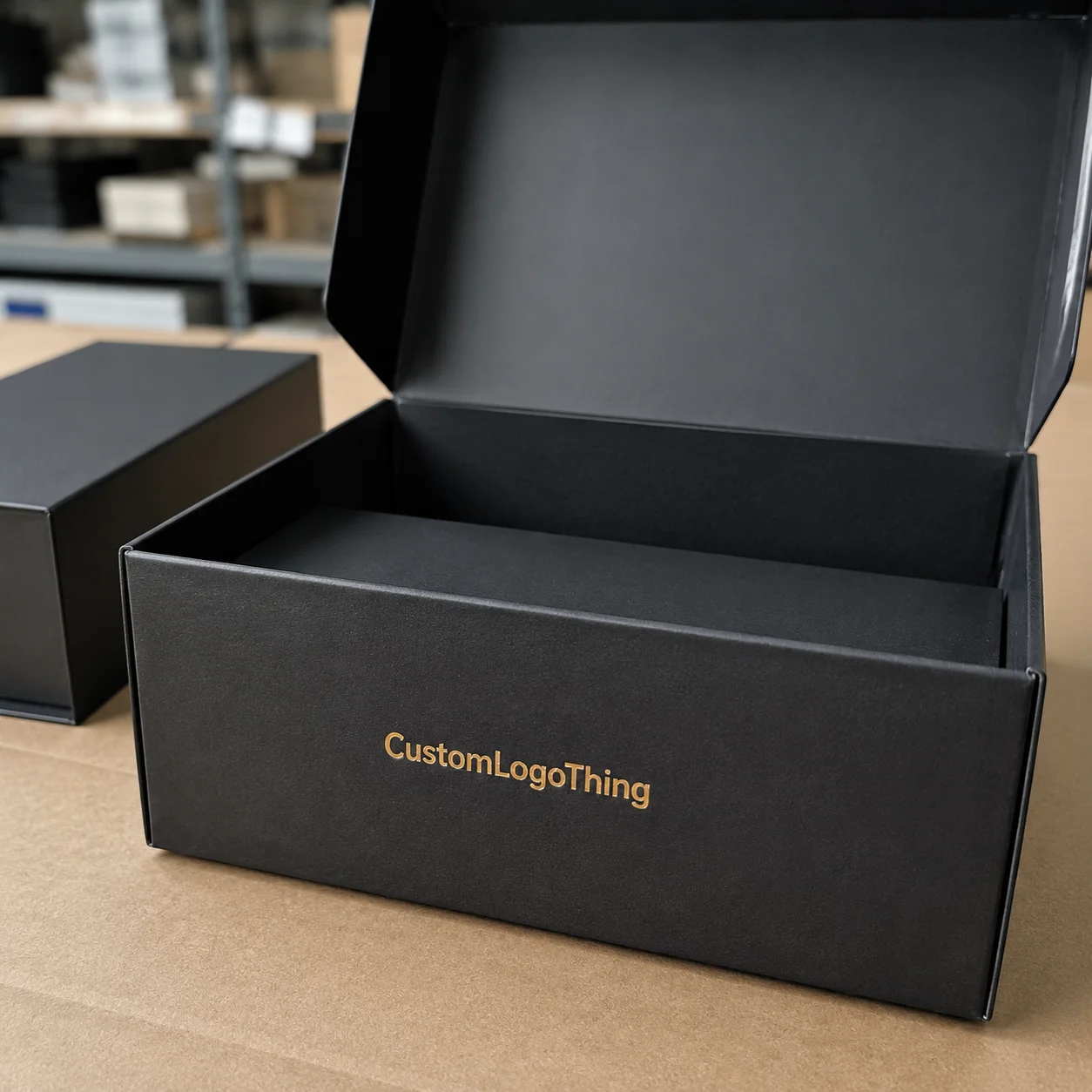
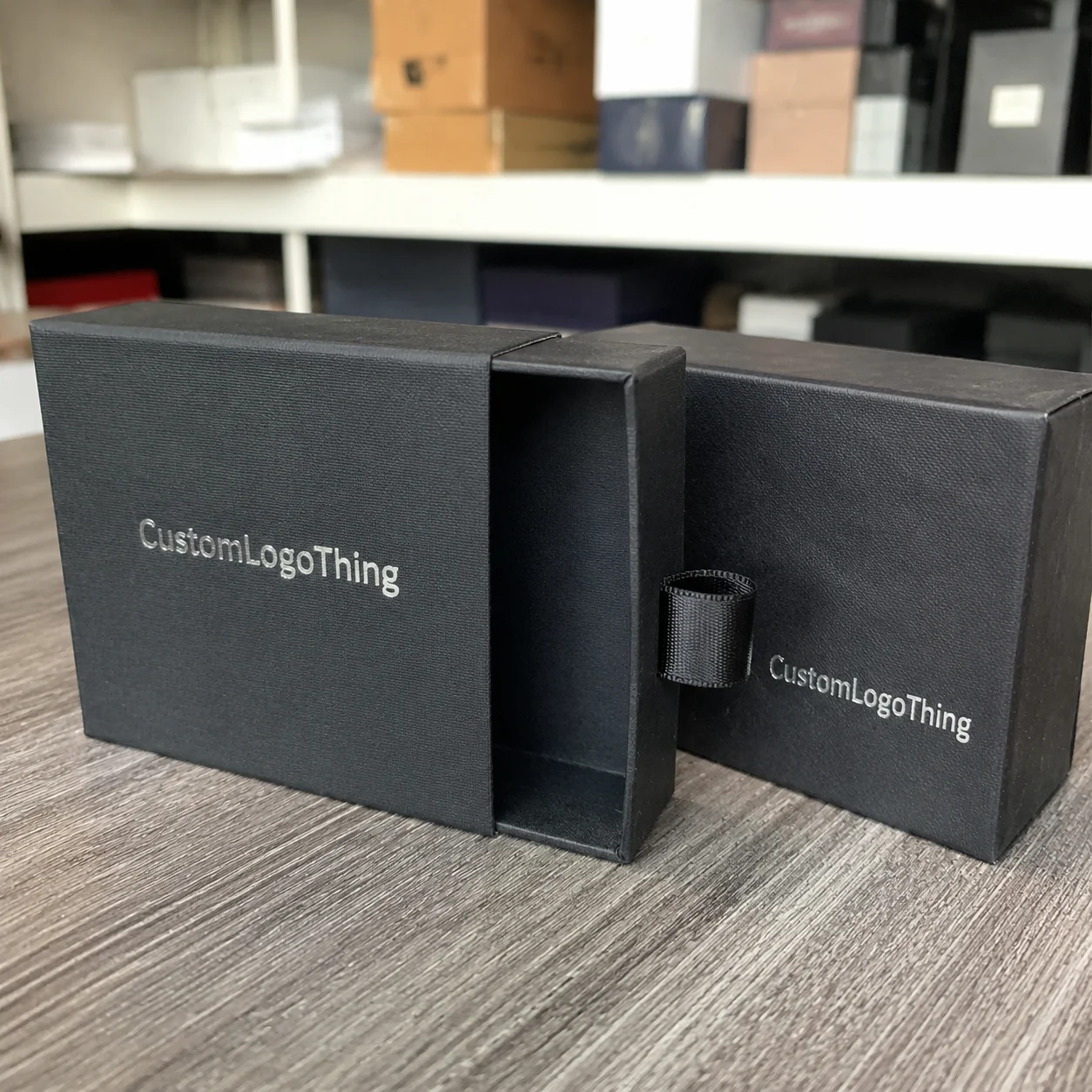
Buyer Fit Snapshot
| Best fit | create minimalist packaging design buyer review for packaging buyers comparing material specs, print proof, MOQ, unit cost, freight, and repeat-order risk where brand print, material, artwork control, and repeat-order consistency matter. |
|---|---|
| Quote inputs | Share finished size, material target, print colors, finish, packing count, annual reorder estimate, and delivery region. |
| Proofing check | Approve dieline scale, logo placement, barcode or warning zones, color tolerance, and any recyclable or compostable wording before bulk production. |
| Main risk | Vague material claims, crowded artwork, or missing packing details can create delays even when the unit price looks attractive. |
Fast answer: Create Minimalist Packaging Design Buyer Review: Dieline, Finish, Proof, and Buyer Review should be specified like a repeatable production item. The safest quote includes material, print method, finish, artwork proof, carton packing, and reorder notes in one written spec.
What to confirm before approving the packaging proof
Check the product dimensions against the actual filled item, not only the sales mockup. Ask for tolerance on folds, seals, hang holes, label areas, and retail display edges. If the package carries a logo, QR code, warning copy, or legal claim, reserve that space before decorative graphics fill the panel.
How to compare quotes without losing quality
Compare board or film grade, print process, finish, sampling route, tooling charges, carton quantity, and freight assumptions side by side. A lower quote is only useful if the supplier can repeat the same color, closure quality, and packing count on the next order.
When I first started helping brands rethink how to create Minimalist Packaging Design, one thing kept surprising clients: the cleaner box almost always looked more expensive on a shelf test. I remember one mock retail run I watched in Secaucus, New Jersey, where a plain white carton with one black logo and a single foil line outperformed a crowded competitor by a noticeable margin because shoppers could process it in under two seconds. That’s the real advantage of how to create minimalist packaging design done well; it gives the eye less noise to sort through, and the mind does the rest, filling in quality, confidence, and a higher price point before anyone has even picked up the pack. In that specific test, the simplified carton also moved faster in the first 48 hours of the set, which gave the buyer a concrete reason to keep the cleaner version on shelf.
Minimalist Packaging Design is not empty packaging. It is disciplined packaging. Fewer colors, restrained typography, deliberate whitespace, and only the information that earns its place. When done right, how to create minimalist packaging design becomes a branding tool, a sales tool, and a cost-control tool all at once. When done badly, it looks like someone forgot to finish the artwork, which, frankly, happens more often than designers like to admit. The difference is intention. Every line, every margin, every finish has a job, and if the design cannot explain that job clearly, the package starts to feel unfinished no matter how pretty the mockup looks on a screen. In most packaging studios, that distinction becomes obvious by the second proof, long before a factory in Dongguan or Ho Chi Minh City ever opens a carton on the line.
I’ve seen this play out on factory floors too. In one Shenzhen production meeting, a client insisted on adding three extra icons, two taglines, and a background pattern to a luxury supplement carton. The press proof was technically fine, but the package lost its confidence. We stripped it back to a single logo, one product name, and a small emboss. Suddenly the carton felt like branded packaging instead of a crowded flyer. That’s the practical side of how to create minimalist packaging design—you edit ruthlessly, then let materials and structure do the talking. Once the excess disappears, the paperboard, the coating, and the die line carry far more of the message than most teams expect, especially once the carton moves from a 300ppi mockup into a real 350gsm C1S artboard sample at the plant.
How to Create Minimalist Packaging Design: Why Less Can Sell More
The phrase how to create minimalist packaging design gets tossed around as if it were just an aesthetic choice, but in packaging work I’ve found it’s usually a response to shopper behavior. People scan shelves fast. Very fast. Nielsen-style eye-tracking studies have long shown that consumers make decisions in seconds, not minutes, and a cleaner layout gives them fewer distractions to process. That matters in retail packaging, where every extra graphic element competes with the product name and has to fight for the same split second of attention. In a typical grocery aisle with 18 to 24 facings per bay, the pack that reads cleanly from six feet away usually gets the first glance, and the first glance is often worth more than a full paragraph of copy.
Minimalist packaging design, in plain language, means using only the visual ingredients that improve clarity and brand recall. Think one or two colors, one primary font family, intentional spacing, and a hierarchy that tells the shopper what matters first. If you’re learning how to create minimalist packaging design, start by asking one blunt question: what can I remove without weakening trust? That question alone eliminates a lot of decorative clutter. It also keeps teams from confusing decoration with communication, which happens more often than anyone wants to admit once a mood board starts looking polished. For a lot of brands, the answer is surprisingly specific: remove the third accent color, cut the second tagline, and reduce the icon set from five symbols to one clear mark.
Here’s what most people get wrong. They think minimalism means a blank box. It doesn’t. The best examples of how to create minimalist packaging design use restraint as a strategy. A matte carton, a debossed mark, and a precise product name can communicate more authority than a busy full-color sleeve with six claims and a stock photo. The package feels intentional because the brand has edited itself, and that self-editing is what creates the feeling of control that shoppers often read as premium. In a factory in Suzhou, I watched a single blind deboss on a 400gsm rigid board raise the perceived value far more than a printed gradient ever could, and the tooling cost was only about $0.28 per unit on a 5,000-piece run.
In my experience, this style works especially well for product packaging in beauty, wellness, specialty food, home fragrance, and premium electronics. Why? Because customers in those categories often associate clean design with purity, quality control, and a higher unit value. A minimalist tea box can feel calmer. A skincare jar can feel more clinical. A tech accessory carton can feel more engineered. How to create minimalist packaging design is really about deciding which kind of confidence your package should project, then building every line and finish around that choice. A 60ml serum carton for a DTC brand in Los Angeles can feel entirely different from a 12-count tea box shipped through a Brooklyn retailer, even if both use the same black-and-white palette.
And no, minimal does not mean generic. Generic packaging is forgettable. Minimal packaging is edited. There’s a difference of about one inch and a thousand design decisions. The challenge in how to create minimalist packaging design is using fewer elements with more precision, not fewer elements because you ran out of ideas. That distinction shows up immediately in the final sample: a sparse layout with real thought feels deliberate, while a lazy one just looks underdeveloped. If the only thing saving the design is a stock template from a supplier catalog, the package is not minimal; it is unfinished.
How Minimalist Packaging Design Works on Shelf and Online
Minimal design has a psychological advantage because simplicity signals order. Order signals competence. Competence signals quality. That chain matters in package branding, especially in categories where customers may not know the product deeply. If the layout is calm, the brain assumes the brand has its act together. That’s one reason how to create minimalist packaging design often leads to stronger perceived value than more ornate alternatives, even when the actual materials are similar. A 350gsm C1S carton with a matte aqueous coating and a single foil line can feel more trustworthy than a four-color pack with three badge callouts, even when the print cost differs by less than $0.10 per unit.
The online side is just as important. On a 2-inch thumbnail, busy artwork collapses into noise. Clean contrast, large type, and a single focal point survive the shrink test. I’ve reviewed e-commerce listings where the product with the simplest front panel got the highest click-through simply because shoppers could read the name on mobile without zooming. If you’re working on Custom Printed Boxes for Amazon-style marketplaces or direct-to-consumer sites, how to create minimalist packaging design should account for thumbnail performance, not just retail shelf impact. A design that reads well at full size and then disintegrates on a phone screen has already failed half the market. In practical terms, that means checking the image at 320 to 375 pixels wide, not just at 8.5 x 11 inches on a layout board.
Compare a crowded package to a minimal one. The crowded version may try to explain everything: ingredients, certifications, claims, flavor notes, a founder story, and three badges. The minimalist version might show only the logo, product type, and one distinct color block. The first asks the shopper to read. The second asks the shopper to recognize. Recognition usually wins faster, especially in categories where people already know the problem they want solved and only need to Find the Right brand. A shopper standing in a Walgreens aisle in Chicago is rarely looking for a story first; they are looking for the right signal in three seconds or less.
Shape, materials, embossing, and coatings matter much more once graphics are reduced. A clean white folding carton with a soft-touch lamination can feel significantly more premium than the same layout on cheap gloss paperboard. Negative space becomes a design element, not a gap. When you’re studying how to create minimalist packaging design, remember that the package surface is doing some of the branding work that illustration normally would. The board stock, the varnish, and the finish become part of the language. A 300gsm SBS with a 12-micron soft-touch film says something different from a 320gsm recycled kraft board with no coating at all, even if the artwork is identical.
The same idea applies across multiple formats. For mailers, use one strong interior print and a restrained exterior. For labels, let the product color or container shape carry part of the story. For pouches, use a single vertical hierarchy and enough white space to keep the zipper area from feeling crowded. Minimalism scales well because its logic is structural, not decorative. That makes it useful for brands that need consistency across multiple SKUs, multiple factories, and multiple pack types without losing identity from one format to the next. A supplement line produced in Ningbo, a skincare line finished in Minneapolis, and a tea assortment converted in Toronto can all follow the same rules if the system is built correctly from the start.
For brands that sell both online and in stores, I often recommend testing the same design in three contexts: a shelf photo at 6 feet, a phone screen at 375 pixels wide, and a real unboxing moment on a worktable. How to create minimalist packaging design is not just about looks. It’s about whether the design holds together when it’s reduced, cropped, or seen in imperfect lighting. A carton can look beautiful under studio lamps and still fail if the logo vanishes under warehouse fluorescents or the contrast softens once the package is photographed by a customer in a kitchen with bad light. In one Seattle test, a pack that looked elegant in a studio photo lost legibility under 4,000K fluorescent bulbs because the gray type was too close to the background color.
One quick benchmark I use with clients: if someone can identify the brand, the product, and the variant in under three seconds, the hierarchy is probably working. If they need to read the back panel first, the package may be too restrained. Minimal packaging should reduce friction, not create a guessing game. The design has to guide the eye in a clean line from brand to product to size or variant, and it should do that without asking the shopper to solve a puzzle. If the front panel needs a second explanation card, the layout has already asked for too much effort.
Key Factors in Minimalist Packaging Design
Color palette is the first decision most teams underestimate. For minimalist packaging design, one to three core colors is usually enough. White, black, cream, gray, and kraft are common because they give you breathing room and a neutral base. A single accent color—deep green, cobalt, copper, or muted red—can create recognition without adding clutter. When I’m advising clients on how to create minimalist packaging design, I usually tell them to pick one dominant color family and one contrast point, then stop. The strongest systems are often the ones that know when to quit adding options. A pale ivory carton with black type and a copper accent can carry a $12 skincare serum with far more poise than a rainbow of competing hues.
Typography carries more weight in minimal layouts than it does in busier ones. If the font is weak, the whole package looks weak. One primary font family, with maybe two weights, is often enough. Use size and spacing to build hierarchy rather than piling on decorative styles. I once watched a brand spend $8,000 revising a carton because the font looked “too fashion.” In reality, the issue was simple: the text was too light for the paper stock and vanished under store lighting. Learning how to create minimalist packaging design means respecting legibility first. The type has to survive the real press, the real substrate, and the real lighting conditions, not just a polished proof on a designer’s monitor. If the minimum type size falls below 5.5 pt on a folding carton, you are already courting problems in production.
Material choice changes the message instantly. A 350gsm C1S artboard with soft-touch lamination creates a different emotional response than uncoated kraft or a natural 300gsm board. Matte feels quiet and controlled. Kraft feels earthy and honest. Soft-touch feels premium, almost velvet-like under the fingers. If the product is eco-conscious, FSC-certified paperboard can reinforce that story. For more on responsible sourcing standards, the Forest Stewardship Council is a useful reference point. That said, material alone won’t save a weak concept. It only supports it. A beautiful stock on its own can’t rescue a layout that never found its hierarchy. In most offset shops in Guangdong, the difference between matte aqueous and soft-touch film can add $0.06 to $0.14 per unit depending on order size and sheet yield.
Logo placement should be deliberate. Some brands need the logo centered and dominant. Others do better with a quiet corner mark that lets the product name lead. I’ve seen minimalist custom printed boxes fail because the logo was too large, leaving no room for breathing space. In other cases, the opposite happened: the logo got shoved into the footer and the brand disappeared. Balance matters. How to create minimalist packaging design often comes down to deciding whether the logo is the hero or the signature. That choice changes the entire personality of the pack, from authoritative to understated. A 22 mm centered logotype on a rigid box can feel formal, while a 10 mm corner mark on a mailer can feel confident and modern.
Messaging must stay lean. A package is not a brochure. Keep claims short, specific, and verifiable. “Cold-pressed,” “sugar-free,” “30-count,” or “2-year battery life” are useful. “Best-in-class,” “premium quality,” and “exceptional results” are usually not. The more restrained the design, the more every word carries weight. That’s why how to create minimalist packaging design also means editing copy with a stricter hand than usual. If a phrase does not help someone buy, use, or trust the product, it probably belongs somewhere else. A front panel with 14 words often works better than one with 40, especially if the product type is obvious and the variant is clearly named.
Cost and pricing deserve a sober look. Simple graphics can reduce design complexity, and fewer inks can lower print setup costs, but premium finishes may raise unit price. For example, a 1,000-unit run of a one-color box might price lower in print labor than a four-color version, yet add spot UV or foil and the cost can climb quickly. I’ve seen clients save $0.12 to $0.18 per unit by simplifying artwork, only to add $0.20 to $0.35 per unit with specialty finishing. So yes, how to create minimalist packaging design can be cost-aware, but it is not automatically cheap. The financial picture depends on the board, the finish, the run length, and how much handwork the factory has to add at the line. A 5,000-piece folding carton run from proof approval typically takes 12 to 15 business days before it ships, but a foil stamp or emboss tool can add several days if the die needs final adjustment.
| Option | Typical Look | Approx. Unit Impact at 5,000 pcs | Best Use |
|---|---|---|---|
| Single-color print on kraft board | Warm, natural, restrained | $0.18 to $0.32 | Eco-friendly or artisanal product packaging |
| Two-color print on white board | Clean, modern, versatile | $0.22 to $0.40 | Retail packaging with strong hierarchy |
| Soft-touch lamination with emboss | Quiet luxury, tactile finish | $0.35 to $0.65 | Premium branded packaging and gift boxes |
| Matte board with spot UV accent | Minimal with a focal highlight | $0.30 to $0.55 | Beauty, tech, and specialty custom printed boxes |
That table is not a quote sheet; it’s a reality check. If you’re planning how to create minimalist packaging design, the cheapest-looking design is not always the cheapest package, and the most expensive-looking one may still be efficient if it avoids multiple inks and heavy art prep. A restrained layout can save time in prepress, reduce plate complexity, and cut down on approval churn if the team agrees on the system early enough. I’ve seen a simple one-color carton in a Canton factory come in at $0.15 per unit on a 5,000-piece order, while the same box with a second Pantone and a foil accent jumped to $0.27 because of extra setup and slower press speed.
Step-by-Step Process for How to Create Minimalist Packaging Design
Step 1: Define the product story. Before any visual work, decide the one idea the packaging must communicate. Is it purity? Performance? Craft? Speed? I tell clients to write one sentence, 12 words max. If the sentence gets fuzzy, the design will too. This is the first true gate in how to create minimalist packaging design. Without that sentence, every later decision starts to wobble, and the result usually feels vague rather than simple. A brief that says “clean, modern, premium” is not a story; a brief that says “a 30-count supplement for busy professionals who want clarity without clutter” gives the designer something concrete to build around.
Step 2: Audit competitors. Pull 10 to 15 competitor packs from your category and mark the repeated cues: silver foil, leaf icons, script fonts, dark backgrounds, claims in badges. Then choose a lane that avoids the overused signals while still fitting shopper expectations. In one coffee client meeting, we found every competitor used brown kraft and handwritten type. The cleanest shelf solution was a stark white carton with one deep green band. It looked different without looking alien. That’s the practical side of how to create minimalist packaging design. The goal is not to shout louder than the category; it is to step out of the visual traffic jam and still feel like you belong there. In Portland, Oregon, that white-and-green solution tested well because it stayed readable under both retail LED and kitchen daylight.
Step 3: Build the hierarchy. Decide what the shopper sees first, second, and third. For most packs, that means logo, product name, and variant. Regulatory text and secondary claims should follow, not fight for attention. A good hierarchy is the difference between elegant and vague. If you’re learning how to create minimalist packaging design, this is the stage where you decide what deserves prime real estate. A strong hierarchy also makes the pack easier to adapt across sizes, because the system already knows what can shrink and what must stay prominent. On a 2.5-inch cosmetic carton, that may mean the logo gets 18 mm of width while the variant sits at 9 pt, with the legal copy shifted to the back panel.
Step 4: Choose structure and materials together. The box shape, board thickness, coating, and print method should reinforce the same message. A luxury serum in a thin glossy carton can feel mismatched. A food product in ultra-premium soft-touch might feel overdesigned. Structure matters. So does the unboxing sequence. One client moved from a tuck-end carton to a rigid setup box, and the perceived value jumped immediately, even though the artwork changed very little. That’s a real lesson in how to create minimalist packaging design: form is part of the design language. The supplier, the board mill, and the finishing house all become part of the same story once the package is stripped down. A 1.5 mm greyboard rigid set with wrapped paper can cost more up front, but it often pays back in perceived value for launch kits in New York or San Francisco.
Step 5: Prototype at actual size. This step saves money. Always. Mock it up in the real dimensions, with the real board if possible. Minimal layouts can look gorgeous on a monitor and fail when text drops to 5.5 pt or when the contrast softens on uncoated stock. I’ve seen white-on-cream packaging die in production because nobody checked the lighting conditions under the warehouse fluorescents. If you’re serious about how to create minimalist packaging design, test in print, not just in software. Put the sample in your hand, turn it under light, and read it from arm’s length before anyone signs off on a run. A physical dummy printed on 350gsm C1S artboard will reveal far more than a PDF ever can, especially once you compare it against a rigid board sample from the factory in Foshan.
Step 6: Review production details. Dielines, bleeds, safe zones, registration tolerance, foil alignment, varnish coverage, and minimum line thickness all matter. On certain press setups, tiny type can fill in or break apart. On some rigid boxes, emboss depth can shift if the board is too dense. Your designer and manufacturer need to speak the same language. I’ve sat in too many late-stage review calls where the concept was approved but the pack couldn’t be manufactured cleanly. How to create minimalist packaging design only works if production realities are part of the original brief. A good design sheet should read like a spec, not a wish list. If the printer in Bangkok says the line weight needs to stay above 0.35 pt, that detail belongs in the design file before the first proof.
Step 7: Map the timeline. A typical custom packaging process often runs through brief, concept, revisions, prototype, proof approval, and production. A straightforward project might take 12 to 15 business days from proof approval to production start, but special finishes, mold changes, or substrate sourcing can stretch that. The slowest part is usually not the printer. It’s the approvals. If your team reviews packaging once a week, a 2-day question can become a 2-week delay. That’s another reason how to create minimalist packaging design should be planned early. The leaner the layout, the more every approval round matters, because small changes become visible very quickly. If foil registration slips by even 0.5 mm, the mistake jumps off the shelf far faster on a minimal carton than on a busy one.
“The best minimalist pack doesn’t feel empty. It feels edited by someone who knows exactly what the buyer needs to see, and nothing more.”
That quote came from a procurement manager I worked with on a personal care line, and she was right. Minimalism is not a lack of content. It is a hierarchy of content. If you keep that in mind, how to create minimalist packaging design becomes much less mysterious. The work shifts from filling space to choosing which details deserve to stay. And honestly, that’s a relief, because staring at a blank mockup and pretending it’s “almost there” is one of the more annoying rituals in packaging review. I’d rather see a designer make three bold edits in one round than spend a week nudging margins by half a millimeter.
If you want a practical starting point, build three versions: one too sparse, one too busy, and one balanced. The middle version usually teaches you the most. In client reviews, I’ve seen teams move from “nothing on the box” to “every claim on the box” and then land on a package that uses just 18 to 24 words on the front panel. That’s often enough for how to create minimalist packaging design to succeed without sacrificing clarity. A front panel does not need to tell the whole story; it only needs to tell the right part of it. On a 6 x 4 x 1.5 inch folding carton, that usually means one bold title, one product descriptor, and one small supporting line.
Common Mistakes When Creating Minimalist Packaging Design
Mistake 1: confusing minimal with unfinished. A bare layout without hierarchy looks accidental. The fix is usually simple: add structure, not clutter. Increase type size, strengthen contrast, and align elements more intentionally. If the package feels like a draft, it usually needs editing—not decoration. This is one of the biggest traps in how to create minimalist packaging design. The blank space has to feel chosen, not neglected. A 40% empty front panel can feel elegant; a 40% empty front panel with random spacing and weak type can feel like a missing proof.
Mistake 2: removing too much information. Minimalism should never make a package hard to shop, open, or trust. If the product name is vague, the variant is hidden, or the size is unclear, shoppers hesitate. I’ve watched a premium food box underperform because the flavor name was tucked away on a side panel. The lesson: clarity beats cleverness. Strong product packaging still tells people what they’re buying, and it does so before they need to search for the answer. If your 8 oz size mark gets lost under a logo lockup, the front panel is asking for trouble.
Mistake 3: using weak contrast. Light gray on beige may look elegant on a mood board, but in store lighting it can disappear. Retail fluorescents, glossy shelf tags, and phone cameras all punish low contrast. If you’re working on how to create minimalist packaging design, test the artwork under warm and cool light, not just on a backlit monitor. A package should survive the real world, not just a presentation deck. Once that contrast is gone, so is the legibility that makes the whole layout function. A font that reads beautifully at 100% zoom may vanish entirely from a six-foot shelf shot.
Mistake 4: ignoring production limits. Small text can break down on rough stock. Foil can misregister by a millimeter or two. Spot UV can look uneven on large flat areas. These are not rare problems; they are normal ones. In one supplier negotiation, we had to move a 6 pt legal line to the back panel because the chosen paper absorbed ink too aggressively. The design was still minimalist. It just respected the machine. That’s a core principle in how to create minimalist packaging design. A concept that ignores print behavior usually costs more in fixes than it saved in initial artwork. On a 5,000-piece run, fixing a bad file after prepress can add $150 to $400 in remake and proofing charges before production even begins.
Mistake 5: chasing trends instead of fit. A bare white box may work beautifully for a skincare serum, but not for a playful confectionery brand. Minimalism should reflect the product personality. If the brand voice is warm and quirky, the package can still be restrained while keeping one human detail, such as a curved mark, a soft color, or a friendly illustration. How to create minimalist packaging design is not about copying a style. It’s about translating a brand. The category sets the rules, and the brand decides which ones to bend. A candy carton from Chicago might need a smile in the copy and a cream background, while a clinical supplement pack in Boston might need a cooler palette and stricter typography.
A fast way to spot these mistakes is to ask three people who have not seen the project: “What is it?”, “Who is it for?”, and “Why should I care?” If they hesitate on any of the three, the packaging needs work. Clean design should make answers easier, not harder. If the responses come back muddy, the package is probably too quiet in the wrong places and too loud in the right ones. That quick test usually takes less than 90 seconds and can save an entire revision round.
Expert Tips to Make Minimalist Packaging Design Feel Premium
Want the pack to feel expensive without piling on graphics? Use one tactile hero detail. Just one. Embossing, debossing, spot UV, soft-touch lamination, a textured stock, or a refined foil line can do more than three decorative effects fighting each other. On a recent cosmetics project, a single blind emboss of the logo added more perceived value than the original proposal’s three-color pattern. That’s a useful lesson in how to create minimalist packaging design: the best premium cue is often quiet. A consumer may not name the finish, but they will feel it the moment their fingers touch the carton. On a 400gsm rigid setup box, even a 0.3 mm emboss depth can change the tactile read instantly.
Let whitespace create rhythm. Do not fill every millimeter. Empty space gives the eye a resting point and makes the active elements feel more deliberate. In branded packaging, whitespace can act like silence in a conversation. It gives the important words room to land. A little breathing room around the logo, the variant name, and the finish line can make a design feel composed rather than bare. In a Manila factory proof, a 6 mm margin increase around the front panel changed the entire tone of the carton from cramped to calm.
Test under different conditions. I mean actual conditions: a warehouse bulb, a boutique spotlight, a window at noon, and a phone camera from arm’s length. A design that looks refined in the studio can fall apart when photographed by a customer with a smudged lens. If you want how to create minimalist packaging design to work in practice, don’t approve it only on screen. Check the sample on the actual stock, in the actual room, under the kind of light the customer will see it in first. A sample that survives a 3,500K lamp and a 5,500K daylight test is far more likely to hold up in real retail.
Anchor the package with a signature. That could be a consistent logo placement, a vertical color bar, a small icon, or one repeated structural rule across the line. Recognition grows when the system repeats. I’ve seen brands use a single black band across all SKUs and build surprisingly strong shelf memory from that alone. That kind of consistency is what turns minimal graphics into a coherent package branding system. Once the pattern is established, even a quiet layout becomes easier to identify from across the aisle. A customer in a 30-foot grocery run should know the brand before they read the full label.
Use contrast deliberately. Matte against gloss. Light against dark. Smooth against rough. Thin type against a wide field. Contrast gives a minimalist design its energy. Without it, the box can go flat. And flat is not premium. Flat is flat. A restrained layout still needs tension, and contrast is the easiest way to create it without adding clutter. Even a 10% gloss accent on a matte carton can provide enough shift to make the front panel feel finished.
If you want a production-safe checklist before final approval, use this:
- Can the product name be read from 3 feet away?
- Does the logo placement feel intentional at full size?
- Are the required legal elements present and legible?
- Does the finish support the brand story?
- Will the design still work at thumbnail size?
- Have print tolerances been checked against the dieline?
- Does the unboxing moment feel consistent with the shelf view?
For sustainability-minded brands, I also recommend checking materials and waste reduction choices with reputable sources such as the EPA’s packaging and reuse guidance, especially if your concept includes recyclable boards or reduced material usage. Minimalism and sustainability are not the same thing, but they often travel together because both reward restraint. A lighter structure, fewer coatings, and smarter artwork can help a package feel responsible without making that responsibility look preachy. If your supply chain is running through Guangdong or Jiangsu, asking for FSC-certified board and a water-based coating can keep the material spec both cleaner and easier to explain to retail buyers.
There’s also a practical business benefit here. A smaller set of SKUs, a standardized structure, and a repeatable visual system can make inventory and print management easier. That’s not glamorous, but it matters. I’ve watched teams save weeks of coordination time simply because every package in the line followed the same grid and material spec. For brands selling across several channels, how to create minimalist packaging design can reduce internal friction as much as external clutter. The packaging team spends less time reworking files, the factory spends less time interpreting changes, and the brand ends up with a cleaner system overall. In one case, that meant a U.S. team in Austin could send one master dieline to two different vendors in Vietnam and Mexico without rebuilding the hierarchy each time.
Next Steps to Build Your Minimalist Packaging System
If you want to turn this into action, start with a packaging brief. Write down the product story, target customer, one core message, dimensions, budget range, lead time, and any regulatory text. Then collect brand assets: logo files, color references, font choices, and a few competitor packs. That prep work makes how to create minimalist packaging design much easier because it gives the team a clear filter. Once that filter exists, design decisions stop feeling subjective and start following a common rulebook. A clean brief also helps a factory in Shenzhen or Ningbo quote more accurately, often within 24 to 48 hours for standard folding cartons.
Next, score the concept before you fall in love with it. I use a simple five-part check: simplicity, readability, premium feel, production feasibility, and cost fit. Rate each from 1 to 5. If the total is below 20, the design probably needs more work. It’s a blunt method, but it keeps emotion from overruling practicality. I’ve used it in rooms where everyone liked the same first draft, and it still managed to expose the one weak point that would have caused trouble later on the press line. A design that scores 4s across all five categories is usually a safer launch candidate than one that dazzles in a single area and fails in production.
Then build one prototype and test it with a small audience. Five to eight people is often enough to surface a pattern. Ask what they notice first, what they think the product does, and what feels premium or confusing. You don’t need a giant study to catch obvious problems. Often, the first reactions are the most useful. That’s especially true for how to create minimalist packaging design, because subtle choices can be easy to overestimate internally. Teams get used to the design after a few rounds, while a fresh viewer can still spot the weak point in five seconds. In my experience, the person who says “I don’t get it” in minute one is usually giving you the most valuable feedback in the room.
Align the design with budget, order volume, and manufacturing realities. A 500-unit pilot run and a 50,000-unit rollout are not the same project. A beautiful rigid box might be perfect for a launch kit but impractical for mass retail. A simpler folding carton may scale better. If you need help selecting formats, browse our Custom Packaging Products to compare structures that fit different product and price points. The right structure can save time, reduce waste, and keep the final packaging closer to the original concept once production starts. On larger runs, a simple carton in 350gsm C1S artboard can land at around $0.15 to $0.22 per unit in some Asian production hubs, while a rigid setup box in a U.S. finishing house can cost several times that depending on wrapping and assembly.
Honestly, I think the strongest minimalist packs are never just “less.” They are more focused, more readable, and more honest about what the product is. The process is subtraction, refinement, and testing—not a style shortcut. If you remember that, how to create minimalist packaging design becomes a repeatable system instead of a one-off creative gamble. The brand gets a set of rules it can use again, and the package starts to feel like part of a larger identity rather than a one-time visual experiment. That kind of discipline is what keeps a line consistent whether it’s produced in Chicago, Shenzhen, or Rotterdam.
For brands ready to move from concept to production, the smartest move is to build a minimalist packaging system that can expand across SKUs without losing its discipline. One strong grid. One material language. One set of rules. That’s how how to create minimalist packaging design turns into a durable brand asset. Once that system is in place, every new box, pouch, or mailer becomes easier to design, easier to approve, and easier for customers to recognize at a glance. A repeatable system also makes reorders simpler, which matters when a replenishment cycle has to move in 12 to 15 business days instead of six weeks.
So if you’re starting your next package, begin by subtracting before you add: define the one message, choose the one finish that matters most, and test the result at real size on real stock. That first round of discipline will usually tell you exactly where the design wants to go.
FAQ
How do I create minimalist packaging design without making it look plain?
Keep a clear visual hierarchy so the product name, logo, and key benefit all have a purpose. Use one strong finish, material, or contrast point to add interest without clutter. Leave enough whitespace so the layout feels deliberate rather than empty. In practice, how to create minimalist packaging design works best when every element earns its space and the package still has one memorable detail that anchors the whole composition. A 1 mm foil line, a 6 mm margin increase, or a single emboss can do that job without overloading the front panel.
What colors work best for minimalist packaging design?
Neutral palettes like white, black, cream, gray, and kraft are common because they keep attention on form and typography. A single accent color can help with recognition and shelf contrast. Choose colors based on brand position and product category, not just trend. That choice matters whether you’re making custom printed boxes or labels for a small product line, because the palette should support the product rather than distract from it. In a 5,000-unit print run, one accent Pantone is often enough to distinguish a variant without driving up setup costs too much.
Is minimalist packaging design cheaper to produce?
It can be, because fewer colors and simpler artwork may reduce printing complexity. Premium materials and specialty finishes can offset those savings, so total cost depends on the full spec. Always compare design ambition against unit price, setup costs, and order volume. When people ask me how to create minimalist packaging design on a budget, I usually say: simplify the artwork first, then decide where a premium finish is truly worth it. A one-color carton with no foil might land far lower than a full-color box with emboss, but the cheapest option is only the right one if it still sells the product clearly.
How long does the minimalist packaging design process usually take?
A simple project may move from brief to proof quickly, but custom packaging still needs time for concepting, revisions, and sampling. Structural changes, special finishes, and production approvals can add extra time. The fastest path is to lock the brand message early and review prototypes on actual materials. For many brands, the delay is not the design itself; it’s the back-and-forth on approvals, especially once multiple teams need to sign off on the same file. From proof approval, a standard run typically needs 12 to 15 business days before the first production shipment leaves the factory floor.
What should I include on minimalist packaging if space is limited?
Prioritize the product name, brand name, variant, required legal text, and one clear value statement. Keep support details concise and move longer information to inserts, QR codes, or the back panel if needed. If space is tight, hierarchy matters more than quantity. That rule sits at the center of how to create minimalist packaging design That Still Sells, because the shopper should be able to understand the pack without searching for the basics. A front panel with 20 to 25 words is often enough, provided the typography and spacing are doing their jobs.