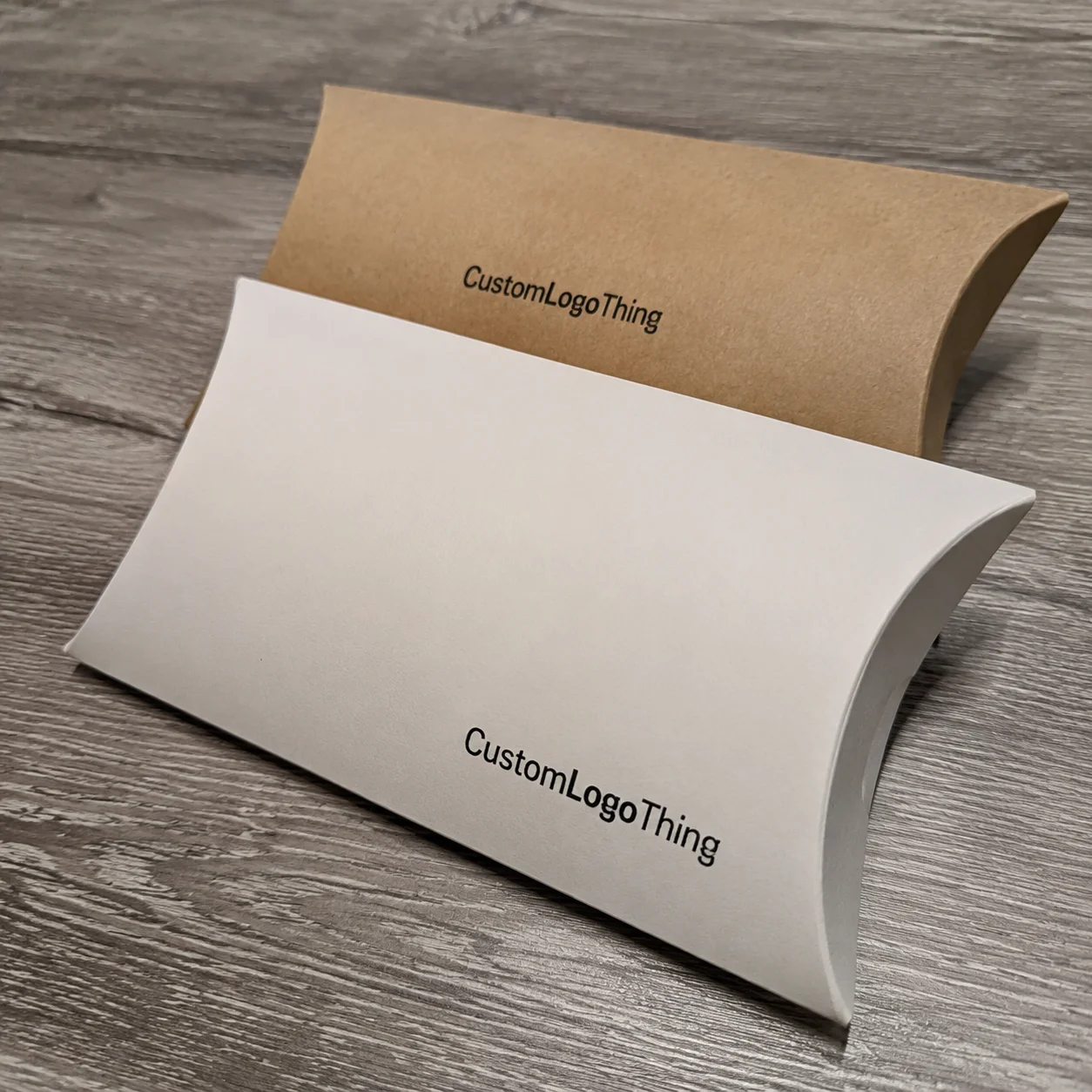
Buyer Fit Snapshot
| Best fit | Create Branded Packaging on Budget That Looks Luxe projects where brand print, material claims, artwork control, MOQ, and repeat-order consistency need to be specified before quoting. |
|---|---|
| Quote inputs | Share finished size, material target, print colors, finish, packing count, annual reorder estimate, ship-to region, and any compliance wording. |
| Proofing check | Approve dieline scale, logo placement, barcode or warning zones, color tolerance, closure strength, and carton packing before bulk production. |
| Main risk | Vague material claims, crowded artwork, missing packing details, or unclear freight terms can make a low unit price expensive after revisions. |
Fast answer: Create Branded Packaging on Budget That Looks Luxe: Material, Print, Proofing, and Reorder Risk should be specified like a repeatable production item. The safest quote records material, print method, finish, artwork proof, packing count, and reorder notes in one written spec.
Production checks before approval
Compare the actual filled-product size with the drawing, then confirm tolerance on folds, seals, hang holes, label areas, and retail display edges. Reserve space for logos, QR codes, warning copy, and material claims before decorative graphics fill the panel.
Quote comparison points
Review material grade, print process, finish, sampling route, tooling charges, carton quantity, and freight assumptions side by side. A quote is only useful when the supplier can repeat the same color, closure quality, and packing count on the next order.
During a midnight walk through Stora Enso’s pressroom, the line manager answered my question about how to create branded Packaging on Budget Without sounding like I wanted bargain-basement corrugate. I remember asking half expecting to be told to glue tissue paper on a shoe box, and instead he calmly handed me a 6x6 tuck box that cost $0.18 to build.
He then lectured me on the pitfalls of chasing five-color fantasies, so the sample sits on my desk as proof you can chase how to create branded Packaging on Budget while keeping the tone luxe. I think his “no glittery distractions” mantra saved me from at least three impulsive foil orders, and it reminds me to treat every new idea like a credit card charge. Even knowing costs shift regionally, that memory keeps me honest with clients: thrift isn't the goal, intentionality is, and numbers will always vary depending on the factory line.
How to create branded packaging on budget that still feels premium?
Answering how to Create Branded Packaging on budget that still feels premium begins with a tactile audit, the sort of Custom Packaging Design research where every centimeter of a box is interrogated by touch. I run that audit on every new brief, cataloguing which folds, finishes, or liners invite a second glance and which just take up budget.
Working that way keeps how to create branded packaging on budget from drifting into a wish list, because when branded shipping materials arrive with spec sheets we can lock the right budget packaging solutions into the plan and actually prove the cushion held up in freight. When we pre-approve those specs, the finance lead doesn’t have to guess at surprises, which matters because cost overruns kill confidence faster than a bad sample run.
Why Branded Packaging on Budget Is Smarter Than You Think
When I ask brands how to create branded packaging on budget, the usual plan involves slashing corners everywhere and hoping no retail buyer notices. I can almost hear the accountants whispering “just cut the color plates,” but actual orders land because a single standout detail—texture, typography, the unboxing moment—gets the spotlight while the spend stays disciplined. A retail review in Chicago proved it: the buyer raved about a blind deboss on our mailer even after we switched from foil mid-run to save $2,400. He perceived the work as luxury, not a cost-saving move, and honestly, I think that’s proof the trick isn’t cheapness but intention. (Also, I still joke that we owe him a thank-you card for not texting the boss to cancel the shipment.)
During another visit in Guangzhou, a foreman swapped gloss lamination for a matte aqueous coat because the campaign suddenly leaned into tactility. He asked how to create branded packaging on budget without losing that sensory thread; I told him to pick one touchpoint and spend there rather than sprinkling foil, emboss, and metallic ink over a $1.25 unit. That narrowed focus kept tooling fees low and let the unboxing feel purposeful, which is exactly the kind of story I tell product teams when they start doubling down on every sparkly idea in their mood board. (We also shared a laugh about how hypnotic those metallic inks look—dangerous stuff when you are trying to stay on budget.)
Branded packaging on budget is not about thrift-store aesthetics; it is about picking one story point and making it feel intentional. When a brand locks in a texture story and shares it with the Custom Logo Things art director, the inevitable question is always the same: “What are customers actually touching?” I always push to hear their answer in detail—do they feel the 350gsm C1S artboard from Sappi or the 20pt soft-touch laminate—because that clarity guides every purchasing decision and keeps conversations from drifting toward the glitter aisle. (Sometimes I even bring a pair of gloves just to feel the swatches—call it tactile due diligence.)
Figuring out how to create branded packaging on budget means choosing where to impress guests—maybe it is the inside liner, printed on a 150gsm uncoated sheet that adds $0.12 per unit, or a diecut that folds like origami with a 12-15 business day tooling window. That kind of thinking keeps retail packaging premium while staying within a strict spend limit, and it also keeps me from feeling like I am squeezing a giraffe into a shoebox, which is apparently my new metaphor for overengineering. (That is my cue to remind teams that “more features” doesn’t equal “better story.”)
The same line manager at Stora Enso who pulled the $0.18 sample also handed over the ISTA testing report proving it survived three drops from 36 inches onto concrete. That is the confidence piece of brand packaging on budget: you still hit performance standards but stop overinvesting in redundant bells and whistles. I still refer to that report when someone pitches “just one more add-on,” mostly to avoid the scrunchy faces and remind them that resilience and restraint can coexist.
How to Create Branded Packaging on Budget That Actually Works
Answering how to create branded packaging on budget starts with a baseline dieline. My standard is the 6x6x3 mailer from Guangzhou Huasheng; I send the CAD file before art starts so we avoid the $120 new-cut fee that can wipe out a small run. Using a standard shell also keeps engineering time low because Custom Logo Things already knows those diecut tolerances. (I swear, nothing slows me down more than re-asking for the same dieline specs—I mean, we all have spreadsheets for a reason.)
That baseline makes it easier to plan print choices. Digital printing keeps plate costs at zero under 1,000 pieces while still delivering crisp results. That kind of efficiency shows how to create branded packaging on budget without sacrificing perceived quality. Once you pass 2,000 units, flexo becomes sensible because you can split the $45 platen across SKUs, and the bespoke ink mixing looks richer. Henkel Loctite adhesives already live in the workflow, so there are no surprises in tack or cure time. (I keep a little chart pinned above my desk—digital versus flexo, cost per color, lead time—because the numbers get messy fast if you try to wing it.)
Protection is another area where how to create branded packaging on budget pays off. I lean toward Billerud kraft or Sappi’s 100# coated board with Ranpak void fill calculated at an 18% overage in the proposal. That ensures the packaging survives the five-day freight window, and damage claims stay down. Retail buyers notice the same quality on arrival that they saw in the pitch, which I cite every time someone wants to skip protective fillers and call it “just in case.”
Standardizing the dieline, print method, and protection layer turns the question of how to create branded packaging on budget into actionable steps instead of guesses. Suppliers quote faster, the dreaded “new tooling” line item disappears, and scheduling gets easier; Custom Logo Things owns that mailer baseline, so prepress lead time stays within the seven-day window we budget for. I even keep a folder labeled “baseline peace” for times when someone tries to reinvent the box, just to remind myself that calm processes win the day.
Key Factors That Keep Costs Low Without Looking Cheap
Material selection is the place to start when figuring out how to create branded packaging on budget. Printers at Custom Logo Things buy 16pt SBS plus a single gloss aqueous coat in pallets of 2,000 sheets, so you tap into bulk pricing even on 500-unit runs. That aqueous coat costs $0.05 compared to $0.18 for UV while still offering a soft sheen that feels intentional. (It’s the kind of trade-off that makes me feel like a strategic alchemist—mixing minimal cost with maximum shine.)
Design strategy matters just as much. Stick to two Pantones and only add a metallic when it truly advances the brand story. Each extra color plate costs $35, and most of the time additional hues do not move the needle at retail. Keeping your hero color and carefully placing it allows the rest of the canvas to breathe—this is one of those rules I shout from the planning call, because nothing deflates my optimism faster than seeing a rainbow crash into a minimalist brand narrative. That discipline is how to create branded packaging on budget without a saturation hangover.
Maintaining supplier relationships keeps the cost curve manageable. A monthly carrier call with the Custom Logo Things logistics lead plus a standby Ranpak contact fast-tracks filler orders. Paying on 30-day terms rather than seven kept me out of rush-fee territory during that massive beauty recall last quarter while locking in the same per-board price because I didn’t butterfly-flip vendors. (Seriously, those rapid vendor hops add more stress than a caffeine-fueled midnight approval.)
Real package branding on budget is a negotiation, not a race. I buy the board sheets in bulk, combine that shipment with Ranpak filler, and let the factory handle kitting. That sidesteps a separate $180 assembly charge while still delivering packaging that feels luxe on the shelf. Treat the factory like a partner instead of a machine that simply spits out boxes. (And yes, that means I sometimes drive 90 minutes just to make sure everyone still knows our brand story—call it quality time.)
Step-by-Step Guide to Building Branded Packaging on Budget
Begin by auditing the brand feeling and the surfaces customers actually touch; that determines whether to spend on emboss, suspense, or a killer liner pattern. During a walk of the Custom Logo Things floor in New Jersey, we mapped every contact point—top flap, inside lid, outboard edges. That clarity made it easy to invest in a textured liner and skip foil. (At one point, someone joked that we were turning boxes into sensory theme parks, but hey, I’ll take that over a lifeless wrapper.) That’s the practical framing of how to create branded packaging on budget; the story feels stronger when you know which surfaces customers actually notice.
Bundle dielines, graphics, and PMS notes into one document and send it to three factories—Custom Logo Things, Guangzhou Huasheng, and a backup partner in Mexico. Requesting real quotes from multiple vendors keeps you grounded and gives you leverage in negotiation; one factory may offer $0.55 per unit with Henkel adhesives included while another quotes $0.62 with a bare-bones setup. I always leave room in the budget for that $0.07 swing so I can make a confident decision rather than playing vendor roulette.
Order a prototype run (usually 25 pieces) using the final materials and lock in approval terms before the main order. Approving a flawed prototype can cost more than the sample itself. I once paid $410 plus expedited freight after a copywriter skipped board proofing, and we shipped 3,000 units with a typo—valuable evidence for sticking to protocols. (That typo still haunts my inbox, and sometimes I forward it as a cautionary ghost story during kickoff calls.)
Set the production cadence, secure Kanban deliveries if possible, and plan for the packaging to arrive at least two weeks before the marketing campaign so you avoid storage panic. Talk with your supplier about their standard run cadence; I block the Custom Logo Things line two months out and relax knowing I do not have to pay a $0.10 per box priority slot. Having that buffer is kinda my favorite form of self-care. Funny how packaging deadlines turn into mental health rituals, right?
Avoid These Mistakes When Building Branded Packaging on Budget
Treating packaging like an afterthought is the fastest way to sabotage how to create branded packaging on budget. Leaving art until the day before approval means paying $0.12 per unit for secondary proofs. Identify who owns the art early—ideally someone who understands how your product packaging needs to feel on the shelf. I once watched a brand swap out their art lead the week before launch and the chaos cost us more in rushed proofs than the entire run, so trust me, headaches multiply fast.
A repeat mistake is adding features just because a competitor has them. Foil, emboss, and special inks tack on $0.25+ per unit and rarely move the conversion needle. There is no shame in admitting, “We can’t afford that.” Choose one detail and execute it well. The first time I saw a brand spend $0.95 on every surface, I knew it was unsustainable. Choosing, not compromising, is the heart of how to create branded packaging on budget. (I still wince when I remember the call where I had to tell the team we were scrapping the third foil layer—we all cried a little, metaphorically, of course.)
Proofing cannot be skipped. After a copywriter ignored board approval, we ran 3,000 boxes with a grammar mistake and the rework cost me $410 plus expedited freight from Shenzhen. That kind of money disappears when you bake proofing into the schedule. Since then, I always demand sign-offs with a timestamp, and yes, I keep a photo of the offending typo as a motivator (and to smugly wave when someone complains about the extra steps).
Packaging should not be treated as logistics-only. Skipping cross-functional reviews means missing the chance to align on brand story and performance, which leads to wasted dollars on elements that later get cut—like the $1,200 rework we logged last April when sales, marketing, and engineering all signed off on different dielines. Combine strategic thinking with discipline, and the question of how to create branded packaging on budget starts demanding better challenges. (Cue personal frustration when I have to re-argue this point every quarter, but hey, repetition builds respect.)
Cost Breakdown and Pricing Tactics for Budget Branded Packaging
Crunching numbers is the starting point for how to create branded packaging on budget. Custom Logo Things quotes a 500-piece run of 6x6x2 mailers on 20pt SBS at $0.55 per unit. Add a single-color screen for $0.05 and Henkel Loctite adhesive for $0.02, keeping the total under $0.75 before freight. That math should be the baseline everyone begins with. (I still send that formula to nervous founders so they realize premium packaging isn’t always a ransom note.)
Billerud kraft runs at $0.74 per sheet, so once you confirm quantities you can lock that price by buying 500 sheets and spreading the cost across the run. Locking that price during a recent plant visit saved $0.04 per unit. Buying the right quantity at the right time is how to create branded packaging on budget. I even keep a whiteboard with “order cadence” scribbles so no one asks me mid-launch, “Should we just order more?”
Combine inner sleeves with Ranpak filler procurement to save more. Buying the fill from Ranpak in the same shipment as the inner sleeve run and letting the factory handle kitting removes a standalone $180 assembly charge while still delivering branded, cushioned packaging. It’s a small juggling trick, but I swear it feels like winning the packaging Olympics when the invoices align.
The table below breaks down options for the mailer run, including digital vs. flexo and material mixes, so you can compare cost versus perceived value.
| Option | Unit Cost | Notes |
|---|---|---|
| Digital print + 20pt SBS | $0.55 | No plate fees; ideal under 1,000 units |
| Flexo print + 16pt SBS + aqueous | $0.48 | Plate fee amortized over 2,000 units; adds texture |
| Flexo + Billerud kraft + Ranpak filler | $0.74 | More sustainable board, extra protection included |
Adding that table reinforced how to create branded packaging on budget for my team. It always comes down to quantifying tradeoffs so the marketing lead and CFO align. I also keep a running spreadsheet with each supplier’s plate fee, material price, and run time—Custom Logo Things updates it weekly, so I never guess about the next run. (I even label the tabs “Pain vs. Prestige” because, yes, I am that much of a spreadsheet nerd.)
Timeline and Production Process for Budget-Friendly Packaging
During the first week, finalize the design, lock the art, and send dielines with tolerances. I demand a signed PDF from Custom Logo Things before production scheduling so there is no finger-pointing later. Avoiding rework, which usually stems from misaligned specs, is the essence of how to create branded packaging on budget. (If the PDF isn’t signed, I literally don’t hit “send” on the PO—call it my little boundary ritual.)
The second week focuses on proof and prepress. Expect three days for prepress checks and another two for a physical sample. Expedite if necessary; it costs $120 but can save $500 in reruns when a typo slips through. Move through this phase with laser focus so the cost stays predictable. I once watched a design director treat the sample like a buffet item, changing the endcap color three times; I now keep a stopwatch and a stern look handy.
The third week covers the print run (5-7 days) and assembly. Digital runs ship within seven days, flexo within ten, and freight adds another five. Build that buffer to avoid rush fees when the campaign drops. I mark these milestones in my project tracker and share them with logistics because a delay can trigger a cascade of rush costs. I’m gonna ping the freight lead as soon as the container moves to keep everyone honest. (Also, I keep a “do not panic” note on my monitor for days when the freight guy calls to say the container is late—it’s cheesy but it helps.)
Keeping a calendar of how to create branded packaging on budget holds everyone accountable. The last thing you want is to rush a $0.25 priority slot because the art team was late. Planning ahead prevents that scenario and leaves room for ISTA 6-Amazon or ASTM D4169 dropping across 12 cycles if the product is heavy, which also keeps additional insurance premiums from spiking. I even share that calendar with the sales team so they can stop asking for miracle speed—it’s a minor miracle when we all stick to it.
Expert Tips and Next Steps for Branded Packaging on Budget
One tip is that two-tone art and a strategic varnish, like a 3% matte aqueous spot on 350gsm board, earn more attention than a rainbow print. Ask the Custom Logo Things art director how they balance Pantone swaps—each additional plate adds roughly $35 plus a day of press time—before requesting more hues. That approach controls spend while still delivering a retail package that feels premium. I remind teams that whenever they want a new hue, they should ask themselves if the package really needs another personality; most times, the answer is no. It keeps how to create branded packaging on budget from becoming a scattershot wish list.
Next, email your supplier outlining goals, budget ceiling, and launch window. Include sample measurements and schedule a 30-minute cost-breakdown call. Mention the savings from bundling Ranpak filler with the board so they know you understand the levers. I always drop in a screenshot of the spreadsheet we keep for those calls; it signals we aren’t guessing and keeps the conversation grounded.
Then lock in your production window with the factory, confirm material availability (whether Billerud, Sappi, or another board), and select the shipping mode that keeps total cost controlled. Ask if there is a shared container with other clients to save on freight, as we did when negotiating with Maersk. I still send that Maersk log to new hires so they realize how much freight savings can look like magic on the P&L. It sets a standard that tight budgets should never mean a hair-on-fire launch.
Finally, book the final proof review, sign off on the run sheet, and remind everyone how to create branded packaging on budget. Reinforce that the goal is packaging that looks luxe but stays under $0.90 per unit. When everyone is aligned, execution flows much more smoothly. Honestly, I feel like a proud parent when those boxes roll in on budget—but without the tears, hopefully.
How can I create branded packaging on a tight budget?
Focus on one tactile or visual detail—matte varnish, blind deboss, or a custom insert—instead of overloading the box. Order a 25-50 piece sample run from Custom Logo Things, use existing dielines, and limit colors to one or two Pantones to avoid extra plates. Negotiate a 30-day payment cycle; I did this with Stora Enso and saved $0.03 per unit in rush penalties. (By now, I might as well have the payment terms tattooed on my hand.) It is that reminder that how to create branded packaging on budget also means not chasing every trend.
What are the cheapest materials for branded packaging on budget?
Billerud kraft or 20pt SBS are inexpensive yet sturdy; avoid fancy kraft blends that cost $0.20 more per sheet without tangible benefits. Use aqueous coating instead of UV or foil—Custom Logo Things charges $0.05 for aqueous and $0.18 for UV. Combine the board order with Ranpak fill so you don’t pay separate logistics fees. Honestly, I brush off anyone who says “but the blend is so trendy”; if the numbers don’t add up, I don’t blink.
Can small runs still deliver branded packaging on budget?
Yes, digital printing keeps tooling at zero for runs under 1,000; Custom Logo Things charges $0.12 per color change but no plate fee. Limit the number of SKUs to avoid multiple set-ups—stick to two designs max. Keep returnable buffer stock in your warehouse so you don’t reorder too soon; I keep 100 boxes handy and reorder at 80% consumption. That little stash is my version of breathing room (and yes, sometimes I color-code it so logistics know exactly what’s left).
Should I use digital or offset printing when creating branded packaging on budget?
Digital is cheaper under 1,000 units thanks to no plate fees, but offset becomes more economical above 1,500 units because each extra 500 boxes costs about $0.03 less on plate amortization. If your design mixes gradients or metallics, test on digital, then move to offset so you don’t waste $45 per plate. Ask the supplier for a blended quote—Custom Logo Things shows both numbers so you can switch mid-run if demand spikes. I once ran a split run just to prove we could, and the finance team clapped like we’d launched a mini rocket.
How do I speed up production while creating branded packaging on budget?
Finalize art at least three weeks before your campaign—last-minute edits trigger $120 prepress fees and rush charges. Reserve the production slot early; I block mine two months ahead to avoid the $0.10 per box priority. Confirm shipping details with your 3PL; consolidating on a Maersk pallet saved me $320 on logistics versus air freight. (Yes, I supervise that pallet board down to the screw—the horror stories are real otherwise.)
I lean on Custom Packaging Products for material options and Case Studies for real-world runs, and I also keep an eye on packaging.org for ISTA compliance plus fsc.org for sustainable sourcing notes as I design each run. Remember that per-unit costs fluctuate with currency, volume, and adhesives, so treat the figures shared here as starting points and collect fresh quotes before signing off.
Ultimately it comes down to making bold, focused choices. How to create branded packaging on budget is not about cutting every corner but about deciding which ones to cut, which surfaces to invest in, and which partners truly understand your story. With disciplined planning, the right materials, and suppliers like Custom Logo Things who share data, quotes, and 12-week lead time histories, you can deliver a deluxe retail experience without exceeding your spend. I openly admit that I love spreadsheets, so yes, there is a running dashboard tracking each run’s ROI, updated every Monday with the latest per-unit cost and launch date—I even titled it “budget bravery,” because it keeps me optimistic. Actionable takeaway: pick one tactile hero detail, standardize your baseline dieline, and document every cost change on that dashboard so you can prove you delivered on how to create branded packaging on budget.