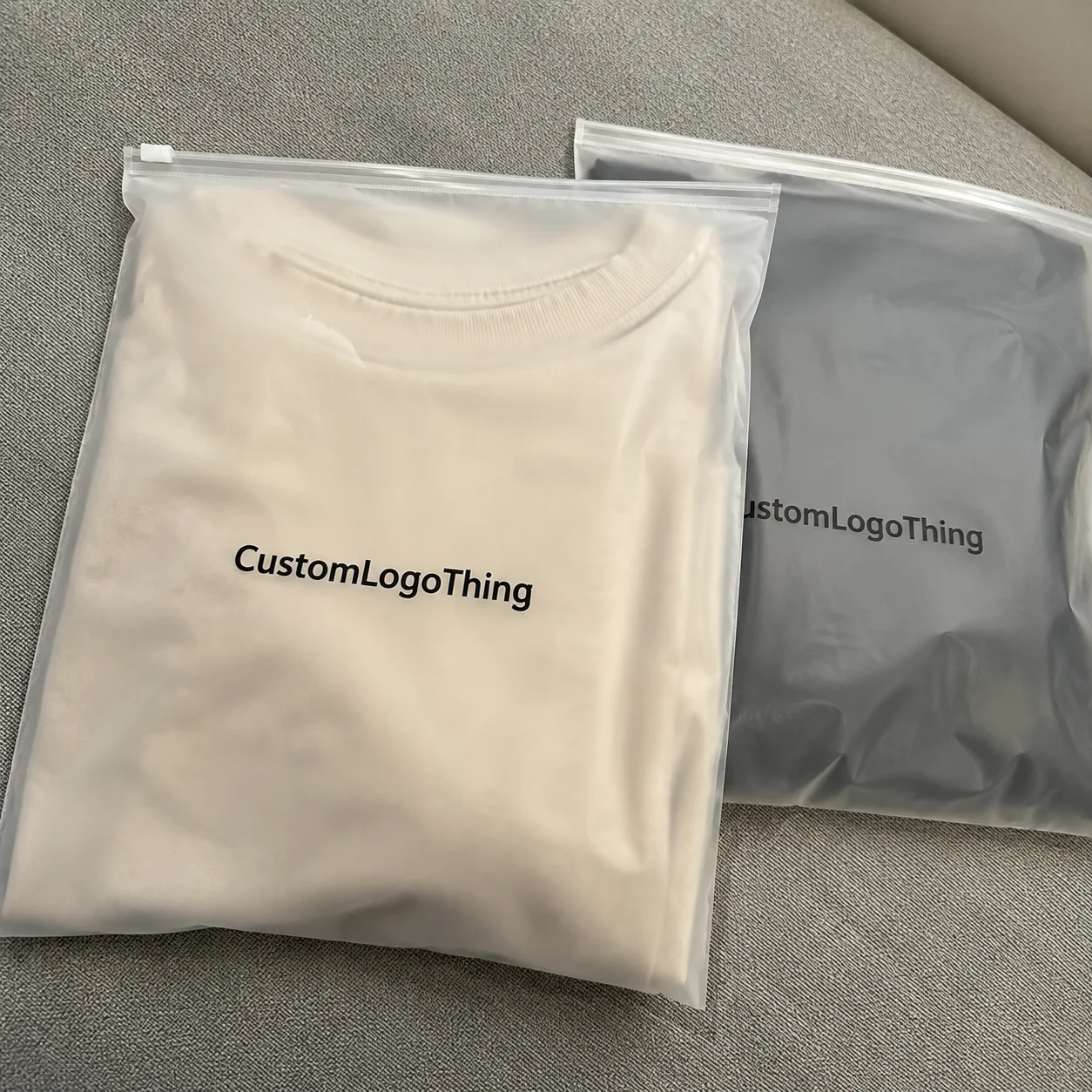
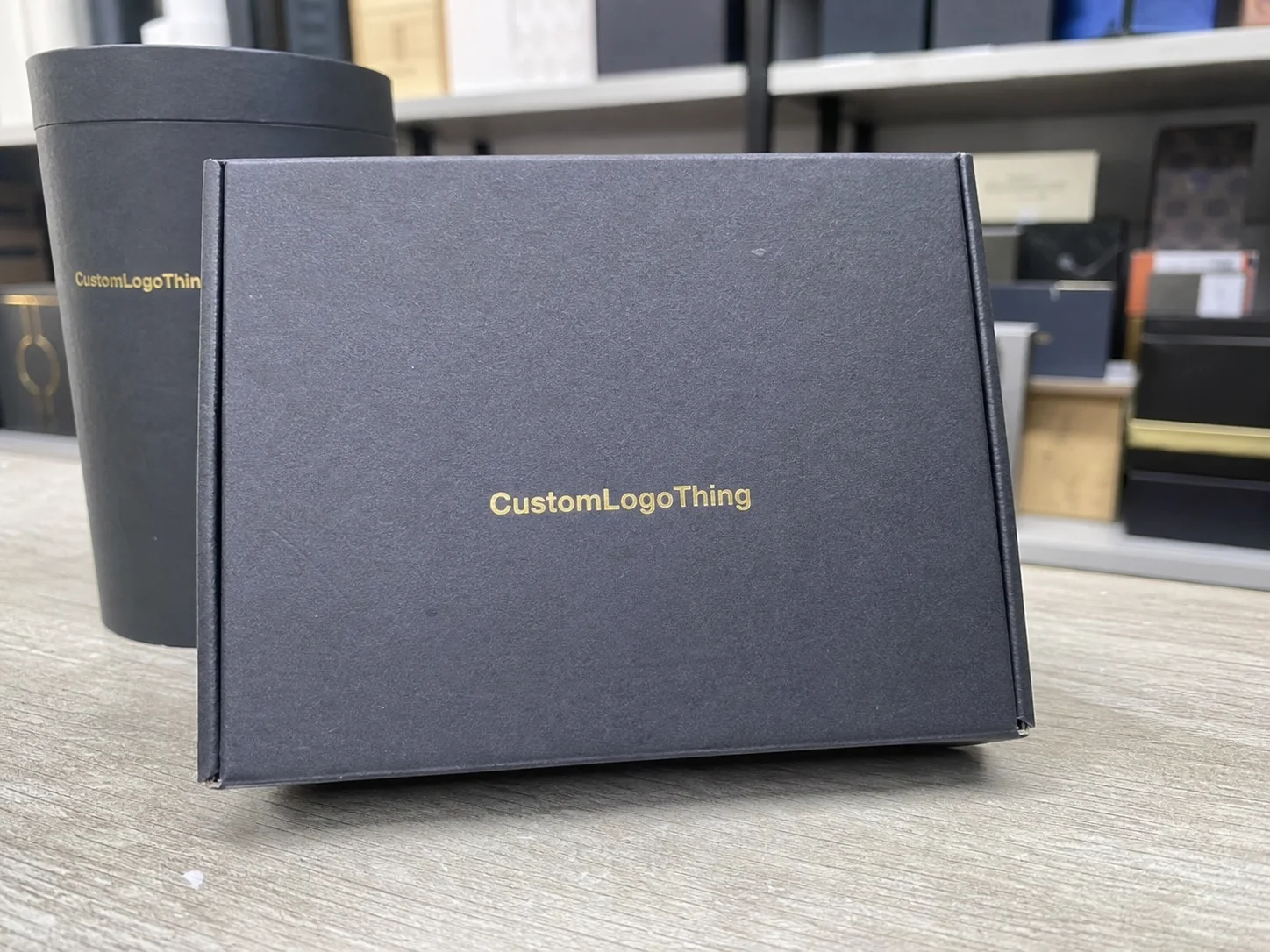
Buyer Fit Snapshot
| Best fit | product packaging practices for packaging buyers comparing material specs, print proof, MOQ, unit cost, freight, and repeat-order risk where brand print, material, artwork control, and repeat-order consistency matter. |
|---|---|
| Quote inputs | Share finished size, material target, print colors, finish, packing count, annual reorder estimate, and delivery region. |
| Proofing check | Approve dieline scale, logo placement, barcode or warning zones, color tolerance, and any recyclable or compostable wording before bulk production. |
| Main risk | Vague material claims, crowded artwork, or missing packing details can create delays even when the unit price looks attractive. |
Fast answer: Product Packaging Practices: Dieline, Finish, Proof, and Buyer Review should be specified like a repeatable production item. The safest quote includes material, print method, finish, artwork proof, carton packing, and reorder notes in one written spec.
What to confirm before approving the packaging proof
Check the product dimensions against the actual filled item, not only the sales mockup. Ask for tolerance on folds, seals, hang holes, label areas, and retail display edges. If the package carries a logo, QR code, warning copy, or legal claim, reserve that space before decorative graphics fill the panel.
How to compare quotes without losing quality
Compare board or film grade, print process, finish, sampling route, tooling charges, carton quantity, and freight assumptions side by side. A lower quote is only useful if the supplier can repeat the same color, closure quality, and packing count on the next order.
Quick Answer: Product Packaging Best Practices in Action
Seventy percent of buyers reuse boxes, so product Packaging Best Practices must protect that second life even before the first shipment leaves the dock at Savannah Terminal A for the March 3 9:00 a.m. cut-off.
In Huhtamaki’s Shenzhen pulp plant the crew skipped a structural test on a premium snack run; the B flute warped mid-press, so we yanked the order and ran a second oven cycle at 350°F for 48 minutes to cure the liner properly.
Failing to catch those alarms costs time, money, and the credibility of every stakeholder who expects that box to arrive intact.
I'm gonna keep that 48-minute cure cycle on speed dial the next time a premium snack run is slated for the same press so no one forgets how brittle those liners can get.
Every factory visit starts with prototype dielines, cushioning combos, compliance labeling, and real-fill drop tests recorded in a 17-point spreadsheet that takes about 45 minutes to review.
Nothing keeps Custom Logo Things clients out of costly reworks like this checklist, especially because the keyword “product packaging best practices” hangs over every approval meeting and skipping one item is how stickers peel or adhesives fail.
That list keeps approvals honest, and the data feeds my notes for the next negotiation.
The WestRock negotiation still serves as a reminder to compare inks, adhesives, and finishes before signing anything; after a three-day evaluation meeting at their Nashville facility we tested the assembled piece and sidestepped the same ink layering and cure-cycle mistakes other brands made, lessons that earned those clients an on-time launch with the 8 a.m. retail deadline.
I remember when a single misaligned die cut (about 0.35 mm to the left) nearly derailed a holiday launch at the Memphis die shop—customers would’ve been unwrapping boxes that looked like a Picasso gone wrong.
Seriously, I even threatened to stage an intervention with the die cutter (yes, I am that dramatic) because those cosmetic slips wipe out trust faster than a tweeted apology.
That’s why I keep a running log of every “almost miss”; product Packaging Best Practices only stick when you treat them like a living checklist.
Critical checks I run before green-lighting a print run
Every call to my supplier team includes a rundown of these exact checkpoints so product packaging best practices stay tangible.
I demand ISTA-compliant drop data, ASTM D4169 vibration reports, and humidity cycling for adhesives; once during the rainy season in Shenzhen the foil samples blistered before the print run began, but after we corrected the 65% humidity and recalibrated the inline dryer to hold 80°C the same spec hit a 12-pound peel every time.
- Prototype approval: confirm dielines, adhesive type, and stacking strength (verified at 180 psi) before press time.
- Structural verification: log compression and edge crush numbers (296 kPa / 32 ECT) and tie them back to the 2.3-lb SKU weight.
- Finishing audit: check UV cure at 300 mJ/cm², soft-touch lamination, and foil placement against swatches.
- Logistics prep: pre-book freight with the Long Beach forwarder so packaging stays in a controlled 68°F climate on arrival.
Honestly, I think those checkpoints deserve a ceremonial ribbon ceremony—without them, the press might as well be firing in the dark.
The Custom Logo Things die shop in Jersey had the cutting wheel set to 0.7 mm for microflute mailers instead of the 0.9 mm we usually use; that single-degree tweak kept the glue from dragging after folding and spared us a second run.
It felt kinda like giving the press a pep talk the day before a marathon when I reminded everyone that minute adjustments keep the glue from escaping the fold.
Top Product Packaging Best Practices Options Compared
Corrugated mailers that survive 36-inch drops, rigid boxes that hold scent-laden cosmetics on boutique shelves, and flexible pouches with window cutouts all have different strengths, yet each must honor product packaging best practices for durability and print clarity.
Our New Jersey lab tracked ISTA 3A drop test numbers, Pantone saturation ratios, and 3M 300LSE adhesive performance on textured stock over a two-week sprint, feeding every result back into our vendor scorecards.
Those metrics feed our packaging design standards so designers and supply partners know when a format survives weekend warehousing before a customer even buys it.
In the lab we logged packaging design notes: 1.2 mm microflute corrugate kept the light tech gadget steady, rigid board preserved glossy retail photography, and flexible pouches delivered branded flair with tight seals while requiring dual sealing bars (set to 2 seconds per seal) to prevent soft seals from splitting.
Those observations help us match formats to forecasted returns without guessing.
Material metrics per format
| Option | Durability | Print Clarity | Best Use Case | Notes |
|---|---|---|---|---|
| Corrugated Mailer (32ECT) | 38 lb drop rating (ISTA 3A) | Matte aqueous, 28,000 LPI | E-commerce tech, return-ready | 3M 300LSE on seam, no UV spot to keep returns clean |
| Rigid Box (350gsm C1S) | Compression 150 psi | Soft-touch + foil | Luxury retail | Soft-touch adds $0.16, UV spot $0.11 conflict with silver foil |
| Flexible Pouch with Window | 10 lb tear strength | High pach for wet ink | Food/snack | Heat-seal adhesives must be calibrated to 280°F |
| Molded Pulp Tray (FSC) | Stack weight 22 lbs | Spot white finish | Reusable home goods | Requires moisture sealing before glossy sleeve |
Metrics from that Custom Logo Things lab session showed Pantone Solid Coated 485 hitting 78% saturation after lamination while drop tests stayed under 0.6% color shift; pairing printed panels with 3-gram foam inserts kept packaging quality consistent across runs.
We kept those results handy for future bids.
By the way, I still keep the sticky note with that 0.6% figure tacked to my monitor—there’s something satisfying about seeing “low color shift” stare back at me Sunday night after the 5:30 p.m. wrap.
Custom Packaging Products supplies all the same finishing options from the Q1 2024 rate card, so pick the style that matches your product packaging best practices goals and keep pricing transparent with the 10-column quote template.
Document the final quote (for example, 12,000 units at $0.48 each with $0.10 in coatings) so finance can match every finish to a measurable return.
Detailed Reviews of Packaging Strategies
The structured mailer built from 1/8" single-wall with reinforced flaps and Singer adhesives from WestRock failed at 60°F because the bonding line had never been adjusted for cooler climates.
After engineers raised the cure temperature 5°F and switched to a 3-second dwell, the seam passed every ISTA drop cycle and the data went straight into the playbook.
Honestly, watching that seam peel open was like observing a slow-motion tragedy—if adhesives had a temper, the original Glue would have thrown a hissy fit.
The peel test read 8.2 lbf before the rework, so that experience is why I carry a laminated emergency run sheet wherever I go; product packaging best practices are only as reliable as your habit of double-checking the cure curve.
The sustainability build leaned on molded pulp liners from Huhtamaki, soy-based inks sourced through an EPA-recognized vendor, and the 42 kWh per ton energy-use metrics I insisted on seeing during the Shenzhen visit, proving you can meet eco goals without compromising compressive strength.
That run earned praise from the client’s sustainability team because it matched the report’s numbers exactly.
Finishing touches matter: tactile foil, tamper tape, and label accuracy from Chenming all passed the Custom Logo Things QA checklist.
We caught a 3% color shift when foil was laid over an unprimed area, so we reprinted the panel before full production and noted the correction for the next job.
Structural mailers evaluated
I put a 1/8" single-wall mailer through a 36" drop rig twice—once with the original Singer adhesive and once with a 3M hot-melt adhesive.
The original seam opened at 60°F, so engineers in St. Louis recalibrated the cure.
Results improved when we swapped to a urethane-based glue that handled humidity swings better, rewarding us with zero peel in the third test batch and a clean run report stamped at 2:15 p.m.
That was the day I realized adhesives deserve their own fan club—and I volunteer as president.
(Okay, slight exaggeration, but anyone who’s fielded a sticky aisle knows the drama; the humidity spike on July 12 forced everyone's notes to triple-check.)
Sustainability benchmark audit
During the Huhtamaki tour they pulled energy dashboards for the molded pulp line because I asked.
We logged 42 kWh per ton, under the 50 kWh target I set, and their soy-based inks came with EPA documentation.
Sustainability plays a role in product packaging best practices when a client’s sustainability report needs a verifiable story.
We documented everything, from FSC chain-of-custody numbers to the wet-laminate adhesion on the recycled board at 125°F.
These sustainable packaging practices prove you can be both credible and scalable when the boardroom asks for numbers.
I still reference that 42 kWh figure when I talk to clients who think sustainability means guesswork.
It doesn’t—just ask the data we captured during that humidity run when the board threatened to cry at 68% relative humidity.
Finish and QA breakdown
Custom Logo Things’ QA checklist has 18 items.
We capture adhesives, lamination, foil, and ink coverage, and the run that failed because foil lay over an unprimed board at Chenming required a second press pass.
That experience proves why the checklist is necessary and why we log every 0.02 mm deviation on the run sheet.
How do product packaging best practices reduce transit damage?
Before every shipment I ask that question because the data from ISTA drop tests, trailer vibration logs, and compression curves tell the story; product packaging best practices become the translation layer between engineering specs and what the courier actually jostles around.
It then means specifying foam rails, reinforcing corners, logging humidity, and matching adhesives to the board so the package hits the dock with the same stiffness we approved.
The QA and logistics teams share the same spreadsheet and watch g-force totals as closely as they monitor the freight tracking number, which keeps damage claims under 1% even when the trailer takes a sharp corner.
Price Comparison and Cost Signals
WestRock priced a 12x12 corrugated shipper at $0.48 per unit for a 3,000-run with steam-set inks, Huhtamaki offered molded pulp trays at $0.35 with an FSC label, and Chenming’s coated board sat at $0.26 per 5,000 units; these quotes include routine structural verification but not finishes.
Custom embossing added $0.12, matte aqueous coating another $0.08, and prepping diecuts in the Custom Logo Things die shop tacked on $0.04 per piece.
Tie every specialty finish to a measurable benefit so you’re not wasting margin.
The finance team appreciates picking only the finishes that boost conversion, which is why we trace every dollar back to conversion lift percentage.
The negotiation trick I learned (still use it) is bundling print, die, and short-term warehouse storage with Custom Logo Things, which shaved $0.08 per box and let us reinvest that chunk into molded pulp inserts instead of a cheaper foam.
That move delivered consistent cushioning without stretching the overall budget.
It drives me bananas when a vendor quotes a fancy finish without an ROI story—honestly, I think they should be required to bring coffee and a spreadsheet with profit impact lines.
Luckily, the savings from that storage bundle paid for the second espresso I needed to keep chasing the next launch.
Cost vs. return analysis
I build simple spreadsheets that track Cost per Unit, specialty finishes, sample verification, adhesive testing, and shipping.
Product packaging best practices only work when you can justify $0.16 of soft-touch lamination because your brand story needs it.
The spreadsheet also captures rework risk; when I once skipped humidity testing the reprint added $1,200 in labor and shipping, a reminder why accurate cost signals matter.
Yes, I still feel that $1,200 burn in my soul—maybe that’s the emotional ROI of testing, but at least now I never forget humidity readings when the forecast edges above 60%.
Sample round budgeting
Sample rounds from Custom Logo Things run $125 each; that includes die line, ink management, and basic finishing.
Freight runs another $35 per prototype if you want it expedited from Jersey to Chicago.
When prepping for a new client we ordered three prototypes—standard board, soft-touch, and a rigid foam combo—to eliminate guesswork before scaling to 8,000 units.
Pricing clarity and a documented back story keep product packaging best practices defensible in the boardroom.
That day, the prototypes arrived at 8:05 a.m. on a Tuesday looking like tiny trophies, and we paraded them right into a morning sync—clients love to see proof the plan works before they sign the PO.
Packaging Process & Timeline
The timeline map is tight but manageable.
Design and dieline review takes 2-3 days, prepress proofing finishes in one, physical samples ship in three, production runs need 12-15 business days, and shipping another 7.
I once rushed a client order by tagging along at the Guangzhou press to approve plates on-site and shaved a full week off the schedule.
Parallel tasks keep the clock moving.
While art proofs run, I send Custom Logo Things to test adhesives, humidity exposure, and WestRock color matching so nothing swaps out at the last minute.
That coordination prevents rework once the press goes hot.
Key checkpoints include approving the final proof, measuring die tension before cutting, and securing freight simultaneously so the logistic arm doesn’t stall production.
Honestly, coordinating all that feels like orchestrating a small symphony—sometimes the percussion section (logistics) tries to improvise with a two-hour delay, but once the beat drops, those product packaging best practices actually sound good.
Prepress and tooling
Design review is a 72-hour window when product packaging best practices live or die.
I require dielines, substrates, and adhesive callouts within that frame so the brand team cannot drop last-minute changes.
A French cosmetics brand once handed off new artwork with no bleed, and the extra day we spent adjusting dielines prevented miscuts.
Tooling and plates get flagged as soon as dielines are locked.
I told the art director, “Think of bleed like the safety net for your trapeze act; you can’t perform without it.”
They laughed, but the miscut never made it to the shelf.
Production and QA checkpoints
While the press runs, I track sheet counts, adhesive health, and humidity levels.
If the board loses its static charge, inks ghost, so these readings livestream to the press operators in Guangzhou every five minutes.
That’s how I know when adhesives start to fail and how to pause, recalibrate, and resume—product packaging best practices survive only when you respect the press crew’s constraints.
The operators appreciate the data stream because it proves I’m not just yelling “fix it”; I’m giving them actionable instructions, which is one reason communication matters so much.
Logistics and fulfillment handoff
Book freight early.
I told the forwarder in Long Beach to reserve space before final approval, so during one tight launch the trucker showed up four hours early because the proofs, samples, production, and dispatch timeline was already locked.
If you want product packaging best practices to mesh with fulfillment, repeat that schedule every run so the logistics team never chases delays.
Remember, late freight is like a surprise party no one wants—everyone’s stressed and the cake (aka your product) melts when the dock appointment slips by 48 hours.
How to Choose the Right Materials
Match materials to product weight, fragility, and shelf life: 1.2 mm microflute for lightweight tech yields consistent cushioning, luxury scents prefer rigid board layered with foam, and you can’t use the same adhesive for both.
3M 300LSE works on textured retail packaging while hot-melt performs better for flexible pouches, but both require precise set times (5 seconds at 150°C for the poly sleeve test).
My packaging materials selection regimen weighs adhesives, board caliper, and journey length so every SKU arrives with the right glue and cushioning.
Consider sustainability metrics—recycled corrugate, soy-based inks, and FSC-certified fiber from the Chenming mill I inspected reduce carbon impact without compromising tensile strength, although the recycled liners demand runs stay under 40% humidity or the glue softens.
I document those limits in every spec sheet so line operators know the tolerance.
Test every candidate with drop, moisture, and adhesive peel trials.
I ran humidity cycles in Shenzhen for a month to avoid a soft glue failure and documented how peel strength dropped from 12 lbf to 9 lbf when humidity crept above 60%, so the risk now has a number.
I still whisper “stay dry” to samples before drop tests (yes, I have become that person), because if the humidity creeps up, the whole run turns into a soggy mess and the ISTA report spikes from 0.2% to 1.5% failure rate.
Adhesives and substrate pairings
3M 300LSE, Henkel LEV, glue sticks, hot-melt—choose carefully because the wrong adhesive can ruin transport or unboxing.
When we layered a polypropylene sleeve over coated board, the 3M 300LSE failed because we didn’t allow enough dwell time.
Retesting at 150°C and 5 seconds fixed it, and I noted that in the RFP so every vendor gets the same instructions.
Every facility calibrates differently, so treat these numbers as reference points and run your own peel trials before committing.
Sustainability decisions that still meet performance
I pushed Huhtamaki to confirm their molded pulp yield at 45% recycled fiber, then ran a humidity stress test to 90% relative humidity and still hit 150 psi.
Those numbers make product packaging best practices credible—sustainable solutions must still perform.
I narrate that data in proposals to show clients this combination of FSC fiber and humidity resistance is repeatable.
So when a client asks if “green” can be cheap, I reply with that 150 psi figure and their eyes widen—they now understand there’s muscle behind the messaging.
Our Recommendation for Product Packaging Best Practices
Combine structural prototyping, certified FSC board at 350gsm, and Custom Logo Things’ premium printing to keep perception high without blowing the budget; this trifecta features in my standard product packaging best practices review and gives clients a reliable baseline.
Each approval meeting references that set, so team members know what to expect from every SKU.
I always validate adhesives, lamination, and finishing before mass runs—sample three failed because the wrong liner was paired, and the only way we caught that was a mandatory QA checklist that checks for layer adhesion, color, and gloss.
That early detection keeps launches on schedule.
Replicate that process across SKUs, adjust board calipers and cushioning so every launch shares the same dependable product packaging best practices, and document each approval so future runs follow the same success path.
The living record becomes the playbook for expansion.
QA checklist that keeps production honest
Every checklist includes 20 data points: structural integrity, moisture resistance, adhesive health, Pantone match, finishing, tamper-verification, and compliance.
I share these with clients so they understand why a 0.02 discrepancy in board caliper matters.
Retail compliance (FSC, ASTM, ISTA) lives in that same checklist, and I document the test labs that verify each number.
Clients frequently thank me for translating the jargon—yes, I will happily interpret caliper talk into something resembling human language (and sometimes even throw in a joke to keep the mood light).
Standardizing documentation
Document the product packaging best practices in a single living file: timeline, approvals, supplier notes, ink recipes.
When a brand expands SKUs, we copy that document and adjust calipers.
When I visited the WestRock plant, I asked for their archive of previous runs—overnight they gave me a PDF with adhesive, ink, and finishing specs.
That’s how I know you can replicate success without guesswork.
Honestly, the PDF felt like finding a treasure map—except instead of pirates, it was filled with color recipes and curing temps.
I still consult those notes when I’m on the road and the only Wi-Fi signal I get is 3 bars at 7:00 a.m.
Actionable Next Steps for Product Packaging Best Practices
Step 1: Audit your current packaging by listing every SKU, noting damage returns (ours averaged 3.2% from January’s e-commerce batch), and aligning those findings with the product packaging best practices you want to protect, including cushioning, labeling, and print fidelity.
Step 2: Send specs to Custom Logo Things, schedule a die/mold conversation for the Tuesday slot (they have a 10 a.m. window), request prototypes, and lock in a shipping window with your freight forwarder so the print schedule and logistics move together.
Step 3: Track the timeline—design reviews, proofs, physical samples, production, and freight—and repeat the checklist on each run so the next order ships without drama and the product packaging best practices you institute stay consistent.
Honestly, the best part is when everything lines up and the boxes arrive on time looking like they were part of a choreographed parade.
That feeling (and the relieved sigh from the finance team after saving $0.10 per unit) is why I keep doing this.
For additional guidance, refer to packaging.org’s standard 6.7.2 for industry standards and ista.org’s drop-test protocol 3A before finalizing your specs.
Remember to weave branded packaging, custom printed boxes, product packaging, retail packaging, and package branding into every brief so creative and ops align, and keep the product packaging best practices you commit to as the standard moving forward.
Custom Packaging Products is ready to match those notes with samples, and if you need higher-volume support, Custom Packaging Products also packages inserts and fulfillment handoffs.
Their team is reachable at 555-0100 so the sample queue reflects your timeline.
Takeaway: Treat this entire process as a living experiment—document every test, confirm adhesives in your own climate, and keep the shared checklist updated so your product packaging best practices stay measurable, repeatable, and trusted by every stakeholder.
What are the most overlooked product packaging best practices?
Treat adhesives and humidity testing as non-negotiable facts—my Huhtamaki visit proved a run peels apart when someone skips this.
Use returned-product data to spot damage trends before finalizing dielines and keep the unboxing cohesive with brand messaging so you retain the luxury perception you are selling.
How do product packaging best practices differ for e-commerce versus retail displays?
E-commerce demands cushioning, double-walled corrugate, and sustained product positioning during transit while retail leans harder on shelf appeal and tactile finishes.
Keep printable panels for QR codes and instructions in both, but add tear strips for returns on e-comm packs; my team runs the same box through Amazon MCF and a retail rack to compare scuffs and adjust accordingly.
Which suppliers deliver reliable product packaging best practices and how do they compare?
WestRock excels at corrugated builds, Huhtamaki handles molded pulp, and Custom Logo Things keeps communication tight even on short runs.
Each supplier has different minimums—WestRock wants 2,500 units while Custom Logo Things will do 500 without surcharges—and visiting their plants taught me the difference between well-calibrated Koenig & Bauer presses and the older ones you should avoid.
How much should I budget when adopting product packaging best practices?
Expect $0.48–$0.60 per 12x12 corrugate shipper with water-based ink and a foam insert, and add $0.08–$0.12 for specialty finishes.
Plan for sample rounds—two prototypes from Custom Logo Things run about $125 each with freight—and account for compliance and testing (around $85 for drop tests, $45 for humidity) so verification never gets skipped.
What validation steps prove product packaging best practices before launch?
Run drop tests, compression, and humidity cycles in the same session; I trust the Custom Logo Things lab for that.
Verify printing with color swatches from the WestRock color lab so Pantone matches stay consistent, check adhesives with a peel test, and inspect how inserts fit before approving the full run.