Custom Baseball Stickers: Order Smarter Team Decals
A coach ordering Custom Baseball Stickers two weeks before opening day does not have room for vague specs, mystery adhesive, or “sure, that should work” answers. Baseball decals get abused fast: clay dust, sweat, sun, coolers, helmets, water bottles, gear bags, and kids who treat equipment like it owes them money.
Good team stickers are not complicated. They just need the right decisions upfront. Size, material, adhesive, laminate, cut style, and artwork quality all affect how the finished decals look and how long they last. Get those wrong and the sticker peels, fades, scratches, or turns into a blurry mascot crime scene.
What Custom Baseball Stickers Are Really Used For
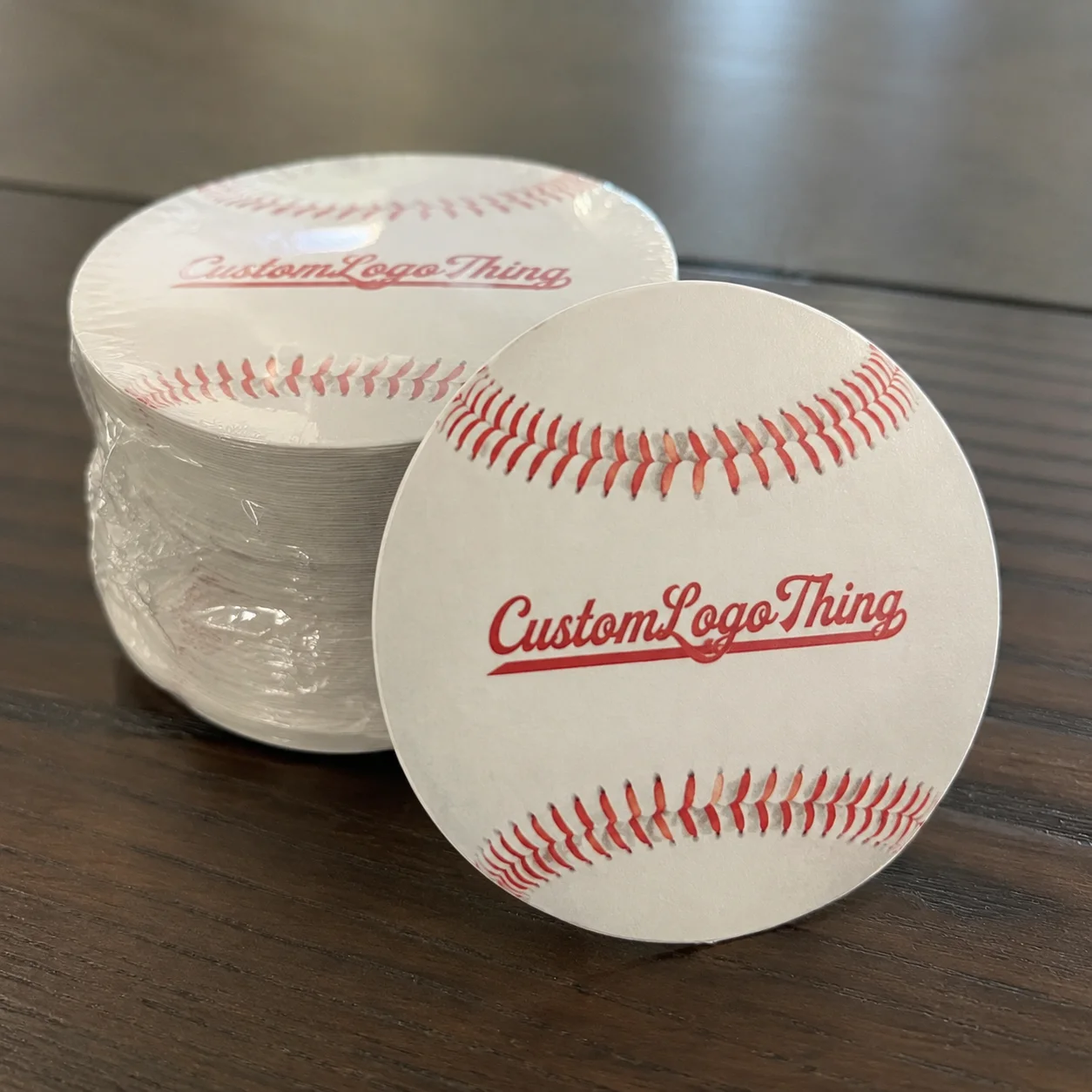
Custom baseball stickers are not just cute swag for parents and players. They often become helmet decals, water bottle labels, fundraiser merch, equipment tags, car window decals, batting cage labels, sponsor stickers, and season keepsakes. One order may need to work across five or six surfaces, which is exactly where buyers get into trouble if they order one generic sticker and hope for the best.
A notebook sticker and a batting helmet decal are not the same product. Decorative stickers can be basic because they live indoors and do not get handled much. Performance decals need stronger adhesive, better film, cleaner cut lines, and often a protective laminate. Dirt, sun, sweat, and dugout abuse are not theoretical. They usually show up before the second inning.
The most common baseball sticker types include die-cut logo stickers, player number decals, helmet decals, bumper stickers, sheet stickers, clear stickers, holographic stickers, and weatherproof vinyl decals. A die-cut mascot sticker works well for fan merch. A kiss-cut sheet with player names and numbers is easier to hand out before a tournament. A clear window decal may look sharp on glass but can disappear on a dark cooler unless white ink sits behind the design.
From a buyer’s point of view, the job is a balancing act. Coaches, booster clubs, school athletic departments, tournament organizers, and baseball brands want decals that look clean, hold up through the season, and do not eat the whole fundraising budget. That means choosing specs based on use, not based on whichever option sounds fanciest.
Practical rule: decide where the sticker will live before choosing the material. Helmet, bottle, car window, merch table, and packaging insert are different jobs.
If the stickers are part of broader team merchandise or sponsor kits, they may also connect with package branding, retail packaging, or custom printed boxes used for player gifts. That does not mean every decal needs premium treatment. It means the whole presentation should feel intentional, not patched together five minutes before pickup.
How Baseball Team Decals Are Printed and Finished
The production flow is straightforward when the supplier is organized: artwork check, material selection, printing, lamination if needed, cutting, quality check, packing, and shipping. The boring steps matter. Most sticker problems start before ink touches vinyl, usually with weak artwork, unclear sizing, or the wrong material for the surface.
Digital printing is the usual choice for short runs, full-color mascots, gradients, sponsor logos, and team orders with several versions. It handles color variety well and keeps setup costs reasonable. Screen printing can make sense for higher-volume designs with fewer colors, especially simple one- or two-color logos. Specialty printing covers metallic effects, holographic film, clear decals, white ink layers, and other upgrades That Look Great but cost more. Shocking, I know.
Material choice drives a lot of the outcome. White vinyl gives bold color and strong opacity for team logos. Clear vinyl works for glass, bottles, or subtle placements, but it often needs white ink behind the artwork for color to read properly. Removable adhesive is safer for short-term promotions, event signage, or temporary sponsor placements. Permanent adhesive is better for helmets, hard gear, buckets, and surfaces that will be handled all season.
Finishes are not just cosmetic. Gloss looks sharp and sporty, especially for helmet decals and bold logos. Matte reduces glare and can feel more premium for retail sticker packs. Laminate adds scratch resistance and weather resistance, usually extending the usable life of outdoor decals. UV coating helps with sun exposure, although no coating turns a sticker into armor plating.
Cut style affects both price and usability. A die-cut sticker follows the logo shape. A kiss-cut sticker stays on a backing sheet, making it easier to peel. Circles and rectangles are usually cheaper because cutting is simple. Sticker sheets work well for player names, numbers, mini logos, sponsor marks, and tournament icons.
Artwork has limits. Tiny text, thin bats, small baseball seams, and overly detailed mascots can print muddy if the final decal is only 2 inches wide. If a mascot has ten outlines, four shadows, a baseball bat, crossed flags, and a sponsor name under it, do not expect magic at helmet size. Simplify the art or increase the decal size.
Key Specs That Decide Durability, Fit, and Print Quality
Size should follow the use case. For helmets and water bottles, 2 to 3 inches is common. For laptops, gear cases, plastic buckets, and bat bags, 3 to 5 inches gives the design more breathing room. For car windows, equipment trunks, coolers, or large dugout signs, 5 to 8 inches is more practical. Bigger is not always better, but tiny is often worse.
Adhesive choice needs plain language. Removable adhesive is safer for temporary events and surfaces where residue matters. Permanent adhesive holds better on helmets, plastic buckets, and hard gear. Aggressive adhesive is usually overkill unless the surface is rough, curved, constantly exposed, or hard to bond. It can also be a pain to remove. Buyers love strong adhesive until someone has to scrape it off.
Surface compatibility is a real variable. Batting helmets, plastic buckets, powder-coated metal, glass, coolers, and textured gear bags all behave differently. Smooth hard surfaces usually work best. Textured fabric and flexible nylon bags are tougher because the sticker does not get full contact. If the decal is going on a helmet, cooler, or Retail Product Packaging that matters, ask for samples or a small test run.
Weather resistance also needs realistic expectations. Waterproof vinyl can handle rain, light washing, wet coolers, and outdoor use. Constant abrasion, dishwasher heat, sunscreen, clay dust, and glove oil still shorten lifespan. A laminated vinyl decal may last a full season or longer under normal use, while an unlaminated paper sticker can look tired after one wet weekend.
Artwork quality is non-negotiable. Vector files are best: AI, EPS, SVG, or production-ready PDF. A 300 DPI raster file can work if it is built at final size or larger. Low-resolution screenshots are where good stickers go to die. If the only available logo came from social media, expect cleanup charges or disappointing output.
Color matching matters for schools, leagues, and sponsors. PMS matching helps keep team colors consistent, but digital printing still has tolerances. A deep navy, athletic gold, or bright red can shift depending on material, laminate, and print method. Always review a digital proof, and request a physical sample if the color has to match uniforms, branded packaging, or existing signage.
For helmet decals, do not cover vents, warning labels, certification markings, or areas that equipment managers need to inspect. Some leagues and schools have equipment rules, and helmet certification labels are not decoration space. If you are unsure, ask the athletic department before approving the cut line.
For shipping durability and packed team kits, suppliers may reference standards from groups such as ISTA when testing packaging performance. That is more relevant for boxed merch or bundled orders than for a single sticker, but it matters if decals are part of a larger product packaging program.
Pricing, MOQ, and Unit Cost for Baseball Stickers
Pricing for baseball stickers depends on size, material, quantity, finish, cut complexity, laminate, color matching, specialty effects, packaging, and shipping speed. The quote is not just “one sticker times quantity.” Setup, proofing, print time, cutting, waste, packing, and freight all show up somewhere. They always do.
Small basic vinyl stickers get cheaper fast as quantities rise. A 2.5-inch white vinyl sticker might feel expensive at 25 or 50 pieces because setup time is spread across a tiny order. At 250, 500, or 1,000 pieces, the unit cost usually drops hard. Specialty finishes like holographic, metallic, clear with white ink, or laminated outdoor decals cost more because material and production steps increase.
MOQ, or minimum order quantity, is not supplier greed by default. Digital sticker orders can often start low, sometimes around 25 to 50 pieces, but the unit cost at tiny quantities can be ugly. Someone still has to check the file, prepare the proof, load the material, print, cut, weed if needed, pack, and ship. Setup time exists. Annoying, but real.
| Order Type | Typical Quantity | Best Use | Common Cost Behavior |
|---|---|---|---|
| Small team order | 50 pieces | Single roster, coach extras, basic helmet or bottle decals | Higher unit cost because setup is spread across fewer stickers |
| Season order | 100 to 250 pieces | Players, coaches, replacement decals, parent extras | Better value for most youth and school teams |
| Tournament or fundraiser | 500 to 1,000 pieces | Merch tables, sponsor giveaways, event packs | Lower unit cost and more room for upgraded finishes |
| League or retail run | 1,000+ pieces | Multi-team programs, retail sticker packs, branded kits | Best unit economics, but higher total spend and planning needs |
Quantity tiers should match the actual plan. Fifty pieces may cover a small team if you only need one sticker per player plus a few extras. A season order usually lands closer to 100 to 250 pieces once you include coaches, replacements, sponsors, and late roster changes. Tournaments, camps, and fundraisers often need 500 to 1,000 pieces. Larger leagues or baseball brands may order several thousand, especially if stickers are packed with Custom Packaging Products or sold as retail merch.
Die-cut shapes can cost more than standard circles or rectangles, especially with jagged edges, tiny gaps, thin outlines, or awkward negative spaces. A clean mascot silhouette is usually fine. A distressed logo with 80 little cutouts is asking for slower cutting, more waste, and higher cost. The plotter is not your therapist. It will not patiently work through your design issues for free.
If cost matters, simplify the shape, choose white vinyl, use a standard gloss or matte finish, order all player and team versions together, and avoid rush shipping unless the deadline is genuinely immovable. Ask suppliers for two or three quote options: basic vinyl, weatherproof laminated vinyl, and a premium specialty finish. That gives you real choices instead of one vague number floating in space.
Process and Timeline From Artwork to Delivery
A clean order process saves days. Start by choosing the sticker use case, then pick the size and material, upload the artwork, review the proof, approve production, inspect samples if needed, and receive the finished order. That sounds basic because it is. Most delays happen because someone skips a step, then acts shocked later.
- Confirm where the decal will be applied: helmet, bottle, glass, cooler, gear, or merch packaging.
- Choose the target size, usually measured by the longest side.
- Select white vinyl, clear vinyl, removable adhesive, permanent adhesive, or specialty film.
- Upload vector artwork or a high-resolution raster file.
- Review the proof for size, spelling, cut line, color, and version count.
- Approve production only after internal decision-makers sign off.
Proofing can be fast for straightforward artwork. A clean vector logo with a clear size request may be proofed quickly, sometimes within 1 to 2 business days depending on the supplier’s queue. Messy logos, missing fonts, unclear size instructions, or ten player-number variations slow everything down. A supplier cannot proof what has not been decided.
Production timing depends on specs. Simple digital sticker runs can often move in several business days after proof approval. Laminated decals, clear stickers with white ink, holographic material, or large multi-version orders often need more time. A practical range for many team decal orders is 7 to 15 business days from proof approval, not from the moment someone says, “Can we get stickers?” Large league orders, retail packs, or custom packaging inserts may need longer.
Shipping is the hidden timeline killer. Ground freight can be fine for preseason planning and absolutely useless when the tournament starts Friday. Revolutionary stuff. If delivery timing matters, confirm whether the quoted timeline includes production only or production plus transit. Those are not the same thing, and pretending they are is how boxes arrive after the first pitch.
Build in approval time for coaches, athletic directors, sponsors, and booster boards. Internal approval delays often cost more time than actual production. If a sponsor logo is going on the sticker, confirm the exact file and placement before the proof stage. If player names are included, send a clean roster spreadsheet with spelling, numbers, and quantities. Do not paste half the roster into a text message and call it a production file.
Request samples for new helmet applications, retail sticker packs, sponsor-funded merchandise, or any order where color accuracy and finish matter. Samples are also smart if the stickers will be part of Custom Labels & Tags for equipment, inventory, or branded team kits. For paper components or backing cards, buyers who care about responsible sourcing can also ask about certified paper options through organizations such as FSC.
A safe planning rule: start the sticker order 2 to 4 weeks before the first game, tournament, fundraiser, or team pickup day. For large leagues, retail packaging, or custom printed boxes with stickers inside, add more time. Packaging design has more moving parts than a single decal order.
Common Ordering Mistakes That Make Team Stickers Look Cheap
The fastest way to make team stickers look cheap is to use bad artwork. Low-resolution files pulled from social media, old PDFs, embroidered patch photos, and a parent’s phone screenshot of the mascot are not production assets. They are evidence. If the logo looks fuzzy on screen, printing it smaller will not make it better.
Ordering too small is another classic mistake. Detailed mascots, player names, sponsor logos, and baseball stitching can disappear when squeezed onto a 2-inch decal. If the sticker needs text, give it room. If the sticker is for helmets, simplify the artwork. A clean bold mark usually beats a tiny overworked illustration every time.
Poor material matching causes predictable failures. Paper stickers are bad for outdoor use. Unlaminated decals are risky for helmets and gear that gets scratched. Removable adhesive may fail on wet, handled, or curved equipment. Clear stickers on dark surfaces need white ink or the design can vanish. None of this is mysterious. It is just ignored too often.
Bleed and safe margins also matter. Bleed gives the printer room to cut without leaving tiny white edges. Safe margins keep text, borders, and sponsor names away from the trim line. Ignore both and you get cut-off borders, uneven outlines, or letters sitting so close to the edge they look nervous.
Color expectations need some discipline. Ordering separate batches at different times and expecting perfect color matches is risky. Same file, different run, slightly different output can happen, especially across materials or printers. If your team color has to stay tight, order enough in one batch and keep the approved proof on file.
Do not order exactly enough for the roster. That is how you run out after one helmet swap, one new player, two sponsor requests, and the kid who puts three decals on his bat bag because of course he does. Add 10% to 20% extra for replacement decals, coach copies, late additions, and merch table sales.
Approve the proof carefully, not emotionally. Check spelling, player numbers, mascot direction, sponsor names, size, color notes, and cut line before saying yes. Once production starts, fixing a typo usually means reprinting. Nobody enjoys paying twice for the same sticker because “Thompson” became “Tompson.”
Next Steps Before You Request a Sticker Quote
Before requesting a quote, gather the basics. You need the final logo file, intended use, target size, quantity, surface type, indoor or outdoor exposure, finish preference, deadline, and shipping address. If you have a packaging design plan, merch table setup, or sponsor kit, include that context too. Suppliers quote faster when they are not guessing.
- Artwork: vector logo preferred, or 300 DPI raster art at final size.
- Use case: helmet, water bottle, cooler, car window, equipment tag, fundraiser merch, or packaging insert.
- Size: longest side in inches, with notes for any placement limits.
- Quantity: total pieces plus version breakdowns for names, numbers, sponsors, or teams.
- Material and finish: white vinyl, clear vinyl, laminate, gloss, matte, removable, or permanent adhesive.
- Deadline: event date, desired delivery date, and shipping ZIP code.
Choose one primary use case first. Helmet decals, fundraiser stickers, and car decals can share the same artwork, but they may need different materials and sizes. Trying to make one sticker perfect for every surface usually creates a compromise that is perfect for nothing. Better to build a core team logo decal, then adapt it for other uses.
Create a simple version list before quoting. Include team logo, player numbers, sponsor decal, tournament logo, mascot sticker, and any color variants needed. If player names or numbers are involved, send a spreadsheet with exact spelling and quantities. Variable data is manageable, but only if it is organized.
Ask for a digital proof and confirm the cut line, final size, material, finish, adhesive, and quantity before production. That is where expensive surprises get caught. If the proof shows a 3-inch decal and you assumed 5 inches, stop and fix it before approval. If the cut line chops off the bat handle, say something. The proof is not a decorative email attachment.
Order extras when replacement helmet decals, late roster additions, sponsor thank-yous, coach gifts, and merch table sales are likely. For most teams, 10% to 20% overage is sensible. For tournaments or fundraising campaigns, extras can turn into profit instead of waste, especially if the sticker design is strong enough for parents and fans to buy.
Gather the artwork, decide where the stickers will be used, pick a realistic quantity tier, and request a quote for custom baseball stickers with both standard and upgraded finish options. That gives you a clean comparison, fewer production headaches, and a much better shot at decals that still look good after the season starts.
FAQ
What material is best for custom baseball stickers used on helmets?
Use durable vinyl with a strong adhesive and a protective laminate for helmet decals. Basic paper stickers are a bad choice because sweat, dirt, rain, and constant handling will destroy them quickly. Also confirm the decal will not cover helmet vents, warning labels, certification markings, or inspection areas.
How much do baseball team stickers usually cost?
Cost depends on size, quantity, material, finish, cut shape, lamination, specialty effects, packaging, and shipping speed. Higher quantities usually lower the unit cost because setup and production time are spread across more pieces. Ask for pricing at 100, 250, and 500 pieces before choosing a quantity.
Can I order custom baseball decals with player names and numbers?
Yes, but variable names and numbers can add setup time and may affect pricing. Provide a clean roster spreadsheet with exact spelling, numbers, and version quantities. Request a proof sheet so every player sticker can be checked before production begins.
How long does it take to produce custom baseball stickers?
Simple digital sticker orders can move faster than specialty, laminated, or large multi-version orders. Proof approval, artwork fixes, and shipping often add more time than buyers expect. Plan 2 to 4 weeks ahead for opening day, tournaments, fundraisers, or sponsor events.
Are custom baseball stickers waterproof enough for outdoor use?
Vinyl stickers with the right adhesive and laminate are typically suitable for rain, coolers, bottles, and outdoor gear. Waterproof does not mean indestructible; abrasion, heat, dishwashers, sunscreen, and clay dust can shorten lifespan. Tell the supplier exactly where the stickers will be used so they can recommend the correct material.

