Custom Beach Tote Bags: Bulk Ordering Tips for Brands Custom beach tote bags work because they are useful in the exact settings where branded packaging tends to get noticed: resorts, events, retail counters, and summer promotions. People reuse them for towels, sunscreen, water bottles, snacks, and wet gear, which gives the logo repeated exposure long after the original giveaway or purchase.
The buyer’s job is not just to print a logo on fabric. The bag has to hold weight, look clean in a retail or hospitality setting, and survive sand, moisture, and rough handling. That is why these bags often deliver better value than one-time inserts or smaller promo items: they stay in use, and the branding stays visible.
If the tote is part of a larger packaging program, treat it as one component in the full presentation rather than an isolated item. It helps to compare tote specs with other Custom Packaging Products so material choice, decoration, and budget all stay aligned.
Why Beach Tote Bags Perform So Well for Promotions
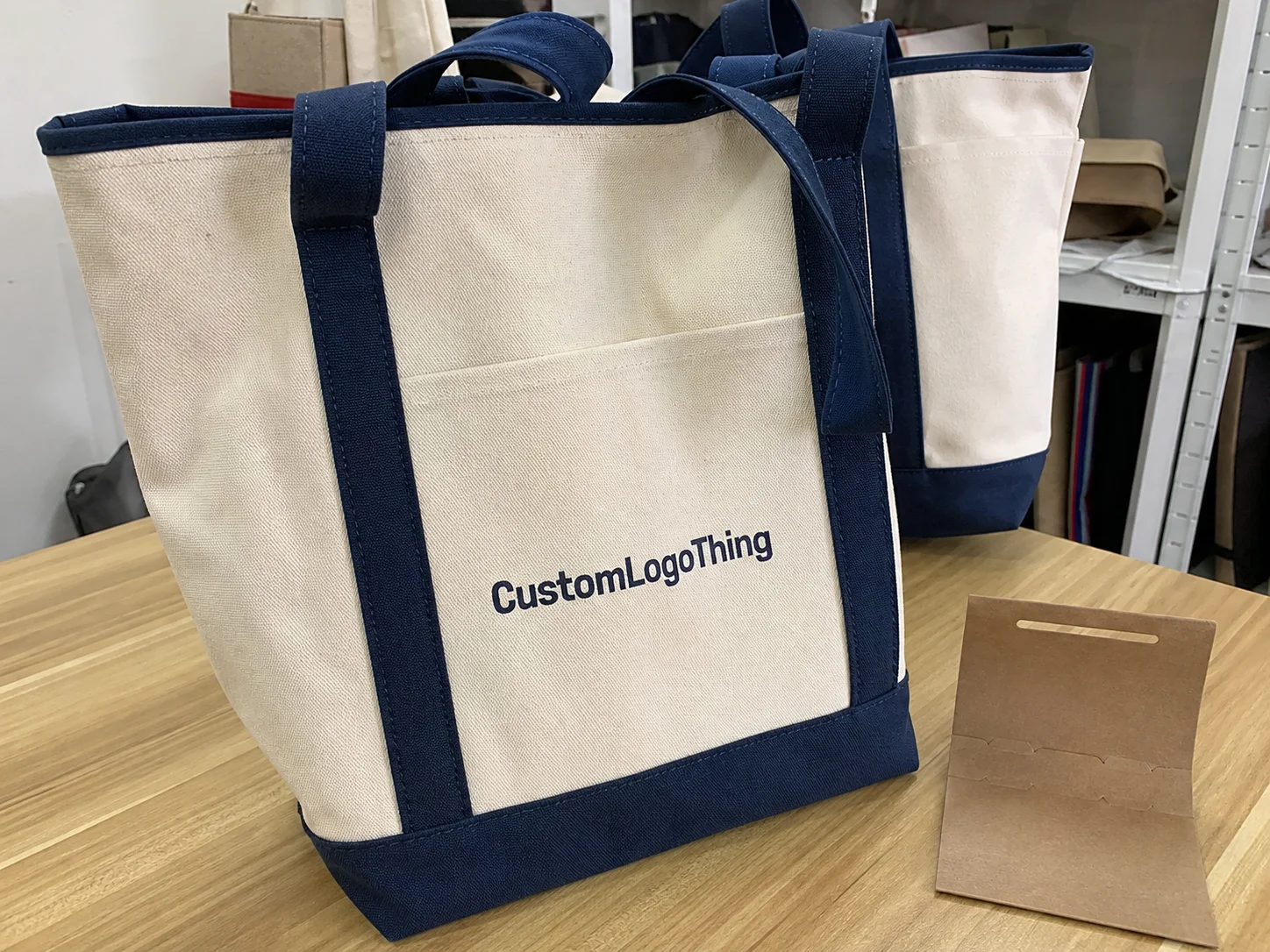
A beach tote does its job in public. It moves through parking lots, resort lobbies, boardwalks, and crowded shorelines, which means the branding gets repeated exposure in a way boxes and inserts cannot match. When the construction is sound, the bag can stay in circulation for months, lowering the cost per impression.
The format also gives designers room to work. The front panel is large enough for a logo, a short message, or a URL without crowding the layout. That makes the bag feel more like a retail-ready item than a disposable handout, which matters when the goal is to support resale, guest gifting, or seasonal promotions.
Retail buyers want something that feels worth the price. Resorts want something guests will reuse on-site. Event teams want a practical gift that justifies the spend. In each case, the bag becomes a functional piece of marketing inventory rather than a one-day novelty.
A tote that only looks good in the mockup is cheap twice: once in the quote, and again when it fails in real use.
That is the standard to use when reviewing a program. If the bag cannot handle a heavy beach load, a damp towel, and a few sharp souvenirs, it will not reflect well on the brand either.
Materials, Construction, and Print Methods That Matter
Material choice changes handfeel, structure, print quality, cost, and durability. Canvas is the classic option because it feels substantial and takes decoration well. Cotton is softer and casual, which fits lifestyle brands. Jute has texture and presence, but it can feel rougher and is less forgiving for fine detail. Laminated woven poly adds moisture resistance and better shape retention, while nonwoven options sit at the budget end for short promotional runs.
The right material depends on the use case. A resort welcome tote that carries sunscreen, a hat, and a book can lean toward cotton canvas or a structured woven build. A souvenir bag for a beach shop may benefit from laminated woven poly because it wipes down easily after sand exposure. If the goal is high volume for a seasonal campaign, nonwoven polypropylene still has a place when the artwork is simple and the expected lifespan is modest.
Construction details matter just as much as the outer fabric. Check gussets, seam allowance, handle attachment, and reinforcement at stress points. A wide gusset helps with bulky items. Longer handles change how the bag carries on the shoulder. Bar-tacked handle ends and double stitching reduce the risk of tear-out when the load gets heavier than expected. If you want a premium gift set, lining and interior pockets can improve the feel, but they also add labor and cost.
Print method should follow the artwork. Screen printing is usually the most economical option for bold logos and one to three solid colors. Heat transfer works better for gradients, small type, or multi-color detail. Embroidery can feel upscale on heavier fabrics, though it is not ideal for very large coverage or very fine detail. Full-color process gives more flexibility, but it can increase setup complexity and minimum quantities.
| Material | Typical Feel | Best Use | Relative Unit Cost at Bulk Volume |
|---|---|---|---|
| Nonwoven polypropylene | Light, structured enough for giveaways | High-volume promotions, short use cycles | $0.95-$1.80 |
| Cotton canvas | Natural, soft, familiar | Retail packaging, lifestyle branding | $2.40-$5.50 |
| Jute | Textured, rustic, premium-looking | Eco-forward campaigns, gift packaging | $2.10-$4.80 |
| Laminated woven poly | Wipeable, firmer, moisture resistant | Beach and resort use, repeat carry | $1.85-$3.75 |
| Structured canvas with lining | Heavier, more retail-ready | Premium resale and hotel welcome kits | $4.50-$8.50+ |
If sustainability claims matter, verify what is actually certified or recyclable rather than assuming the full assembly qualifies. For paper components such as hangtags, inserts, or branded wraps, FSC certification can support a cleaner sourcing story. For shipping cartons and transit protection, the practical question is whether packed orders can survive distribution without damage, which is where transport methods aligned with ISTA standards become relevant.
Size, Style, and Feature Choices to Narrow First
Size should follow actual use, not guesswork. For retail resale, a medium-to-large tote usually feels right because shoppers want room for towels, sandals, and a cover-up without overstuffing the bag. For welcome kits, a slightly smaller size can feel more polished if the contents are folded neatly. For giveaways, oversizing is not always better; a bag that swallows everything can feel awkward when event items are light.
Style decisions have practical consequences. Zip closures help protect items from sand and keep the bag looking tidy, but they add hardware cost and assembly time. Open-top bags are faster and cheaper, yet they offer less security. Interior pockets are useful for phones, keys, and sunscreen, but they are only worth the extra cost if the audience will use them. Structured bottoms improve shelf presentation and help with pack-out. Rope handles can look more premium, while web handles are often more economical and easier to source consistently.
For bags used as retail packaging or guest gifts, it helps to decide three things first: load weight, carry distance, and exposure to moisture. If the bag is mostly decorative, softer materials and lighter construction can work. If it will be hauled across sand and back to a car, use stronger seams, a more durable body fabric, and handles that will not dig into the shoulder.
It also helps to think about the rest of the branded packaging system. A clean tote may still need a hangtag, tissue, or insert to feel complete, while a premium bundle might be paired with other custom packaging products so the whole presentation holds together. Simplicity usually wins when the features are not doing real work.
Cost, Pricing, and MOQ Factors to Compare
The quote is shaped by more than the shell material. Size, number of print colors, print area, handle style, lining, zipper hardware, and finishing all move the price. A single-color screen print on a plain canvas tote is usually one of the cheaper ways to add branding. A structured, laminated, zip-top tote with interior pockets costs more because there are more production steps and more points where waste can occur.
MOQ changes the economics quickly. A stock-style tote with a standard print location can often be produced in a lower minimum because the base components are already available. A fully custom size, specialty handle, or unusual material may require a higher minimum order quantity because the maker has to source and cut to a dedicated spec. If you only need a few hundred units, the per-unit price may look high, but that is often the tradeoff for lower inventory risk.
For comparison, many bulk tote programs land in these rough ranges before freight and duty:
- Nonwoven giveaway tote: lowest cost, best for volume, limited premium feel
- Canvas or cotton tote: mid-range, better handfeel, strong retail appeal
- Laminated or structured tote: higher cost, more shelf presence, better moisture resistance
- Premium lined tote with closures: highest cost, best for resale or hospitality gifting
Quoted factory price is only part of the landed cost. Shipping, sample charges, setup fees, and outer carton packaging can change the final number more than buyers expect. A bag that costs $2.10 ex-works may land much higher once freight and local delivery are added. Ask for a clean breakdown so you can compare apples to apples.
Printed coverage also changes the price structure. Large full-front art uses more ink, more setup, and sometimes more labor for registration. Metallic ink, foil effects, or specialty coatings add another layer of complexity. If budget is tight, simplify the art before stripping away the structural features that keep the bag usable.
Production Process and Turnaround Timeline
The normal order path starts with a quote, then artwork review, then sample approval, then material procurement, production, inspection, and final packing. The fastest projects are the ones where size, art placement, color target, and quantity are locked before the factory starts cutting material.
Artwork revisions are one of the most common delay points. Vector files are easier to separate and scale cleanly than low-resolution images, and they reduce the risk of fuzzy edges or unintended color shifts. If a logo must match a specific brand color, ask how the printer will handle the standard and whether there is a practical match tolerance. Fabric and ink behave differently from paper, so exact color matching is never automatic.
Skipping the pre-production sample may save time, but it often costs more in the end if the handle length, print size, or fabric tone is off. A sample gives you a real view of print saturation, stitch quality, and how the tote carries weight. For a seasonal rollout, one approved sample can prevent an expensive mistake across the full run.
Turnaround depends on complexity. A plain printed tote can move faster than a structured bag with lining, zipper, or mixed materials. Seasonal demand matters too; if the order is tied to a summer launch or resort program, build in extra time because factories and freight routes tighten quickly. For simpler printed bags, a common window is often 12 to 15 business days after proof approval, while more complex builds can run longer.
If the bag has custom hardware, special lining, or a new shape, assume the calendar will stretch unless the sample and artwork are approved early.
Ask how the outer cartons will be labeled and packed. Good pack-out makes receiving easier, protects the bags from creasing, and lowers the chance of damage in transit. That matters whether the order is going to a warehouse, a resort receiving dock, or a retail distribution center.
Common Ordering Mistakes That Lead to Bad Results
The most expensive mistake is choosing a tote that looks good in a mockup but fails in use. Thin fabric, weak stitching, and undersized handles can all make a bag feel cheap or break under a normal load. If the tote is meant to hold towels, water bottles, and sunscreen, the design has to reflect that weight from the start.
Artwork mistakes are just as common. A logo that looks balanced on a white background can disappear on a sand-colored bag. Fine details may blur on textured fabric. Small type can become unreadable once the bag is folded, creased, or viewed outdoors in bright sun. Before approval, check imprint placement, contrast, and viewing distance.
Buyers also get caught by skipping sample review or spec confirmation. A one-page quote is not enough if it does not specify fabric weight, handle length, seam construction, decoration method, and carton count. Without those details, two suppliers can price what appears to be the same item but deliver very different results.
Freight and quantity mistakes are the other recurring problem. Ordering too few units can force a rush reorder at a worse price. Ordering too many ties up cash and storage. Underestimating shipping can blow out the budget after the bags are already in production. For orders tied to a launch date or a travel season, plan the quantity from expected sell-through or guest count, then add a modest buffer.
Finally, do not assume every tote is equally suitable for repeated coastal use. Moisture, salt air, and sand wear down both fabric and stitching. If the bag needs to survive more than a single event, the construction should reflect that reality.
Expert Steps for Moving From Idea to Quote
Start with the use case. Is the bag for retail resale, hotel welcome kits, event giveaways, or seasonal merchandising? That answer shapes the size, material, and decoration method before you ask for pricing. Then estimate quantity, set a target budget, and gather logo files in vector format. Cleaner input produces a cleaner quote.
Next, ask for a sample or at least a spec sheet that spells out fabric weight, handle length, print method, and packing configuration. You want a comparison that is actually comparable, not just three numbers on a spreadsheet. If one supplier quotes a cotton tote and another quotes a heavier canvas version, the lower number is not automatically the better value.
It is also worth asking whether the order can be checked against basic load and transit expectations. For transportation, packaging teams often refer to ISTA-style methods to reduce damage risk in the carton stage, even if the tote itself is simple. That gives you a more realistic view of how the shipment will hold up outside the factory.
Once the supplier responds, compare the bag style, decoration method, and delivery schedule against your calendar. If the launch is tied to peak beach season, lock the timeline early and leave room for proof revisions. The goal is not just to buy bags; it is to put the right branded packaging in the right hands on time.
For buyers still narrowing options, compare two or three constructions side by side inside Custom Packaging Products, then request a quote with the same artwork, quantity, and ship-to details. That keeps the discussion focused on actual tradeoffs instead of vague promises.
What should I check before ordering custom beach tote bags in bulk?
Confirm the tote size, material, handle style, imprint method, and expected load weight before you request pricing. Ask for a sample or spec sheet so you can verify quality, color, and construction details before production starts.
How do custom beach tote bags compare on price by material?
Canvas and cotton usually cost more than lightweight nonwoven options because the base material and sewing requirements are heavier. Laminated woven poly, jute, and premium structured styles can also raise cost depending on finish, print area, and handle upgrades.
What print method works best for custom beach tote bags?
Screen printing is often the most cost-effective choice for simple logos and bold spot colors. Heat transfer or full-color decoration is better when the artwork has gradients, fine details, or many colors.
How long does production usually take for custom beach tote bags?
Turnaround depends on artwork approval, material availability, and the complexity of the bag construction. Simple runs usually move faster than premium or highly customized orders, especially during busy seasonal periods.
What mistakes cause beach tote bags to fail in real use?
The most common issues are weak stitching, undersized handles, poor fabric choice, and artwork that does not read well outdoors. Ordering without a sample or spec review can also lead to surprises in color, structure, and finished quality.


