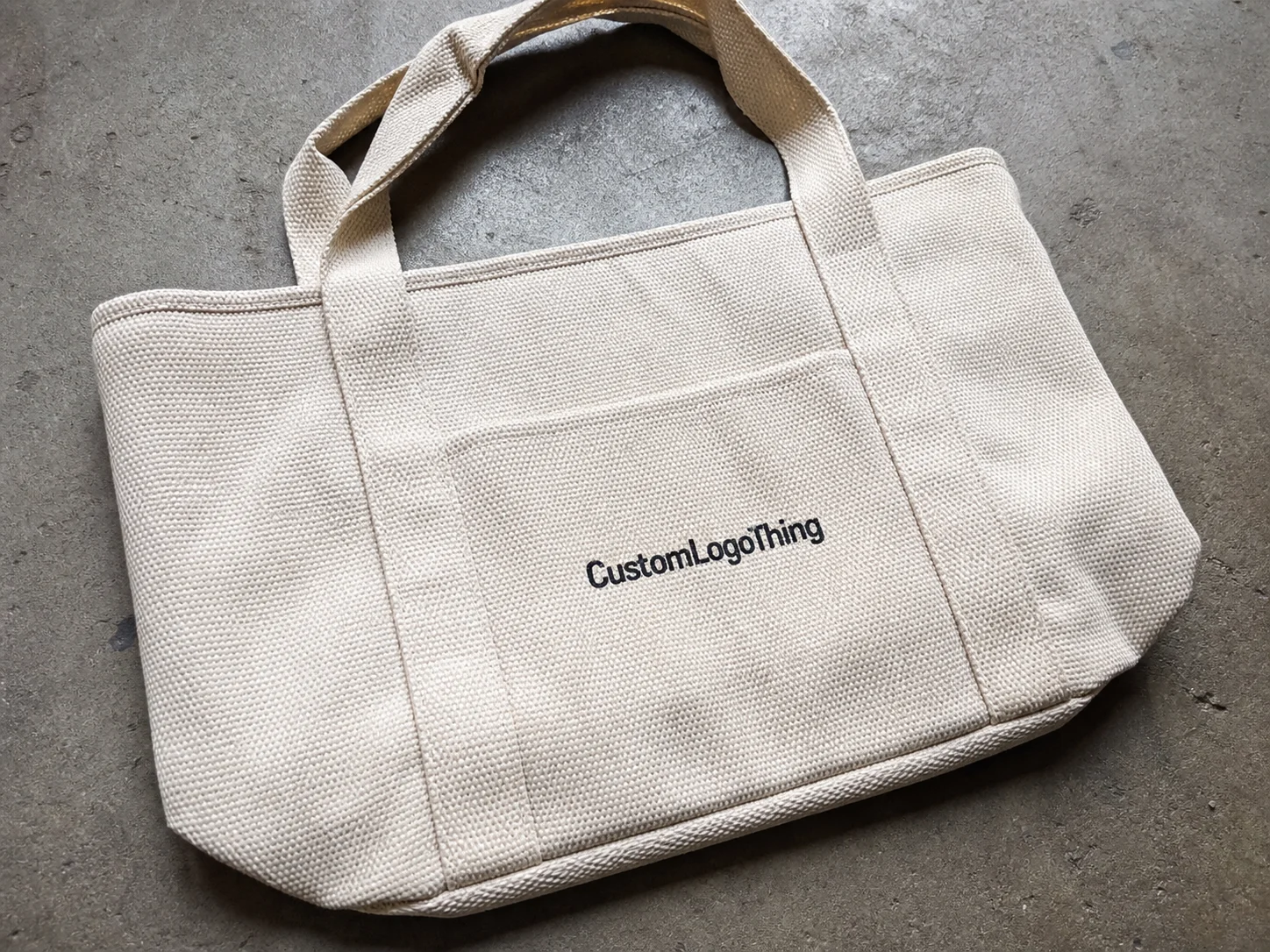
Custom Woven Tote bags are one of those packaging choices that look simple until you have to spec them for real use. A tote that carries samples, apparel, bottles, or a mixed retail kit has to do more than hold a logo. It has to keep shape, survive handling, and still look deliberate after the first few trips out of the store, office, or event floor.
The value is in the construction as much as the graphics. Weave density, handle reinforcement, gusset depth, finishing, and decoration method all affect how the bag performs and how it reads as part of the brand. A tote that is too soft can collapse. One that is overbuilt can become expensive fast. The useful version sits between those extremes and matches the job, not a trend.
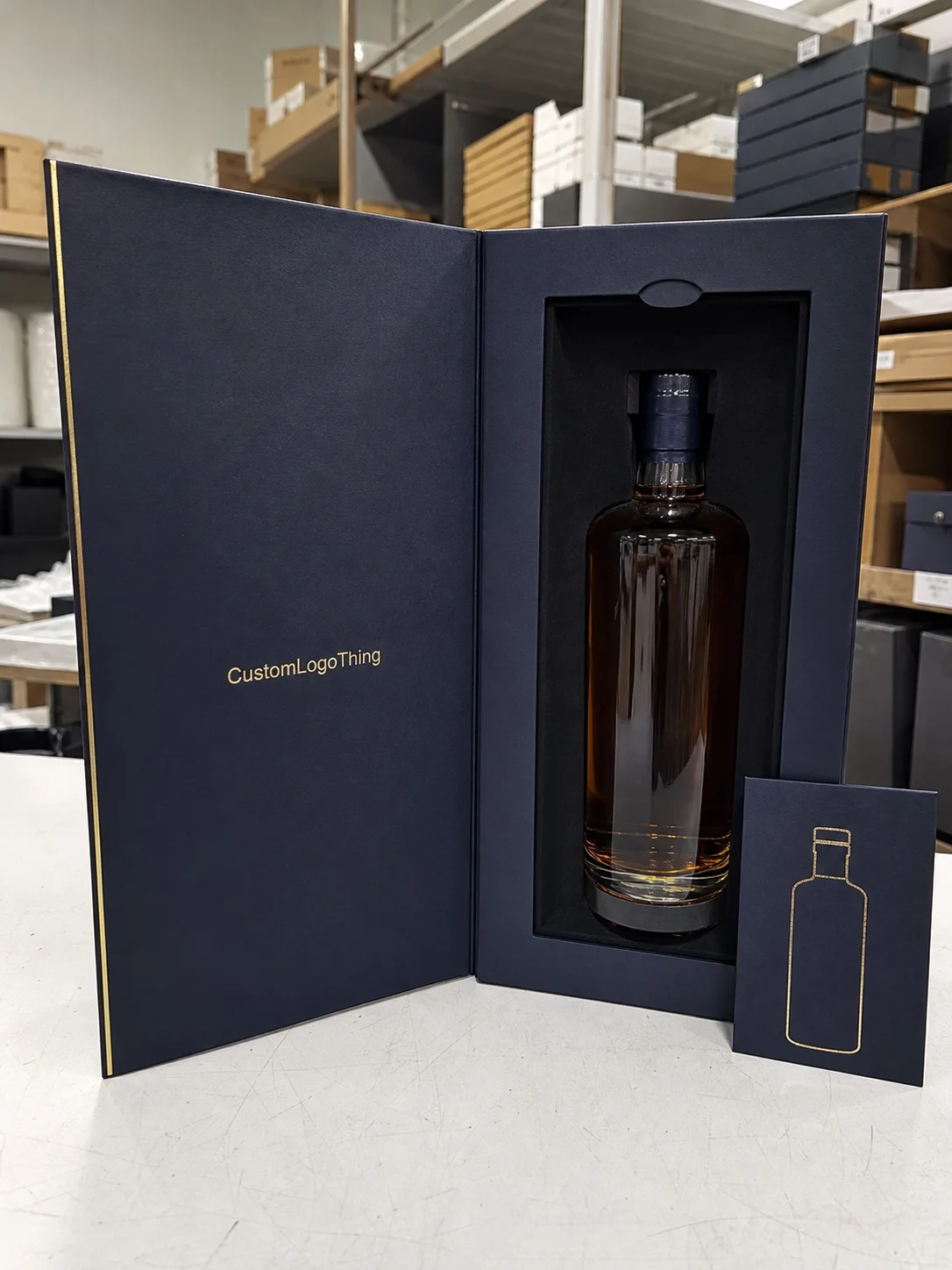
That is why buyers tend to compare woven totes with other branded packaging formats instead of treating them as a standalone promo item. A box controls the opening moment. A woven tote extends the packaging into repeated use. If the spec is right, the bag becomes a durable carrier and a visible brand asset at the same time.
What custom woven tote bags are and why they stand out
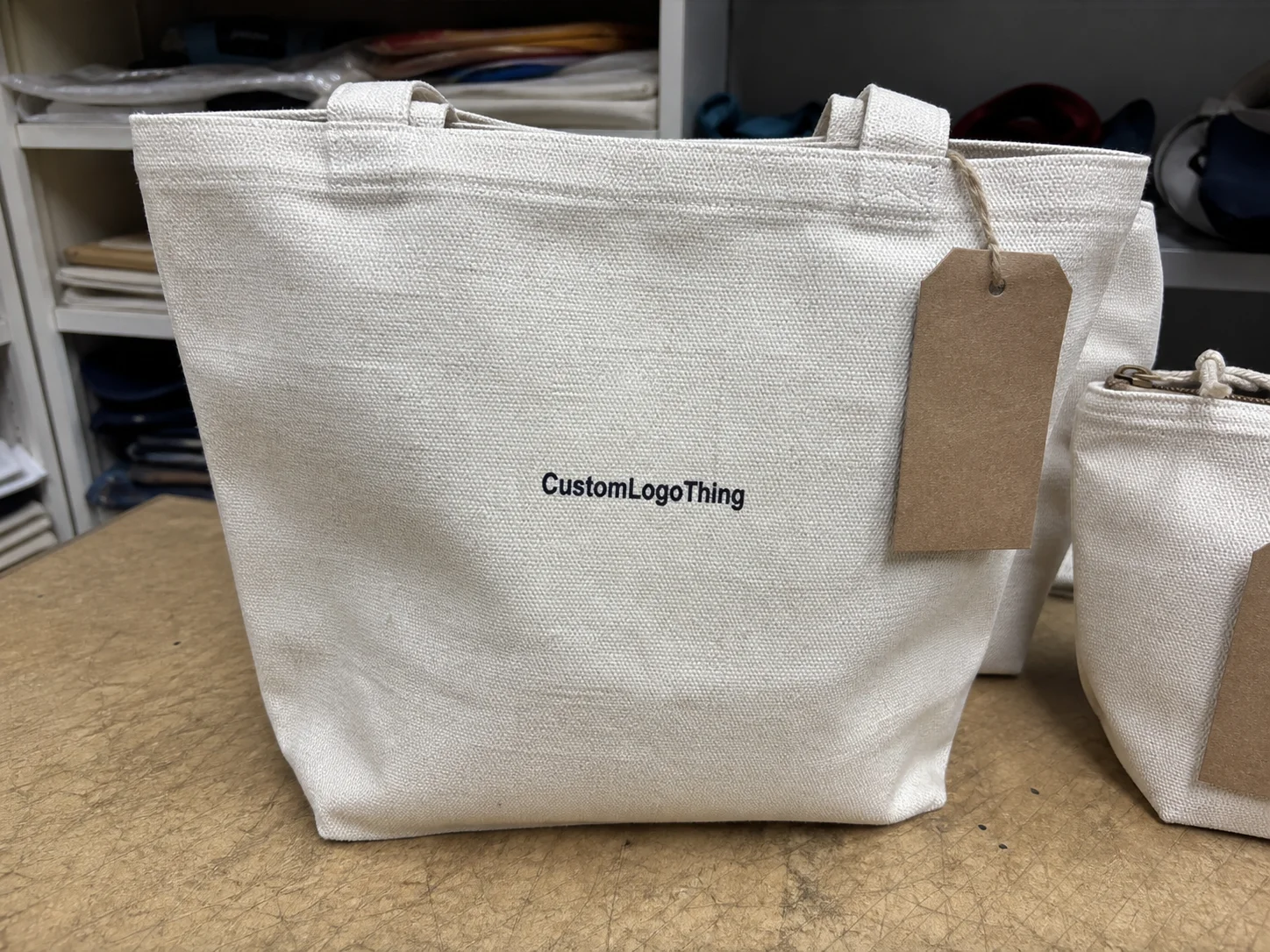
Woven construction means the bag body is built from interlaced yarns or strips rather than a flat sheet. That structure usually gives the tote more stability, better shape retention, and less visible distortion under load. In practical terms, it helps the bag sit upright, fold predictably, and resist the sagging that makes cheaper carriers feel disposable after one use.
For retail packaging, trade show kits, welcome packs, and reusable shopper programs, that matters more than the logo placement alone. A tote that buckles under a bottle set or wrinkles badly at the gusset makes the whole presentation feel underplanned. A bag with a firm body and balanced handles, by contrast, makes even modest contents look more considered.
There is also a repeat-impression effect. A well-made tote often stays in circulation long after the original campaign ends. That means the bag is not just carrying products once; it is carrying the brand into transit, errands, offices, and homes. The cost per exposure can become better than a disposable insert or a one-time mailer, but only if the build quality justifies reuse.
A tote that survives repeated use does more for brand recall than a flashy bag that fails at the seams.
Material choice matters as well. Tighter weaves and heavier constructions usually improve durability and help print or woven graphics read more cleanly. Lighter builds can reduce cost and storage space, but they are less forgiving when the contents are dense or awkwardly shaped. Buyers often underestimate how much a few extra ounces of material change the feel of the finished bag.
That is the practical distinction between a standard tote and a custom woven tote bag program built for a specific use case. The first is generic. The second is designed around a known load, a known presentation goal, and a known distribution path.
Production steps and lead time from art to delivery
The production path is usually straightforward, but each handoff introduces delay if the brief is incomplete. A clean order starts with use case and quantity, then moves into artwork review, spec confirmation, proof approval, material preparation, decoration, sewing or assembly, and final inspection. If the tote includes custom handles, lining, closures, inserts, or a special finish, the approval cycle gets longer because more parts have to stay aligned.
A practical production flow looks like this:
- Brief review: quantity, budget, contents, delivery date, and intended use.
- Artwork check: file format, logo placement, color references, and line thickness.
- Spec confirmation: weave, handle style, gusset depth, and finish.
- Proof or sample approval: digital mockup or physical sample before mass production.
- Manufacturing: material prep, printing or weaving, cutting, sewing, and reinforcement.
- Inspection and packing: count check, carton labeling, and shipment prep.
Lead time depends on how much of the bag is standard versus custom. A simple run with familiar materials and one-color decoration may move from proof approval to shipment in about 12 to 18 business days. A more custom build with woven-in graphics, special handles, or a heavier finish can take 4 to 6 weeks before freight. Transit adds another variable, and that is where many launch schedules slip.
Artwork revisions are a common delay point. So are color-matching requests, nonstandard handle lengths, barcode labeling, individual polybagging, and special retail packaging requirements. If the shipment has to hold up in distribution, packaging standards such as ISTA help define handling expectations. If hang tags or inserts are part of the order, FSC certification can support paper sourcing without changing the tote spec itself.
The schedule should be treated as more than factory time. A bag can finish production on time and still miss its use window if freight, receiving, or internal distribution is not mapped out first. That is especially true for store openings, event handouts, and launch kits with fixed dates.
One useful rule: if the bag will be packed with products, ask for the sample with the actual load, not an empty shell. Handles, seams, and gussets behave differently once the bag is full.
Pricing, MOQ, and unit cost drivers
Pricing for custom woven tote bags usually comes down to a small group of variables: size, weave density, material blend, print count, handle style, finishing, and packaging. Size matters, but not as much as many first-time buyers expect. A larger tote uses more material, yet a reinforced handle, tighter weave, or more complex decoration can add cost faster than height or width alone.
For planning purposes, rough buyer ranges often look like this:
| Option | Typical MOQ | Rough Unit Cost | Best For |
|---|---|---|---|
| Basic woven shopper with one-color decoration | 500 to 1,000 pieces | $1.10 to $2.25 | Simple retail handouts, events, and budget-conscious branded packaging |
| Reinforced tote with larger imprint area | 1,000 to 3,000 pieces | $1.85 to $3.50 | Retail packaging, gift sets, and heavier everyday carry |
| Fully custom woven tote with special handle or finish | 3,000 pieces and up | $2.75 to $5.00+ | Premium product packaging, campaigns, and high-visibility programs |
Those numbers are directional. Material prices shift, freight changes, factory capacity fluctuates, and decoration complexity can alter the quote quickly. The useful part is the shape of the curve: more customization means more setup, more labor, and more inspection. That is why two bags that look similar in a mockup can land in very different price bands.
MOQ is where the tradeoff becomes obvious. Smaller runs are useful when artwork is still being tested or demand is uncertain, but the unit price rises because setup cost is spread across fewer bags. Larger runs usually reduce the per-piece cost, yet they also increase storage and inventory exposure. Buyers often want both low quantity and low unit price, but the production math rarely supports that combination.
There are a few cost traps that show up repeatedly. One is over-specifying the tote for a simple giveaway. Another is under-specifying it for a bottle set or heavier retail bundle, then paying for replacements or handling complaints later. If the tote is part of a larger packaging system, matching it early with Custom Packaging Products can keep the brand presentation consistent and prevent a last-minute mismatch between the bag and the rest of the kit.
Freight can move the landed cost more than the factory quote does, especially on larger totes that do not fold compactly. A slightly smaller finished size, a flatter handle style, or tighter carton packing can materially change shipping cost. That is a logistics decision, not just a design preference.
How to choose the right weave, size, and handle spec
Start with what the bag needs to carry. Apparel and flat collateral need a different structure than jars, glass bottles, or a boxed bundle. A tote that fits the contents on paper can still fail in practice if the load puts pressure on one seam or creates a lopsided base. The right size is the one that lets the contents settle without forcing the handles or distorting the body.
A common retail size lands around 14 x 16 inches with a 4-inch gusset, but that is only a starting point. A wider bag helps with boxed kits and layered contents. A deeper gusset helps the bag stand up and reduces bulging. If the bag is meant for one or two bottles, base support and handle reinforcement matter more than a broader front panel.
Material finish changes both presentation and cost. A tighter weave or heavier body usually gives the tote a cleaner surface and better shape retention. Lighter builds reduce bulk and can lower the unit price, but they are less forgiving when the contents are heavy or sharp-cornered. For retail packaging and branded display, the surface should also be stable enough that the logo does not distort near the seams or handles.
Handle design deserves more attention than it usually gets. Short handles are convenient for hand carry and keep the silhouette compact. Longer handles improve shoulder carry and are more comfortable with heavier loads. Reinforced attachment points improve real-world durability, especially if the bag will be reused rather than handed out once and forgotten. A handle that feels fine empty can still become awkward or weak when the bag is full.
There are three common branding approaches, and each has a tradeoff:
- Woven-in branding: integrated and durable, but best for simpler artwork and fewer color changes.
- Printed branding: more flexible for color and logo detail, depending on the surface.
- Mixed decoration: useful when the front panel, lining, or tag each serve a different branding role.
For teams focused on package branding, the tote should fit the rest of the system. If the project already uses custom printed boxes, inserts, and outer cartons, the bag should not feel like it came from another program. Texture, color, and logo scale need to work together so the package reads as a single experience rather than a stack of unrelated parts.
The best specs are usually the least dramatic ones on paper. They are built around the contents, the handfeel, and the route the bag will take after shipment. If those are defined clearly, the design choices become straightforward instead of expensive guesswork.
Step-by-step ordering plan from quote to approval
The most efficient orders start with a brief that answers the supplier’s questions before the first email exchange turns into a back-and-forth. You do not need a long document. You need the details that affect quote accuracy and production risk.
A useful quote request includes:
- Intended use and actual contents.
- Target quantity.
- Finished dimensions and gusset depth.
- Handle preference and carry style.
- Print count, logo placement, and color references.
- Target ship date and destination.
- Budget range, even if it is broad.
Artwork files matter more than many buyers expect. Vector files in AI, EPS, or PDF format are easier to work with than flattened images, and Pantone references help when color consistency matters across branded packaging. If the artwork includes tiny type, thin lines, or closely spaced marks, ask whether those details will survive on the selected material. A design that looks crisp on screen can blur or break once it is translated into a woven surface.
The review sequence should stay disciplined: quote first, then sample or mockup, then production proof, then final approval. Skipping a step usually creates avoidable revisions. A physical sample is the safer choice when the bag will carry weight, use a closure, or require a specific handfeel. A digital proof can be enough for a straightforward run, but only if the construction has already been proven on similar jobs.
Before release to production, confirm the operational details that often get missed:
- Ship-to address and receiving hours.
- Carton quantity and carton marking requirements.
- Barcode, label, or hang tag needs.
- Who signs off on revisions if a change appears.
- Whether the bags need to ship with other packaging components in the same carton set.
Freight planning belongs in the same conversation. If the tote is part of a launch kit or store opening, the factory completion date is only one milestone. Receiving, sorting, and internal distribution can take as much time as production if the shipment is not packed and labeled in a way the receiving team can handle quickly.
That is the point where the project either becomes routine or starts to drift. Clear specs reduce risk. Clear ownership reduces delay. Both matter more than a polished mockup.
Common mistakes that make the bags weaker or more expensive
The first mistake is choosing a bag that looks correct in a rendering but cannot support the actual load. That happens often with gift packs, bottles, and mixed-item kits. The dimensions may seem right, but the weight can still pull on a narrow seam or overload one handle attachment point. Real contents are less forgiving than empty samples.
The second mistake is over-detailing the artwork. Fine lines, tiny type, and crowded logos can increase cost and reduce legibility, especially if the design wraps around a seam or lands near the gusset. For custom woven tote bags, a cleaner graphic is often stronger visually and more reliable in production than a complicated mark with too many small elements.
The third mistake is changing the spec too late. A different handle, a deeper gusset, or a revised print layout can trigger new proofs, new setup work, or a reset in the schedule. That is usually more expensive than confirming the details upfront, even if the upfront review takes a little longer.
The fourth mistake is ignoring storage and distribution. Folded size, carton count, and shipping method all affect the true landed cost. A tote that looks inexpensive at the factory can become costly once freight and warehousing are included. Buyers planning a larger branded packaging program should compare the tote against the rest of the system, including inserts, mailers, and any related Custom Packaging Products order.
One more issue gets overlooked: the bag is a logistics item as much as a branding item. If it arrives too late, too bulky, or too fragile, the program loses value before a customer ever uses it. A tote can be well printed and still fail the job if it is hard to store or awkward to distribute.
Actionable next steps before you request a quote
If the goal is a tighter quote and fewer revisions, build a one-page spec sheet before asking for pricing. Keep it practical. The point is to give the supplier enough detail to quote the right construction the first time.
Use this checklist:
- Intended use and actual contents.
- Quantity and acceptable MOQ range.
- Preferred dimensions and gusset depth.
- Handle style, length, and reinforcement preference.
- Logo file format and print count.
- Color references and brand rules.
- Ship date, destination, and carton requirements.
- Budget target and what matters most: price, durability, shelf appeal, or repeat use.
After that, gather the cleanest artwork you have and decide what result actually matters. A tote built for a store opening may prioritize presentation. One built for repeated resale use may need stronger stitching and better base support. One used inside a product launch kit may need visual coordination with the outer box and insert set. Those are different jobs, so the spec should reflect that difference.
If the order will move through a wider retail or fulfillment system, confirm the carton size, receiving window, and shipping method before approving production. That is where the real cost often appears, especially for larger runs. A small change in folded size can affect pallet count, freight class, and warehouse space.
Before you place custom woven tote bags into production, check the spec against the actual contents, the timeline, and the budget. If those three line up, the order usually moves cleanly and the finished tote does the job it was built for.
How durable are custom woven tote bags for retail use?
Durability depends on the weave, material blend, handle reinforcement, and the weight the bag is meant to carry. A well-spec'd woven tote should keep its shape through repeated use and resist early wear at the seams and handles, especially if the load is spread across the base instead of hanging from one point.
What is the usual MOQ for custom woven tote bags?
MOQ varies by construction method, decoration complexity, and whether the bag uses stock or fully custom materials. Lower quantities are possible, but the unit price usually rises because setup and production efficiency are spread across fewer pieces.
Which decoration methods work best on custom woven tote bags?
The best method depends on the bag surface, the number of colors in the logo, and how strong the branding needs to look. Simple graphics generally reproduce more cleanly and cost less than fine detail, tiny text, or artwork that wraps around seams.
How long does production usually take for custom woven tote bags?
Lead time depends on sampling, artwork approval, material availability, and order size. Timeline-sensitive projects should plan for proofing and transit as well as factory production, since freight can matter as much as the manufacturing window.
What should I include when asking for a quote on custom woven tote bags?
Include dimensions, quantity, intended use, material preference, print count, handle style, and target delivery date. A clear brief reduces back-and-forth and helps suppliers quote the right bag instead of a generic placeholder.