Custom Bike Name Stickers: Durable Race Decals That Fit Real Frames
A practical look at custom bike name stickers, including materials, Pricing, Lead Times, placement, and the quality checks that separate a useful decal from a short-lived one.
A small decal can prevent a surprising amount of confusion. It makes a race bike easier to identify in a crowded rack, keeps helmets and bottles from getting mixed up, and cuts down on the “whose gear is this?” problem that shows up at every club ride, triathlon, and shop service bench.
That is the practical appeal of Custom Bike Name Stickers. They are not complicated products, but they are easy to order badly. A sticker that curls after two rainy rides is just a polite way to waste money.
The best results usually come from simple decisions made early: where the sticker will go, how long it needs to last, whether it will face sun and washing, and how much surface area is actually available. Those details matter more than glossy artwork. They also explain why the same design can work beautifully on a top tube and fail on a curved helmet shell.
Custom Bike Name Stickers Do More Than Decorate
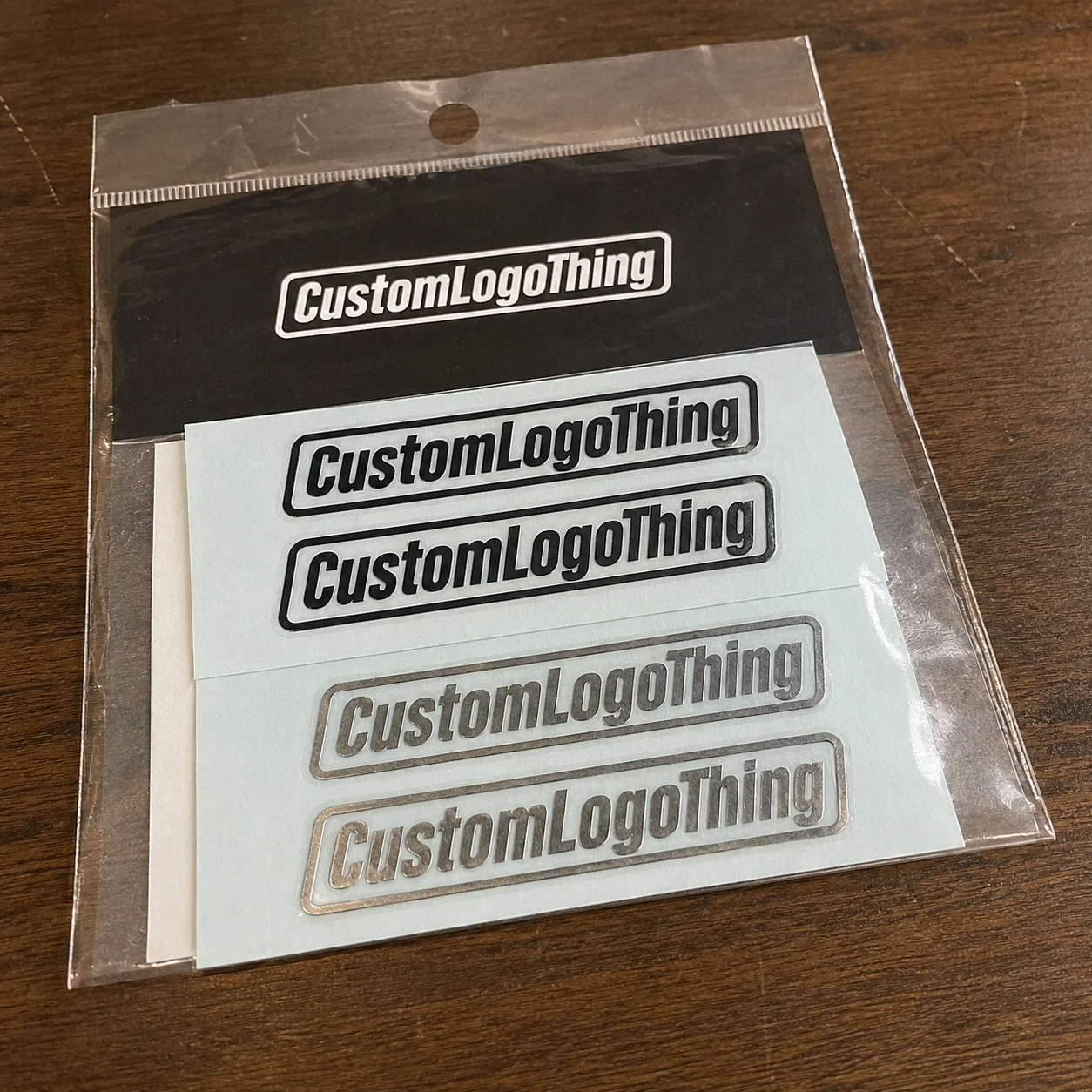
The main job is identification. A rider name on a frame is easier to read than marker on tape and more durable than a handwritten label. That seems obvious, but the operational value shows up everywhere: training camps, youth programs, team storage rooms, rental fleets, transition areas, and repair counters where half a dozen nearly identical bikes are waiting for pickup.
There is a secondary benefit too. A well-made decal can make a bike look organized and intentional. It can match team colors, reinforce a brand system, or help a commuter bike feel less anonymous. Still, that visual benefit only holds if the sticker survives normal use. Sunlight, sweat, bottle-cage rub, cleaning spray, mud, and repeated handling are the real test. Decorative indoor labels and outdoor bike decals are not the same product, even if they are cut from the same artwork file.
Different buyers use them differently. Parents order rider labels for kids’ bikes because children are experts at misplacing expensive things. Clubs and race teams use personalized bike decals to sort gear fast. Shops apply them to demo bikes, rental inventory, and staff equipment. Triathletes label everything because transition zones encourage chaos. BMX and mountain riders use them on frames, helmets, and cases because a marker-written name looks exactly as temporary as it is.
Practical rule: if the decal will touch outdoor air, moisture, cleaning products, or gear bags, treat it like a small industrial label, not a novelty sticker.
The biggest mistake is starting with the design instead of the use case. A top-tube name strip, a helmet label, and a warehouse bin marker have different requirements. One may need flexibility; another needs legibility; another only needs quick scanning from a few feet away. Good bike name decals are built around that job, not the other way around.
How Bike Name Decals Work on Frames, Helmets, and Gear
Most decals have four layers or functions: the printed face, the adhesive, an optional protective laminate, and the release liner. That is the whole structure. The face carries the artwork. The adhesive holds it in place. The laminate protects the print from scratches and grime. The liner keeps the decal manageable until installation.
Where the sticker goes changes everything. Top tubes offer long, visible runs and usually suit rider names or team identifiers. Down tubes can take larger branding, though bottle cages and cable routing may limit usable space. Helmets usually need compact badges, often in the 2- to 4-inch range. Gear cases, bins, and tool boxes allow bigger labels because the surface is flatter and less fussy.
Surface type matters more than most buyers expect. Smooth painted aluminum, steel, carbon, and many powder-coated surfaces usually accept decals well once cleaned. Textured plastics, soft-touch coatings, dusty storage bins, greasy chains, waxed finishes, and highly curved tubes can all reduce adhesion. Matte paint deserves special attention. It can look excellent with the right label, but aggressive adhesives or repeated removal can mark delicate finishes, especially on high-end frames.
Size should be matched to the geometry. Long and narrow works on top tubes. Rounded shapes often look cleaner on helmets. A wraparound tube needs a decal that is narrow enough to avoid edge lift. On many frames, 0.75 to 1.5 inches tall is enough for a name strip. Going wider often creates a fitting problem rather than a visibility gain. A sticker cannot overpower a cable stop.
Finish affects both appearance and maintenance. Gloss makes color look brighter and is easier to wipe down. Matte gives a softer, premium look, but it can show oils and scuffs faster. Clear backgrounds let the frame color show through. White vinyl gives stronger color accuracy because the ink is not competing with whatever paint sits underneath.
Adhesive choice is worth a careful look. Removable adhesive is useful for temporary events, kids’ bikes, or short-term fleet labeling. Permanent adhesive is better for long-term frame labels, team equipment, rental fleets, and anything that will stay outdoors. “Strong adhesive” is too vague to be useful. Ask what surface it is intended for, how long it is expected to last, and whether clean removal matters later.
Materials, Adhesives, and Print Specs That Matter
Paper is the wrong starting point for outdoor bike labels. It absorbs moisture, scuffs quickly, and curls at the edges after repeated handling. It may be acceptable for indoor bins or temporary sorting, but it is not built for rain, sun, sweat, or the kind of cleaning spray people use on bikes after muddy rides.
Polypropylene sits in the middle. It handles moisture better than paper and can work for short-term labels, event kits, and indoor storage. For frequent handling or curved surfaces, vinyl is usually the better spec. Flexible vinyl survives better on frames, helmets, bottles, and cases because it conforms more cleanly and resists water far better than paper-based stock.
For outdoor use, laminated vinyl is the standard workhorse. Typical vinyl face stocks run around 3 to 4 mil before laminate, with the laminate adding another 2 to 3 mil depending on construction. That extra layer improves scratch resistance and helps guard against sun, mud, sweat, bottle-cage contact, and repeated wiping. Thicker is not automatically better, though. A stiff decal can fight a curved tube and lift at the edges.
Print method matters too. Digital printing is common for personalized orders because it supports smaller runs and variable data. The tradeoff is unit cost. A batch of identical logo decals is simpler than a set of rider-specific labels with different names, numbers, or flags. Variable data adds proofing, sorting, and handling time. That work has to be paid for somewhere.
Artwork quality shows up faster than people expect. Vector files are best for logos because they scale without blur. Recommended formats are usually AI, EPS, SVG, or print-ready PDF. Photos can work in some cases, but they are rarely the strongest choice for a small label. Keep fonts readable, use contrast aggressively, and leave enough space around letters so the cut line does not crowd the name.
There is a practical limit to how much detail belongs on a small sticker. A rider name, number, and flag can fit comfortably. Add a QR code, sponsor row, social handle, club crest, and slogan, and the label starts to look like a crowded business card. Small decals need hierarchy. If everything is emphasized, nothing is.
Size ranges are helpful when quoting. Helmets and accessories often land in the 2- to 4-inch range. Top tubes commonly use 4- to 8-inch widths, depending on the name and frame size. Larger labels can work on racks, storage bins, and shop inventory. Measuring the actual usable area is more reliable than guessing from memory, because tube curves, hardware, and protective film all reduce space.
Durability depends on use. A laminated outdoor vinyl label can last for years under normal conditions, but exposure changes the result. Weekly washing, abrasive brushes, direct sun, rough transport, and contact with racks or straps all shorten the life of any decal. That is not a flaw in the product. It is simply how outdoor materials behave.
Cost, Pricing, and MOQ for Custom Bicycle Name Labels
Pricing comes down to size, quantity, material, laminate, finish, cut style, color coverage, and how many unique names are included in the order. The more individualized the job, the more setup and sorting it requires. That is why one 500-piece logo order is often cheaper per unit than 50 rider-specific sets.
As a general range, small decals at higher quantities may fall around $0.20 to $1.50 each, depending on spec and finishing. Personalized low-quantity sets often run about $2 to $8+ per set because each line in the data file has to be checked and packed. Specialty finishes, heavy coverage, or unusual shapes can push that higher. The quote changes because the production steps change.
Minimum order quantities vary by print method. Some digital jobs begin around 25 to 50 pieces or sets. Better pricing often appears at 100, 250, 500, and 1,000 units. Clubs, shops, and event organizers usually benefit from ordering a small buffer, often 5% to 15% extra. Spelling fixes happen. Late additions happen. Riders change names, numbers, and team assignments. Planning for that saves both time and reprints.
| Option | Typical Use | Approximate Cost Range | Best Tradeoff |
|---|---|---|---|
| Unlaminated polypropylene | Short events, indoor sorting, light gear labels | $0.20 to $0.80 each at higher quantities | Lower cost, shorter outdoor life |
| Laminated outdoor vinyl | Bike frames, helmets, bottles, race gear | $0.50 to $2.50 each depending on size and quantity | Better durability, moderate cost |
| Personalized rider sets | Teams, clubs, events, rental fleets | $2 to $8+ per set at low quantities | Higher handling cost, cleaner organization |
| Specialty finish decals | Premium team kits, shop branding, sponsor displays | $3 to $12+ per set depending on finish | Sharper presentation, longer proofing time |
The cleanest way to request pricing is to send one organized file: quantity, size, material preference, indoor or outdoor use, number of unique names, artwork files, deadline, shipping address, and whether the decals should come on sheets or as individual cuts. If the order is already tied to Custom Labels & Tags for packaging or retail kits, it can sometimes be quoted together. If the substrates differ too much, they should stay separate. Matching colors is easier than forcing the same material everywhere.
Process and Timeline: From Name List to Finished Stickers
The ordering process is simple if the inputs are clean. Confirm the sticker purpose. Measure the placement area. Choose the material. Send the name list. Review the proof. Approve production. Then the job moves through printing, lamination if required, cutting, packing, and shipping.
Proofing often takes 1 to 3 business days, depending on the artwork and how many variable names are involved. Production commonly takes another 3 to 10 business days after approval. Shipping is separate. That is why event and race orders should start earlier than feels necessary. Rush jobs are possible, but they cost more and they leave less room for corrections.
Several things slow a job down. Low-resolution logos. Missing fonts. Inconsistent capitalization. Unclear color requests. Names copied from a chat thread instead of a spreadsheet. Late additions after proof approval. None of this is unusual. All of it is avoidable.
Proof review should be treated as a quality-control step, not a formality. Check spelling, accents, numbering, team names, flags, cut lines, and final dimensions. Make sure the contrast is strong enough to read from a few feet away. If the decal is going on a top tube, print the proof at actual size and hold it against the frame. It is a very old-fashioned method. It also works.
For team kits and shop orders, packing format matters almost as much as print quality. Sheets are usually cheaper to pack and faster to count. Individual cut stickers are easier to distribute by rider. Bundled sets work well when each person needs a frame decal, helmet label, and bottle marker together. If other branded components are part of the same program, such as retail packaging or event handouts, align the timelines early so one delayed item does not stall the entire kit.
There are useful industry references for packaging and materials, even if bike labels themselves are not tested the same way as shipping cartons. Transport handling guidance from ISTA is helpful when decals travel with other goods. For paper-based components like inserts or backing cards, FSC sourcing can matter to buyers. Adhesive performance is often discussed with test methods such as peel adhesion and tack, though the exact spec depends on the material supplier and intended use.
Common Ordering and Installation Mistakes
The first mistake is ordering before measuring. Bike frames have curves, welds, cable stops, mounts, bottle cages, and protective film that all eat into usable space. What looks roomy in a mockup can be cramped on the actual frame. A sticker that is too tall will buckle over a curve or sit too close to hardware.
Low contrast causes the second wave of problems. Black on navy. White on pale yellow. Silver script on gray paint. Those combinations can look elegant on screen and vanish outdoors. If the name needs to be visible at riding distance, bold sans serif type usually performs better than thin script. It is less romantic, and much easier to read.
Indoor labels fail outside because they were never built for the environment. Paper stock can absorb moisture. Non-laminated prints can scuff in gear bags. Sun fades weak inks. Cleaning spray gets under edges. If the bike is going to be used, washed, or transported, outdoor material is the correct choice. Saving a few dollars and then reordering later is a common pattern, but not a smart one.
Installation is straightforward when the surface is prepared properly. Clean with a surface-safe product. Remove wax, grease, dust, and moisture. Let the area dry completely. Apply at a moderate temperature, ideally around room temperature rather than in a cold garage. Press from the center outward to reduce trapped air and improve contact. After application, avoid heavy washing for roughly 24 hours if possible.
Removal deserves a careful hand. Gentle heat helps. Slow peeling helps more. A sharp tug can stress paint, especially on older bikes or delicate finishes. Adhesive remover may be safe on some surfaces, but it should be tested in a hidden area first. Matte frames, custom paint, and carbon surfaces deserve extra caution. Age and UV exposure change how adhesives behave over time.
Overdesign is another trap. A name, number, and small flag can work. Add every logo and social handle available, and the sticker starts to read like a crowded flyer. Small decals need restraint. Clear hierarchy is more useful than trying to fit every detail into a 3-inch strip.
What to Confirm Before You Order
Before requesting a quote, decide where the decals will go and measure the surface. Frame labels, helmet badges, bottle stickers, and storage labels all have different size limits. If the decals need to survive rain, sun, cleaning, or frequent handling, choose laminated vinyl. If they are temporary, a lighter removable option may be enough.
Prepare the rider list in a clean spreadsheet. Use one column for name, one for number, one for team or flag, and one for notes. Keep spelling and capitalization consistent. If there are accents or nicknames, show them exactly as they should print. Clean data saves time because the printer does not have to decipher email threads or screenshots.
Ask for a proof at actual size, or at least one that shows scale clearly. Review at least one personalized sample, not just the first row. If the order includes dozens of riders, scan the whole list. A single spelling mistake on a name decal is small in size and large in embarrassment.
For shops, clubs, and event organizers with mixed bike types, a small test batch is often worthwhile. Try the design on a road frame, a mountain frame, a helmet, and a storage bin if those are part of the real use case. The test will reveal whether the size, adhesive, and finish behave the way you expect before a larger run is committed.
If the decal program has to align with Custom Packaging Products or other branded materials, keep the visual system consistent without forcing every item onto the same substrate. Vinyl bike decals and paper hang tags can share color, typography, and tone. They should not share the same production assumptions.
Custom bike name stickers work best when the order is driven by placement, quantity, finish, and real-world wear. Choose outdoor vinyl for regular use. Add laminate when the decal will face abrasion, weather, or constant handling. Keep the design readable from a few feet away. That is usually enough to make the label useful instead of merely decorative.
FAQ
What material is best for custom bicycle name stickers?
Outdoor vinyl is usually the strongest choice because it handles moisture, sunlight, curved surfaces, and regular cleaning better than paper or basic polypropylene. A clear laminate helps when the decals will be used on bikes, helmets, bottles, or gear that gets rubbed, washed, or stored in crowded spaces. Use removable adhesive for short-term events and permanent adhesive for long-term frame or fleet labeling.
How much do personalized bike name decals usually cost?
Small decals at higher quantities may run about $0.20 to $1.50 each, while low-quantity personalized sets often land around $2 to $8+ per set. The price depends on size, quantity, material, lamination, shape, and how many unique names or numbers are included. Better pricing usually appears when the artwork and name list are organized before production starts.
How long does it take to produce custom bike name labels?
Many orders need 1 to 3 business days for proofing and another 3 to 10 business days for production after approval. Print-ready artwork and a clean spreadsheet can shorten the back-and-forth. Shipping time is separate, so race and event orders should begin earlier than feels comfortable.
Where should I place name stickers on a bike?
Common placement areas include the top tube, down tube, seat tube, fork, helmet side, bottle, tool case, bike rack, and storage bin. Choose a smooth, visible area with minimal contact from cables, bags, or racks. Measuring the real surface before ordering is the safest way to avoid sizing problems.
Can custom bike name stickers be removed without damaging paint?
Many vinyl decals can be removed carefully with gentle heat and slow peeling, but the result depends on adhesive type, age, surface finish, and paint condition. Removable adhesive is safer for temporary use. Permanent adhesive is designed for longer hold and may take more patience to remove. Test any remover in a hidden spot first, especially on matte finishes, older frames, or custom paint.


