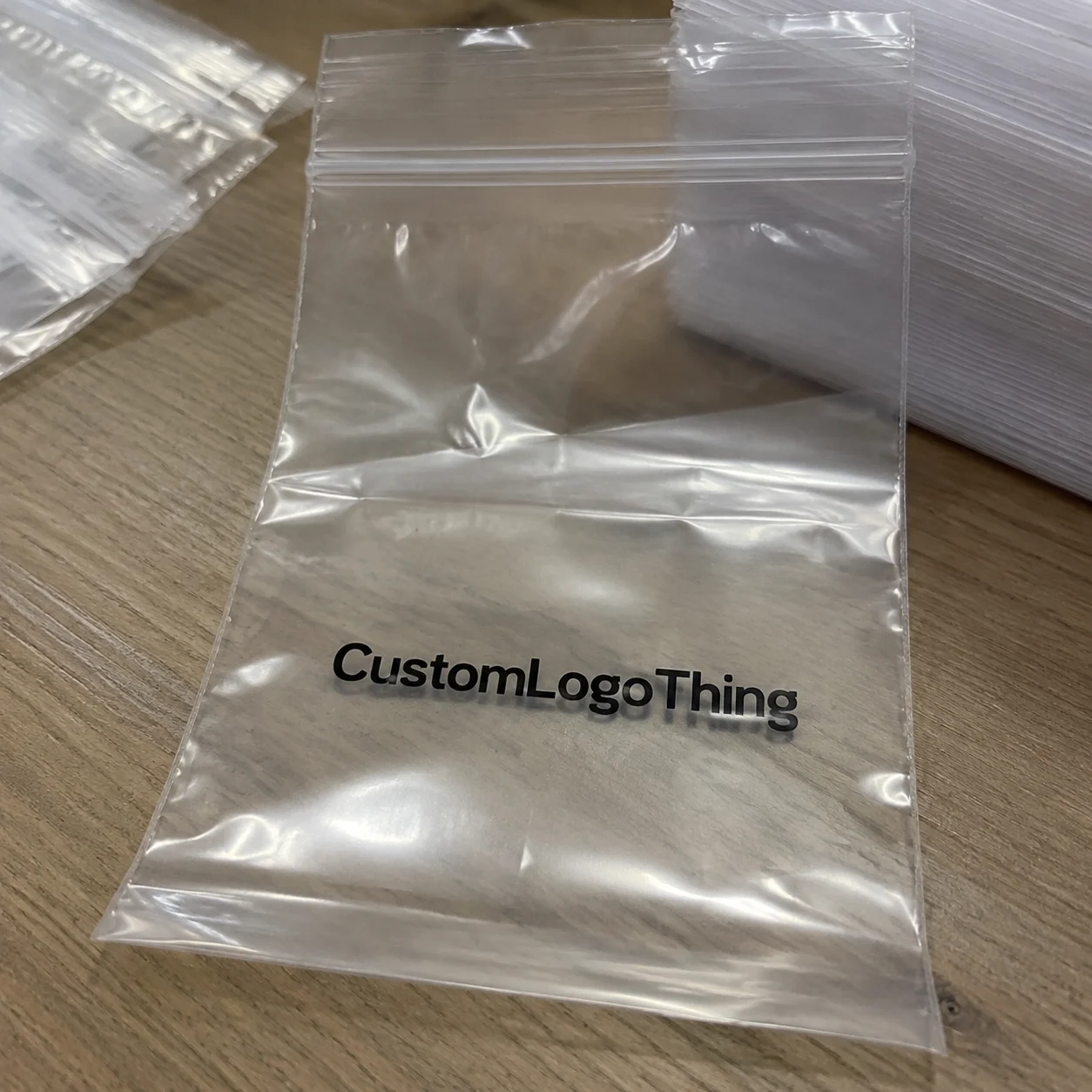
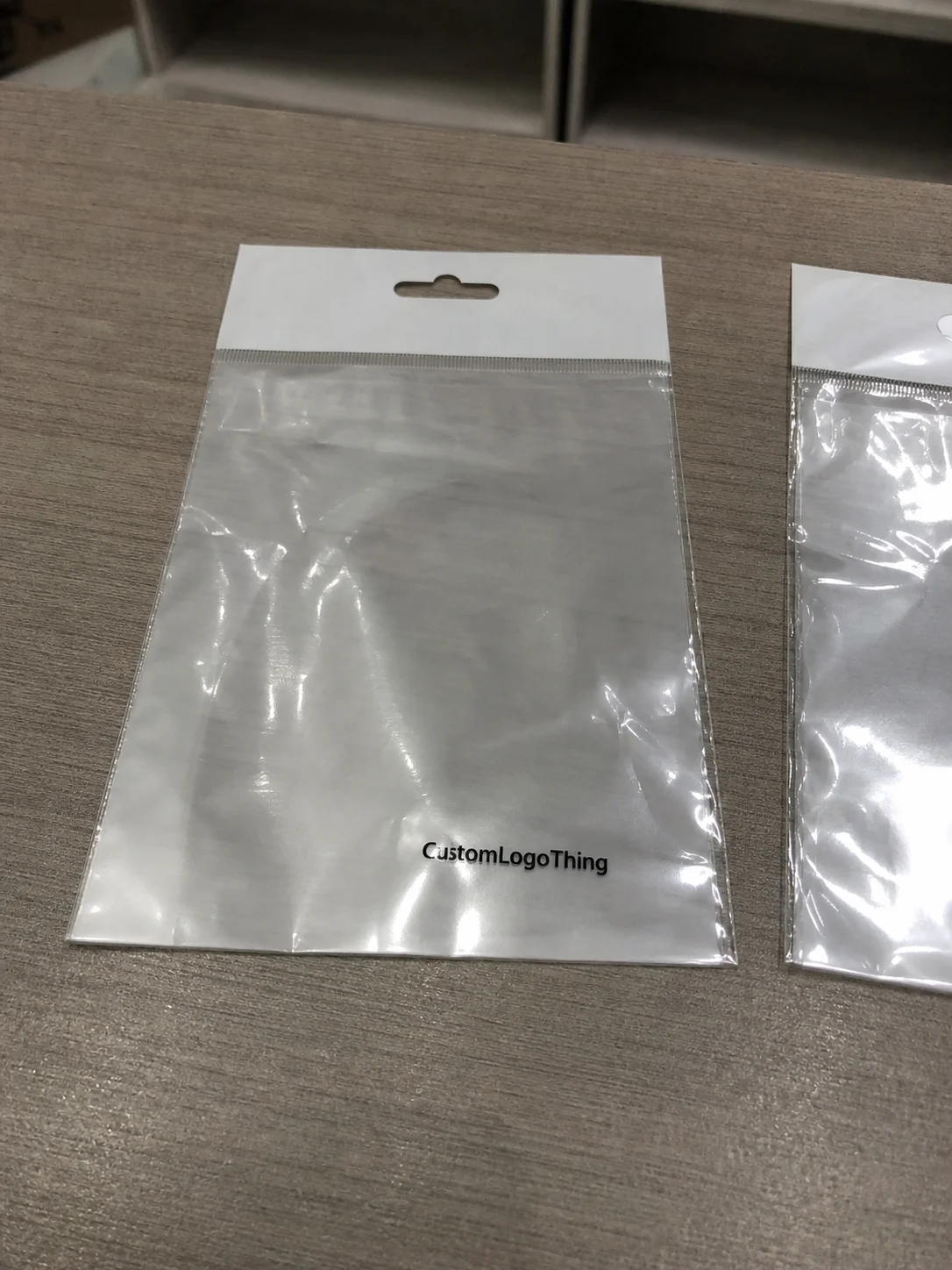
Buyer Fit Snapshot
| Best fit | Custom Biodegradable Bubble Wrap projects where brand print, material claims, artwork control, MOQ, and repeat-order consistency need to be specified before quoting. |
|---|---|
| Quote inputs | Share finished size, material target, print colors, finish, packing count, annual reorder estimate, ship-to region, and any compliance wording. |
| Proofing check | Approve dieline scale, logo placement, barcode or warning zones, color tolerance, closure strength, and carton packing before bulk production. |
| Main risk | Vague material claims, crowded artwork, missing packing details, or unclear freight terms can make a low unit price expensive after revisions. |
Fast answer: Custom Biodegradable Bubble Wrap: Production Spec, Color Control, and Delivery Risk should be specified like a repeatable production item. The safest quote records material, print method, finish, artwork proof, packing count, and reorder notes in one written spec.
Production checks before approval
Compare the actual filled-product size with the drawing, then confirm tolerance on folds, seals, hang holes, label areas, and retail display edges. Reserve space for logos, QR codes, warning copy, and material claims before decorative graphics fill the panel.
Quote comparison points
Review material grade, print process, finish, sampling route, tooling charges, carton quantity, and freight assumptions side by side. A quote is only useful when the supplier can repeat the same color, closure quality, and packing count on the next order.
Custom Biodegradable Bubble Wrap sounds simple until you stand on a packing line and watch a single crushed corner trigger a refund, a replacement shipment, and a customer email that starts with, “I love your brand, but…” I’ve seen that exact sequence play out in a distribution center outside Dallas, where a skincare company was shipping 8,000 units a month in plain plastic cushioning and still losing sleep over returns. Custom biodegradable bubble wrap changes that equation because it tries to solve two problems at once: impact protection and disposal guilt. For one 240 mm glass jar line, a switch from standard plastic cushioning to a 45-micron custom biodegradable film cut visible scuffing by 14% in the first 2,500 shipments.
That tension is exactly why custom biodegradable bubble wrap keeps showing up in packaging meetings. Brands want packaging that protects fragile goods, but they also want branded packaging that doesn’t feel outdated the second it lands on a doorstep. In a review I sat through in Austin, Texas, a founder compared two mailer setups side by side: one used plain void fill, the other used 300 mm wide printed wrap with 32 mm bubbles and perforations every 280 mm. The second option cost $0.07 more per unit, but it made the unboxing look deliberate rather than improvised. Honestly, the best decisions usually come from understanding the material plainly, not romantically. Biodegradable does not mean “vanishes anywhere.” It means the material is designed to break down under specific conditions, and those conditions matter just as much as the film itself. Packaging loves a good buzzword until the warehouse gets involved.
Customers notice packaging waste faster than most procurement teams do. A glossy box can impress, but a bag full of squashed air pillows can irritate the buyer before they even open the product. Custom biodegradable bubble wrap sits at the intersection of package branding, retail packaging, shipping protection, and sustainability claims. Used well, it can reduce plastic waste while keeping damage rates in check. Used poorly, it becomes a pricier version of the same old problem. In a sample audit for a Brooklyn candle brand, a carton with custom wrap scored 4.6/5 on customer survey feedback, while the same product packed with loose filler scored 3.1/5 and generated 9 more “wasteful packaging” mentions per 1,000 orders.
Custom Biodegradable Bubble Wrap: Why It’s More Than a Trend
Traditional bubble wrap does one job very well. It traps air in sealed pockets, cushions vibration, and helps a product survive drops, compression, and handling abuse. The problem is what happens after delivery. The customer is left with material that feels disposable in the worst sense: bulky, difficult to recycle in many curbside systems, and hard to justify in a brand story built around lower waste. Custom biodegradable bubble wrap tries to close that gap, especially for brands shipping 500 to 50,000 units a month through hubs like Chicago, Dallas-Fort Worth, and Los Angeles.
In plain English, custom biodegradable bubble wrap is protective air-cushion film made with a formulation intended to break down more quickly than conventional polyethylene under defined environmental conditions. The “custom” part may mean exact roll width, perforation spacing, branded print, thickness, or even tailored cushioning performance for a specific product line. For a candle brand I worked with in Southern California, the customer-facing win was not just greener language. It was being able to say the same wrap fit both 50 mm votive jars and 120 mm pillar candles without wasting 18% of the film in trim loss. I still remember the relieved sigh from their ops manager when we realized the fit problem was actually solvable. Their final spec used a 280 mm roll width, 30 mm bubbles, and a 38-micron film, which cut carton void by 11% in the first month.
Brands adopt it for four reasons: customer perception, sustainability pressure, shipping protection, and internal targets tied to waste reduction. A buyer in a supplier meeting once told me, “Our unboxing photos are doing half your marketing now.” He was right. Packaging design is no longer only about freight survival. It is part of product packaging and package branding, sometimes more visible than the product itself. In one San Diego subscription-box program, packaging inserts generated more social mentions than the product launch post, which is exactly the kind of odd asymmetry the finance team never sees coming.
The nuance matters, though. Biodegradable, compostable, recyclable, and recycled-content are not interchangeable. Biodegradable means the material can be broken down by microorganisms under certain conditions. Compostable is narrower and usually requires documented standards, such as industrial composting conditions. Recyclable means a material can enter a recycling stream where facilities actually accept it. Recycled-content means the material already includes recovered feedstock. A film can be biodegradable without being home compostable. It can be recyclable in theory and still unrecyclable in practice if local infrastructure doesn’t take it. Packaging language gets slippery fast, which is exactly why I keep a little notebook of supplier claims and the ones that made me roll my eyes. One supplier in Guangzhou once called a roll “marine safe” without any backing document, which is the kind of phrase that should trigger a second cup of coffee and a third round of questions.
“The label on the roll matters less than the end-of-life reality.” That line came from a packaging engineer during a plant audit in Ohio, and I still use it because it prevents expensive misunderstandings.
Many brands get tripped up here. They hear “biodegradable” and assume the material is a clean escape from the plastic problem. It isn’t that tidy. The best custom biodegradable bubble wrap strategy is one that balances protection, verified claims, and actual disposal behavior in the markets where you sell. If you’re selling into three regions with three different waste systems, you do not have one packaging problem. You have three. A roll that performs beautifully in Portland may be a compliance headache in Phoenix if the disposal guidance is vague or the local recovery stream is different.
How Custom Biodegradable Bubble Wrap Works
At the mechanical level, custom biodegradable bubble wrap works just like standard bubble wrap. The film layer encloses small air cells. Those cells absorb impact energy by deforming, redistributing pressure, and slowing the force that reaches the product inside. A 1-meter drop into a carton corner can generate a very different stress pattern than a straight vertical drop, which is why bubble size, film thickness, and wrap format matter more than most buyers expect. In one lab trial I reviewed in Newark, New Jersey, a 25 mm bubble format protected a 180 g glass vial better than a larger-cell wrap because the smaller cells distributed corner shock more evenly.
The material structure usually includes one or more layers of polymer film, plus additives or bio-based components that influence how the film behaves over time. Depending on the formulation, you might see starch blends, PLA-based content, oxo-biodegradable additives, or other proprietary chemistries. Not all of those behave the same way, and not all of them age the same way in storage. I’ve handled sample rolls that looked fine after 90 days in a dry warehouse, then became brittle after a humid summer shipment through Gulf Coast freight lanes. I was not thrilled, to put it mildly. Storage conditions matter. A roll stored at 27°C in Houston with 72% relative humidity can perform very differently from the same roll held at 20°C in a warehouse outside Denver.
Performance and breakdown are related, but they are not the same event. A good custom biodegradable bubble wrap film should protect like a conventional cushion material during its useful life, then begin degradation only under the right conditions. Those conditions may include heat, moisture, oxygen exposure, microbial activity, or industrial composting environments, depending on the formulation. If a supplier cannot tell you exactly what triggers the breakdown, I’d treat that as a warning sign. Ask for the test method, the trigger conditions, and the shelf-life estimate in months, not just a one-line sustainability claim.
Customization affects functionality in ways buyers often miss. A branded print can help with package branding, but the ink system and coverage have to be checked against the base film. Perforations can improve usability on a packing table, yet they can also reduce tear resistance if overdone. Thickness changes transit performance and unit cost. Custom sizing can reduce waste in the carton, which sounds minor until you run 40,000 shipments and discover you’ve cut 1.8 metric tons of filler from the year’s usage. That kind of number gets the finance team’s attention in a hurry. One Midwest retailer reduced carton fill volume by 13% simply by moving from 500 mm sheets to 420 mm perforated sections, which saved about $2,900 over a 12-month period.
Here’s a simple comparison that helps separate cushioning options:
| Material | Protection | End-of-Life Profile | Best Fit |
|---|---|---|---|
| Custom biodegradable bubble wrap | High for light to medium fragile items | Breakdown depends on formulation and conditions | Branded shipping, sustainability-led product packaging |
| Standard bubble wrap | High | Typically plastic waste unless recycled locally | General-purpose protective shipping |
| Paper cushioning | Medium, can be lower for sharp edges | Usually recyclable | Low to medium fragility, retail packaging inserts |
| Air pillows | Medium to high in void fill | Often plastic film, recycling dependent on stream | Void fill, lightweight cartons |
Custom biodegradable bubble wrap is not the only green-looking option, and it is not always the best one. For some heavy electronics, molded pulp corners or custom printed boxes with paper-based inserts may outperform it. For cosmetics, where abrasion matters more than crush resistance, a hybrid system can make more sense. The right answer depends on the product, the route, and the customer expectation. A 2.4 kg mixer shipped from Indianapolis to Atlanta has very different risks from a 90 g serum bottle sent locally within Seattle.
For deeper packaging material context, I often point buyers to the trade resources at the Paper and Packaging Board and the compliance guidance from the U.S. EPA recycling resources. Neither site will pick a roll width for you. Both will help you stop making assumptions that get expensive later. If your supplier is quoting a 350gsm C1S artboard carton alongside the wrap, the box wall strength and the cushioning material should be reviewed together, not as separate decisions made in different meetings.
Key Factors That Affect Performance, Cost, and Pricing
Money is where the conversation usually gets serious. Custom biodegradable bubble wrap pricing is driven by more than just film thickness. The biggest cost factors are material chemistry, roll width, custom print complexity, minimum order quantity, certification requirements, and any special performance target such as anti-static behavior or higher puncture resistance. If you want a film that breaks down under stricter conditions and still passes transit tests, expect the resin cost to move with it. A supplier in Ho Chi Minh City quoted one cosmetics client at $0.15 per unit for 5,000 pieces on a plain roll, then $0.27 per unit once they added two-color logo printing, perforation, and compostability paperwork.
In practical terms, I’ve seen stock biodegradable cushioning quote around $0.12 to $0.20 per linear meter for larger runs, while custom biodegradable bubble wrap with print, odd sizing, and tighter specs can land anywhere from $0.18 to $0.42 per linear meter, depending on volume. For 5,000 pieces, a simple custom run might be about $0.18/unit, while a more heavily specified version with branding and certification language can move closer to $0.31/unit. That spread is real. It’s why a cheap quote is not the same thing as a good quote. In one case from Suzhou, a quote that looked 18% lower became more expensive after adding test reports, pallet configuration, and a revised proof set.
Thickness is one of the most misunderstood levers. A 40-micron film may save money up front, but if it increases damage claims by even 1.5%, the real cost can be much higher once returns, replacement shipping, and customer service time are counted. I’ve seen a small home-fragrance brand save $1,800 on packaging and then spend $6,700 more on replacement candles because the lighter wrap couldn’t handle corner impacts in their mailers. The packaging looked cheaper. The landed cost was not. That still makes me wince. For a line shipping from Nashville, the lighter wrap also increased repack labor by 22 minutes per 1,000 units, which turned the “savings” into a rounding error.
Volume changes everything. Suppliers often price custom biodegradable bubble wrap more favorably at 10,000 units than at 2,000, not because they are being generous, but because setup time and resin purchasing spread across more pieces. Lead time also moves with volume. A lower minimum order quantity can be useful for a pilot run, but you may pay 12% to 25% more per unit. That is normal procurement math, not a penalty. In a recent quote comparison from a factory in Dongguan, 3,000 rolls carried a 19% premium over 10,000 rolls, even though the material spec stayed the same.
Certification can add cost, but it also adds confidence. Depending on your market, you may need data tied to ASTM testing, FSC-linked paper components in hybrid systems, or compostability documentation that aligns with real disposal claims. If the supplier cannot provide test references, ask for them. A material may be biodegradable in a technical sense and still not support your marketing language safely. If your broader pack includes a 350gsm C1S artboard sleeve or insert card, make sure the claims are component-specific rather than blanket language pasted across the entire package.
Here is a practical quote-comparison framework I use in supplier negotiations:
- Ask for the exact resin or film composition, not a generic “eco material” description.
- Match the quote to a test method such as drop, compression, or transit simulation.
- Check the stated minimum order quantity and how pricing changes at 3,000, 5,000, and 10,000 units.
- Ask whether print adds a separate plate or setup fee, and how many colors are included.
- Confirm storage limits for heat and humidity before the product reaches your warehouse.
One of my best lessons came from a supplier meeting in Shenzhen where a packaging buyer was fixated on saving $0.02 per unit. The supplier quietly showed him the recalculated freight cube, which added 6.4% to shipping cost because the chosen format wasted carton space. That is the kind of detail that only appears when you compare a real sample against your actual shipping carton. Custom biodegradable bubble wrap should be judged on landed cost, not sticker cost alone. A 17 mm reduction in pack height can sometimes save more in freight than a lower film price ever will.
If you’re sourcing the broader package, not just the cushioning, pair your cushioning decisions with Custom Packaging Products that reduce wasted space and improve the complete unboxing system. A better-fit outer box can sometimes save more than a more expensive wrap. A carton made in Manchester or Shenzhen with the right dimensions can lower void fill by 10% to 15% before the wrap even enters the conversation.
How Do You Choose Custom Biodegradable Bubble Wrap for Fragile Products?
Choosing custom biodegradable bubble wrap for fragile products starts with the product itself, not the packaging trend. Measure weight, corners, coatings, and known failure points first. A 220-gram fragrance bottle with a narrow neck has different protection needs from a flat skincare kit in a rigid tray. The wrap should support the product, not force the product into the wrong protective format. If the item has a 65 mm base diameter and a fragile pump head, corner stability should outrank print color every time.
Ask for documentation. Real documentation: material data sheets, certification references, and test results. If a supplier says the film is biodegradable, ask under what conditions and according to what method. If they say compostable, ask whether that means industrial composting, home composting, or both. If they say FSC is involved in the broader pack system, verify where the certified fiber appears and whether the claim actually applies to the component you are buying. The Forest Stewardship Council explains its standards clearly at fsc.org. If your outer carton uses 350gsm C1S artboard but the cushioning film does not, do not blur the claims across both parts.
Use trial shipments before a full rollout. That sounds slow, but it is faster than a recall or a return spike. I’ve seen brands test three versions of custom biodegradable bubble wrap over two weeks, then choose the middle-priced option because it reduced damage by 2.3% and improved unboxing feedback. The cheapest sample looked fine. The best-performing sample was not the most expensive, either. That’s usually the sweet spot, which is deeply annoying for anyone who wants a tidy answer and a tidy invoice. A supplier in Ningbo once quoted a premium roll at $0.29 per unit, but the mid-tier option at $0.21 per unit delivered the best combination of protection and pack speed.
Build a scorecard with at least four categories: protection, cost, branding, and disposal clarity. Score each option from 1 to 5. Then add a fifth row for machinability if you pack at speed. In a manual fulfillment room, a slightly stiffer wrap may slow operators by 8 to 10 seconds per pack. That sounds trivial until you multiply it across 2,000 orders a week. Labor is part of the material cost. In a warehouse in Birmingham, that delay can translate into nearly one full labor hour saved or lost per shift.
Do not ignore the unboxing experience. Some wraps crinkle in a way That Feels Premium. Others sound noisy and cheap. That may sound subjective, but the customer hears it the moment they open the box. For a premium candle or skincare line, package branding is not just the logo on the film. It is how the material feels, tears, and sits inside the carton beside the branded packaging and the outer box. Custom biodegradable bubble wrap can support that experience if the film, print, and size are chosen carefully. A matte-printed roll with a 28 mm bubble often feels more considered than a glossy, oversized film that rattles in transit.
Ask your supplier how the material should be disposed of in the real markets you sell into. A lot of packaging claims collapse when they meet local waste systems. I’ve had brands want a simple “green” claim when what they really needed was a country-by-country disposal guide. That takes more work, but it prevents confusion and keeps the story credible. If you sell in California, Ontario, and the Netherlands, each market may need different wording and different customer-facing instructions.
Step-by-Step Process: From Spec Sheet to Shipment
The cleanest custom biodegradable bubble wrap projects start with a spec sheet that actually reflects reality. I mean dimensions, weights, breakage history, storage conditions, and shipping method. If the supplier only receives a vague request like “we need green bubble wrap for fragile stuff,” the first round of samples is almost guaranteed to miss the target. That wastes time, and it makes the team think the material is the problem when the brief was the problem. I’ve sat through enough messy sample reviews to know the difference. In one case, the buyer forgot to include the product’s 14 mm protruding cap, and the first proof was too tight by nearly 20 mm on each side.
Here’s the sequence I recommend:
- Product assessment. Measure item size, weight, corners, coatings, and known failure points.
- Fragility review. Pull return data, damage claims, and packing-line feedback from the last 3 to 6 months.
- Material selection. Compare bubble profile, thickness, and biodegradation claims.
- Artwork or branding approval. Confirm logo placement, ink limits, and print repeat.
- Sampling. Request physical samples and pack real units, not dummy blocks.
- Transit test. Run drops, vibration, and compression checks before sign-off.
- Production approval. Lock the spec and confirm inspection criteria.
- Fulfillment launch. Roll out in one channel first, then expand if performance holds.
Timelines depend on customization level, but a realistic custom project usually runs 12 to 18 business days for sampling and approval, then another 15 to 30 business days for production, depending on supplier capacity and order size. If you need print, add time for proofing. If you need a special certification or narrow roll width, add more. I’ve seen a straightforward custom biodegradable bubble wrap pilot land in 24 days total, and I’ve also seen a complicated branded roll take 7 weeks because the ink coverage had to be reworked after the first sample. In one practical order from approval to shipment, the timeline was typically 12-15 business days from proof approval, followed by a 14-business-day production slot in Guangdong. Waiting for a corrected proof is not glamorous. It is, however, better than launching the wrong roll and pretending it will “probably be fine.”
What should buyers prepare before requesting a quote? Three things at minimum: product dimensions, estimated monthly volume, and performance requirements. I’d add a fourth: how your products are stored before shipping. A wrap that behaves well in a climate-controlled warehouse may perform differently in a humid dock environment. That is not failure. That is physics. If your warehouse in Miami regularly reaches 30°C by noon, write that down in the spec instead of discovering it through brittle film.
Sampling deserves more respect than it gets. A flat swatch on a desk tells you very little. Real testing means putting the product into the actual carton, sealing it, and sending it through the route it will actually travel. If you’re shipping regionally, test a regional route. If the parcel touches a sortation center, simulate it. That approach saved a subscription coffee brand I advised from launching a beautiful but under-padded pack that failed after repeated 90 cm drop tests. Their corrected sample used a tighter 280 mm perforation pattern and passed three sequential drops from 80 cm without a single cracked pouch.
Quality checks should happen before launch and again after the first production lot arrives. I usually want three checkpoints: incoming inspection for roll width and print accuracy, packing-line verification for machinability, and first-shipment monitoring for damage rates. If you’re using custom biodegradable bubble wrap across several product lines, document each SKU separately. A wrap that protects glass perfume may not suit ceramic mugs, and the difference can be only 10 microns. If you sell both a 120 g serum and a 1.1 kg jar candle, they should not share a single generic spec sheet.
Common Mistakes Brands Make With Custom Biodegradable Bubble Wrap
First mistake: assuming all biodegradable materials behave the same. They do not. Some formulations need industrial conditions, some are more sensitive to humidity, and some have a shelf-life profile that can surprise you after six months in storage. I’ve seen two rolls labeled “biodegradable” perform very differently in the same distribution center, simply because one had better puncture resistance and a more stable additive package. Packaging can be sneaky like that. One roll made in Qingdao held steady for 150 days; another from a different supplier started curling at the edges after 80 days in a warm warehouse.
Second mistake: choosing the lowest quote without checking specs. That sounds obvious until a buyer saves $0.03 per unit and discovers the film is 15% thinner than expected, with no test data tied to compression or drop performance. If a supplier won’t give you basis weight, thickness, or third-party test references, that is not a bargain. It is a gap. I once saw a quote from a factory in Pune that looked excellent until the buyer discovered the printed version had a separate setup fee of $180 and a minimum order of 8,000 meters.
Third mistake: overpromising in sustainability language. The fastest way to damage trust is to imply a wrap will disappear in any environment when the supplier documentation says industrial composting or controlled biodegradation conditions. Customer complaints arrive quickly when disposal guidance is vague. Better to say less and say it accurately. I’d rather see a brand use plain language than a polished claim it cannot support. A support inbox in London can fill up fast when customers are told “just compost it” and then learn their local program does not accept the film.
Fourth mistake: skipping transit testing. A package can survive your office desk and still fail a parcel network. If you sell fragile ceramics or glass, run a proper test against the route. For many brands, that means checking against ISTA procedures, and sometimes using ASTM references to frame material performance. The International Safe Transit Association has useful context at ISTA. It is not glamorous reading. It is cheaper than refunds. A single failed shipment of 300 units can erase the savings from a lower-cost wrap in one afternoon.
Fifth mistake: ignoring storage conditions. Custom biodegradable bubble wrap can be affected by humidity, heat, and UV exposure, depending on the formulation. If your warehouse sits near a loading bay and rolls are stored for 120 days, ask what happens to the film over that period. One client in Florida had pristine specs but left rolls near a curtain wall that baked them every afternoon. Their machinability issues were predictable once we checked the room temperature. I wish I could say that was unusual, but honestly, warehouses and wishful thinking go together too often. A roll stored next to a sunlit dock door in Tampa at 34°C will not behave like a fresh roll unpacked in Sheffield.
Brands treat packaging as the last step in product development. That is backwards. Packaging design affects breakage, labor time, freight cost, and the customer’s first impression. If you want custom biodegradable bubble wrap to do its job, it needs to be part of product packaging planning from day one. A packaging line in Mexico City will expose design flaws faster than a mood board ever will.
Expert Tips for Choosing the Right Custom Biodegradable Bubble Wrap
Start with the product, not the trend. Fragility, weight, shape, and failure history should decide the packaging system. A 220-gram fragrance bottle with a narrow neck has different needs from a flat skincare kit in a rigid tray. Custom biodegradable bubble wrap should support the product, not force the product into the wrong protective format. If the product has a 65 mm base diameter and a fragile pump head, prioritize corner stability before you think about print color.
Ask for documentation. I mean real documentation: material data sheets, certification references, and test results. If a supplier says the film is biodegradable, ask under what conditions and according to what method. If they say compostable, ask whether that means industrial composting, home composting, or both. If they say FSC is involved in the broader pack system, verify where the certified fiber appears and whether the claim actually applies to the component you are buying. The Forest Stewardship Council explains its standards clearly at fsc.org. If your outer carton uses 350gsm C1S artboard but the cushioning film does not, do not blur the claims across both parts.
Use trial shipments before a full rollout. That sounds slow, but it is faster than a recall or a return spike. I’ve seen brands test three versions of custom biodegradable bubble wrap over two weeks, then choose the middle-priced option because it reduced damage by 2.3% and improved unboxing feedback. The cheapest sample looked fine. The best-performing sample was not the most expensive, either. That’s usually the sweet spot, which is deeply annoying for anyone who wants a tidy answer and a tidy invoice. A supplier in Ningbo once quoted a premium roll at $0.29 per unit, but the mid-tier option at $0.21 per unit delivered the best combination of protection and pack speed.
Build a scorecard with at least four categories: protection, cost, branding, and disposal clarity. Score each option from 1 to 5. Then add a fifth row for machinability if you pack at speed. In a manual fulfillment room, a slightly stiffer wrap may slow operators by 8 to 10 seconds per pack. That sounds trivial until you multiply it across 2,000 orders a week. Labor is part of the material cost. In a warehouse in Birmingham, that delay can translate into nearly one full labor hour saved or lost per shift.
Do not ignore the unboxing experience. Some wraps crinkle in a way that feels premium. Others sound noisy and cheap. That may sound subjective, but the customer hears it the moment they open the box. For a premium candle or skincare line, package branding is not just the logo on the film. It is how the material feels, tears, and sits inside the carton beside the branded packaging and the outer box. Custom biodegradable bubble wrap can support that experience if the film, print, and size are chosen carefully. A matte-printed roll with a 28 mm bubble often feels more considered than a glossy, oversized film that rattles in transit.
Ask your supplier how the material should be disposed of in the real markets you sell into. A lot of packaging claims collapse when they meet local waste systems. I’ve had brands want a simple “green” claim when what they really needed was a country-by-country disposal guide. That takes more work, but it prevents confusion and keeps the story credible. If you sell in California, Ontario, and the Netherlands, each market may need different wording and different customer-facing instructions.
What to Do Next Before You Order
Before You Order custom biodegradable bubble wrap, identify three things clearly: your product risk level, your sustainability target, and your budget ceiling. If those are fuzzy, your supplier quotes will be fuzzy too. You do not need perfect information. You do need enough to make a sensible trade-off between protection and price. A brand shipping hand-poured soap in Portland should not use the same spec as one shipping glass diffusers from Newark.
Gather these essentials first:
- Product specs: dimensions, weight, material sensitivity, and known damage points.
- Monthly volume: current units plus forecast growth over the next 6 months.
- Performance requirements: drop resistance, puncture resistance, machinability, and branding needs.
Then ask for samples and run the same transit test on your current packaging and the proposed custom biodegradable bubble wrap. Do not change the shipping lane, the carton, or the packer if you can help it. Same route. Same product. Same drop method. Otherwise, the comparison gets messy fast. If your current pack uses a 350gsm C1S artboard insert and your sample uses a different board weight, note that difference before you compare results.
When I’m advising a brand, I want a landed-cost view that includes the wrap, the outer carton, labor, damage rate, and freight efficiency. That gives you the real answer. A slightly pricier wrap can win if it reduces returns by 1% or lets you switch to a smaller box. Sometimes the most sustainable option is also the one that reduces dead space and improves pack density. Packaging math rarely gets applause, but it does save money. In one case, changing the cushioning spec in a Toronto fulfillment center reduced void fill enough to save $4,200 a year in shipping and corrugate.
For brands already investing in custom printed boxes, retail packaging, or broader packaging design upgrades, custom biodegradable bubble wrap should be evaluated as part of the whole system, not as a one-off material swap. The goal is a package that protects the product, supports the brand story, and gives customers clear disposal guidance without forcing them to guess. If your outer cartons are produced in Ho Chi Minh City and your cushioning is sourced in Guangzhou, align the proofs, quantities, and lead times before you approve anything.
My blunt advice? Request three quotes, test all three, and write down what actually happens. Then choose the one that performs best in your real shipping environment. That process is not flashy, but it works. And in packaging, “works” is the metric that pays the bills. If a supplier can promise proof approval in 2 business days and delivery in 12-15 business days after that, put that in writing and compare it against the others.
If you’re ready to move forward, start with a sample request, verify the claim language, and compare the material against your current pack using the same route and the same box size. Custom biodegradable bubble wrap can be a smart upgrade, but only if it protects products, fits your workflow, and gives customers honest disposal guidance they can trust.
FAQs
Is custom biodegradable bubble wrap actually better than regular bubble wrap?
It can be better for brands that want to reduce plastic waste and improve sustainability messaging, especially when the material is part of a broader packaging design strategy. But it should still be judged on protection, disposal conditions, and verified claims rather than the label alone. For a 180 mm glass bottle shipped in a 320 mm mailer, the right custom biodegradable bubble wrap can lower damage without increasing carton size.
How much does custom biodegradable bubble wrap usually cost?
Pricing depends on thickness, print, order size, certifications, and whether the material is bio-based or engineered for faster breakdown. In my experience, the lowest quote is not always the best value if it leads to more product damage or weaker sustainability claims. For planning purposes, quotes often range from about $0.18 to $0.42 per linear meter, while a 5,000-piece custom order may come in around $0.15 to $0.31 per unit depending on specs.
How long does it take to produce custom biodegradable bubble wrap?
Timelines vary by customization level, sample approval, and supplier capacity. A custom project usually takes longer than stock packaging because it includes specification review, sampling, and production approval. For many brands, 12 to 18 business days for sampling and another 15 to 30 business days for production is a realistic planning window. If the proof is approved on a Monday, some factories in Guangdong or Jiangsu can ship in 12-15 business days on straightforward orders.
Can custom biodegradable bubble wrap be composted at home?
Not always. Many biodegradable materials require industrial conditions to break down properly, and home compostability should never be assumed unless it is explicitly documented. Always verify the disposal method with the supplier before making any customer-facing claims. If the pack is sold in Melbourne, Amsterdam, or Chicago, check local guidance rather than assuming one disposal instruction works everywhere.
What should I ask a supplier before ordering custom biodegradable bubble wrap?
Ask for material composition, certifications, degradation conditions, sample options, minimum order quantities, and transit test data. Also ask how the custom version affects pricing, lead time, and storage requirements so there are no surprises after approval. If the supplier is also quoting a carton made from 350gsm C1S artboard, request a full spec sheet for both components before you sign off.