A custom birthday box does more than hold a gift. It sets the tone before the box is opened, protects the contents, and tells the buyer the item inside was planned, not improvised. That matters for candles, jewelry, beauty sets, apparel, and any small gift that needs presentation without wasted space.
People judge packaging fast. They see proportion, closure, color, and finish, then decide whether the item feels thoughtful or thrown together. A generic carton can still contain a good gift, but it rarely makes the gift feel better.
What a Custom Birthday Box Actually Changes
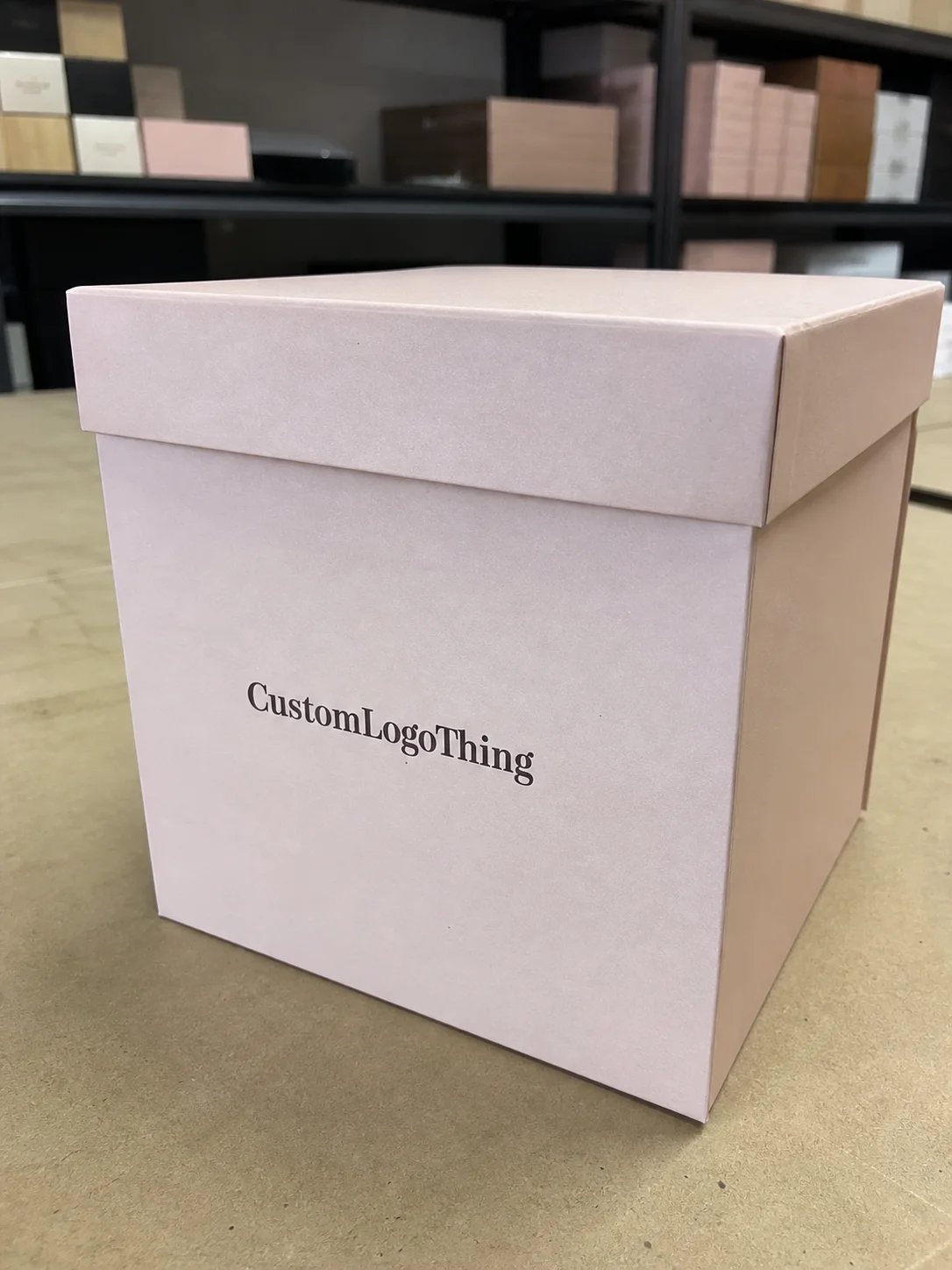
The biggest change is structure, not decoration. A custom birthday box turns packaging into part of the gift experience. A candle in a loose mailer looks like fulfillment. The same candle in a rigid, fitted box looks intentional. Same product, different signal.
Structure does three jobs at once: it sells the moment, protects the item, and stays manufacturable. If the internal dimensions are off, the box fails even if the artwork is strong. Tight fit matters. So do lid alignment, wall strength, and how the product sits inside the cavity.
There is also a hard distinction between presentation packaging and shipping protection. Presentation packaging focuses on feel and perceived value. Shipping protection focuses on transit abuse, compression, and impact. A birthday box can do both, but only if the spec is honest.
For small gifts, fit changes the whole impression. Jewelry in an oversized carton shifts around and looks unfinished. A candle with an insert feels premium because the product stays centered and the reveal is controlled. Folded apparel in a rigid setup box reads as gift-ready, not warehouse-ready. That is why Custom Printed Boxes still outperform generic stock packaging for birthdays: they control the reveal instead of leaving it to chance.
A good birthday box protects the product, opens cleanly, and gives the design enough room to work. If those basics are wrong, no finish treatment will save it.
Start with structure, then move to artwork. Buyers often begin with decoration and try to force the box around it later. That is backward because the structure sets cost, print constraints, and shipping risk.
Order Process and Timeline: From Dieline to Delivery
Clean orders follow the same sequence: measure the product, choose the box style, request the dieline, place the artwork, review the proof, then approve a sample if the item is fragile or premium.
The biggest delay is usually a late change to the brief. Dimension updates, copy edits after proofing, and finish changes all add avoidable time. If the goal is a fast quote and a fast turn, send a complete spec from the start: product dimensions, quantity, insert needs, finish preference, and whether the box is for shelf display, gifting, or shipping.
Sample time and production time are different stages. A structural sample may take a few business days or stretch toward two weeks if the box uses specialty board, custom inserts, or multiple finishing steps. Production often runs around 12 to 20 business days after approval, then transit gets added on top.
A proof should not be treated as a formality. Digital proofs are useful for layout, copy, bleed, and basic placement. They do not tell you how the box feels in hand or whether the product actually fits. If the item is delicate, test the sample with the real product rather than a placeholder of similar size.
Quality-focused buyers also think beyond the box itself. Shipping performance references like ISTA help frame drop, vibration, and compression risks. If sustainability is part of the brief, FSC certification is worth asking about for paper stock sourcing and chain-of-custody documentation.
Cost and Pricing: What Moves Unit Cost Up or Down
Unit cost is driven by a short list of variables: size, board thickness, print coverage, finish, inserts, and quantity. A small rigid box with one-color print belongs in a different cost bucket than a full-color setup with soft-touch lamination, foil, and a custom insert.
Quantity has a large effect because setup costs do not shrink just because the run is small. Prepress, die cutting, machine adjustments, and labor get spread across fewer boxes on low-volume orders. A run of 500 units can look expensive per piece. At 5,000 units, the same structure often drops materially.
Minimum order quantities matter too. A low MOQ is useful for testing a new birthday product or checking market response. Just do not treat the headline price as the whole story. Landed cost is the number that matters. That means box construction, printing, inserts, finishing, freight, and any added handling charges.
Three things push costs up faster than most buyers expect: oversized boxes, excessive finishing, and artwork that forces extra production steps. Bigger cartons use more board and take up more freight space. Special coatings and foil add processing time. Printing white ink on dark stock can also increase cost because coverage becomes harder to control and press passes multiply.
| Option | Typical Use | Cost Impact | Buyer Tradeoff |
|---|---|---|---|
| Folding carton | Light gifts, sleeves, retail display | Lowest | Budget-friendly, lighter protection |
| Rigid setup box | Premium gifting, jewelry, candles | Higher | Better structure and perceived value |
| Custom insert + rigid box | Fragile or premium items | Highest | Best product control and clean unboxing |
| Printed mailer-style box | E-commerce gifting | Mid-range | Good if transit durability matters more than shelf display |
Ask for a quote breakdown every time. Box construction, print, insert, finish, and freight should appear separately. If a supplier lumps everything into one number, comparisons become messy fast.
The right choice is not the cheapest box. It is the box that fits the product, the margin, and the channel.
Materials, Inserts, and Finish Choices That Matter
Material choice should start with the product, not a sample board that looked nice in a catalog. For lightweight gifts, a folding carton may be enough. For candles, fragrance sets, or jewelry, rigid board usually gives a better feel and better protection.
Board selection affects print sharpness, edge quality, and how the box handles lamination. Common folding cartons often use paperboard in the 250 to 400 gsm range, while rigid boxes rely on greyboard or chipboard with wrapped paper. That difference changes the tactile impression immediately and also changes freight weight.
Window packaging can help when visibility sells the item. It also creates tradeoffs. A cutout can weaken the structure and expose the contents to dust, abrasion, or movement if the insert is loose. Use a window only if it improves conversion or helps the product explain itself.
Finish choices are cosmetic, but they also affect perception. Matte gives a calmer, more restrained look. Gloss feels brighter and more playful. Soft-touch adds tactile appeal, but it is not always durable if the box will see heavy handling. A fingerprint-resistant laminate can be more practical than a fancy coating if the box will pass through many hands.
Inserts are a fit-and-protection decision, not an automatic upsell. Paperboard inserts work for lighter items and simple sets. Foam stabilizes fragile items better. Molded trays work well for shaped products or multi-piece gift kits. The insert should keep the item centered, stop movement, and support the reveal.
Channel still matters more than style. Shelf display, gift handoff, and direct-to-consumer shipping are different jobs. A retail design that looks perfect under store lighting may be too delicate for parcel handling. A shipping-first mailer can be durable but feel too plain for a birthday gift.
If sustainability is part of the brief, ask for the paper stock spec, recycled content, and any documentation for responsible sourcing. A restrained design on FSC-certified board often makes more sense than a heavily decorated box that is difficult to justify. For many brands, the cleaner solution is also the easier one to reorder.
For teams building a broader packaging system, it helps to browse a wider range of Custom Packaging Products so the birthday box stays aligned with the rest of the packaging line.
Artwork and Layout Rules for Clean Printing
Design for the dieline first. Not the mockup. Not the social render. The actual production file. Fold lines, glue zones, flaps, and trim areas decide what survives the press and the finishing line.
Safe zones and bleed are basic production rules, yet they still get missed. Important text belongs away from edges and folds. Bleed has to extend beyond trim. Treat the die line like the skeleton and the artwork like clothing. If the structure is wrong, the final result shows it immediately.
Text size matters more than many brands expect. Small copy that reads fine on a monitor can disappear on textured stock or dark backgrounds. Keep the main message short and readable. The box is not a brochure, and it is not a place to crowd in every campaign line the brand owns.
Color control needs real attention. Screen color and print color are not the same thing, and the difference becomes more obvious on kraft stock, dark stock, and uncoated board. Brand colors should be checked against the actual substrate. A pastel that looks clean on a monitor can turn muddy if the paper absorbs ink unevenly.
Personalization can work well on a custom birthday box, but it should stay bounded. A name, short greeting, or event theme usually adds value. Too much variable copy slows production and increases the chance of data mistakes.
For multi-variant programs, lock the structure once and reuse it. One base spec, one dieline, one artwork framework, controlled variable text. That is how strong package branding stays consistent without becoming expensive.
Common Mistakes That Blow Up the Budget
The worst mistake is ordering before the final measurements are locked. A few millimeters can matter more than buyers expect, especially with inserts and rigid structures. If the product shifts or the lid bulges, the box feels wrong even if the print is perfect.
Skipping a sample is another risky move. If the item is fragile, expensive, or meant to impress, the sample often pays for itself. It shows whether the product fits, whether the closure feels right, whether the finish looks good in real light, and whether the insert actually keeps the item centered.
Rushed approvals cause their own damage. Late copy changes, artwork shifts, and finish swaps all create extra time and sometimes extra charges. Production schedules are not elastic forever.
Finish overload is a classic trap. Foil, embossing, spot UV, soft-touch, and specialty stock can each look good alone. Put too many on one box and the result becomes busy, heavy, and expensive. One or two effects are usually enough.
Rework is the hidden cost that keeps showing up after the first order. One wrong size, one insert mismatch, or one unclear layout can become a repeat problem on every reorder. Good documentation prevents that. So does keeping the final spec, not just the approved mockup.
Next Steps: Lock the Spec Before You Request Quotes
Before requesting pricing, build a one-page spec sheet. Include product dimensions, quantity, box style, finish, insert requirements, and intended channel. That one page makes comparisons cleaner and gives suppliers enough detail to quote something real instead of a placeholder estimate.
Request at least two quotes using the same spec. If the spec changes from vendor to vendor, the comparison becomes useless. Then you are not comparing options. You are comparing different jobs.
If the contents are fragile or premium-priced, ask for a sample or a pre-production proof. Review it with the actual product inside. Check fit, closure, print quality, edge wrap, and whether the box opens cleanly without scraping the contents.
Confirm the production schedule, shipping method, and reorder path in writing. Keep the final spec sheet, final artwork files, and any notes about substitutions or tolerances. That saves time later and reduces the chance of duplicate mistakes.
A well-built custom birthday box should feel easy to quote, easy to make, and easy to reorder. That is the standard.
FAQs
How much does a custom birthday box cost per unit?
Price usually drops as quantity rises because setup costs are spread across more boxes. Material, finish, insert type, and print coverage move the number more than most buyers expect. A simple folding carton can be far less expensive than a rigid box with custom inserts and specialty finishing.
What size should a custom birthday box be for small gifts?
Measure the product first, then add clearance for tissue, inserts, or protective wrapping. Avoid oversized boxes because they increase freight cost and make the presentation feel loose. A tighter fit usually looks better and keeps the item from shifting.
How long does a birthday box order usually take?
Timeline depends on proof approval, sample requests, print complexity, and quantity. Production commonly runs around 12 to 20 business days after approval, then shipping time is added on top. Ask for both pieces separately so the schedule is clear.
Which finish looks best without raising cost too much?
Matte is usually the safest balance of premium appearance and controlled pricing. Gloss works well for brighter, more playful designs, but it should match the brand and the product. Soft-touch feels nice, but it is a premium choice rather than a default one.
Can I reorder the same custom birthday box later with a new design?
Yes, if the base size and structure stay the same, reorders are usually faster. Keep the final spec sheet so artwork updates do not trigger a new round of sizing decisions. That is the part that saves time and keeps the packaging consistent.


