Buyer Fit Snapshot
| Best fit | Custom Boxes Supplier projects where brand print, material claims, artwork control, MOQ, and repeat-order consistency need to be specified before quoting. |
|---|---|
| Quote inputs | Share finished size, material target, print colors, finish, packing count, annual reorder estimate, ship-to region, and any compliance wording. |
| Proofing check | Approve dieline scale, logo placement, barcode or warning zones, color tolerance, closure strength, and carton packing before bulk production. |
| Main risk | Vague material claims, crowded artwork, missing packing details, or unclear freight terms can make a low unit price expensive after revisions. |
Fast answer: Custom Boxes Supplier: Production Spec, Color Control, and Delivery Risk should be specified like a repeatable production item. The safest quote records material, print method, finish, artwork proof, packing count, and reorder notes in one written spec.
Production checks before approval
Compare the actual filled-product size with the drawing, then confirm tolerance on folds, seals, hang holes, label areas, and retail display edges. Reserve space for logos, QR codes, warning copy, and material claims before decorative graphics fill the panel.
Quote comparison points
Review material grade, print process, finish, sampling route, tooling charges, carton quantity, and freight assumptions side by side. A quote is only useful when the supplier can repeat the same color, closure quality, and packing count on the next order.
I’ve stood on enough packing floors in Shenzhen, Dongguan, and Los Angeles to know this: people judge a box before they ever touch the product inside it. Harsh? Sure. True? Absolutely. That is why a custom boxes supplier guide matters more than most brands realize. The box is not decoration. It is structure, marketing, shipping insurance, and first impression all at once. I remember one supplier meeting in Guangzhou where a cosmetics brand spent 20 minutes debating a 1.5 mm board change because the unboxing moment was tied directly to repeat purchase rates. Dramatic? Yes. But then I saw the return data on 8,000 units, and honestly, the whole room got quiet.
A good custom boxes supplier guide helps you separate vendors who simply print cartons from partners who actually shape packaging outcomes. I mean real outcomes: fewer crushed returns, tighter shelf presentation, lower freight waste, and better brand perception. Too many bad packaging decisions start with a quote sheet and end with a warehouse problem. The fix is understanding what the supplier really does, how the process works, and where the hidden costs live. Because spoiler: the hidden costs are usually the ones with the biggest attitude.
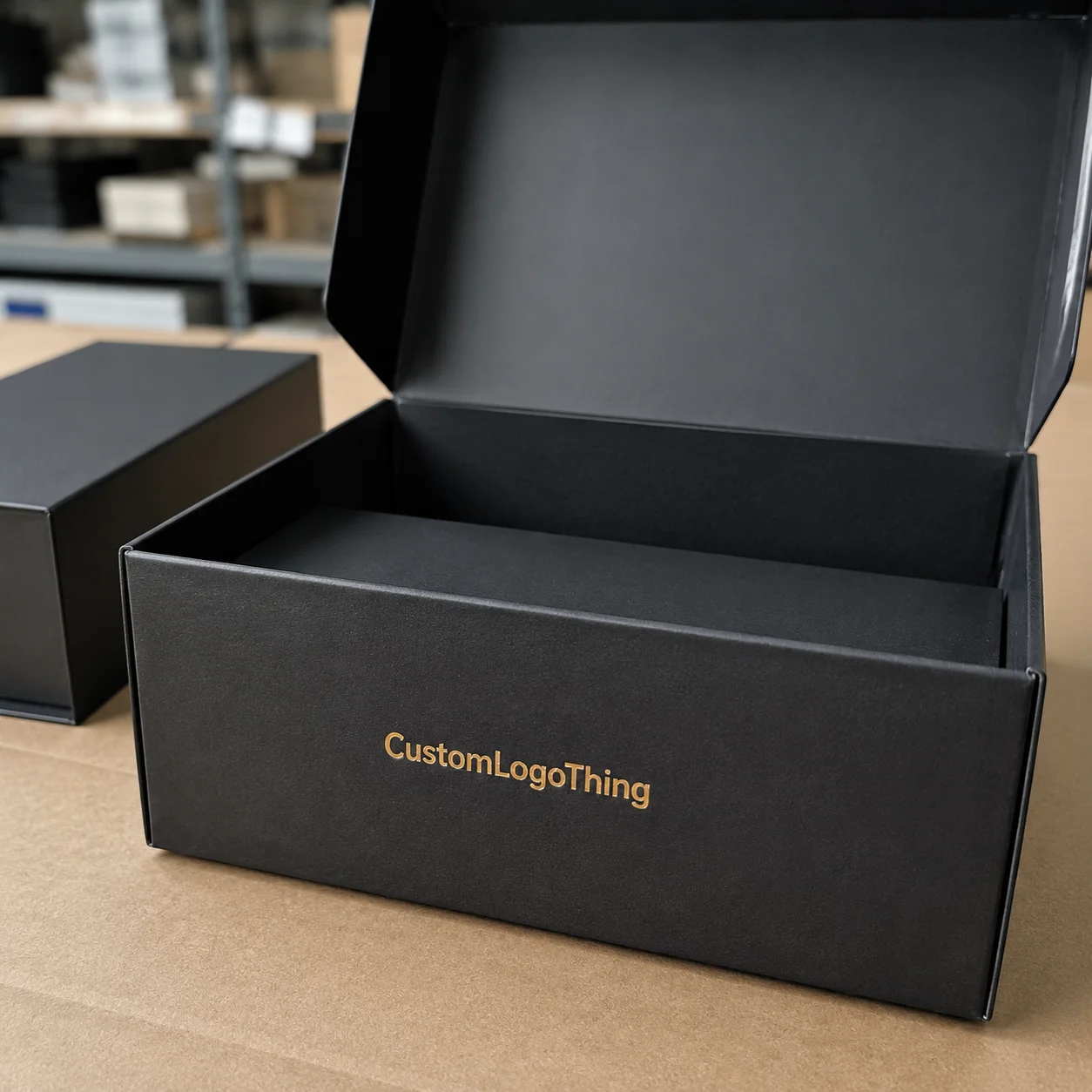
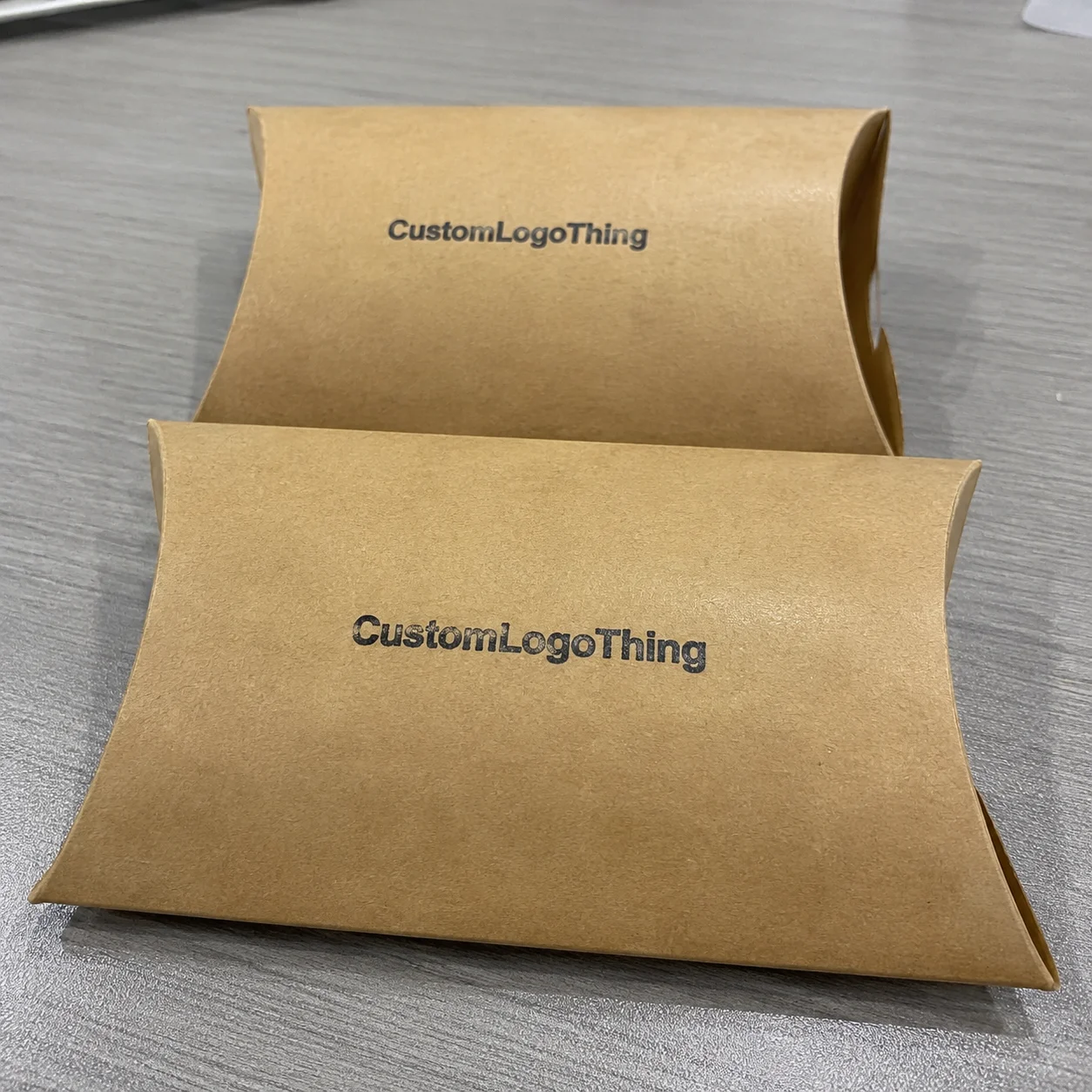
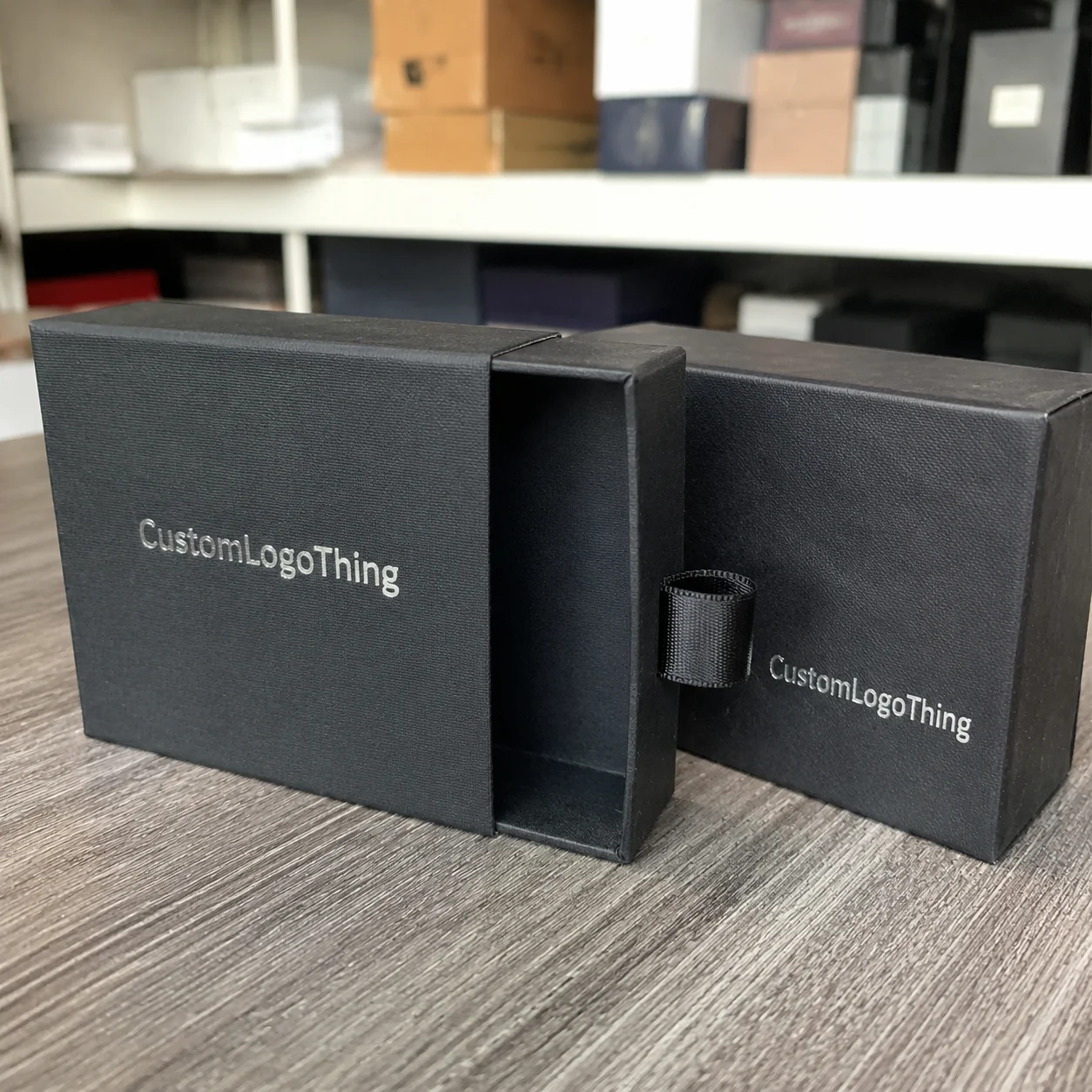
For Custom Logo Things, that distinction matters. Custom Packaging Products can be the right fit when you need branded packaging that protects, sells, and ships well. I’ve seen 350gsm C1S artboard work beautifully for lightweight retail cartons, while 32 ECT corrugated mailers hold up better for ecommerce lanes from Chicago to Atlanta. The right supplier decision still starts with a practical question: who owns the full process, from dieline to delivery?
What a Supplier Really Does
A strong custom boxes supplier guide starts with the basics: a supplier is not just a printer. A full-service supplier handles material selection, box structure, sizing, printing, finishing, proofing, production, and quality control. That list sounds obvious, but I’ve lost count of how many brands assume “box vendor” means “someone who makes rectangles.” It does not. The real work is making sure a 3.2 mm corrugated mailer survives transit, a rigid gift box holds its lid line, or a retail carton prints color accurately across 8,000 units. Rectangles are the easy part. The rest is where people start sweating.
There are three common models. A printer focuses on the print step and may outsource board conversion. A broker coordinates between factories but usually doesn’t own production equipment. A full-service supplier manages the process end to end. In a custom boxes supplier guide, that difference is huge because it determines accountability. If your box arrives 4 mm too small, who fixes it? If the coating scuffs during shipping, who owns the solution? The answer depends on who actually controls the workflow, and trust me, that question gets very real the first time a pallet shows up looking like it lost a fight.
I remember visiting a corrugated plant in Shenzhen where the production manager pulled three samples from the line, all with the same artwork but different flute profiles. Same print. Different compression strength. One was B-flute at roughly 3 mm, one was E-flute at about 1.5 mm, and one was C-flute for heavier shipping loads. That was a useful reminder that custom printed boxes are not just visual assets; they are engineered packaging. A supplier who understands flute structure, board grade, and closure style can save you real money later. A cheap vendor who only knows ink? Not so much. I’ve negotiated with those types in Dongguan and Xiamen. You ask about board strength, they hand you a price sheet like that answers everything. It doesn’t.
Custom boxes affect shipping efficiency, unboxing experience, product protection, and return rates. I’ve seen a subscription brand in Austin cut dimensional weight charges by switching from an oversized folding carton to a right-sized mailer with a 1/8-inch insert. The savings were around 11% on freight alone, not counting the reduction in void fill. That kind of win is exactly why a custom boxes supplier guide has to go beyond price. The cheapest quote can be a very expensive decision if the box fails in transit.
“We thought packaging was a finishing touch,” a brand owner told me during a client review in Chicago. “Then we paid for 2,400 replacements after the lids crushed in summer transit.”
That story is common enough to be boring, which is exactly why it matters. A good supplier is part engineer, part production manager, and part risk reducer. And in my experience, the best ones ask uncomfortable questions early: What is the stack weight? How long is the transit lane from the factory in Ningbo to your warehouse in Dallas? Will the box sit in a hot warehouse for 30 days? Those answers shape the packaging design more than a logo placement ever will. Honestly, if a supplier never asks about heat, humidity, or stacking, I assume they’ve never watched a box get punished in real life.
How a Custom Boxes Supplier Process Works
Any useful custom boxes supplier guide should show the process clearly, because surprises tend to cost money. The standard workflow usually starts with an inquiry or discovery call. Then comes quoting, dieline creation, material selection, proof approval, sampling, production, and shipment. Some suppliers compress those steps, but the sequence is usually the same. Skip one, and you usually pay for it later. Packaging has a funny way of punishing optimism.
A dieline is the flat template of your box. It shows fold lines, cut lines, glue areas, and panel dimensions. If the dieline is wrong by even 2 or 3 mm on a folding carton, the flap alignment can look sloppy or the product fit can be off. I once watched a food brand in Los Angeles approve artwork before verifying the dieline fold areas. The result was a barcode landing partly across a seam. That mistake cost two weeks and a reprint of 15,000 units. A solid custom boxes supplier guide should make that pain visible up front so nobody gets surprised later and starts using phrases like “Can we just fix it in post?” No. No, we cannot.
Digital proofs, physical samples, and production runs are not the same thing. A digital proof is for checking layout, spelling, and general color direction. A physical sample lets you test structure, closure, and finish with your actual product inside. Production runs are the final thing, and by then small mistakes become expensive. If your supplier only offers a PDF and calls it “approved,” push back. In my experience, the best suppliers will tell you exactly what proof stage solves which problem. The mediocre ones? They smile, nod, and quietly hand you a future headache.
Lead time depends on several details: artwork complexity, material availability, quantity, die-cutting, coatings, inserts, and freight mode. A simple 2,000-unit kraft mailer might ship in 12 to 15 business days after proof approval. A rigid setup box with foil stamping, embossing, and a custom insert can take 25 to 35 business days, especially if boards or specialty wraps are imported from Vietnam or South Korea. That range is one of the first things I pin down in any custom boxes supplier guide, because launch dates are ruthless and “the factory is a little busy” is not a strategy.
Delays usually happen in five places: slow approvals, unclear specs, unavailable materials, artwork changes, and sample revisions. If you want fewer delays, send clean files, confirm dimensions with calipers, and answer supplier questions within 24 hours. One beverage client I worked with shaved nine days off a run simply by providing a finalized bottle drawing, shipping carton specs, and Pantone targets in the first email. Small discipline. Big effect. Boring, yes. Effective, also yes.
Key Factors in Choosing a Custom Boxes Supplier
A practical custom boxes supplier guide lives or dies on supplier evaluation. Start with materials. Corrugated boxes work well for shipping strength and ecommerce, especially if you need E-flute, B-flute, or C-flute options. Paperboard suits lighter retail packaging and shelf-ready cartons. Rigid boxes fit premium presentation, gift sets, and products where perceived value matters. Kraft substrates work for earthy branding and lower-ink designs. Specialty substrates matter when moisture, grease, or scuff resistance enters the picture. There’s no medal for picking the fanciest board if the product doesn’t need it.
I’ve seen startups in New York overbuy rigid packaging because it looked premium in a mockup. Then they discovered the freight cost was almost double what a paperboard solution would have been. That is where a disciplined custom boxes supplier guide helps: choose the structure that matches product weight, shipping lane, and brand positioning, not just the mood board. Mood boards are charming. Shipping invoices are not.
Print quality is the next filter. Ask about color consistency, ink coverage, coating options, and registration tolerance. A supplier that cannot hold branding color within a narrow range will make your product packaging look inconsistent across runs. For brands with strict package branding standards, I usually ask for past work showing solid blacks, gradients, and small reversed text. If they cannot produce a clean 6-point type sample, I already know what the shelf will look like. And it won’t be cute.
Finishes matter too. Soft-touch lamination, aqueous coating, UV coating, foil, embossing, and spot varnish each change the final look and cost. A premium skincare line in Los Angeles might need a soft-touch finish with foil logo accents. A hardware mailer in Dallas may need only a matte varnish and stronger 32 ECT board. Good suppliers will explain the tradeoffs in plain language. A weak one will sell you every finish on the menu, like they’re trying to max out your packaging budget for fun.
Minimum order quantities can make or break a decision. A startup may need 500 or 1,000 boxes to test a SKU. A larger brand may prefer 10,000 units because unit cost drops sharply at scale. In a recent supplier negotiation, I watched a client get quoted $1.42 per unit for 1,000 rigid boxes and $0.68 per unit at 5,000. That is not a rounding error. It is a strategy decision. A thoughtful custom boxes supplier guide should help you plan for both launch and volume.
Cost is never just the unit price. Ask about setup fees, plate costs, tooling, insert charges, sample fees, and shipping. Some suppliers bury these in the headline quote. Others list them separately. I prefer the second approach because it makes comparison possible. Sustainability claims deserve scrutiny too. If a supplier says recyclable, ask whether the whole structure is curbside recyclable in your target market. If they mention FSC certification, ask for documentation. The Forest Stewardship Council has clear standards on sourcing, and you can verify claims through fsc.org. For broader material and waste context, the EPA has solid guidance on packaging waste reduction at epa.gov.
Communication quality is the hidden filter most teams underweight. Do they answer size questions clearly? Do they explain why a box needs a 300gsm SBS instead of 250gsm? Do they flag risk before production starts? Those behaviors matter more than a polished sales deck. In one factory-floor review in Shenzhen, a supplier rep noticed a logo would wrap over a glue seam and said so immediately. That saved a reprint. I trust that kind of honesty far more than a low quote. A low quote with bad communication is just a fancy trap.
- Corrugated: best for shipping, ecommerce, and heavier products
- Paperboard: best for retail cartons and lightweight items
- Rigid: best for premium presentation and gift packaging
- Kraft: best for eco-positioning and minimal print styles
- Specialty substrates: best for moisture, grease, or abrasion concerns
Comparing Quotes and Pricing
Any serious custom boxes supplier guide has to tackle pricing, because this is where buyers get tricked by glossy line items and vague terms. Compare apples to apples first. That means identical dimensions, board grade, print coverage, finish, quantity, and freight terms. A 10 x 8 x 4 corrugated mailer is not the same as a 10.25 x 8.25 x 4.125 version. A 0.25-inch difference can change board usage, shipping cubic size, and pallet count. Tiny differences. Huge consequences. Packaging math is rude like that.
The cheapest quote is often the most expensive after add-ons. I’ve seen a brand accept a low per-unit price, only to discover setup, die costs, and freight added 23% to the final invoice. Another brand had to pay for a reprint because the supplier’s “approved sample” used a different coating than production. That is exactly why the custom boxes supplier guide mindset should be suspicious of one-number pricing. One number is rarely the full story. It’s usually the opening act.
Common pricing models include per-unit pricing, tooling or setup fees, sample fees, and rush charges. For example, a folding carton in Portland might be quoted at $0.31 per unit for 5,000 pieces, plus a $180 tooling charge and $65 for a prototype sample. A rigid box in Guangzhou might be $1.12 per unit at 2,000 pieces, with higher setup and insert costs. If a rush order is needed, add 10% to 25% depending on material availability and line capacity. These numbers vary by region and complexity, but the structure rarely changes. And yes, the “rush fee” always shows up with perfect confidence.
| Quote Item | What to Check | Why It Matters |
|---|---|---|
| Box dimensions | Exact finished size, not “approximate” | A 2 mm error can affect fit and freight |
| Board grade | Example: 32 ECT corrugated or 300gsm SBS | Strength and print performance change with grade |
| Print method | Offset, digital, flexographic, or screen | Impacts color, cost, and lead time |
| Finish | Matte, gloss, soft-touch, foil, embossing | Changes appearance and unit price |
| Freight terms | FOB, DDP, or delivered pricing | Freight can erase a “cheap” quote fast |
When negotiating, don’t only ask for a lower rate. Ask what drives the rate. Can the panel count be reduced? Can the insert be simplified from two-piece to single-piece? Can the coating change from soft-touch to matte aqueous without hurting shelf appeal? That is the kind of questioning I use in a custom boxes supplier guide because it turns pricing into design intelligence. It also keeps you from haggling over pennies while ignoring dollars.
It also helps to forecast true cost over time. Redesigns eat budgets. Seasonal demand can force premium shipping. Storage fees matter if you order 20,000 units and only use 4,000 per month. I once watched a brand in New Jersey Save Money on unit price, then lose the savings because cartons sat in a third-party warehouse for 11 months. A better plan would have been two production runs, not one oversized order. More boring? Yes. More profitable? Also yes.
One more thing: ask whether the supplier can hold pricing for 60 or 90 days. In paper markets, board costs can move. Not wildly every week, but enough to matter on high-volume orders. A smart custom boxes supplier guide should teach buyers to look at cost stability, not just the first quote.
Step-by-Step Guide to Working With a Supplier
The smoothest projects I’ve seen all start with a clear spec sheet. That is a core lesson in any custom boxes supplier guide: define product size, weight, shipment method, and brand goals before asking for pricing. If you sell 250 ml glass bottles, say so. If the product ships in temperature swings between 35°F and 95°F, say that too. Those details change the box structure, and sometimes the quote too. Funny how that works.
Here is the sequence I recommend.
- Define the product specifications with exact dimensions and weight.
- Collect packaging dimensions for the primary product and any inserts.
- Request a quote with board grade, print method, and quantity.
- Review dielines and confirm bleed, seam placement, and panel layout.
- Ask for a digital proof and, if needed, a physical sample.
- Approve only after checking fit, color, and closure function.
- Set milestone dates for production, packing, and shipment.
- Build a reorder file for the next run.
Before quoting, ask the supplier for a checklist. I like a supplier who asks for the same information every time because it means fewer surprises. Useful items include logo files in vector format, Pantone references, shipping destination, desired quantity, insert needs, and target launch date. If a supplier can quote from a blurry screenshot, that is not efficiency. That is risk dressed up as convenience.
For artwork, provide AI, PDF, or EPS files, plus a brand color sheet and a note on acceptable substitutions. If your brand uses a specific navy, say whether Pantone 281 C is mandatory or whether a close CMYK match is acceptable. I’ve seen teams fight over a shade that looked identical in daylight but shifted under retail LEDs in Chicago and Miami. That’s not vanity; it’s retail packaging reality. Under fluorescent light, everyone suddenly becomes an expert in blue.
Quality assurance should not happen at the end only. Test the box with your actual product. Check drop strength from 36 inches if your shipping lane involves parcel carriers. Confirm closure fit with 10 sample units, not one. Verify print accuracy against the approved proof. If you have shelf placement, stand the box under store lighting for 48 hours and inspect for color shift or scuffing. A credible custom boxes supplier guide includes these checks because they catch failures before customers do.
I once saw a client approve a beautiful gift box in Toronto that failed because the magnet closure was too weak for the heavy insert. The sample looked perfect on a conference table. It failed in real use. The lesson is simple: packaging has to work in the hands of customers, warehouse staff, and couriers, not just in a design deck. Pretty is nice. Functional keeps the business alive.
To make future ordering easier, build a repeatable file for each SKU. Include box spec, dieline version, approved Pantone targets, finish choice, insert dimensions, supplier contact, and reorder quantity. That document cuts launch time by days. It also reduces internal confusion when marketing, operations, and procurement all want different things. A disciplined custom boxes supplier guide should leave you with a process, not just a one-off order. A process. What a concept.
Common Mistakes When Choosing a Custom Boxes Supplier
The first mistake is obvious, but people still make it: choosing only on price. A low quote may hide thin board, weak adhesive, poor print control, or freight exclusions. I’ve seen a brand save $0.07 per unit and then spend $1.80 per unit fixing damage claims. That is not savings. It is a bill with bad marketing attached. Not exactly the kind of surprise anyone puts on a mood board.
The second mistake is vague specs. “Standard box,” “normal print,” and “nice finish” are not specifications. They are guesses. A supplier can only quote what it can measure. In a useful custom boxes supplier guide, I always push for exact dimensions, product weight, product orientation, and any special handling notes. If the brand cannot tell the supplier whether the box needs to hold 1 lb or 6 lb, misquotes are almost guaranteed.
Skipping samples is another expensive habit. A PDF is not a box. A photo of a sample is not a sample. The difference between a digital proof and a physical unit can be dramatic, especially with rigid packaging, foil stamping, and coated surfaces. Approving too quickly creates expensive corrections later. I’d rather delay a launch by four days than reprint 8,000 units because the logo was too close to the edge. Four days hurts. Eight thousand wasted boxes hurts more.
People also forget freight, storage, and color consistency. If a supplier quotes ex-works pricing and you have to arrange shipping from another region, that “cheap” unit price may not be cheap at all. If you order too much and store boxes for a year, humidity can warp board edges. If you reorder six months later without a color standard, your branded packaging can drift from batch to batch. Packaging remembers your mistakes even when the team does not.
Finally, brands fail when they don’t plan for growth. A box built for 200 grams may not work when the product grows to 320 grams or gains an accessory bundle. I’ve seen companies redesign twice in 14 months because they never asked where the line would go next. A sharper custom boxes supplier guide forces that conversation early: what happens when the SKU expands?
- Do not approve artwork before verifying dimensions.
- Do not assume the cheapest quote includes freight.
- Do not skip physical samples for premium or structural packaging.
- Do not ignore future SKU changes or bundle growth.
Expert Tips for Better Results From a Custom Boxes Supplier
If you want better results, share more context. That is one of the most underused lessons in any custom boxes supplier guide. Send product photos, competitor packaging examples, and a clear note on brand goals. If your goal is “premium but not fragile,” say that. If the product sits in a warehouse for 60 days before shipping, say that too. Suppliers make better structural recommendations when they know the business model, not just the box dimensions. Mind reading is not part of the job description, despite what some teams seem to think.
Ask how the supplier reduces waste. A good partner should be able to explain how die lines are nested, where board offcuts are minimized, and whether inserts can be simplified without hurting protection. I’ve watched a supplier in a factory meeting in Suzhou reduce material use by reorienting a dieline on the sheet, cutting waste by about 8%. That kind of thinking helps both cost and sustainability. It also signals real expertise. Empty buzzwords do not cut waste. Math does.
For repeat orders, create a packaging spec sheet for every SKU. Include board grade, print method, coating, glue type, approved color targets, and pallet configuration. Keep one master file and one approved sample on hand. It sounds tedious, but it can save hours during reorders. A well-run custom boxes supplier guide is less about inspiration and more about repeatability.
Prototype before committing. I like two or three structural options if the budget allows. One may be stronger, one cheaper, one better on shelf. The answer is not always the prettiest box. Sometimes a slightly thicker mailer with a simpler insert does a better job than a premium rigid box with overdesigned foam. Packaging should support the product, not compete with it. I’ve seen foam inserts act like they had a personal vendetta against shipping costs.
Vendor relationships matter more than most teams admit. When suppliers understand your seasonality, they plan line time better. When they know a launch date is tied to a trade show in Las Vegas or a retail reset in Seattle, they will often flag bottlenecks earlier. I’ve had suppliers hold stock, move press schedules, or suggest alternate finishes because they understood the commercial pressure. That only happens when communication is honest and ongoing. A custom boxes supplier guide is not just about selection; it is about partnership.
For brands building out broader retail packaging or package branding systems, the right supplier can also help unify box families across SKUs. That matters if you want your product packaging to feel consistent across shipping cartons, shelf cartons, and gift sets. It is easier to maintain visual discipline with one partner than to stitch together three vendors with different tolerances and assumptions.
“The supplier who asks the most questions on day one usually saves the most money by day 30.”
If you remember only one thing from this custom boxes supplier guide, make it this: the best supplier is not the one with the lowest quote, but the one who helps you avoid the wrong box, the wrong finish, and the wrong timeline. That difference shows up in returns, reviews, and reorder rates. It also shows up in your margins. And yes, that’s the part everyone pretends not to care about until finance asks a very pointed question.
FAQs
What should I ask a custom boxes supplier before ordering?
Ask about material options, minimum order quantity, lead time, proofing process, and whether samples are available before full production. Request a full quote breakdown so you can compare hidden costs like setup, tooling, shipping, and rush fees. In practice, the most useful questions are the ones tied to your exact SKU: product weight, shipment method, and finish preferences. If they dodge those questions, I’d be cautious.
How do I compare custom boxes supplier pricing fairly?
Compare the same box size, board type, print method, finish, quantity, and shipping terms across every quote. Watch for low headline prices that exclude setup, freight, or revision charges. A fair comparison also includes sample costs and whether the supplier charges again if artwork changes after proof approval. Otherwise, you’re not comparing prices. You’re comparing trap doors.
How long does a custom boxes supplier usually take?
Timing depends on artwork approval, sampling, complexity, and order size, but the process usually includes quoting, proofing, production, and shipment stages. Ask for a milestone timeline so delays are visible before they affect launch dates. For a simple run, 12 to 15 business days after approval can be realistic; for premium rigid packaging, 25 to 35 business days is common. The box fairy is not showing up overnight.
What is the biggest mistake brands make with custom boxes suppliers?
The most common mistake is treating packaging like a commodity instead of a product decision that affects protection, branding, and customer experience. Skipping samples or giving incomplete specs often causes the most expensive errors. I’ve seen teams spend far more fixing a bad box than they would have spent Choosing the Right one. That lesson tends to arrive late, which is annoying but predictable.
How do I know if a custom boxes supplier is reliable?
Look for clear communication, detailed quotes, sample support, realistic lead times, and a willingness to explain material and print choices. Reliable suppliers also help prevent problems instead of only reacting after an issue appears. If they point out a seam conflict, a weak insert, or a freight risk before you ask, that is a strong sign. If they only say “yes” to everything, run the other way.
Choosing the right partner is not about chasing the lowest sticker price. It is about finding a supplier who understands structure, print, timing, and real-world handling. That is the heart of a strong custom boxes supplier guide, and it is the difference between packaging that just exists and packaging that performs. If you evaluate materials, compare quotes carefully, test samples, and communicate clearly, your next packaging run will be a lot less expensive in the ways that matter.
The actionable takeaway: before you approve a box, confirm the exact dimensions, board grade, print method, finish, freight terms, and sample status in writing. Then test one physical sample with the actual product inside it. That one habit catches most of the expensive mistakes before they turn into a warehouse problem.